
Thinking about bringing a golden retriever home? They are sunshine wrapped in fur, but there are honest truths every future owner should hear first.
Knowing them now saves stress, money, and a lot of chewed shoes. If you are ready for the real picture, you will love what comes next.
They shed far more than expected

Golden retrievers shed all year, and the tumbleweeds of fur can surprise even prepared owners. You will brush often, vacuum more than you thought possible, and still find hair on clothes, food, and phone screens.
Seasonal blowouts double the fluff and test your cleaning routine.
Plan for a quality de-shedding tool, weekly baths, and a high powered vacuum. Feed a balanced diet with omega rich support to keep skin healthy and reduce excessive fallout.
Lint rollers by every door help you leave the house presentable.
If allergies lurk in your household, have honest conversations before committing. Shedding is not a flaw, just reality for this breed.
Embrace the glitter of dog confetti, or reconsider before bringing one home.
Many stay hyper for years

Many goldens keep their puppy turbo for years, long past that cute baby phase. Expect zoomies, couch vaulting, and an eagerness that overwhelms quiet evenings.
Without thoughtful outlets, that energy snowballs into frustration for both of you.
Structure helps. Schedule morning cardio, midday brain games, and evening decompression walks.
Rotate fetch, swimming, sniffing, and training drills so muscles and minds get challenged without overloading joints. Use short bursts with frequent breaks to prevent overstimulation.
Communicate boundaries consistently and reward calm like it matters, because it does. When excitement spikes, redirect to a settled mat routine and breathe.
With patterns and patience, that sparkling chaos becomes focused enthusiasm you can actually live with. Age helps, but management helps more.
They crave constant companionship

Goldens are shadow dogs, happiest when your day includes them. Working late or constant travel can spark anxiety and clinginess that feels intense.
They follow from room to room and wilt when doors close. Crates can help, but they are not a substitute for presence.
Build alone time skills early with gentle, incremental departures. Offer stuffed Kongs, snuffle mats, and safe chews to create positive associations.
Consider dog sitters, daycare, or trusted friends during long stretches away.
Expect to share the couch, your routines, and plenty of eye contact. This breed reads your moods and wants to be near your heartbeat.
If you envision an independent pet, reassess now, because companionship is their favorite language.
They can become destructive when bored

A bored golden becomes a creative engineer with teeth. Pillows open, baseboards sprout splinters, and backyard landscaping gets redesigned.
Boredom is rarely malice, just unmet needs looking for a job.
Preempt trouble by scheduling activities that tire body and brain. Scatter feeding, puzzle toys, cardboard destruction boxes, and hide and seek teach problem solving.
Short training bursts polish impulse control and build confidence. Plan windows of rest, because overtired dogs make worse choices.
Give appropriate chew outlets and rotate them to keep novelty high. Close doors, manage access, and crate kindly when you cannot supervise.
If you treat boredom like a training cue, you will protect your home and your relationship. Prevention beats punishment every single time.
Food obsession is very common

Food motivates golden retrievers like few other currencies. Expect laser focus around kitchens, picnic tables, and treat pouches.
Without structure, counter surfing and garbage diving become recurring adventures.
Use that obsession to your advantage with training that pays well and often. Measure meals, use puzzle feeders, and split rations into reinforcement throughout the day.
Teach leave it, wait, and go to mat until it becomes second nature.
Guard against weight gain with portion control and regular body condition checks. Secure trash, clear counters, and communicate house rules with everyone.
When appetite meets boundaries, you get reliability in distracting places and a healthier partner beside you. Veterinary guidance on calories keeps goals realistic.
Treats count, so track them.
They mature slowly emotionally

Golden retrievers often look grown long before their brains catch up. Emotional maturity can lag into age three, sometimes later.
Expectations that fit a calmer breed will frustrate both of you. Plan for years of guidance, not months.
Set age appropriate goals and celebrate small wins. Reinforce calm greetings, teach settle cues, and practice doing nothing in boring places.
Socialize thoughtfully while protecting from overwhelming chaos that imprints bad habits.
Patience is your secret superpower during this stretch. Keep sessions short, manage the environment, and sleep on problems instead of forcing breakthroughs.
With time and repetition, the goofy youngster becomes the steady, considerate companion you imagined when you fell in love. Progress will zigzag, and that is normal.
Daily exercise is non-negotiable
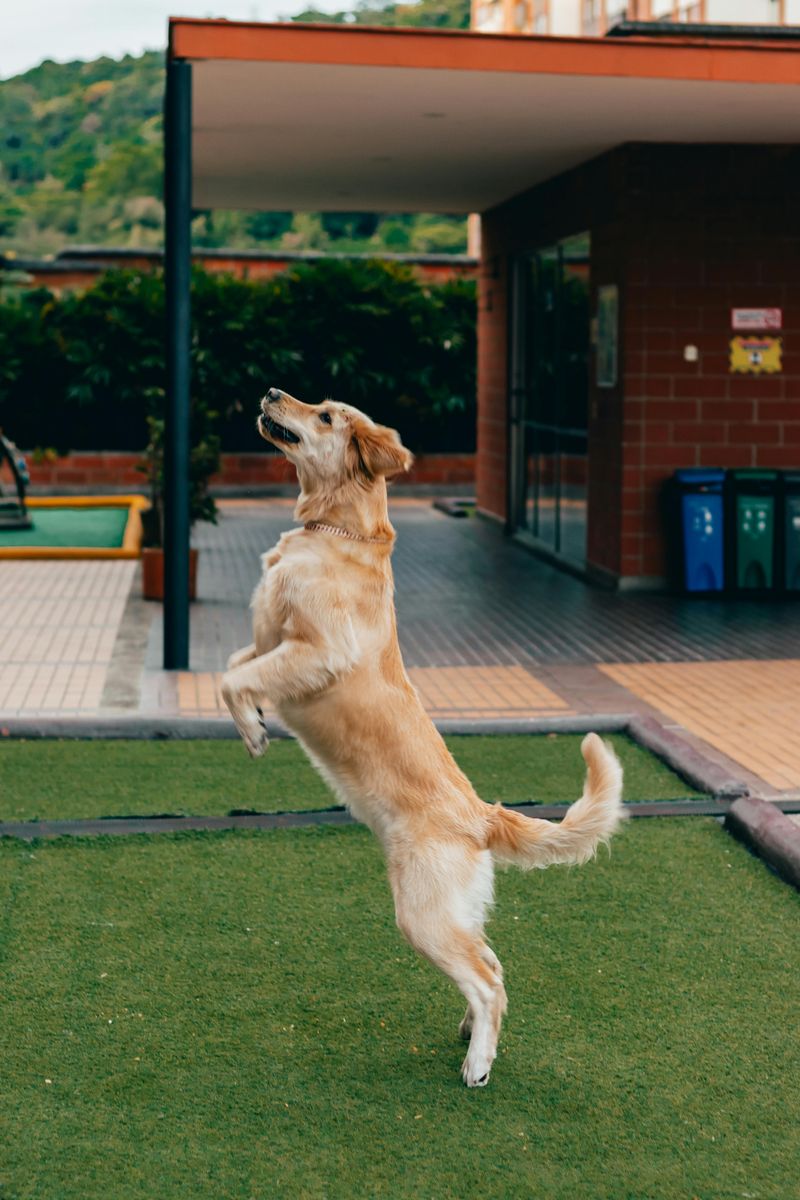
This breed needs real movement every day, not just a quick backyard pee. Without consistent exercise, behavior and sleep both deteriorate fast.
Energy has to go somewhere, and your shoes usually volunteer. Plan and protect that time.
Mix cardio and brain work. Brisk walks, jogging after growth plates close, swimming, and structured fetch check boxes.
Nose work, shaping games, and obedience turns satiate curiosity while keeping bodies safe.
Build routines you can sustain on busy weeks, including rainy day plans. Ten minutes of training plus twenty of sniffing beats an aimless stroll.
When exercise becomes a non negotiable appointment, everything else about living together gets easier and more enjoyable. Consistency matters more than epic weekend marathons.
Ear infections happen more than people expect

Those gorgeous floppy ears trap moisture and debris, creating perfect conditions for yeast and bacteria. Swimming days and humid climates multiply the risk.
The head shakes and that familiar smell will show up eventually.
Make cleaning a weekly habit, and always after water play. Use vet recommended ear solutions, cotton pads, and gentle technique.
Reward generously so the routine becomes easy for both of you. Dry thoroughly, especially after swims.
Learn the difference between mild irritation and something that needs an appointment. Do not ignore redness, pain, or persistent gunk.
Early treatment prevents chronic problems, and consistent maintenance keeps your golden comfortable through every season. Ask your vet to demonstrate proper cleaning so you feel confident.
They need consistent training early
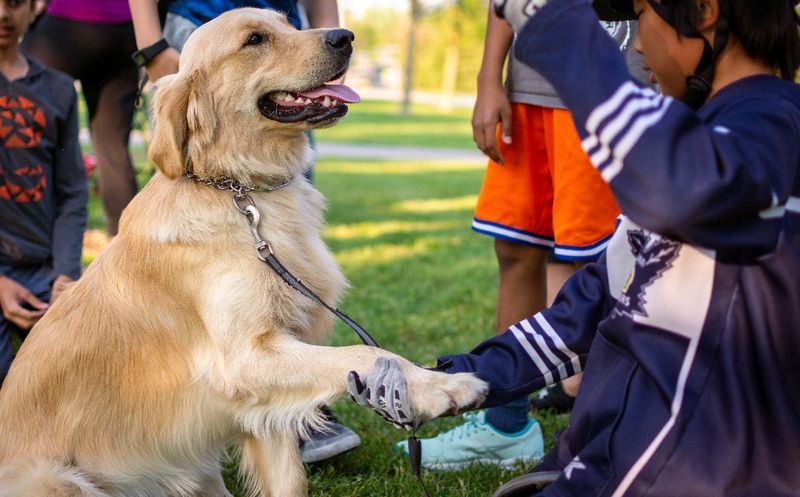
Early training sets the tone for everything that follows. Goldens are brilliant, friendly, and sometimes pushy, which can snowball without guidance.
Clear rules introduced early save you from big corrections later. The window is short, so make it count.
Start with name recognition, recall foundations, and loose leash skills. Socialize with intention, pairing new sights and sounds with treats and space.
Keep sessions short, upbeat, and frequent so learning sticks.
Consistency across family members matters more than any fancy technique. Agree on cues, rewards, and boundaries to avoid confusing your dog.
When everyone plays the same game, your golden learns faster and grows into the companion you pictured. Hire a positive trainer early if you feel stuck.
Their emotional sensitivity is extremely strong

Golden retrievers feel your weather. Raise your voice and you will watch their hearts sink.
They mirror stress, joy, and tension with startling accuracy. Harsh methods backfire with this breed.
Use soft hands, kind words, and predictable routines. Reward what you like and redirect quietly when mistakes happen.
If big feelings erupt, take a pause and reset the environment before trying again.
This sensitivity is a gift when treated carefully. It deepens connection, sharpens training, and turns teamwork into second nature.
Protect their confidence daily, and you will uncover a partner who tries hard simply because you are together. Practice calm greetings, cheerful praise, and patient silence when they worry.
Your mood sets the room.