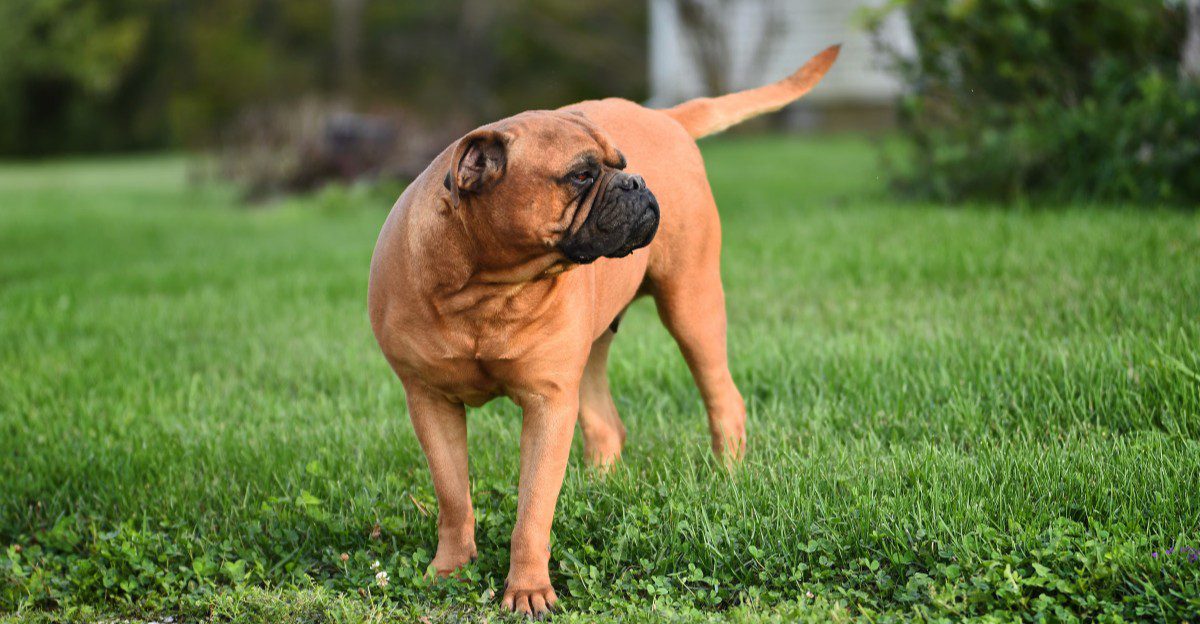
Big dogs can look a little scary at first, but many are soft souls who love family life. With good training, kind social time, and the right match, these giants can be steady, loving partners.
The key is shaping good habits early and meeting their needs. Here are large breeds that often thrive with families when everything lines up.
Newfoundland
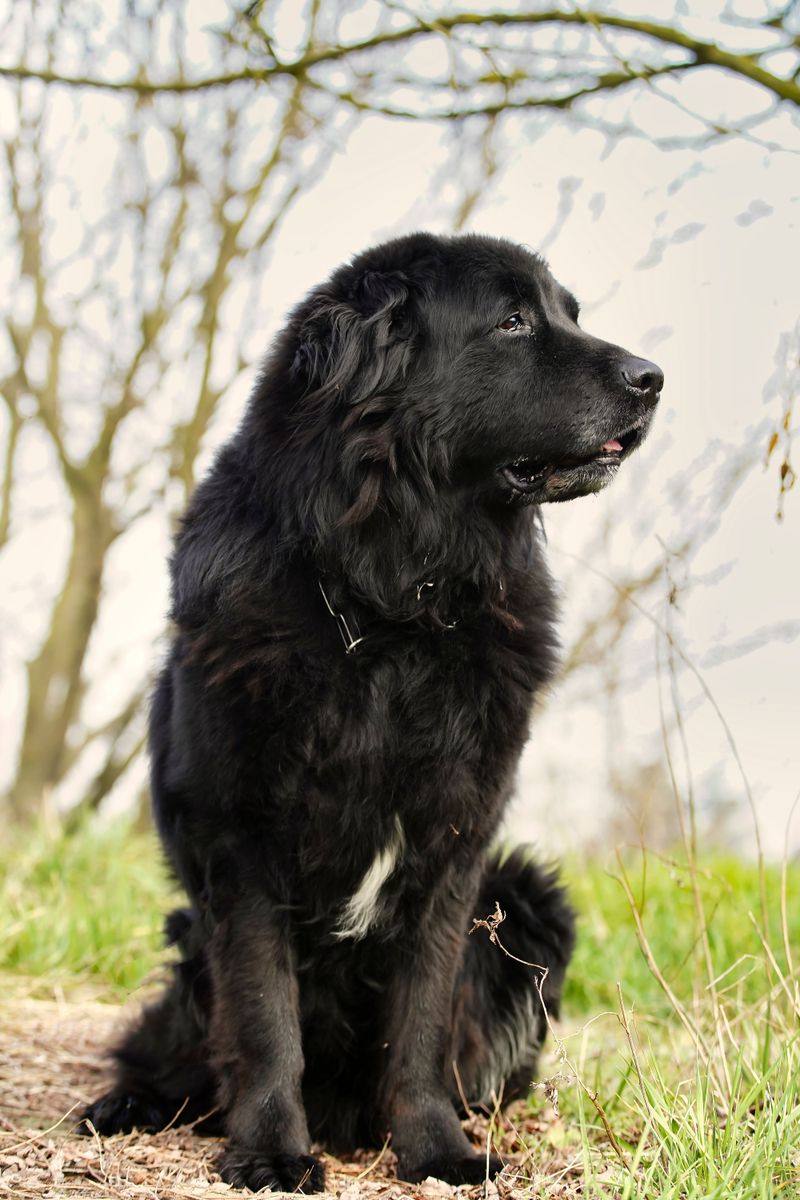
With a heart as big as its paws, the Newfoundland watches kids like a calm lifeguard. Many were bred for water rescues in chilly seas, so patience runs deep.
Start early with short leash lessons and gentle handling to build trust. Daily brushing, sturdy chew toys, and steady routines keep this big friend relaxed at home.
Short swims or low-impact walks protect joints while burning energy.
Teach a quiet place command for easy settling anywhere.
Great Dane
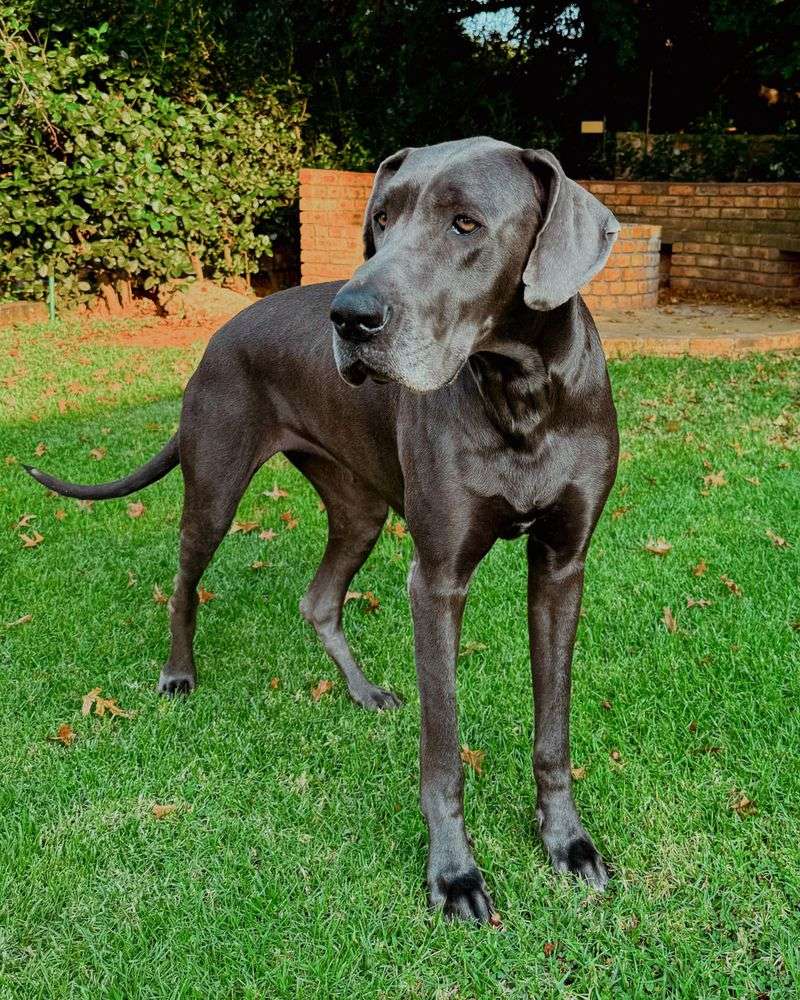
Neighbors stop and smile when a Great Dane ambles by like a moving sofa. Despite the size, many prefer couch cuddles over chaos.
Focus on polite greetings, slow doorways, and calm sits before meals. Use tall, sturdy baby gates and teach a soft mouth for taking treats.
Short training bursts beat long marathons due to short attention spans. Gentle walks, puzzle feeders, and mat work help channel that lanky energy safely.
Vet checks catch issues.
Bernese Mountain Dog
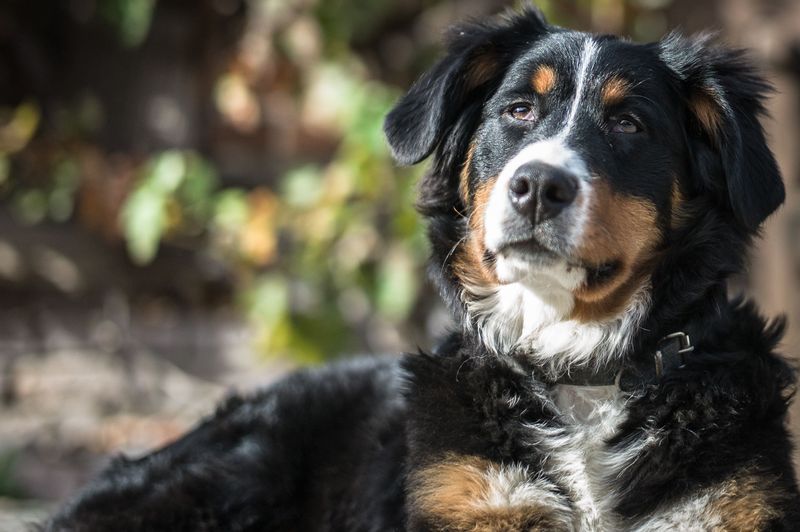
Farmers once trusted Berners to pull carts through Swiss fields, and that steady spirit remains. Most crave family time and clear jobs to do.
Teach simple chores like carrying a light pack on walks or waiting at gates. Brush the tri-color coat often, and practice calm crate time after play.
Friendly meetups with neighbors, bikes, and loud trucks build confidence. Keep sessions upbeat, use tasty rewards, and praise polite choices right away.
Cool weather workouts.
Saint Bernard
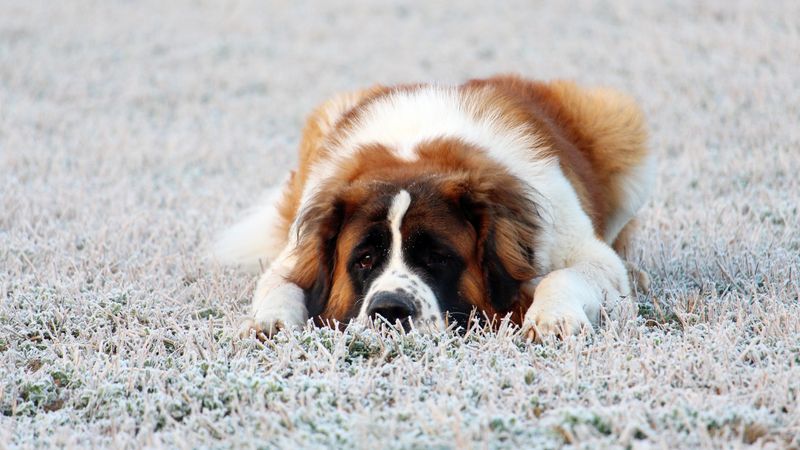
Picture a furry avalanche gently padding through your living room, and you meet a Saint Bernard. Big heads and soft eyes often melt stress fast.
Early social trips to parks, hardware stores, and calm school fields teach good manners. Keep drool towels handy, trim nails often, and practice relaxed stays near doorways.
Short hill walks build strength without pounding growing joints. Teach a gentle lean cue for hugs, not jumps, to protect small kids.
Patience.
Irish Wolfhound
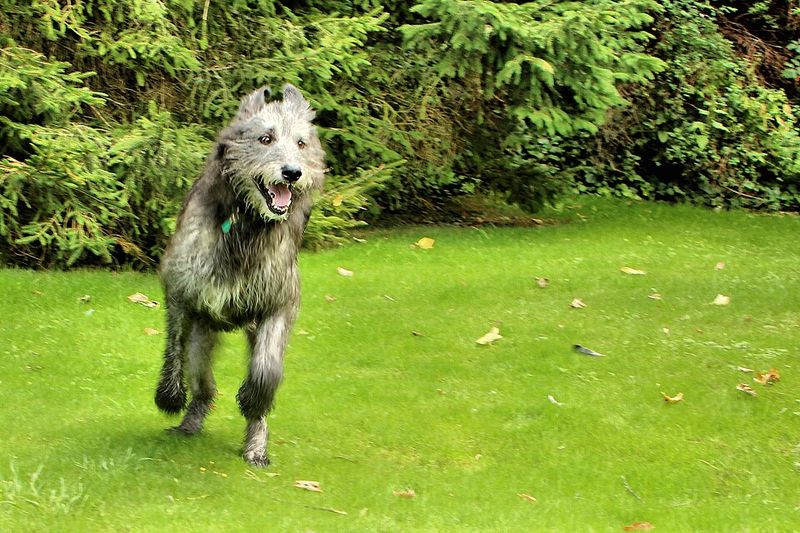
Legends tell of wolfhounds patrolling ancient halls, yet many act like polite shadows at home. Tall frames hide surprisingly gentle footsteps.
Because sprinting is tempting, teach solid recall and relaxed loose-leash skills early. Provide fenced spaces, soft beds, and calm greetings to prevent bowling accidents.
Short sighthound bursts are fine, but long daily jogs can strain growing bones. Rotate squeaky toys, scent games, and gentle stretching to keep bodies and minds happy.
Quiet evenings soothe.
Leonberger
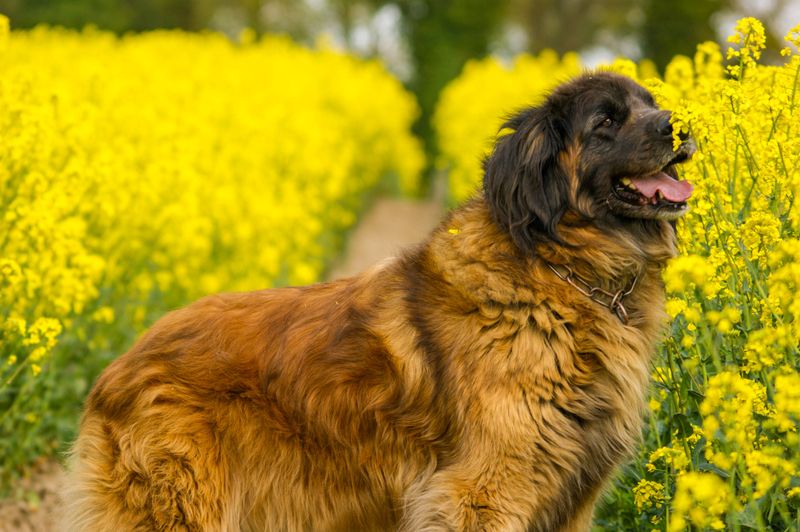
Imagine a lion-tinted teddy bear who prefers family picnics to drama, and you have a Leonberger. Many shine as gentle therapy visitors because they read moods well.
Teach loose leash walking, water manners, and polite stroller passes during puppyhood. Weekly grooming, nail care, and slow feeder bowls help keep life smooth.
Balanced exercise means swims, meadow strolls, and short training games instead of wild sprints. Reward calm check-ins around kids and wheelchairs so manners grow.
Mastiff
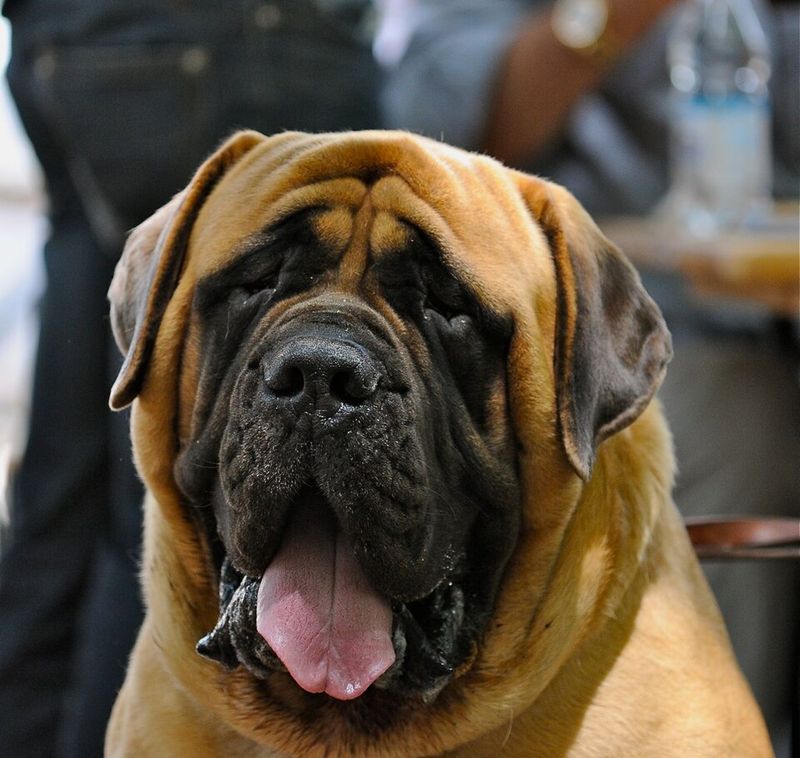
One look at that massive head, and you might expect roar, yet a Mastiff often whispers. Many are content guardians who prefer watching over wrestling.
Early boundary games, place training, and calm meet-and-greets build self-control. Keep sessions short, use meaty treats, and end on wins to keep confidence high.
Joint-friendly exercise includes grassy walks, slow stairs, and careful tug with rules. Teach polite door patience so visitors feel safe and your dog succeeds.
Night routines.
Bullmastiff
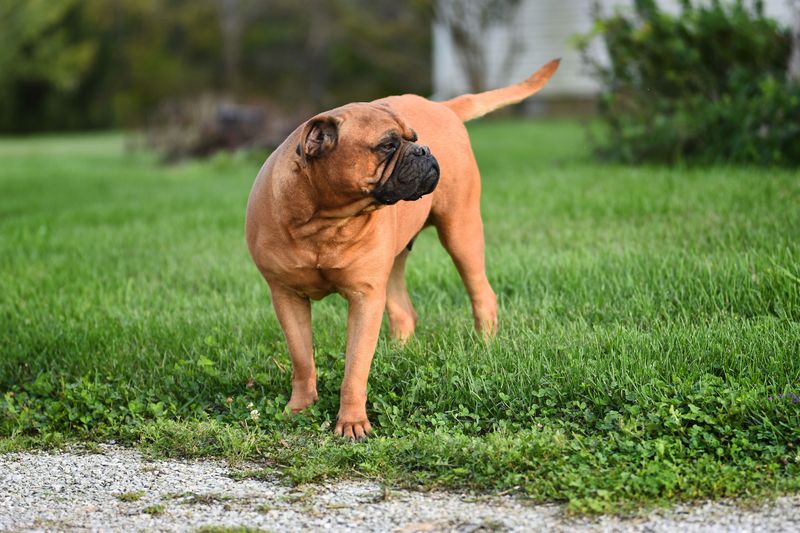
Built to quietly stand between poachers and gamekeepers, the Bullmastiff brings brave calm to families. Short bursts of energy appear, then the couch calls.
Practice impulse control with wait games, slow treat taking, and leash manners around distractions. Rotate sturdy toys, and teach trade to avoid resource guarding.
City life can work with elevator practice, quiet hallways, and daily sniff walks. Keep greetings low and steady so bodies stay balanced, not bouncy.
Consistency builds trust.
Greater Swiss Mountain Dog
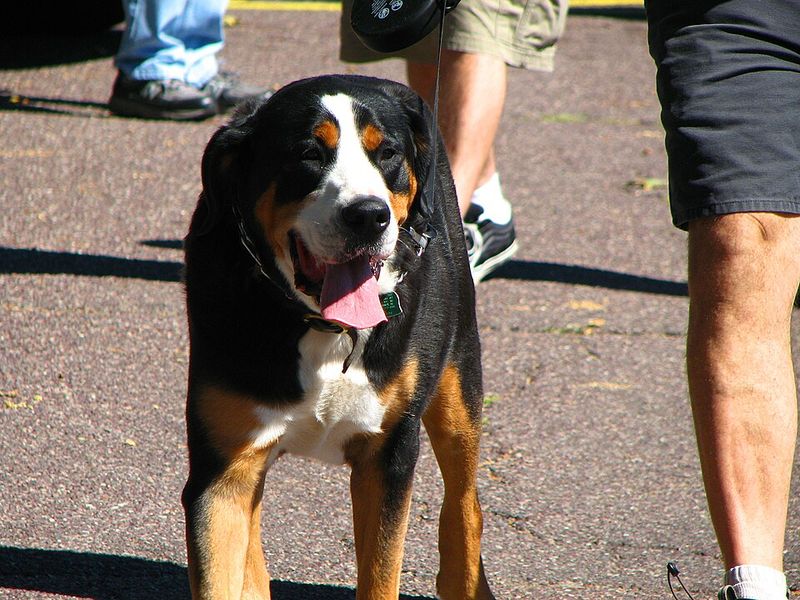
Like a living flag with bold colors, the Swissy turns heads yet prefers simple teamwork. Many enjoy pulling sports, hiking, and steady routines.
Teach harness skills, loose-leash walks, and calm passes by barking fences. Socialize around clanging carts, hats, and rolling suitcases to reduce surprises.
Groom the short coat weekly, check nails, and keep weight lean for healthy joints. Reward patient choices at doors and vehicles so impulse control becomes a habit.
Cold mornings motivate.
Great Pyrenees
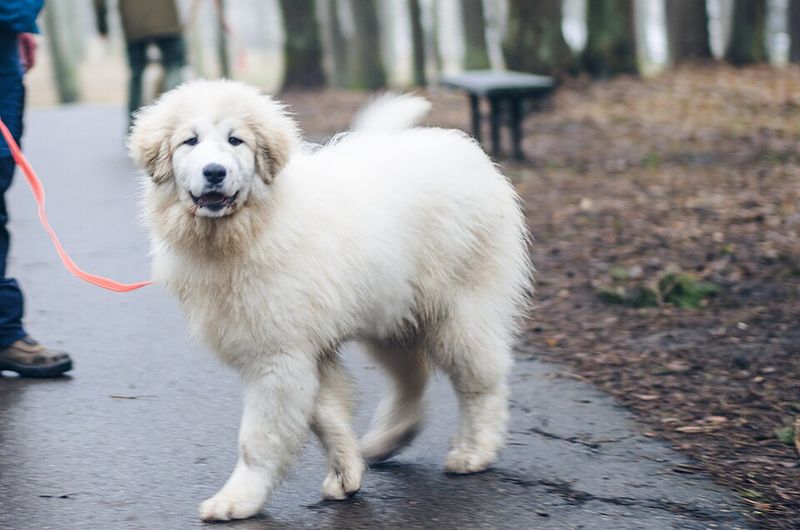
On quiet nights, a Great Pyrenees might patrol the yard like a snowy cloud on duty. Bred to guard flocks, many choose thoughtful watchfulness over rough play.
Teach calm alerts, then a thank you cue to end barking on command. Secure fences, night lights, and routine neighborhood walks ease worry and build confidence.
Daily brushing reduces mats, while cooling beds help during afternoons. Reward quiet check-ins and gentle returns to a mat after guests arrive.