
Ever watch your dog do something baffling and think, why are you like this. Good news, there are real reasons behind those head tilts, zoomies, and perfectly mistimed sits.
Once you see the patterns beneath the quirks, the weirdness starts making sense and training gets easier. Let’s decode the habits that quietly run the whole show so you can work with them, not against them.
Dogs often learn patterns before commands
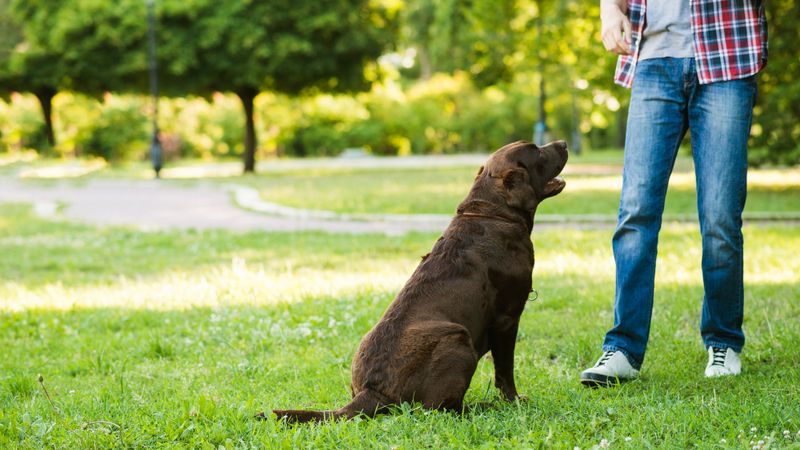
Your dog is not ignoring you. Most dogs latch onto patterns before they understand a cue, so they watch your shoes, the leash sound, and your route to the door.
When those pieces line up, they predict what happens next and move early, even if you have not said a word. That is why sit at the door works better than sit in the middle of chaos.
Teach commands by separating the pattern from the word. Change your order, move slowly, or rehearse the cue in quiet moments so the sound becomes meaningful on its own.
You will see clearer responses, fewer false starts, and a dog who listens because the cue predicts the action, not the sneakers and jingling keys.
Many dogs respond to tone more than exact words
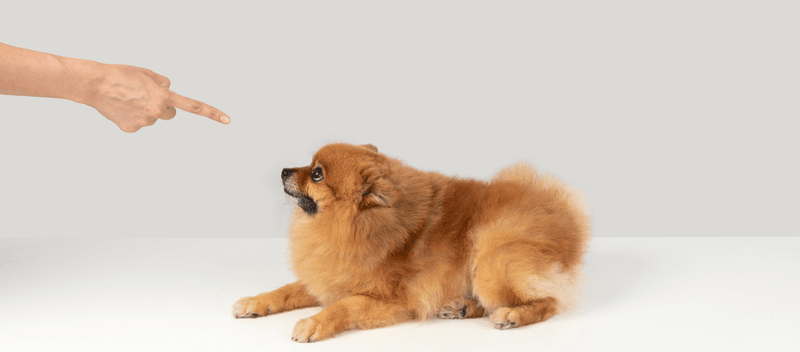
You can say the perfect word and still get a blank stare. Dogs often tune into tone, pitch, and rhythm far more than the exact syllables.
A warm, rising tone invites approach, while a sharp, flat delivery can feel like pressure even when the word itself is friendly.
Try this experiment: keep the cue the same, then vary the melody. Use soft praise for calm, upbeat energy for play, and a low, steady voice when you want stillness.
You will notice faster compliance, smoother transitions, and fewer mixups, because your message rides on the music your dog is already wired to hear. Think lullaby for settle, cheer chant for go, neutral newsreader for everyday cues.
Eye contact can mean trust, pressure, or excitement depending on context

Eye contact is not a single language. In cozy moments, soft eyes signal trust and connection, like a quiet check in that says all is well.
In tense spaces, a hard stare can be social pressure, and in thrilling play, bright eyes can simply shout I am excited.
Read the whole dog. Look at ear set, tail motion, body weight shift, and breathing to decide whether gaze means comfort, challenge, or pure enthusiasm.
When you respond to the full picture, you calm faster, reward cleaner, and avoid misunderstandings that come from treating every glance like a single fixed signal. Context turns eyes into punctuation, not the whole sentence.
Match your reply to that grammar today.
Some dogs yawn when stressed, not sleepy
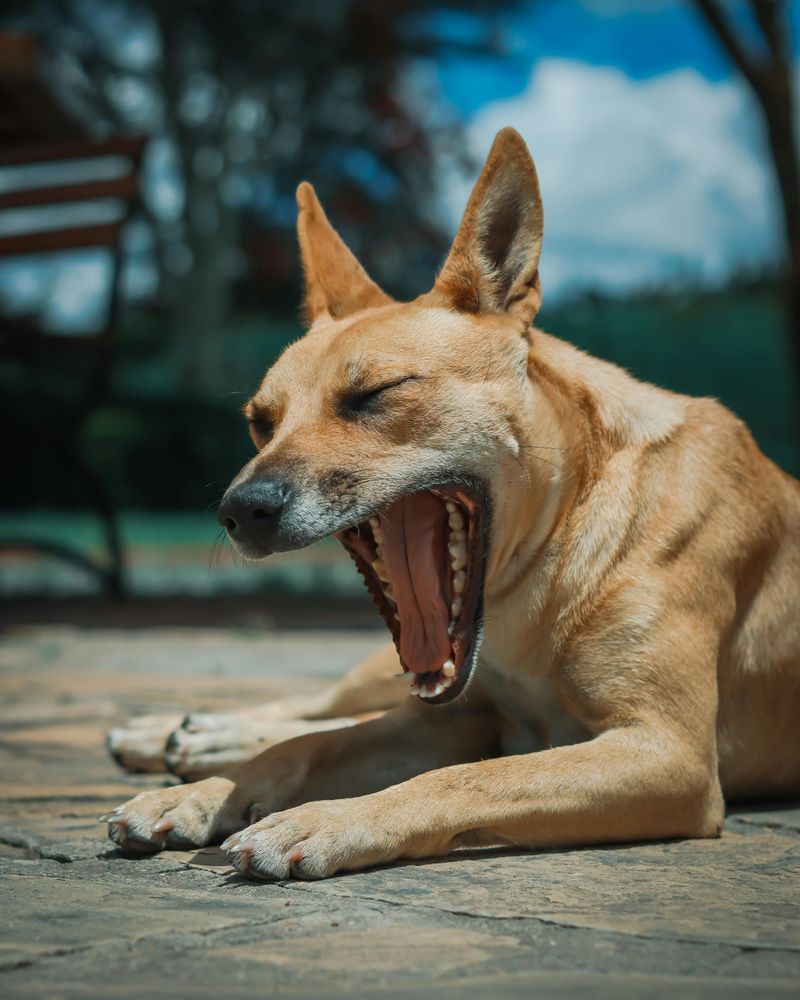
A sudden yawn does not always mean bedtime. Many dogs yawn to release tension, especially during grooming, vet visits, or when greetings feel too close.
It is a built in pressure valve that helps the nervous system flip from high arousal toward regulation. You will often see it paired with lip licking, blinking, or a head turn.
When you spot a string of yawns, slow things down. Add space, lower your voice, and offer a simple sniffing break so the body can reset.
Over time, your dog will handle the same situations with less effort, since you paired mild stress with support instead of pushing through and letting worry pile up. Think of it as a yellow light.
Sniffing can help dogs calm themselves down
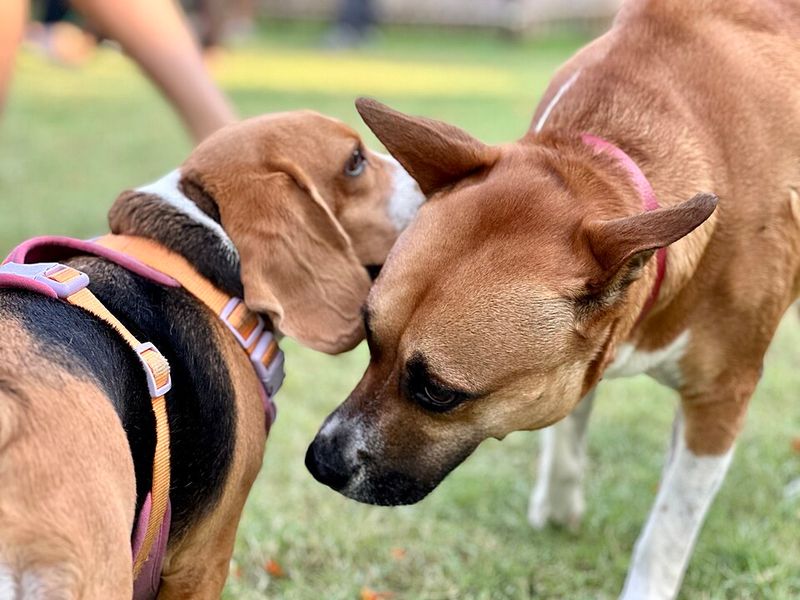
Sniffing is nature’s reset button. Nose work nudges the brain toward the seeking system, which competes with panic and helps regulate arousal.
After a quick sniffari in grass, many dogs return to training more focused, like a deep breath you can actually watch. That shift lowers heart rate and frees up attention for learning.
Build decompression into walks. Scatter a handful of treats for a sniff search, weave through trees, or follow your dog’s nose for five slow minutes.
You are not spoiling structure, you are topping off coping skills, and you will usually get better loose leash walking right after the sniffs have taken the edge off. Let curiosity do some emotional first aid.
Routines make many dogs feel safer

Predictability is security for lots of dogs. When meals, walks, and rest happen in a steady pattern, the world feels understandable, so arousal peaks are smaller and recovery is quicker.
Routine does not mean rigid, it means consistent anchors that tell the nervous system life is okay. Think lighthouses, not strict timetables.
Create touchpoints you can keep on busy days. A brief morning sniff, a midday chew, and a calm evening cuddle can stabilize even when schedules shift.
With those promises in place, you will see fewer surprise meltdowns, easier crate time, and a dog who copes better when the truly unexpected shows up. Small predictable rituals beat one big weekend adventure.
Consistency calms brains.
Dogs can form very different relationships with different people in one home
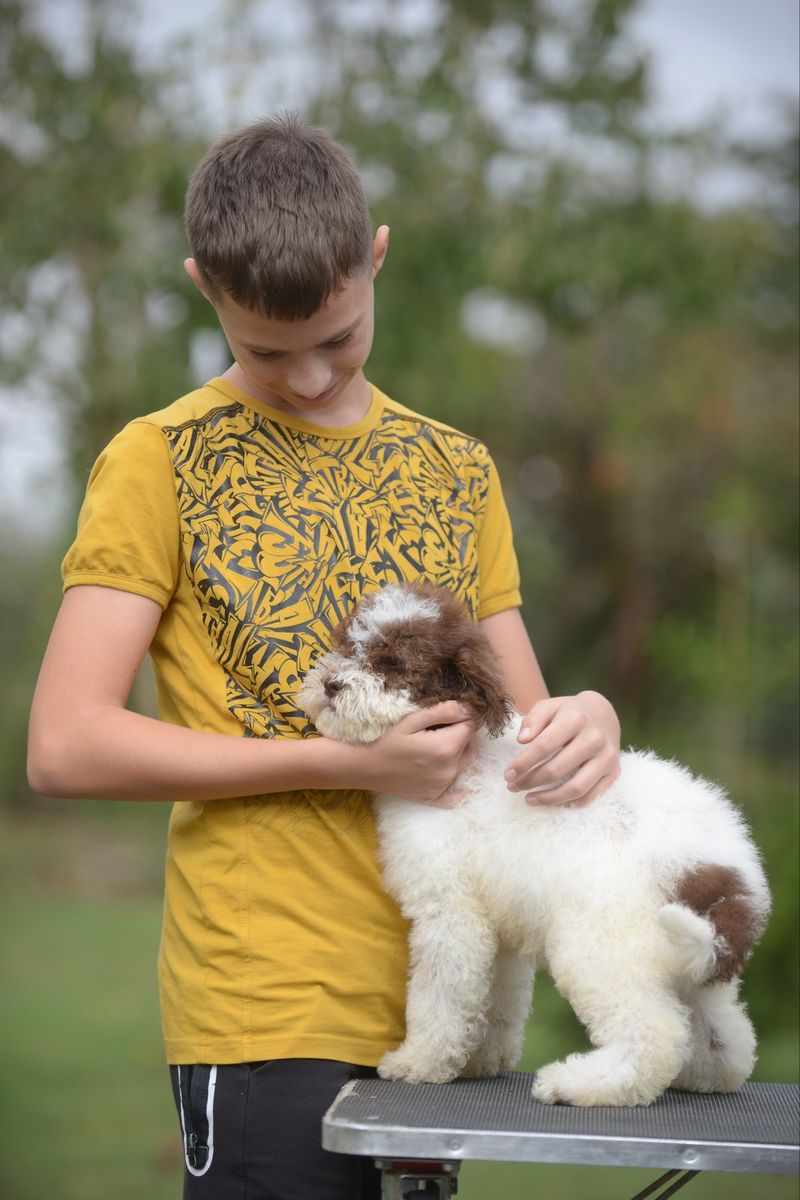
It is normal for one dog to act like two different dogs with two different people. Relationships form through patterns of interaction, so play partner, cuddle buddy, or training teammate each shape unique expectations.
You are seeing learning, not betrayal, when your dog listens to one person better in certain contexts.
Agree on cues, reinforce the same rules, and trade roles now and then. Let the quieter person deliver games, and let the high energy person run relax time, so flexibility grows.
Balanced variety builds a dog who can switch gears smoothly, rather than clinging to one script that only works with one human. Think of it as cross training for relationships.
It pays off.
Boredom often looks like stubbornness
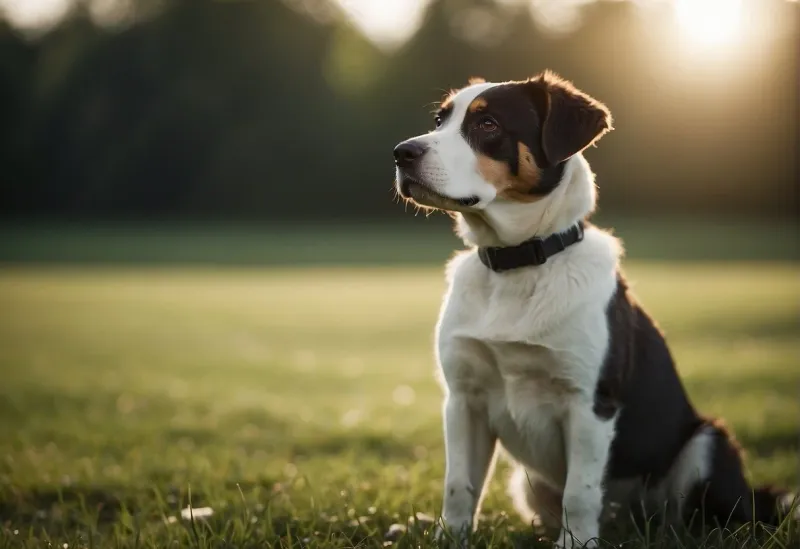
That sit refusal might be a yawn of the brain, not defiance. When tasks repeat without novelty or reward, dogs conserve energy by checking out, chewing the leash, or looking for their own project.
It reads as stubborn, but it is often a simple cost benefit decision. Brains crave novelty and feedback.
Refresh the game. Pay well, mix easy wins with quick challenges, rotate environments, and add movement so the work feels alive.
You will get brighter focus and cleaner responses, because you respected your dog’s need for purpose and turned effort into a puzzle worth solving instead of a dull to do list. Tiny adjustments beat louder repeats every single time.
Make success simple.
Overstimulation can look like bad behavior
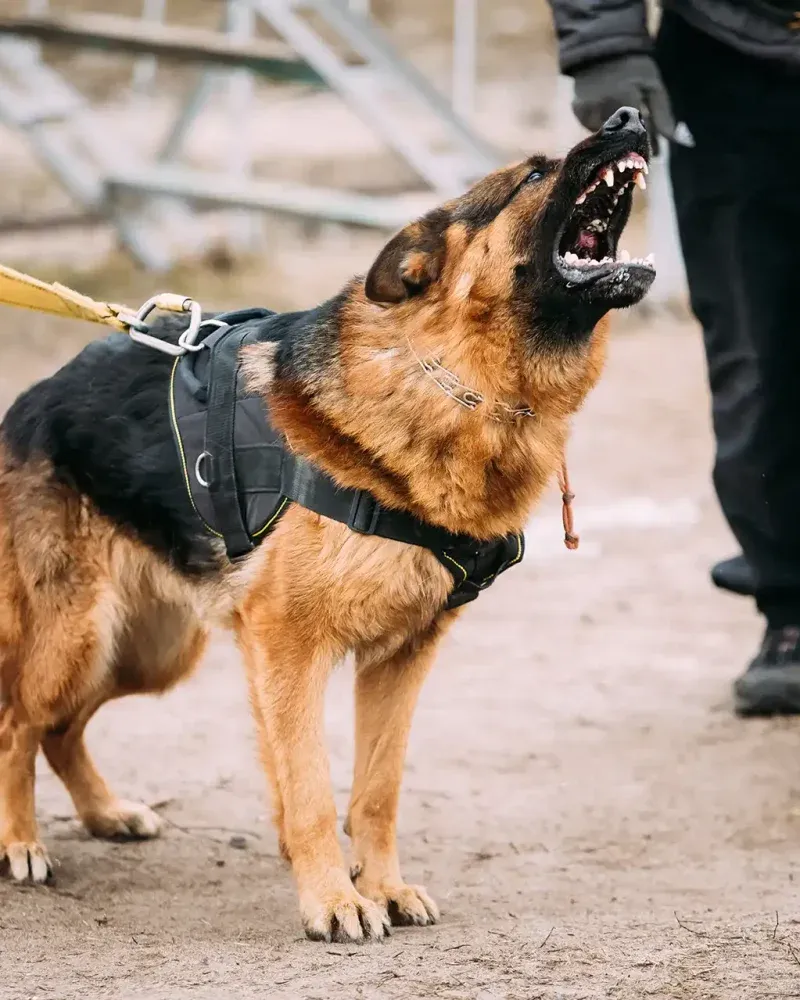
Zoomies, barking, and grabby mouthing often point to a brain that is too revved, not a dog choosing naughtiness. Adrenaline boosts movement and drops impulse control, so skills you know are present suddenly vanish.
The body is loud, and thinking feels far away. More input floods the system and pushes thinking even further away.
Help by dialing down. Step out of the crowd, offer a chew, switch to slow sniffing, and breathe together until eyes soften and muscles release.
Once arousal falls, ask for one easy behavior, pay, and end on calm, so the lesson becomes this is how we land rather than stop it right now. You are not rewarding chaos, you are restoring control.
Some dogs copy human timing so well it feels intentional
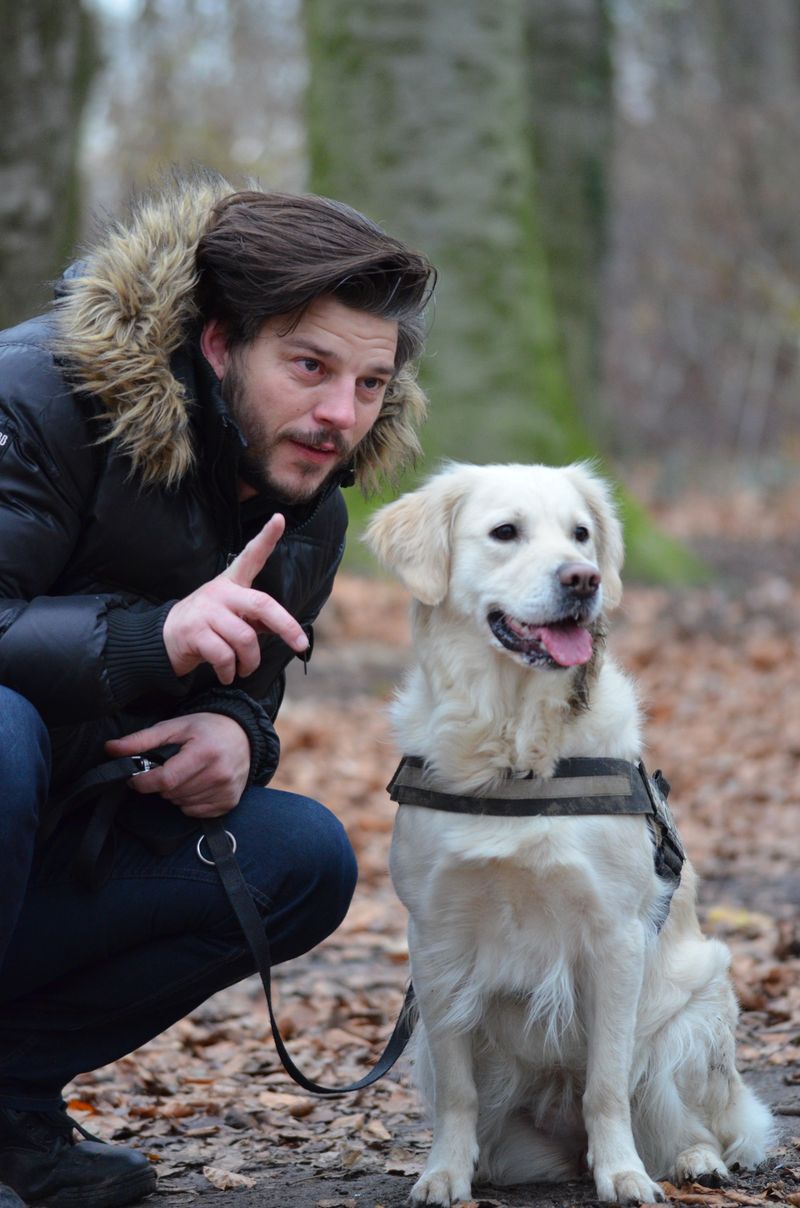
Ever notice your dog stand up exactly when you reach for the remote. Dogs are expert observers and often sync to your micro routines, moving when you exhale, shift weight, or glance at the door.
It can look like mind reading, but it is sharp pattern reading. They are matching beats you did not realize you were setting.
Use it. Pair your tiny tells with cues you like, and you will get elegant flow that feels like choreography the two of you built together.
If a habit creates unhelpful timing, change your pre moves so your dog decouples the prediction and waits for the actual cue before jumping into action. Make the dance work for you.