
Think you know sled dogs? Alaskan malamutes are more than fluffy legends from the snow.
They carry ancient history in their bones, surprising quirks in their behavior, and a heart that loves hard work and family time. If you have ever wondered what makes these Arctic powerhouses so special, you are about to find out.
One of the oldest Arctic sled dog breeds
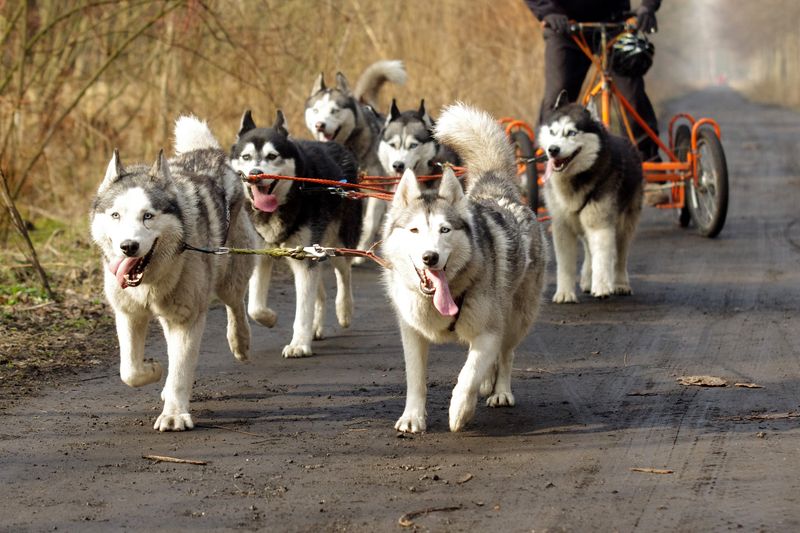
Alaskan malamutes trace their roots back thousands of years with the Mahlemut people of Alaska. These dogs hauled heavy loads across sea ice, hunted seals, and shared warm shelters with families.
That long partnership shaped a breed built for cooperation, stamina, and trust, prioritizing steady work over showy speed.
When you meet a Mal today, you are seeing living Arctic history in motion. Their instincts still reflect ancient jobs like pulling, navigating crusted snow, and reading shifting weather.
Respect that heritage, and you will understand why they thrive with purpose and close human bonds through structured activities, mental challenges, and plenty of respectful, hands on companionship and meaningful work. Archaeological findings and oral histories trace breeding choices that favored reliability over flash across unforgiving polar distances.
Bred for strength, not speed
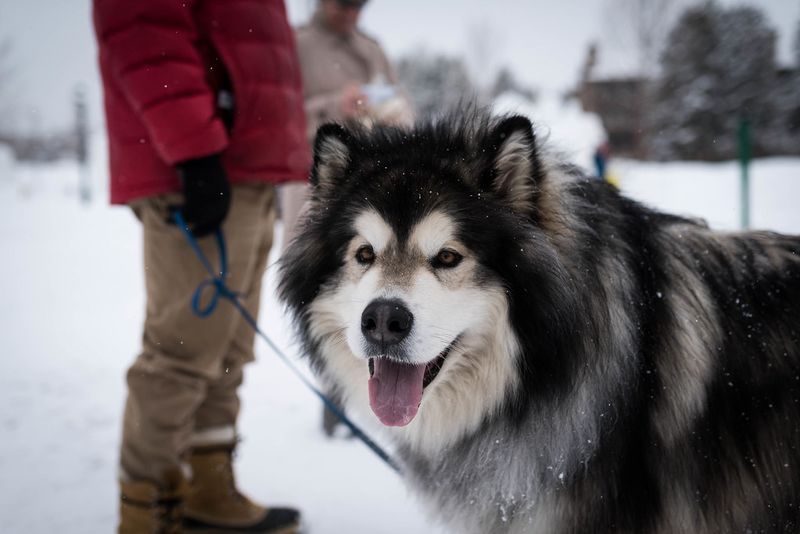
Malamutes were crafted to move weight, not win races, and you feel that difference the moment they lean into a harness. Their broad chests, heavy bone, and dense feet were made to grip snow while dragging serious cargo.
Think dependable pickup truck more than sports car, steady and unstoppable over long, punishing miles.
If you ask a Mal to sprint, they will try, but their magic appears when the work turns slow and stubborn. You will notice patient pacing, even breathing, and a rhythm that outlasts quick bursts.
Give them tasks like backpacking, tire drags, or skijoring with measured loads, and they come alive. Building strength safely means progressive training, good footing, and a clear job that rewards persistence.
Extremely loyal to their families
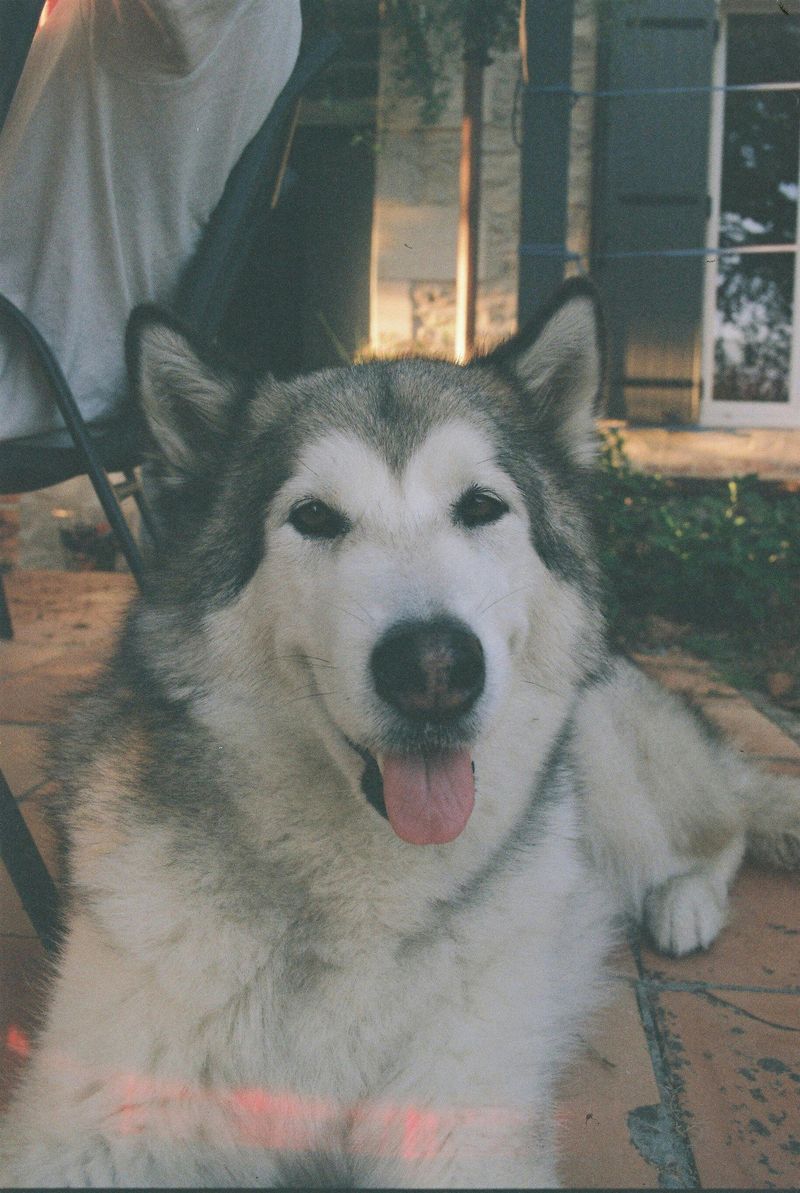
If you want a dog that bonds deeply, a Malamute fits the bill in a wonderfully devoted way. They treat family like a pack, following you from room to room and checking in with calm, steady glances.
That loyalty shows in quiet presence, gentle leaning, and sticking close when you are under the weather.
However, loyalty is not clinginess, and healthy attachment comes from trust, routines, and fair leadership. You will strengthen the bond through shared work, clear boundaries, and daily moments that matter.
Let them help carry a backpack, join hikes, or practice calm settle time near you. When you show up consistently, they return the favor with heart, patience, and an affection that feels earned rather than demanded.
Thrive in cold climates
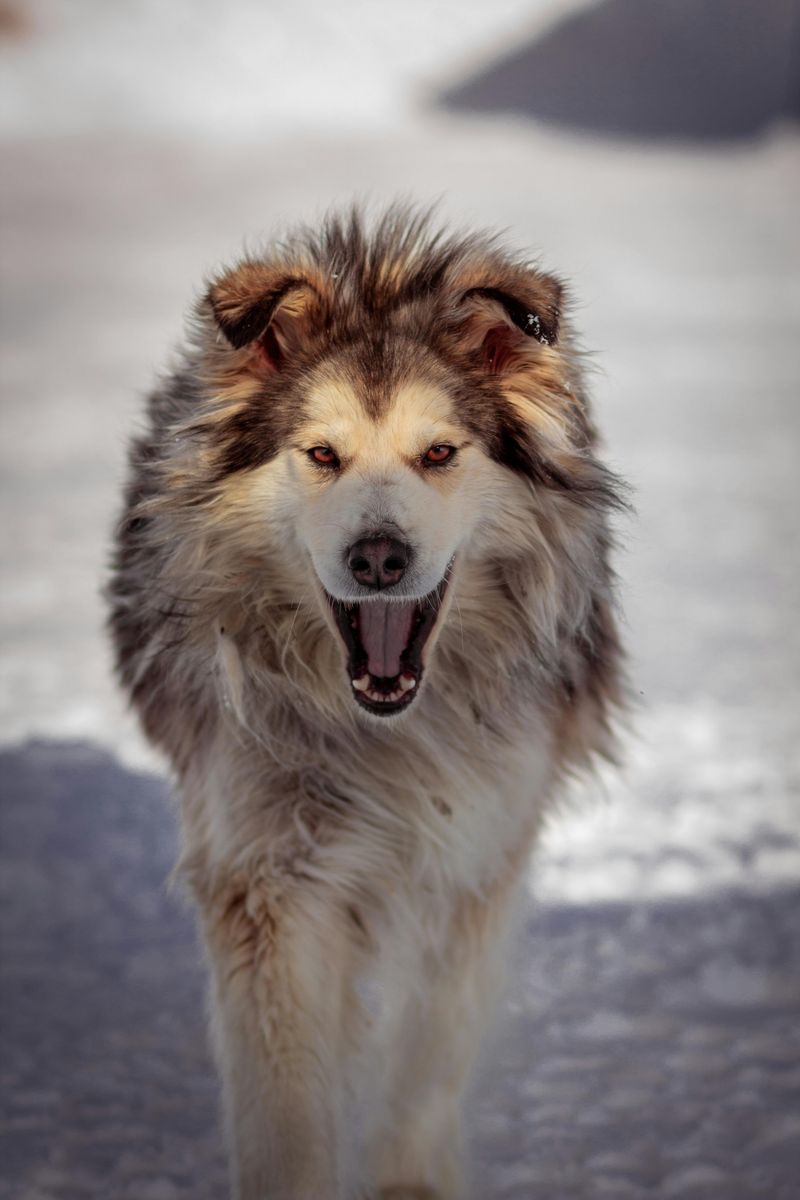
Everything about a Malamute whispers winter, from their double coat to their snowshoe paws and plumed tail that wraps like a scarf. In frigid air, they glow with comfort while you bundle up, moving smoothly across drifts and windpack.
Cold energizes them, and their coat insulates against chill while managing moisture from snow.
If you live where winters bite, you will see their happiest strut. Give them structured outdoor time, safe traction, and rest spots free of ice melt chemicals.
In warmer seasons, manage activity carefully, schedule early morning walks, and provide cooling mats and shade. Respecting temperature limits keeps them thriving year round, proving why Arctic design still works beautifully in modern life when you plan thoughtfully.
Strong pack mentality
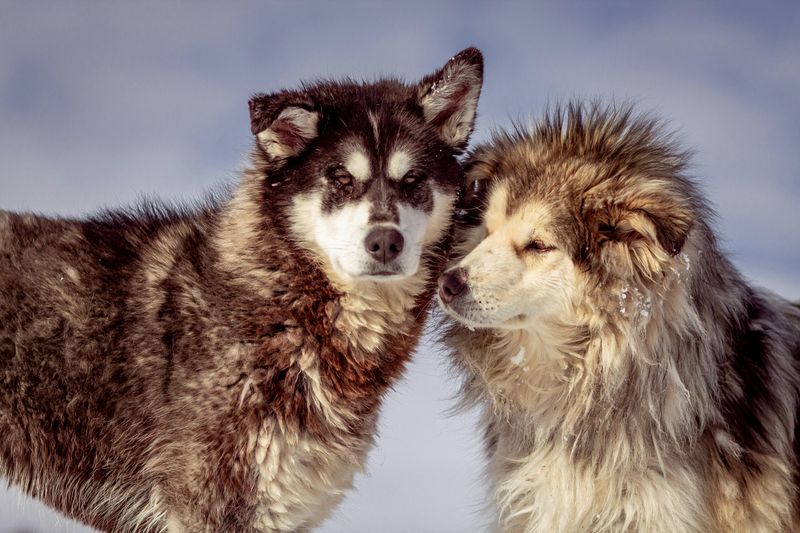
Malamutes read social cues like pros, and their pack mindset shapes daily decisions in ways you can guide. You will notice polite rituals, eye contact, and small shifts in posture that signal comfort or conflict.
Clear household rules help them relax, giving structure to a brain wired for group cooperation.
With multiple dogs, you will want to manage resources, mealtimes, and training moments to avoid misunderstandings. Consistency reduces stress and strengthens harmony, because they respect patterns that feel fair.
Invite calm greetings, reward turn taking, and practice impulse control around toys and doors. When you communicate clearly and avoid chaotic energy, their social intelligence shines, revealing a dog that thrives on teamwork and predictable leadership without harshness.
Can be very independent
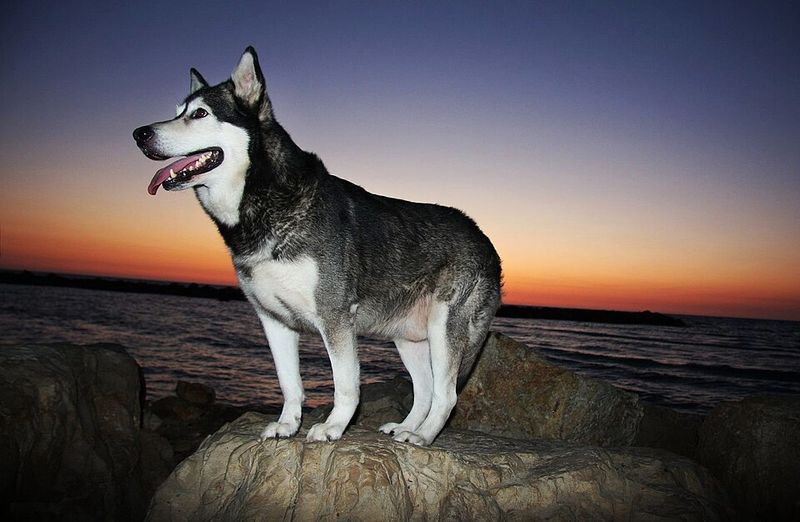
A Malamute will happily work with you, but they also think for themselves, a trait born from Arctic problem solving. Independence appears as patience, stubborn pauses, and calm resistance when cues seem pointless.
You will earn cooperation by making tasks meaningful and rewarding choices that align with their confident nature.
Instead of butting heads, design training that lets them offer behaviors and succeed. Use short sessions, clear markers, and pay well with food, toys, or movement.
Give them a job, and they will show up, but nagging breeds shutdown. Embrace their self possession as a feature, not a flaw, and you will build a partnership based on respect, shared goals, and reliable responses in real life challenges.
Require consistent training
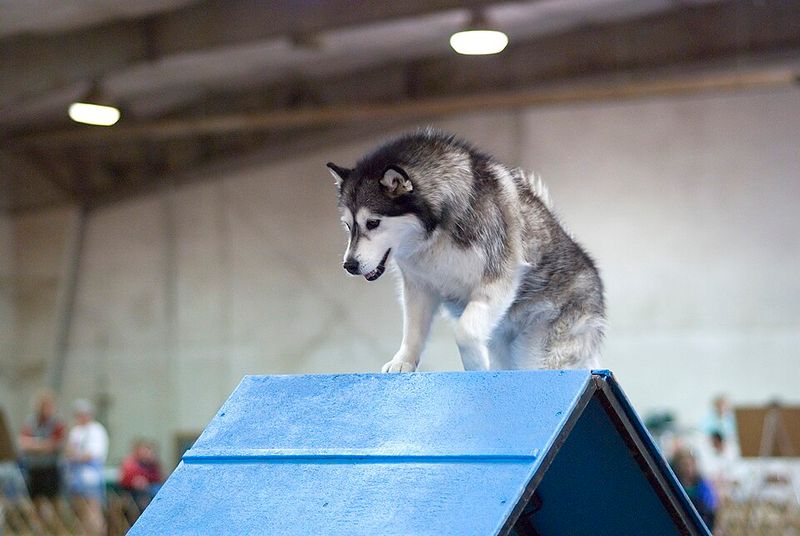
With a powerful, intelligent dog, consistency is kindness, because clarity calms their busy brain. Short, upbeat sessions keep engagement high and reduce pushback that comes from repetition without purpose.
You will get the best results by reinforcing desired choices immediately and preventing rehearsals of unwanted behaviors.
Teach reliable basics like recall, loose leash walking, settle on a mat, and leave it. Layer in real world practice around distractions, surfaces, and weather so skills become habits.
Use generous reinforcement early, then fade to life rewards such as access to trails, greeting friends, or pulling sessions. When training becomes a daily rhythm, you will see steadier manners, better focus, and a dog who understands how to win with you.
Known for their endurance
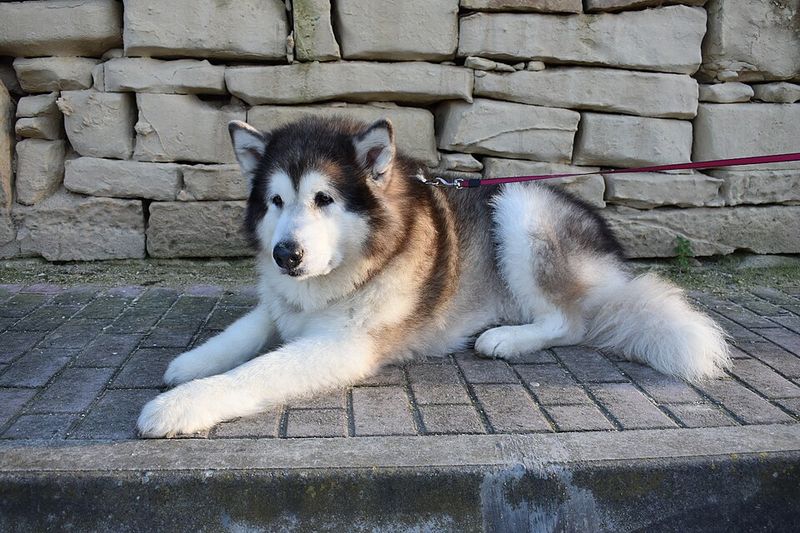
Watch a Malamute settle into a ground eating trot, and you will understand the meaning of steady power. Their respiratory efficiency, durable feet, and mental grit combine for hours of sustainable work.
They conserve energy beautifully, matching terrain and snow texture with a surefooted pace that just keeps going.
To support that endurance, build their engine gradually through hikes, canicross, and controlled pulls. Track distances, rest days, and paw care so their body stays ahead of the workload.
Feed for performance, hydrate well, and warm up before asking for effort. When conditioning is thoughtful, you unlock a partner who can accompany you through long adventures, bringing joyful persistence where other dogs would have already called it quits.
Heavy seasonal shedding
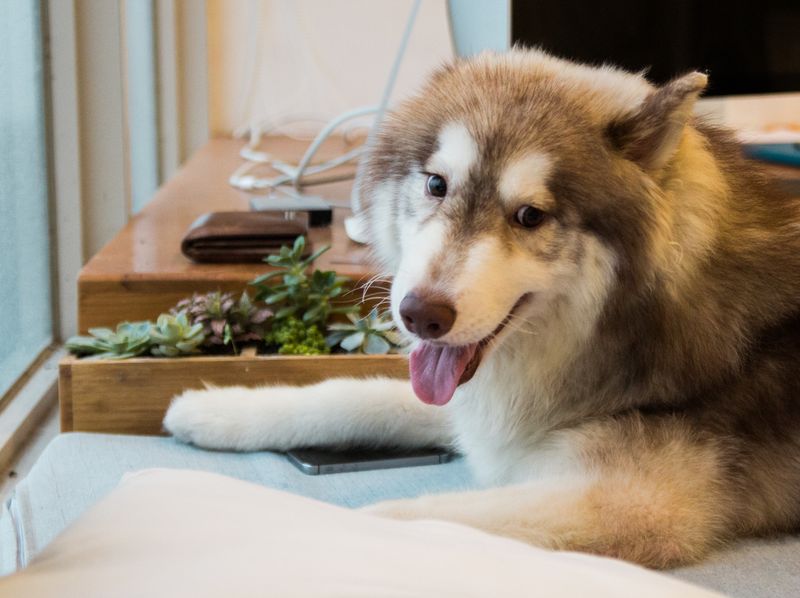
Twice a year, your Malamute may explode into a blizzard of undercoat, and the volume can surprise anyone. That seasonal shed is how their coat adapts to changing temperatures, releasing dense insulation.
You will find fluff in corners, clothes, and probably in your morning coffee, despite your best efforts.
Make coat care a routine: weekly line brushing, a high velocity dryer during blowout, and gentle detangling tools. Bathe sparingly, rinse thoroughly, and dry completely to protect skin health.
Keep nails short and paws conditioned, because grooming is whole body maintenance, not just fur. When you embrace the ritual, shedding becomes manageable, your home stays cleaner, and their skin and coat stay healthy, glossy, and weather ready.
Friendly but not great guard dogs
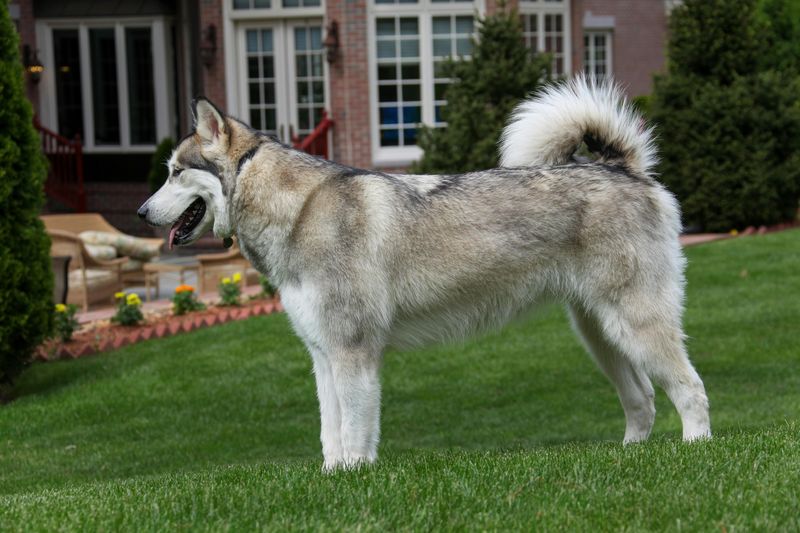
Malamutes are social butterflies with strangers, offering tail wags and curious sniffs instead of hard stares. Their size may deter trouble, but their temperament prefers hospitality over confrontation.
If you want a watchdog that barks at everything, you might be surprised by how welcoming they can be.
That friendliness is a feature when you host guests, visit cafes, or travel with your dog. You can still teach alert behaviors, but expect polite interest rather than suspicion.
Focus on controlled greetings, impulse control at doors, and rock solid recalls. With good management and training, you get a confident companion who reads the room, remains approachable, and keeps the vibe positive while you handle actual security with locks, lights, and smart planning.