
Your dog cannot explain a sore paw or a scary encounter with words, but their behavior can offer clues. A growl, a pause, or a step backward may tell you something you need to know.
Correcting those signals can hide the warning without fixing the problem. Learning to listen helps you respond more safely and build trust.
A growl that says something feels wrong

A low rumble is information, not a challenge you need to win. Your dog may be worried about a nearby hand, a crowded space, or someone approaching their food.
Punishing the growl can discourage that warning while leaving the discomfort unchanged. Stop approaching, create space, and notice what happened just before it started.
Avoid testing their limits. If growling repeats, ask your veterinarian and a qualified reward-based behavior professional to help identify the cause safely.
Stepping away from unwanted handling
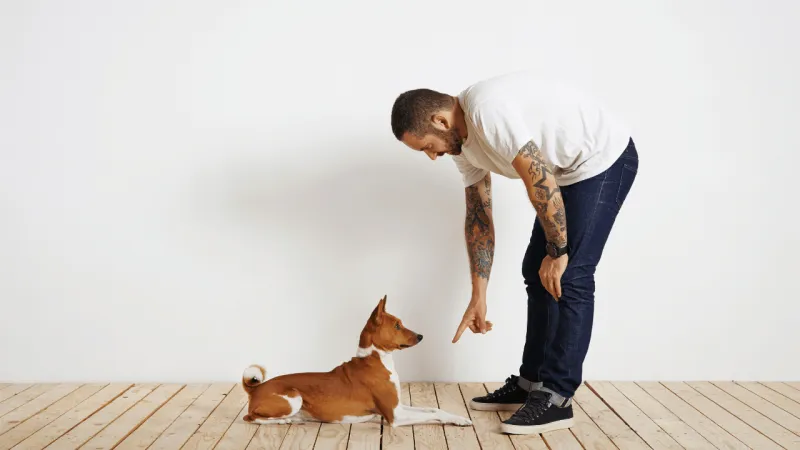
Imagine someone touching your sore shoulder after you tried to pull away. A dog dodging a brush or backing away from nail trimming may be asking for relief, not acting stubborn.
Pause the handling instead of holding them tighter. Check for tenderness, tangled fur, or irritated skin.
Practice brief touches paired with treats when they are comfortable. New sensitivity deserves a veterinary check, especially if your dog previously enjoyed being handled without showing any concern.
Barking at a genuinely unusual event
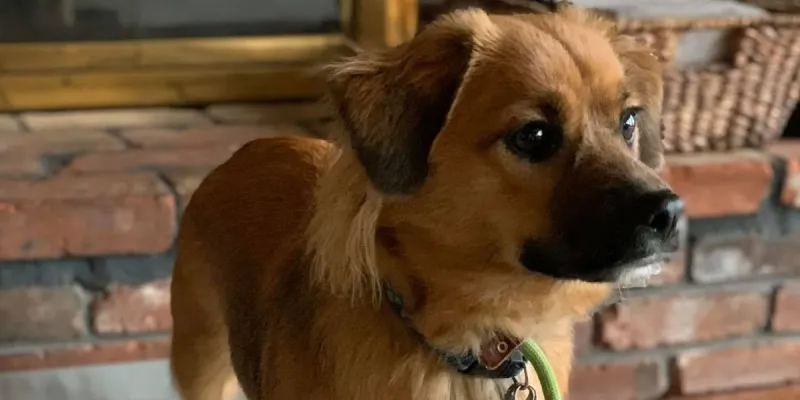
That sudden bark might be your dog’s version of a doorbell. An unfamiliar sound, unexpected visitor, or loose animal outside could explain why an ordinarily quiet dog suddenly sounds alarmed.
Before correcting, check what caught their attention without assuming every bark means danger. Then guide them away from the window or toward a familiar resting spot.
Reward settling once they can relax. Listening first helps you separate useful alerts from habits that need patient training.
Declining a greeting that feels unsafe
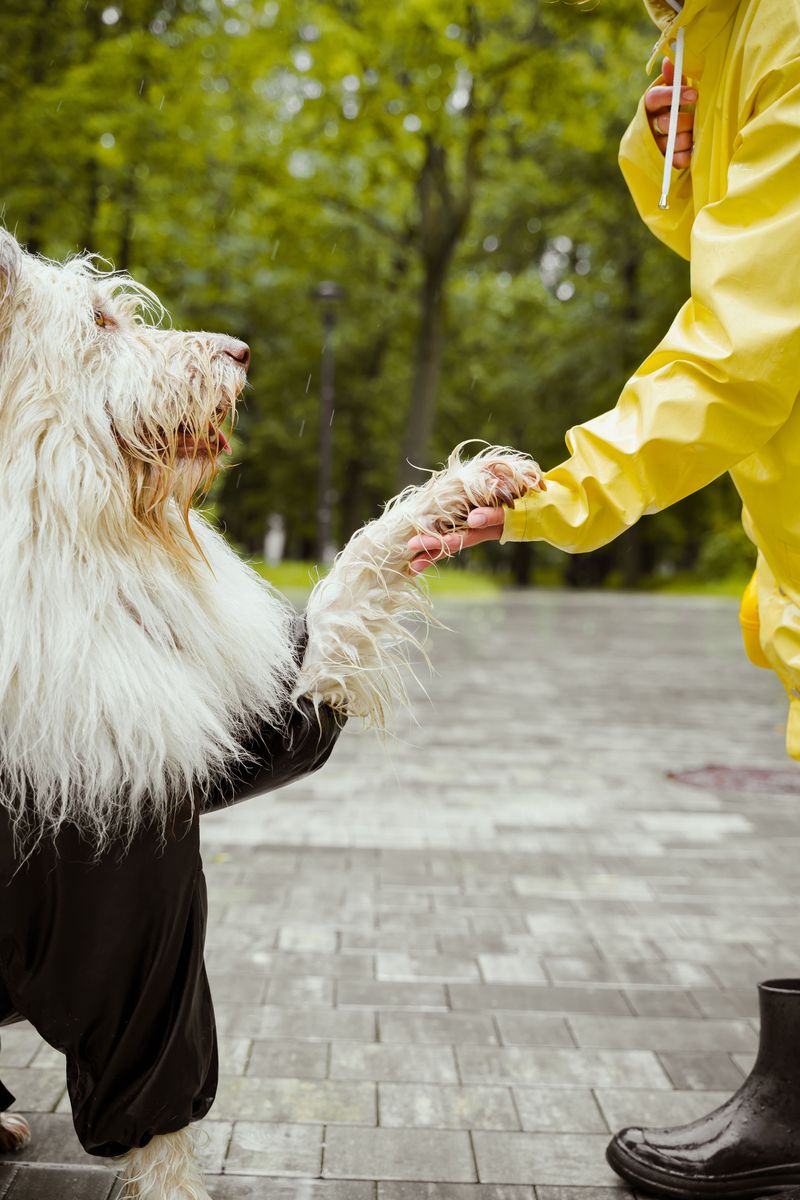
Not every offered hand needs a wet nose underneath it. When your dog avoids a stranger or refuses to greet another dog, they may feel trapped, uncertain, or threatened.
Skip the forced introduction and give them room to choose distance. Ask people to stop reaching, and move away from dogs that crowd them.
Reward calm observation from a comfortable spot. Repeated trouble with greetings calls for a thoughtful training plan, not pressure to be friendly.
Going still when fear takes over
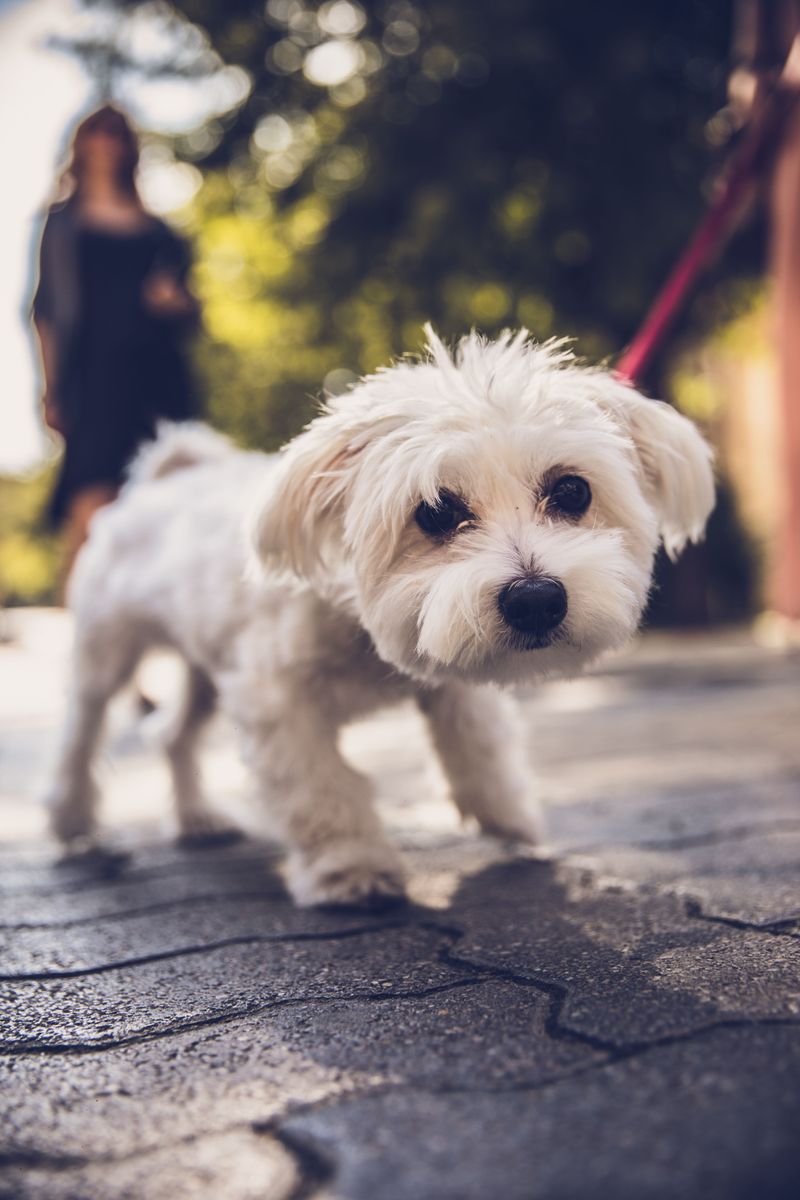
Quiet does not always mean calm. A frightened dog may become stiff and motionless, with a closed mouth, fixed gaze, or weight shifted away from whatever worries them.
Scolding that stillness can add pressure when they already feel stuck. Stop the interaction and create a clear escape route without dragging them closer.
Let them recover somewhere peaceful. If freezing happens often, record the setting and seek professional guidance before fear grows into a defensive response.
Turning their head during social pressure
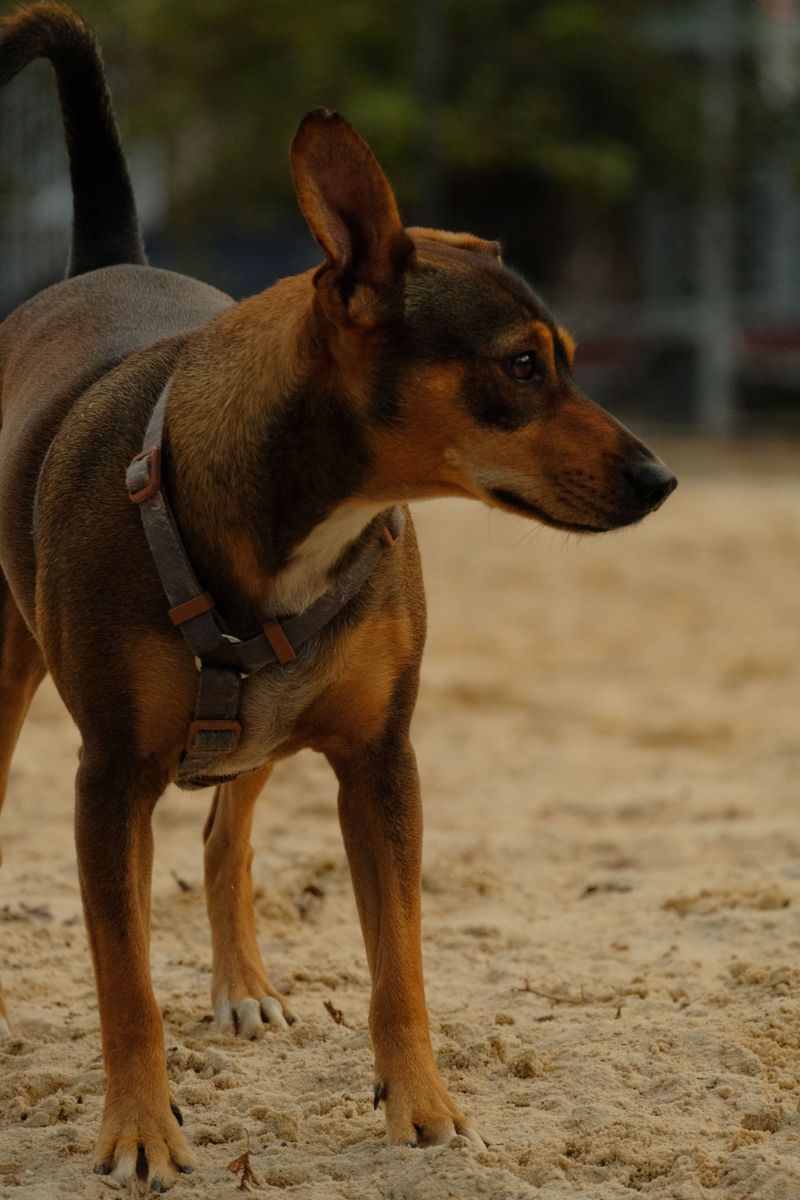
A turned head can be a quiet request for less attention. During hugging, close staring, or someone leaning overhead, looking away may suggest your dog needs a little breathing room.
Do not demand eye contact to prove obedience in that moment. Ease back, turn your body sideways, and allow a pause.
Read the whole picture, including muscle tension and attempts to leave. One glance alone cannot tell you everything, but repeated avoidance deserves your attention.
Whining because something hurts
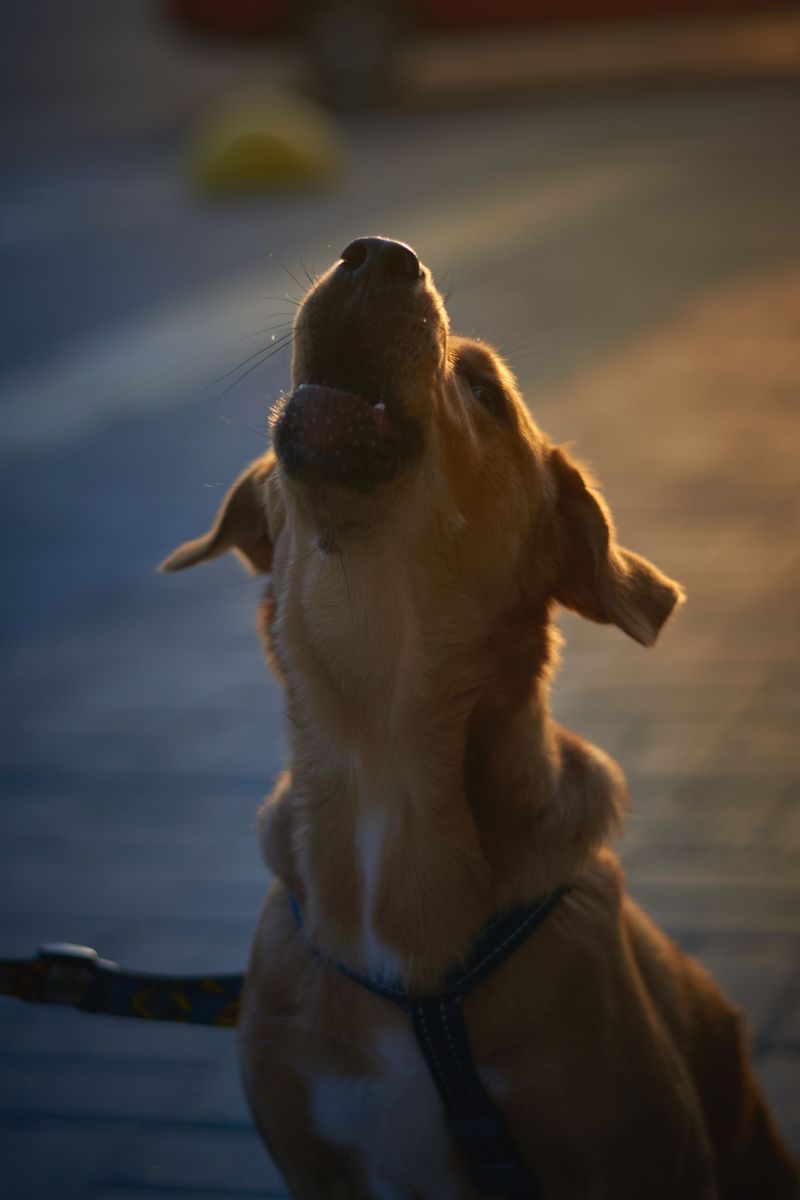
The little squeak beside your chair could mean more than wanting attention. Whining can accompany pain, stomach trouble, anxiety, or difficulty getting comfortable, especially when it appears without an obvious reason.
Look for changes in walking, appetite, sleep, and bathroom habits. Avoid giving human pain medicine or correcting the sound.
Contact your veterinarian about new or persistent whining. Sudden severe distress, trouble breathing, or repeated attempts to vomit without producing anything need urgent veterinary attention.
Retreating when the scene becomes too much

A busy gathering can feel like standing beside several radios playing at once. If your dog slips behind you or heads toward another room, they may have reached their limit.
Let that retreat work instead of calling them back into the crowd. Offer a quiet space with water and a comfortable bed, and keep visitors from following.
Leaving early is reasonable. Successful outings depend on feeling secure, not staying until your dog can tolerate nothing.
Pausing before an unfamiliar object
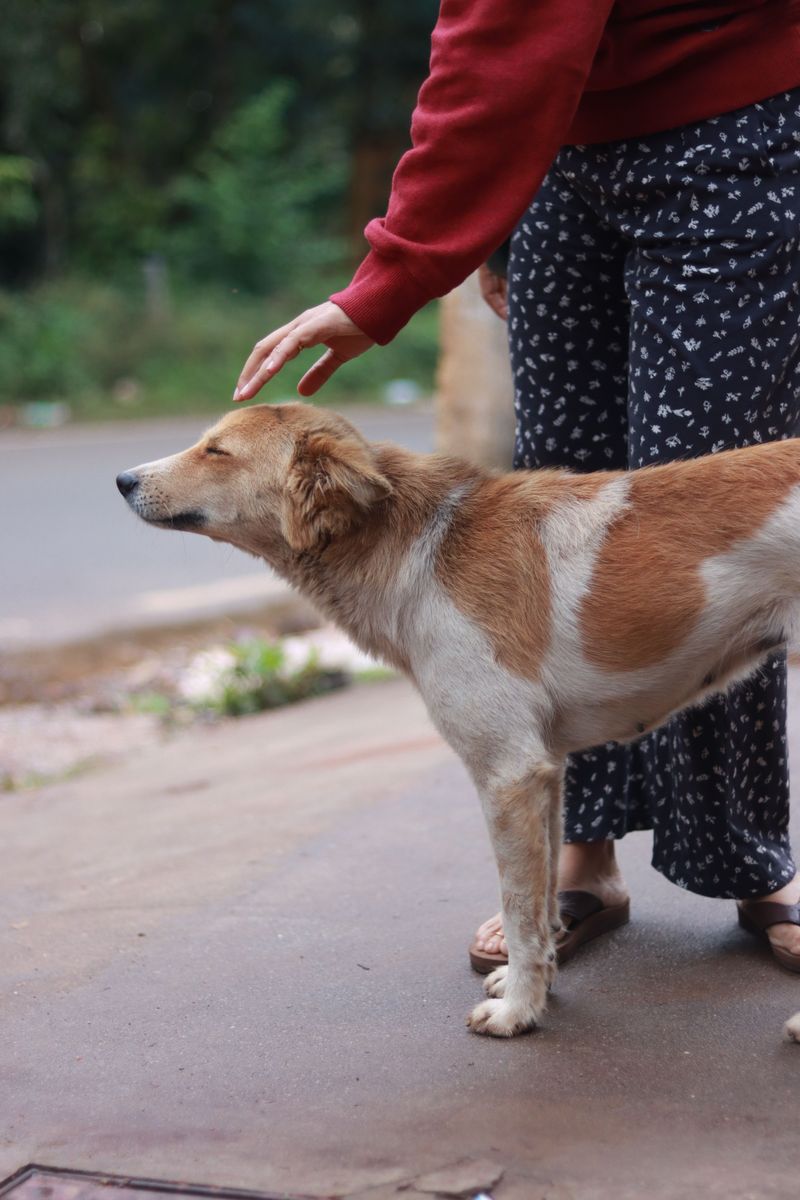
The suspicious trash bin was not there yesterday, and your dog noticed. Hesitation near a new object, surface, or doorway may reveal uncertainty that rushing forward would only make worse.
Wait at a distance where their body stays loose. Offer treats for relaxed looking or voluntary steps, without using food to lure them into distress.
Allow sniffing and retreat. If hesitation suddenly appears around familiar stairs or floors, consider pain or vision changes with your veterinarian.
Asking for a break from rough play
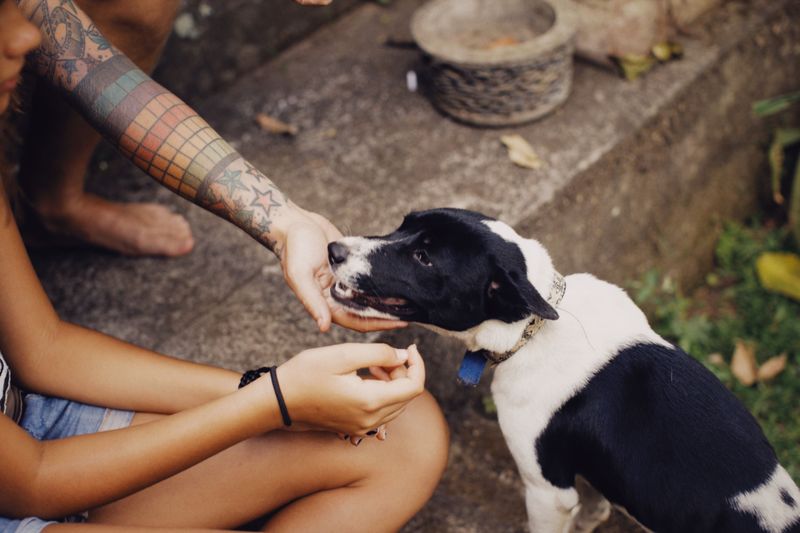
Fun can tip into overload faster than a bouncing ball changes direction. Turning away, hiding, stiffening, or snapping during play may mean one dog needs the game to stop.
Interrupt calmly and separate the dogs safely, without grabbing between them. Give both a chance to settle.
Resume only if both willingly seek relaxed interaction; otherwise, end the session. Correcting the dog who asks for space may hide the signal that could have prevented a fight.