
Some mistakes barely register to humans, but dogs feel them like ripples that never stop. When confusion replaces safety, behavior gets labeled bad while hearts quietly break.
This guide shows you what hurts, why it lingers, and how to repair trust with simple, compassionate steps. Read on to see the world through your dog’s eyes and make kinder choices today.
Being abandoned suddenly

A dog left without warning cannot link your absence to any reason. It waits where you last smelled, heart racing each car that passes.
Hunger and thirst mix with confusion, but the worst feeling is betrayal.
To you it was a move or a crisis, to them it is forever. They will search until paws ache, interpreting every sound as your return.
If you must rehome, plan a gentle handoff so scent and voices bridge endings.
Bring familiar bedding, speak softly, and stay present while a trusted new person offers treats, creating overlapping safety that eases panic gently. Your patience writes the last chapter kindly, letting their hopeful brain attach new maps to love instead of empty doorways at night.
Harsh punishment without explanation
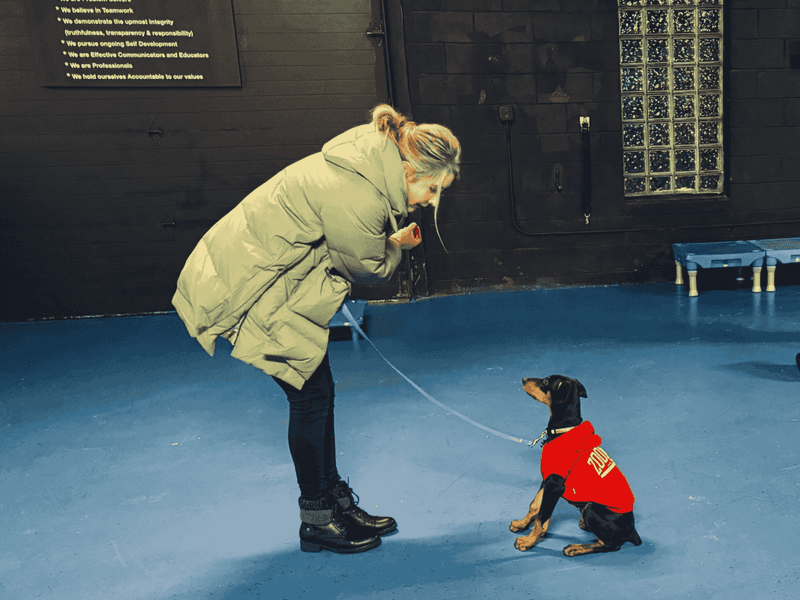
Dogs link outcomes to the last thing they did within seconds, not hours later. When you shout or hit, they register fear, not understanding.
Pain scrambles learning and turns your hands into unpredictable storms.
A frightened dog may freeze, pee, or bite, then get punished again for coping. You can teach boundaries with timing, calm voice, and rewards for the behavior you want.
Interrupt gently, redirect to a simple cue, pay generously, and keep sessions short.
If mistakes happen, remove access to the prize, breathe, and try again when brains feel safe enough to learn. Consistency turns scary moments into puzzles they can solve, rebuilding trust in your cues, your space, and your predictable kindness every single calm day together.
Losing daily routines overnight

Dogs count on patterns to know when to rest, play, and potty. When schedules vanish, stress hormones rise and chewing, barking, or accidents often follow.
The world feels random, so safety feels scarce.
You can rebuild security with anchors like morning walks, mealtime windows, and bedtime rituals. Short predictable check ins beat rare marathon outings.
Set phone reminders and share responsibilities so your dog does not pay for human chaos.
Even tiny rituals count, like a goodbye treat at the door or a two minute sniff walk at lunch. Structure softens anxiety, helping brains predict comfort and bodies settle into healthier sleep.
When life explodes, explain with tone, offer chews, puzzle feeders, and extra sniffing, then repair the calendar together.
Long-term isolation

Being alone too long dulls curiosity and erodes confidence. Dogs are social learners, so silence becomes a heavy fog.
Bored minds invent jobs like shredding, howling, or pacing trenches in the carpet.
If work keeps you away, stack supports like midday walkers, daycare, or a trusted neighbor. Leave safe chew options, rotate toys, and make departures dull but reunions calm and rich.
Quality time later should include sniffy walks, training games, and quiet touch.
Loneliness does not teach resilience, partnership does, through small successes and shared adventures. Nurture that bond deliberately so home feels like a team, not a quiet warehouse.
Your attention is the enrichment they crave most, arriving on time and staying present.
Connection heals empty hours gently.
Ignoring emotional needs

A full bowl is not a full life for a feeling creature. Dogs read your face, routine, and energy to map their own safety.
When emotions go unseen, stress leaks out as reactivity, stiffness, or shutdown.
Notice the small signals, like lip licking, yawns, pinned ears, or leaning into you. Meet needs with movement, choice, friendly dogs, or quiet space away from overwhelm.
Praise bravery, offer rest, and keep the environment predictable enough to decompress.
You do not need perfect training, only curiosity about what helps this unique mind settle. Compassionate attention teaches safety faster than any correction, and it lasts.
Emotional health makes everything else easier, from leashes to vet visits.
Listen closely, then respond kindly with steady presence.
Yelling during fear reactions

When a dog startles, the survival brain outruns polite training. Your shout adds thunder to lightning, making the world feel louder and less safe.
Fear needs distance, breath, and a plan, not volume.
Create space first, then reward calm glances back at you with soft praise and snacks. Turn scary into predictable with treat scatter, u turns, and practiced exits.
Later, work below threshold, pairing the trigger with cheese until curiosity replaces panic.
If you mess up, apologize with actions, give rest, and plan the next walk at a quieter hour. Your calm body becomes the shelter they cannot build alone.
Practice breathing together before leaving home so both nervous systems stay connected when surprises pop into the street ahead.
Forcing physical affection
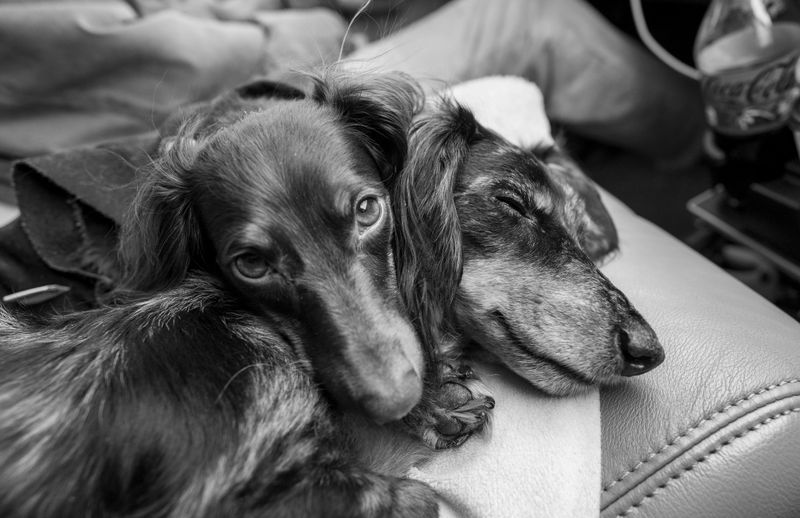
Hugs feel trapping to many dogs, even from people they adore. Looming faces, tight arms, and hands on heads can scream danger.
Consent matters for animals too, because safety unlocks genuine affection.
Invite, do not insist, by patting your leg, turning sideways, and waiting for approach. If they lean in, you can pet; if they freeze or lick lips, pause.
Teach kids to offer hands low, scratch chests or shoulders, and keep hugs for plush toys.
Affection should feel like a choice, not a capture, so relationships deepen instead of fray. Respect grows trust, and trust grows joy in every cuddle that follows.
Let them ask, and answer yes the moment their body language says please.
Soft invitations beat squeezes.
Rehoming without transition
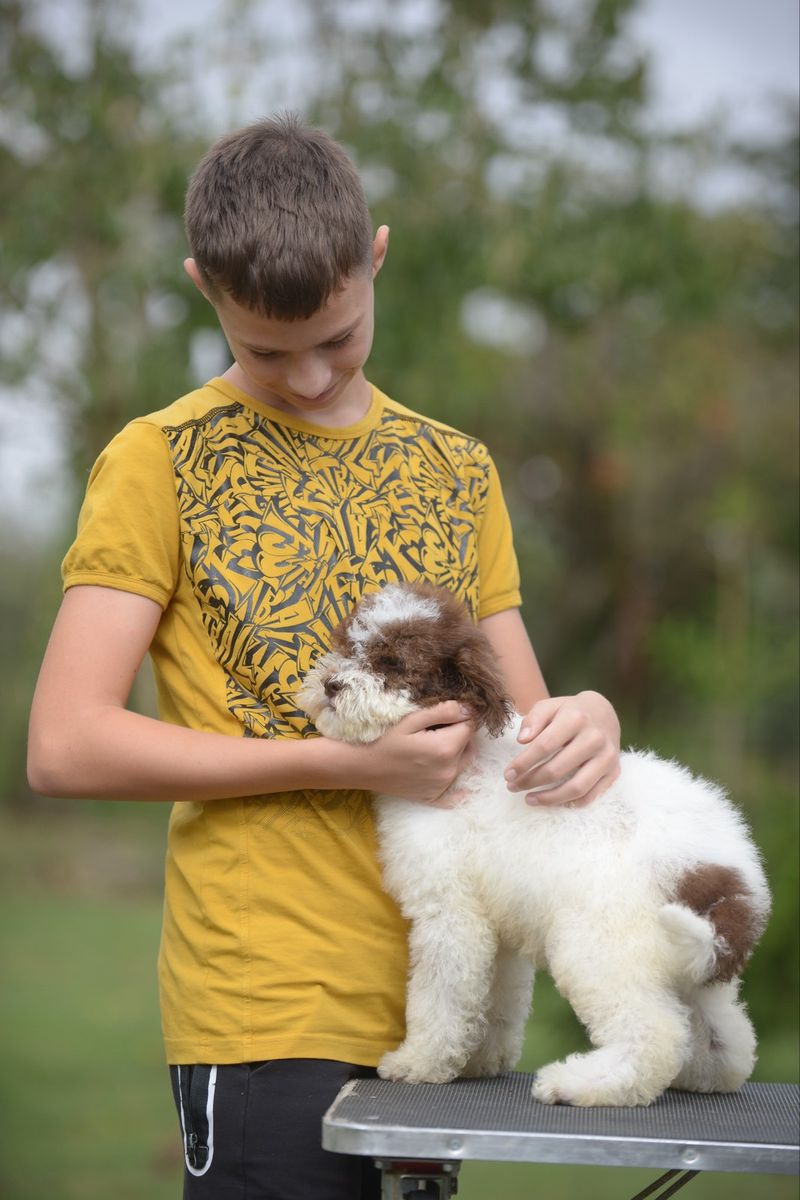
A sudden handoff scrambles every map your dog uses to feel safe. New smells, floors, and rules arrive all at once.
Grief layers over confusion, and panic can stall eating or sleeping.
Make a bridge by visiting together, leaving blankets, and sharing routines between homes. Keep food, cues, and walking times similar while the new bond grows.
Let goodbyes be calm and honest, with scent on toys and voices recorded.
Ask the new family for photos and updates so your dog does not simply vanish from its own story. Gentle continuity protects hearts, building safety while change unfolds at a kinder speed.
Transitions deserve time, patience, and teamwork because love should not feel like a trapdoor under anyone’s rushing watch.
Inconsistent treatment from owners

Dogs track patterns, not speeches, so mixed rules create chaos. One day couch cuddles, next day scolding, leaves them guessing wrong.
Unclear expectations feel unfair and can fuel anxiety or defiance.
Pick simple house rules and teach them the same way every time. Agree on cues, rewards, and consequences that are gentle, immediate, and consistent.
Write it down for family, sitters, and guests so your dog hears one clear language.
Reliability builds confidence, shortening the time between asking and understanding. Soon the house runs smoother, because your teammate finally knows the playbook.
Predictable kindness turns rules into safety, not punishment.
Choose clarity today, and watch worry melt into wagging. Simple habits practiced daily create peace for everyone in that home.
Lack of trust-building time
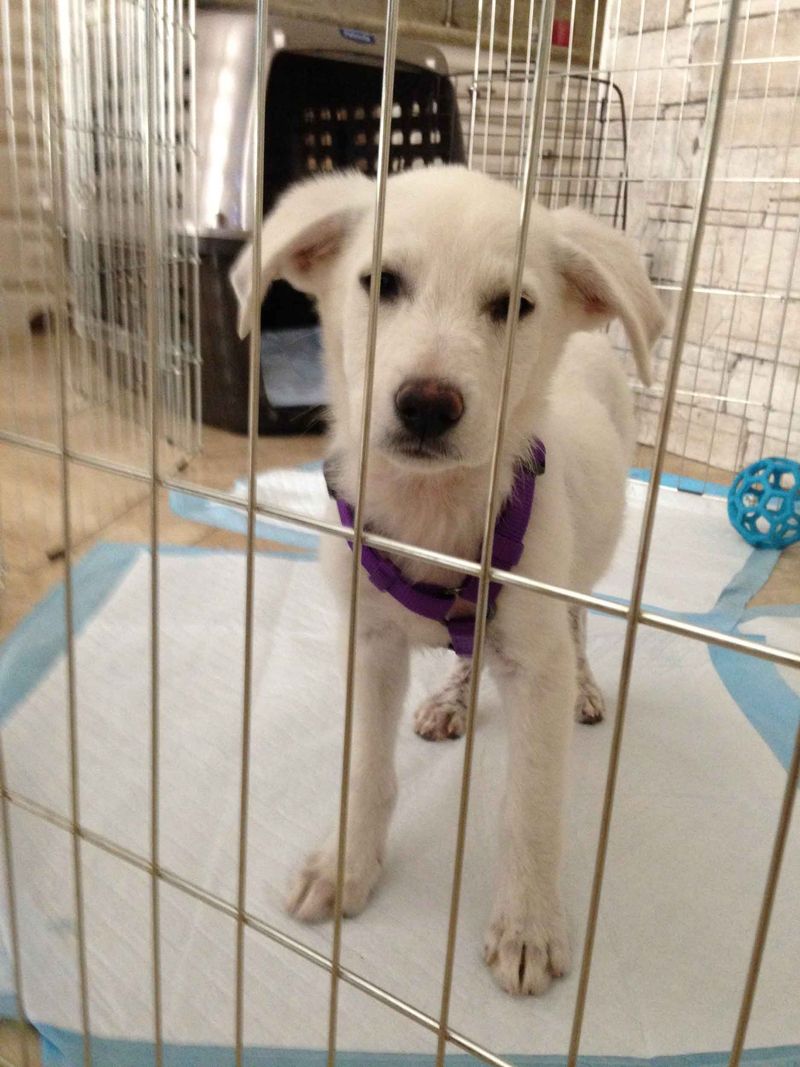
Relationships ripen slowly, and rushing a dog steals safety. Some rescues need weeks to observe, sniff, and decide you are real refuge.
Skipping this season can harden fear into habits.
Offer choices, quiet parallel time, and consistent care before asking for big bravery. Let routines plant roots while training uses tiny, winnable steps.
Celebrate eye contact, soft bodies, and curious sniffs as milestones.
Trust is not a trick but a shared history of comfort built moment by moment. Go slower than you think, and you will arrive sooner than you fear.
Time invested now becomes freedom later, on leashes, in cars, and at vets.
Patience today earns lifelong confidence tomorrow. Keep showing up with calm.
Their heart will answer back.