
If your cart is full of cute pet gadgets and miracle cures, you might be wasting money and risking your pet’s health. Vets see the fallout from trendy products every day, and many wish you would skip certain buys entirely.
The good news is there are safer, smarter alternatives that actually help your pet thrive. Let’s clear the clutter and focus on what truly keeps them healthy and happy.
Rawhide Chews
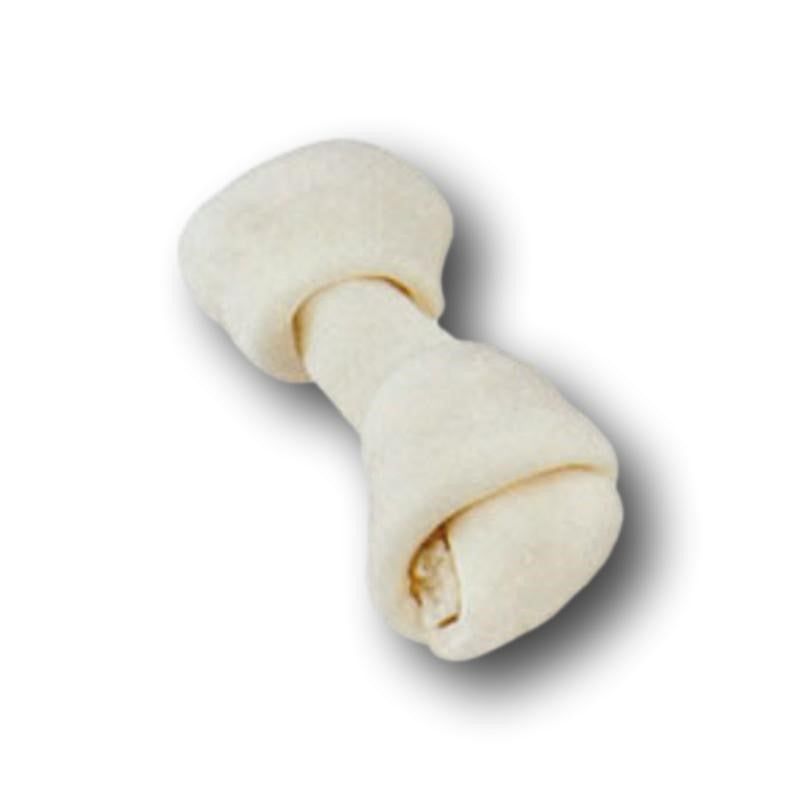
Rawhide seems like a classic treat, but it can swell, splinter, and cause choking or intestinal blockages. Many hides are processed with chemicals and bleach, which is not something you want your dog swallowing.
If your pup gulps instead of gnaws, the risk jumps fast.
Choose safer chews like vet-approved dental chews, rubber toys sized for your dog, or dehydrated single-ingredient treats. Supervise every session, and take chews away once they soften or shrink.
Your dog can still enjoy the ritual without the hidden hazards.
Think of chews as enrichment, not babysitters. Rotate textures and watch your dog’s chewing style closely.
When in doubt, ask your vet to recommend chew options matched to your dog’s size, teeth, and habits.
Retractable Leashes
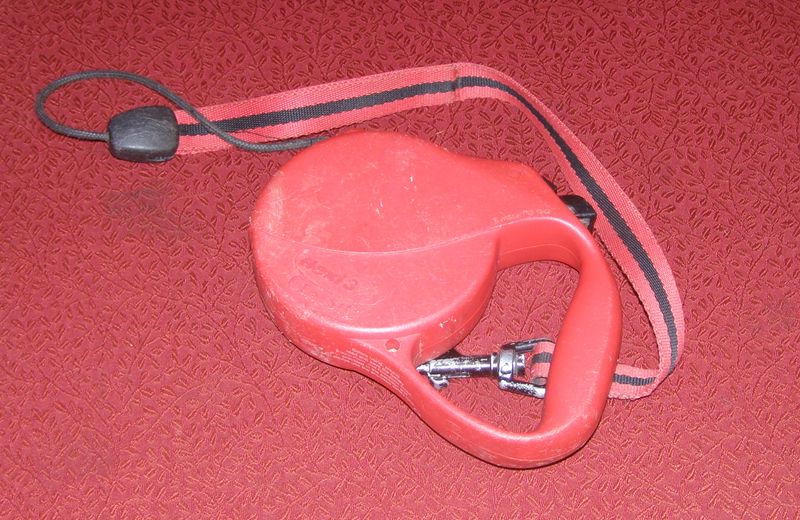
Retractable leashes feel convenient, but they teach pulling and reduce control when it matters most. The thin cord can burn skin, tangle around legs, or snap under sudden force.
In emergencies, you lose crucial seconds while reeling a dog back.
A sturdy 4 to 6 foot fixed leash gives clear boundaries and safer handling. Pair it with a well-fitted harness and reward loose-leash walking.
You will avoid dangerous dashes toward bikes, dogs, or traffic.
Save long lines for training in open spaces, not sidewalks. If you love freedom, try fenced play or sniff walks with structure.
Your dog still gets choices, and you keep stopping power when surprises pop up.
Grain-Free Diets Without Diagnosis
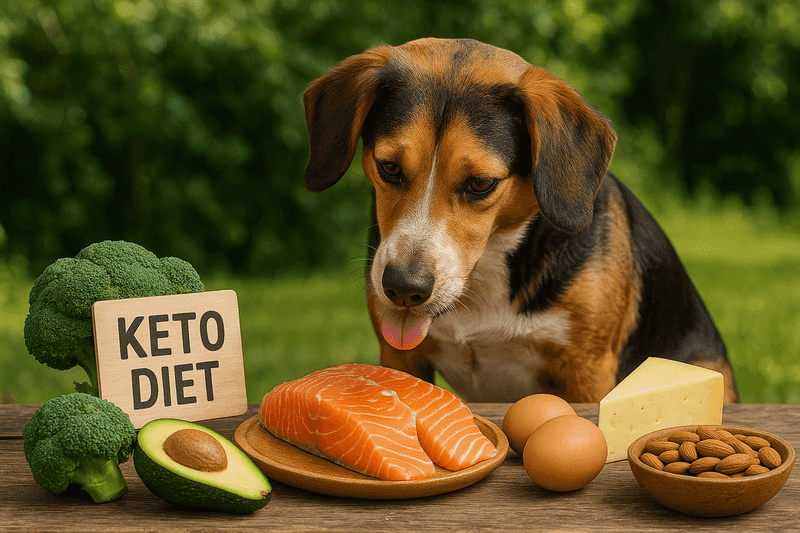
Grain-free foods boomed on marketing, not medical need, and some links to heart disease raised alarms. Unless your vet diagnoses a true intolerance, skipping grains may cut essential nutrients or alter amino acid balance.
Dogs are omnivores that often do fine with wholesome grains.
Look for complete-and-balanced formulas vetted by nutritionists and backed by feeding trials. Protein quality, not buzzwords, matters most.
If you suspect sensitivity, ask for a proper elimination diet rather than guessing.
Your pet deserves evidence-based nutrition, not trends. Read labels for AAFCO statements and brand transparency.
The right diet supports energy, coat, and longevity, and it rarely comes from hype alone.
Essential Oil Diffusers Around Pets
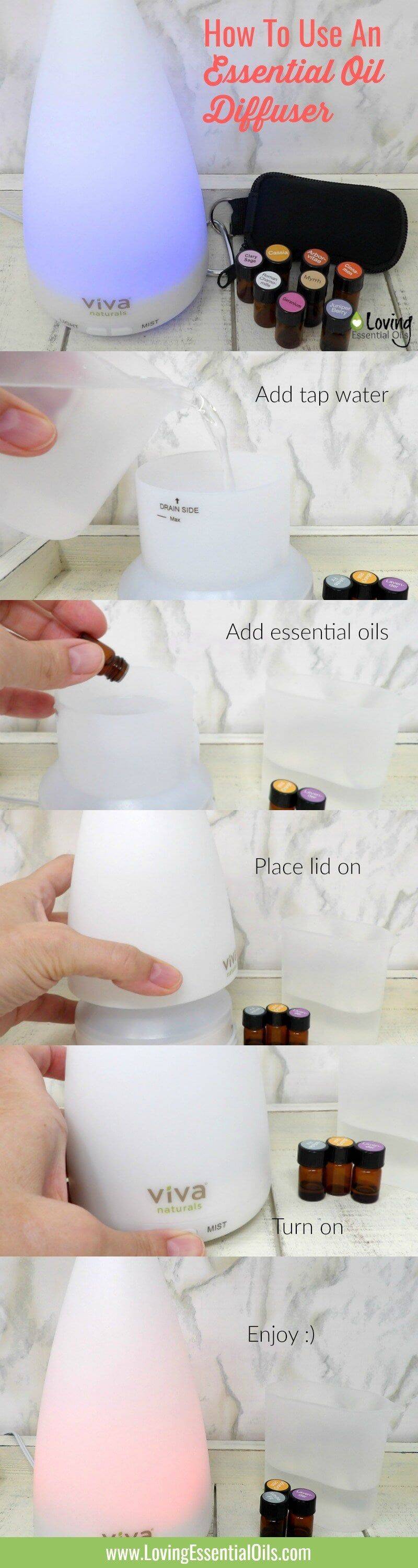
Essential oils can irritate airways, burn mucous membranes, and even cause liver issues, especially in cats. Diffused particles land on fur and surfaces pets lick.
Strong scents trap animals in rooms they cannot ventilate themselves.
If you insist on aromatics, choose pet-safe options vetted by your vet, and keep good airflow. Never apply oils directly to skin or collars.
Store bottles sealed and out of reach because spills concentrate exposure.
Watch for coughing, drooling, wobbling, or hiding. If symptoms appear, move your pet to fresh air and call your vet promptly.
A home that smells clean is great, but it should never come at your pet’s expense.
Hard Plastic Prong and Shock Collars
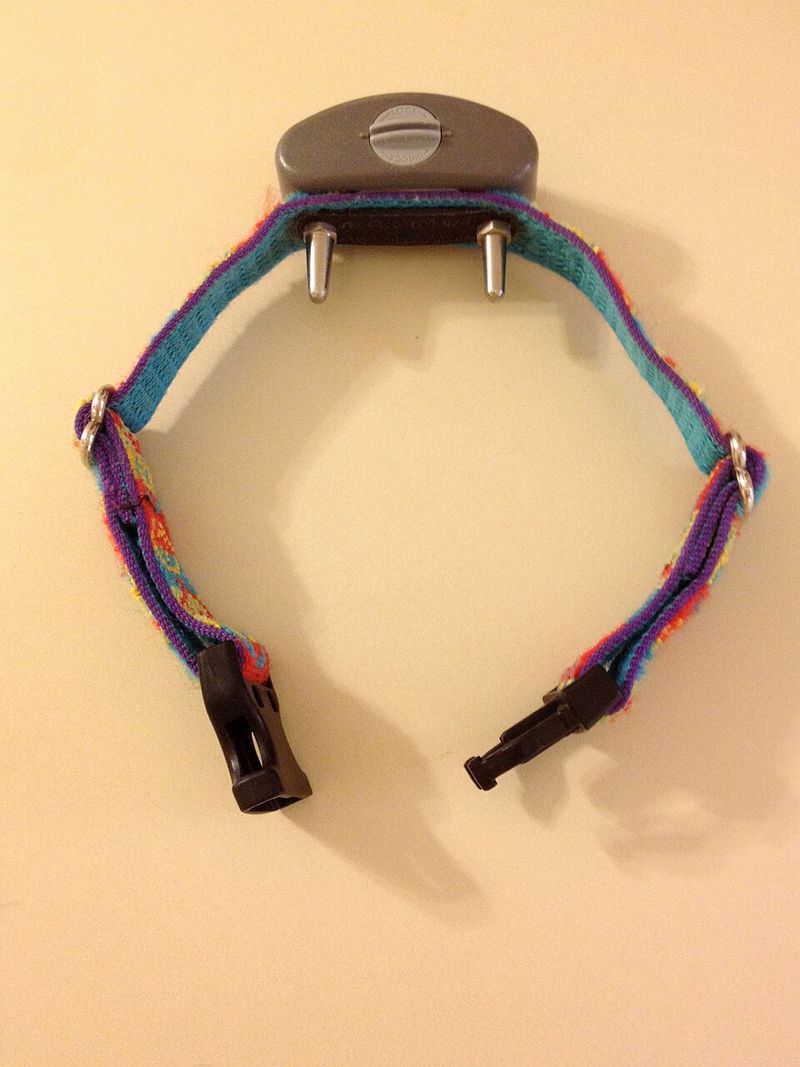
Prong and shock collars rely on pain or fear, which can worsen anxiety and aggression. Dogs learn to avoid discomfort, not to understand what you want.
Side effects include neck injury, stress, and fractured trust.
Humane tools like front-clip harnesses and head halters guide movement without hurting. Pair them with rewards for calm choices and consistent cues.
Good training builds confidence, not conflict.
If behavior feels overwhelming, hire a credentialed trainer using force-free methods. You will see steadier progress and a happier bond.
Your dog’s brain learns best when it feels safe, curious, and rewarded for getting it right.
Self-Cleaning Litter Boxes That Scare Cats
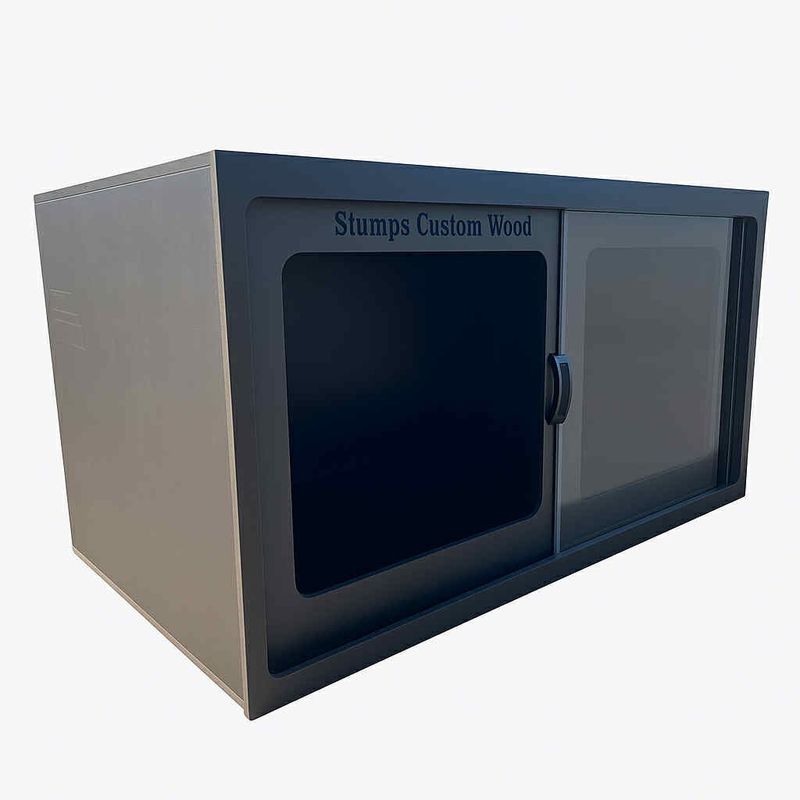
Automatic litter boxes sound convenient, but noise, motion, and tight entryways can stress many cats. When fear builds, cats avoid the box and start accidents elsewhere.
That quickly becomes a medical and behavioral spiral.
Cats value privacy, space, and consistent texture. A large, open box with unscented clumping litter often wins.
Scoop daily, keep depth generous, and match box count to cats plus one.
If automation is essential, choose quiet models with delays, and introduce gradually with the motor off. Reward calm approaches and monitor closely.
Your cat should feel in control, not ambushed by a machine after every visit.
Jerky Treats With Mystery Ingredients

Jerky recalls taught tough lessons about sourcing and transparency. Vague labels and imported mystery meats raise contamination risks and digestive upsets.
You would not snack blind, and your dog should not either.
Pick treats with short, clear ingredient lists and domestic or fully traceable sourcing. Single-protein options reduce guesswork for sensitive stomachs.
When possible, choose brands that batch test and share results.
Treats should be tiny bonuses, not meals. Mind calories to prevent quiet weight creep.
If your dog craves chewy satisfaction, consider air-dried meats from reputable makers or even vet-approved homemade options with safe handling.
Scented Cat Litters and Deodorizers
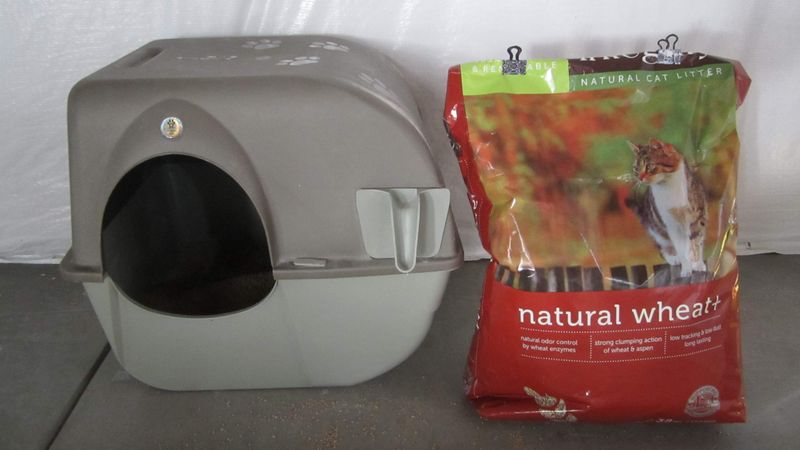
Heavy fragrance masks odors for you but floods a cat’s sensitive nose. Scents can trigger avoidance, sneezing, and even asthma-like flares.
When cats hold urine, crystal formation and urinary trouble may follow.
Unscented, fine clumping litter usually earns feline approval. Tackle smells with daily scooping, more boxes, and better ventilation.
Activated charcoal or baking soda products can help without perfumey overload.
Remember, clean beats covered. Replace litter fully on schedule and wash boxes with mild soap.
Your cat will thank you by using the box reliably and breathing easier every day.
DIY Flea and Tick Remedies
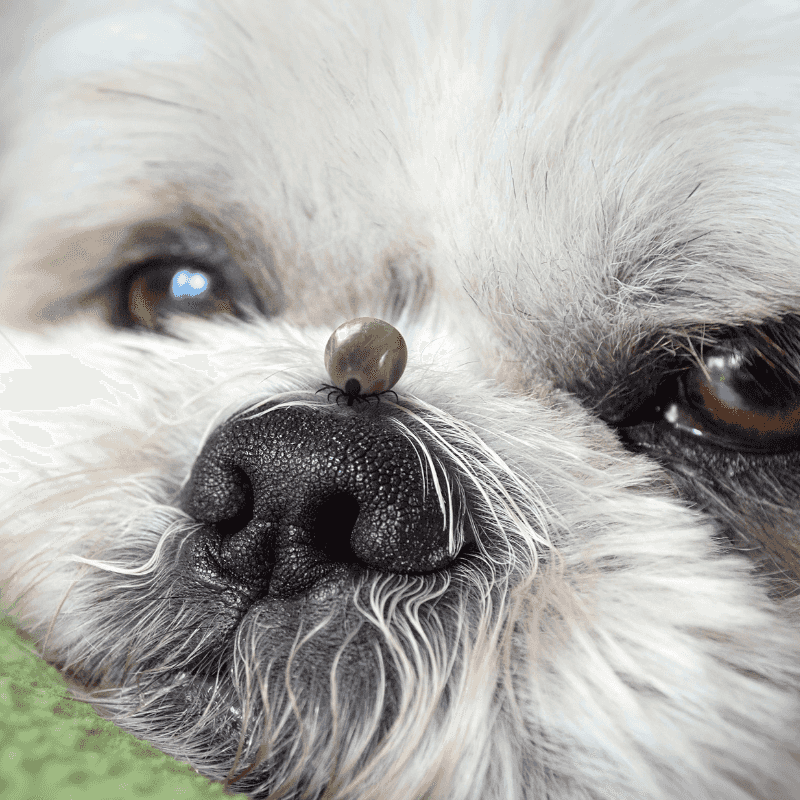
Home brews rarely repel parasites reliably, and some ingredients are toxic. Fleas and ticks spread disease quickly, so inconsistent control leaves pets and people at risk.
You need proven prevention, not wishful thinking.
Ask your vet about safe, effective products matched to species, age, and region. Follow dosing precisely and set reminders for renewals.
Combine medication with yard maintenance and indoor cleaning for a one-two punch.
If side effects worry you, discuss alternatives rather than skipping protection. Monitor for itching, lethargy, or redness after any new product.
Good prevention is cheaper and kinder than treating full-blown infestations or infections.
Plastic Food Bowls That Scratch
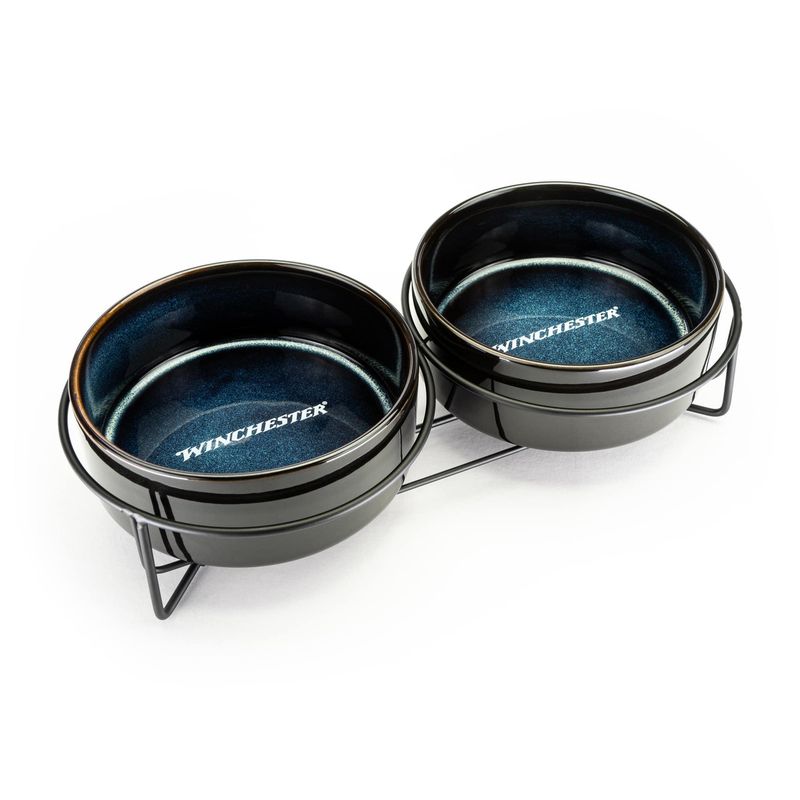
Scratched plastic harbors bacteria and biofilm that resist easy cleaning. Some pets develop chin acne or skin irritation from repeated contact.
Over time, bowls warp and absorb odors, making food less appealing.
Switch to stainless steel or glazed ceramic with smooth interiors. Wash daily with hot soapy water and sanitize regularly.
Non-slip bases help keep meals calm and tidy.
Choose shallow, whisker-friendly designs for cats, and the right diameter for dogs to avoid gulping. Fresh water deserves the same treatment, with a second bowl rotated clean.
Small upgrades here seriously boost hygiene and comfort.