
Words shape how dogs feel and learn, often more than we realize. Say the wrong phrase, and you can spark confusion, stress, or even reward the behavior you want to stop.
The good news is small language tweaks create big training wins. Here are 10 phrases to drop today and what to say instead so your dog understands you clearly.
Stop being bad
Calling out stop being bad sounds clear to you, but dogs do not decode morality. They hear your rising tone and feel stress, not guidance.
That phrase lumps every behavior together, so your dog cannot know what action to change.
Swap vague scolding for specific, teachable cues. Say leave it, off, or drop, then show the behavior you want and reward quickly.
If the mistake already happened, calmly manage the environment, reset, and give your dog an easy win to rebuild confidence.
Practice during calm moments so the words become reliable, not just emotional steam. Keep your voice neutral and predictable to lower arousal.
Consistency from you plus clear reinforcement turns confusion into learning, and your dog will choose better behavior without fear.
You know better
Saying you know better assumes your dog remembers human rules and broke them on purpose. Dogs live in the present and repeat what was reinforced.
That phrase adds guilt to the air while giving no actionable information.
Instead, describe the behavior you want and make it pay. Try feet on the floor, then deliver treats or praise the instant four paws land.
Prevent mistakes with gates, tethers, and chew stations so practice matches success.
When slips happen, guide without scolding. Reset, cue a known behavior like sit or touch, and reward generously.
Over time, your dog will actually know better because you taught a clear replacement pattern that feels safe, fun, and worth repeating daily.
Come here right now

Barking come here right now often predicts leash, bath, or the end of fun. That makes recall feel punishing and unreliable.
If you only say it when you are upset, your dog learns to hesitate or bolt.
Build a magnetic recall by pairing the cue with jackpots and freedom. Say your chosen word once, feed amazing treats, then release back to play whenever possible.
Practice mini recalls indoors, at doorways, and on long lines so success stays easy.
On tough days, run backward, clap, or toss a treat trail to you. Avoid repeating the cue or scolding on arrival.
Every return should predict something wonderful, so your dog sprints to you with a smile, not a sigh.
What did you do
Asking what did you do after the fact invites confusion and fear. Dogs link consequences to the last second, not a memory you are replaying.
The guilty look is appeasement, a stress signal, not proof of understanding.
Skip interrogations and manage the scene. Clean up calmly, remove temptation, and set up structured practice later.
Teach leave it, go to mat, and supervised decompression so your dog has clear options when curiosity spikes.
Catch good choices in the moment. Reinforce sniffing a toy instead of the trash, settling instead of pacing, and checking in before exploring.
When mistakes are boring and alternatives are rewarding, you stop needing questions and start seeing consistent, thoughtful behavior. Move forward kindly.
No no no
Repeating no no no raises intensity without teaching anything. Your dog hears noise and emotion, not a clear path.
In high arousal, stacked negatives can even push some dogs to escalate or shut down.
Replace the spiral with one informative cue. Try leave it for objects, off for jumping, and quiet for barking, then reinforce right away.
If excitement is overflowing, increase distance, scatter food to sniff, or switch to a calmer activity.
Train during low stakes moments so the cues feel easy and upbeat. Your steady breath and relaxed posture help more than loud repetition.
Clarity, timing, and rewards will out-teach no every time, giving you a calmer dog and cleaner communication. Practice daily games.
Hurry up
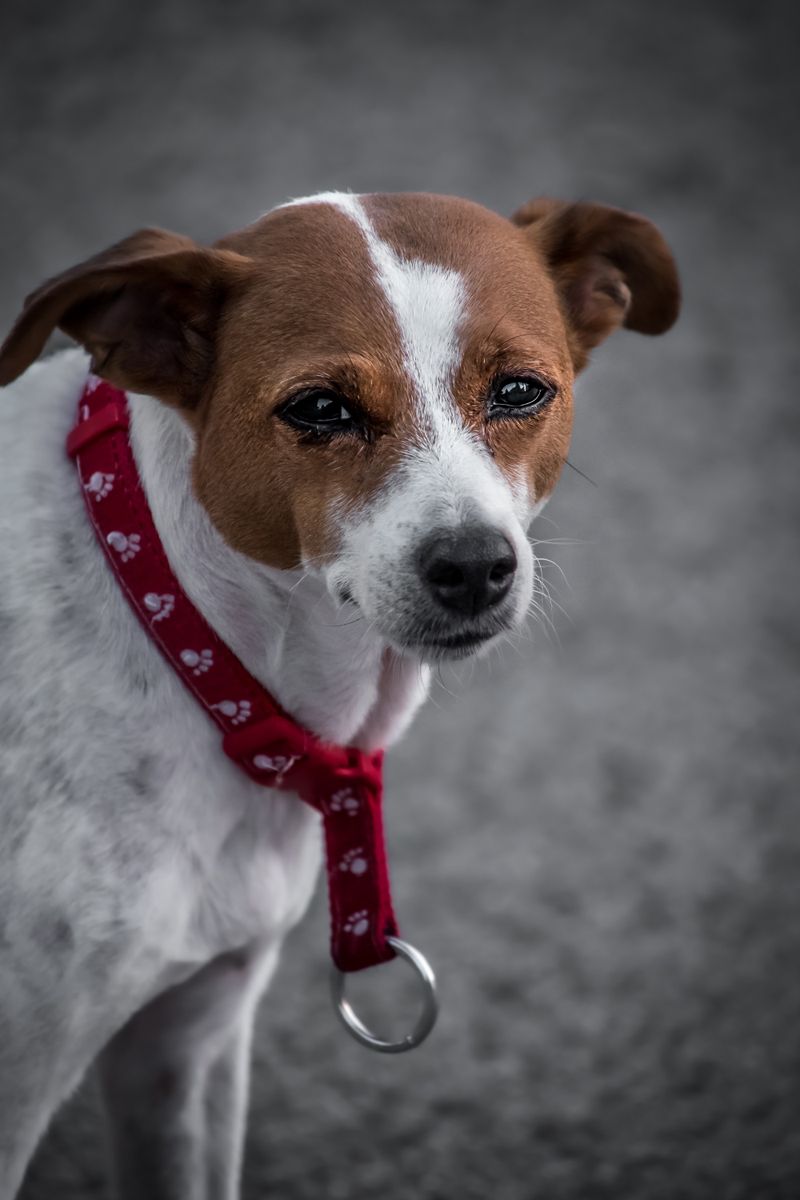
Urging hurry up often spikes pressure during potty breaks or walks. Dogs sniff to gather information and regulate, so rushing can backfire.
Stress slows elimination and makes the environment feel unsafe or competitive.
Instead, build a clear potty cue during relaxed routines. Stand quietly, give privacy, and reward the moment your dog finishes.
On busy days, visit a familiar spot, use a long line, and keep your body language calm and patient.
Teach a go sniff break as a release so movement returns on your terms. For walking pace, train follow, find it, and gentle jog games at home first.
Predictability reduces dawdling and keeps the outing cooperative rather than tense. Bring weather appropriate gear.
Why won’t you listen

Why will not you listen may feel honest, but dogs are not ignoring you to be rude. Competing smells, weak reinforcement history, or unclear cues are usually the culprits.
Frustration muddies timing and turns training into static.
Audit the scene before cueing. Can your dog hear you, move comfortably, and earn something valuable for responding.
Reduce difficulty, shorten distance, and pay with top tier rewards until the habit is solid.
Use one cue once, then help your dog win. Lure, guide with a target, or show a hand signal to clarify.
When you consistently make listening pay better than the environment, the question fades and cooperation becomes your dog’s default. Keep sessions short and upbeat.
Don’t be scared

Telling do not be scared dismisses real feelings. Dogs cannot flip a switch because we wish it.
Pressure to be brave often deepens fear and reduces trust in you during hard moments.
Instead, create space and safety. Use distance, predictability, and gradual exposure while pairing scary things with snacks or play.
If your dog chooses to look away or retreat, praise that coping skill and let recovery happen.
Teach a go to mat, hand target, and check in as safe anchors. Share control by letting your dog sniff, move behind you, or opt out.
Confidence grows when your dog learns that feelings matter and choices are respected. Progress at your dog’s pace.
Celebrate small victories.
It’s okay during bad behavior
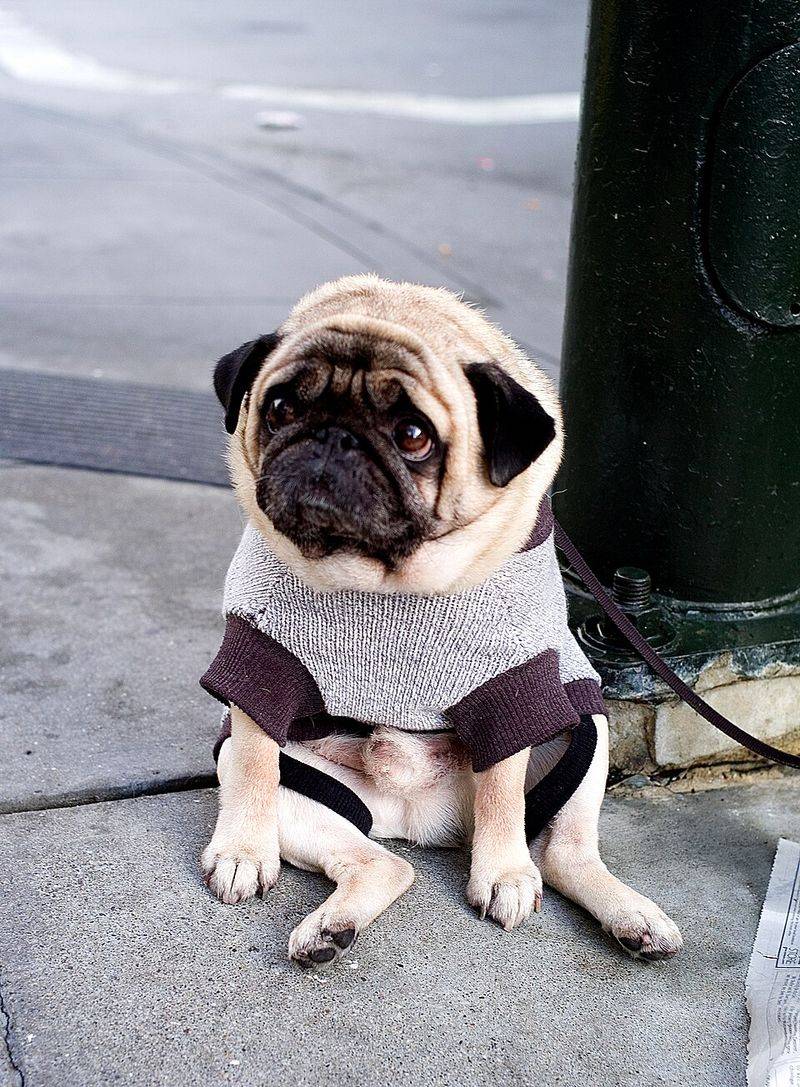
Saying it is okay while your dog jumps, barks, or growls can accidentally reinforce the moment. Your soothing tone may function as attention or a release.
Worse, it blurs safety words you might need during vet visits later.
Save reassurance for calm, compatible choices. When arousal spikes, pause interaction, guide to a mat, or cue a simple behavior, then reward the change.
If fear is present, increase distance first, then mark and feed for looking and breathing.
Later, rehearse polite greetings, quiet watching, and consent-based handling. Use a different phrase like you are safe for relaxation work in low distraction spaces.
Clear boundaries plus predictable comfort teach your dog that calm brings connection and overarousal gets gently redirected.
Good boy after a mistake
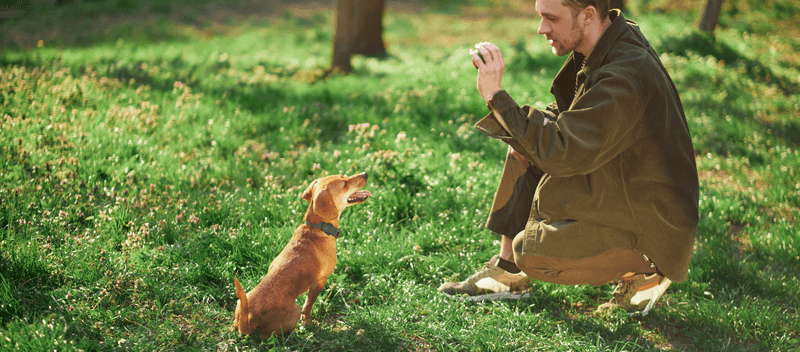
Saying good boy right after an accident, counter surf, or stolen shoe can reward the error. Your dog does not parse sarcasm or tone the way humans do.
Praise should mark the instant a correct choice happens.
Practice timing like a skill. Keep treats handy, capture tiny wins, and say yes or click the moment paws stay down, the leash loosens, or a toy gets dropped.
Your quick feedback builds clarity and confidence faster than big speeches.
If a mistake happens, neutralize attention, secure the item, and redirect to an easy behavior you can reward heavily. Then arrange the environment so the right choice is irresistible next time.
Consistent mechanics make praise meaningful and keep your good boy true.