
More people are searching for certain dog breeds, and cute photos are everywhere. Before bringing one home, it helps to know the hidden challenges each breed can face.
Smart choices protect your wallet, your schedule, and your new friend’s health. Here are popular picks with key questions to research first.
French Bulldog
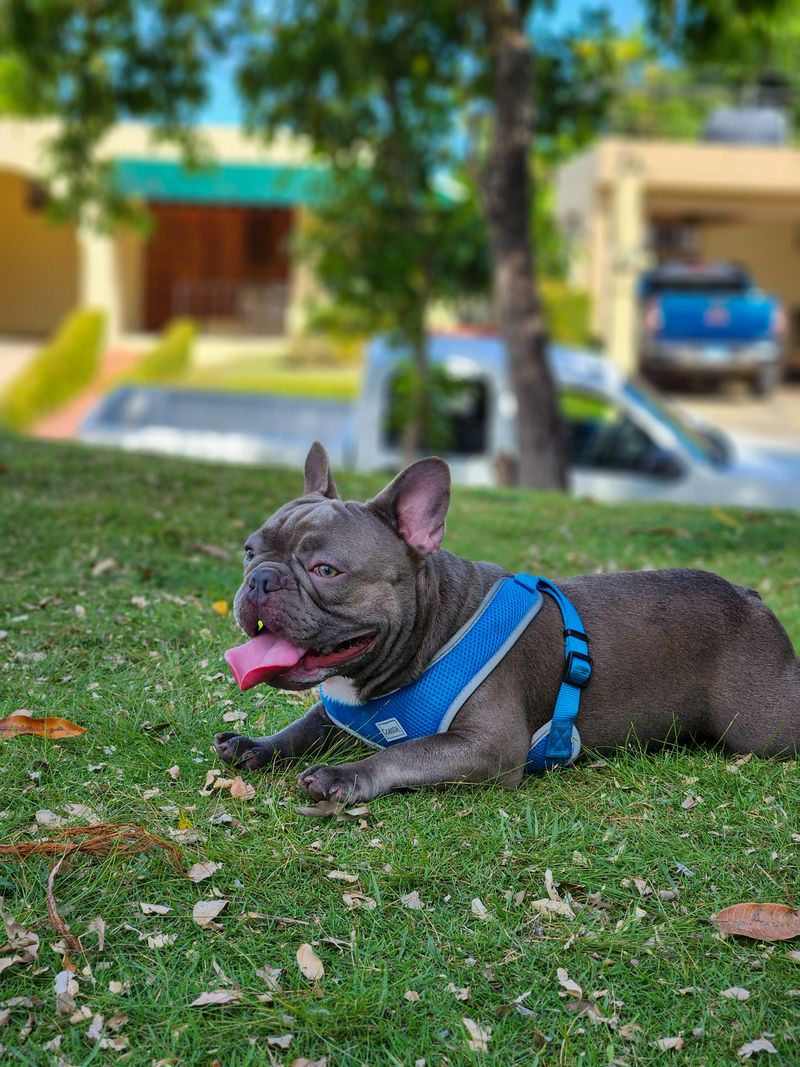
Big-city charm in a compact body, the French Bulldog wins hearts with goofy grins and couch-potato vibes. Families enjoy low daily exercise needs and a friendly, clownish spirit that fits apartment life.
Future owners should research breathing issues from the flat face, heat sensitivity, and possible spine problems. Budgeting matters too, since C-sections, allergy care, and airway surgeries can be costly.
Choose breeders who screen parents, avoid extreme noses, and prioritize open nostrils and breathing.
Golden Retriever

Sunshine personality meets eager helper, the Golden Retriever greets guests with a wag and a toy. Many families appreciate trainability, patience, and a love for fetching that doubles as exercise.
Research cancer risks, hip and elbow dysplasia, and ear infections. Regular screening, quality diet, and weight control help reduce trouble.
Choose breeders who do OFA hips and elbows, eye and heart checks, and avoid breeding for pale coats; mental games prevent boredom, whining, and chewing.
Labrador Retriever

Weekend hiker and backyard goofball, the Labrador Retriever brings cheerful energy and a take-anywhere attitude. Many enjoy their food motivation that makes training quick and fun.
Things to research include hip and elbow dysplasia, cruciate ligament tears, ear infections, and obesity. Labs love snacks, so measured meals and daily exercise matter, and swimming sessions or bumpers help burn energy.
Ask breeders for OFA hips and elbows, eye screens, and DNA tests for EIC and PRA.
German Shepherd
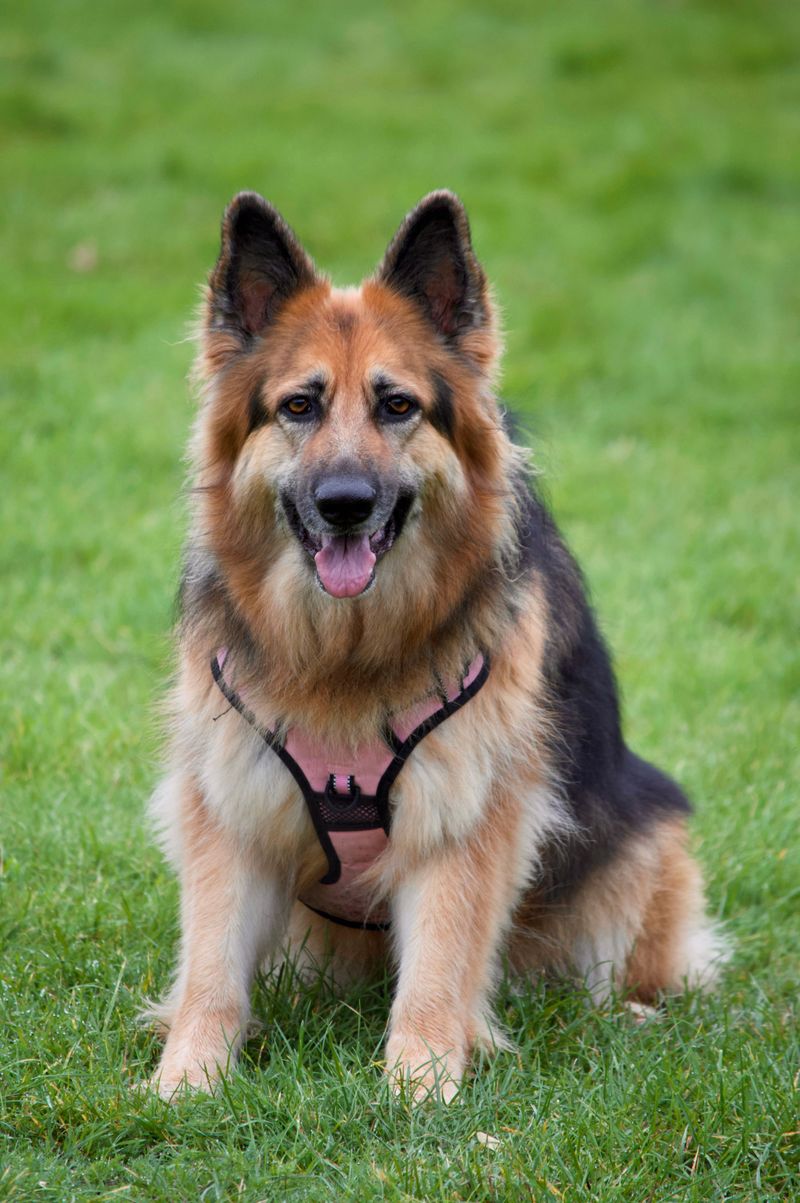
With an alert mind and loyal focus, the German Shepherd shines in sports, service work, and family routines. Many people admire the confident stride and eagerness to learn new jobs.
Before adopting, study hip and elbow dysplasia, degenerative myelopathy, bloat, and skin allergies. Consistent training and fair leadership keep nerves steady.
Seek breeders who health test and avoid extremely sloped backs, and provide tracking games, walks, and rest since over-exercise during growth can strain joints.
Dachshund

Short legs, long spirit, and a detective nose make the Dachshund a tiny comedian. Many owners laugh at the bold bark and burrow-loving habits under blankets.
Potential challenges include back trouble from intervertebral disc disease, stubborn moments, and prey drive toward small animals. Prevent jumping off furniture, use ramps, and keep weight lean, while gentle training works best.
Choose breeders who avoid extreme length and test eyes; nap spots and snuffle mats keep them happy.
Pembroke Welsh Corgi
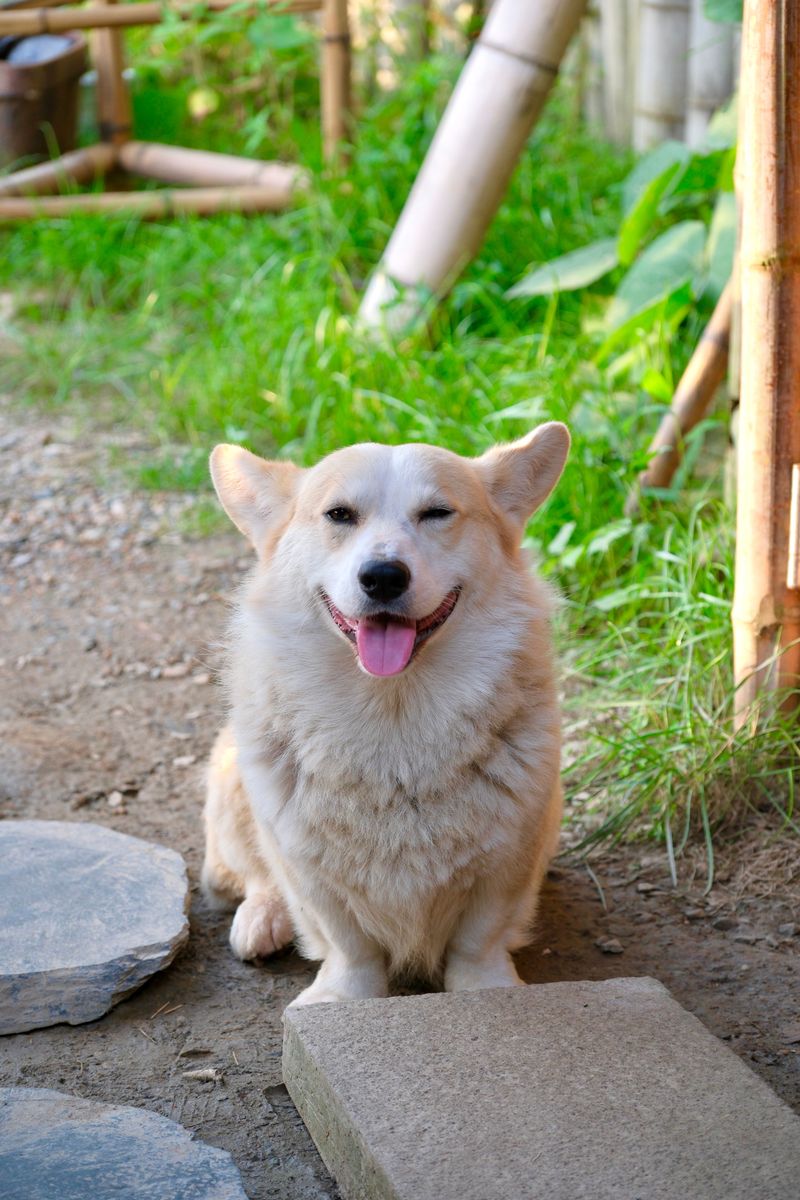
Big dog attitude on short legs, the Pembroke Welsh Corgi turns errands into parades with its foxlike grin. Many fans love the spark, smarts, and cheerful trot.
Research herding nips, back strain, and obesity. Cardio with low jumps, ramps for furniture, and core-strength games protect the spine, while shedding means regular brushing and a powerful vacuum.
Reputable breeders screen hips and eyes and avoid excessive length, and brain games reduce bossiness and barking from boredom.
Australian Shepherd
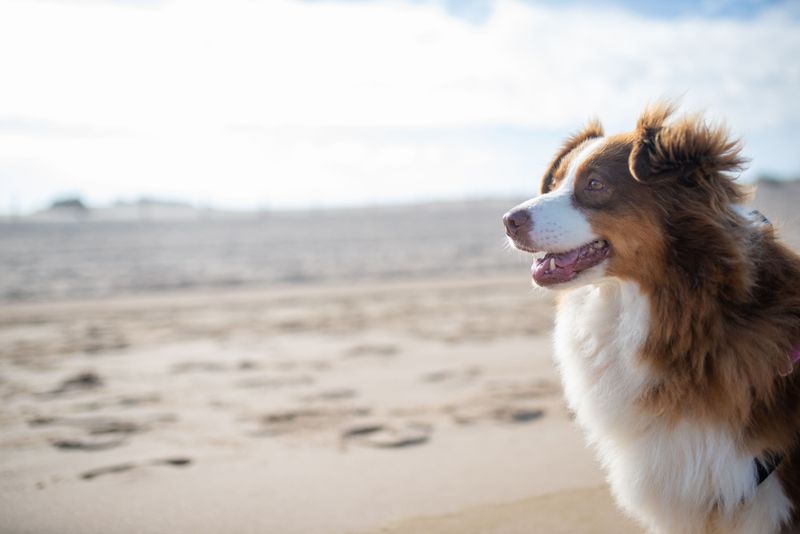
Endless hustle and bright eyes, the Australian Shepherd thrills active households that enjoy training challenges and outdoor time. Trail runs, frisbee, and agility often suit their quick minds.
Before bringing one home, learn about herding intensity, separation stress, and eye or hip issues. Daily workouts and puzzle toys prevent chaos.
Ethical breeders complete eye exams, OFA hips, and MDR1 sensitivity testing, and a routine of cue-based games teaches off-switch skills rest feels rewarding, not boring.
Cane Corso
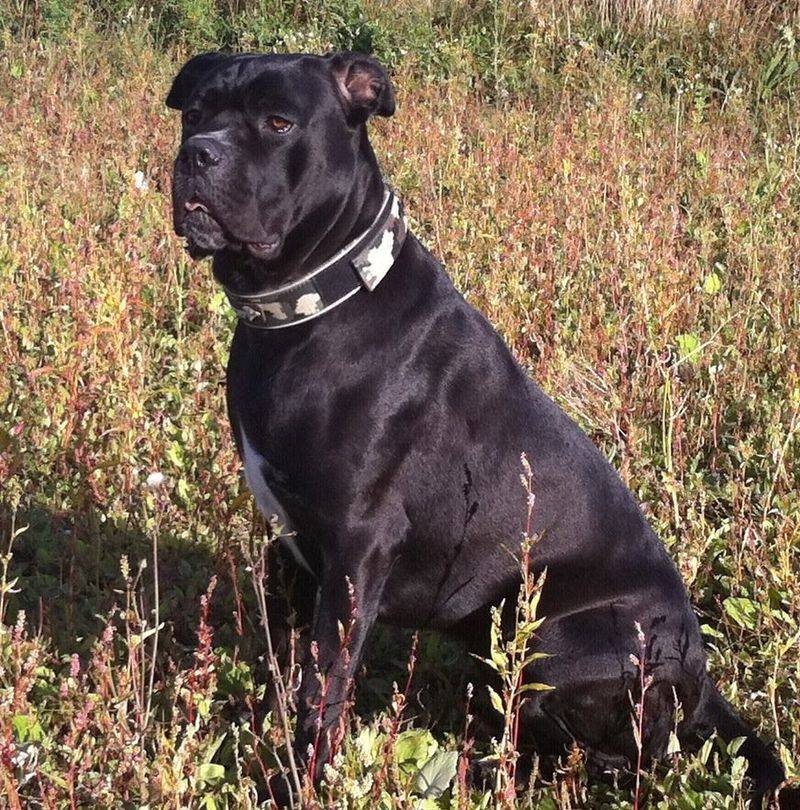
Quiet confidence and a watchful gaze define the Cane Corso, a guardian with a deep bond to family. Calm handling and clear rules help this powerful athlete thrive.
Prospective owners should study joint health, bloat, and behavior needs during adolescence. Early, socialization with people and dogs is vital.
Work with breeders who screen hips, elbows, and hearts, and who value stable temperaments, and provide controlled exercise, impulse-control games, and fencing to support safety for everyone.
Siberian Husky
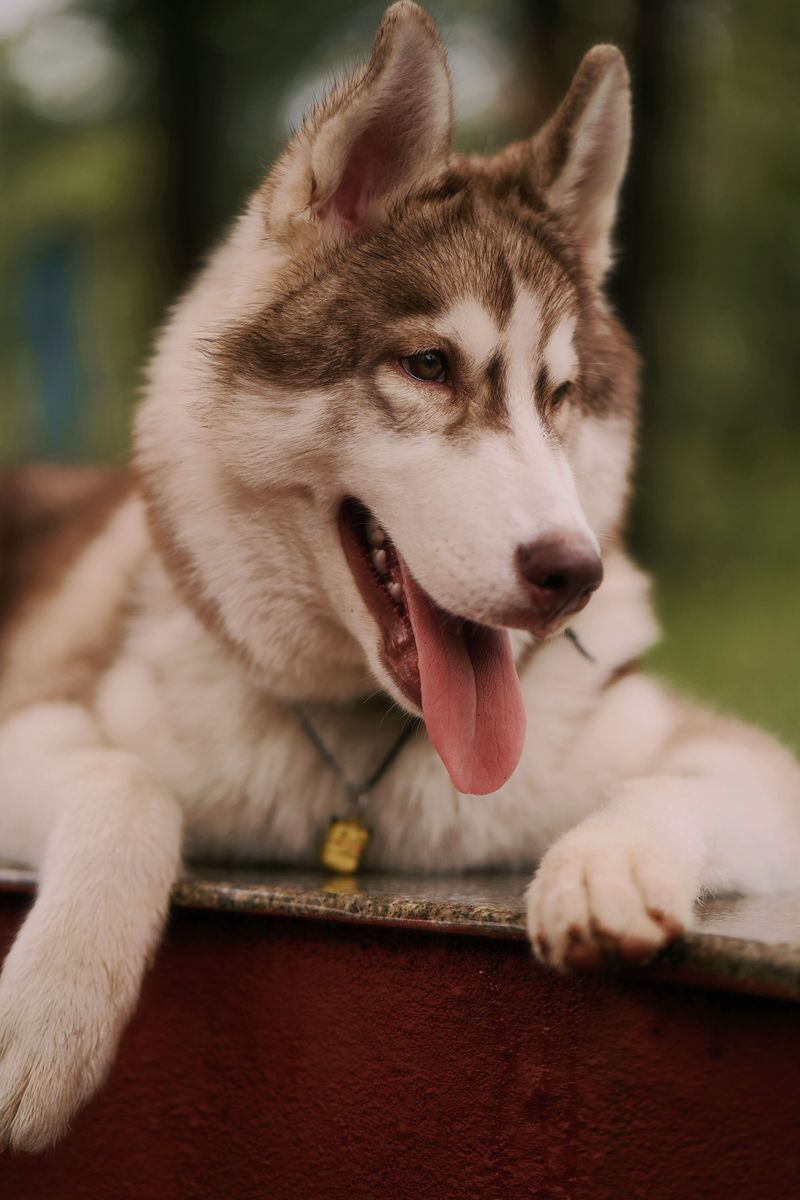
Snow-dog style and a mischievous grin give the Siberian Husky a movie-star aura. Many owners admire the friendly vibe and fun chatter of howls and woo-woos.
Plan for escape artistry, strong prey drive, and heavy shedding. Huskies often need secure yards and double-clip leashes.
Research heat sensitivity and the need for major exercise, ensure responsible breeders screen hips and eyes, and use dog sports, running partners, flirt poles, and frozen enrichment to channel that stamina.
Cavalier King Charles Spaniel

Velvet ears and a soft gaze make the Cavalier King Charles Spaniel a cuddle champion on quiet evenings. Kids and grandparents often enjoy the calm, social nature.
Health research is crucial: mitral valve disease, syringomyelia, and eye issues appear in the breed. Find breeders who use MRI screening for parents.
Manage weight, clean ears, schedule checks as recommended, and favor gentle walks, training games, and short play bursts that keep them cheerful without overtaxing hearts.