
Happy dogs often whisper rather than shout. Small habits during walks, meals, and naps can reveal how safe and satisfied your pup feels.
Learning these quiet clues helps you care better and worry less. Once you notice them, everyday routines start telling a cheerful story.
Soft blinks and gentle eyes
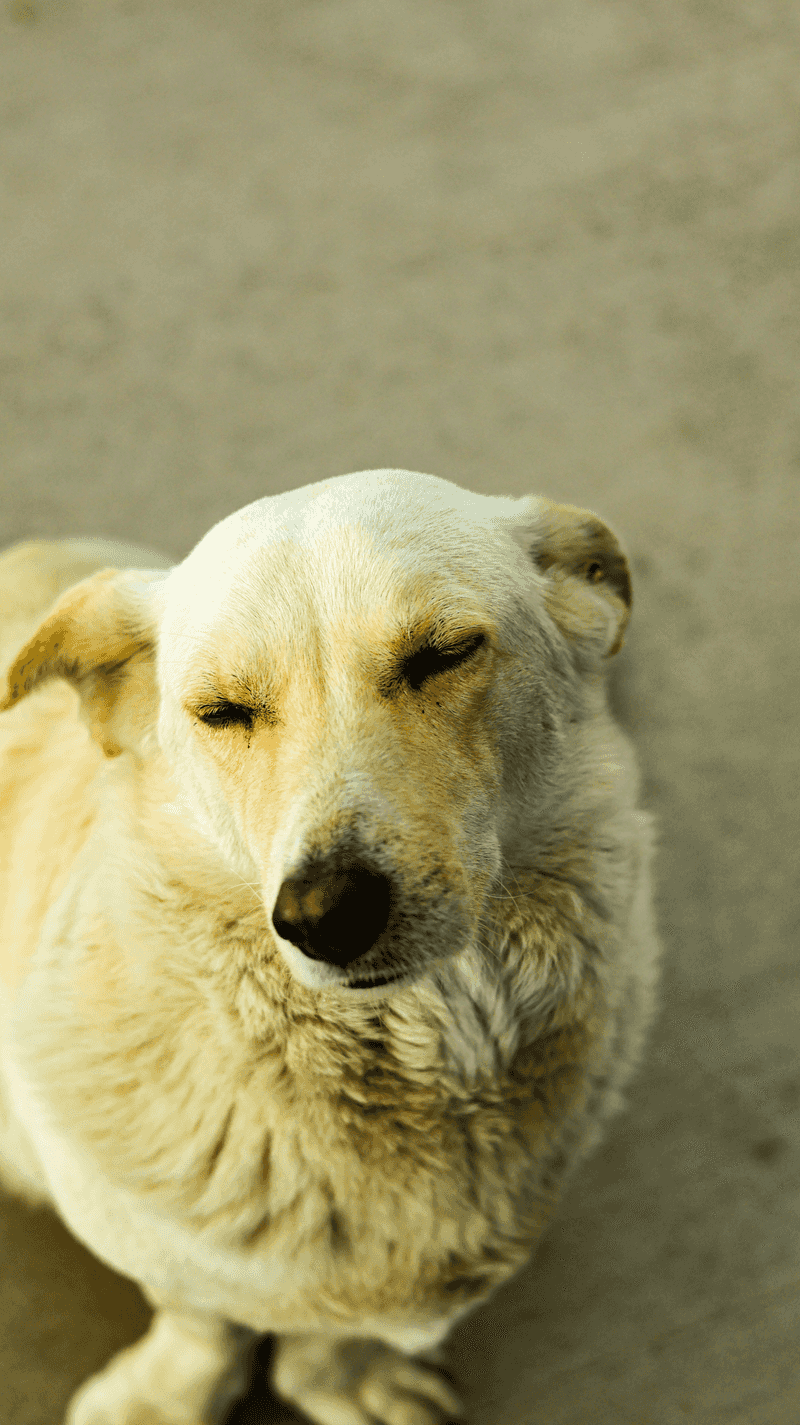
One of the sweetest clues looks almost sleepy. Slow blinks, soft eyelids, and relaxed eyebrows show a dog that trusts the moment.
The gaze feels easy, not stiff, and the corners of the eyes look smooth.
Try a slow blink back during quiet time. If your dog blinks and settles, you are reading comfort correctly.
Bright lights or noisy rooms can mask this sign, so check in calm places where your dog can truly unwind.
Loose tail with a lazy rhythm
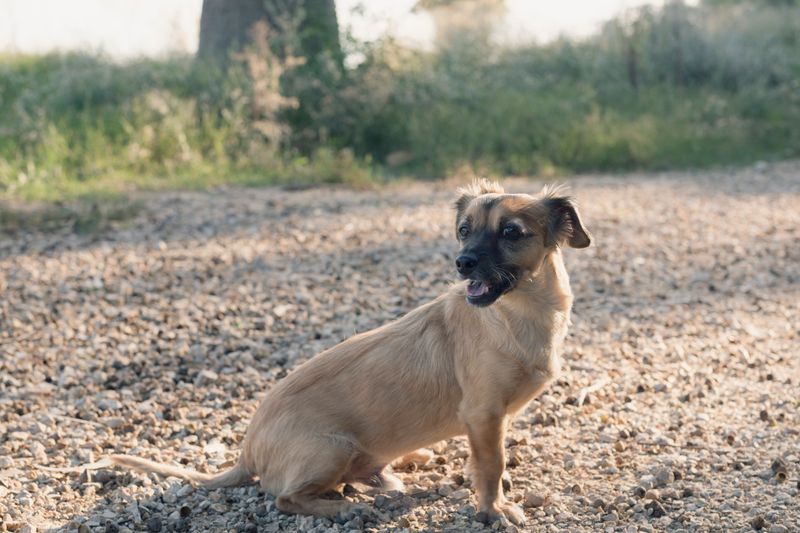
Not every wag shouts excitement. A low to mid-level tail that swings loosely like a metronome often means your buddy feels settled.
The hips may sway a little, and the back stays easy rather than tight.
Watch for sharp, fast wags paired with stiff legs, which can signal high arousal. In calm settings, that gentle rhythm says, I am good here.
Notice how it appears during routine moments like water breaks or quiet greetings.
The happy sigh after settling
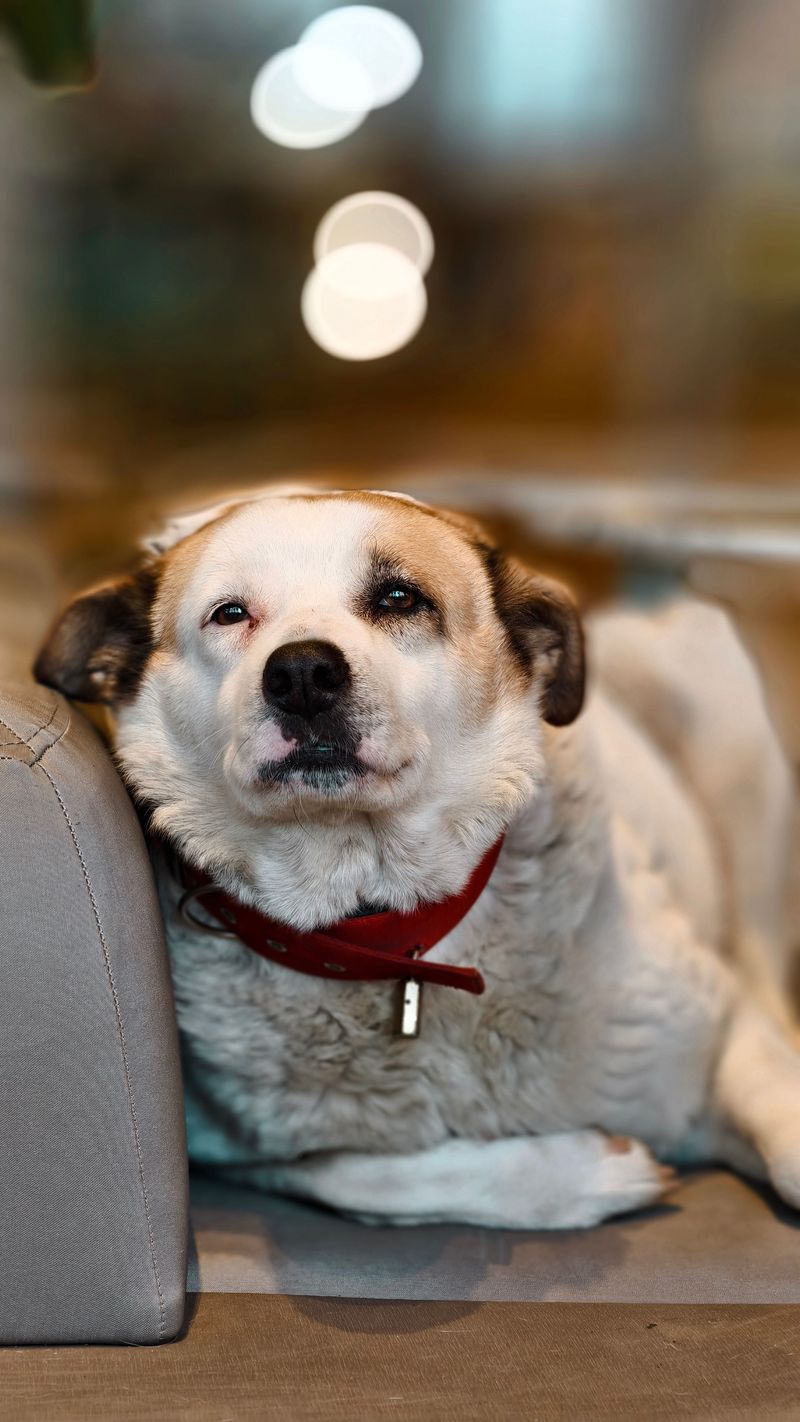
Hear that long, easy exhale as your dog curls up? That is the sound of tension leaving the body.
The chest lowers, the shoulders soften, and the room suddenly feels calmer too.
Pair a comfy bed with a steady routine to invite more of these sighs. If you hear panting instead, check for heat or stress.
A peaceful sigh usually follows a need being met, like a walk, a meal, or simple closeness.
Stretch, shake, and reset
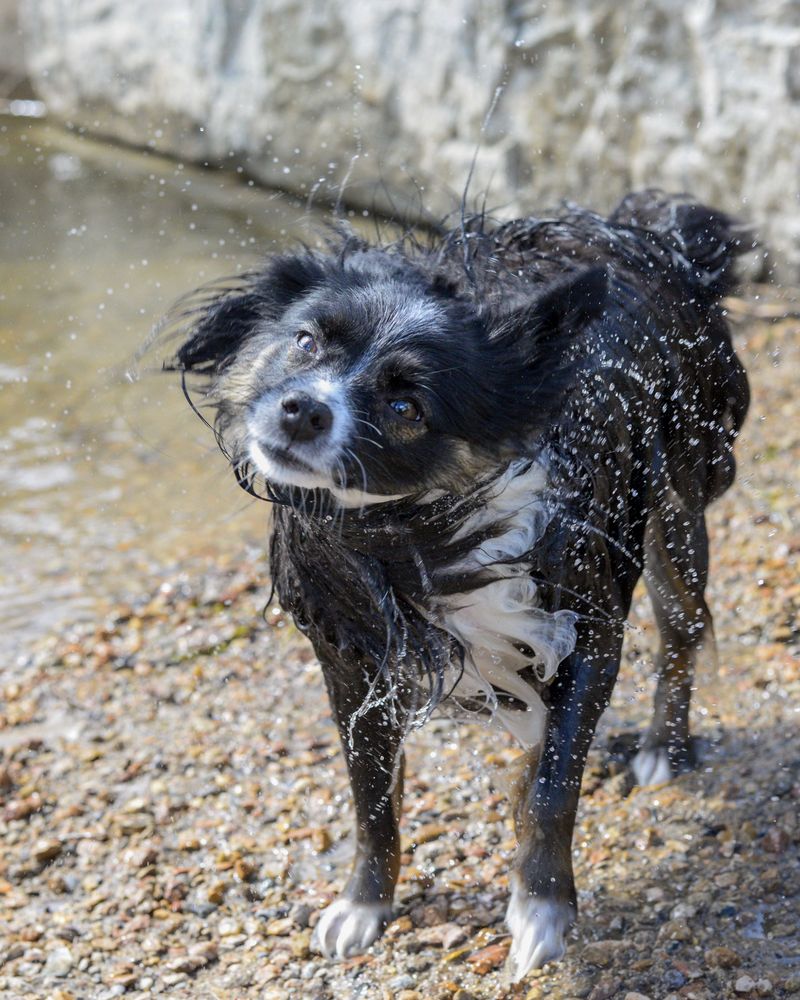
Morning routines often feature a stretch that seems to smile through the spine. After rest or mild stress, a full-body shake acts like a reset button.
Muscles loosen, fur fluffs, and the mind returns to neutral.
Offer time and space for these mini rituals. If stretching is smooth and followed by a calm shake, your dog likely feels balanced.
Stiff, painful movement needs a vet check. But easy stretches usually say, I feel good in my body.
Unhurried chewing and easy mealtime
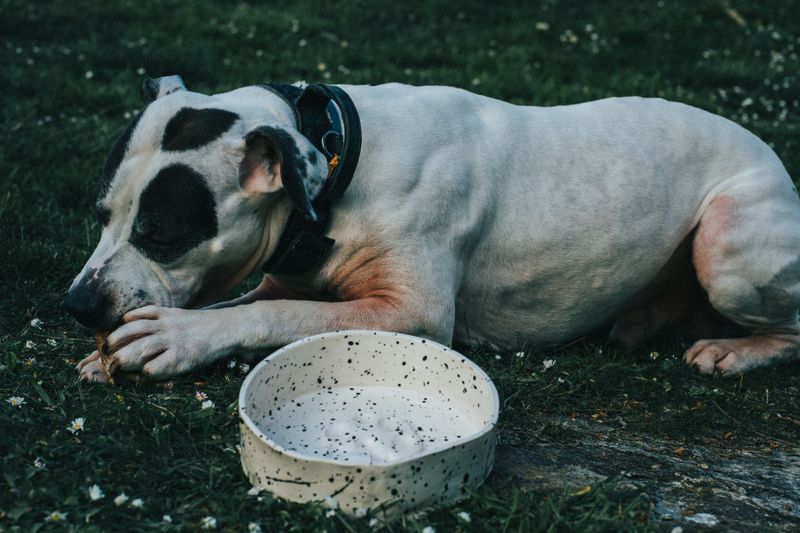
Mealtimes can show peace or pressure. A content dog often chews in relaxed bites, pauses to breathe, and sips water without gulping.
The shoulders stay loose, and the bowl does not spark frantic guarding.
Try a quiet feeding spot and a slow feeder if your pup rushes. When chewing is steady and calm, digestion often improves too.
Listen for gentle crunches and watch a waggy pause afterward that says, dinner was just right.
Play bow with patient manners
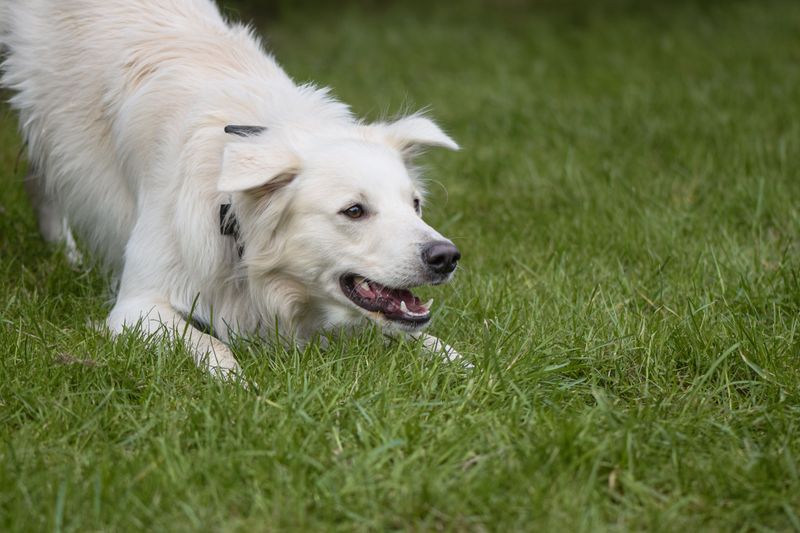
That low front, high rear pose is famous, yet the quiet version gets missed. When the bow is soft, held a moment, and followed by balanced play breaks, your dog feels safe.
The mouth may be slightly open with a goofy grin.
End games while the vibe stays friendly. If your pup self-pauses and re-bows, it shows confidence and comfort.
Short, gentle sessions build this polite rhythm, keeping fun joyful rather than frantic.
Leaning in without asking for more
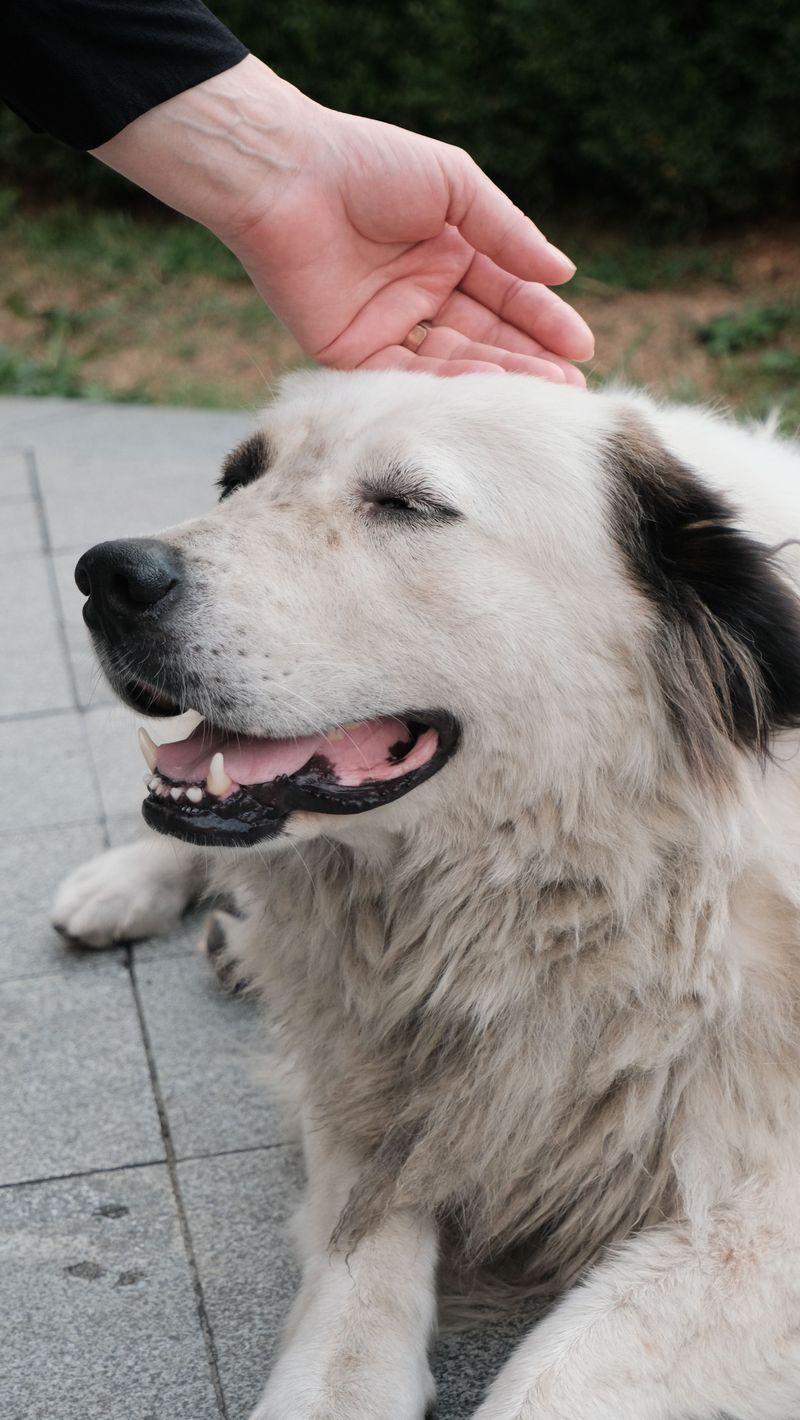
A quiet lean can feel like a thank-you note. Your dog touches your leg, hip, or shoulder, then simply rests there.
No pawing, barking, or pressing for treats. Just shared comfort.
Give a gentle scratch and let the moment breathe. If the lean ends naturally and your pup stays nearby, your bond feels safe.
Pushy nudges can mean unmet needs, but a calm lean without demands is a hallmark of steady contentment.
Sniffing the roses on walks
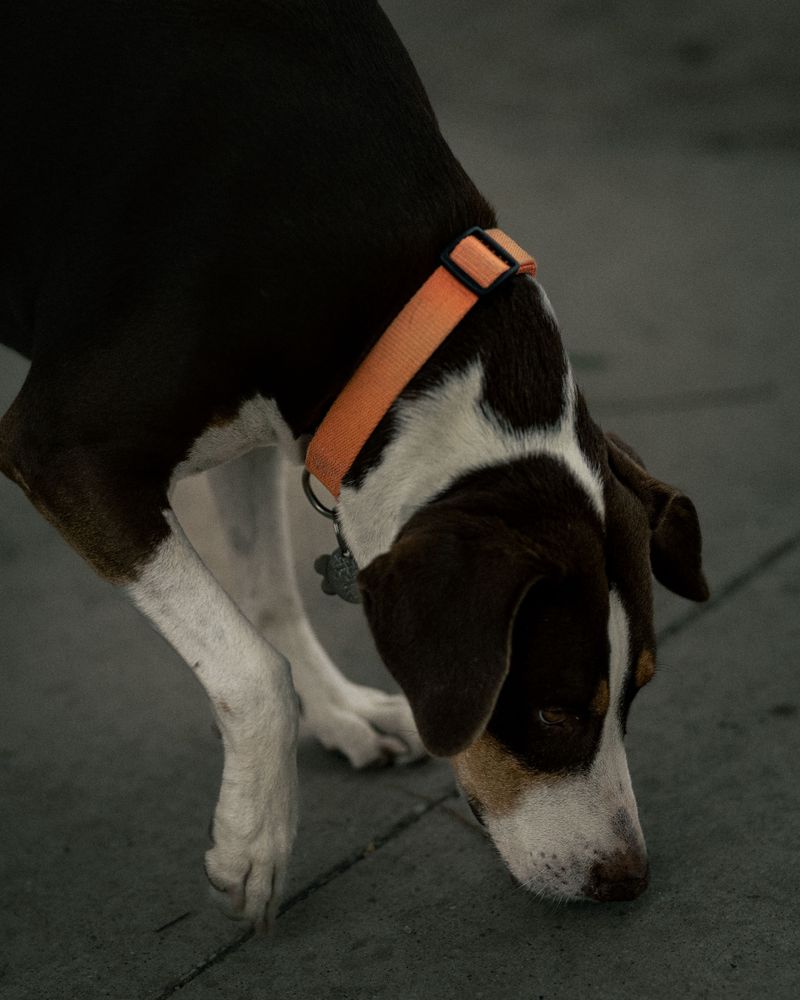
Curiosity at a comfortable pace signals a settled mind. Loose-leash sniffing, pausing to read the neighborhood news, shows confidence and satisfaction.
The body posture stays level, not dragging or lunging.
Build sniff time into every walk. Short sniff breaks can tire the brain better than a long sprint.
When your dog explores, then looks back with a soft face and returns easily, you are seeing a content explorer who trusts both you and the route.
Happy sprawl and belly half-roll
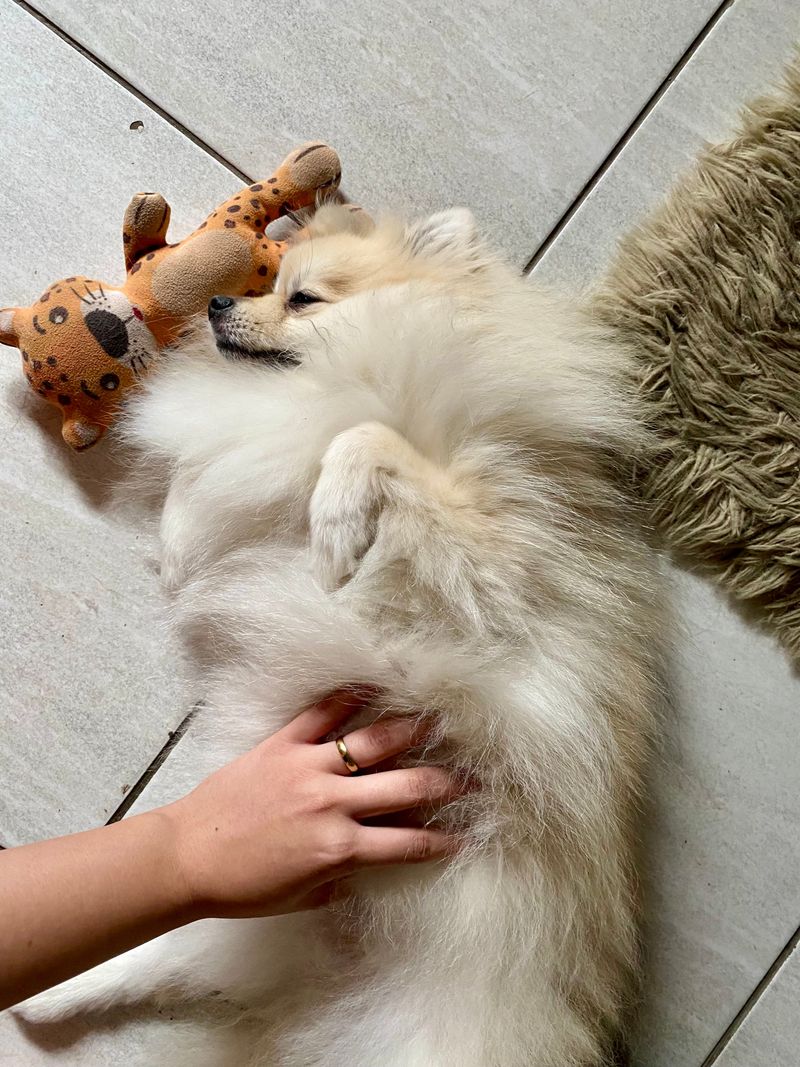
Full tummy-up is not the only clue. A relaxed half-roll with a peek of belly often says, I feel safe here.
Legs lie loose, and breathing stays steady. Some dogs prefer this to a full expose.
Offer gentle rubs only if invited. Watch for a turned head, soft eyes, and no stiffening.
If the dog keeps lounging afterward, you read it right. Forced belly rubs can break trust, so keep it optional and kind.
Peaceful naps with steady breaths
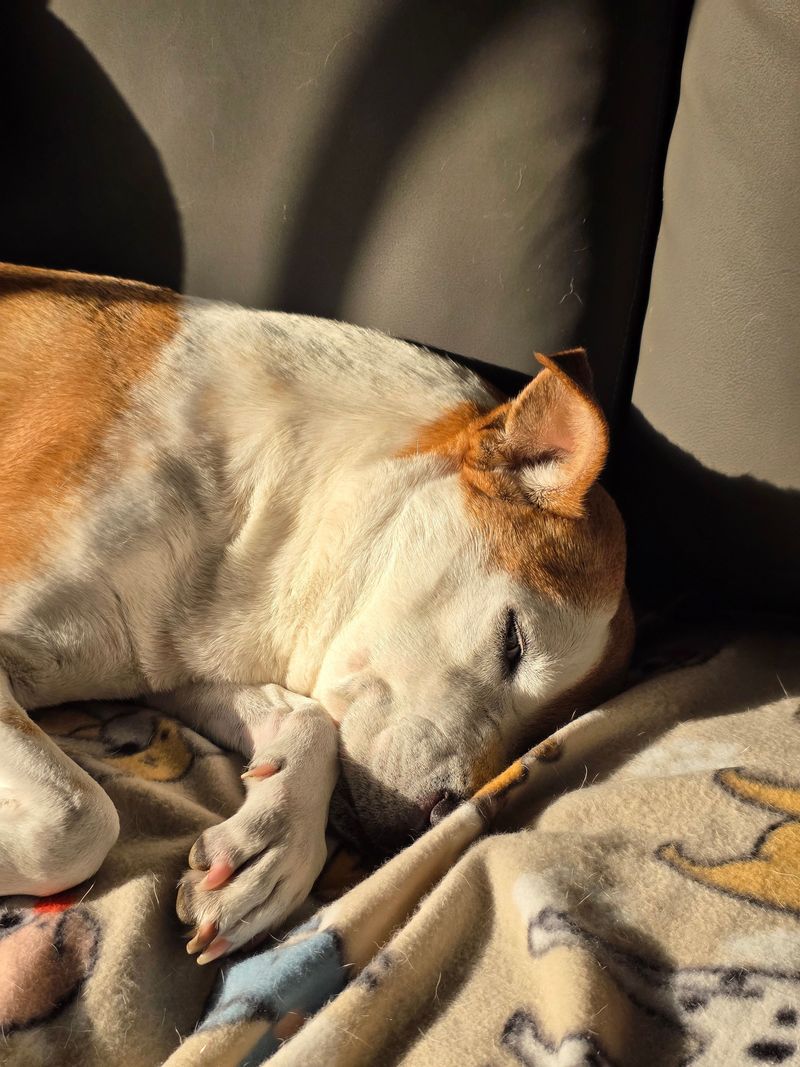
Naps tell the truth. A content dog often sleeps on the side or curled like a croissant with slow, even breaths.
Light paw twitches and tiny whisker flutters can show healthy dream cycles.
Protect nap zones from loud traffic and constant touching. If your pup wakes, sighs, and falls right back asleep, that is trust in action.
Track patterns over a week. Consistent, restful sleep usually means emotional needs feel well met.