
Wondering why your sweet pup acts like the boss at home? Little habits can add up to a pattern where your dog believes he is running the show.
Spotting these signs early helps you shift the dynamic with kindness and clarity. Ready to get calm leadership back without stress?
Ignoring commands
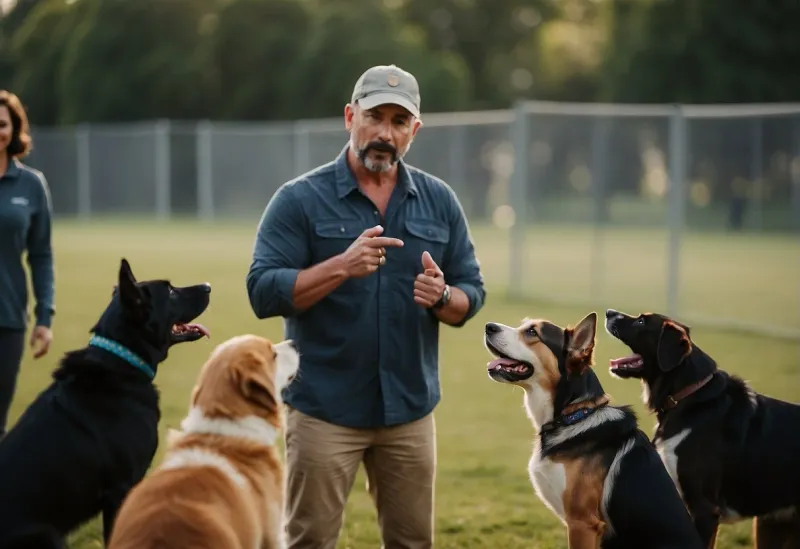
When a dog consistently ignores sit, stay, or come, he might believe he calls the shots. You repeat cues and he looks away, sniffing, or wandering off to do his own thing.
That pattern tells him you will eventually give up, which reinforces a leader mindset.
Start by making cues crystal clear and rewarding fast responses. Use short training sessions, high value treats, and a cheerful voice to build momentum.
If he stalls, gently guide, reset, and follow through so the command truly means something. Practice in quiet spaces before adding distractions.
Keep a leash on to prevent drifting and to help you reinforce success. End sessions while he is winning, then gradually ask for longer holds and sharper focus.
Consistency turns compliance automatic.
Guarding food or toys
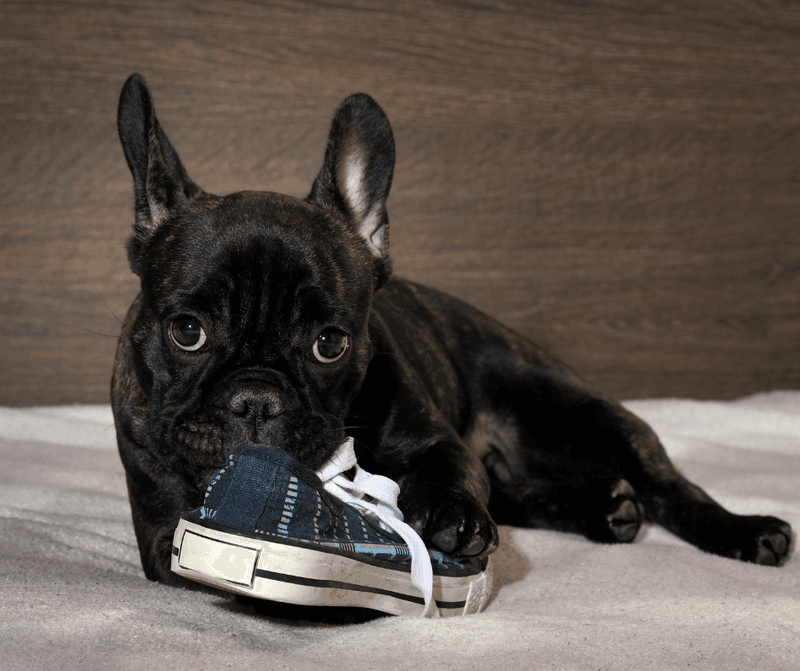
Resource guarding over bowls, bones, or squeaky toys screams I am in charge. You see stiff posture, hard eyes, a frozen neck, maybe a growl when you approach.
That tension communicates ownership, and many people back away, which accidentally rewards pushy behavior.
Create safety first by managing distance and using trades. Toss tasty treats as you pass the bowl so your approach predicts good things.
Teach drop and leave it with calm repetition, then practice swapping low value items for high value rewards. If he stiffens, step back to a threshold where he relaxes, then continue gradually.
Feed in a quiet corner, use gates, and prevent rehearsals of guarding during training. Over time, you replace conflict with trust.
Everybody wins.
Pushing for attention constantly
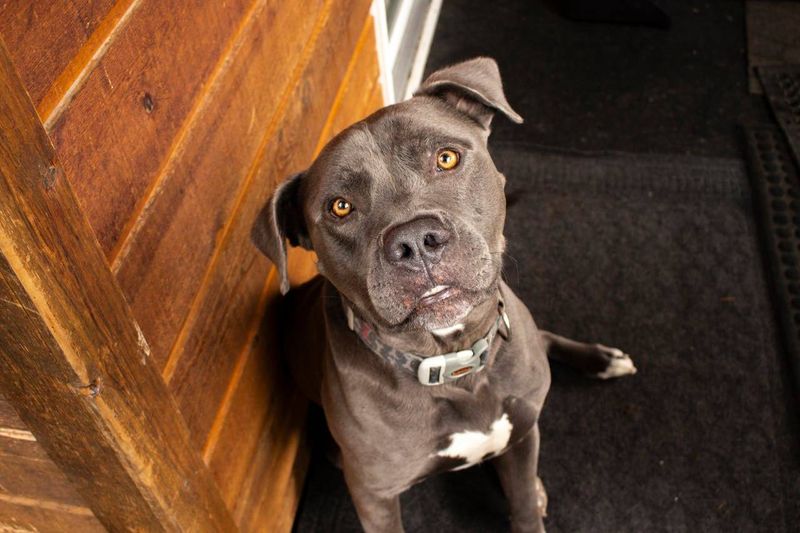
Relentless pawing, nudging, and head shoves say listen to me now. If you scratch on cue every time, your dog learns to demand access like a tiny boss.
He rehearses the behavior because it works, and your day becomes a series of interruptions.
Flip the script by teaching an on off switch. Reward calm on a mat, then invite attention on your terms with a cue like say hi.
If he paws or whines, fold arms, look away, and wait for stillness before acknowledging. Build a simple routine where eye contact earns you, jumping ends fun, and relaxing brings cuddles.
Consistency teaches your dog that patience opens doors, while pushiness quietly fizzles out. You feel freedom again.
At home.
Walking ahead and pulling hard
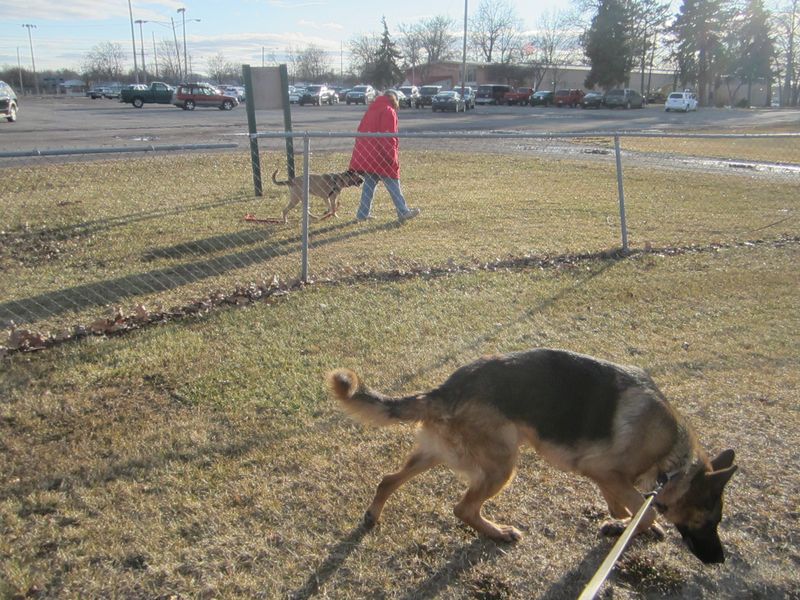
Charging to the end of the leash and forging ahead signals I choose the route. You get dragged to trees, squirrels, and smells, while your shoulders ache and timing crumbles.
Without boundaries, your dog assumes the walker role and calls every shot outside.
Teach loose leash skills with structure and patience. Use a front clip harness, tasty reinforcers, and frequent direction changes to keep focus.
Mark and pay for a slack leash, then stop or step backward the moment tension appears to reset. Practice in low distraction areas before adding busy sidewalks or parks.
Reward heavily near triggers and offer sniff breaks when he walks nicely beside you. Soon, the leash becomes a conversation instead of a tug of war.
Your shoulders will thank you. Every day.
Refusing to move when told
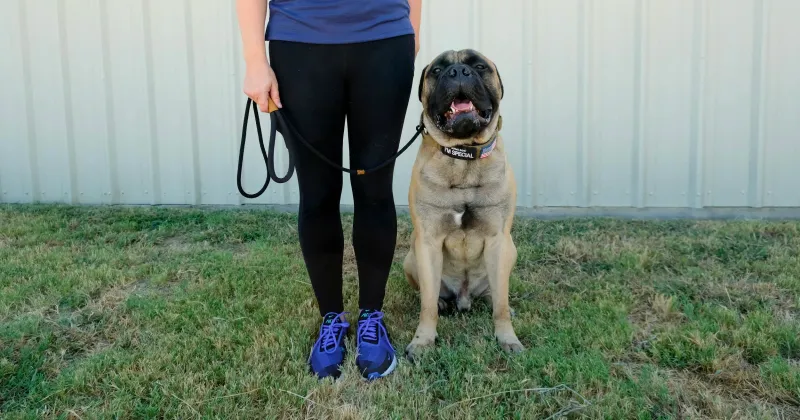
Planting feet like a statue when you say off, come, or kennel can be a power play. He learns that stalling makes you plead, repeat, or reach for bribes.
The longer he sits there, the more convincing his leadership fantasy becomes.
Break the stalemate with clarity and fair consequences. Use gentle leash guidance, body pressure, and a known release word to help him move.
Reward the first tiny try, then several decisive steps, and soon the whole behavior flows on cue. Avoid repeating commands, which only trains him to wait for echoes.
Keep sessions short, end strong, and slowly raise expectations as confidence grows. Soon, moving when asked feels simple, predictable, and rewarding.
You regain calm control. In moments.
Everywhere.
Jumping on people without control
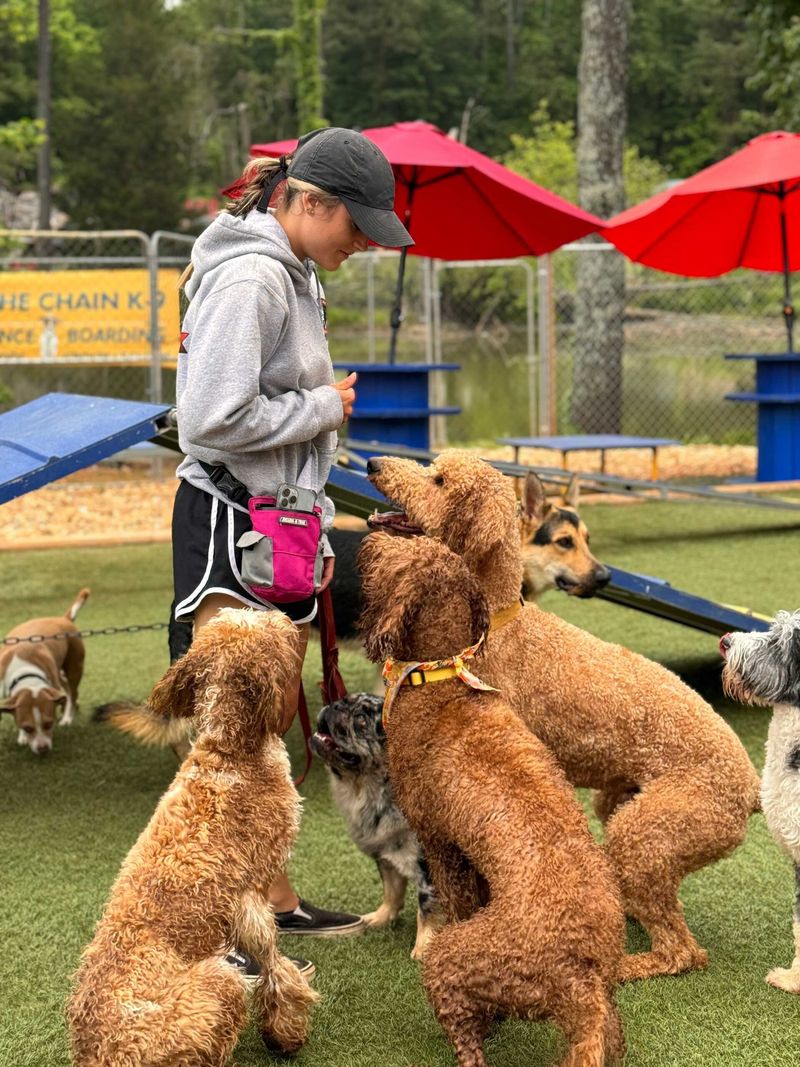
Launching paws at guests or family broadcasts excitement and status seeking. It often works, because people laugh, touch, or talk, feeding the cycle and rewarding the behavior.
Soon your doorway turns chaotic, and your dog rehearses being the greeter in charge.
Teach a default sit for greetings and protect practice with management. Use leashes, baby gates, and distance so success is easy early on.
Ask visitors to ignore jumping, then pay generously when four paws land and calm eyes meet yours. Reinforce sit by stepping forward only when he remains planted, and step back if he pops up.
Soon, polite greetings become a habit that unlocks affection and attention. Everyone feels welcome again.
Peace at the door.
Taking over resting spaces
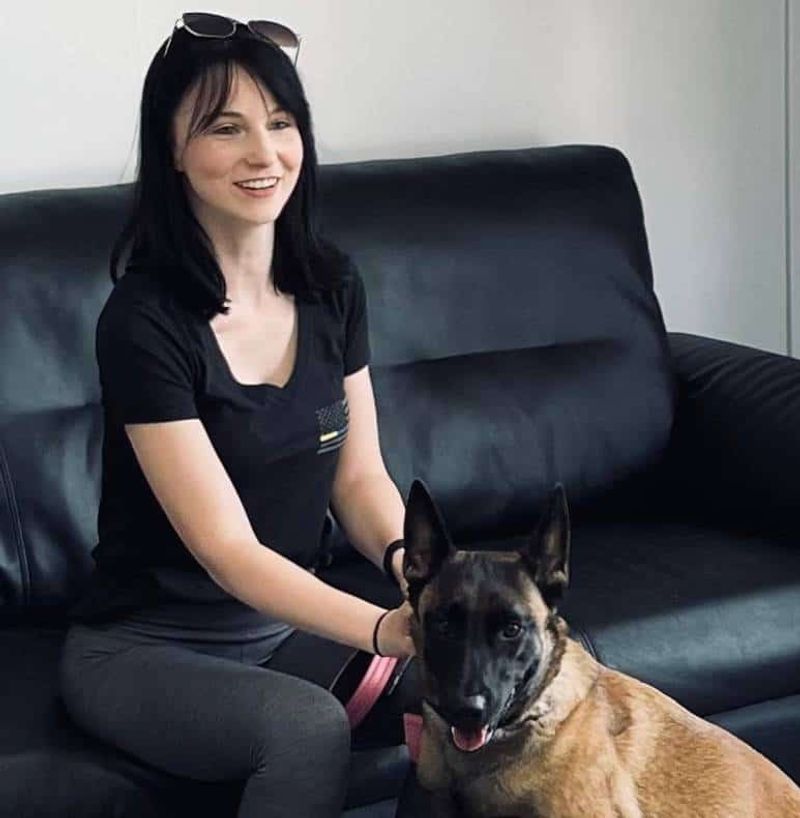
Sprawling across your favorite chair or hogging the couch can morph into a turf statement. If you tiptoe around his comfort, he learns that your movement yields to his preferences.
Before long, you stand while he lounges, and boundaries blur at home.
Reclaim spots kindly and clearly. Teach place on a comfy bed, then reward long, relaxed settles during daily life.
If he claims furniture uninvited, guide him off, cue place, and pay generously so the swap feels worthwhile. Offer chewies or snuffle mats on the bed so it becomes the best seat available.
Consistency restores balance, and soon your chair is yours again without drama. Everybody rests peacefully and routines feel easy.
Home comfort returns daily. You breathe again.
Barking to control situations
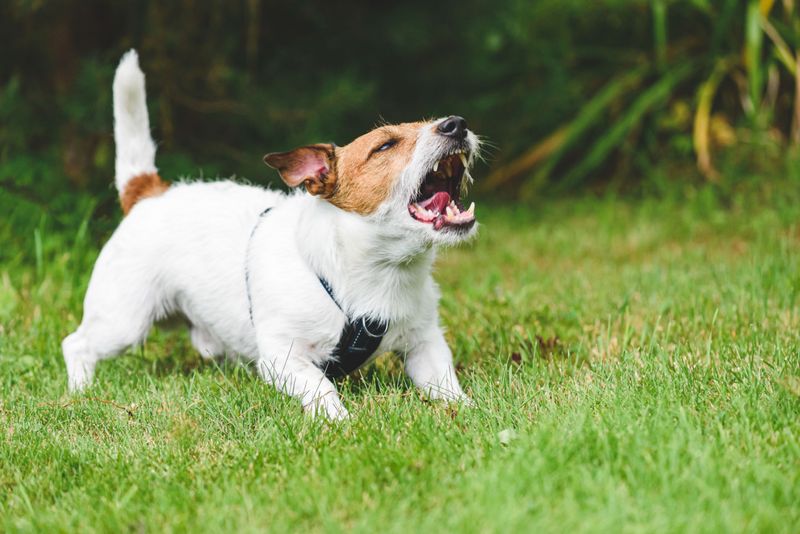
When barking makes people move, doors open, or other dogs retreat, your pup learns to use his voice for control. The volume spikes, and suddenly he is orchestrating the environment like a tiny supervisor.
Neighbors cringe while stress in your home rises.
Teach a quiet cue by rewarding silence. Capture one second of no sound, then build duration and distractions gradually.
Meet needs with exercise and enrichment, and prevent rehearsal by managing views, covering windows, and using distance outside. If barking starts, calmly interrupt, move away, and reset rather than scolding loudly.
Over time, quiet earns rewards, and the habit of self control replaces noise. You finally hear your thoughts again.
Peace becomes the new normal. Everyone relaxes more easily.
At last.
Not responding to correction
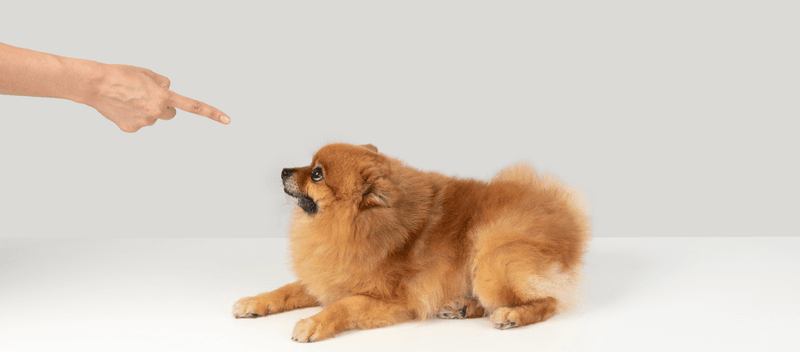
If no means nothing and hey barely turns a head, corrections have lost their meaning. Repeating louder only creates background noise while your dog continues the same choices.
Eventually he treats your voice like static and follows his own plan.
Rebuild communication with clarity, timing, and fair reinforcement. Teach what to do, then use brief, consistent interrupters paired with guidance toward the right behavior.
Pay generously when he chooses well, and keep sessions short so learning stays sharp and upbeat. Avoid nagging, since repetition dulls signals and encourages tuning out.
Make consequences predictable, gentle, and brief, then return quickly to positive practice. Trust grows when messages are simple and actions stay consistent.
Soon he listens again. It feels good.
Everywhere.
Showing possessive behavior
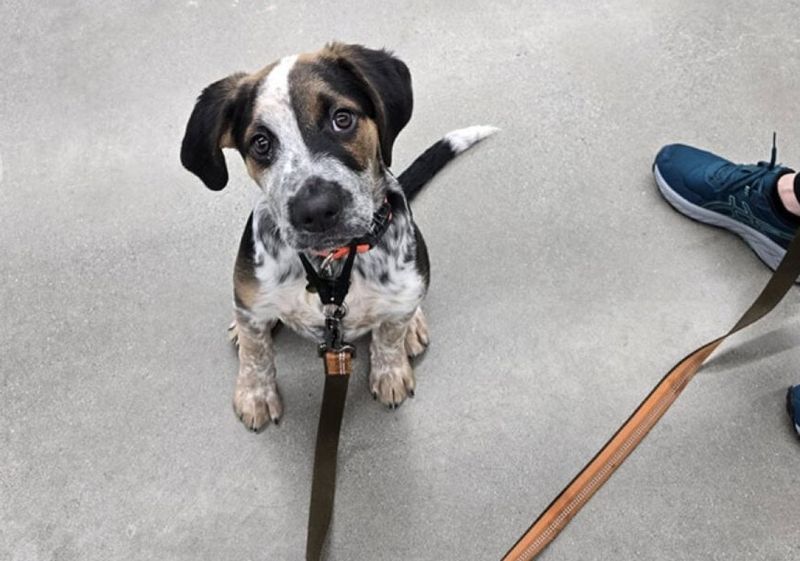
Blocking hallways, herding guests, or leaning across your legs can look like affection yet carry a possessive thread. He might shadow you from room to room and insert himself between people.
Subtle pressure says you are mine and I supervise access.
Teach boundaries kindly so closeness stays healthy. Practice go to place, stationing on a mat while conversations and cuddles happen nearby.
Reinforce independence with settle, crate time, and calm door manners, and reward him for choosing space when asked. If he wedges in, pause, breathe, and guide him to his spot without drama.
Celebrate returns to place and release him often so the boundary feels generous. Soon, connection stays warm without controlling vibes.
Home harmony returns gently. For everyone.
Daily.