
Understanding the subtle signs that your dog might be under-exercised can significantly improve their well-being. While hyperactivity is a common indicator, there are more understated signs to watch for. These behaviors can provide insight into your dog’s physical and mental needs.
Sudden Loss of Interest in Toys
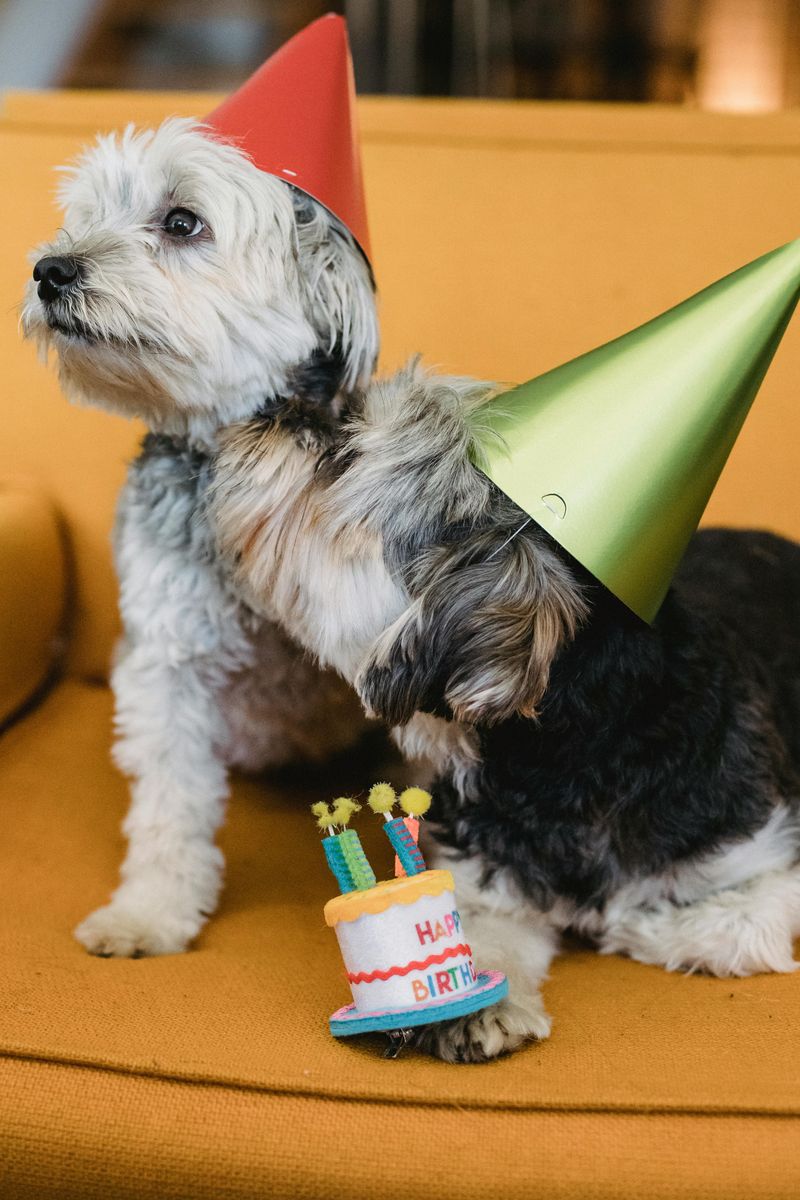
Have you noticed your dog giving their favorite squeaky toy the cold shoulder? It might seem perplexing, but a sudden loss of interest in toys can indicate that your dog is not getting enough exercise. Dogs thrive on physical activity, which keeps them mentally engaged.
When their exercise needs aren’t met, even the most exciting toys can lose their appeal. Consider increasing your dog’s daily exercise routine to rekindle their interest in playtime.
Adding variety to their toys can also help, but physical activity is key. Try a longer walk or a new park adventure.
Excessive Sleeping During the Day

A dog that spends too much of its day napping might be lacking sufficient exercise. While all dogs love a good snooze, excessive daytime sleeping can be a sign that they aren’t expending enough energy.
This behavior often stems from boredom or a lack of stimulation. If your pup seems more like a couch potato than a playful pup, it might be time to incorporate more walks or runs into their day.
Remember, regular exercise helps maintain a healthy sleep-wake cycle, keeping your dog alert and content.
Increased Clinginess or Shadowing
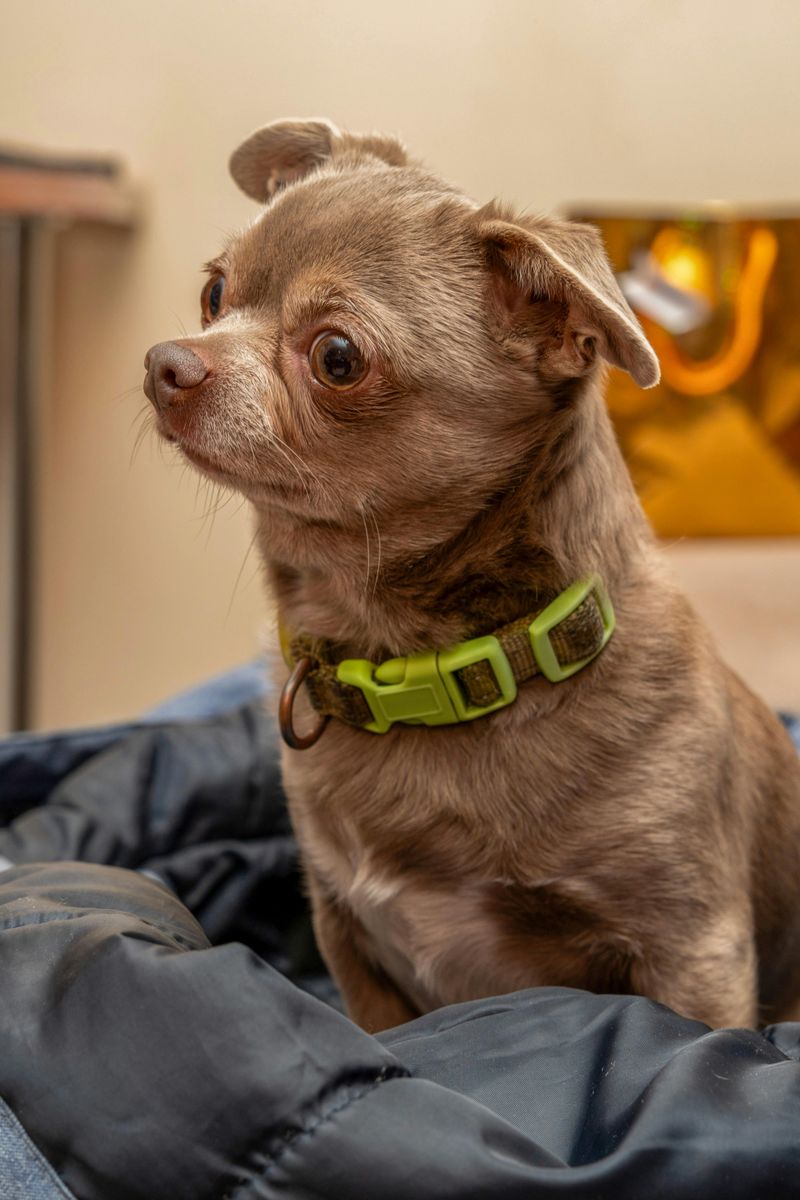
Have you become your dog’s favorite shadow? Increased clinginess or constant shadowing can be a sign of under-exercise. Dogs might seek companionship as a substitute for the stimulation they’re missing out on.
This behavior can be particularly noticeable if it develops suddenly. Try increasing your dog’s physical activity with interactive games or longer walks.
Engaging with your dog in activities not only exercises their body but also strengthens your bond, making them feel secure and fulfilled.
Destructive Chewing Focused on One Spot

If your dog has started focusing their chewing efforts on one particular spot, it might be a sign of insufficient exercise. Bored dogs often turn to destructive behaviors to release pent-up energy.
This focus might manifest as chewing on furniture or shoes, especially if the dog is left alone for long periods. Providing more exercise can alleviate this destructive tendency.
Consider interactive toys or chew items to occupy their mouth and mind in a healthy way. However, increased playtime is a more effective long-term solution.
Restlessness Without Zoomies
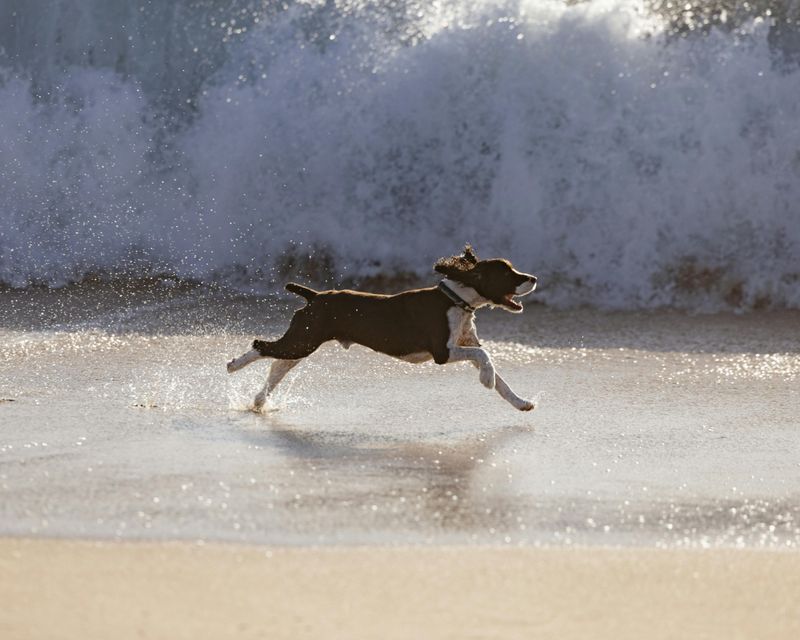
Restlessness in dogs often gets confused with the joyful ‘zoomies,’ but there’s a difference. If your dog is pacing or seems uneasy without the bursts of playful energy, they might be under-exercised.
This kind of restlessness is often a sign that your dog needs more structured physical activity. Try introducing more varied exercises, like agility training or interactive fetch sessions.
Such activities can channel your dog’s energy positively, reducing feelings of restlessness and promoting relaxation.
Increased Irritability With Small Triggers
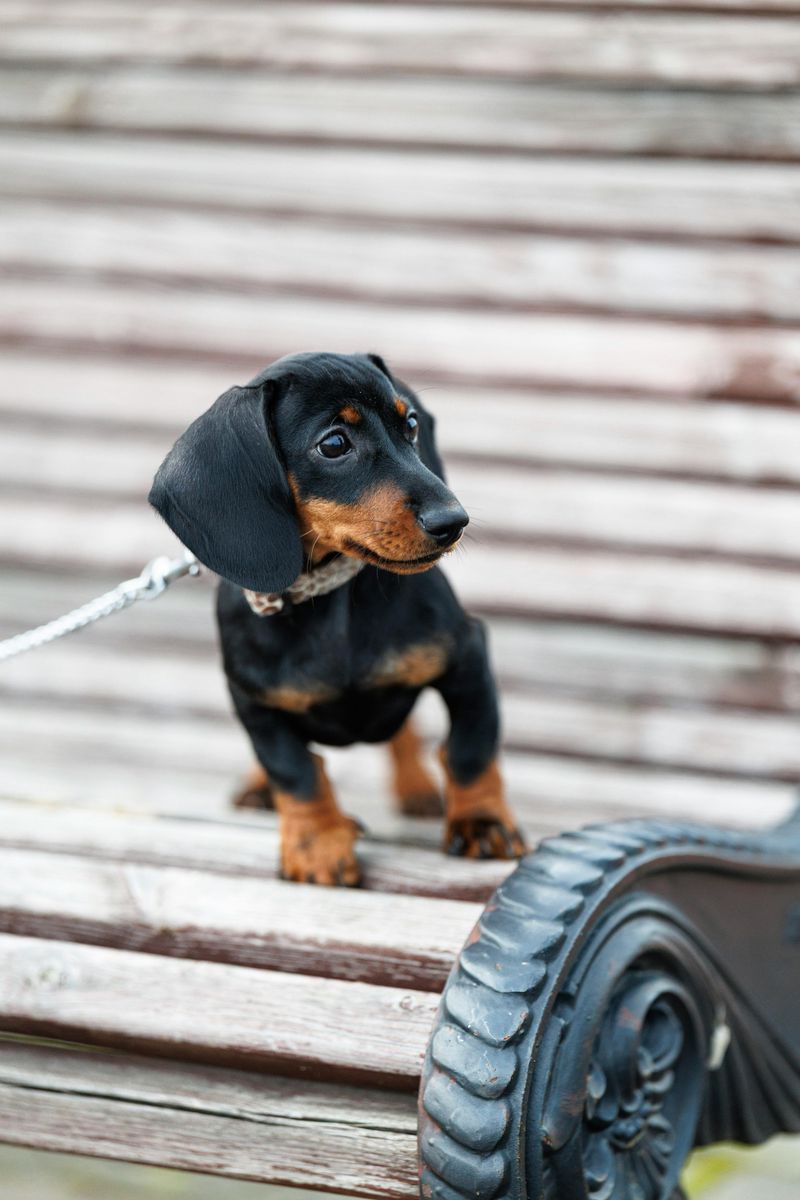
Does your dog’s patience seem to be wearing thin? Increased irritability over minor things could be a sign of insufficient exercise. Just like humans, dogs can become cranky when they aren’t getting enough physical activity.
Small triggers, such as a noise or a touch, may provoke a reaction. Regular exercise can improve their mood and reduce irritability.
Engaging in activities like tug-of-war or a brisk walk can ease tension and uplift your dog’s temperament, making them feel better overall.
Difficulty Settling After Short Walks
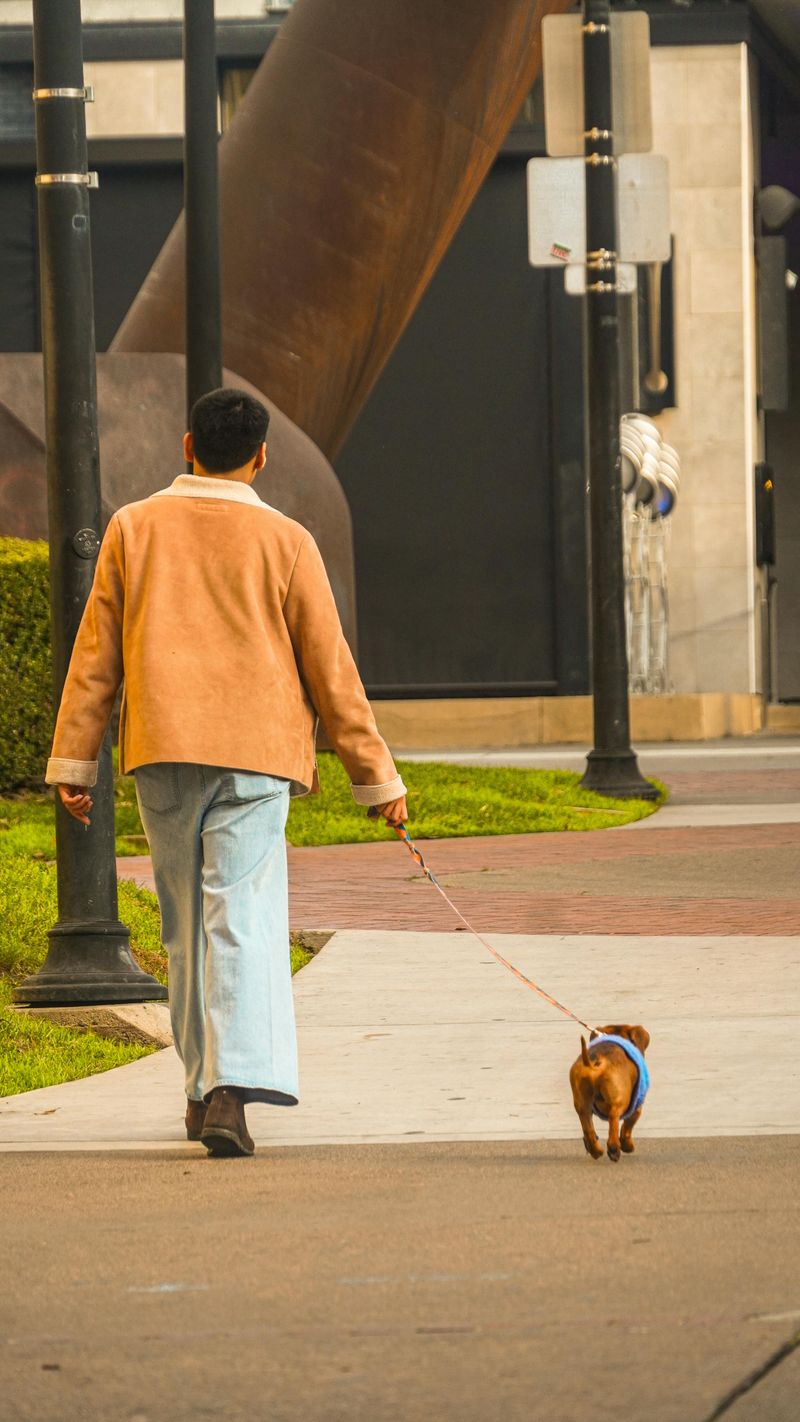
If your dog seems unsettled and can’t calm down after a brief stroll, it might be a sign that they need more exercise. Short walks are often insufficient for high-energy dogs, who need extended periods of physical activity.
Increasing the length or intensity of walks can provide them with the necessary outlet for their energy. Consider incorporating runs or hikes to meet their exercise needs.
This adjustment can help them relax better at home, creating a more peaceful environment for everyone.
Over-Fixation on Food or Treats

Has your dog become obsessed with food? An over-fixation on food or treats can be a sign of under-exercise. When dogs aren’t getting enough physical activity, they might seek satisfaction elsewhere.
This compulsion can lead to unhealthy weight gain. By increasing exercise, you can help redirect their focus and maintain their health.
Engaging in active games before feeding time can balance their energy and appetite, ensuring a happier, healthier pet.
More Frequent Attention-Seeking Behaviors
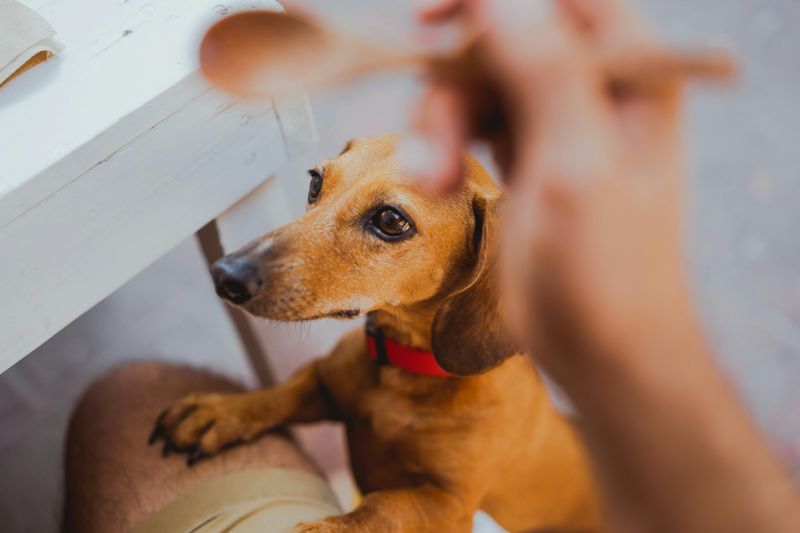
If your dog is constantly demanding attention, it might indicate they are not getting enough exercise. Dogs often seek interaction when they’re bored or under-stimulated.
Providing more exercise can help satisfy their need for engagement, reducing these attention-seeking behaviors. Try playing fetch or exploring new walking routes to enhance their daily routine.
These changes can lead to a calmer, more content pet, improving the quality of time you spend together.
Subtle Weight Gain Despite Normal Feeding
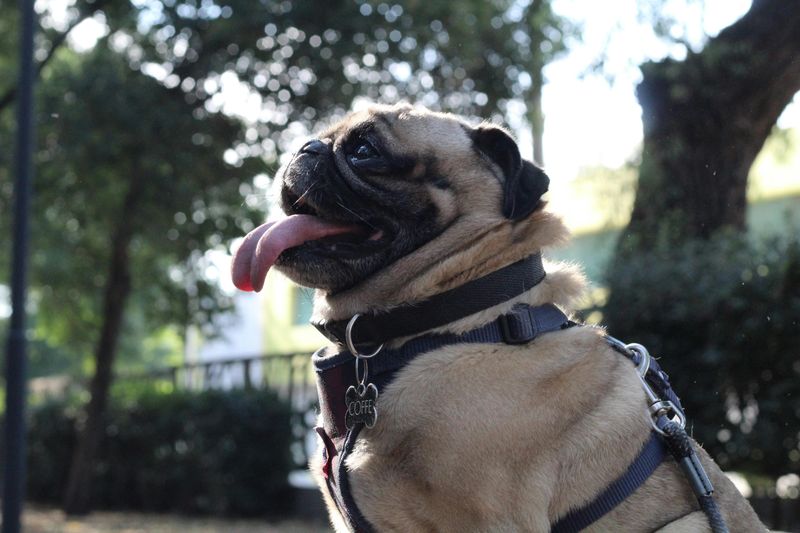
Notice your dog getting a bit rounder without changes in their diet? Subtle weight gain can be a clear indicator of insufficient exercise. Even with normal feeding, lack of physical activity can lead to weight issues.
Regular exercise helps burn calories and maintain a healthy weight. Introduce more active play sessions or longer walks to help shed those extra pounds.
Focusing on maintaining a balanced lifestyle will ensure your dog stays fit, active, and happy.