Dogs experience the world through their noses, which is why certain scents can stop curious paws in their tracks. If you are trying to protect a garden, keep trash from being raided, or save your sofa, the right smell can set a clear boundary.
This guide breaks down powerful odors that most dogs avoid, along with safe ways to use them. Learn what works, what to avoid, and how to keep your pup comfortable while protecting your space.
Citrus

Dogs have powerful noses, and citrus usually screams keep away. The sharp oils in lemon, orange, and grapefruit peels overwhelm scent receptors, making curious sniffs turn into quick retreats.
If you want a gentle deterrent, citrus can set boundaries without harsh chemicals.
Place dried peels near trash, planters, or doorways, or wipe surfaces with diluted juice. Avoid spraying concentrated oils on bedding or grass, since acidity and limonene can irritate skin and plants.
Always test a small area, refresh the scent regularly, and keep peels out of reach if your dog tends to chew. For indoor use, a lightly scented sachet or simmer pot provides subtle coverage without sticky residue.
Rotate fruits so the novelty stays strong.
Vinegar
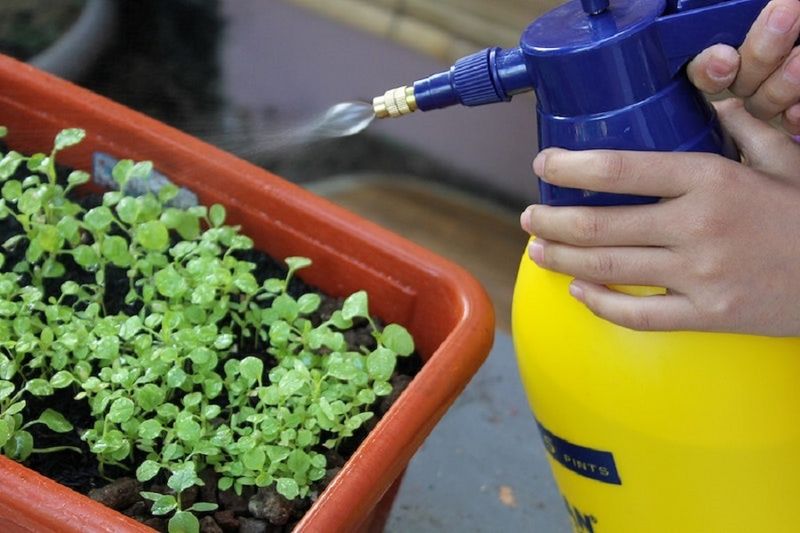
White vinegar has a bitey tang that many dogs dislike immediately. Its acetic acid vapor floods the air, masking interesting smells and discouraging repeat visits.
When you need a budget friendly barrier, vinegar can help protect door frames, patio corners, or crate exteriors.
Mix equal parts water and vinegar, then lightly mist problem spots or wipe with a cloth. Never spray near eyes, and avoid unfinished wood, marble, or grout that could etch or discolor.
Expect the scent to fade as it dries, so reapply regularly, ventilate rooms, and store solutions away from curious noses. For fabrics, dab a small hidden patch first to check colorfastness.
You can also pair vinegar with citrus peels to boost effectiveness.
Ammonia
Ammonia smells harsh and sharp, echoing territorial scents that can alarm dogs. The strong fumes often trigger immediate avoidance, making it a potent but risky repellent.
Because it is caustic, you should treat ammonia as a last resort and keep safety top of mind.
Use heavily diluted solutions outdoors only, applied on durable surfaces far from beds, bowls, and gardens. Never mix with bleach, and avoid enclosed areas where vapor buildup can harm pets or people.
Gloves, eye protection, clear labeling, and brief contact time reduce hazards while still signaling that certain zones are off limits. Rinse treated spots after the smell has done its job.
If your dog seems stressed, switch to a milder option immediately.
Alcohol

Rubbing alcohol carries a sharp, medicinal scent that most dogs back away from fast. The vapors irritate sensitive noses, crowding out the cues they use to explore and relax.
As a deterrent, it works quickly, but it also demands careful handling and smart placement.
Lightly wipe hard surfaces with a diluted solution, then let air circulate until the smell settles. Do not apply on fabrics, food areas, or anything your dog licks or rubs regularly.
Keep bottles capped, avoid open flames, and remember that small dogs and puppies are especially vulnerable to fumes, so go sparingly. If irritation appears, ventilate immediately and switch to vinegar or citrus.
Store out of reach and label clearly to prevent accidents.
Chili peppers
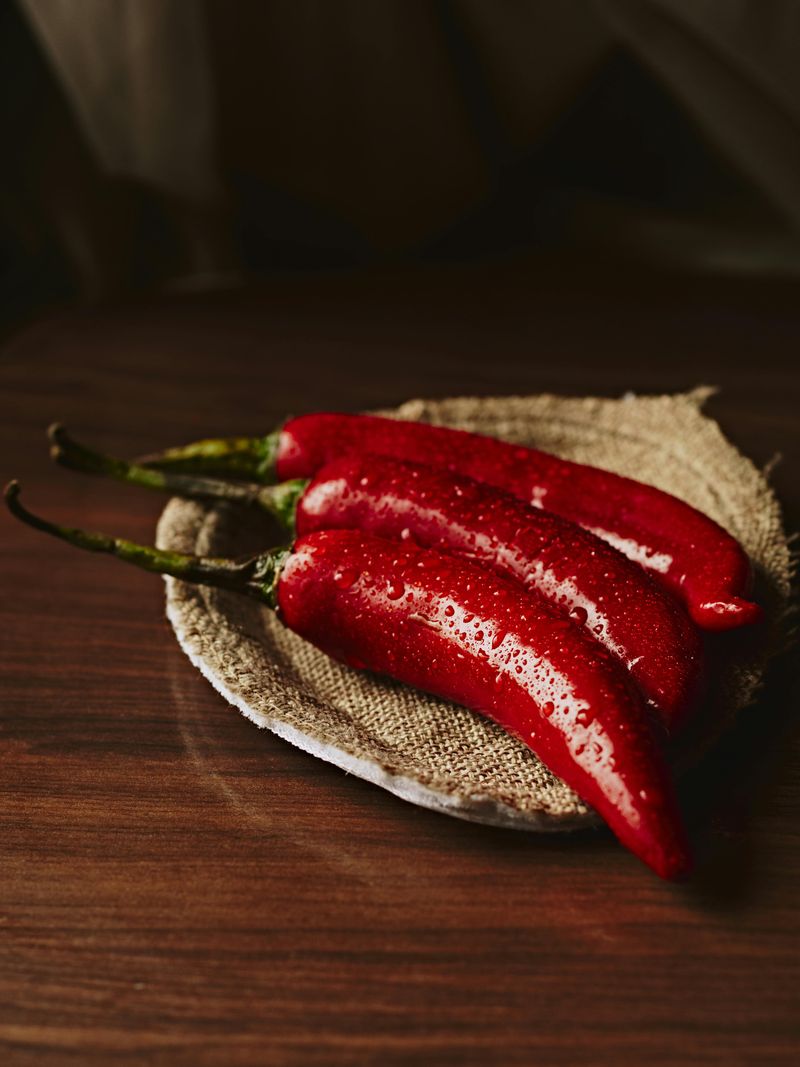
Capsaicin, the heat in chili peppers, is extremely unpleasant for canine noses. Even trace residue can make a dog sneeze, paw at the face, or bolt from the area.
Because it can cause discomfort, you should use chili based deterrents thoughtfully and avoid direct contact.
Sprinkle pepper flakes in a perimeter outside garden beds, or use a pet safe repellent spray labeled for yards. Do not put powders on indoor rugs or cushions where paws and eyes could be exposed.
Wash hands, keep children away, and if your dog shows intense irritation, rinse gently with cool water and call your vet. Consider motion sprinklers for gardens to avoid spicy residues entirely.
Rotate methods so dogs do not simply learn to ignore one signal.
Strong perfumes
Heavy perfumes and colognes can overwhelm a dog far more than they overwhelm you. Synthetic musks, aldehydes, and dense florals linger, flooding scent pathways and creating a wall of smell.
That can make dogs avoid specific rooms, entryways, or car seats after a single strong spray.
If you want a soft deterrent, spritz a tissue and tuck it discreetly near a no go zone. Do not apply fragrance on beds, crates, or collars, and keep products away from sensitive skin.
Ventilate well, reapply only as needed, and choose lighter notes like citrus if you want less intensity with similar results. Avoid aerosol clouds in cars where the concentration spikes quickly.
When guests visit, ask them to go easy to keep dogs comfortable.
Essential oils (e.g. eucalyptus, tea tree)
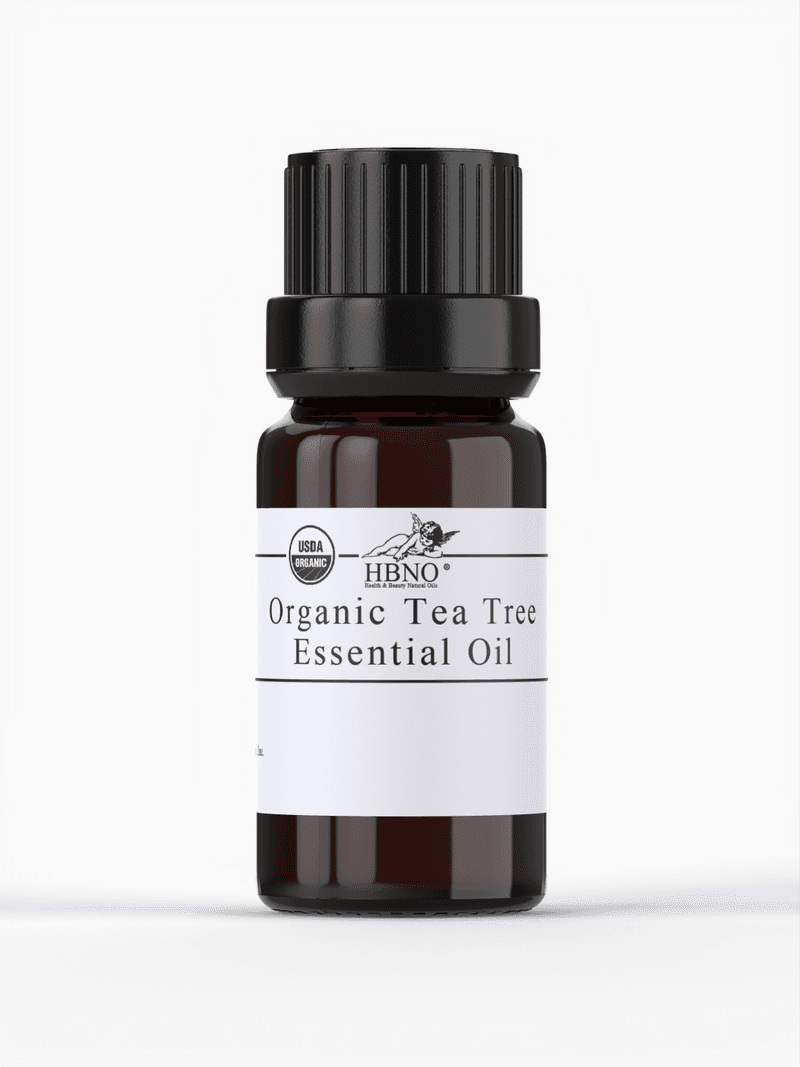
Essential oils like eucalyptus, tea tree, peppermint, and clove can smell intense to dogs. While the aroma deters exploring, undiluted oils can be hazardous if inhaled, absorbed, or licked.
If you use them at all, focus on extreme dilution and indirect placement well away from sleeping areas.
Use a closed reed diffuser in a ventilated room, or create sachets with a single drop on cotton sealed in a jar lid. Never apply to fur or skin, and store bottles locked, labeled, and upright.
Cats are especially sensitive, so ventilate thoroughly, limit duration, and choose alternatives like citrus peels or plain fans when possible. If anyone coughs or squints, remove the source and air out immediately.
Garlic
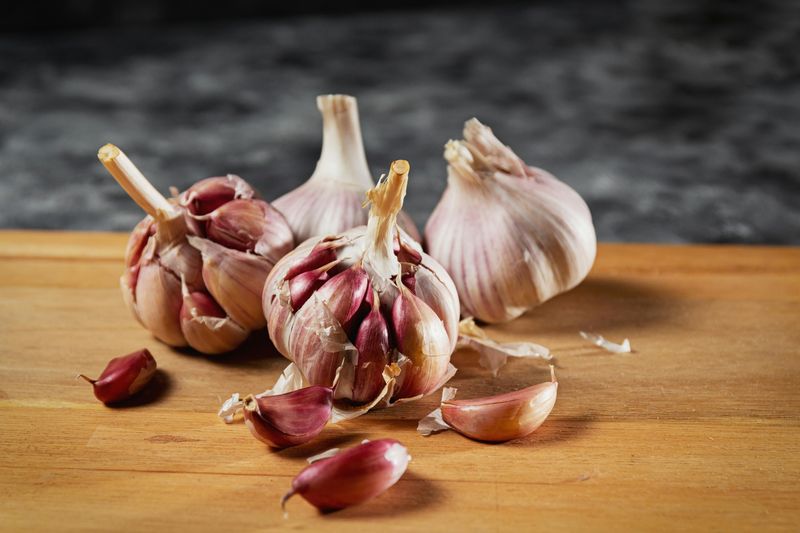
Garlic has a penetrating, sulfur rich aroma that many dogs instinctively avoid. The smell clings to surfaces and breath, crowding out the comforting cues they use to map a space.
While kitchen scraps might tempt you, garlic is unsafe for dogs to ingest, so keep it strictly as a smell boundary.
Place crushed cloves outside near trash bins or garden edges, then remove once the point is made. Do not rub garlic on toys, fabrics, or bowls where residue could transfer.
If your dog seems overly fixated or distressed, choose cleaner options like citrus or vinegar, and always secure compost tightly to prevent sneaky snacking. Remember that onions and chives share similar risks for pets.
Cleaning chemicals
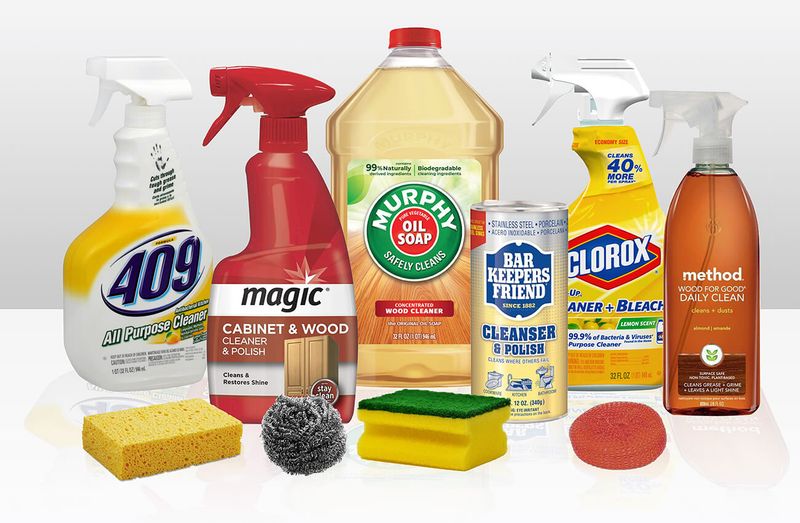
Many household cleaners have sharp, chemical odors that shout do not enter to dogs. Bleach, pine oils, and strong degreasers cut through everyday smells, but they can also irritate airways.
If you want avoidance without harm, timing, dilution, and ventilation matter more than intensity.
Clean when your dog is outdoors, then rinse and air out surfaces before reentry. Never mix products, especially bleach with ammonia or acids, which can release dangerous gases.
Store bottles latched, label spray bottles, and consider unscented formulas, since the scrubbing action does the work while noses stay calmer. Use barriers or baby gates so damp floors are not tracked.
Spot test surfaces and keep a written dilution chart for consistency.
Mothballs

Traditional mothballs smell intensely chemical, a cue that sends most dogs the other way. Their vapors are toxic, and ingestion can be dangerous, so they are never a pet friendly solution.
Still, the notorious odor explains why some people consider them for problem corners or sheds.
Skip mothballs and choose safer alternatives like sealed trash, citrus peels, motion lights, or supervised access. If you inherit mothballs in a space, ventilate heavily, bag and dispose properly, and block animals until the smell dissipates.
Educate neighbors and landlords, post reminders in storage areas, and stick to repellents that protect without poisoning. When in doubt, call local hazardous waste services for guidance and pickup.
Do not rely on scent alone if wildlife is involved, since rules may apply.