
Your dog hears the world in sharper detail than you do, which means everyday noises can feel overwhelming. Some sounds you barely notice can send a wave of stress straight through their nervous system.
Once you recognize the culprits, you can prevent panic and build calmer routines. Let’s decode the noises that secretly rattle your pup and show them you’ve got their back.
Fireworks

Fireworks might look magical to you, but to your dog they can feel like surprise explosions close by. The sudden booms come without warning or pattern, which makes it impossible to predict or escape.
Dogs hear higher frequencies and sense vibrations through the ground, amplifying the shock. Their brains may link those blasts with danger, triggering a full fight or flight response.
You might notice panting, pacing, drooling, or attempts to hide in a bathroom or closet. Offer a safe den with blankets, low lighting, and white noise to soften the impact.
Calming chews, a snug vest, or desensitization training can help rebuild confidence. Plan potty breaks early and keep identification secure in case panic strikes.
Vacuum cleaners

Vacuum cleaners roar, rumble, and move unpredictably, which feels like a creature invading your dog’s territory. The suction whoosh and high pitched motor tones land squarely in sensitive hearing ranges.
On top of that, the vacuum comes out rarely, so there is no steady chance to learn it is safe. The long hose and swinging cord can also look like chasing threats.
Try short, calm exposures with treats while the vacuum is off, then on in another room. Give your dog agency by letting them retreat to a chosen spot.
Play gentle background sound and keep motions slow and predictable. If fear is intense, skip the close contact and create distance, pairing every brief session with play or dinner.
Thunderstorms

Thunder brings booming pressure waves, flashing light, and charged air that many dogs can feel before clouds appear. The randomness of rumbles prevents habituation, and the rolling echoes bounce through walls and floors.
Some dogs even sense barometric shifts and static tingles along their coats. Together, those cues scream incoming danger, so hiding or clinging to you becomes the safest plan.
Close curtains, start white noise, and build a cozy retreat well before the forecast peaks. Offer a food puzzle or lick mat to redirect adrenaline into soothing work.
Avoid scolding fear, because comfort teaches safety, not weakness. If storms are extreme, talk with your vet about medication or a trainer about gradual sound desensitization programs.
Sirens
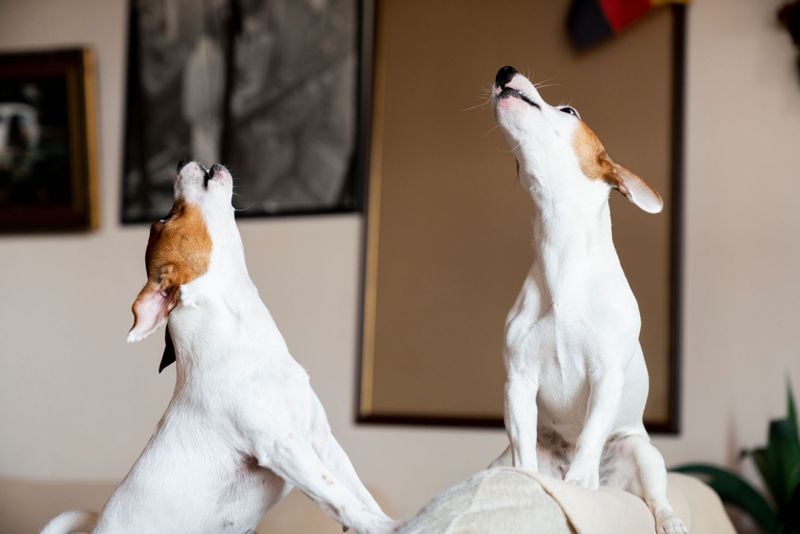
Sirens slice through the air with rising and falling pitches, a pattern built to grab attention. Dogs perceive those shifts even more sharply, which can feel like a relentless alarm targeting them.
The sound often arrives with flashing lights and fast vehicles, adding motion stress. Because sirens echo across neighborhoods, there is no clear direction to flee, only pressure.
Teach a quiet routine when distant sirens appear, like scatter feeding or sniff games on a familiar mat. Keep walks short during busy hours and choose calmer routes.
At home, mask outside noise with fans or calming playlists. If howling kicks in, let it happen, then redirect to a cue and reward silence, building control without punishment.
Hair dryers

Hair dryers blast hot air and a whiny, high note that strafes sensitive ears. The airflow also pushes scent away, robbing your dog of comforting information about you.
From their view, a loud handheld object points straight at their face and never quits. That mix of heat, noise, and direction feels like pressure, not pampering.
Towel dry first, then introduce the dryer at a distance with treats and short bursts. Keep the nozzle angled slightly away and avoid faces and ears.
Use the lowest setting and pair every second with calm praise. If stress rises, stop early and switch to towel stations, spreading grooming over several relaxed sessions.
Consider a quieter dryer designed for pets when progress stalls.
Loud yelling

Loud yelling can sound to a dog like social conflict or a territorial fight breaking out. Even if it is not aimed at them, the volume and sharp consonants feel punishing.
Dogs look to human voices for safety cues, so harsh tones flip that script fast. The result is cowering, appeasement licking, or frantic zooming to discharge stress.
Lower your voice, breathe slowly, and use short cues paired with rewards. Redirect energy into sniffing games or easy obedience that ends in play.
If arguments happen, park your dog with a lick mat in a closed room. Over time, reinforce calm check ins by marking quiet glances, building trust that your voice predicts guidance, not chaos.
Smoke alarms
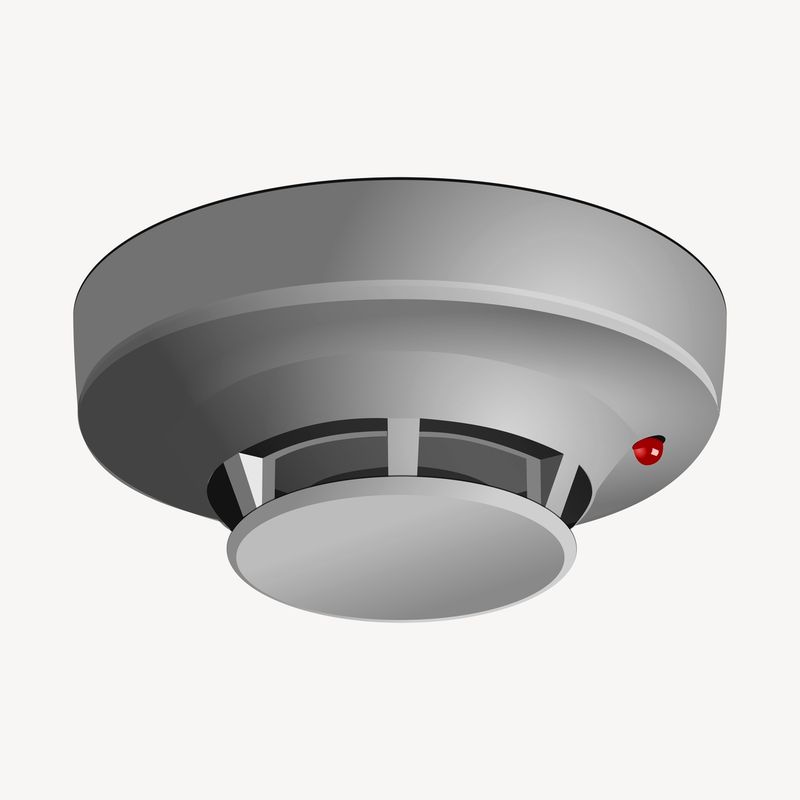
Smoke alarms pierce with a sudden, ultra bright chirp followed by repeats that feel inescapable. Dogs cannot understand testing versus danger, so every beep suggests fire without context.
The frequency often lands in an aversive range, and the echo in kitchens or halls multiplies discomfort. Battery chirps at night add surprise, teaching your dog that sleep is unsafe here.
Replace batteries promptly and schedule tests when your dog is outdoors or on a calming chew. Introduce a cue that predicts beeps, then feed generously to change the meaning.
Create a crate den with sound dampening and practice calm entries. For anxious dogs, speak with your vet about noise phobia plans and consider a vibration alert collar for drills.
Construction noise

Construction noise mixes hammers, nail guns, beeps, and grinding saws with heavy trucks that shake the ground. The unpredictability and vibration confuse a dog’s senses and erase safe routines.
Low rumbles can feel like approaching storms, while sharp impacts jolt like fireworks. Long days of that chaos leave your dog depleted, edgy, and prone to startle at normal sounds.
Shorten outdoor time near active sites and choose walks during off hours. Inside, close windows, add rugs, and run fans to soften echoes.
Offer food puzzles and chewing to drain stress and provide a quiet project. If work will last weeks, consider day care, a pet sitter, or car field trips to reset the nervous system.
Blenders

Blenders erupt from silence into shrill, buzzing chaos, especially in echoey kitchens with slick floors. The sudden onset skips any warning, so your dog has zero time to prepare.
High frequency tones and cabinet rattles stack into a wall of sensation. Because the sound happens where meals appear, tension can even sour the kitchen into a stressful place.
Move your dog to a mat in another room before blending, and drop a stuffed Kong there. Start the motor for two seconds, stop, and treat, building tolerance gradually.
Put a silicone pad under the blender to reduce vibration. With practice, your dog will learn that the buzz means snacks arrive soon, not danger.
If stress spikes, pause and try smaller steps.
High-pitched electronic sounds
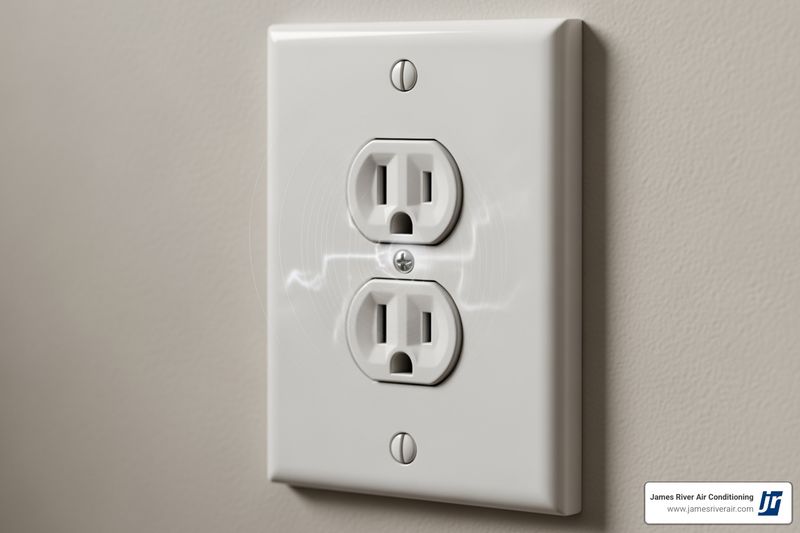
High pitched electronic sounds hide in chargers, TVs, alarms, and even light dimmers. You might barely notice, but your dog can lock on to those squeals and whines.
The tones are steady, inescapable, and directionally confusing, which can trigger pacing or stubborn refusal to settle. Some dogs begin avoiding certain rooms, associating the space with an invisible irritant.
Test by unplugging devices one by one, listening close and watching your dog’s body language. Replace noisy adapters, switch outlets, or add line filters to clean the signal.
Provide soft music or a fan as a sound blanket when needed. If the issue persists, consult a trainer or vet to rule out pain that might increase sound sensitivity.