
Think male and female dogs act totally different? The truth is more nuanced, and understanding it can make daily life easier and training smoother.
Here are the surprising patterns you will actually notice at home, plus how to use them to build a better bond. Read on so you can match your dog’s personality with the right choices and thrive together.
Males are often more playful
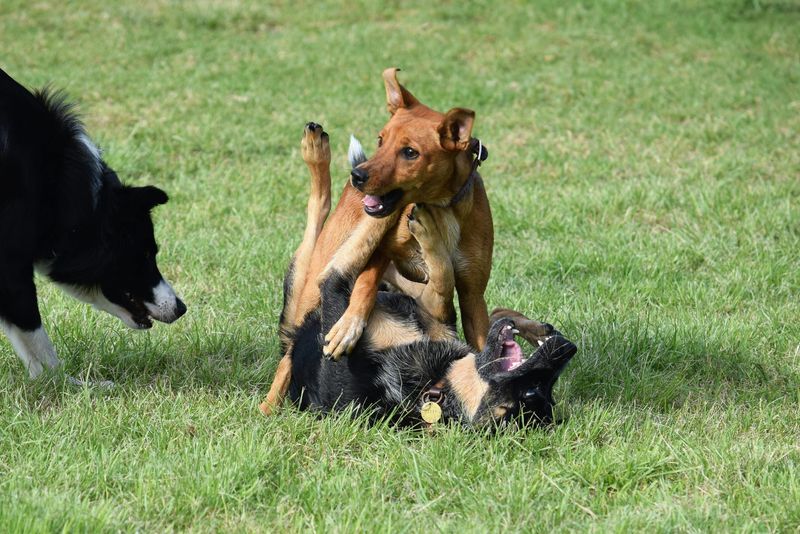
Many male dogs seem like goofy comedians, always ready for a game of fetch or a spontaneous zoomie session. You might notice they warm up quickly to new toys and people, bringing a burst of energy to daily routines.
That playful streak can make exercise easier because they rarely say no to fun.
Still, playfulness can tip into distraction if you do not structure training and rest. Give clear boundaries, short focused sessions, and varied activities, and you will keep that spark workable.
If your lifestyle thrives on laughter, movement, and social outings, a playful male might fit you perfectly. Just remember to balance excitement with downtime so your dog relaxes and recovers happily.
Consistency builds calm between adventures daily.
Females may mature faster
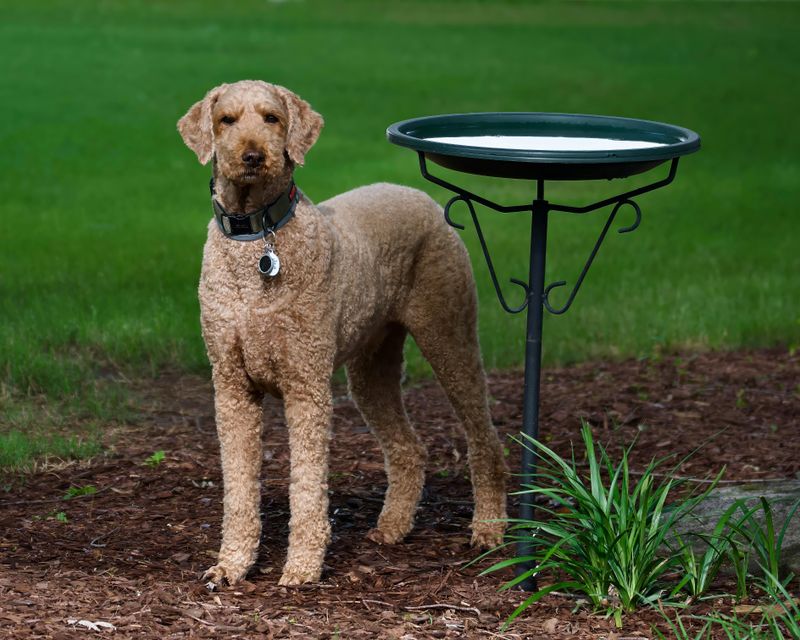
Female dogs often hit emotional and cognitive milestones a bit earlier than males of the same breed. You may notice steadier focus during training and slightly fewer goofy detours when learning basics.
This early maturity can make house manners, crate routines, and first vet visits feel smoother.
It does not mean females are automatically easier, only that they might be ready sooner for responsibility. Build on that advantage with clear cues, fair expectations, and rewards that match motivation.
When you combine timely socialization with patient repetition, you help a thoughtful female grow confident without losing her sparkle. If distractions rise, pause early and reset calmly so learning stays positive and predictable.
Short structured play breaks protect attention between lesson segments.
Males can be more attention-seeking
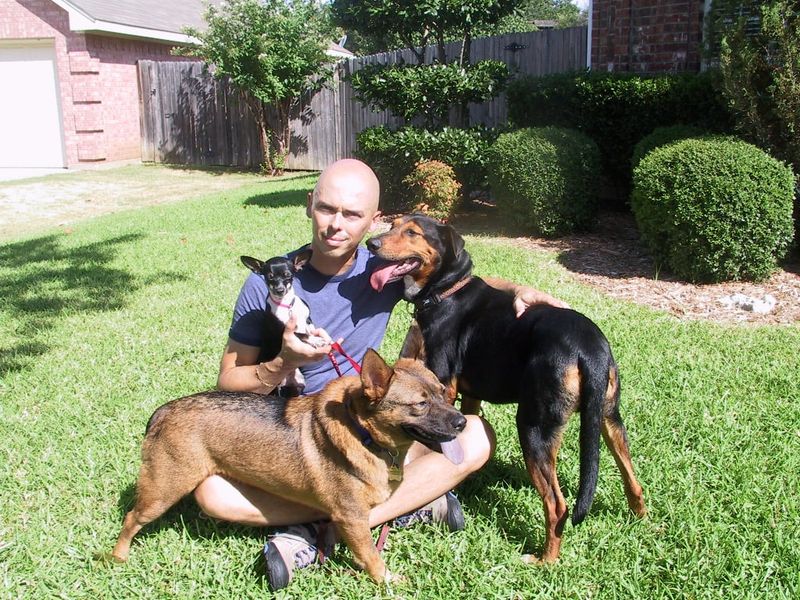
Many males crave eye contact, pats, and reassurance, sometimes parking themselves under your hand. They may nudge for praise during tasks, which feels charming but can interrupt timing.
When you reward calm waiting, they learn affection arrives after patience, not before.
Plan micro check ins throughout the day so attention seekers know connection is coming. Use place training, chew breaks, and quiet settle cues to turn clinginess into self control.
With consistent routines, you can enjoy the cuddles without reinforcing constant demands, and your dog feels secure. Practice brief separations that end with calm greetings to build resilience.
Pair affection with tasks like sits or downs so attention has purpose and structure. Gradually extend duration during routines each day thoughtfully.
Females tend to be more independent

Some females prefer space, processing new environments before diving in socially. You might see them choose a nearby bed over your lap, especially after exercise or training.
That independence can be wonderful if you value calm evenings and a self entertained companion.
Encourage check ins by making yourself rewarding without chasing attention relentlessly. Rotate enrichment puzzles, scent games, and walks that allow choice, then invite connection with soft cues.
Over time, you will notice balanced affection, where she engages because she wants to, not from pressure. Settle training helps independence feel safe rather than distant.
Reward calm approaches, brief touch, and shared moments so confidence grows without clinginess. Respect her signals and give breathing room during busy family times too.
Training differences are usually minor
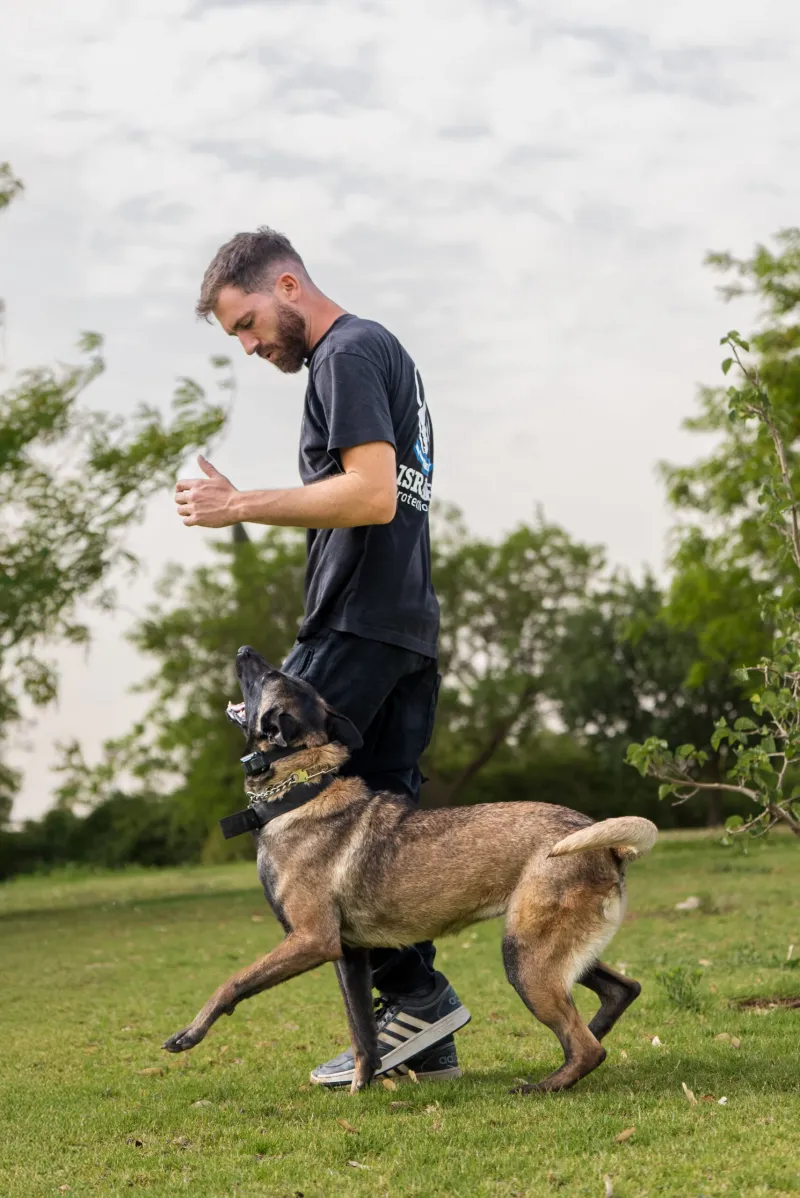
Across most breeds, males and females learn the same core skills when timing and rewards are clear. What feels different is motivation, not intelligence, so you tailor reinforcers to the dog in front of you.
Food, play, or sniff time can all deliver strong results.
If progress stalls, adjust criteria, slice tasks smaller, and celebrate tiny wins to rebuild momentum. Keep sessions short, end on a success, and practice in new places to generalize.
Whether you share life with a goofy male or thoughtful female, your consistency beats gender myths every time. Match reinforcement schedules to arousal levels so your dog can think clearly and choose desired behaviors.
Gradual difficulty prevents frustration and protects confidence as skills advance steadily upward.
Personality matters more than gender
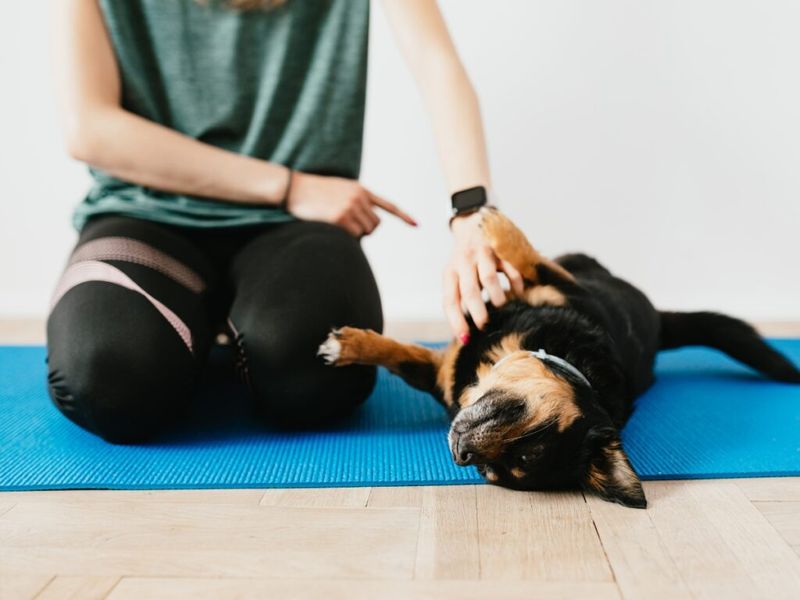
Two dogs of the same sex can behave wildly differently because genetics, socialization, and experiences shape temperament. You will meet shy males and bold females, cuddly females and reserved males.
When you prioritize individual needs, training becomes fair and effective.
Start with a journal capturing triggers, rewards, and progress so patterns guide adjustments. Ask your vet and a reputable trainer for input tailored to history and health.
By honoring personality first, you avoid overgeneralizing and build a partnership that feels respectful, humane, and sustainable long term. Choose enrichment that matches curiosity level, not stereotypes about boys or girls.
That alignment boosts confidence, reduces stress, and makes everyday life smoother for both of you, especially during changes like moves or guests.
Neutering/spaying affects behavior

Surgery changes hormones, which can influence roaming, marking, and some reactivity, but results vary by dog. You should discuss timing with your vet because breed, size, and health risks matter.
Spaying eliminates heat cycles, while neutering can reduce hormone driven behaviors in some males.
Behavior is still learned, so training and management remain essential before and after any procedure. Use leashes, fences, and enrichment to prevent rehearsing unwanted habits while you build replacements.
Track changes for several months, then adjust plans with professional guidance so your dog thrives. Remember that surgery is not a shortcut, just one tool within a broader behavior plan.
Empathy and structure shape outcomes more than hormones alone, practiced every single day consistently together with guidance.
Males may roam more

Intact males are notorious for following scent trails, which can pull them beyond fences or yards. Even neutered males may explore broadly if reinforcement history makes wandering exciting.
You manage risk by strengthening recall and rewarding check ins generously during every outing.
Use long lines while practicing, vary routes, and pay often so staying near becomes the best deal. Secure gates, add ID tags and microchips, and supervise doorways to prevent bolt attempts.
Adventure is great, but boundaries mean you both return home safely, tired and happy. If distractions spike, retreat to easier environments and rebuild focus before testing harder locations.
Layer whistle cues over recalls to cut through distance and wind, practiced two or three times weekly at least.
Females can be more territorial

Some females take guarding of home spaces seriously, especially couches, yards, or doorways. You might notice still bodies, hard stares, or stiff tails when visitors approach prized areas.
Early socialization and clear rules keep confidence high without encouraging overprotective responses.
Teach place cues, station behind barriers, and reinforce calm when guests arrive so choices feel obvious. Manage resources like bones and beds during parties, removing triggers before tension builds.
With patient practice, your female learns to share space politely while feeling safe and respected. If big feelings surface, reduce the scene, guide a reset, and reward small neutral looks.
Consistency teaches that people entering the house predict treats and structure, not conflict, repeated calmly across many visits over time consistently.
Bonding depends on individual temperament

The deepest bonds form when your dog feels seen, heard, and guided kindly according to their wiring. Some dogs crave constant touch, while others connect through work, play, or quiet companionship.
When you respect those preferences, trust grows fast without forcing a mold.
Schedule daily rituals that match temperament, like sniff walks, cuddles, trick sessions, or calm grooming. Celebrate micro wins and de escalate setbacks so the relationship stays sturdy during stressful seasons.
Over months, you will notice your dog seeking you out, choosing teamwork because you always feel safe. Keep communication simple, fair, and consistent so your signals remain clear across contexts.
Predictable structure turns love into security your dog can rely on daily, through every change together gently.