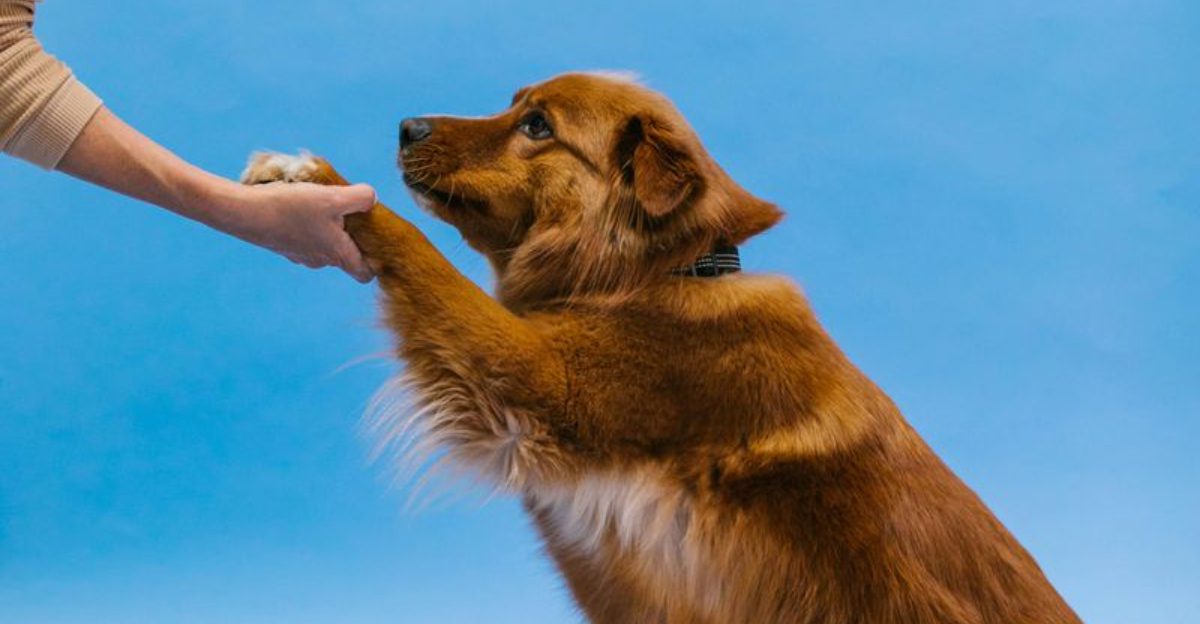
Dog owners often unknowingly send mixed messages through their body language and vocal cues. These subtle signals can confuse dogs, leading to misunderstandings and behavioral challenges. By understanding how these mixed messages occur, owners can foster clearer communication and stronger bonds with their canine companions.
Using a Happy Voice While Showing Tense Body Language
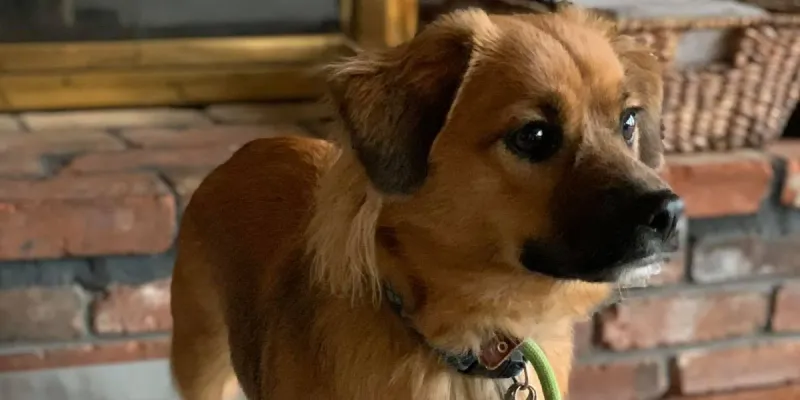
Imagine telling your dog they’re the best while your arms are crossed tightly. Dogs read our body language more than our words. A warm voice paired with stiff posture sends conflicting signals.
Dogs might wag their tails at your tone but feel uncertain due to your tense stance. It’s like receiving a hug from someone who’s upset.
For clarity, align your body language with your words. Relaxed shoulders and open arms convey true warmth, helping your dog feel genuinely appreciated and loved.
Calling Their Name Only When They’re in Trouble
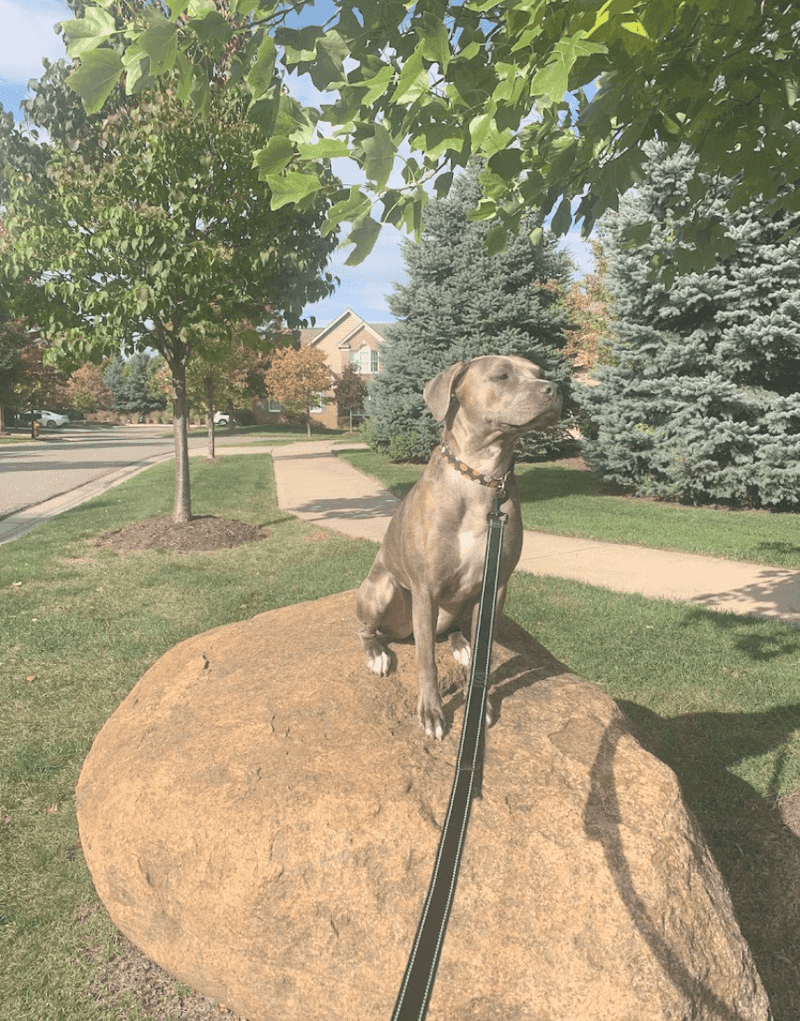
A dog’s name should be a source of joy, not a harbinger of doom. Yet, many owners call their dogs only to scold them. Hearing their name associated with trouble can make them reluctant to respond.
Consider using their name for positive interactions, like play or treats, building a positive association.
This way, when you call, they’ll respond eagerly, ready for something fun rather than fearful of reprimand. Positive name associations strengthen the bond and enhance recall.
Petting While Feeling Stressed or Irritated
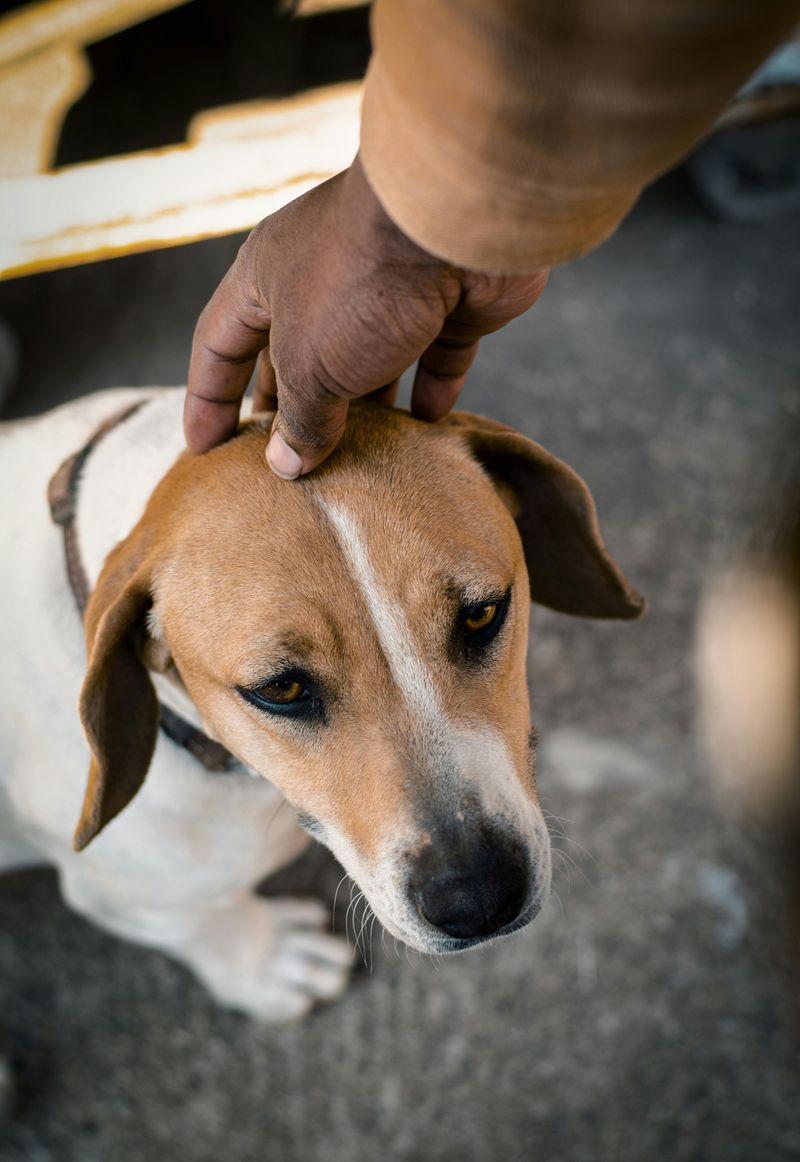
Stress doesn’t just affect humans; it flows through your touch to your pet. Petting your dog while feeling irritated can transmit tension, leaving them anxious.
Dogs pick up on subtle energy shifts, and your distress can confuse them, making them uncomfortable.
Before offering affection, take a moment to calm yourself. A gentle, relaxed touch reassures your dog, promoting comfort and trust. Remember, your mood influences their well-being deeply.
Asking for a Recall but Taking a Step Back Instead of Forward
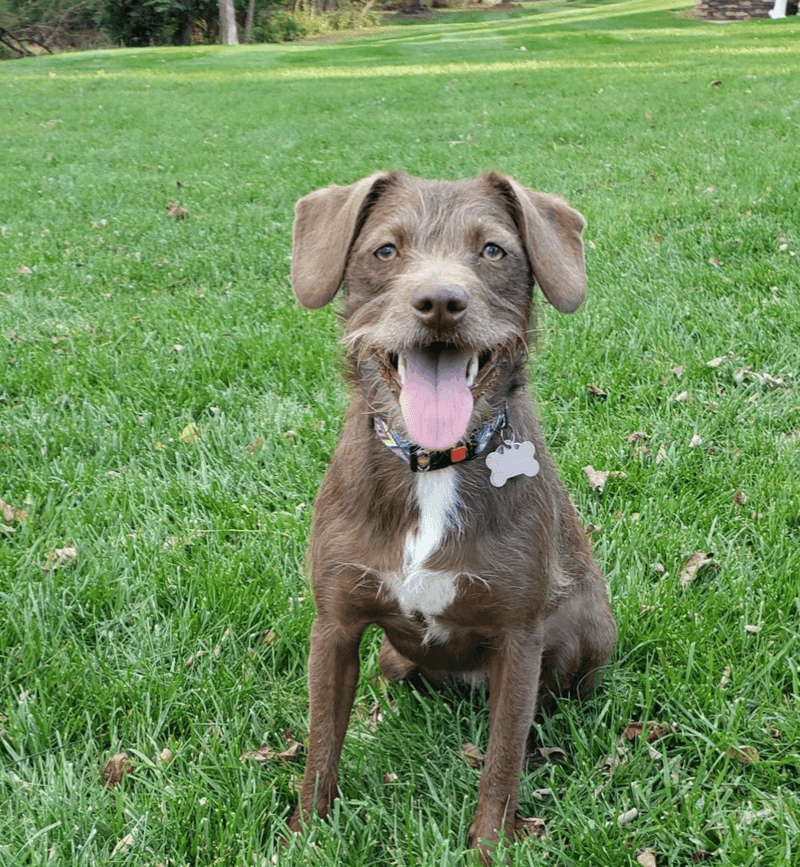
When you call your dog and step back, it’s like inviting a friend over while closing the door in their face. Dogs interpret forward movements as welcoming.
Stepping back may seem like a playful tease, making them hesitate or ignore the command.
Instead, lean slightly forward or kneel, encouraging them to come. This simple adjustment ensures your dog understands your call as an invitation, not a game.
Mixing Hand Signals and Verbal Commands at the Same Time
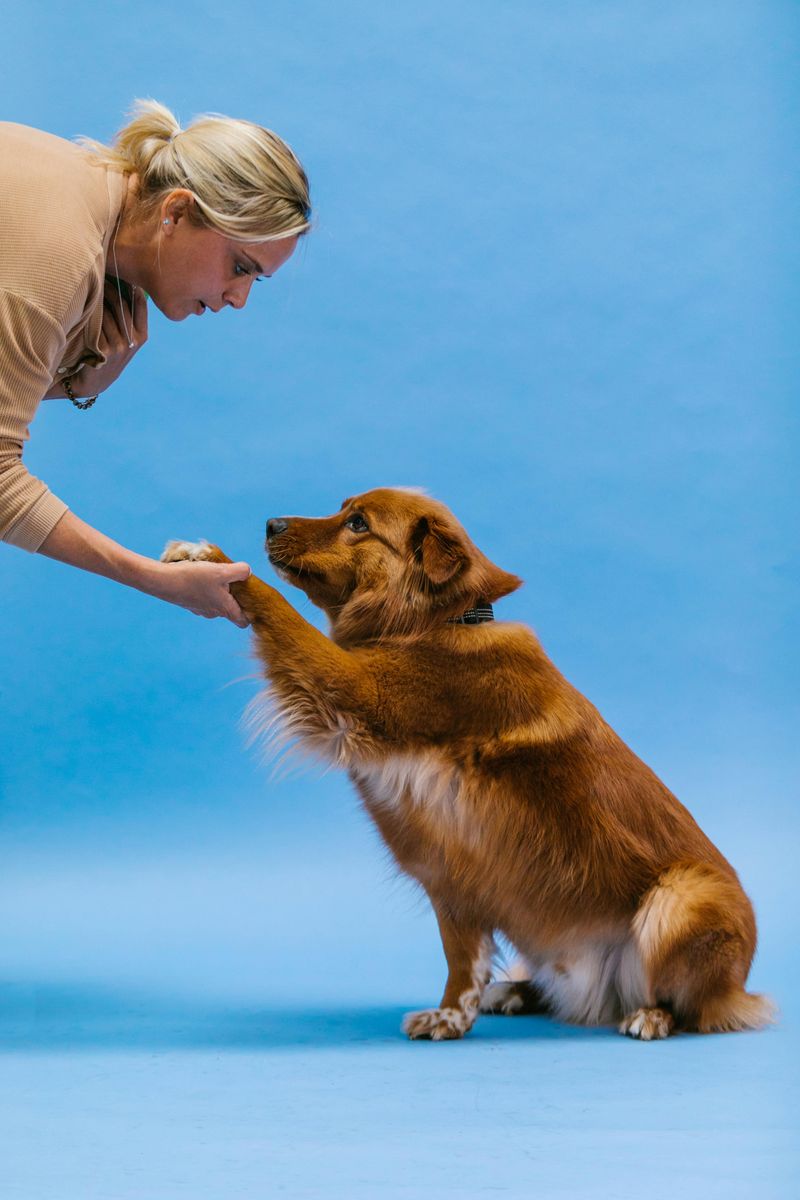
Imagine receiving directions in two languages simultaneously. Dogs face this when owners mix verbal commands with incongruent hand signals. It’s like saying ‘sit’ while gesturing ‘come’.
Clear, consistent communication is key. Use either verbal or hand commands, not both, to avoid confusion.
Practice with single cues, ensuring your dog understands each fully. This approach makes training smoother and reinforces trust in your guidance.
Punishing a Dog After They Finally Come When Called

Dogs don’t understand delayed punishment. Scolding them after they come back confuses them about what they did wrong.
To them, they’re punished for returning. This reduces their willingness to respond next time.
Instead, thank them for coming, even if it took a while. Positive reinforcement encourages a quicker response in future. They’ll learn coming back is always good, regardless of prior mischief.
Reaching Over Their Head Instead of Inviting Them Closer
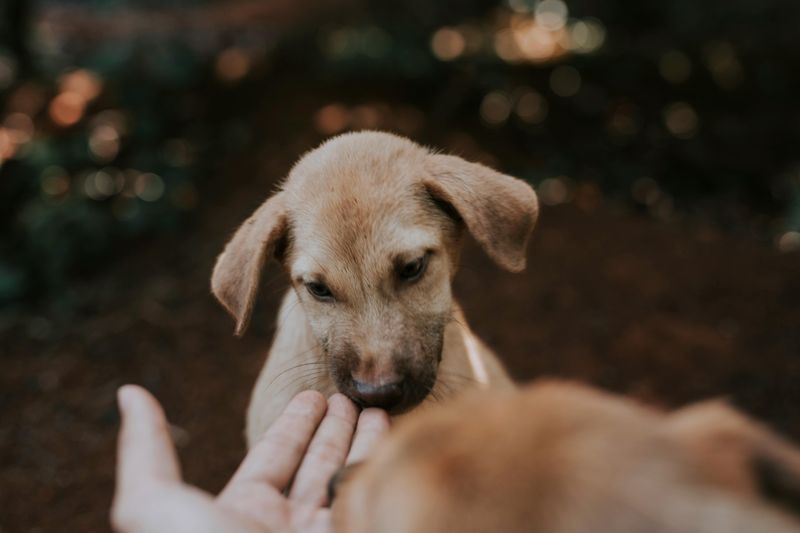
Reaching over a dog’s head can feel invasive, like someone hovering over you during a conversation. Dogs prefer to be invited closer, which feels more respectful and less threatening.
Encourage them to approach by kneeling or sitting, extending your hand gently. This shows them you’re approachable and welcoming.
Creating a safe space fosters confidence and strengthens the bond, making your dog feel more secure and loved.
Laughing at Behaviors You Later Correct

It’s hard not to chuckle when your dog steals a sock or dances around on two legs. However, laughing at behaviors you plan to correct sends mixed signals.
They may perceive amusement as approval, repeating actions for your laughter.
Instead, maintain consistency in what’s acceptable. Save amusement for behaviors you want to encourage. Your dog will understand expectations better, reducing confusion and misbehavior.
Encouraging Jumping Sometimes but Not Others
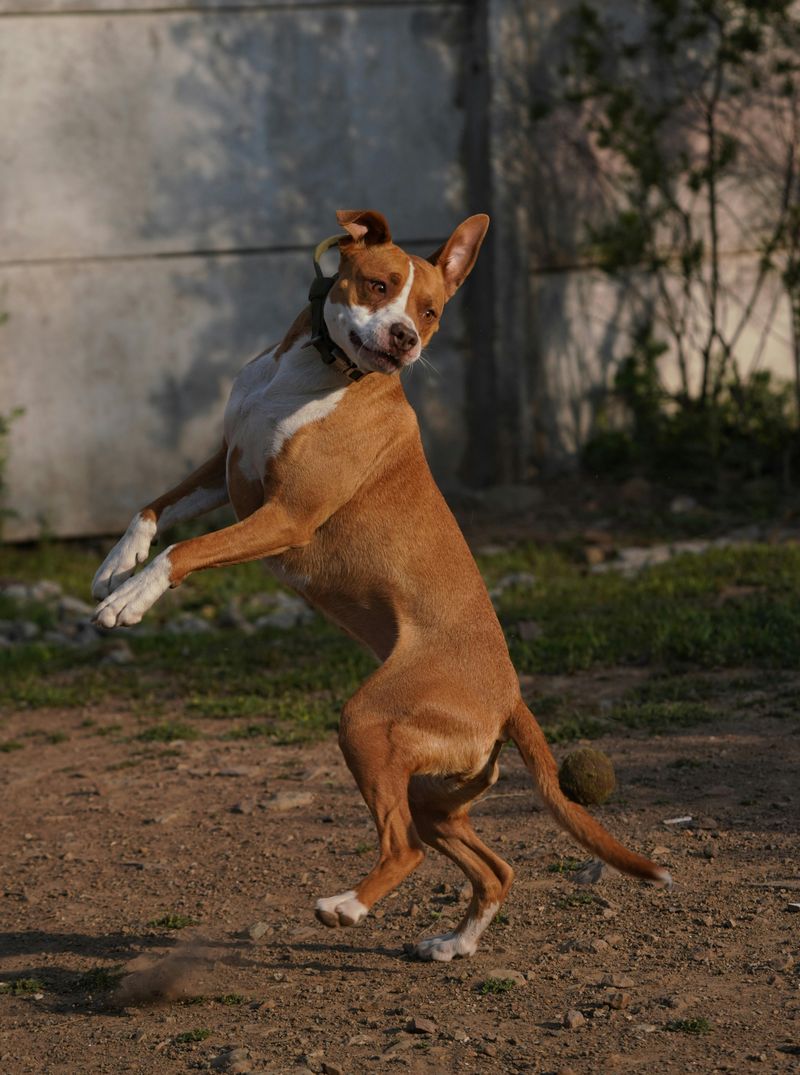
One day, it’s a joyful leap; the next, it’s a scolded action. Inconsistency in allowing jumping confuses dogs. They can’t differentiate when it’s okay or not.
Decide whether jumping is acceptable and stick to it. If not, teach an alternative greeting like sitting.
Consistency helps dogs learn boundaries, ensuring they understand expectations and keep their paws on the ground when needed.
Giving Attention Even When the Dog Is Demanding It Rudely
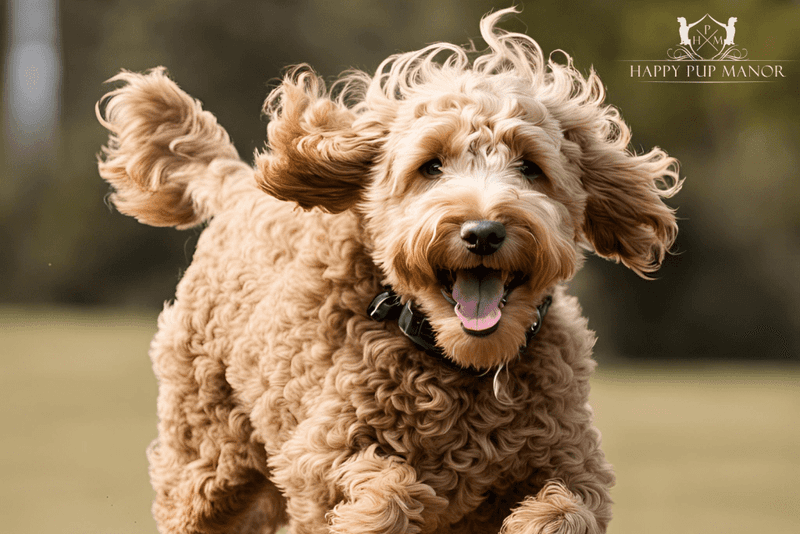
Imagine a friend interrupting you mid-sentence, and you reward them with undivided attention. Dogs demand attention similarly, and rewarding this behavior can reinforce bad habits.
Teach them patience by responding when they’re calm and polite. This reinforces good manners and reduces demanding behavior.
A well-mannered dog learns that gentle requests yield more attention, fostering better communication and respect.