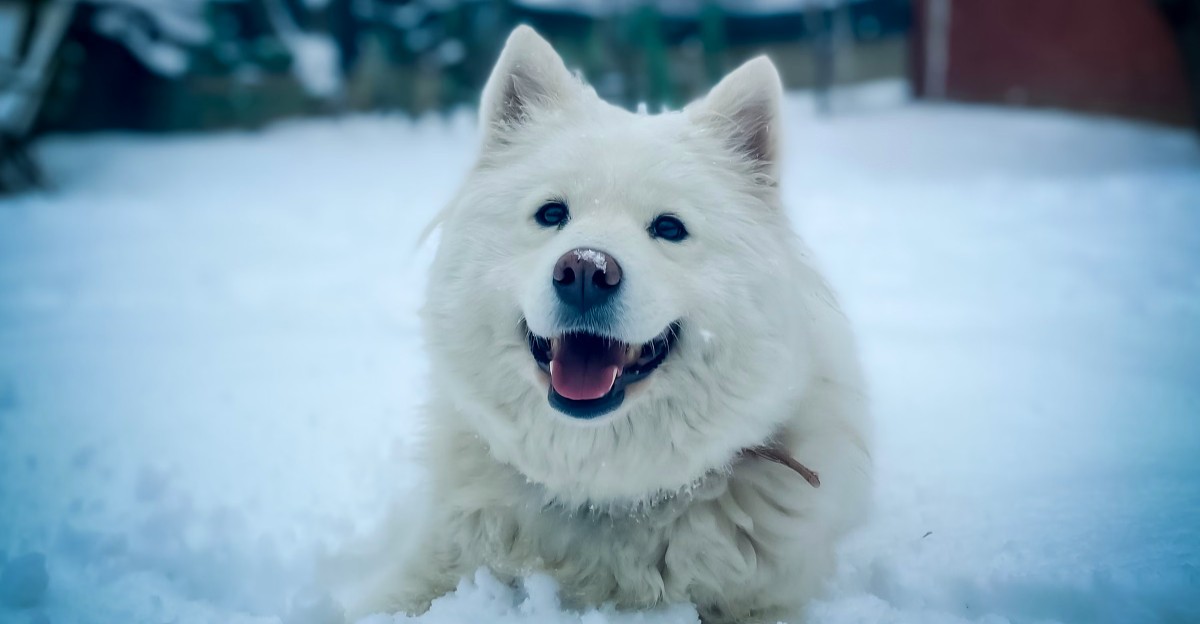
Few things look sweeter than a fluffy white dog trotting down the street. White breeds come in all sizes, from tiny lap pups to big, brave guardians.
Picking the right one means learning about energy, size, and personality before you bring a puppy home. Keep reading to meet eleven snowy charmers and learn two honest truths about keeping that coat bright.
Samoyed: The Smiling Snowball
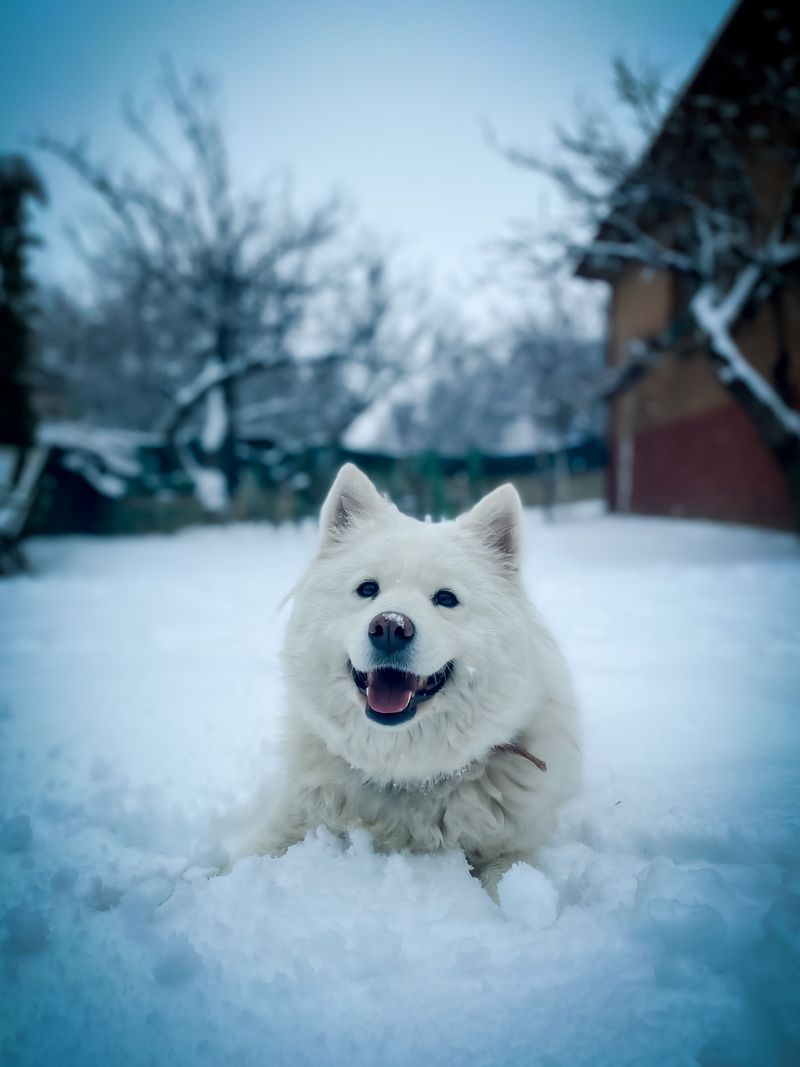
Ever seen a dog grin? The Samoyed’s upturned mouth, called the Sammy smile, also keeps drool from freezing in cold weather.
Siberian families once used these dogs to pull sleds and keep kids warm at night.
Expect a chatty, playful buddy who loves people. Samoyeds need daily exercise and lots of brushing, since they shed heavily twice a year.
Bored ones may howl or dig, so keep them busy with games and walks.
Bichon Frise: A Cotton Ball With Charm
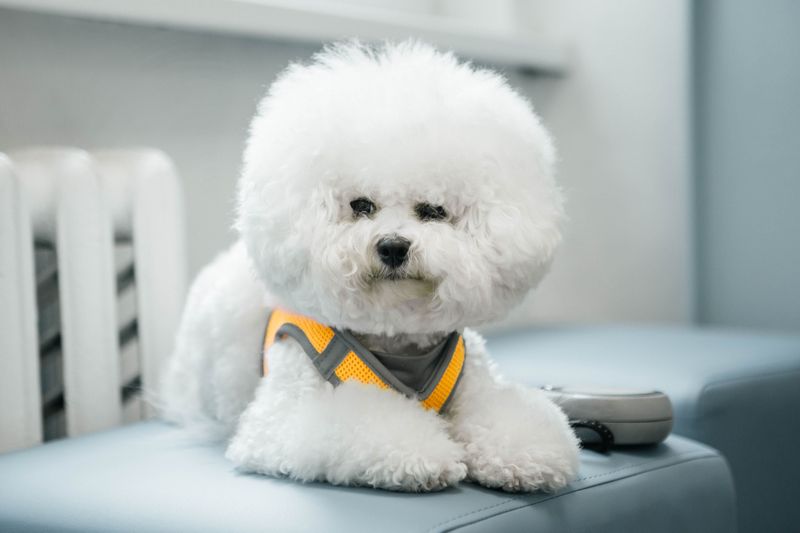
Sailors in the 1300s carried Bichons on ships, and later the dogs performed tricks in circuses. That showman spirit still shines today.
A Bichon is cheerful, curious, and happy to cuddle after a short play session. Its curly coat sheds very little, which some allergy sufferers appreciate.
Still, the fur tangles fast, so plan on brushing several times a week and a professional trim every month or so.
Maltese: Tiny Size, Huge Heart
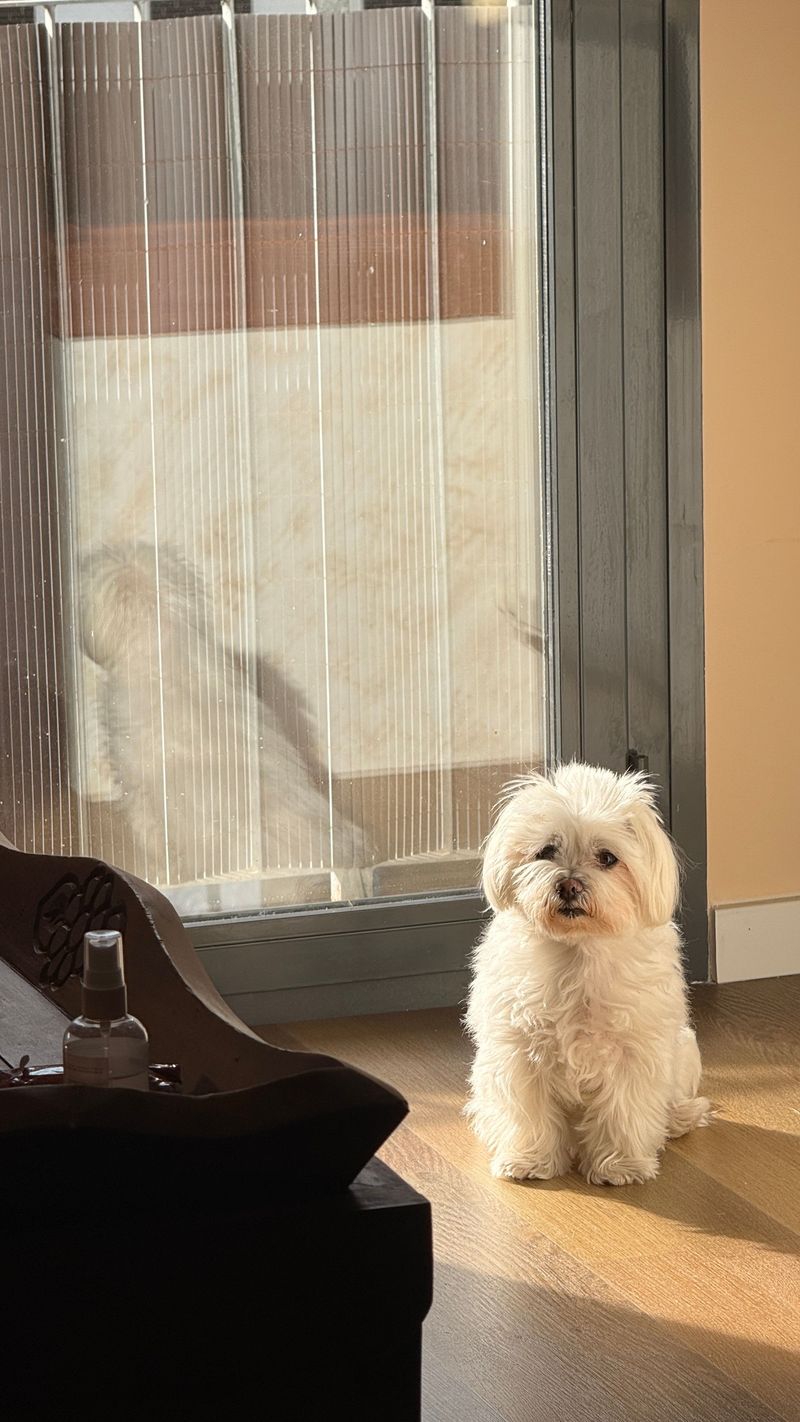
Weighing under seven pounds, the Maltese fits easily in your arms and acts like royalty. Ancient Greeks and Romans adored these silky little dogs thousands of years ago.
Apartment dwellers often love them because they need only short walks. They bond tightly with their humans and may feel lonely if left alone too long.
Gentle handling matters, since their small bones can get hurt during rough play with young kids.
West Highland White Terrier: Spunky and Bold
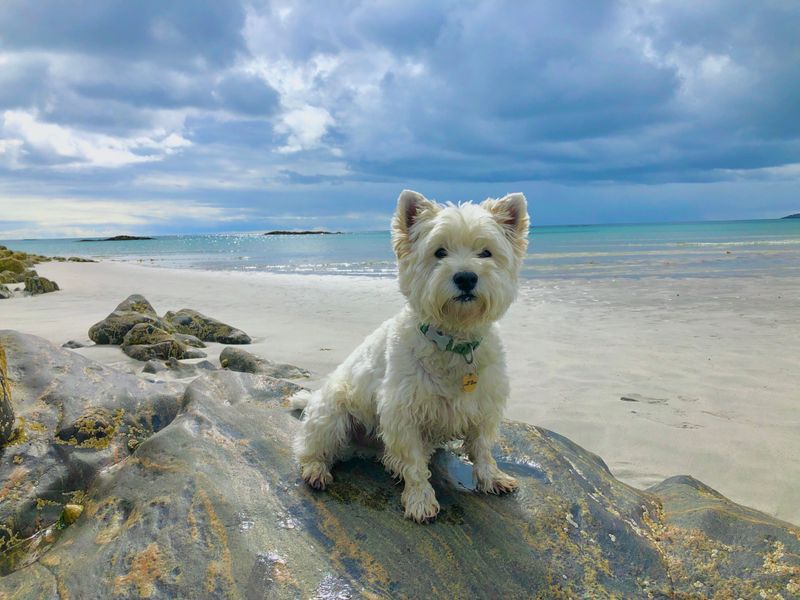
Legend says a Scottish hunter bred Westies white after mistaking his reddish dog for a fox. Smart thinking, right?
Westies are confident, curious, and full of spark. They love to dig and chase small critters, so a fenced yard helps a lot.
Their wiry coat stays fairly tidy with weekly brushing. Training works best with treats and patience, because these little terriers definitely have opinions of their own.
Great Pyrenees: The Gentle Giant Guardian
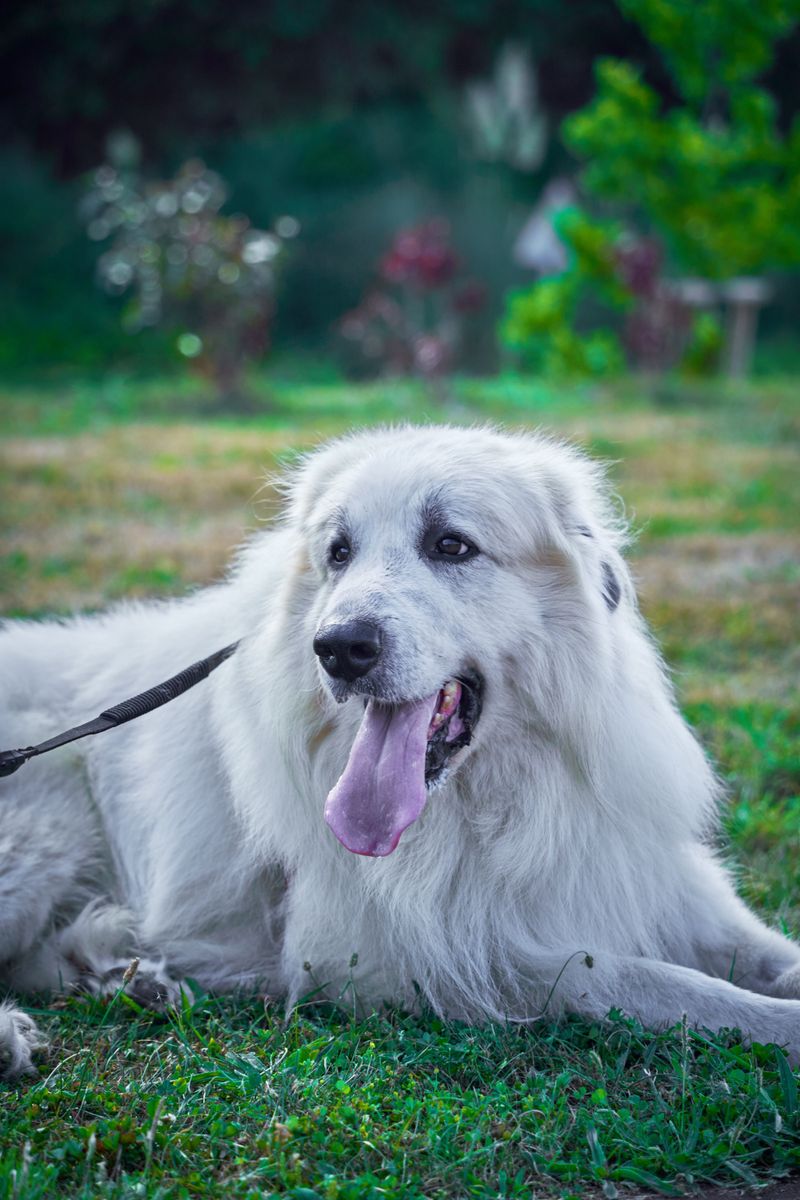
Picture a fluffy bear quietly watching over a flock of sheep in the mountains of France and Spain. That’s the Great Pyrenees at work.
At home, these big dogs are calm and loyal protectors. They often bark at night to warn off strangers, which neighbors may not enjoy.
Because they think for themselves, training takes extra patience. A roomy yard and steady brushing will keep this giant happy.
American Eskimo Dog: A Clever Performer
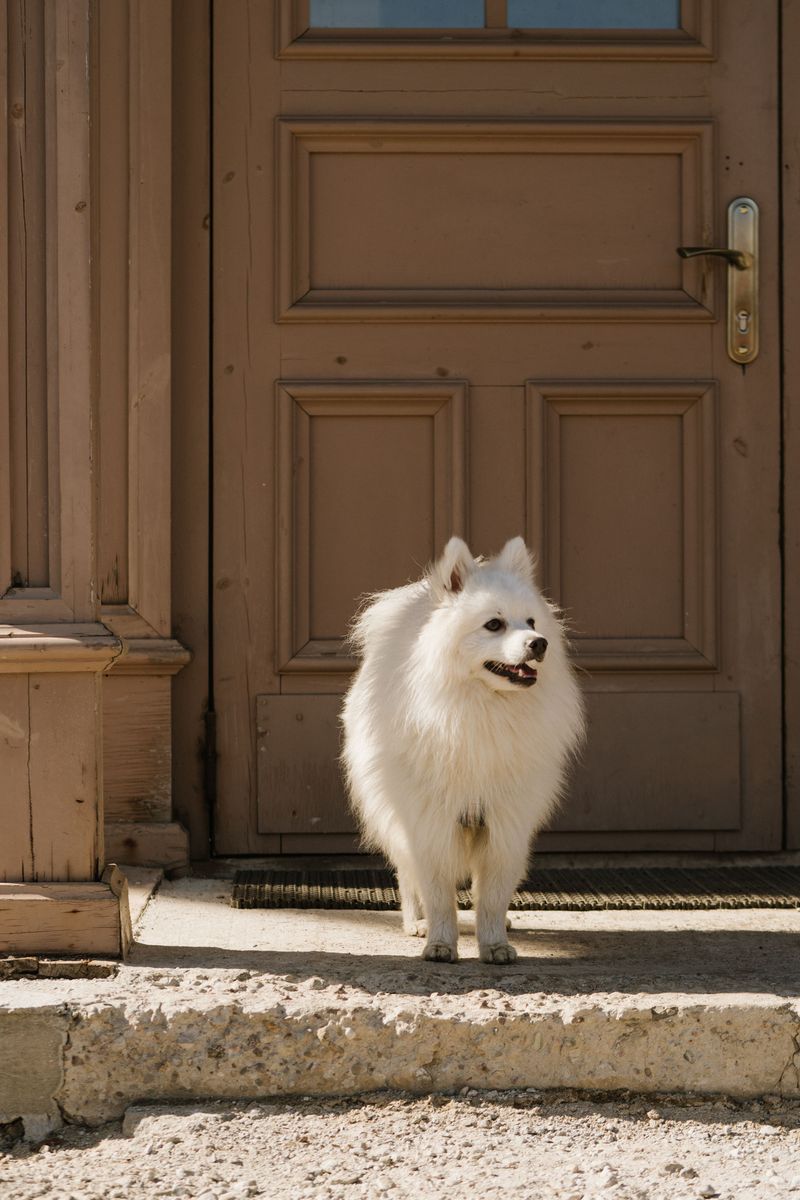
Back in the early 1900s, American Eskimo dogs amazed circus crowds by walking tightropes. Their brains are just as impressive as their fluffy coats.
Eskies learn tricks quickly and love having a job to do. They come in toy, miniature, and standard sizes, so families can choose what fits.
Expect plenty of shedding and some barking. Daily play and puzzle toys stop boredom before it turns into trouble.
Coton de Tulear: Madagascar’s Happy Clown
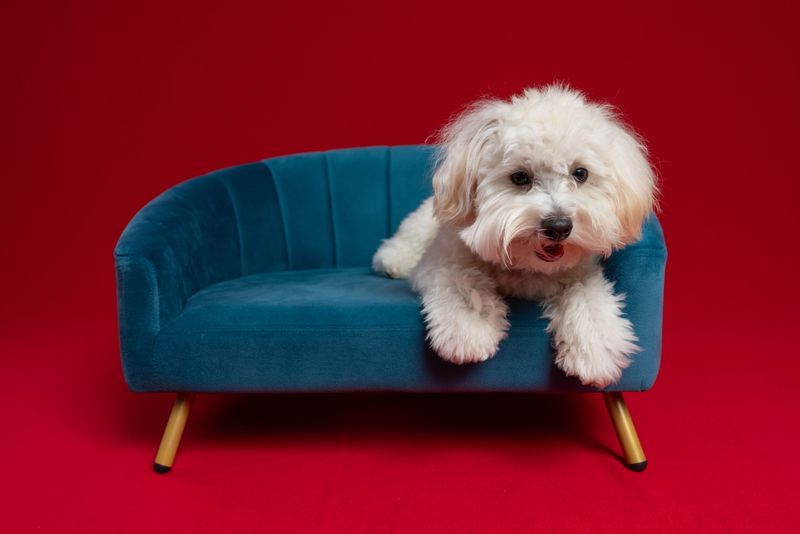
Named after a port city in Madagascar, the Coton feels like cotton when you pet it. Fans call it the royal dog of Madagascar.
Cotons are goofy, sweet, and love clowning around for laughs. They do well with families and adapt to small homes.
Their coat sheds little but mats easily, so brushing every other day is smart. Most get along nicely with other pets and friendly visitors.
Japanese Spitz: Fluffy Without the Fuss
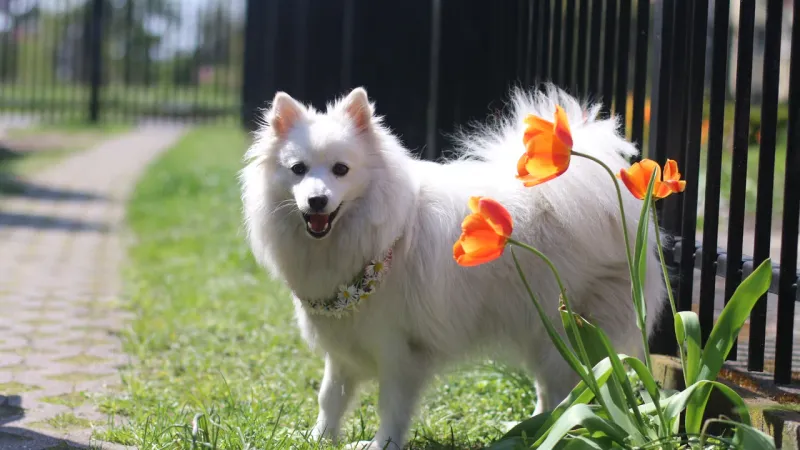
Here’s a surprise: the Japanese Spitz has a fluffy coat that resists dirt surprisingly well. Mud often brushes right off once it dries.
Bright and loyal, this medium-small dog loves joining family outings. It barks less than many spitz breeds, which makes it handy for neighborhoods with close houses.
Brushing a few times weekly keeps shedding under control. Give it attention and you’ll earn a devoted shadow.
Standard Poodle in White: Elegant and Sharp
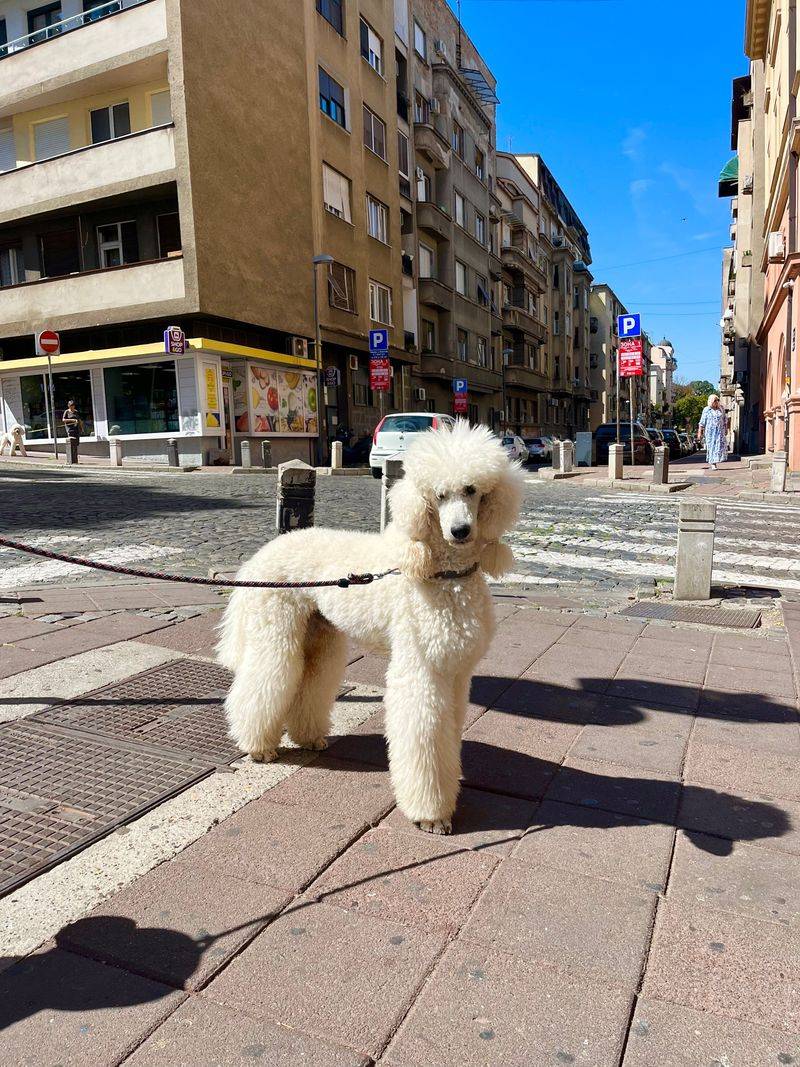
Forget the fancy show haircuts for a second. Underneath all that fluff, the Poodle is a strong athlete originally bred to fetch ducks from water in Germany.
White Standard Poodles rank among the smartest breeds around. They enjoy swimming, fetch, and learning new commands.
Their curls shed very little but need trimming every four to six weeks. Active families who love outdoor fun often find them a fantastic match.
Bolognese: The Quiet Cuddler
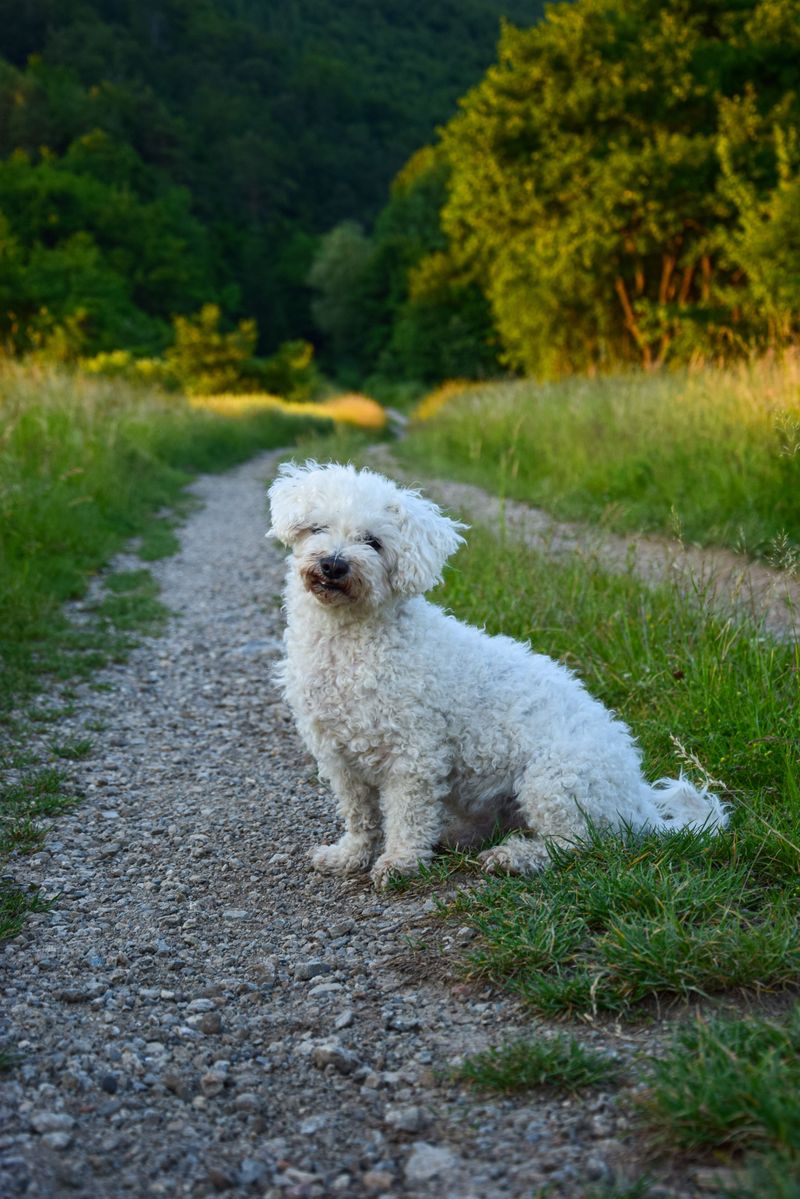
Not every small dog is yappy. The Bolognese, a rare Italian breed, tends to be calm, shy with strangers, and deeply devoted to its favorite people.
Italian nobles gifted these pups to friends during the Renaissance. Today they suit quieter homes and older owners who want a mellow sidekick.
Short daily walks are plenty. Their woolly coat needs regular brushing, but they shed only a small amount.
Kuvasz: Loyal Protector From Hungary
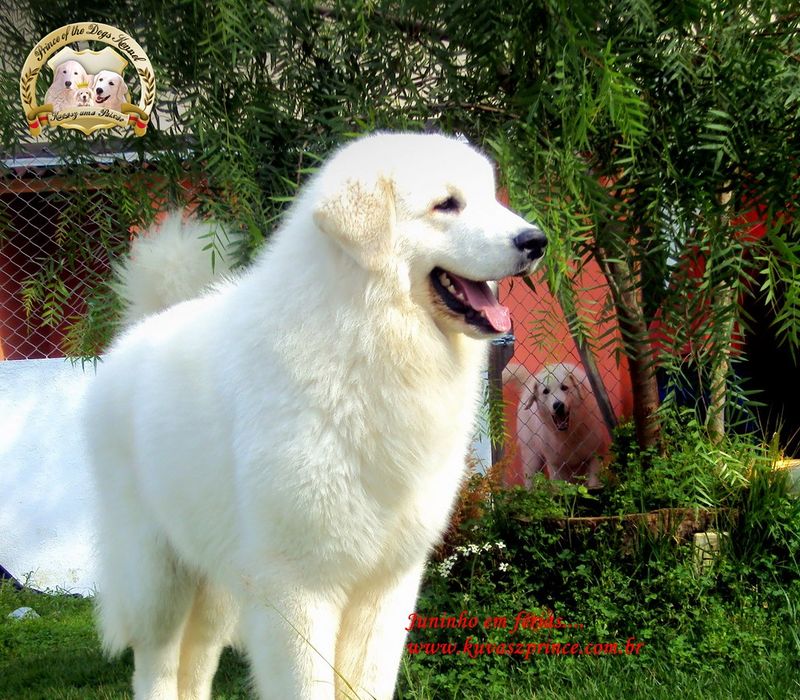
Hungarian kings once trusted Kuvasz dogs to guard their castles. These brave, snowy dogs still take protecting their families very seriously.
A Kuvasz is best for experienced owners. It’s independent, strong, and cautious around strangers, so early socialization is a must.
Long walks and a fenced yard keep it content. Shedding can be heavy, especially in spring.
With proper training, you’ll have an incredibly faithful friend.
Grooming Reality 1: Tear Stains Happen
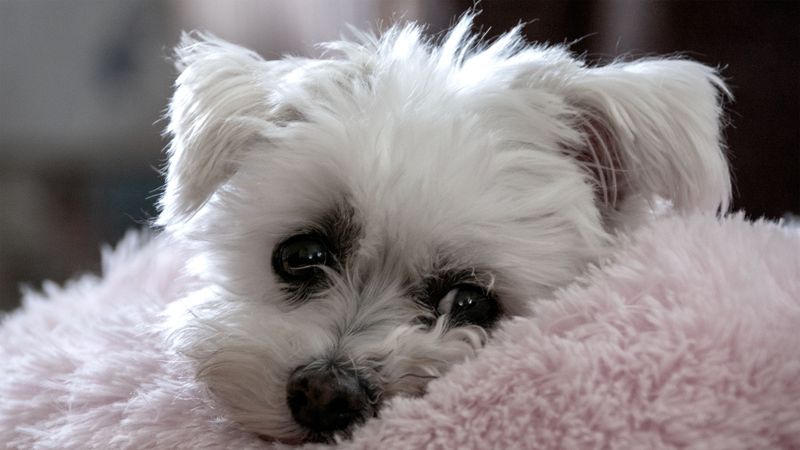
Those rusty brown streaks under a white dog’s eyes? They’re called tear stains, and they show up clearly on light fur.
Natural pigments in tears and saliva cause the color. Wiping the eye area daily with a soft, damp cloth helps a lot.
Keep face hair trimmed and use stainless steel bowls. If stains appear suddenly or eyes look red, visit your vet to rule out infections or allergies.
Grooming Reality 2: Staying Bright Takes Work
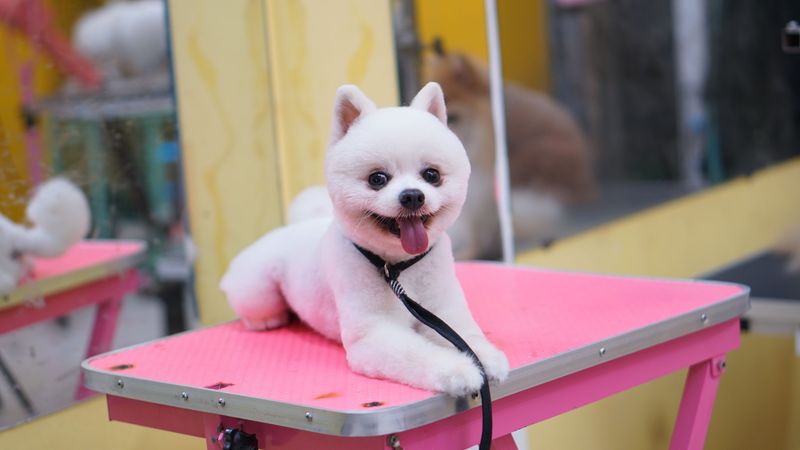
Mud puddles, grass, and even food can turn a snowy coat dingy fast. Keeping a white dog bright is an ongoing job.
Brush regularly to remove dirt before it settles in. Bathe every few weeks with a gentle, whitening dog shampoo, never human products.
Paw wipes after walks really help. Budget for professional grooming, too, since many fluffy breeds need trims.
A little routine keeps your pup sparkling.