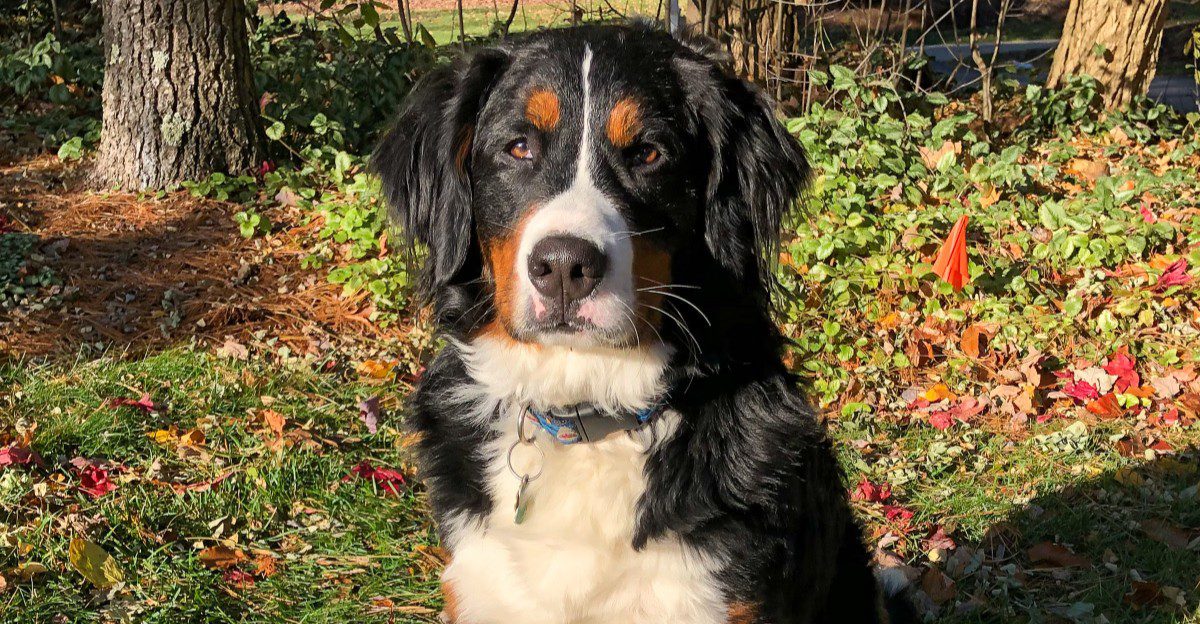
Big dogs from rugged peaks were built to handle wind, snow, and steep climbs. Their stories explain why thick coats, steady paws, and loyal hearts still shine today.
Learning where they worked helps you understand their energy, training needs, and why they enjoy chilly days. If you love winter walks, these breeds might be your perfect match.
Bernese Mountain Dog
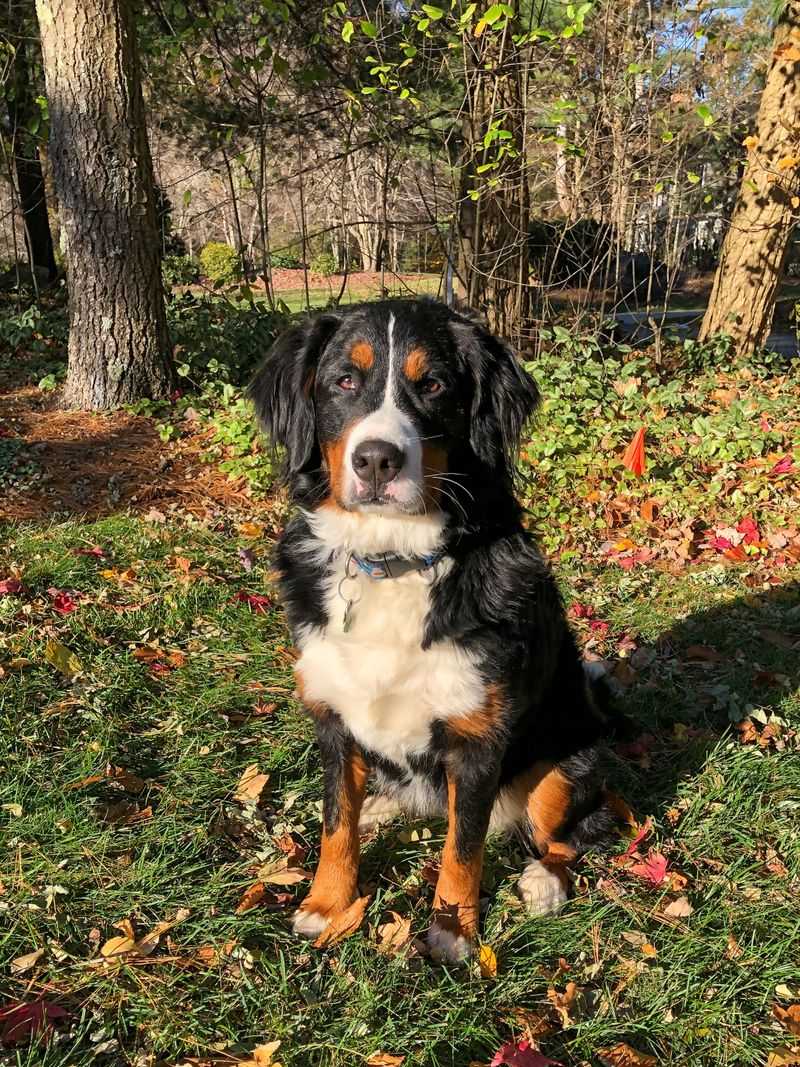
With a cart-pulling past, the Bernese brings farm grit and a calm smile. Thick fur and big bones helped them haul milk and tools across Swiss hills.
That steady nature still shows during cool hikes and backyard chores.
Keep training gentle and clear, because they learn best with patience. Brush often to manage seasonal shedding.
Cooler weather perks them up, so plan longer walks when temperatures drop, and offer shade and water when it is warm.
Saint Bernard
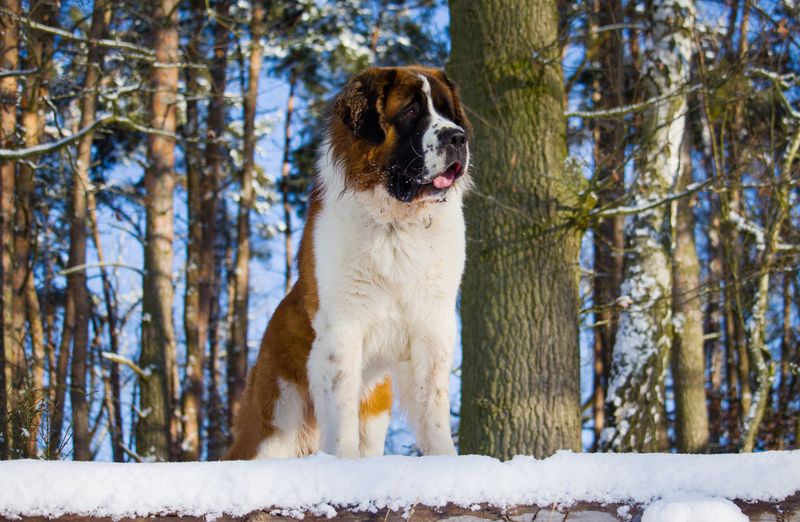
Snow rescuer by legend, the Saint Bernard earned fame guiding travelers through foggy passes. Broad chests and giant paws helped them move in deep snow.
Their calm presence made stranded people feel safe while help arrived.
Modern Saints prefer cool rooms and steady routines. Short training sessions work best, paired with tasty rewards.
Because they overheat easily, choose brisk morning walks in summer and longer winter strolls. A cozy mat on cool tile keeps this gentle giant comfy.
Great Pyrenees
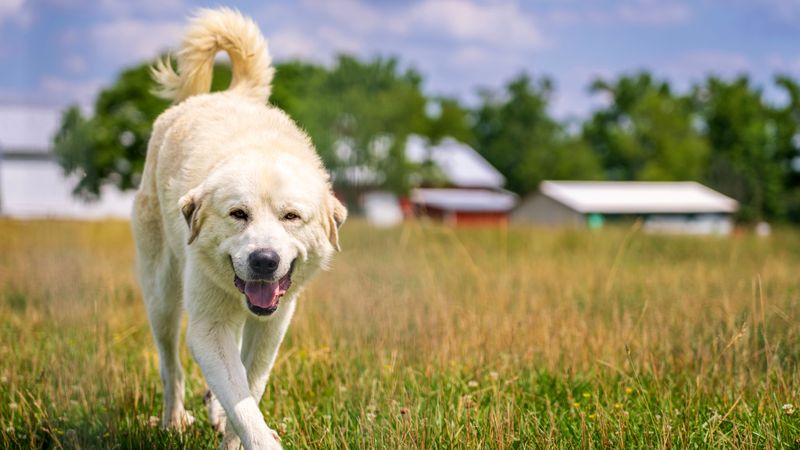
Quiet nights in the mountains made the Great Pyrenees an expert guardian. Their white coats matched sheep, letting them blend in while watching for predators.
Patrolling rough slopes demanded calm judgment and courage.
At home, they still enjoy cool air and a secure yard. Expect independent thinking, so use firm but friendly training with clear boundaries.
Daily brushing keeps the coat breathable and clean. Give them a job, like gentle perimeter walks, and they will feel content.
Tibetan Mastiff
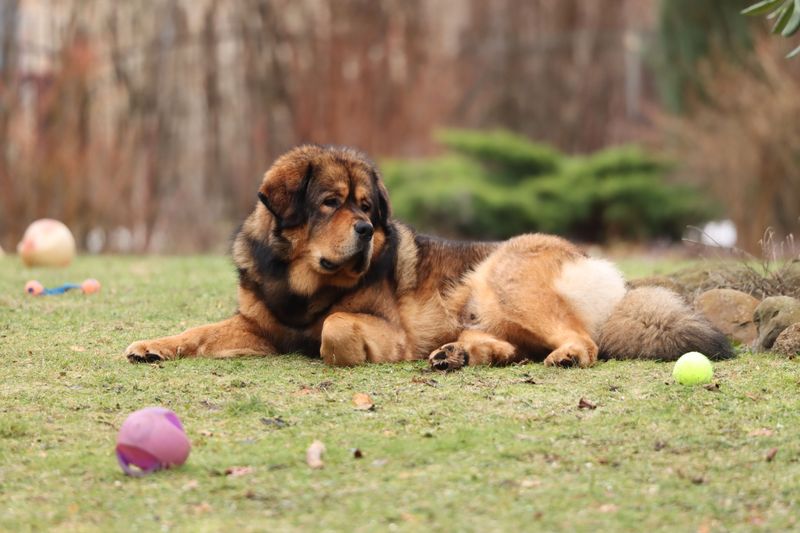
Born on the Roof of the World, the Tibetan Mastiff guarded homes, herds, and temples. That thick mane was not just for looks, it protected the neck in harsh weather.
Independent choices came from long nights deciding what needed guarding.
In modern life, early socializing matters. Keep training brief and respectful, and provide a secure, cool space.
They do best with purposeful walks in chilly hours. Regular coat care reduces matting and helps them stay comfortable during seasonal changes.
Greater Swiss Mountain Dog
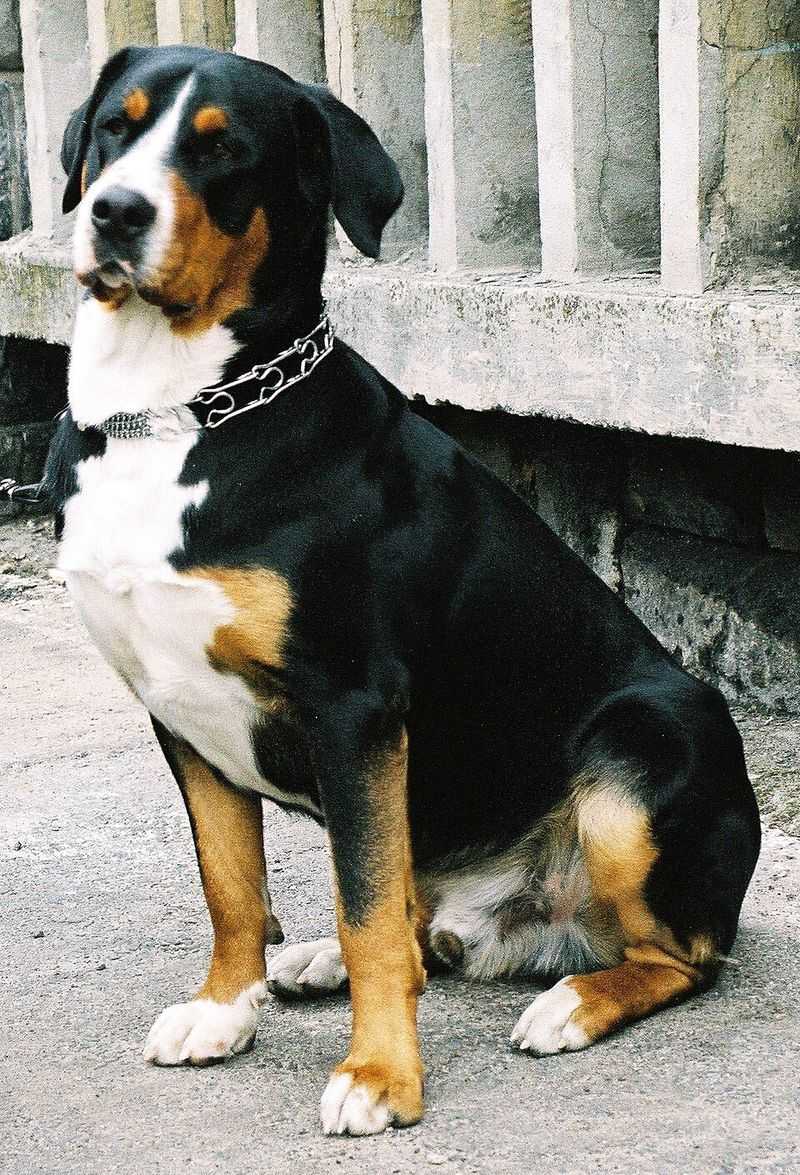
Picture a steady worker clipped into a cart beside a Swiss dairy barn. The Greater Swiss Mountain Dog pulled loads, moved cattle, and trotted mile after mile.
Big frames, tight coats, and sure feet matched cool alpine mornings.
Family life suits them when exercise is planned. Focus on obedience that mixes movement and manners, like heeling while carrying a pack.
Heat can slow them down, so train in shaded areas and rest when tongues get long.
Anatolian Shepherd Dog
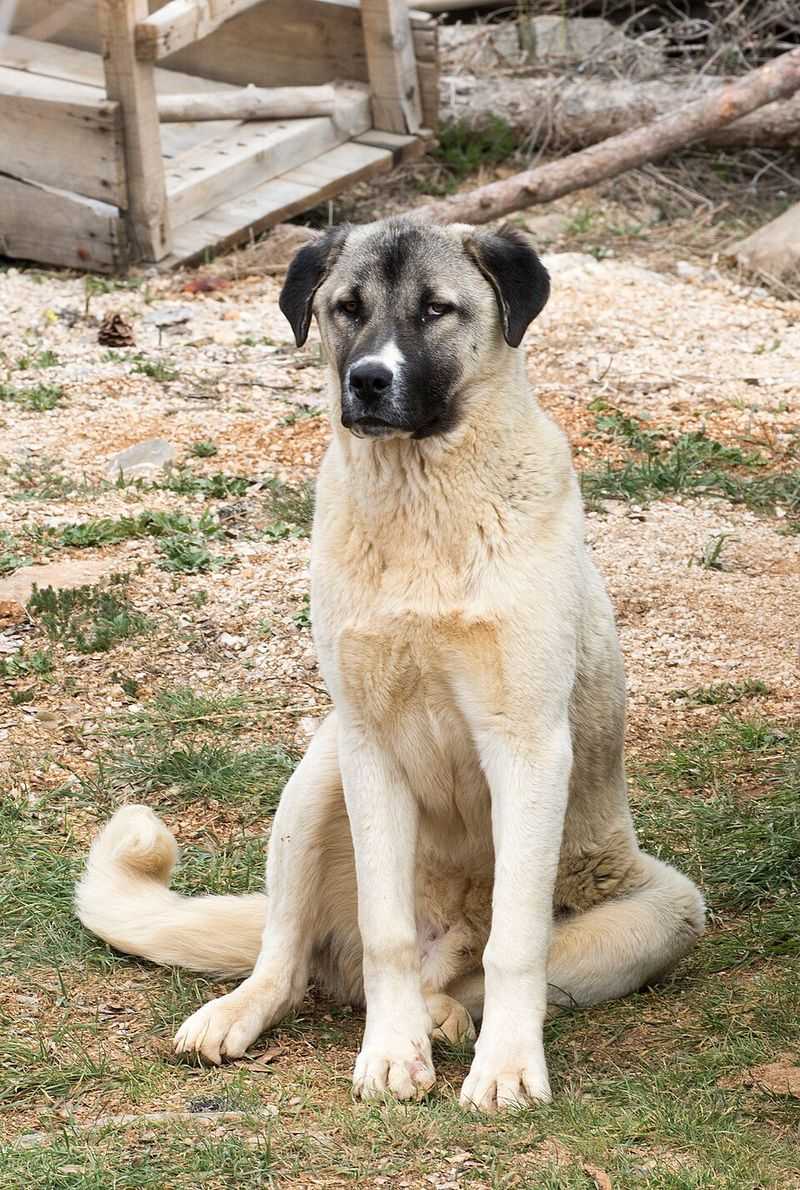
High plateaus and chilly nights shaped the Anatolian’s sharp instincts. They watched flocks in wide, open land, choosing when to stand firm or move the herd.
Strength and weather-ready coats let them stay outdoors for long stretches.
Today, boundaries and jobs keep their minds busy. Practice calm leadership and reward quick responses.
Provide a spacious yard with shade in summer and brisk walks in fall and winter. Regular checks for burrs and thorns help protect their tough coat.
Leonberger
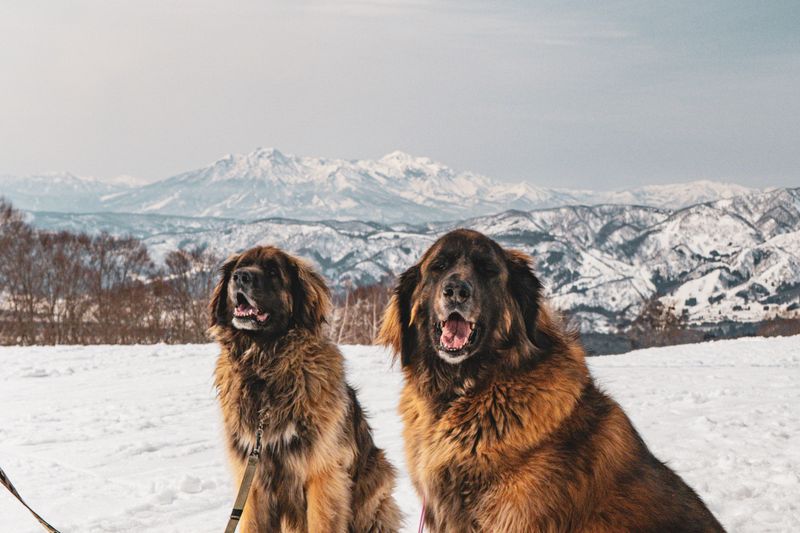
Nicknamed the gentle lion for its mane-like coat, the Leonberger was shaped by German mountain towns and waterfront work. Strong bodies and webbed feet made them steady swimmers in cold lakes.
Their friendly nature made them community helpers.
Keep them fit with hiking on cool trails and short swim sessions in safe water. Train with play and praise to match their social spirit.
Brush that thick coat weekly, and trim paw hair so snow clumps less in winter.
Kuvasz
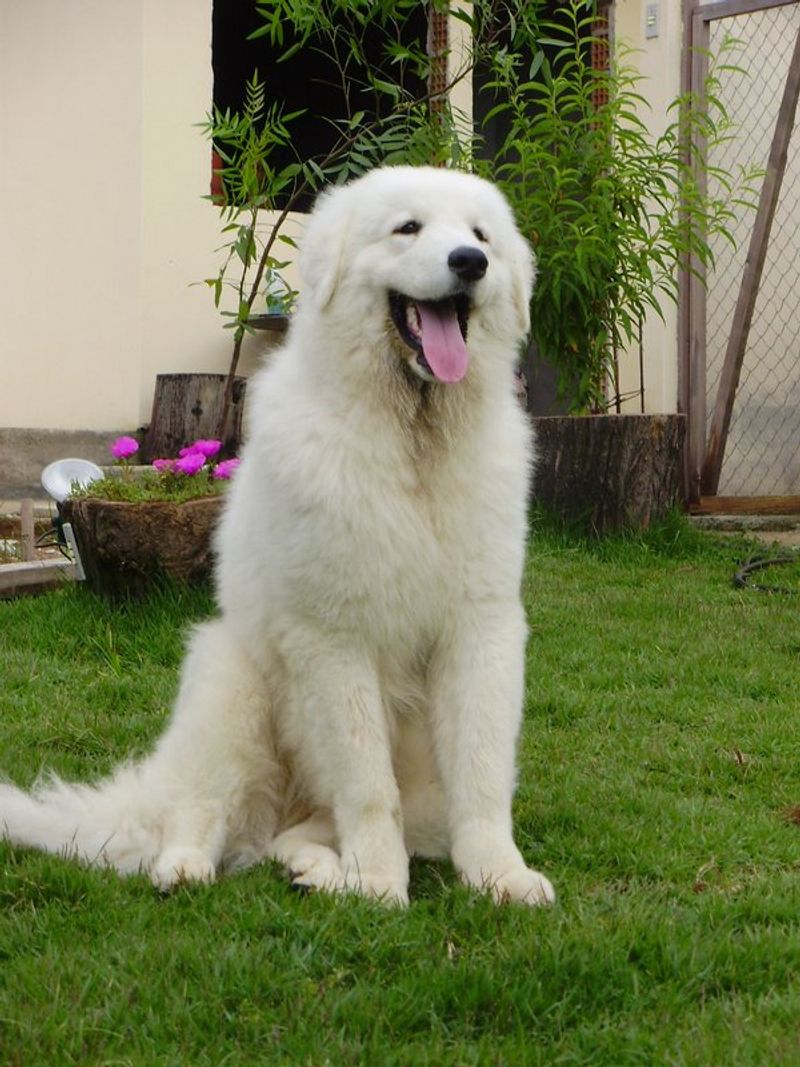
Stories from Hungarian hills tell of the Kuvasz watching over sheep by moonlight. A pale coat helped them blend with the flock, confusing predators.
Brains and bravery mattered more than barking, so they learned to think ahead.
In a family, firm rules and early practice keep that sharp mind happy. Cool-weather exercise brings out their smooth trot.
Regular grooming frees the coat to insulate well. Offer puzzles or scent games to give their guardian instincts a healthy outlet.
Caucasian Shepherd Dog
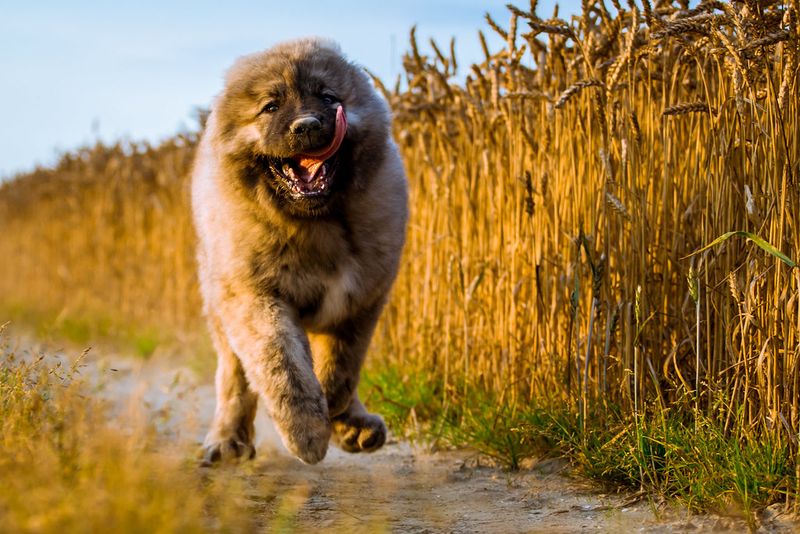
Harsh winds and steep ridges built the Caucasian Shepherd’s grit. They guarded herds from wolves and trespassers, often working at night.
A heavy coat and broad frame let them rest on snow without losing warmth.
At home, early guidance and steady routines matter. Keep training serious but fair, with clear limits and rewards for calm choices.
Cool weather suits them best, so schedule longer outings in winter. Weekly coat checks prevent mats and keep insulation effective.
Estrela Mountain Dog
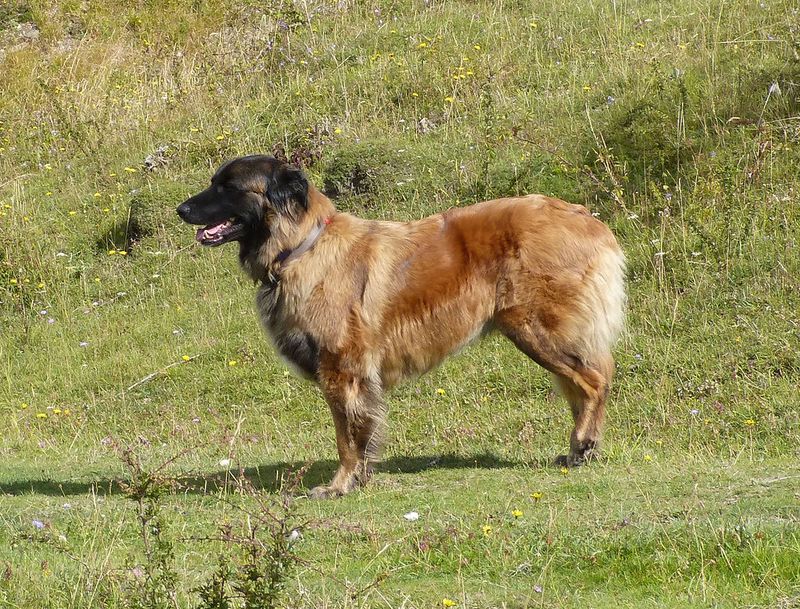
From Portugal’s highest range, the Estrela learned to safeguard flocks on rocky trails. Agility and a weatherproof coat kept them working through chilly winds and sudden storms.
Loyalty grew from years beside shepherds in tough country.
Modern homes should offer space, structure, and cool rest spots. Use confident training with plenty of praise, and vary routes to keep their mind engaged.
Brush weekly and check nails for mountain-friendly traction. Cooler hikes help them show off that surefooted stride.
Pyrenean Mastiff
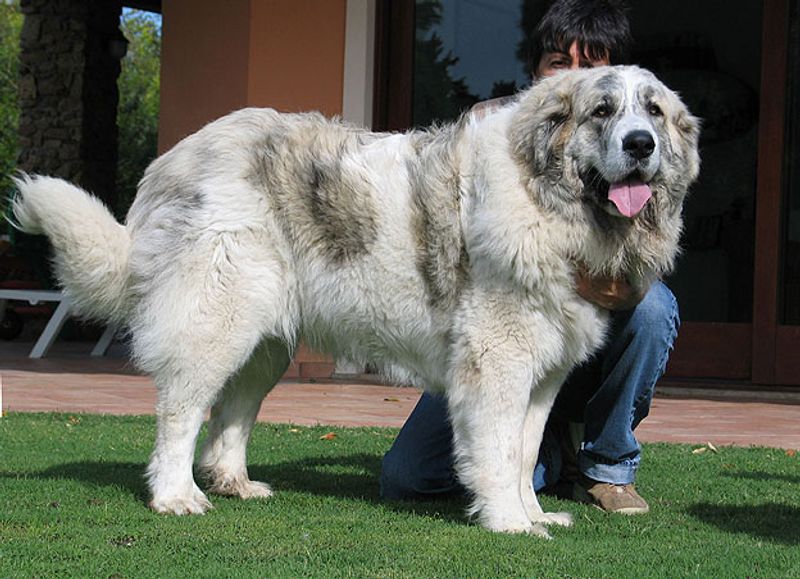
Long journeys across the Pyrenees shaped the Pyrenean Mastiff into a calm protector. Their size discouraged predators, while a dense coat shrugged off cold nights.
Moving with herds taught patience and steady energy.
To thrive at home, plan cool-weather walks and relaxed training that rewards cooperation. Early social time builds confidence with visitors.
Regular brushing controls shedding and helps the coat insulate properly. Provide shade in summer, since heat slows them down quickly compared to winter months.
Siberian Husky
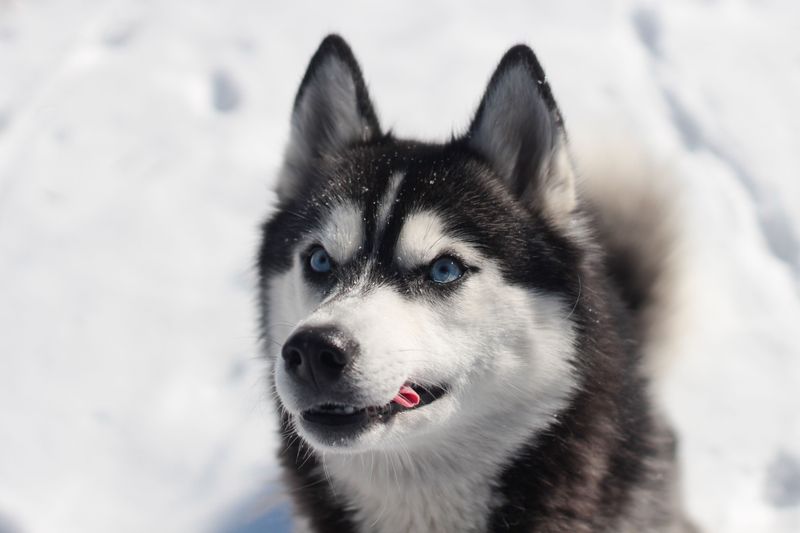
Born to run far, Huskies carried light loads across frozen land for the Chukchi people. Efficient gaits and thick coats meant long miles without tiring.
Their social nature thrived in teams, guided by crisp commands and trust.
Urban life calls for daily cardio, like canicross or fast bikejoring on cool days. Teach strong recall and harness cues.
Provide shade, fresh water, and a cooling mat in summer, since they shine brightest in winter weather.
Alaskan Malamute
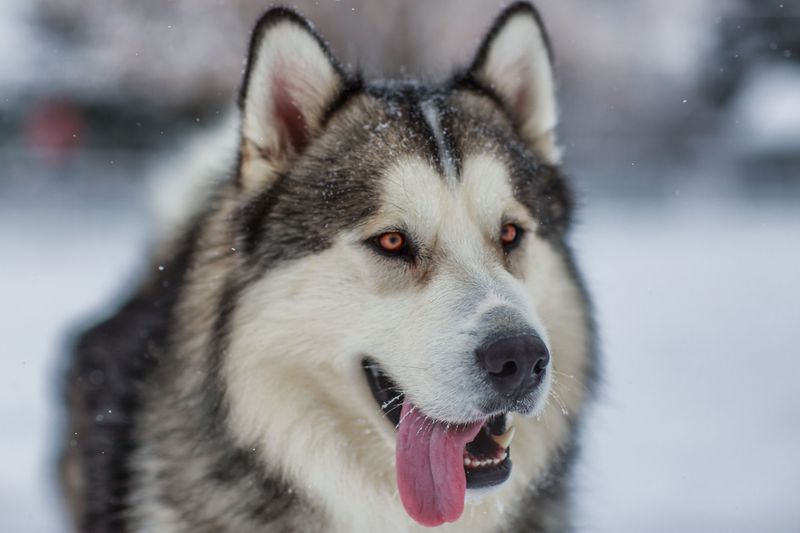
If freight had a face, it would look like the Malamute. Built for heavy pulling, they hauled supplies across Arctic routes where deep snow and wind ruled.
Big chests, dense coats, and confident teamwork kept cargo moving.
Channel that power with weight-pull practice or sledding in cold months. Teach calm starts and steady pacing.
Summer calls for short walks at dawn and evening. Regular coat maintenance reduces heat stress and keeps their insulation working as designed.