
You have probably seen bold Do not approach labels on certain dogs and wondered if the warning fits the dog wearing it. Some swear it is essential for safety, while others think it unfairly stereotypes entire breeds.
The truth sits somewhere in the middle, where training, advocacy, and consent guide better interactions. Here is a balanced look at popular breeds that often get labeled, and what respectful contact can actually look like.
Cane Corso
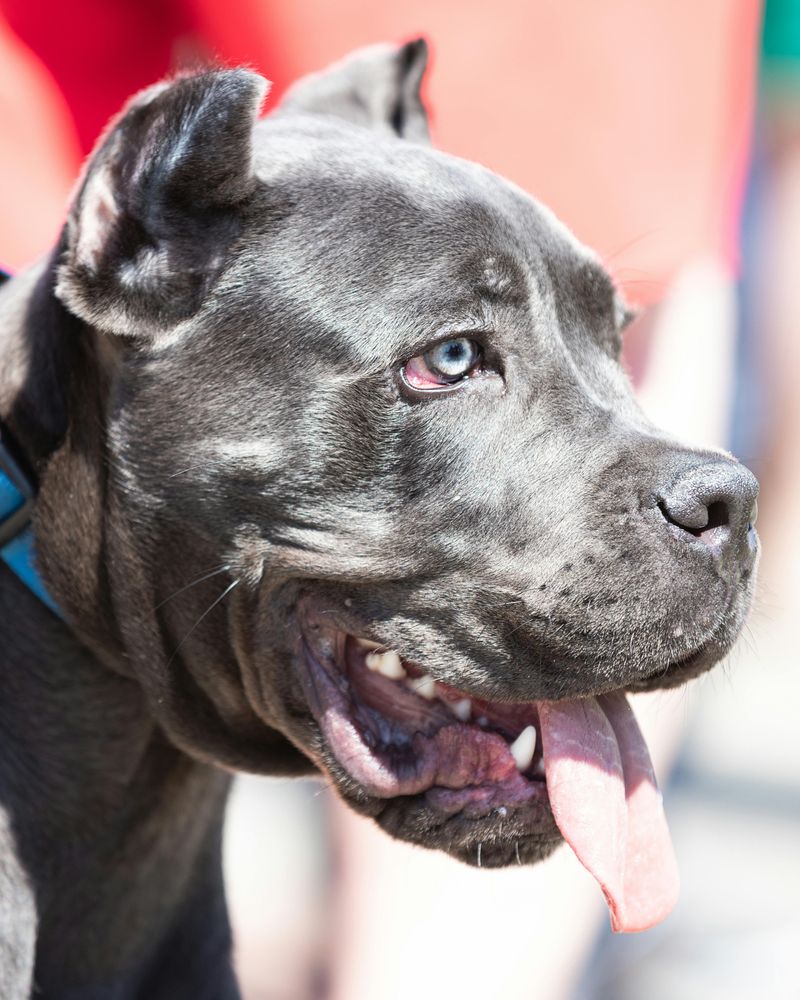
Cane Corsos look intense, so people slap Do not approach gear on them fast. Yet many are steady family guardians with calm, observant manners.
The real key is training, management, and reading body language before making snap judgments.
If you pass one, ask the handler first and watch the dog’s signals. A confident, neutral approach can prevent stress for both of you.
With structure, socialization, and fair boundaries, this breed thrives in busy neighborhoods and active homes.
Still, guardian instincts are real, so handlers set clear rules and space. You can respect the dog’s job without assuming danger.
When owners advocate politely and strangers listen, Corsos show their best and everyone feels safer outdoors together.
Rottweiler
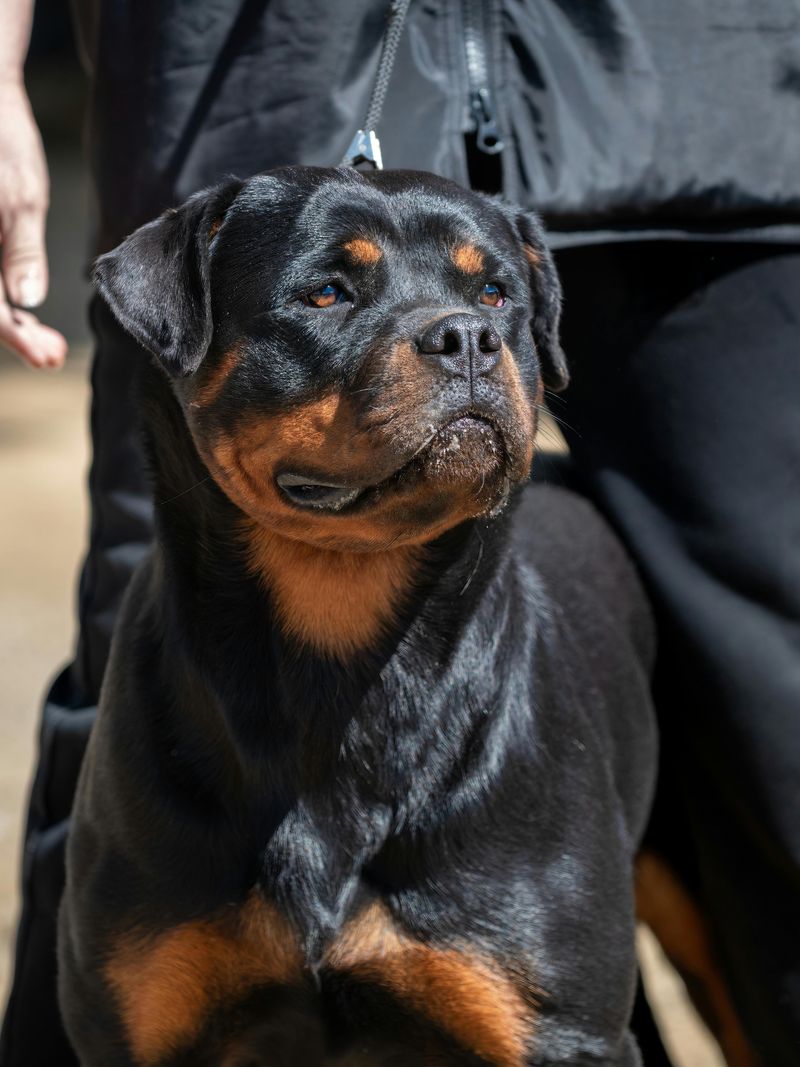
Rottweilers often wear Do not approach gear because their blocky heads intimidate people. What many miss is their steady, patient nature with clear guidance.
A well trained Rottie reads your energy and prefers calm greetings over sudden hands.
If you want to say hi, ask first and stand to the side. Let the dog sniff the air and choose.
That small pause shows respect and lowers pressure for everyone.
Rotties are guardians, not mall greeters, so context matters. Owners manage space, teach neutrality, and reinforce polite behavior.
With structure, exercise, and accountability, these dogs excel in sports, family life, and thoughtful public outings. Labels alone rarely capture that balance.
Training and consent based handling do.
Doberman Pinscher
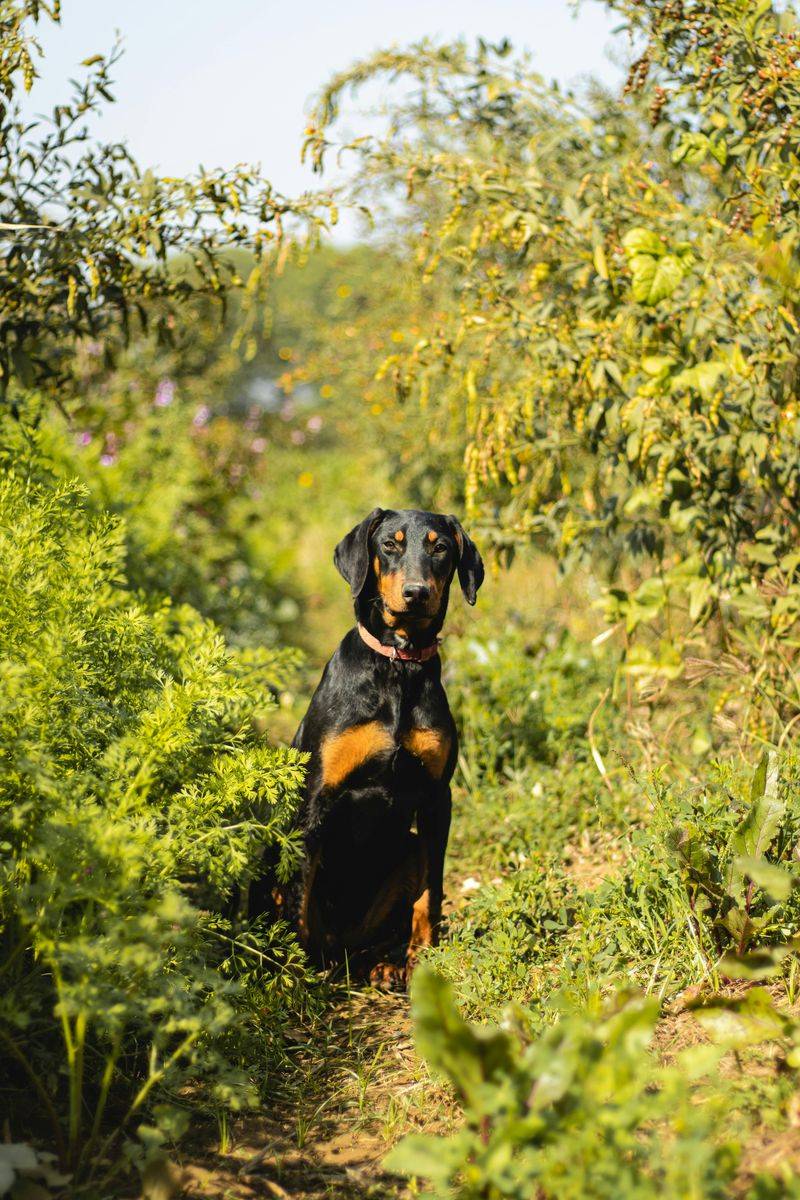
Dobermans get labeled quickly, yet the modern lines are athletic, biddable, and people focused. They notice everything and respond best to confident, fair handlers.
Sudden approaches can feel rude, but a calm invitation often earns a curious lean.
If you see a vest, do not assume danger. Ask, give space, and let the dog glance your way first.
Many Dobes settle when the environment feels predictable and you keep your voice relaxed.
This breed thrives on jobs, from scent work to obedience to hiking partners. Clear boundaries and enrichment beat blanket warnings.
With partnership and practice, Dobermans become steady urban companions who draw compliments instead of fear. Respect goes both ways, and good timing changes everything.
American Bully
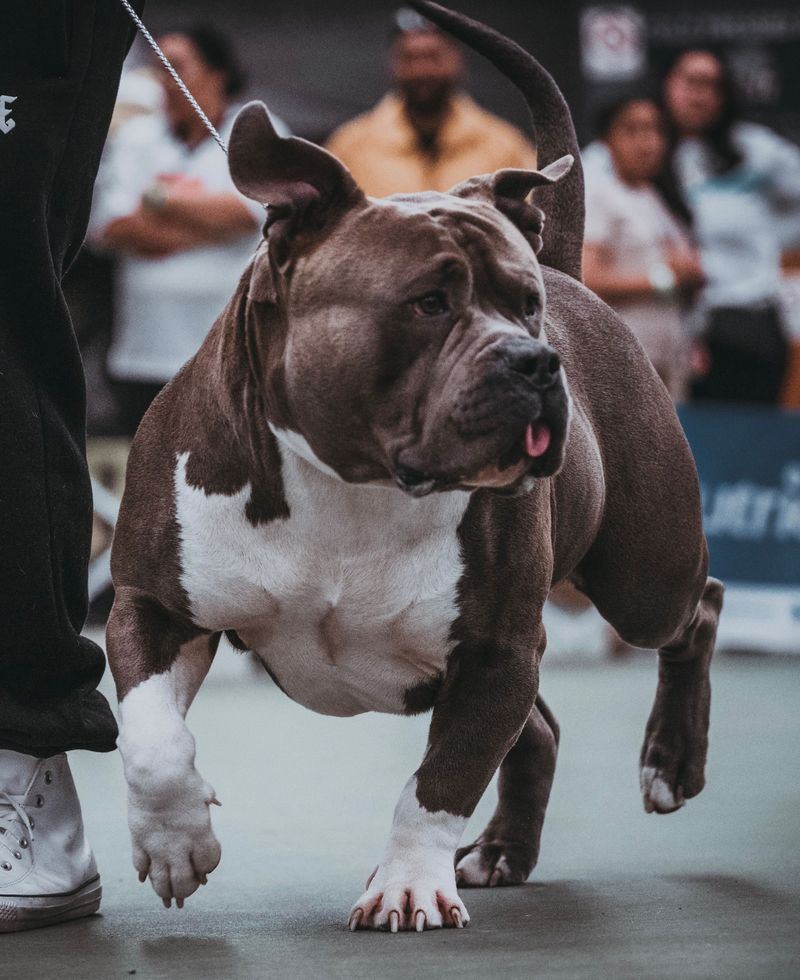
American Bullies can look imposing, but many are couch friendly charmers with goofy smiles. Their body language is easy to misread when muscles and blocky cheeks steal attention.
Slow greetings and handler consent make interactions safer and more pleasant.
If you are curious, stop a few feet away and talk to the owner. Let the dog mirror your calm and choose contact.
That choice helps prevent overarousal, jumping, and misunderstandings.
Bullies thrive with structure, flirt pole games, and short, happy training sessions. Fair rules beat stereotypes every time.
With thoughtful handling and realistic expectations, this breed shines as an affectionate neighborhood ambassador. Ask before petting, and celebrate consent based greetings.
It protects dogs and people too.
German Shepherd
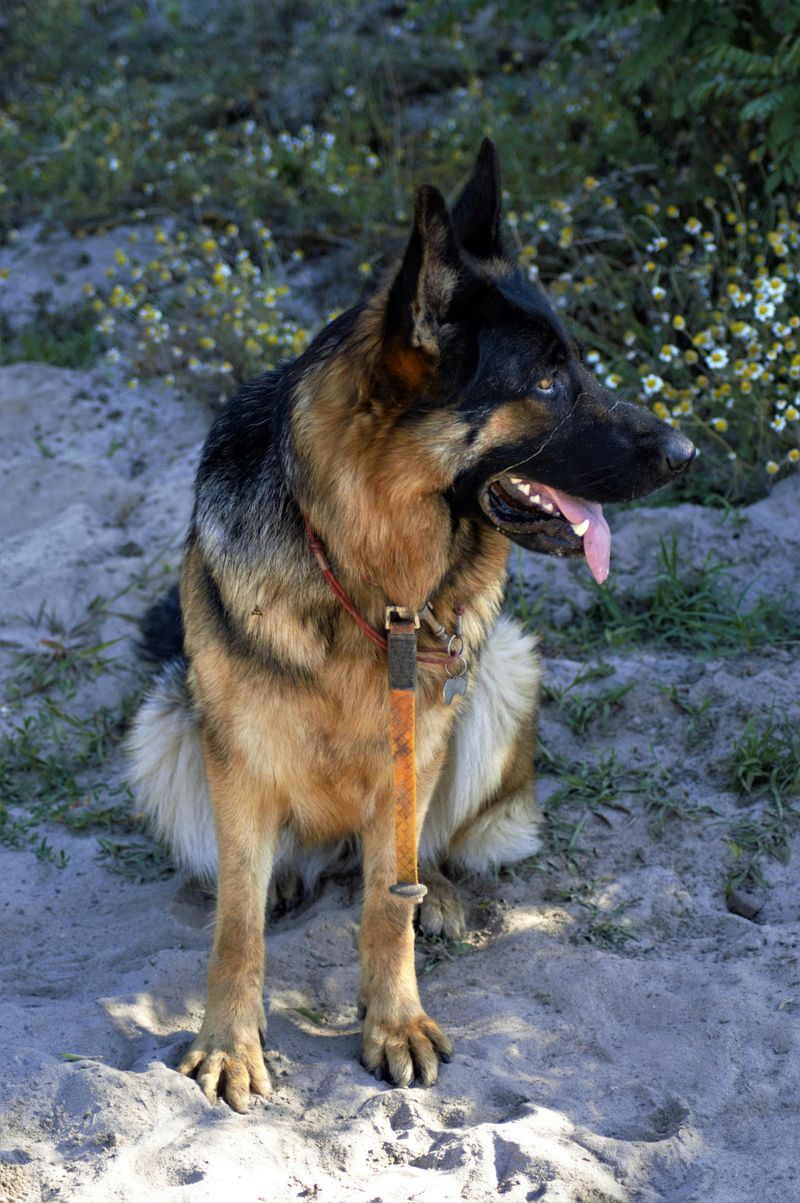
German Shepherds are versatile workers, which is why many wear Do not approach gear in public. They are often on duty mentally, scanning and filtering information.
A rushed hello can feel like pressure instead of kindness.
If you want to engage, speak to the handler first and stand sideways. Give the dog time to process and relax.
Gentle curiosity beats direct staring every single time.
With training and enrichment, these dogs excel at neutrality, advocacy, and calm public skills. Clear expectations reduce reactivity and help them succeed.
Respect the job, and you will often meet a thoughtful, steady partner. Movement breaks and decompression walks matter more than forced small talk for balanced, confident behavior outside.
Belgian Malinois
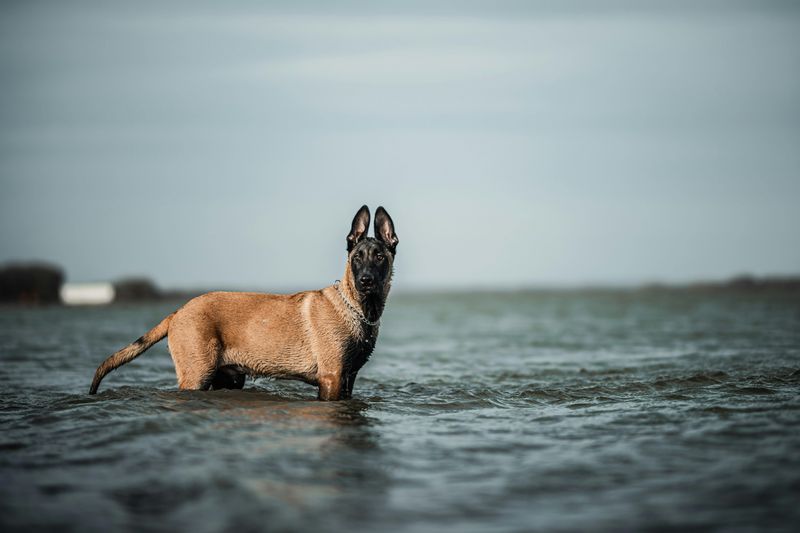
Belgian Malinois are built for intensity, so handlers prioritize space and clarity. They are brilliant, sensitive athletes who bloom with precise guidance.
Random greetings can derail focus and spike arousal fast.
If you admire one, say hello to the human first. Ask what the dog is working on and wait for permission.
The best meetups are quick, neutral, and uneventful.
Mals thrive on bite sports, scent puzzles, and structured outlets for all that drive. Predictability builds confidence.
With smart routines and fair leadership, they learn to ignore chaos and cruise through busy places. Labels can help manage space, but they are not personality scores.
Training, consent, and genetics shape outcomes you actually see in public.
Akita
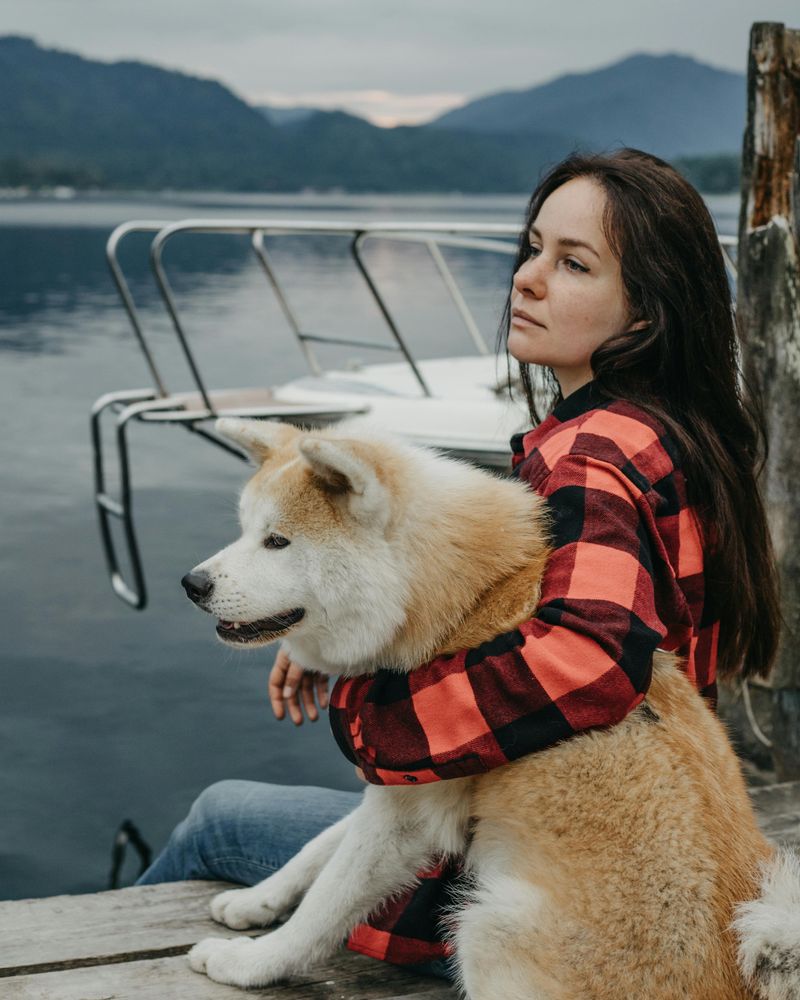
Akitas are dignified, independent, and deeply loyal to their circle. That aloofness reads unfriendly, so people add Do not approach patches.
In reality, many prefer quiet acknowledgment and dislike strangers diving into their space.
If you meet one, keep your body relaxed and your angle soft. Let the handler guide the interaction.
Respect goes far with this thoughtful breed.
Akitas thrive with routine, predictable routes, and clear choices about contact. Solid obedience and enrichment reduce friction in crowded areas.
When you honor boundaries, their calm presence becomes obvious and easy to appreciate. Labels can educate, but curiosity plus patience teach better lessons.
Ask first, breathe slowly, and accept a polite no. That courtesy matters everywhere.
Presa Canario
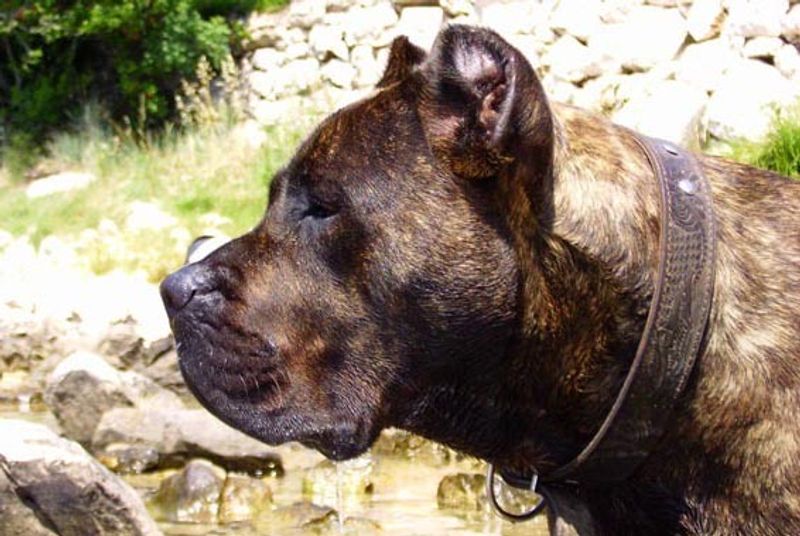
Presa Canarios draw stares, and their size alone triggers caution. Many wear Do not approach gear to manage space in crowded sidewalks.
Despite the look, a stable Presa values clear direction and steady, predictable handling.
If you are near one, give a wide arc and speak to the human. Wait for an invitation before offering attention.
Choosing distance keeps everyone comfortable.
These dogs shine with structured exercise, impulse control games, and routine decompression. Labels do not replace training.
With advocacy and thoughtful exposure, Presas become impressive partners who move politely through real life. Respect the breed’s history, but judge the individual in front of you.
Calm choices and consent create better outcomes for daily walks.
Bullmastiff
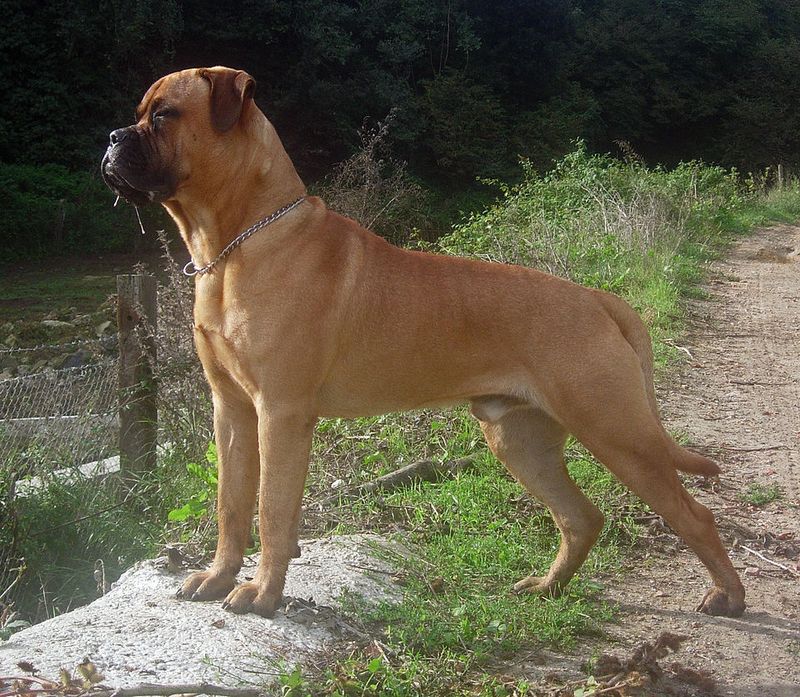
Bullmastiffs are quiet powerhouses bred to deter, not attack. That history makes people nervous, so owners use Do not approach gear to set boundaries.
Many are gentle giants who prefer slow, predictable greetings or simple neutrality.
If you would like to interact, ask permission and keep your movements small. Avoid bending over the head.
Standing sideways helps the dog feel less boxed in.
With training that rewards calm choices, Bullmastiffs become easygoing neighbors. Good leashes, roomy paths, and patient humans prevent misunderstandings.
Stereotypes fade when you honor space and watch body language honestly. They are guardians, yes, but manners and context tell the real story.
Respect first, friendship maybe later. Both can be fine too.
Staffordshire Bull Terrier
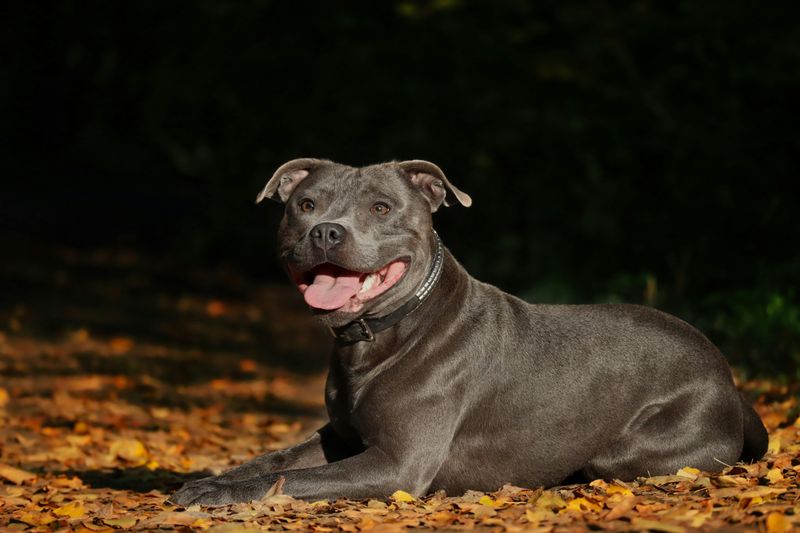
Staffordshire Bull Terriers are small, stocky, and ridiculously people oriented. Still, their silhouette gets lumped with tougher reputations, so some wear warning patches.
In truth, many Staffies melt for calm affection and cheerful, clear communication.
If you see one bouncing, that does not mean invite yourself into the party. Ask, wait, and let excitement drop first.
Then quick, low arousal greetings work best.
Staffies thrive on play, trick training, and social skills practiced with consent. Good outlets beat stereotypes every time.
When you respect boundaries, you meet the sunshine without the chaos. Handlers love happy dogs, and neighbors love considerate behavior.
Slow is smooth, smooth is friendly. Everybody wins that way on everyday walks together.
Dogo Argentino
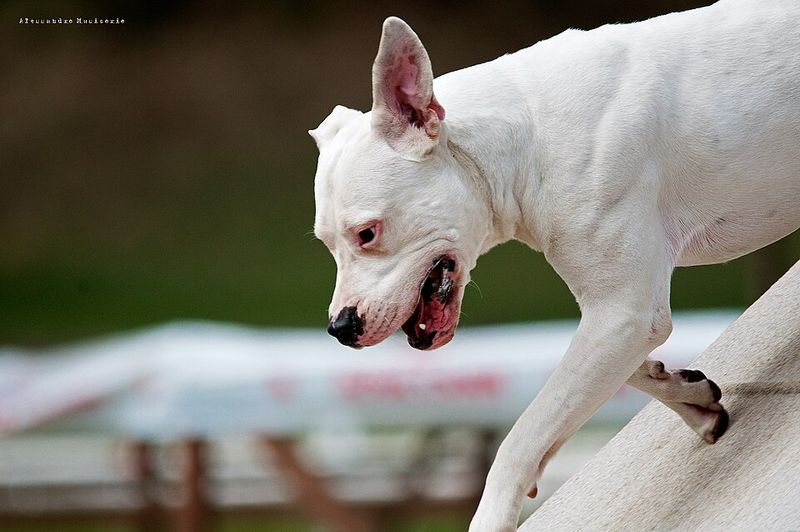
Dogo Argentinos are athletic hunters with strong drive and big hearts for their people. Their striking look invites debate, so many wear Do not approach gear in busy areas.
Stability comes from genetics, training, and thoughtful social exposure.
If you meet one, use a calm voice and keep a respectful bubble. Ask permission and let the dog decide.
Pressure off first, then maybe a sniff and brief hello.
This breed thrives with sport outlets, long hikes, and quiet recovery time. Public success is built on boundaries and advocacy.
With fairness and patience, Dogos move through crowds like composed athletes instead of controversies. Judge the individual, not the headline or rumor you last heard.
Evidence over fear matters.