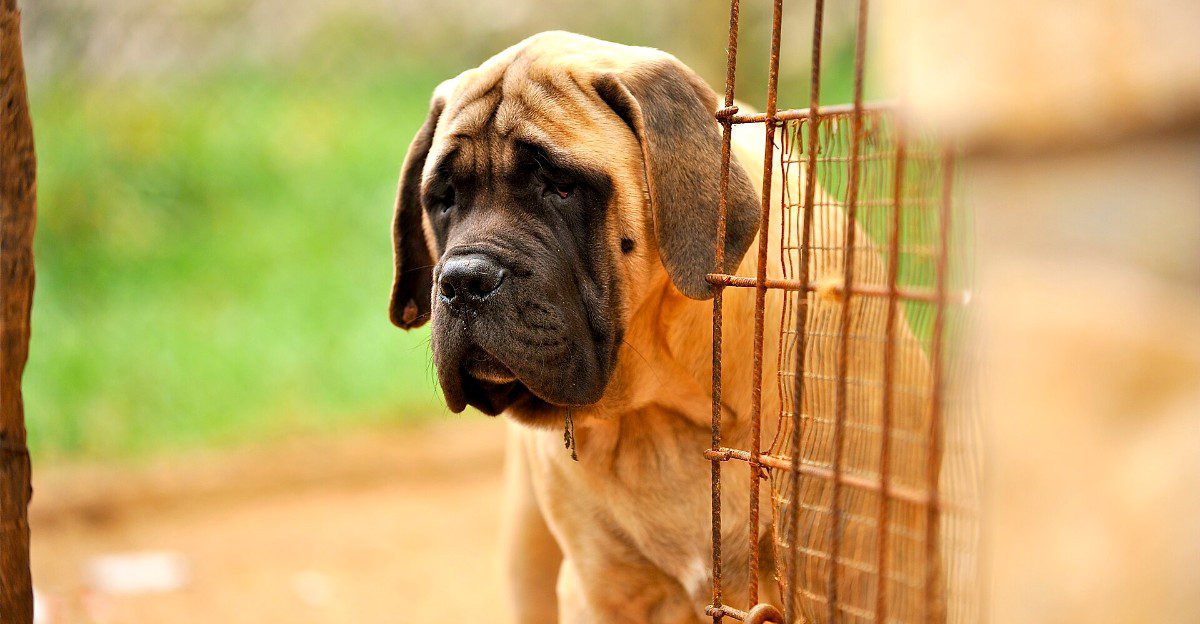
Some dogs cost more to care for than you might expect. Size, grooming needs, and common health issues can turn small monthly bills into a big yearly total.
Knowing what drives those costs helps you plan, save money, and keep your dog healthy. Here are breeds that often need extra time, tools, and vet care so you can budget wisely.
Great Dane
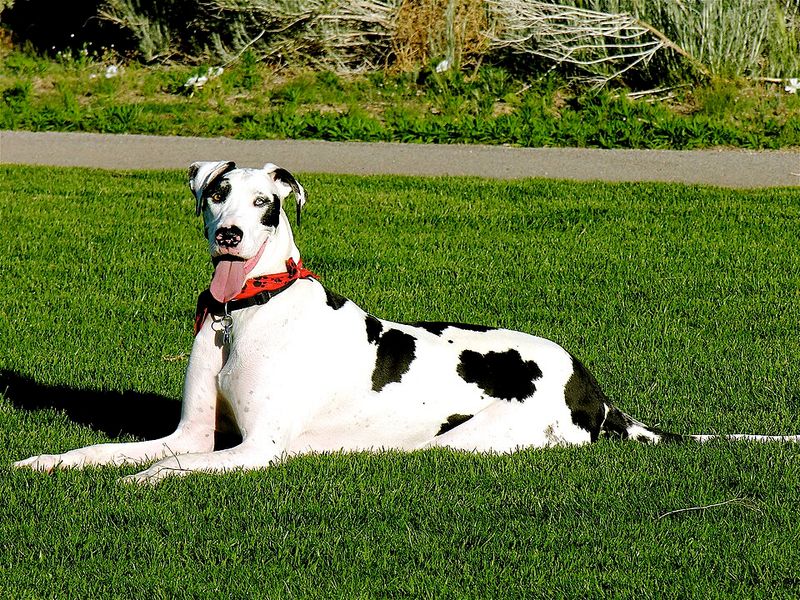
Born to stretch across the couch, the Great Dane stretches budget. Food stacks up fast for a giant frame, and high-quality kibble is a must.
Joint support, big beds, and sturdy leashes add to yearly costs.
Vet visits run higher, including screenings for bloat and heart issues. Plan for pet insurance, training suited to their size, and frequent nail trims.
A simple tip: buy in bulk, use elevated bowls, and schedule preventives early each year.
Newfoundland

With a heart as big as its paws, the Newfoundland charms everyone. Thick coats need frequent pro grooming, and drying that fur eats time and cash.
Big appetites demand premium food, while supplements and extra training treats raise the tab.
Swimming keeps them happy, yet hips and elbows deserve close watch. Budget for regular exams, insurance, and cushy mats underfoot.
Smart routine: prebook grooming, brush weekly to prevent mats, and use a strong home dryer.
Saint Bernard
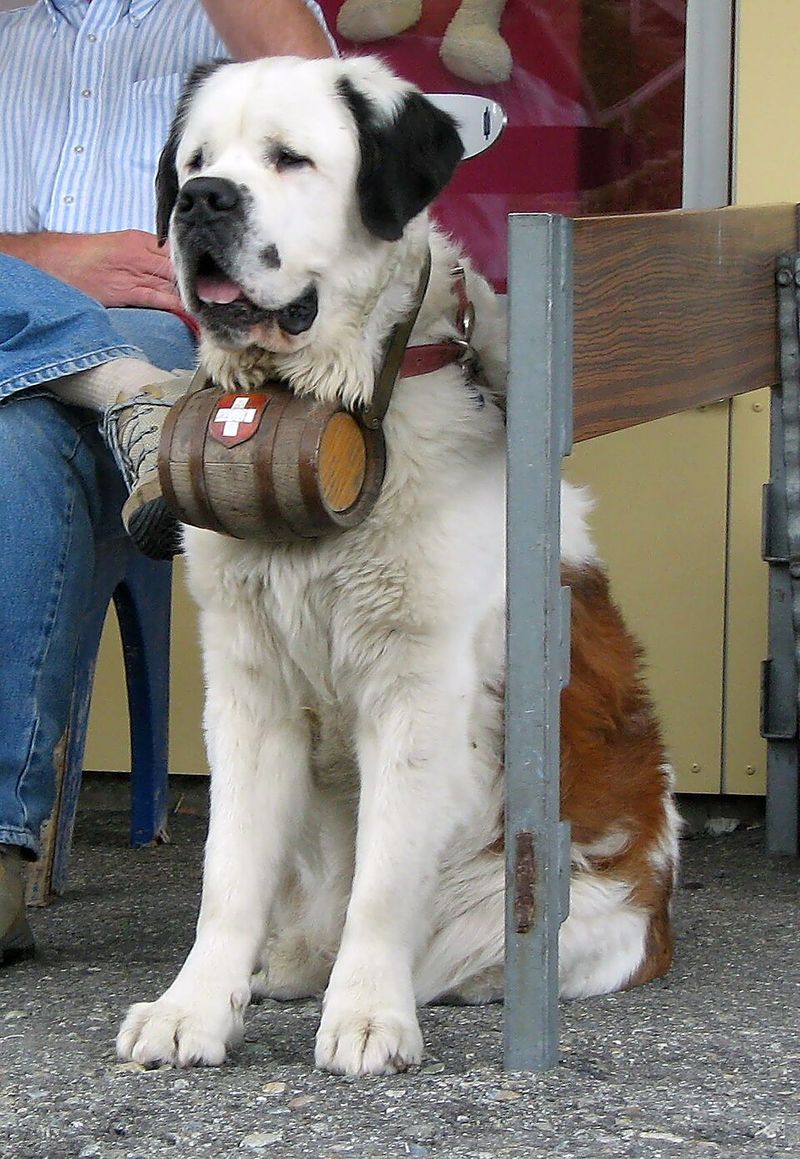
Snowy-mustached faces melt hearts, and Saint Bernards melt wallets too. Massive size means heavy food bills, oversized crates, and durable gear that lasts.
Drool towels, strong cleaners, and frequent ear care become everyday supplies, especially in warm seasons.
Health planning matters, since hips, eyes, and bloat risk add surprise costs. Set aside money for insurance, orthopedic beds, and cooling mats.
Handy tip: keep a grooming caddy, trim nails, and use feeder bowls to pace meals.
Bernese Mountain Dog
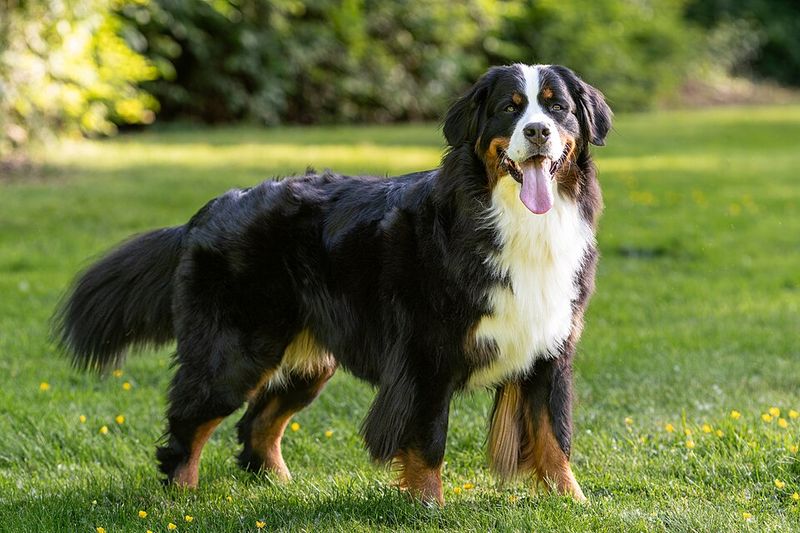
Farm-bred charm meets fluffy looks, and the Bernese Mountain Dog brings both. Thick tri-color coats shed heavily, so brushes, de-shedding tools, and regular grooming stack up.
Sensitive stomachs may need premium diets, which increases the monthly bill.
Certain families face cancer and joint issues, so screenings and insurance are wise. Training classes help manage pulling and herding instincts.
Try a routine: brushing in shedding seasons, nail care every two weeks, and baths between salon visits.
English Bulldog
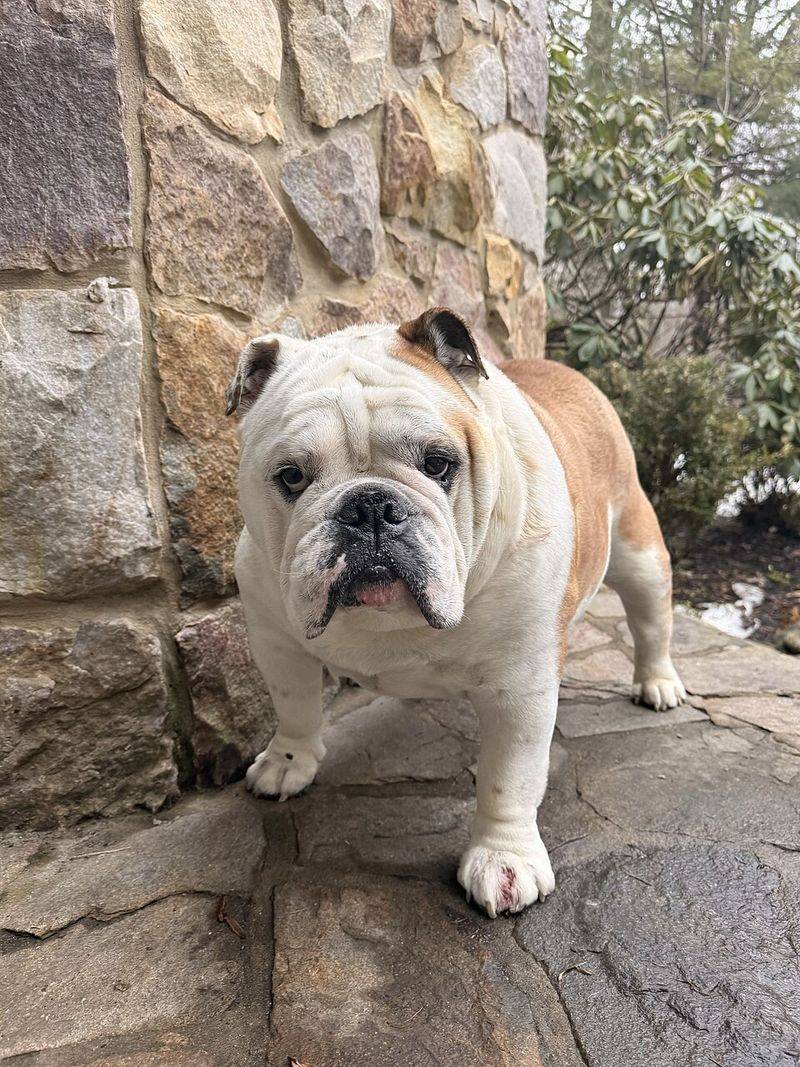
Wrinkled smiles are adorable, yet an English Bulldog can drain a wallet. Skin folds need daily cleaning to prevent infections, and specialized shampoos help.
Heat sensitivity calls for cooling gear and indoor exercise, which adds toys and training aids.
Breathing issues and joint care can mean frequent vet visits. Ear care, dental cleanings, and nail trims need a steady schedule.
Save by using washable bedding, keeping a folds kit, and choosing walks at cooler times.
French Bulldog
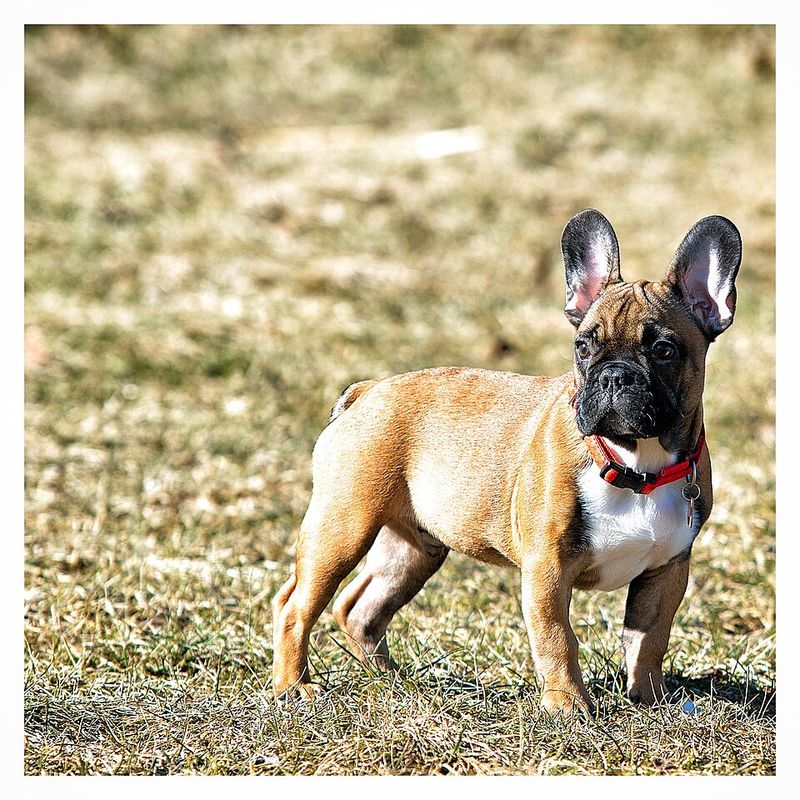
City apartments love the Frenchie, but wallets feel the squeeze. Allergy-prone skin needs special diets and medicated wipes, and some dogs need veterinary dermatology.
Airway concerns can lead to pricey procedures and careful climate control.
Budget for insurance, teeth cleanings, and nail trims if quicks grow long. Choose harnesses over collars to protect breathing.
Plan: wipe folds, keep ears dry, limit heat, and pick puzzle feeders for fun that slows eating and keeps minds busy.
Standard Poodle
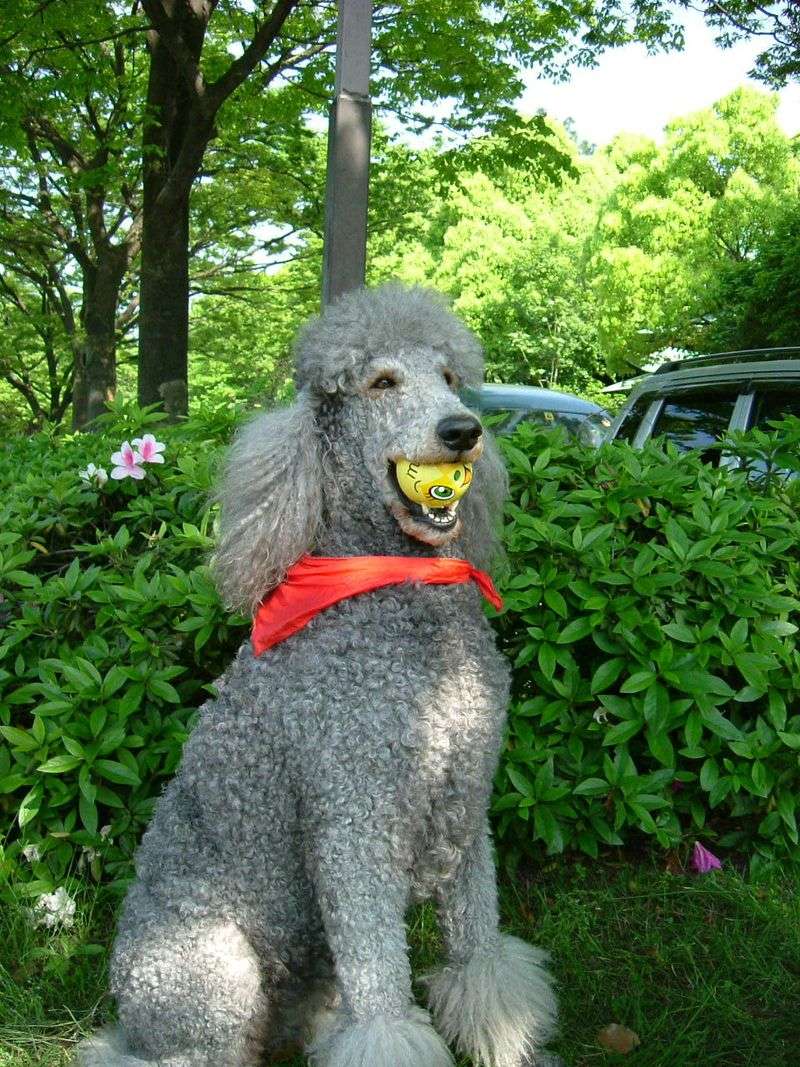
Elegant curls look fancy, and care lives up to the style. Professional grooming every 4 to 6 weeks is common, and at-home brushing keeps mats away.
Hypoallergenic appeal means premium foods and regular ear upkeep.
Active minds crave training games, so classes and puzzle toys add costs. Watch for hip and ear issues with vet care.
Money saver: learn simple trims, rotate toys, and keep a plan for brushing, nails, and ear drying after swims.
Old English Sheepdog
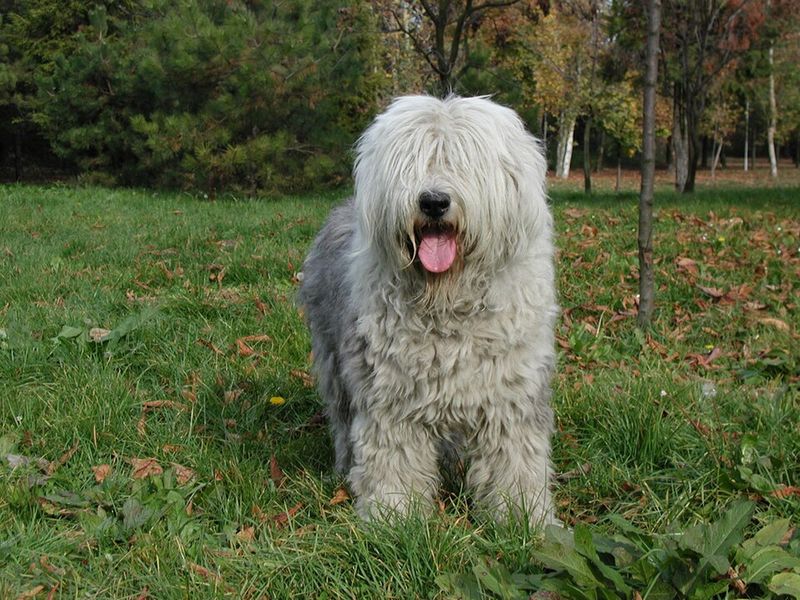
A shag rug with a grin, the Old English Sheepdog turns heads and vacuums. That coat mats quickly without daily brushing, and professional grooming is frequent.
Eye stains, ear care, and big-breed nutrition all add spending.
Friendly clowns need exercise and training that protect joints. Expect costs for classes, detangling sprays, and slicker brushes.
Home strategy: split brushing into short sessions, learn line brushing, dry after rain, and keep a grooming table to save time.
Mastiff
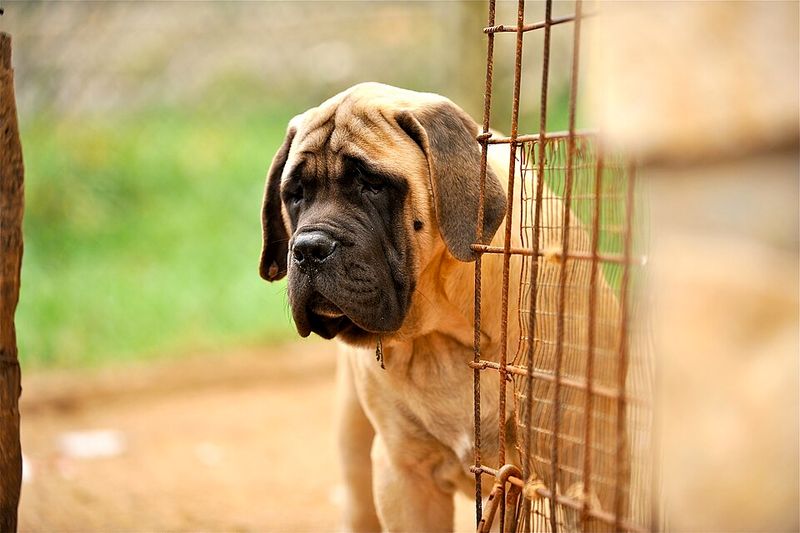
Quiet, watchful, and huge, the Mastiff brings a heavyweight budget. Giant-breed food, supplements, and oversized gear cost more, and vehicles may even need protective liners.
Drool control adds towels and cleaners to the shopping list.
Veterinary care often includes joint monitoring, bloat awareness, and heart screenings. Training focused on calm leash skills protects people and the dog.
Practical approach: buy in bulk, raise dishes to comfortable height, and place supportive mats where the dog rests.
Irish Wolfhound
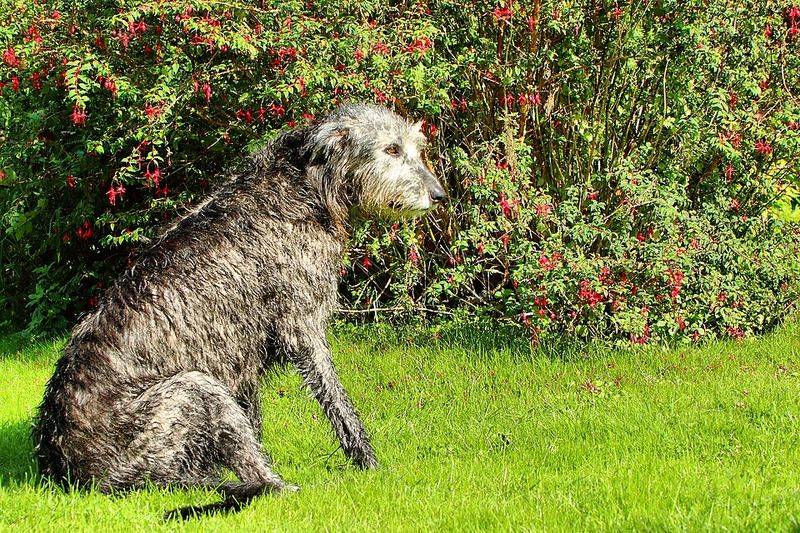
Built for speed and grace, the Irish Wolfhound builds costs quickly. Short lifespans and giant size mean careful nutrition, big beds, and sturdy fencing.
Fast growth as puppies calls for balanced diets to protect bones.
Veterinary checkups should watch hearts, joints, and bloat risk. Training and soft surfaces reduce slips, and regular nail care helps.
Helpful plan: budget for insurance, enroll in basic manners, and schedule calm exercise like scent games that tire the mind.
Cavalier King Charles Spaniel

Silky ears and eyes make the Cavalier hard to resist. Small size hides big health needs, especially hearts and knees.
Regular grooming, quality food, and teeth cleanings push up annual costs.
Vets often recommend heart screenings, plus monitoring for ear infections and dry eyes. Gentle training suits their nature, and walks keep weight steady.
Smart routine: brush teeth, wipe ears, trim nails, and keep insurance to cover cardiology visits so surprises do not wreck savings.