
Some dogs feel happiest when every day looks the same, with meals, walks, and bedtime right on cue. Other dogs shrug off surprises and roll with whatever the day brings.
Knowing which type your dog is can help you plan a home life that keeps everyone calm and happy. Here are the breeds that love a steady clock, plus two that handle change like champs.
German Shepherd
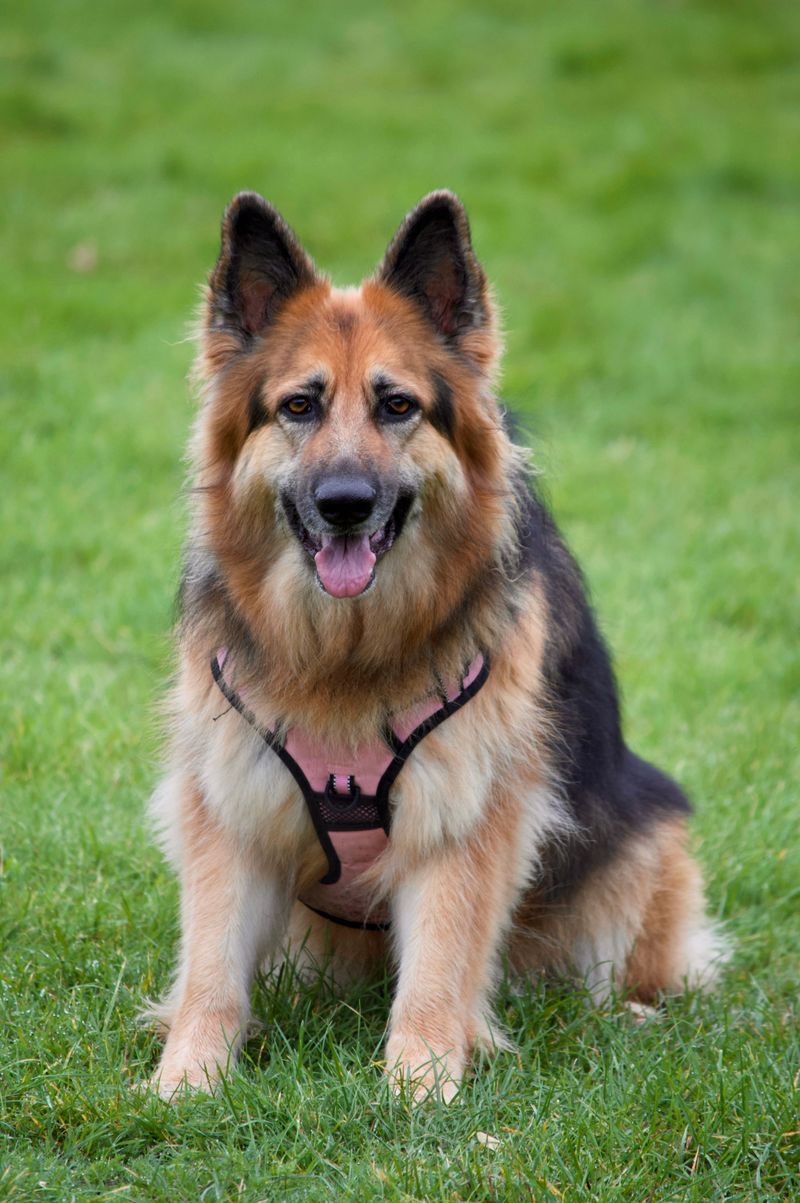
Police departments love German Shepherds for a reason. These smart, loyal dogs work best when they know exactly what comes next, and home life is no different.
Feed your Shepherd at the same times daily and keep walks on a set schedule. A sudden change can leave them pacing or restless.
Try adding a short training session at the same hour each evening. That steady rhythm gives their busy brain a job and helps them relax afterward.
Miniature Schnauzer
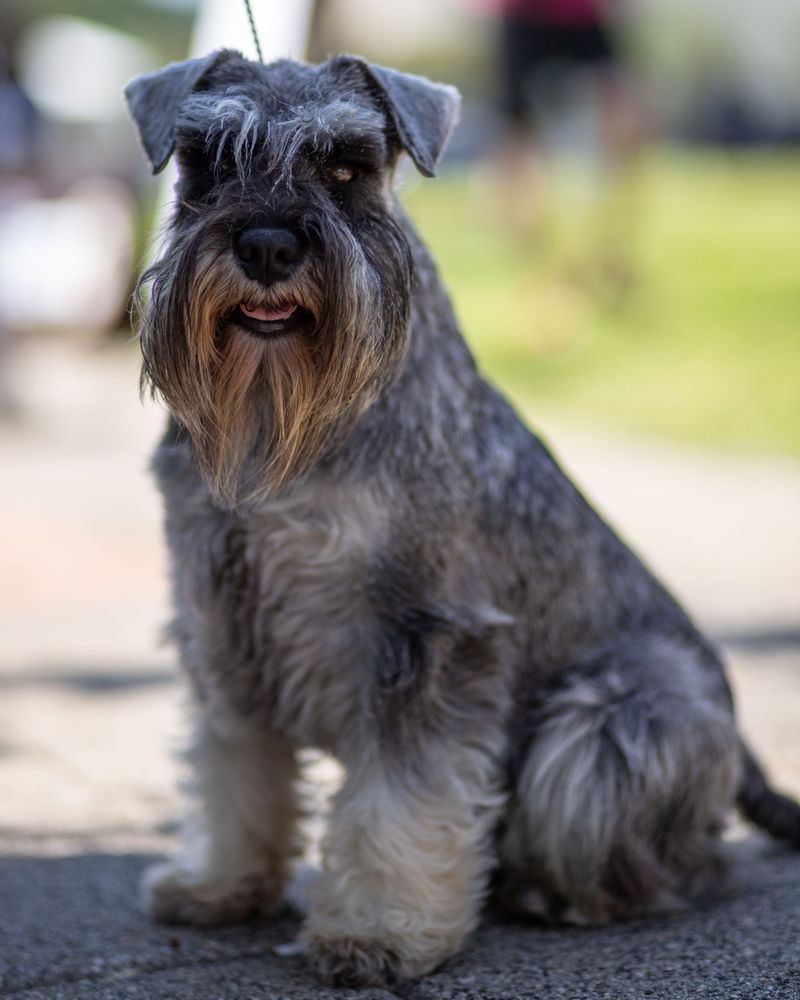
Ever met a dog who acts like a tiny alarm clock? Many Miniature Schnauzer owners swear their pup knows dinnertime down to the minute.
Bred on German farms to catch rats, these bearded buddies like order. They can get barky or fussy when their day gets scrambled.
Keep grooming, meals, and play on a regular calendar. A predictable week helps your Schnauzer feel secure, and it may even cut down on all that chatty barking.
Shetland Sheepdog
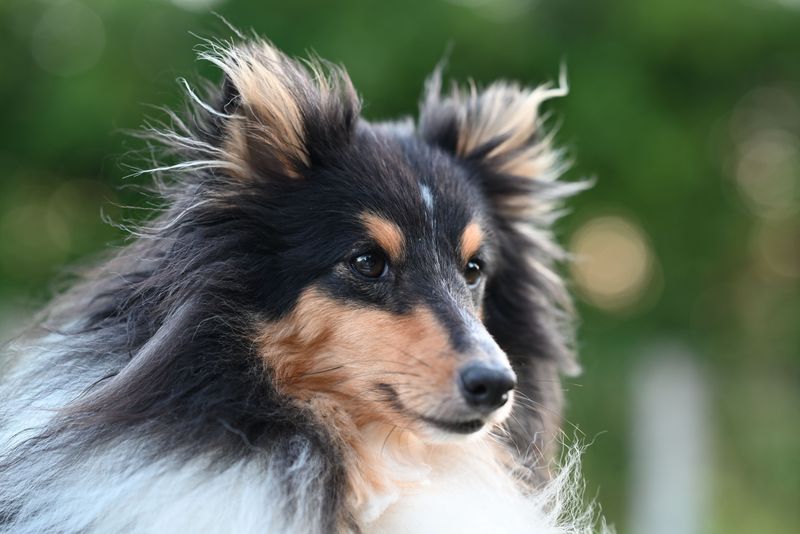
Sensitive and sweet, the Sheltie notices everything. A moved couch or a new visitor can make this fluffy herder nervous for hours.
Fun fact: Shelties come from the windy Shetland Islands of Scotland, where they guarded small sheep and ponies.
A calm, steady schedule works wonders for them. Try walking the same route each morning and setting up a quiet resting spot that never moves.
Soft voices and familiar patterns keep their worries low.
Dachshund
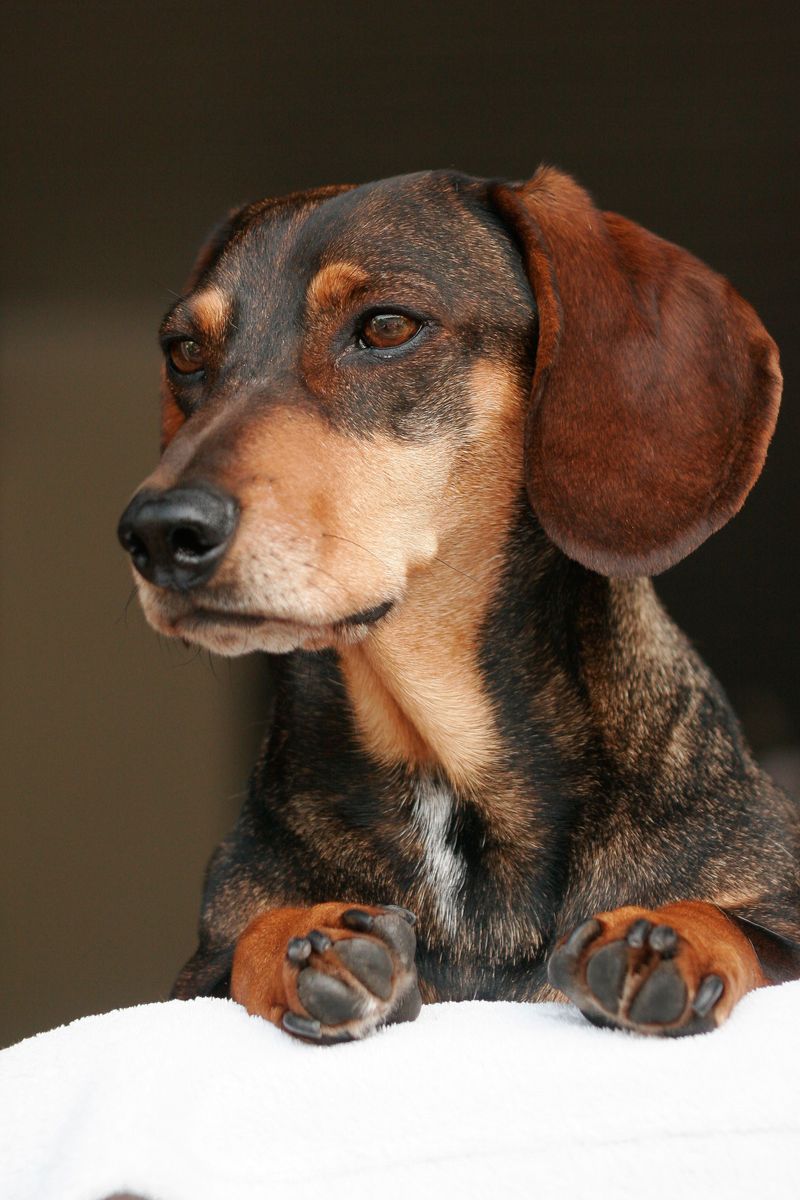
Don’t let those short legs fool you. Dachshunds have big opinions, especially about when breakfast should arrive.
Originally bred to hunt badgers in Germany, these stubborn little hounds feel safest with clear routines. Regular potty breaks are a must, since house training can be tricky with this breed.
Set alarms for walks if you need to. Keeping meals on time also helps control weight, which protects that long, delicate back from injury.
Chihuahua
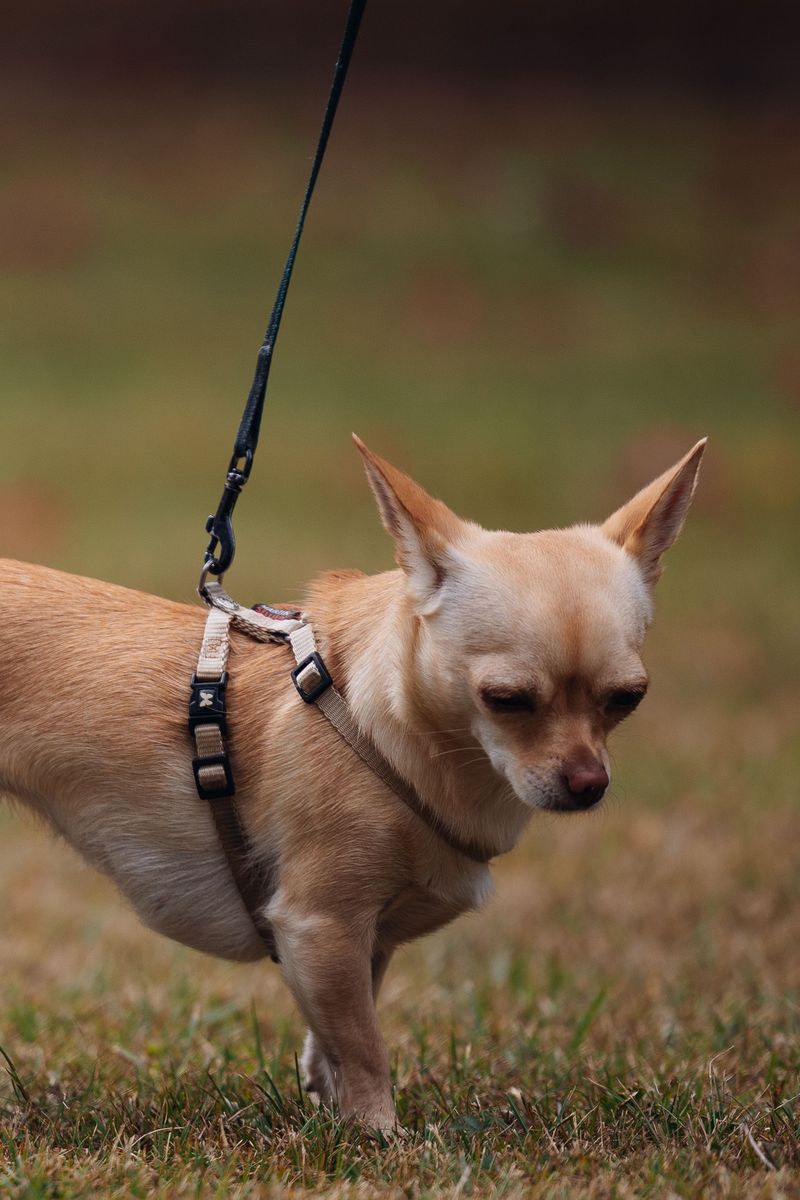
Picture a pocket-sized dog with the confidence of a lion. That’s the Chihuahua, the smallest breed in the world, named after a state in Mexico.
Tiny dogs can feel overwhelmed easily, and Chihuahuas are no exception. Surprise trips or loud changes may make them shake or snap.
Give them steady meal times, a cozy den, and a daily cuddle session. Once they trust the pattern, their spunky charm really shines.
Australian Cattle Dog
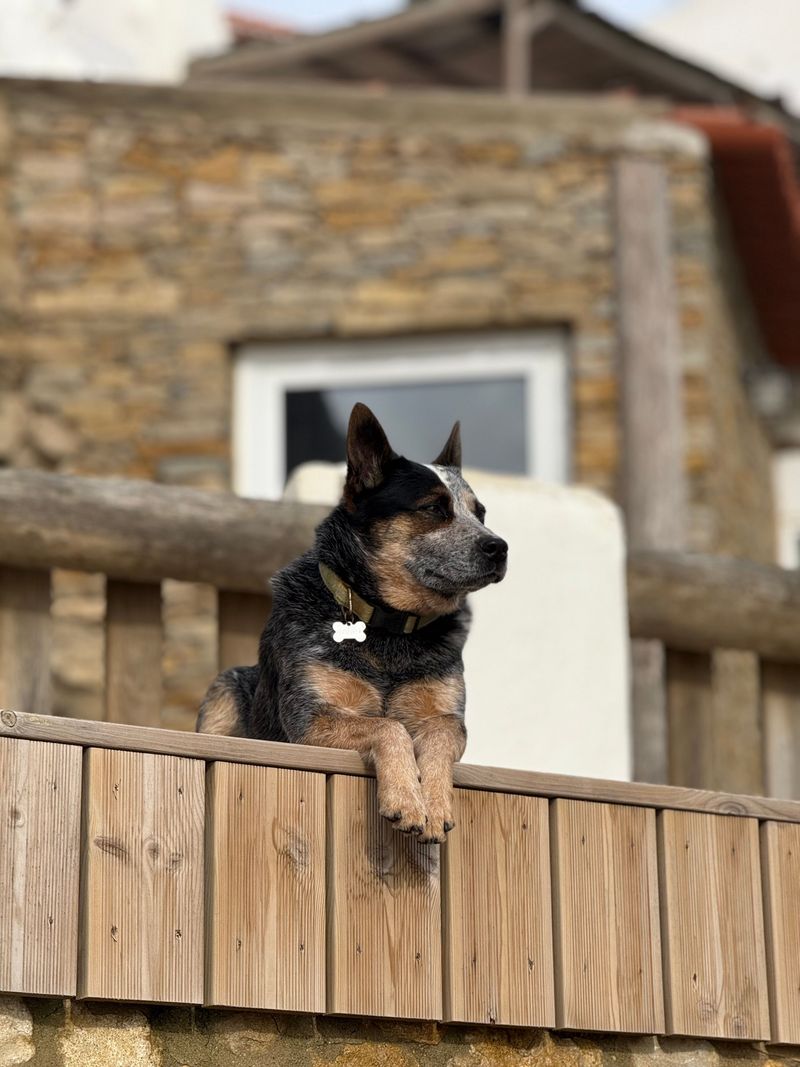
Out on Australian ranches, these tough dogs moved cattle across huge distances, day after day. That work ethic still lives inside every Blue Heeler.
Without a set plan, a Cattle Dog may invent its own jobs, like herding your kids or chewing your shoes. Boredom is their biggest enemy.
Schedule exercise, puzzle toys, and training at the same times daily. When they know work is coming, they settle down much more easily between sessions.
Rottweiler
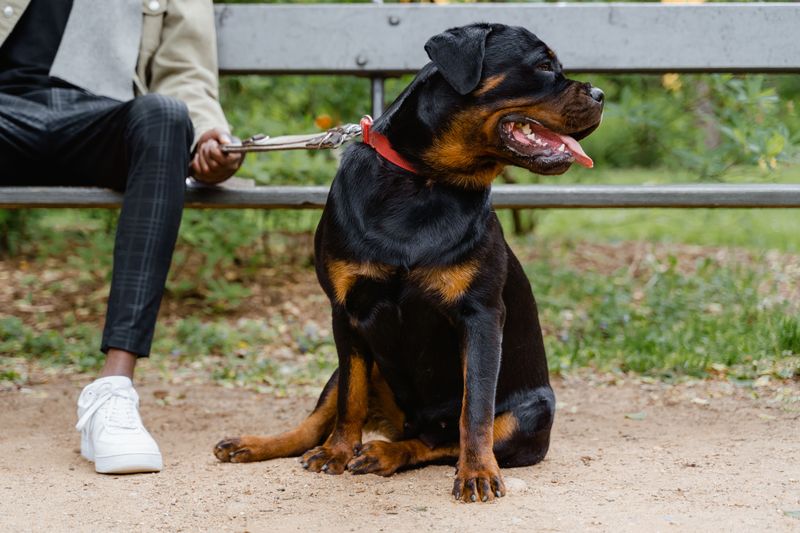
Strong, steady, and surprisingly goofy at home, Rottweilers are big softies who crave structure. Ancient Roman armies even used their ancestors to drive herds.
Because they’re so powerful, consistency matters a lot. Clear rules and fixed routines help them stay polite and confident.
Walk your Rottie at the same time each day and stick with the same commands. A predictable home turns this guardian into a calm, trustworthy family member.
Pomeranian
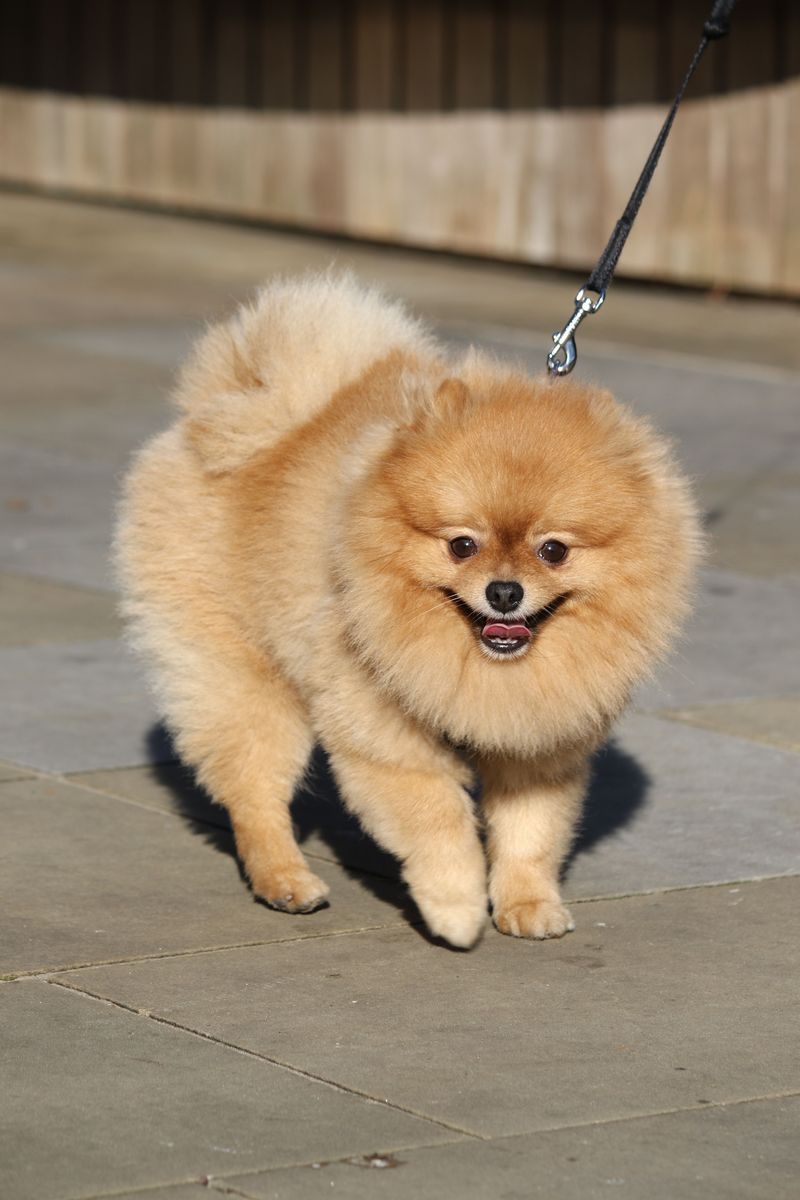
A fluffy cloud with a bark! Pomeranians may look like toys, but their ancestors were large sled dogs from the Arctic.
These little furballs are alert and easily stressed when routines change. Skipped meals or late walks can lead to yapping and anxious behavior.
Try brushing that thick coat at the same time each week. Paired with regular feeding and play, it becomes a soothing ritual your Pom will actually look forward to.
Border Collie
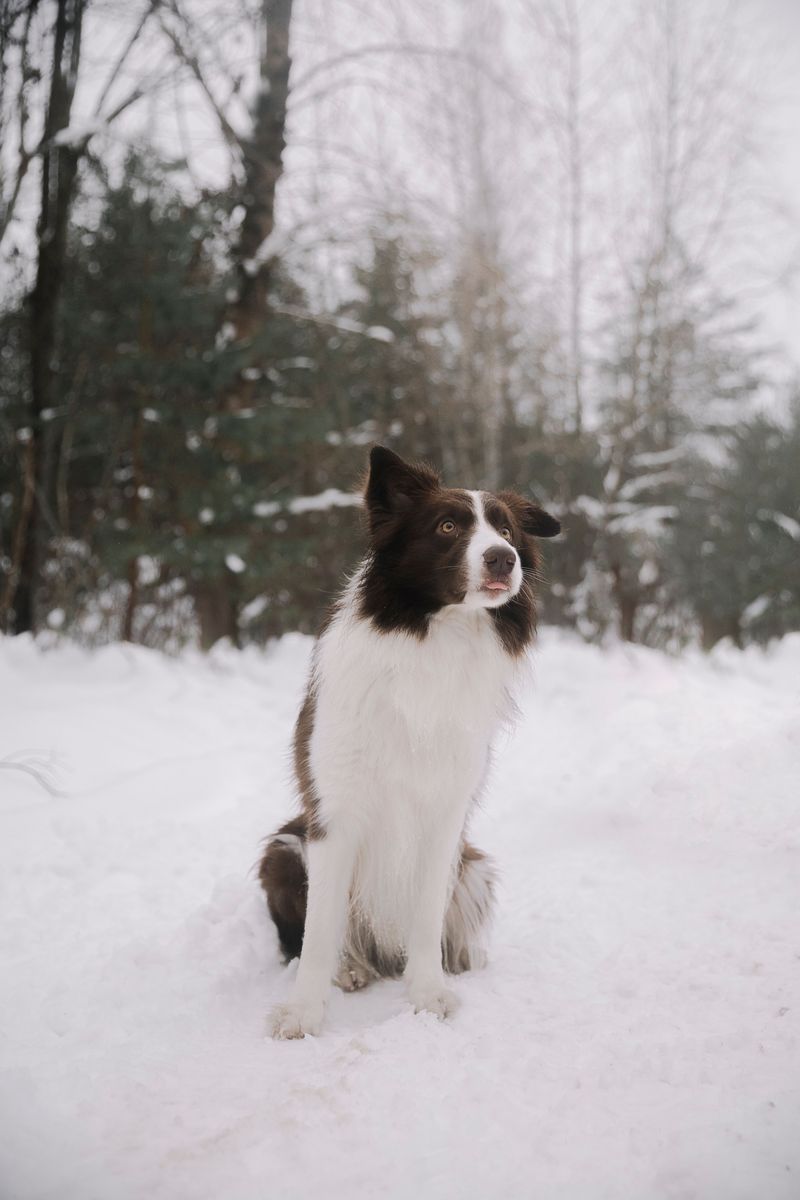
Experts often rank the Border Collie as the smartest dog breed. One famous Collie named Chaser learned the names of over a thousand toys!
All that brainpower needs direction. When days feel random, these herders get anxious and may chase cars, bikes, or shadows.
Build a daily plan with running, training games, and quiet downtime. A clear structure helps their racing mind slow down, so they can rest happily by your feet.
Yorkshire Terrier
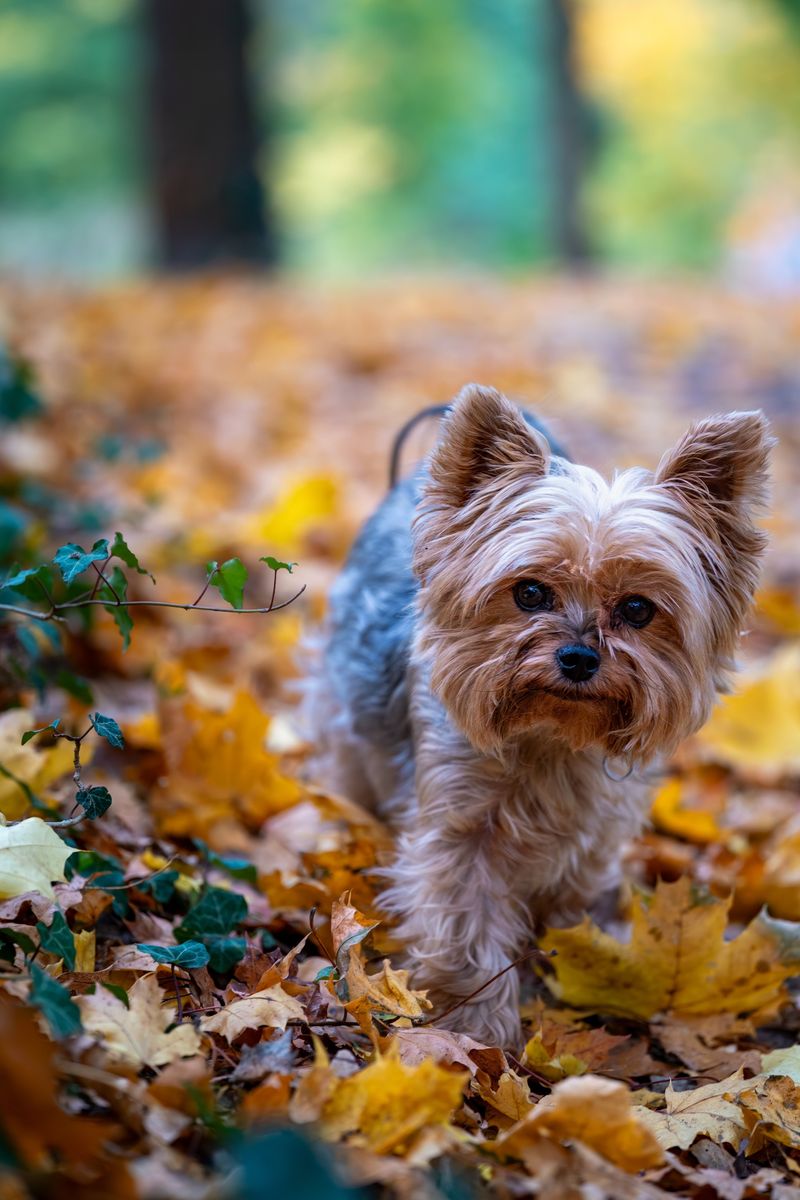
Back in 1800s England, Yorkies worked in clothing mills, hunting rats among the machines. Today they mostly hunt for laps and treats.
Small stomachs mean blood sugar can drop if meals come late. Feeding at regular times keeps Yorkies healthy and steady.
They also bond deeply with their people, so sudden schedule changes can trigger worry. Short, predictable alone times help build their confidence when you need to head out.
Doberman Pinscher
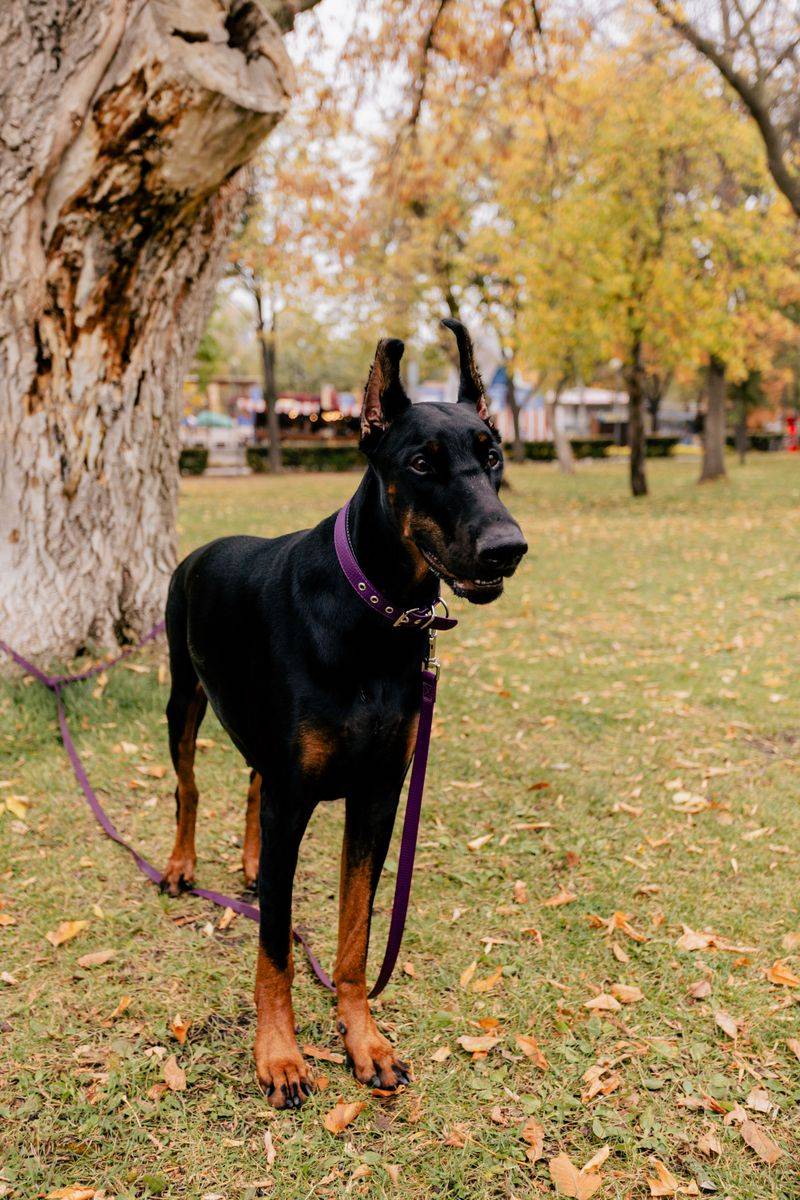
A tax collector named Louis Dobermann created this breed in Germany to keep him safe on his rounds. Talk about a loyal bodyguard!
Dobermans are sensitive under that sleek, tough look. They like knowing when meals, walks, and family time happen.
Keep their days structured and their training positive. With a reliable routine, your Doberman will feel secure and show off its affectionate, clownish side at home.
Labrador Retriever
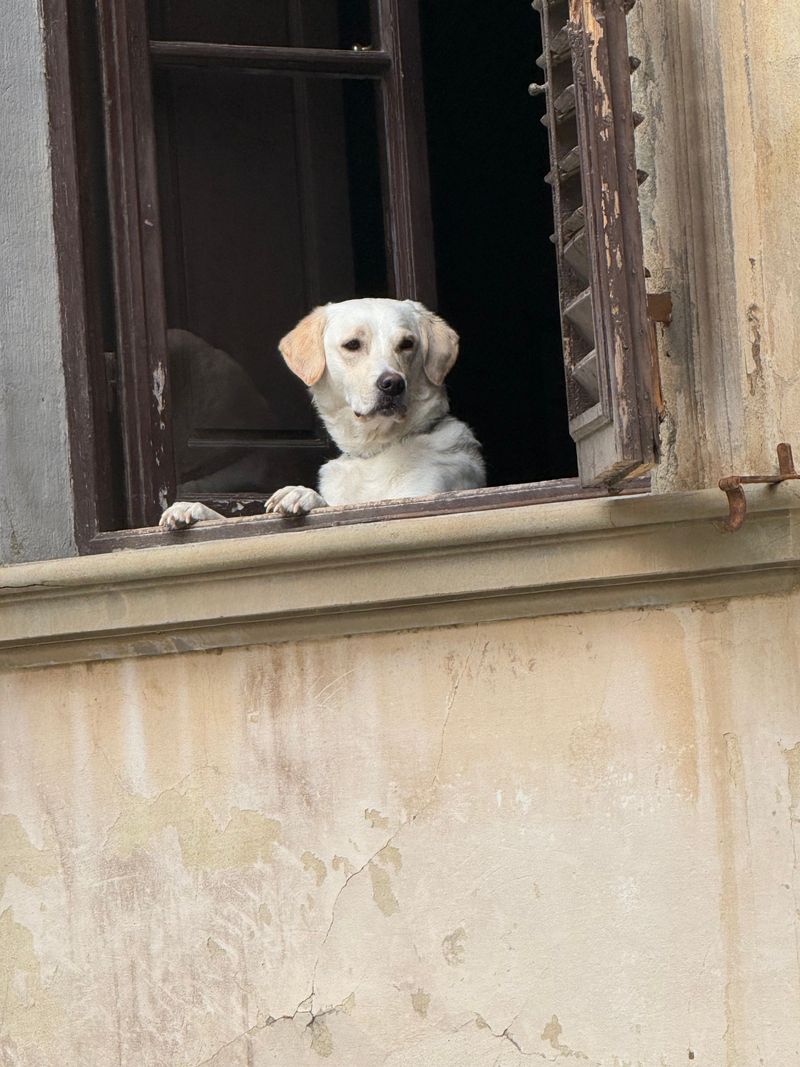
Road trip? New house?
Surprise guests? Most Labs just wag and say, bring it on.
Did you know? Despite the name, Labradors actually come from Newfoundland, where they helped fishermen haul nets.
That easygoing work attitude stuck around.
Labs still need daily exercise and meals, but they handle shifting plans better than most. Just watch the snacks, since this food-loving breed will happily accept extra treats at any hour.
Boston Terrier
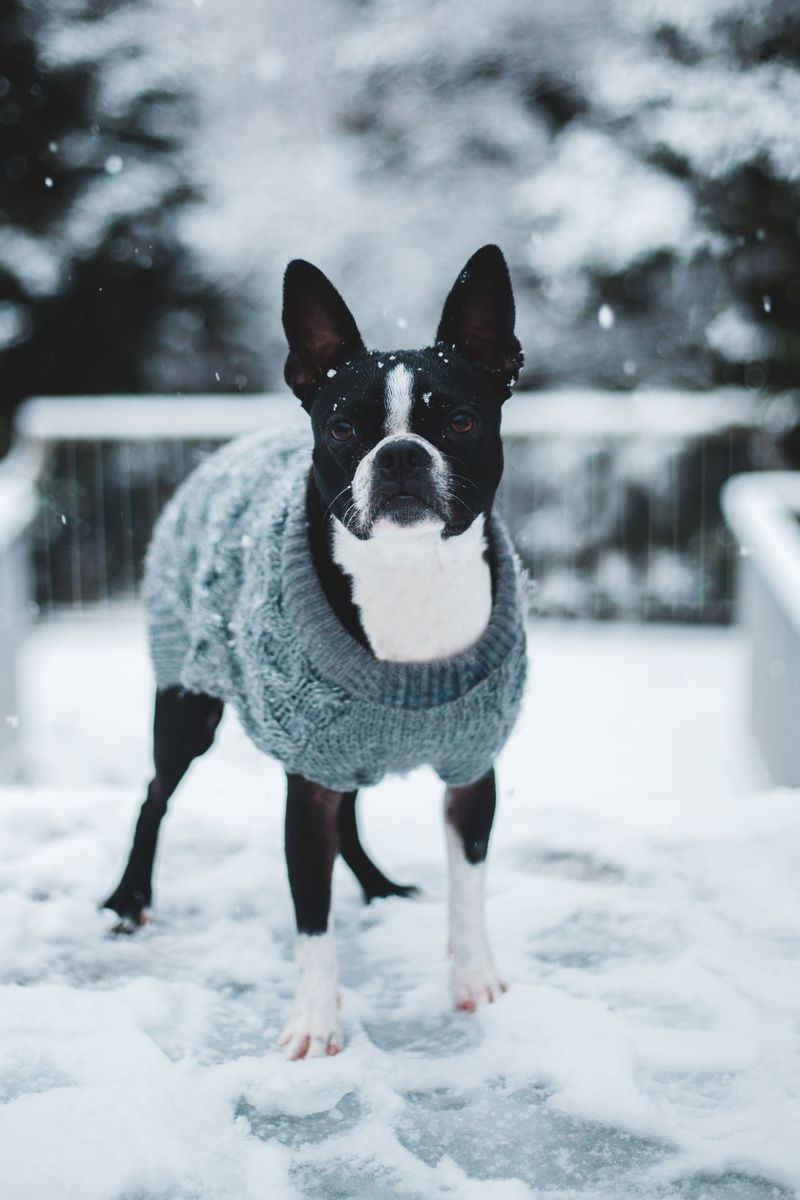
Dressed in a natural tuxedo, the Boston Terrier is called the American Gentleman. It was one of the first breeds developed in the United States.
Bostons go with the flow, whether you live in a busy city apartment or travel often. Their cheerful, flexible attitude makes changes feel like fun adventures.
Still, keep them cool in hot weather because of their flat faces. Otherwise, these pals adjust happily to almost anything.