
A small dog standing its ground can seem funny until you learn what its ancestors were bred to do. Some went underground after fierce animals, while others guarded sheep or helped protect people.
Those old jobs help explain the bold streaks we still see today. Knowing that history can also help you give your dog safer outlets for its energy and instincts.
Dachshund
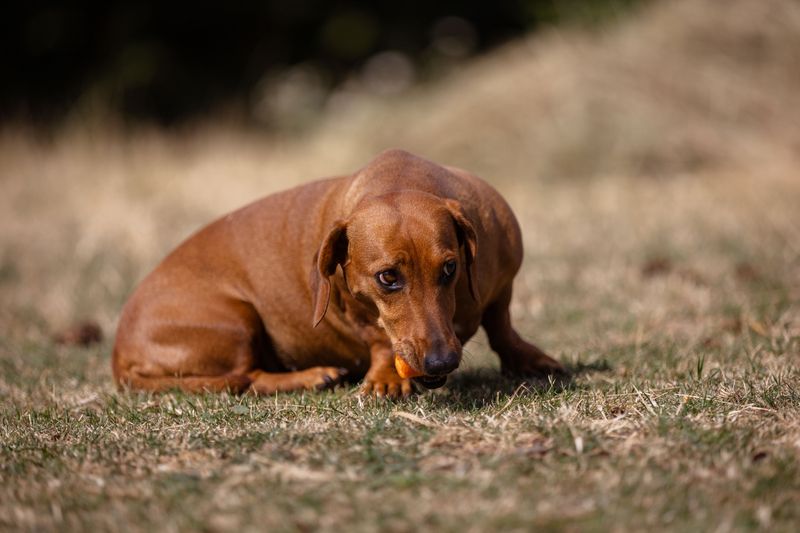
Short legs never meant a small assignment. Developed in Germany, Dachshunds were bred to follow badgers into underground tunnels, where turning around or getting help could be difficult.
Their loud voices helped hunters locate them below ground.
That background makes their stubborn bravery easier to understand. Offer scent games and supervised digging instead of expecting quiet obedience all day.
Protect their long backs with sensible exercise, and never encourage them to chase wildlife into holes.
Jack Russell Terrier
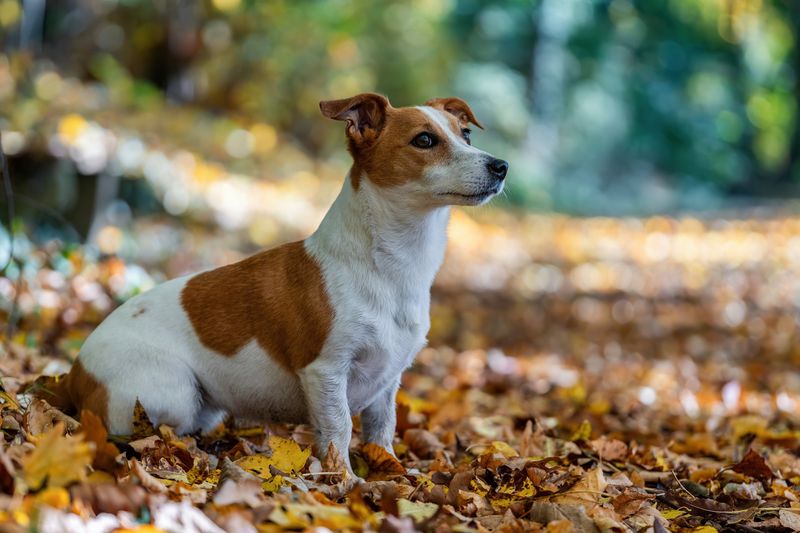
A bouncing little athlete might once have followed a fox underground. Jack Russell Terriers were developed for fox hunting in England, working with hunters and hounds to locate foxes and drive them from their hiding places.
Quick thinking and persistence mattered in those tight spaces. Today, that drive can become endless chasing or creative escapes.
Try short training sessions, food puzzles, and secure exercise areas rather than relying on a casual walk around the block.
Cairn Terrier
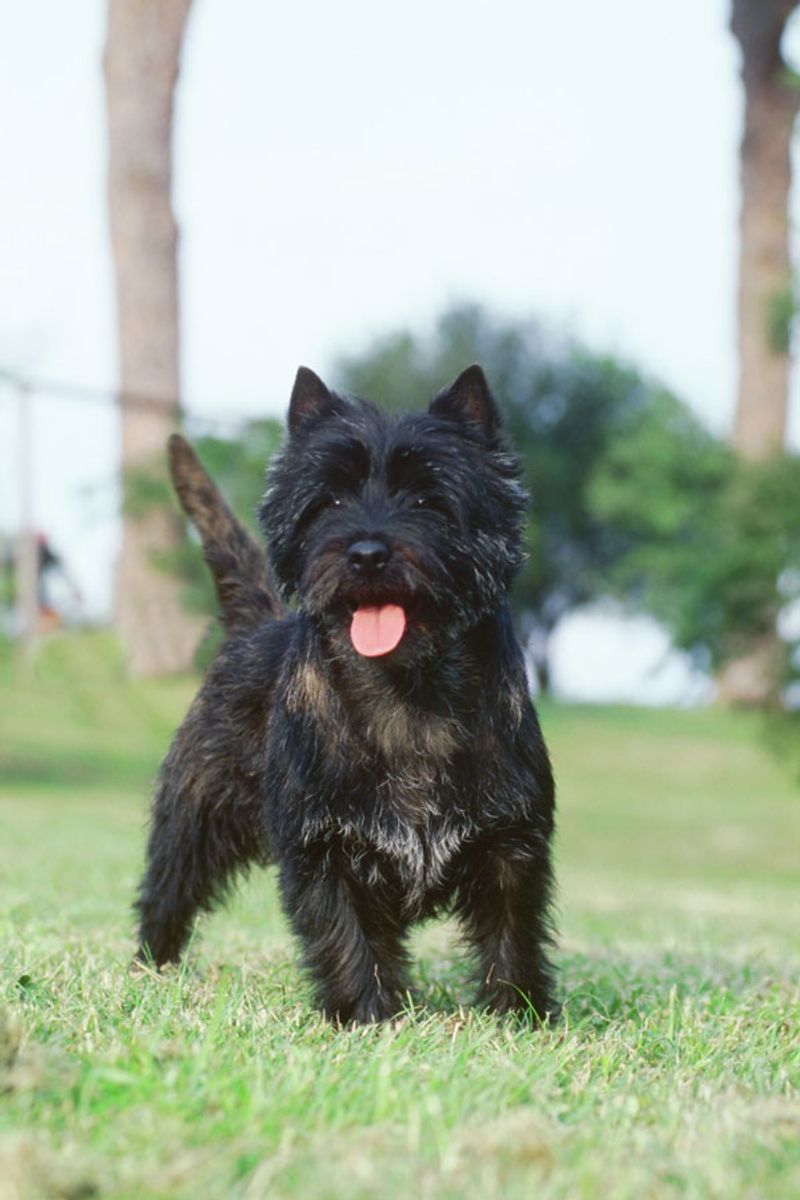
Picture a shaggy dog squeezing between cold, rough stones. Cairn Terriers worked in Scotland, searching rock piles and other shelters for animals such as rats and foxes.
Their name comes from the stone cairns found across the landscape.
Small size helped them reach trouble, but confidence helped them handle it. Give that busy nose something useful to investigate with hidden treats.
Supervise outdoor exploring, because a fascinating scent can quickly outweigh your request to return.
Scottish Terrier
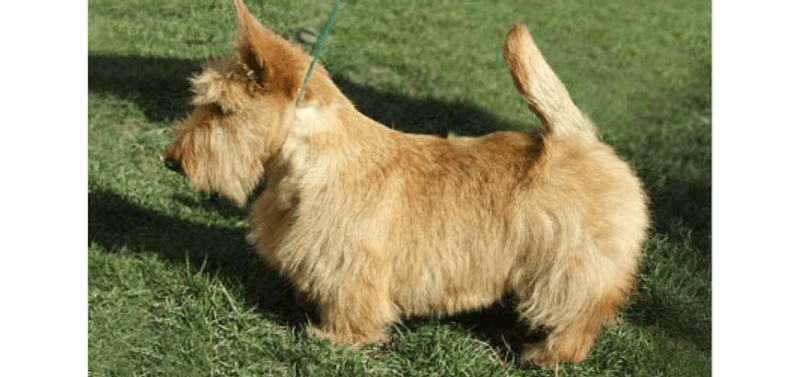
Behind that serious beard sits a determined worker. Scottish Terriers were bred to hunt animals considered farm pests, including rats, foxes, and badgers.
Going into dens demanded strength, grit, and a willingness to keep working without constant guidance.
Independence was useful then, even if it complicates training now. Keep lessons brief and rewarding rather than turning them into contests.
Respect personal space, introduce unfamiliar dogs carefully, and provide safe games that satisfy the urge to search.
West Highland White Terrier
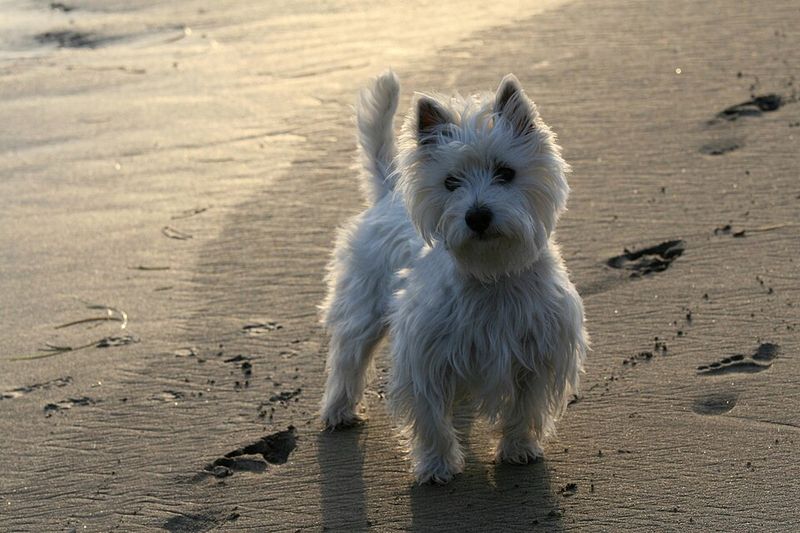
Looking like a walking snowball did not make the job gentle. West Highland White Terriers came from Scottish working terriers that hunted rats, foxes, and other animals around farms and rocky ground.
Their pale coats helped distinguish them from prey.
Under that cheerful appearance, many still have strong hunting instincts. Use a leash near wildlife and offer playful searches at home.
Reward calm behavior around smaller pets, but do not assume training removes every chasing impulse.
Airedale Terrier
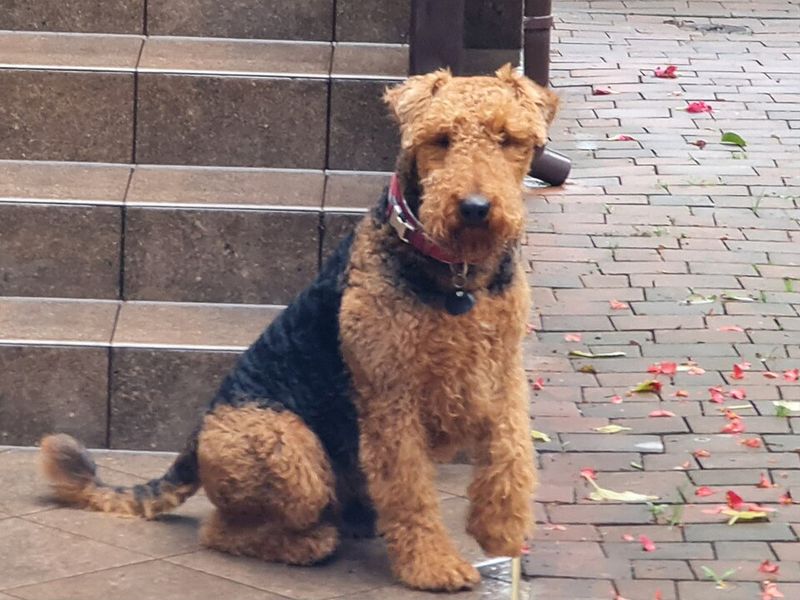
Water, mud, and sharp teeth were part of the assignment. Airedale Terriers developed in England’s Aire Valley, where their ancestors hunted rats and helped pursue otters.
They needed stamina on land and confidence around rivers and challenging quarry.
Later work included police and wartime duties, adding to their reputation for versatility. Channel that capable mind into tracking games and reward based training.
Swimming can be enjoyable, but introduce water gradually and supervise every outing near currents.
Rhodesian Ridgeback
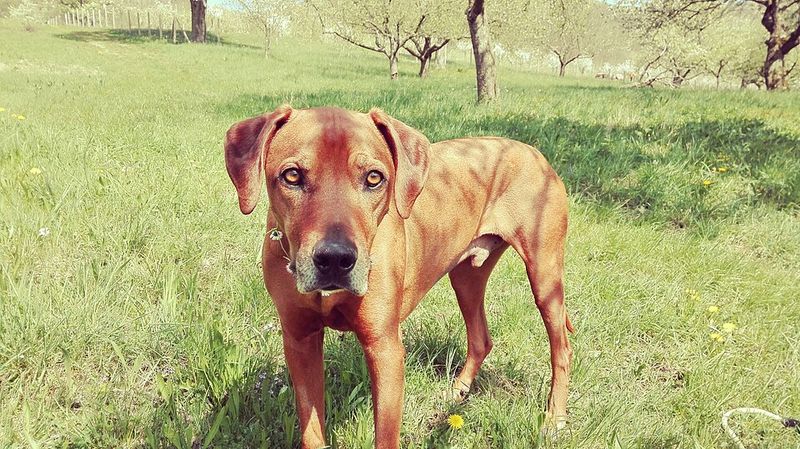
Few ancestral tasks sound more daunting than tracking a lion. In southern Africa, the dogs behind the Rhodesian Ridgeback helped hunters locate lions and keep them at bay.
Their role was not to kill lions, despite a common myth.
Survival required agility, restraint, and teamwork rather than reckless attacks. Remember that distinction when raising one today.
Build reliable recall, use secure fencing, and reward calm choices, especially around wildlife or situations that trigger protective behavior outdoors.
Great Pyrenees
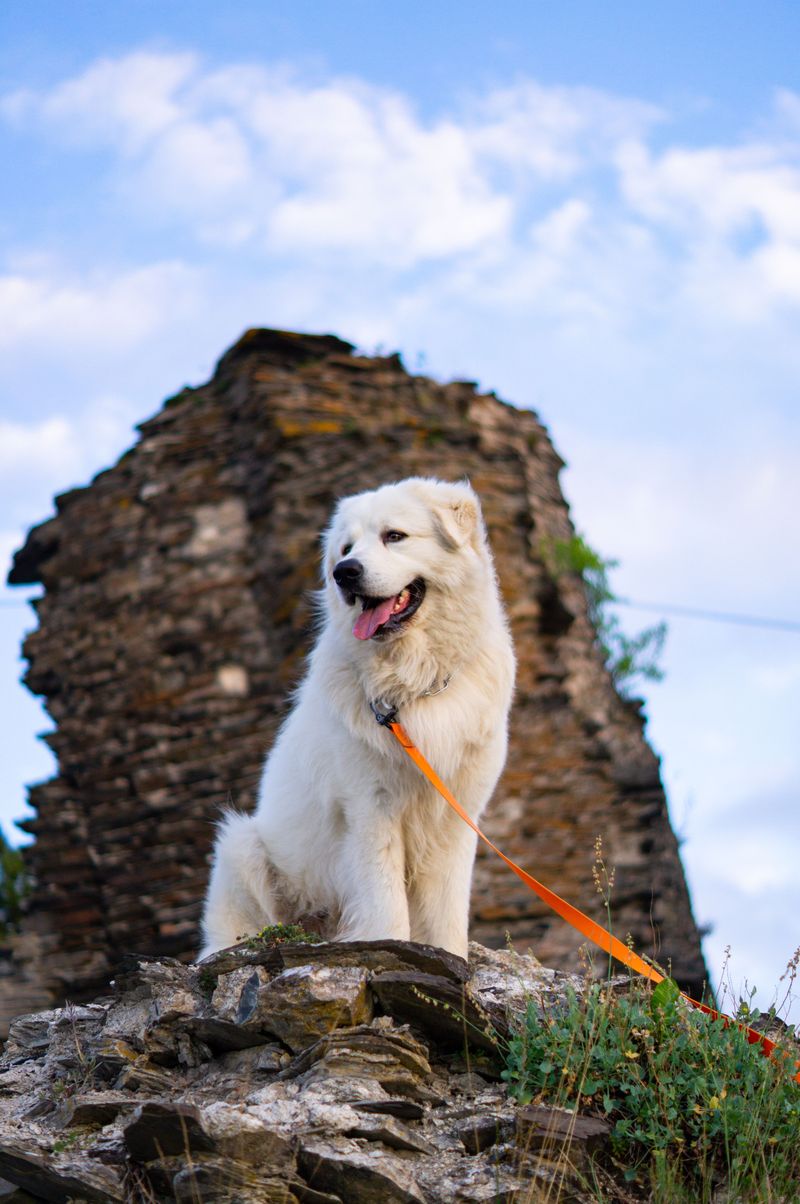
Imagine spending the night beside sheep while wolves move nearby. Great Pyrenees guarded livestock in the Pyrenees mountains between France and Spain.
Their size, thick coats, and independent judgment helped them work outdoors with limited direction from people.
That watchful history explains why barking and boundary patrols can feel natural. Plan for secure fencing and patient training, not constant silence.
Give them a comfortable resting spot and teach visitors how to approach without creating unnecessary alarm.
Rottweiler
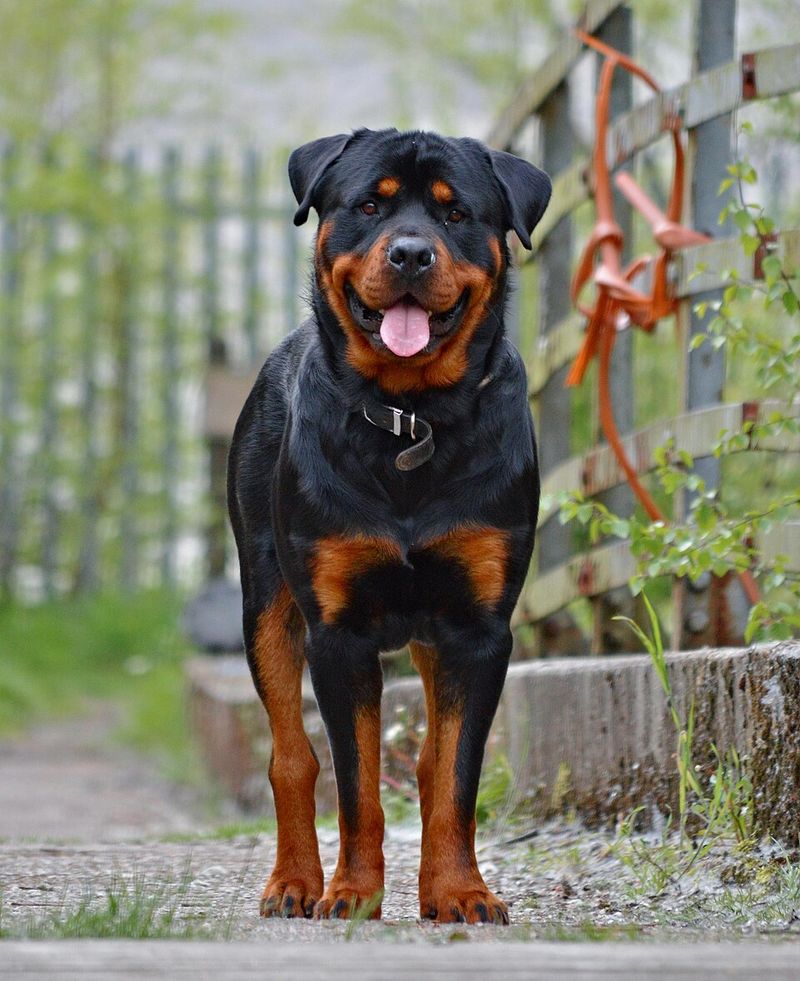
A stubborn cow can be a dangerous opponent. Rottweilers developed as cattle driving and guarding dogs around Rottweil, Germany, helping butchers move livestock and protect property.
Their ancestors needed enough strength and confidence to handle large, unpredictable animals.
Modern life calls for control rather than force. Practice loose leash walking early, reward polite greetings, and introduce everyday sights gradually.
A powerful dog benefits from clear routines and kind handling, not attempts to make it more intimidating.
Akita
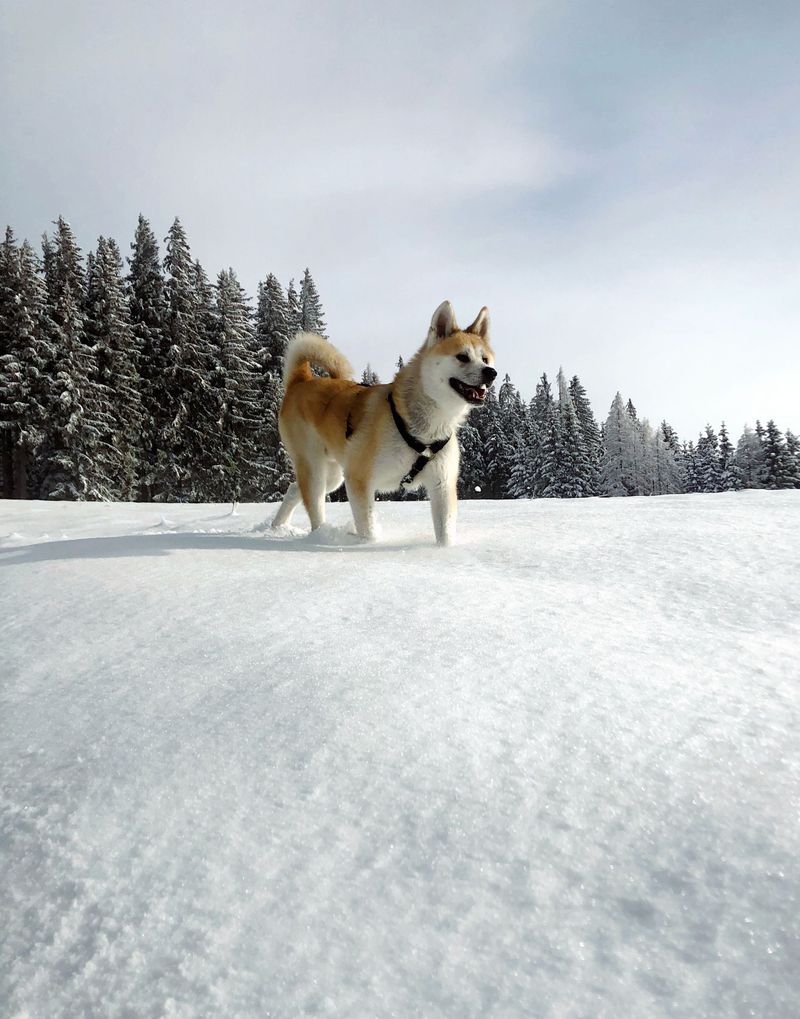
Snowy forests shaped a hunter with serious resolve. Akitas trace their roots to northern Japan, where hunting dogs pursued large game, including wild boar and bears.
Those encounters demanded endurance and courage, although the modern breed developed through later changes.
Quiet confidence does not mean automatic comfort with strangers or other dogs. Introduce new experiences thoughtfully and avoid crowded greetings.
Consistent training and careful management matter more than testing bravery or expecting every Akita to behave alike.
Bullmastiff
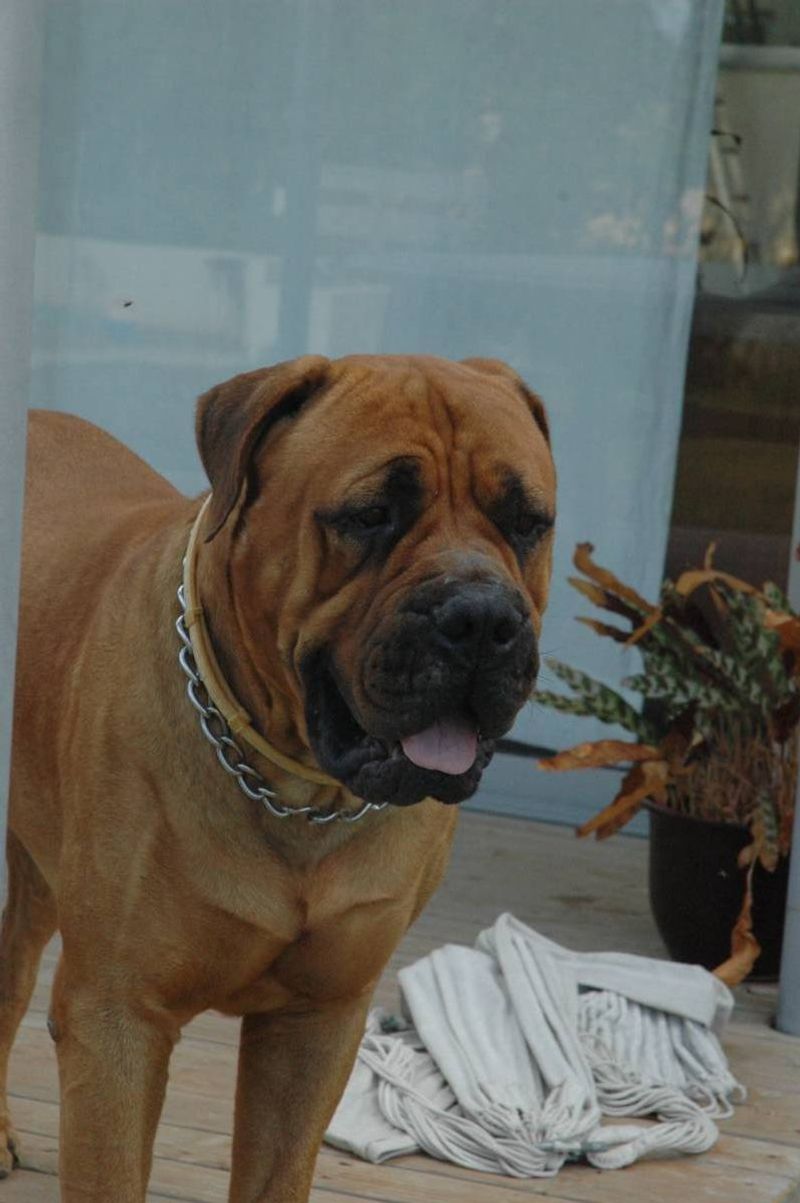
Dark woods and an armed trespasser made a risky workplace. Bullmastiffs were developed in Britain to help gamekeepers protect estates from poachers.
Combining Mastiff size with Bulldog determination, they were expected to track intruders and help hold them until assistance arrived.
That history explains their imposing presence, not a need for aggression. Focus on calm greetings, comfortable handling, and dependable basic cues.
Never stage threatening encounters to test courage; responsible ownership means helping a strong dog relax.