
Designer dogs might look like the perfect shortcut to a dream pet, but behind those adorable faces are questions that deserve your attention. Health testing, responsible pairing, and honest expectations are not optional when lives are involved.
Before you fall for a viral photo, you should know the risks, the red flags, and the choices that truly help dogs. Let’s explore the most debated crosses so you can choose with clarity and compassion.
Pomsky
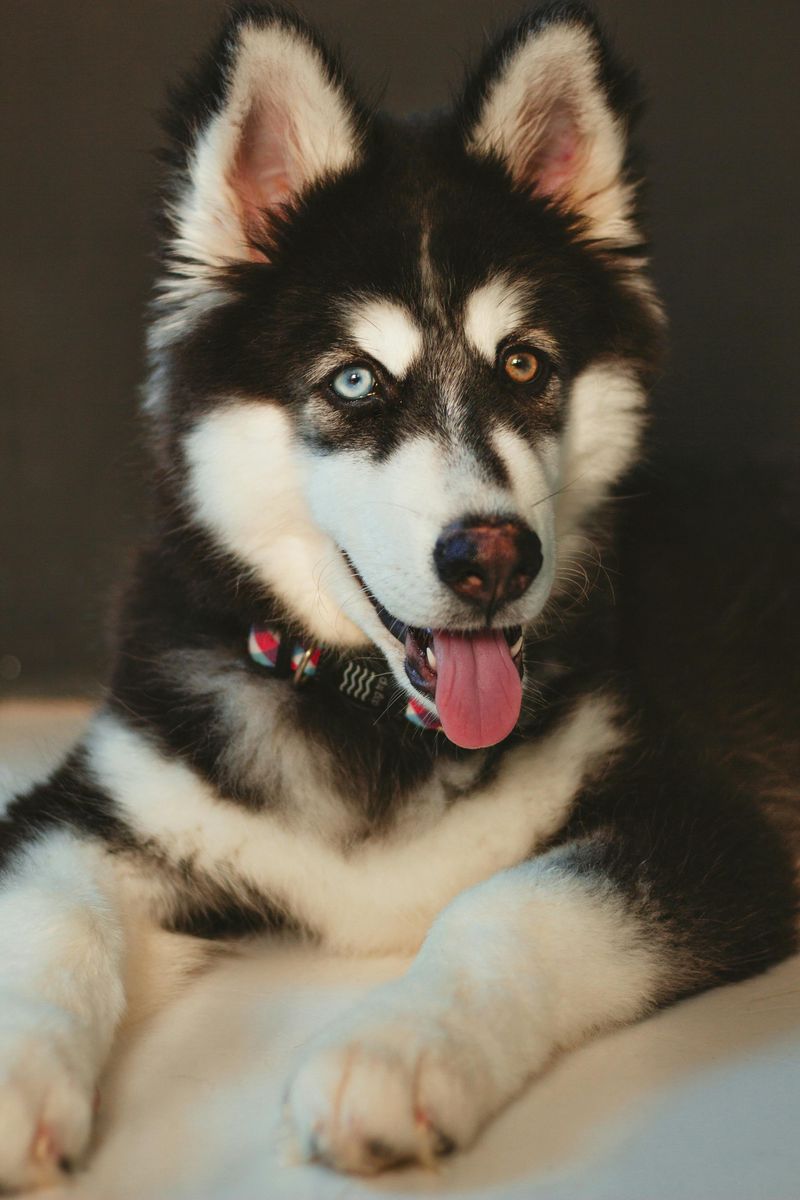
Pomskies look irresistibly cute, but their origins raise tough questions. Crossing a Pomeranian with a Siberian Husky can involve risky size mismatches, artificial insemination, and anesthesia for delivery.
You also get wildly unpredictable traits, so you might bring home a tiny fluffball that develops intense prey drive, separation anxiety, or heavy shedding you never expected.
Ethically, you should ask who benefits. Breeders may chase viral looks while parent dogs carry the burden of stress and health testing that is sometimes skipped.
If you love the aesthetic, consider adopting a Husky mix from a shelter, or meet responsible breeders who prioritize temperament, genetic screening, and lifetime takebacks. Your future dog, and your conscience, will thank you.
Labradoodle
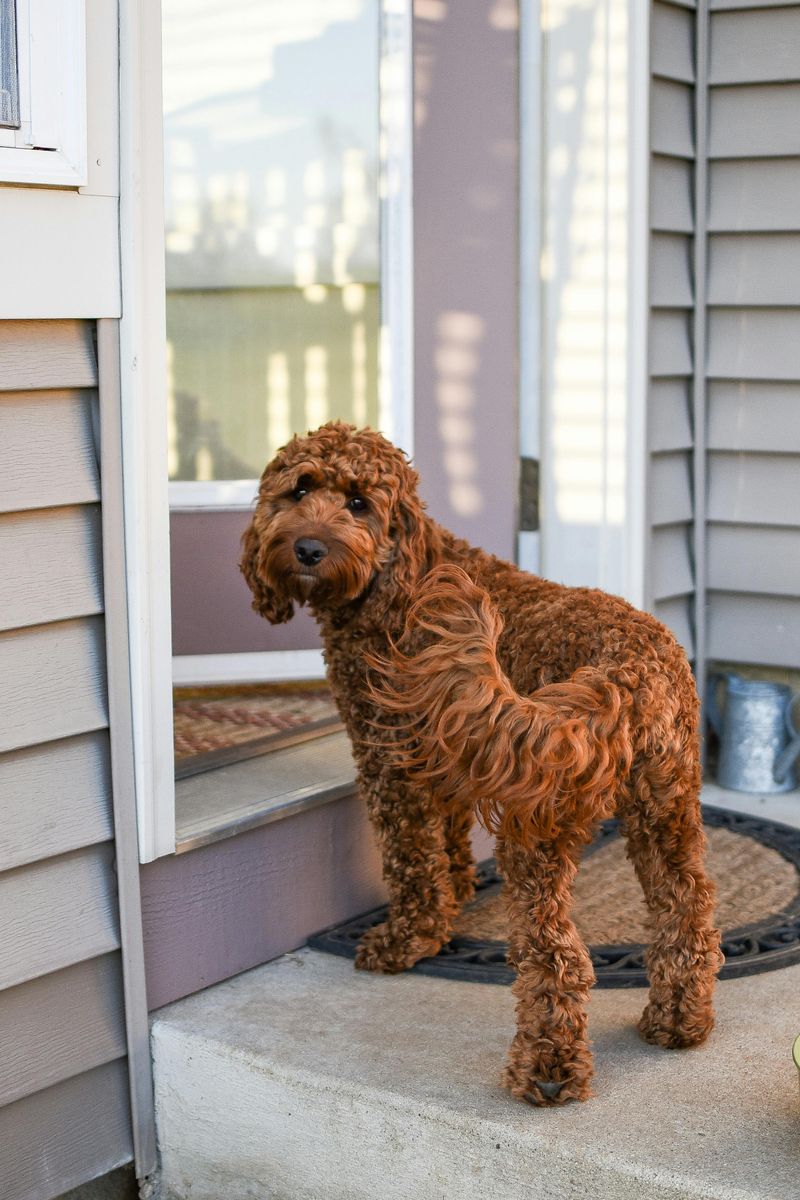
The Labradoodle story started with the hope of hypoallergenic guide dogs, yet the reality became a booming trend with inconsistent results. Many puppies still shed, develop allergies, or inherit joint and eye problems from either parent.
You might also see extreme energy paired with sensitive temperaments that overwhelm first time owners and lead to rehoming.
Ethical concerns include overbreeding, weak health guarantees, and marketing that promises allergy friendly coats without proof. Ask breeders for OFA hips and elbows, eye certifications, and DNA panels for PRA and other conditions.
Meet both parents to gauge temperament and trainability. If rescue feels right, doodle specific groups exist nationwide, ready to match you with a wonderful dog without fueling questionable demand.
Goldendoodle
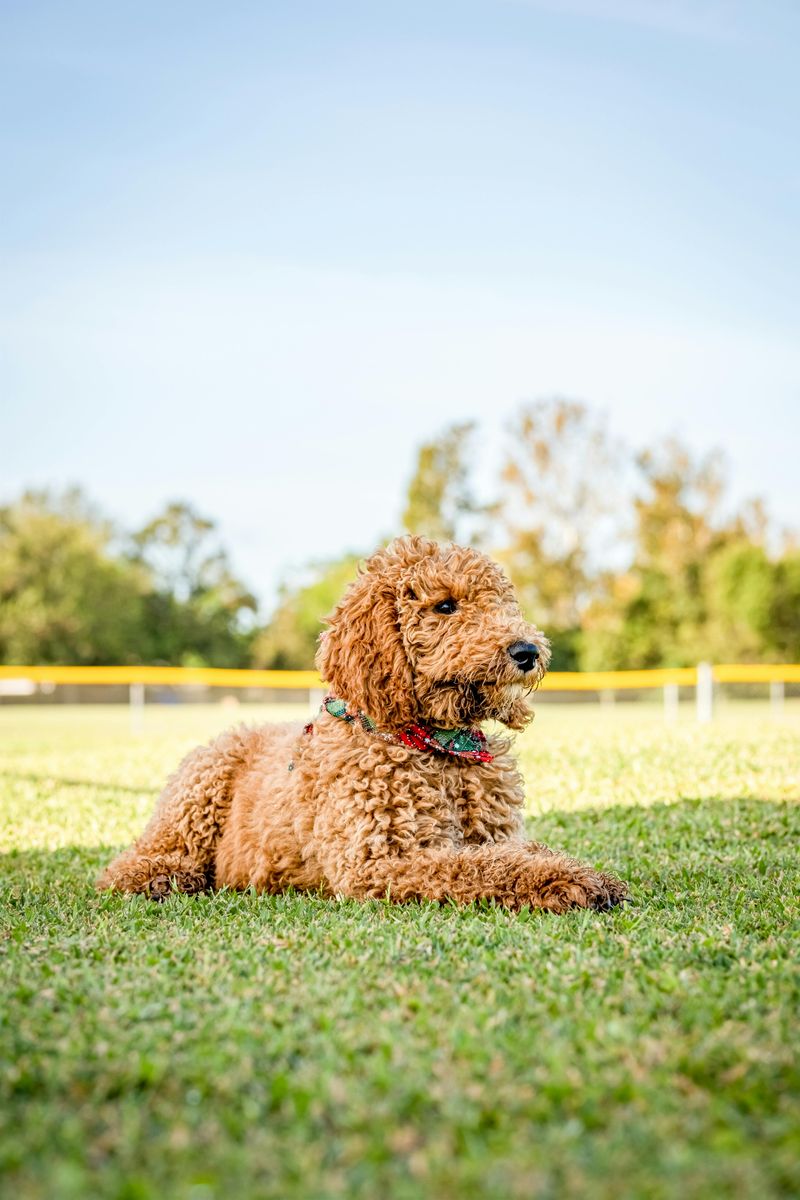
Goldendoodles bring Golden Retriever sweetness together with Poodle smarts, but that combo can hide serious health and ethical pitfalls. Hip dysplasia, skin issues, ear infections, and bloat risks do not disappear in a cross.
Coats range from curly to shaggy, meaning grooming costs and matting can spiral if you underestimate maintenance.
Ethically, flashy pricing and designer labels can incentivize mass production over welfare. Ask for clear genetic testing, structural evaluations, and transparent breeding histories across several generations.
You deserve full disclosure about coat type, probable adult size, and energy needs. If you crave this temperament blend, consider adult adoption where traits are known, or find breeders who stand behind every puppy with contracts and lifelong support.
Bernedoodle

Bernedoodles charm with teddy bear looks and goofy hearts, yet their lineage can amplify orthopedic trouble and cancer risks. Bernese Mountain Dogs are prone to shorter lifespans, and crossing with Poodles does not guarantee improvement.
You may also encounter stubbornness, intense velcro tendencies, and dramatic grooming needs that surprise families seeking a low effort companion.
From an ethics standpoint, honest breeders carefully outcross, screen hips, elbows, and hearts, and avoid extreme size variants. Always request documentation and speak with prior puppy buyers about long term soundness.
Consider whether you can afford professional grooming and insurance. If doubts linger, explore adopting an adult Bernedoodle or a calmer large breed mix, reducing demand while still welcoming a wonderful friend.
Cavapoo

Cavapoos promise gentle companionship in a compact package, but inherited heart disease and syringomyelia risks from Cavalier lines demand frank discussion. Tiny size can attract impulse buyers who are unprepared for training, dental care, and separation anxiety.
You might face grooming schedules, tear staining, and fragile bone concerns that complicate life with busy kids.
Ethically, prioritize breeders who MRI scan Cavaliers for Chiari malformation and conduct cardiology exams annually. Ask to see results, not just assurances.
Responsible programs emphasize socialization, stable temperaments, and lifetime returns if placement fails. If your heart is set on a small, affectionate dog, consider rescuing a Cavalier or Poodle mix from a shelter, giving love without rewarding careless matchmaking or cute marketing.
Maltipoo

Maltipoos seem ideal for apartments, yet toy sized crosses can suffer from fragile tracheas, dental crowding, hypoglycemia, and patellar luxation. Unethical breeding sometimes selects for extreme tininess that magnifies risk and vet bills.
You may also encounter barking, separation distress, and grooming burdens that clash with long workdays or noise sensitive neighbors.
Make health the headline. Insist on OFA patella exams, cardiac screenings, and honest discussion about adult size estimates.
Meet breeders in person, view facilities, and observe how puppies recover from mild startle tests. If you want a pint sized companion without fueling questionable practices, connect with rescue groups or shelters.
Many small Poodle mixes are waiting, already spayed or neutered, and incredibly loving.
Puggle
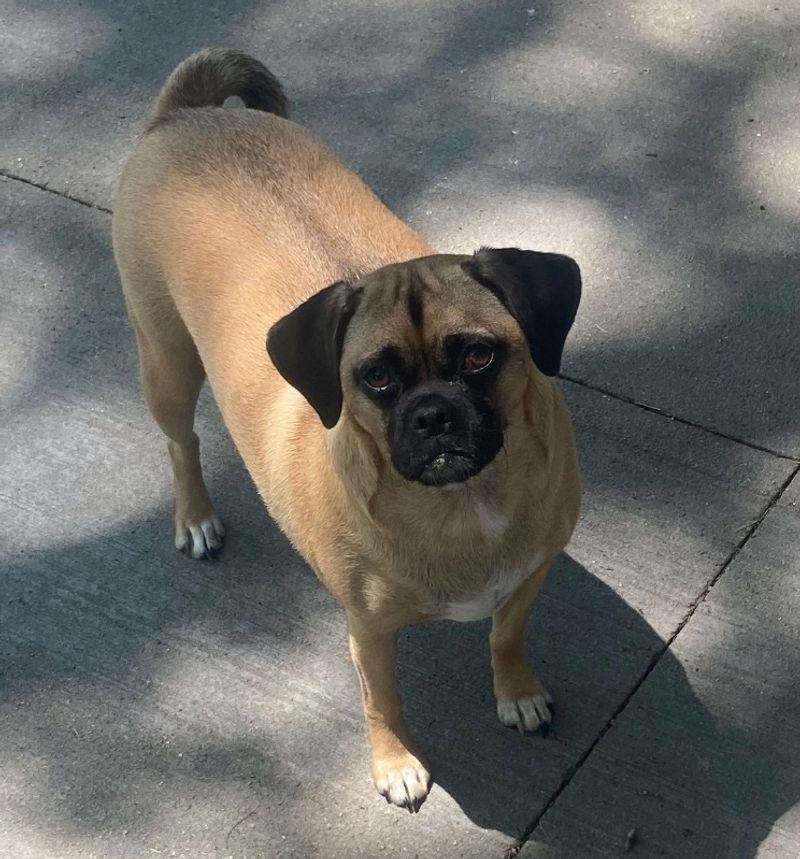
Puggles mix Pug and Beagle, often inheriting brachycephalic airways alongside relentless scent drive. That can mean noisy breathing, heat intolerance, and the urge to follow noses straight out the door.
You might also see stubborn streaks that test patience during house training, plus eye and skin issues that need ongoing care.
From an ethics view, normalizing breathing trouble as cute is a red flag. Seek breeders reducing muzzle extremes, testing for BOAS, and avoiding obesity in breeding stock.
Ask about nostril and airway evaluations, and commit to moderate exercise in cool conditions. If you love their clownish charm, consider adopting through breed rescues.
You will still get the laughs while taking a stand for healthier dogs.
Frenchton
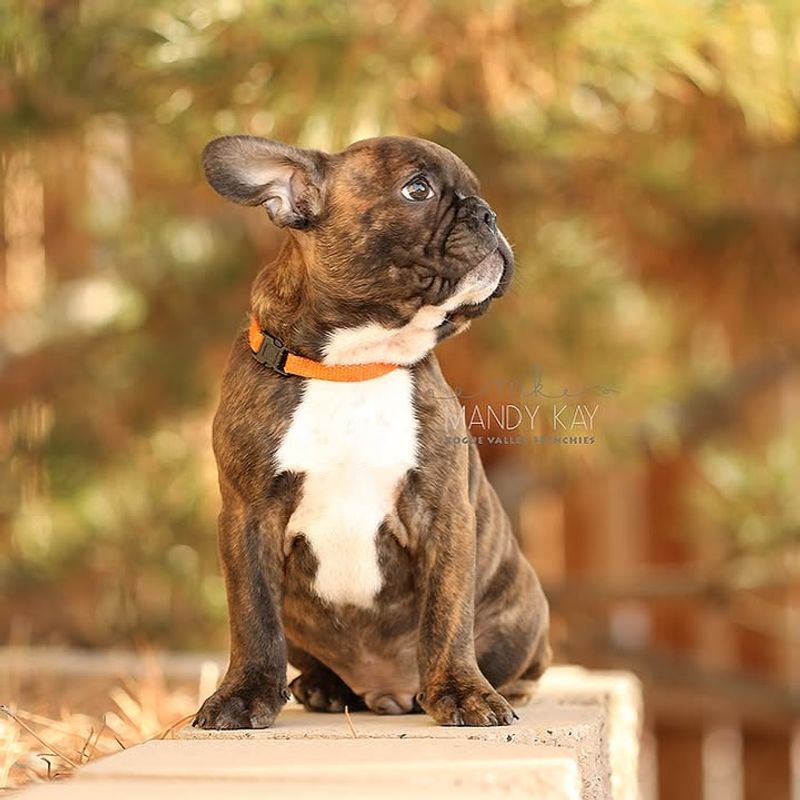
Frenchtons aim to soften French Bulldog extremes, yet many still struggle with restricted airways, spinal anomalies, and reproductive interventions. Breeding may require artificial insemination and cesarean sections, raising welfare questions beyond cute photos.
You could face year round skin folds maintenance, eye ulcers, and heat risks that limit daily fun and travel.
Ethically, we should demand open nostrils, longer muzzles, and athletic movement as nonnegotiable goals. Ask for BOAS grading, spine imaging where indicated, and proof that parents can breathe comfortably during light exercise.
Budget for insurance and potential surgery. If your heart wants that blocky charm, support rescue or seek the rare breeder prioritizing function first.
Your choice signals what the market rewards.
Chiweenie

Chiweenies combine Chihuahua sass with Dachshund tenacity, a mix that can challenge households expecting an easy lapdog. Back issues from elongated spines remain a risk, and tiny jaws mean dental bills stack up quickly.
You might also navigate big bark in a small body, reactivity to strangers, and house training setbacks.
Ethically, avoid novelty breeding for extreme miniatures or unusual colors. Ask about IVDD awareness, safe exercise routines, and stairs or furniture rules to protect spines.
Meet the parents to gauge confidence and noise levels. If you want this spirited package, consider adopting a small mixed breed from a shelter, where adult temperament is clearer and you reduce incentives for careless pairings chasing trends.
Sheepadoodle

Sheepadoodles look like living plush toys, but size, coat, and drive can overwhelm unprepared homes. Old English Sheepdogs and Poodles both bring grooming intensity, and the cross can create matting nightmares without daily care.
You may also get herding instincts, mouthiness, and bouncy energy that clashes with toddlers or sedentary lifestyles.
From an ethics angle, breeders should screen hips, elbows, eyes, and thyroid, and refuse to oversell hypoallergenic claims. Ask for clear contracts, socialization plans, and support if grooming or behavior becomes challenging.
Budget time for training classes and regular coat maintenance. If your schedule is packed, adopt an adult or lower maintenance mix.
Loving a dog means matching needs, not just falling for photos.
Yorkipoo
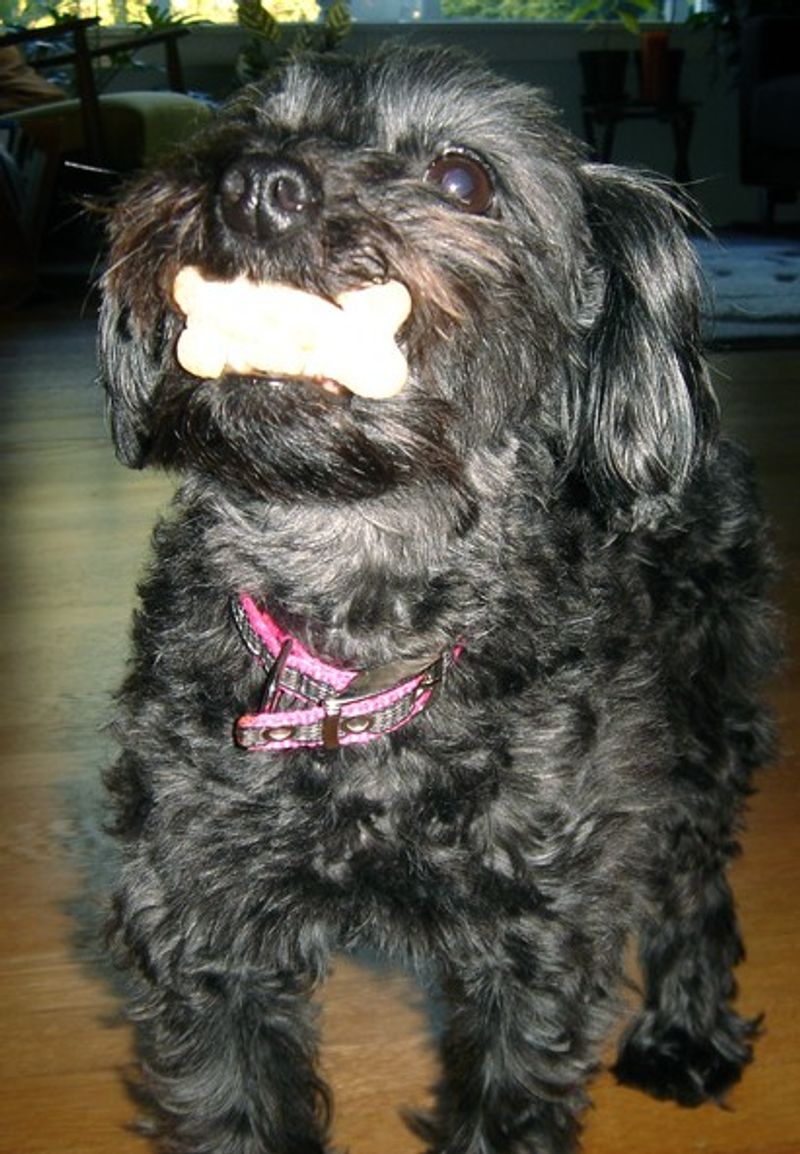
Yorkipoos promise portable charm, but tiny frames and silky coats come with tradeoffs. Patellar luxation, dental disease, tracheal collapse, and low blood sugar are common concerns in toy crosses.
You might juggle frequent grooming, bark management, and careful handling around children or stairs to prevent injuries.
Ethically, avoid teacup marketing that glorifies fragility. Ask for patella certifications, cardiac checks, and honest adult weight ranges.
Meet breeders who socialize puppies to household sounds and gently encourage confidence. If you love the look and spunk, consider adopting a small terrier or poodle mix from a rescue.
You will still get sparkle and snuggles while steering clear of vendors who prioritize size over soundness and long term welfare.