
Dogs communicate through a variety of behaviors, some of which might seem like disobedience but are actually signs of stress. Understanding these signals can help you better support your furry friend. Here’s a look at 11 such behaviors.
Freezing or Suddenly Becoming Very Still

Ever noticed your dog suddenly stop and freeze mid-play? This behavior might seem puzzling, but it’s a classic stress signal. When overwhelmed, dogs often become very still as a way to process what’s happening around them.
This momentary pause can indicate uncertainty about a situation. It’s their way of assessing potential threats. If your dog frequently freezes during outings, consider the environment.
Perhaps something is causing them discomfort. Offer reassurance by letting them set the pace. It helps reinforce their confidence.
Turning the Head Away or Avoiding Eye Contact
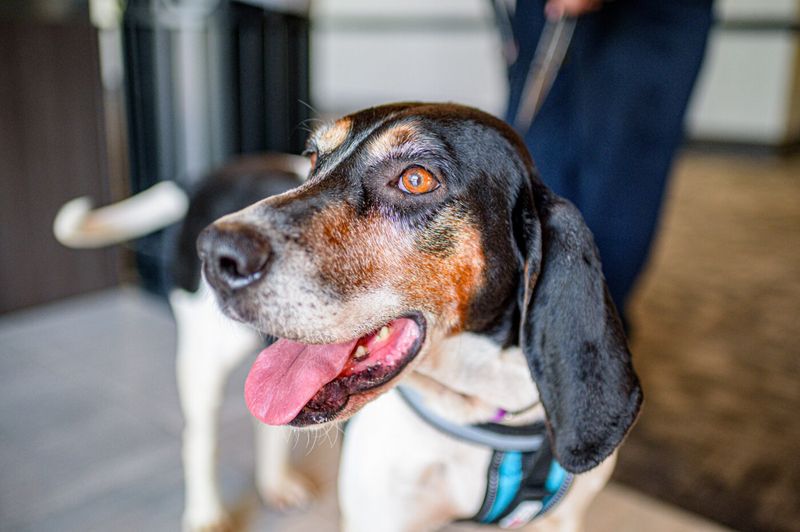
Averting their gaze might look disobedient, but for dogs, it’s a polite way to show they’re uncomfortable. In canine language, direct eye contact can be perceived as confrontational.
If your dog consistently avoids looking at you, they might be trying to say they’re not ready to engage. It’s a subtle request for space or time to acclimate to their surroundings.
Give them that time. Encourage their comfort by speaking softly and respecting their boundaries. This fosters trust and understanding.
Moving Slowly or Hesitating Instead of Responding

When a usually energetic dog suddenly becomes sluggish, it might not be laziness. Instead, it may be a reflection of uncertainty. Dogs often move slowly when they’re unsure or feeling pressured.
This hesitation allows them to assess a situation calmly. If your dog hesitates often, consider if the environment or command is causing stress.
Reassure them with a calm voice and gentle encouragement. Sometimes, a bit of patience is all they need to regain their confidence.
Excessive Sniffing to Avoid Interaction
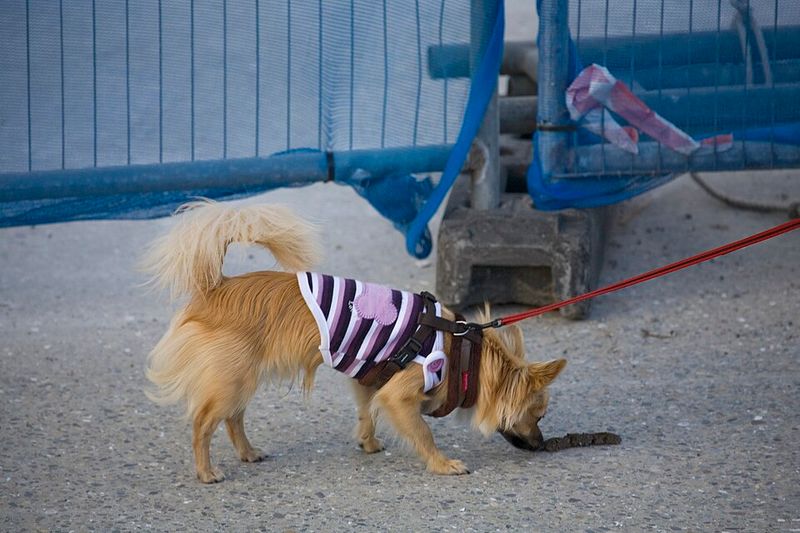
Dogs have an acute sense of smell, and they often use sniffing as a tool to gather information. However, excessive sniffing can be a way to avoid interaction.
When a dog feels stressed, focusing on scents allows them to disengage from overwhelming social situations. It’s their way of saying, “I need a moment.”
If you notice this behavior, allow them the space to explore and decompress. This can help them feel more secure and ready to engage.
Sitting or Lying Down During Cues They Normally Know
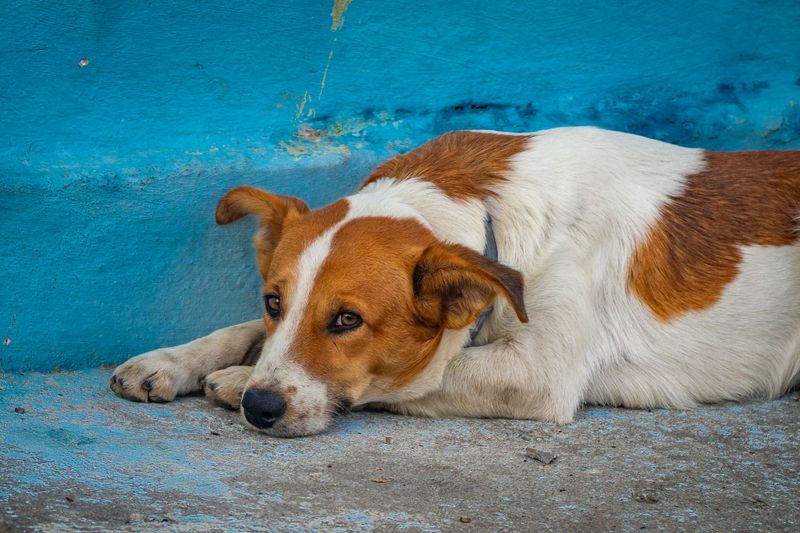
Imagine asking your dog to “sit,” only to have them lie down instead. This might seem defiant, but it often signals stress or confusion. Dogs may resort to this when they’re overwhelmed or unsure.
It’s their way of seeking comfort or avoiding pressure. Consider the surrounding environment or recent changes that might be affecting them.
Take a step back, simplify the cues, and offer positive reinforcement. Rebuilding their confidence is key to overcoming this behavior.
Lip Licking or Repeated Yawning Without Being Tired
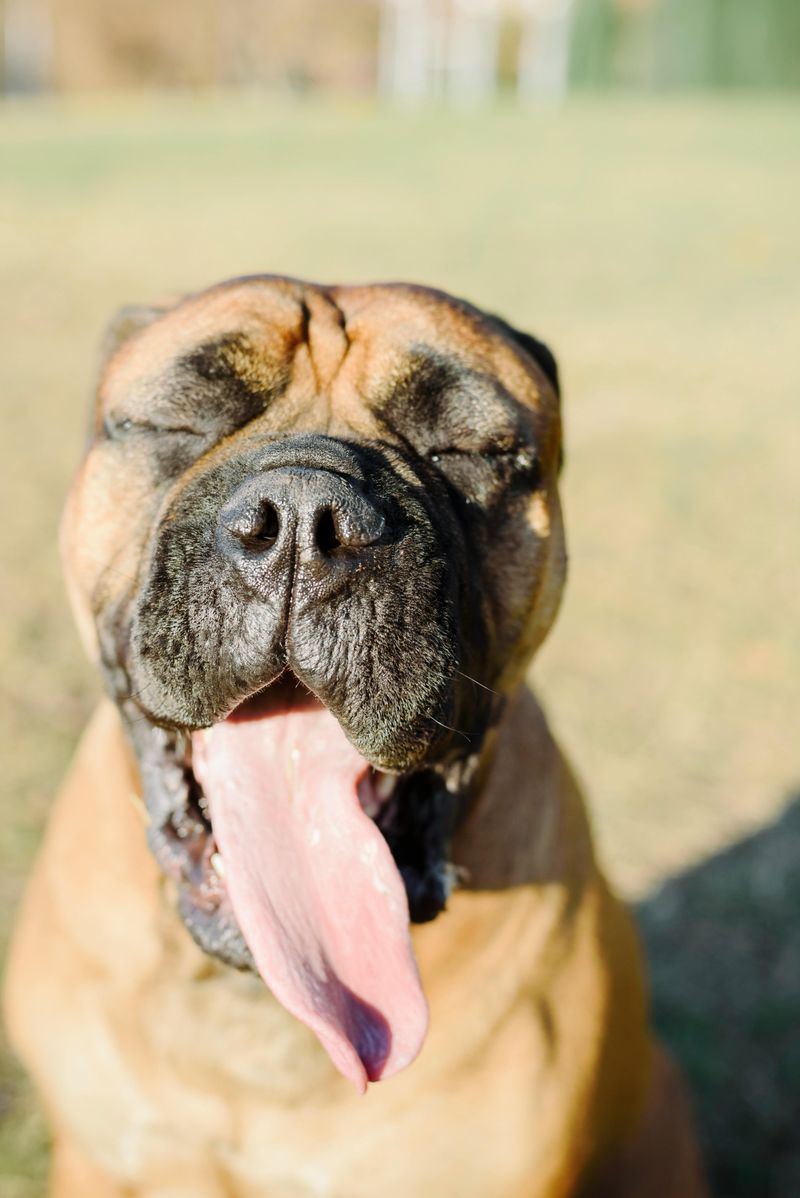
Lip licking and yawning might not seem unusual, but when excessive, they can signify stress. These actions are calming signals in dogs, used to ease tension in their surroundings.
Frequent lip licking often indicates nervousness or discomfort. Yawning, when not due to tiredness, serves a similar purpose, helping dogs manage their anxiety.
If your dog frequently exhibits these behaviors, assess their environment for stressors. Providing a calm and secure space can alleviate their concerns.
Walking Away Instead of Coming When Called
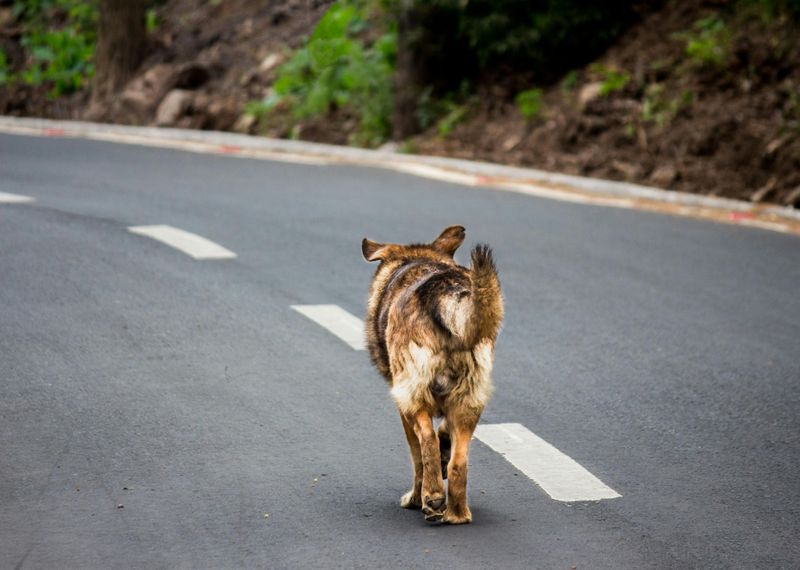
When a dog walks away instead of coming when called, it can be perceived as stubbornness. However, it often indicates stress or an attempt to avoid a situation.
Dogs may choose to distance themselves when they feel uneasy or pressured. It’s their way of saying, “I’m not comfortable right now.”
Respect their need for space and approach them calmly. Building a trusting relationship encourages them to feel more secure and responsive.
Sudden Scratching or Self-Grooming in Tense Moments
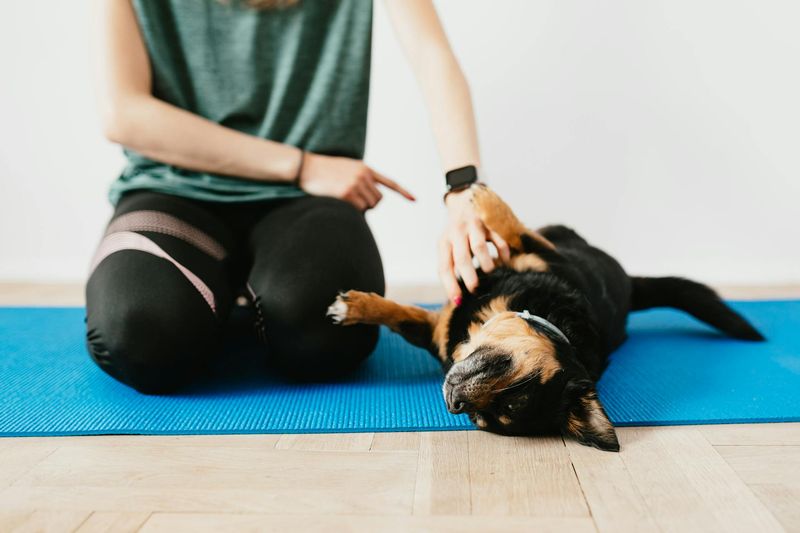
Scratching or self-grooming can be soothing behaviors for dogs, akin to humans fidgeting when anxious. If your dog starts scratching during a stressful event, it might be their way to cope.
This self-soothing action helps them manage overwhelming emotions. Consider the context and potential stressors when this occurs.
Offering a calm presence and gently redirecting their attention can help. Understanding and patience go a long way in supporting them.
Refusing Treats in Familiar Situations

Refusing treats, especially in familiar settings, can be a red flag. Many dogs find treats irresistible, so rejection may indicate stress or discomfort.
This behavior often occurs when dogs feel overwhelmed or anxious. It’s their way of signaling that something isn’t right.
Evaluate the environment for potential stressors and provide reassurance. Creating a calm and familiar space can encourage them to relax and regain interest in food.
Shaking Off as if Wet When Nothing is There
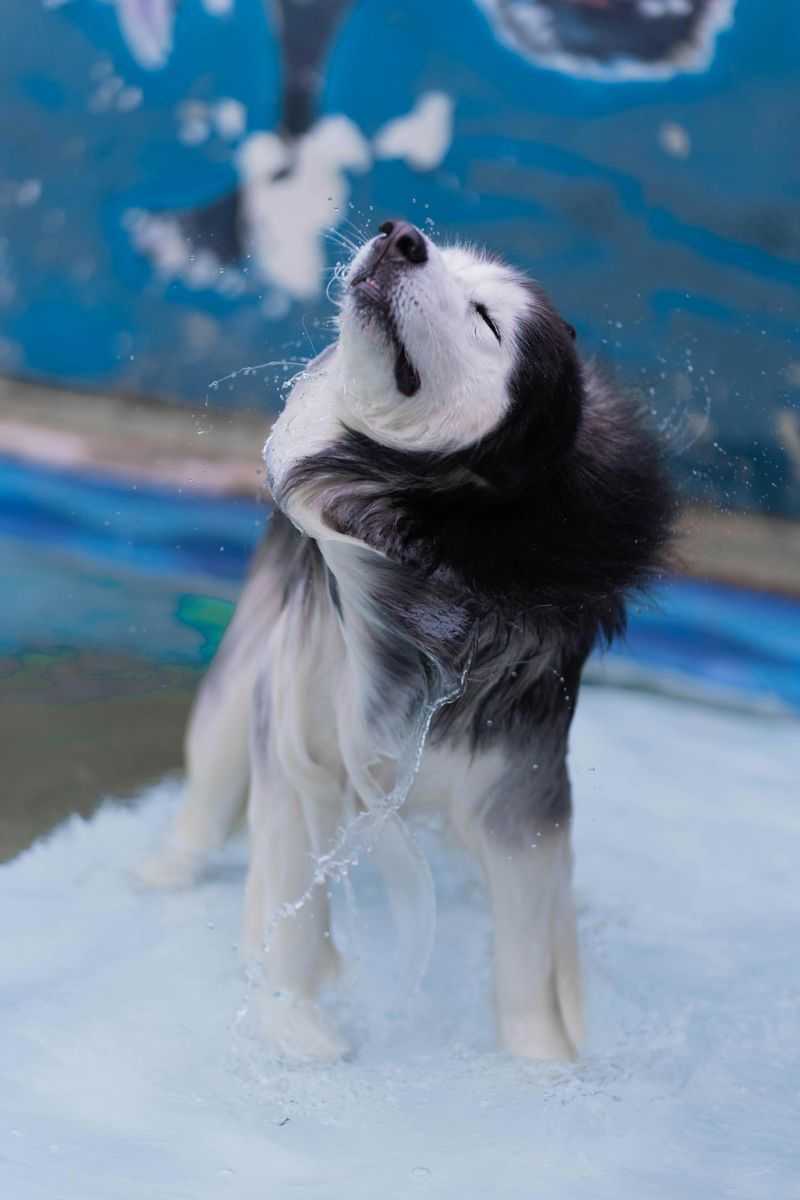
Dogs often shake off when wet, but doing so when dry can indicate stress. This behavior is akin to a reset button, helping them dispel tension.
Shaking off serves as a coping mechanism during overwhelming situations, allowing them to regain composure. Pay attention to the context in which this occurs.
Offering a supportive and calm environment can help reduce their anxiety. It’s essential to recognize these subtle signals to better cater to their needs.
Quiet Withdrawal Rather than Barking or Growling
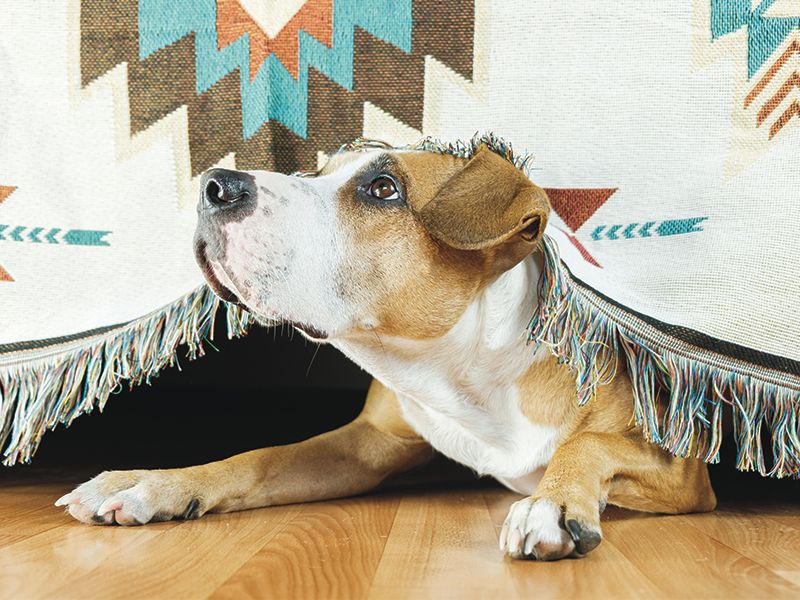
A dog that quietly withdraws instead of barking or growling might be feeling stressed or anxious. This behavior is a sign of retreat rather than aggression.
When dogs choose silence, they’re often overwhelmed and seeking solace. Observe the environment for stress triggers.
Creating a safe space away from chaos can help them feel more comfortable. Recognizing this behavior allows for better support and understanding.