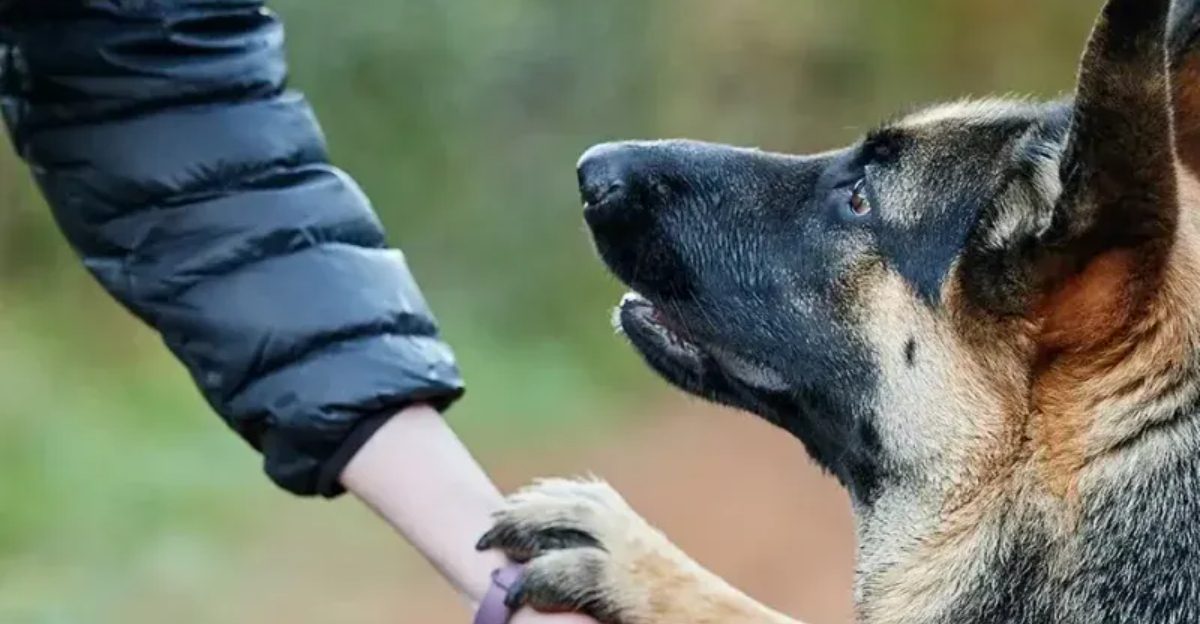
If you have ever felt like your dog just gets you, you are not imagining it. Dogs pick up cues we barely notice and respond with heartwarming accuracy.
From quiet eye contact to following you around the house, their behavior often mirrors your emotions. Let’s explore the subtle signs that show just how emotionally tuned in they really are.
Following you from room to room

Some dogs shadow you like loyal little satellites, padding behind from kitchen to hallway to couch. That steady following is not clinginess as much as emotional check ins, a quiet way to read your day.
They notice your pace, your sighs, even the way you carry the grocery bags, and calibrate themselves to you. When they trail you, they are making sure their person is safe and connected.
It can feel clingy, but see it as empathy. They gauge whether you need space or a nudge, adjusting without being asked.
Offer a calm word, a quick scratch, or a brief training game, and that following turns into teamwork. It is your relationship walking beside you, visible in every soft footstep.
Reacting to your tone of voice
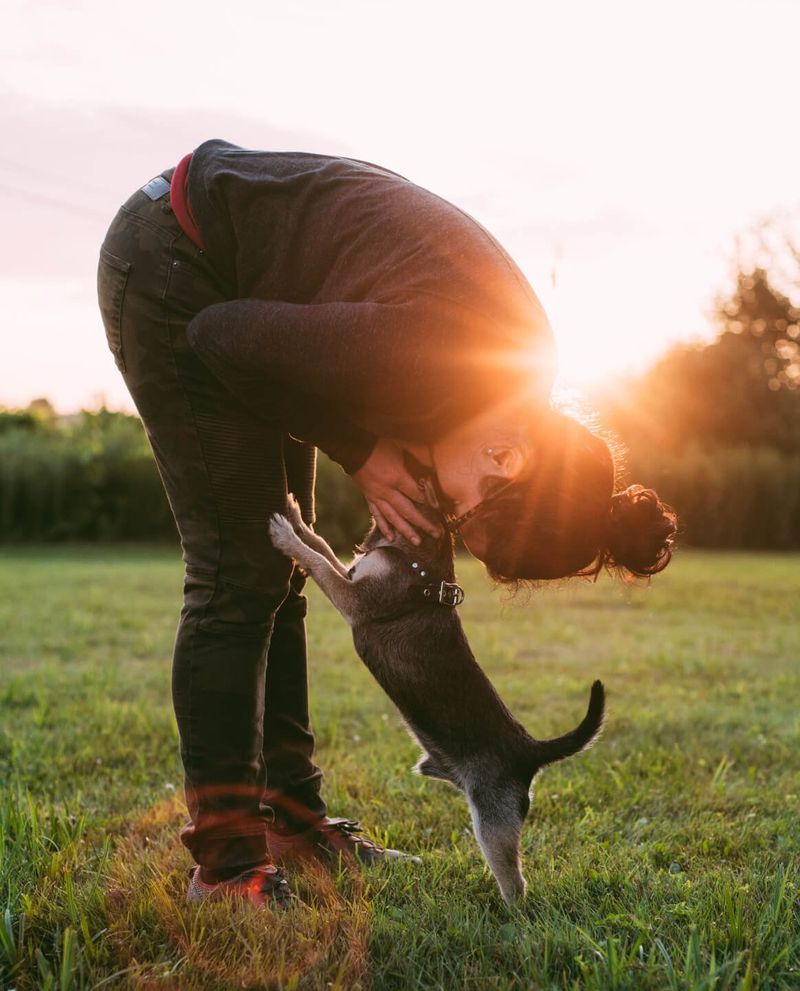
Your voice is a map dogs read with astonishing emotional accuracy daily. Rise upbeat, and their tails sketch bright arcs through the air happily.
Drop low and flat, and ears tilt, bodies soften, movement slows gently.
Tone is context, telling them whether play, patience, or caution fits today. Even subtle sarcasm can confuse, so clarity makes communication feel safe again.
Try soft encouragement for learning, warm praise for bravery, calm words soothing.
Avoid sharp scolding spirals that flood trust and shut curiosity down fast. When you breathe first, your tone steadies, and they mirror balance back.
They are not stubborn, they are decoding signals you sometimes blur inadvertently. Speak like a teammate, and watch cooperation blossom in real time beautifully.
Comforting you when you’re upset
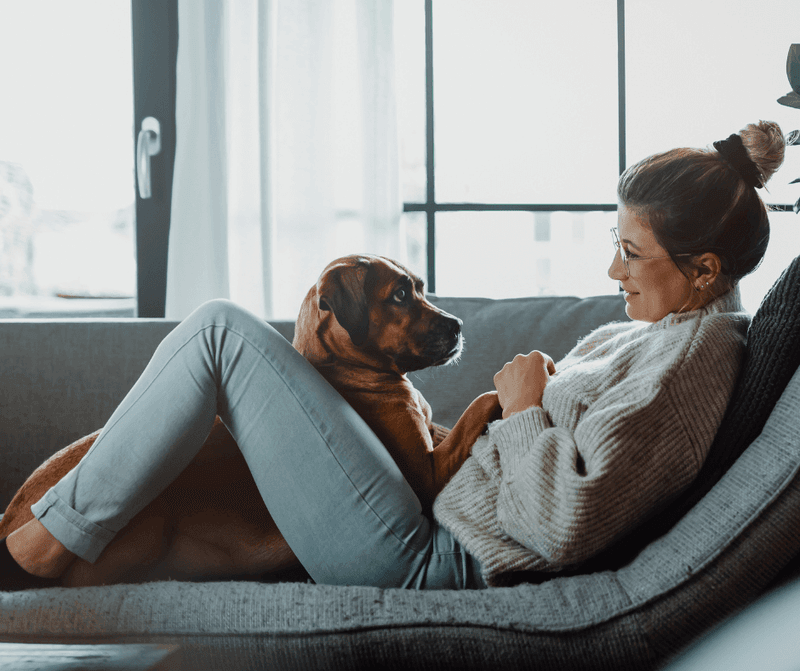
A gentle muzzle on your knee is not random affection at all. Dogs sense distress like weather, reading posture, scent, and breathing rhythms closely.
When tears appear, many approach quietly, offering contact without demanding attention first.
This is empathy, a social bond shaped by shared safety and reassurance. Your calm voice and slow strokes tell them their comfort is welcome.
Try thanking the effort, then guiding into a down, encouraging settled closeness.
Over time, they learn timing, duration, and boundaries around emotional support beautifully. You feel seen, and they feel useful, a perfect feedback loop forming.
Not every dog cuddles, yet many stay nearby, steady and present anyway. That companionship becomes courage, helping you regulate and reenter your day gently.
Maintaining eye contact
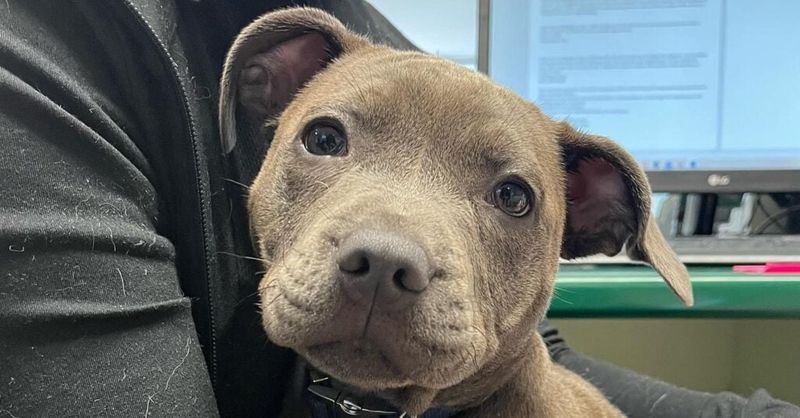
Soft eye contact releases oxytocin, deepening bonds and easing mutual stress naturally. It is not staring, which can feel threatening in dog language norms.
Think of glances as check ins, tiny heartbeats of connection and conversation.
During training, brief gazes ask questions, and your smile answers them clearly. When relaxing, lingering looks say safe, loved, and home, without words spoken.
If it feels awkward, blink slowly, soften shoulders, then reward calmly afterward.
Avoid hard, fixed staring that pressures dogs and spikes anxious arousal quickly. Let eye contact be invitations, not demands, especially with sensitive personalities around.
You will notice them offering glances more often, checking in gently themselves. Those quiet moments stitch trust, shaping a language you both understand deeply.
Bringing you toys when you’re down
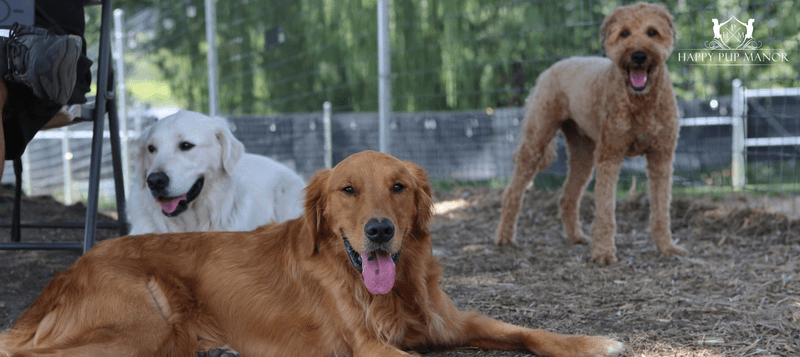
A toy delivery is not chaos, it is care wrapped playfully for. Dogs offer resources they value, hoping to spark movement and lighten moods.
Chewing or tugging can regulate stress, letting bodies discharge buzzing energy safely.
When you smile, they read success, and repeat the helpful routine later. If you cannot play, acknowledge the gift, then suggest a trade kindly.
Swap for a chew, scatter kibble, or start a short sniffing game.
They learn which offerings help, tailoring support to moments and moods beautifully. It is generosity, not bribery, fueled by empathy and shared joy inside.
Say thank you, then guide play into calm, reinforcing thoughtful choices together. Over time, that toy becomes a tiny lifeline you both recognize instantly.
Leaning against you for reassurance
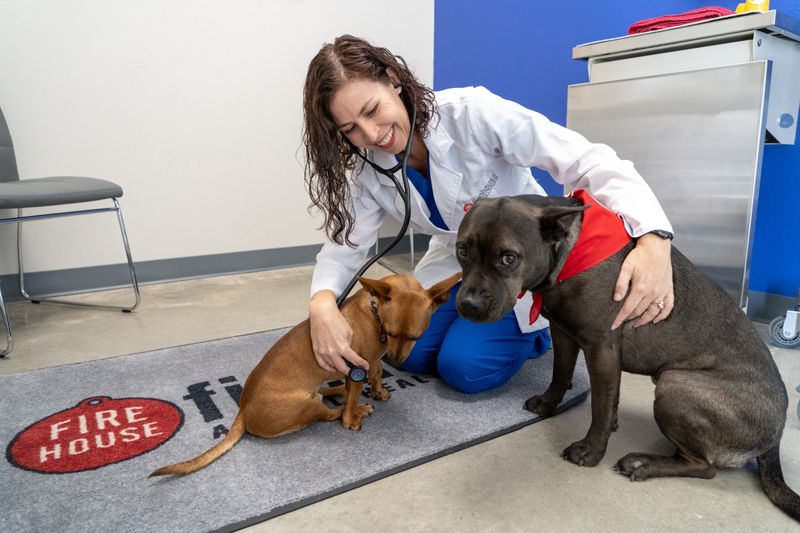
A warm lean is a weighted blanket, quiet pressure that grounds you. Dogs borrow stability through contact, settling nerves by sharing your calm energy.
You can breathe slowly, relax hips, and let shoulders drop naturally down.
This teaches regulation, modeling how bodies return from spikes to baseline again. If the lean becomes pushy, cue a sit, reward, then release gently.
Boundaries make reassurance safe, predictable, and sustainable for both of you long.
In noisy places, that pressure says I am here, follow me closely. During storms, it whispers togetherness, helping fear shrink to manageable size tonight.
Praise the choice to seek contact, because courage grows through practice daily. Soon leaning becomes language, a steady bridge across worrying moments for you.
Sensing tension in the household

Before arguments start, dogs register microshifts in scent, posture, and pacing patterns. They notice clipped replies, tighter footsteps, and doors closing too firmly nearby.
That awareness can trigger guarding, hiding, or clingy behavior seeking safety again.
Name the tension, soften voices, and offer decompression activities like sniffing walks. Create predictable routines so uncertainty fades and everyone knows the plan tomorrow.
Short training games rebuild agency, shifting energy toward cooperation and solutions together.
Provide safe zones with chews or beds where emotions can downshift comfortably. Avoid recruiting dogs into disputes, which confuses loyalties and heightens stress unnecessarily.
Praise calm choices during conflict, paying generously when peace returns to normal. They thrive when households communicate clearly, honestly, and kindly, especially under pressure.
Responding to your facial expressions
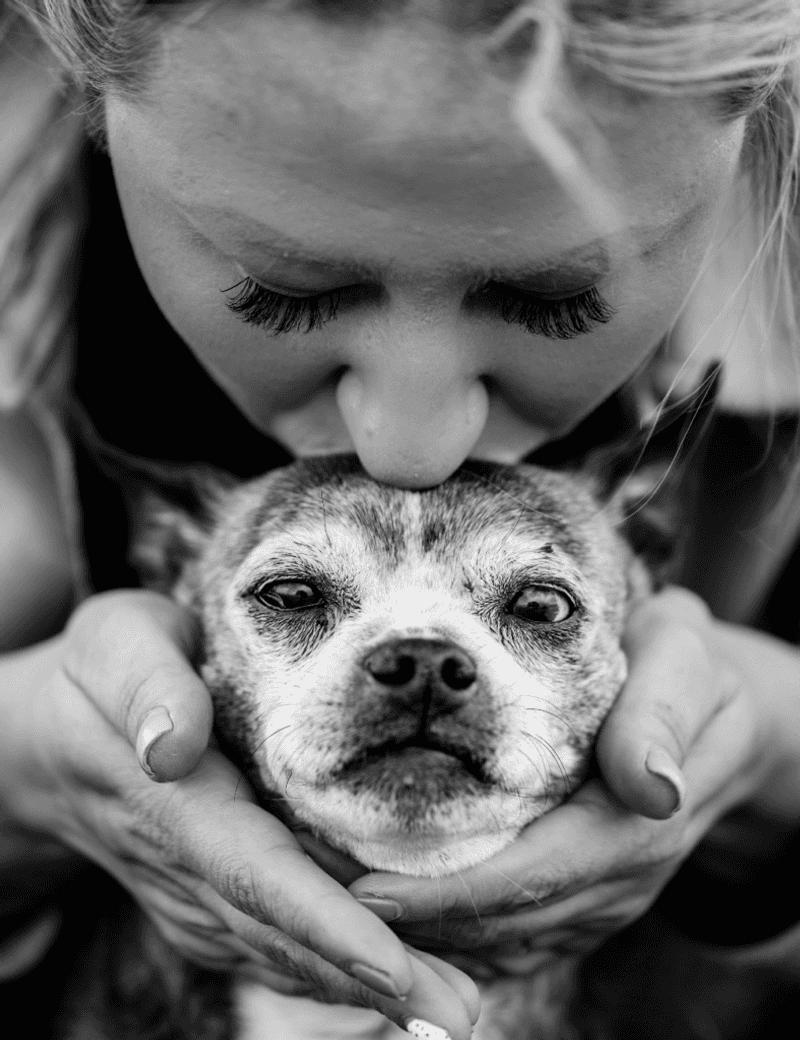
Dogs read faces surprisingly well, especially eyebrows, eyes, and mouth corners moving. A softened gaze invites approach, while knit brows signal pause and caution.
Big smiles can excite arousal, so pair them with slower body language.
Practice mirror games, letting them copy nods, blinks, and relaxed expressions playfully. When worried, try soft cheeks, slow blinking, and tiny head turns sideways.
Reward curious approaches, building confidence through tiny, repeatable social victories each time.
Avoid looming faces or prolonged staring that creates pressure and confusion quickly. Over days, you will notice quicker check ins and softer reactions happening.
Your expressions become cues, guiding choices without saying a single word aloud. It is a shared language, written across faces both ways every day.
Waiting near the door for you
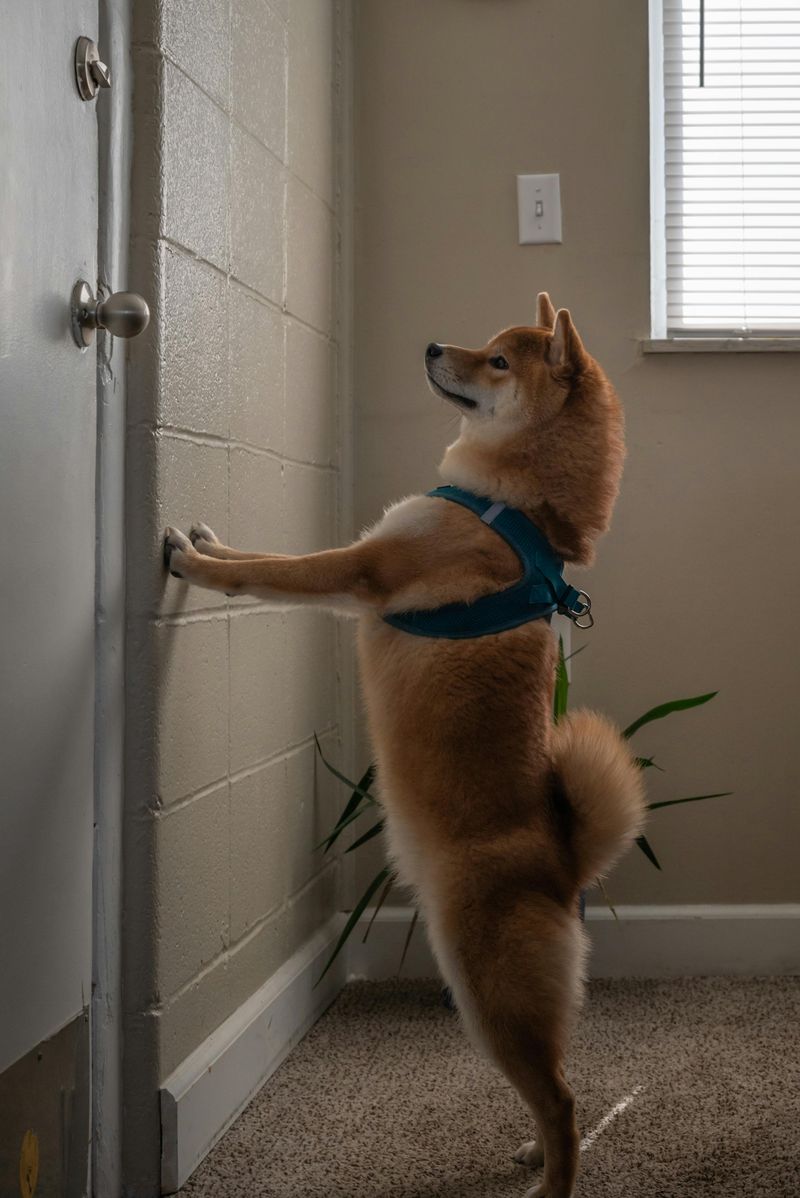
That shadow by the door is an attachment ritual built patiently over. They learn your timelines, footsteps, and keys, predicting returns with hope daily.
Waiting is emotional labor, balancing excitement with manners and self control practiced.
Greet calmly, crouch slightly, and let reunion unfold without chaos at first. Offer a sit for pets, or scatter treats, rewarding thoughtful restraint immediately.
Predictability reduces anxiety, turning thresholds into smooth, friendly transitions for returning home.
If waiting feels frantic, add scent games before leaving to decompress gently. A small mat becomes headquarters, teaching patience and comfortable anticipation over time.
Your arrival becomes ceremony, predictable, warm, and wonderfully grounding for you both. Goodbyes shrink drama, and reunions grow skills you will treasure for years.
Adjusting behavior based on your mood
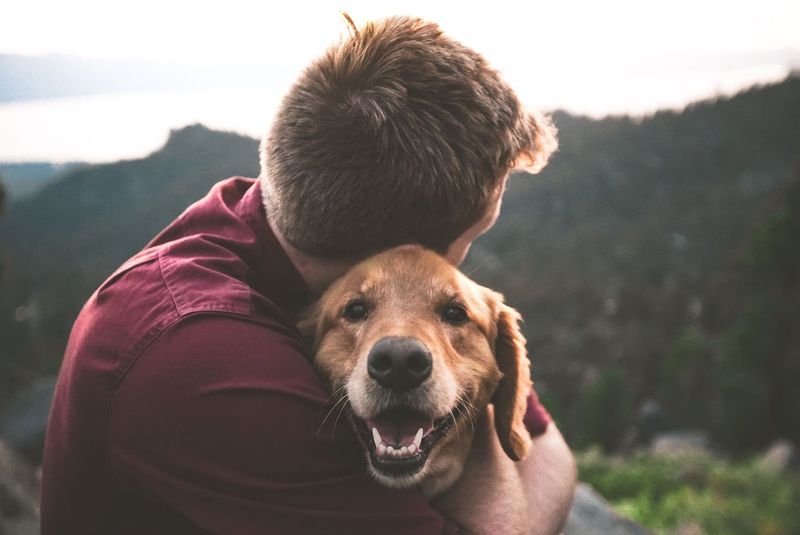
Dogs are flexible companions, adapting pace, play, and proximity to you daily. On tired days, they nap longer and follow fewer adventurous impulses outside.
On bright days, they sprint, learn faster, and seek novel puzzles together.
Your emotional baseline sets tempo, and they tune like sensitive instruments nearby. Consistency helps, so routines anchor them when moods swing widely at home.
Signal changes deliberately, using cues for rest, play, work, and quiet times.
Reward their adaptability, paying attention when they downgrade excitement appropriately for you. If they miss signals, simplify body language and reduce competing distractions around.
Together, you co author days that fit energy, weather, and obligations gracefully. That attunement is love expressed through choices, small and steady every day.
Staying close during stressful moments
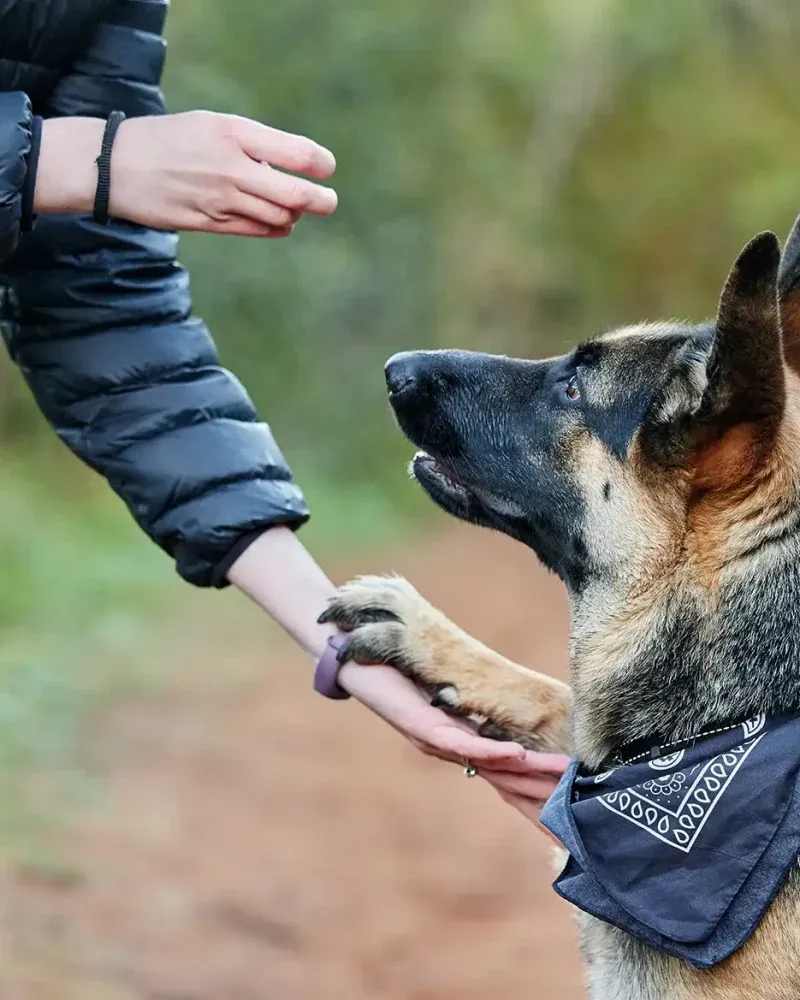
In loud crowds or storms, many dogs glue themselves to your side. They are seeking co regulation, not control, riding your calmer nervous system.
Let them tuck near, breathe steadily, and speak in low, rhythmic tones.
If pressure builds, create distance, then reward scanning and orientation games gently. Introduce patterned movements like turn, touch, and heel to anchor attention quickly.
Offer chews or sniffing breaks to lower arousal and restore curiosity gradually.
Your steadiness teaches safety, and their closeness teaches you presence under stress. Together, you move through hard spaces like a two being team today.
Later, debrief playfully, shaking off adrenaline and celebrating brave choices with snacks. Stress shrinks when connection grows, and that is the lesson learned together.