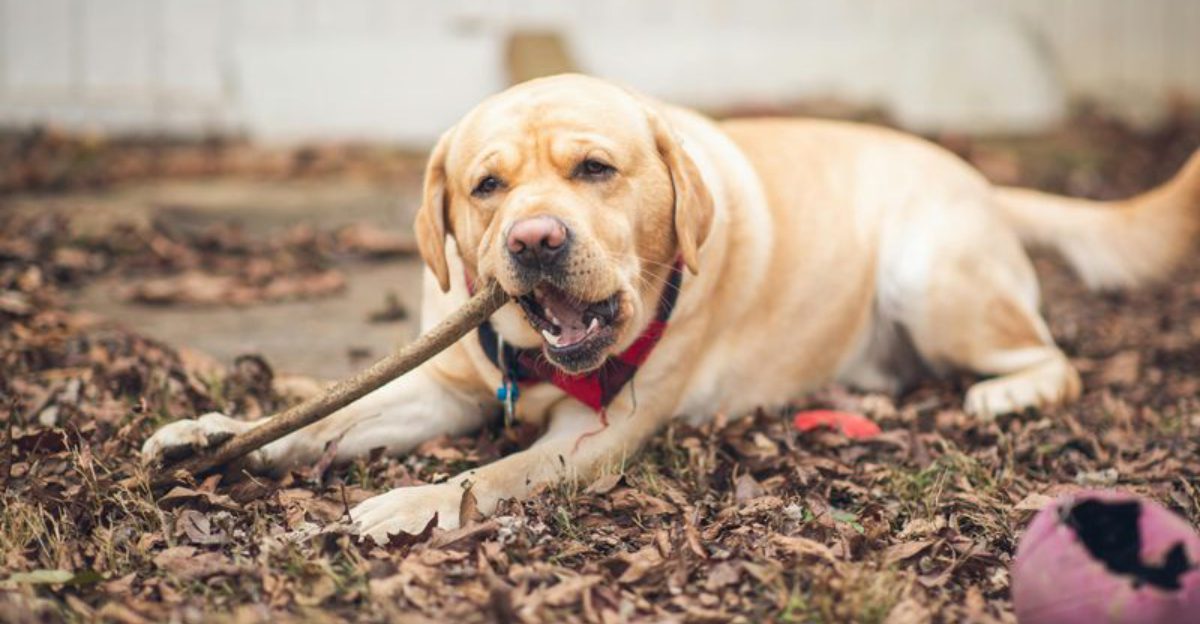
If your dog chews like it is their full-time job, you are not alone. Some breeds are wired to gnaw, shred, and test every toy they meet.
The good news is that with the right strategies, you can protect your home and keep your dog satisfied. Let’s turn that relentless chewing into healthy, rewarding routines that work for both of you.
Labrador Retriever
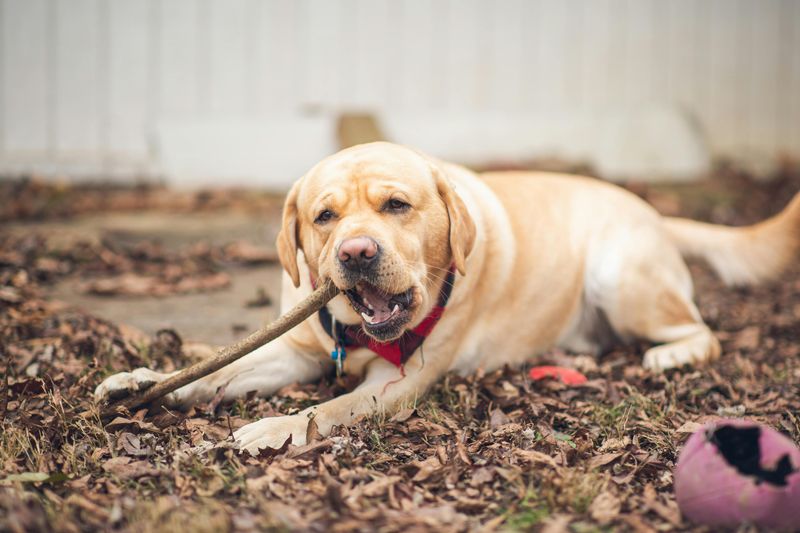
Labrador Retrievers are lovable power chewers, fueled by energy, curiosity, and a need to carry things. If boredom creeps in, they target shoes, remotes, and table legs with surprising persistence.
You can channel that drive by offering durable rubber toys, frozen stuffed Kongs, and supervised tug sessions.
Daily exercise is non negotiable for Labs. Plan brisk walks, fetch with structured breaks, and basic training that works their brain.
Teach “leave it” and “trade” early, and rotate toys so novelty stays high. Crate time with safe chews helps prevent disaster when you are busy.
Expect steady improvement when their mouth gets a job, their body gets movement, and their mind gets puzzles. Consistency and patience turn intense chewing into healthy habits.
Golden Retriever
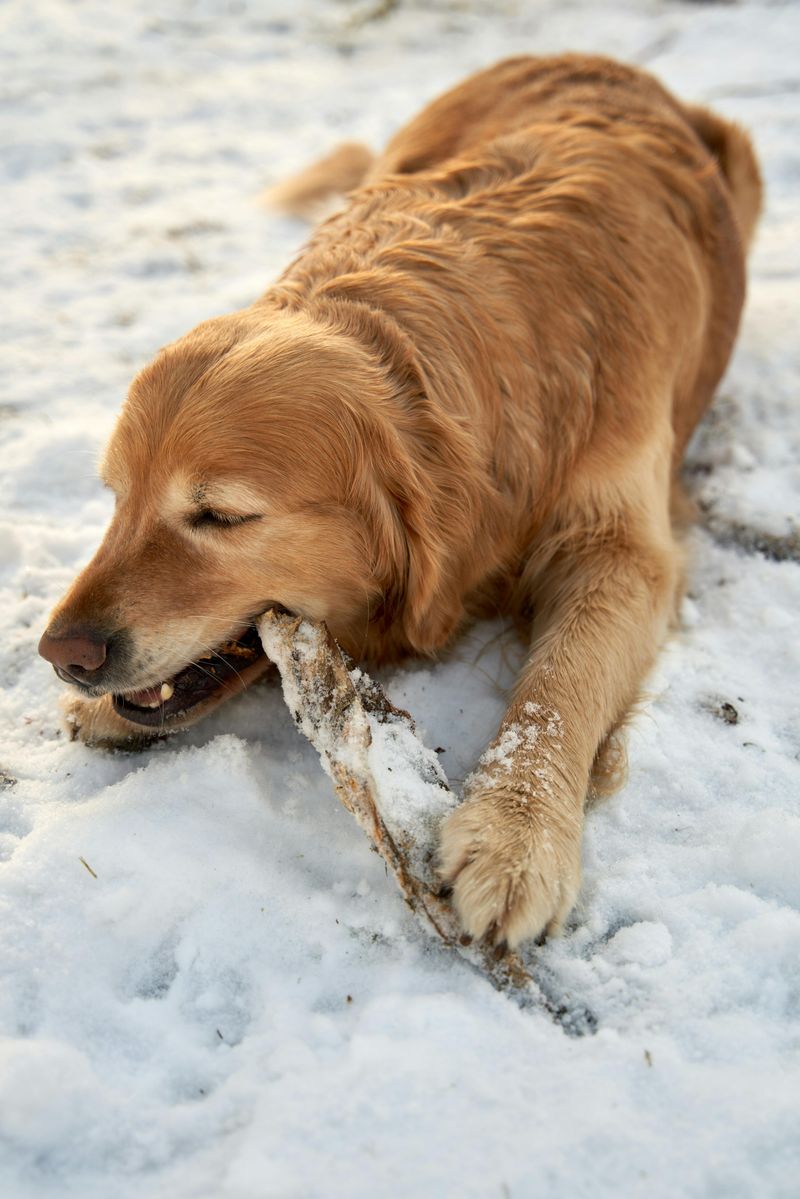
Golden Retrievers are gentle yet determined chewers, especially during adolescence and teething. They explore the world with their mouths, and soft items like plush toys or socks become instant targets.
Redirect that urge toward layered textures, like braided ropes, rubber bones, and food puzzle toys that reward calm gnawing.
Meet their needs with daily cardio, short training games, and scent work. Practice impulse control using “wait,” “drop,” and calm settle on a mat.
Freeze broth inside chew toys to extend sessions and reduce fabric fixation. Rotate enrichment so each day feels fresh and satisfying.
If mistakes happen, manage the environment and remove temptations. Then praise choices you want repeated, because Goldens blossom when clear guidance pairs with affection.
Pit Bull Terrier
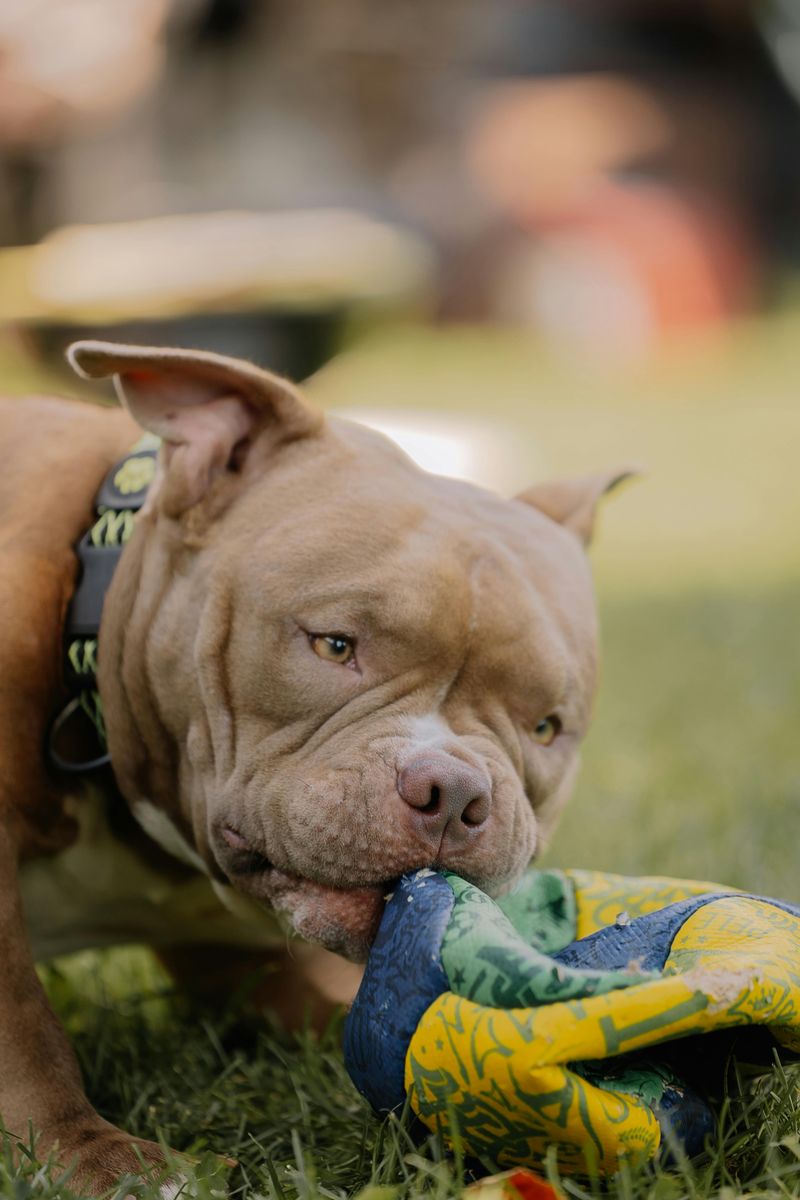
Pit Bull Terriers bring jaw strength, stamina, and a tireless chewing instinct. Without structure, that drive can focus on furniture, crates, or backyard landscaping.
Offer industrial grade rubber toys, heavy duty tug ropes, and supervised flirt pole sessions that end with a satisfying chew reward.
Exercise must be thoughtful and regular. Mix cardio walks with obedience drills and place work to reduce restlessness.
Teach solid “out” and “trade” cues, and reinforce calm chewing on their designated station. Stuff Kongs with high value mix and freeze overnight.
Provide multiple safe options so competition never starts. When their mouth has a job, these affectionate dogs relax, cuddle harder, and save your home from expensive repairs.
Consistency and boundaries make their brilliance shine.
German Shepherd
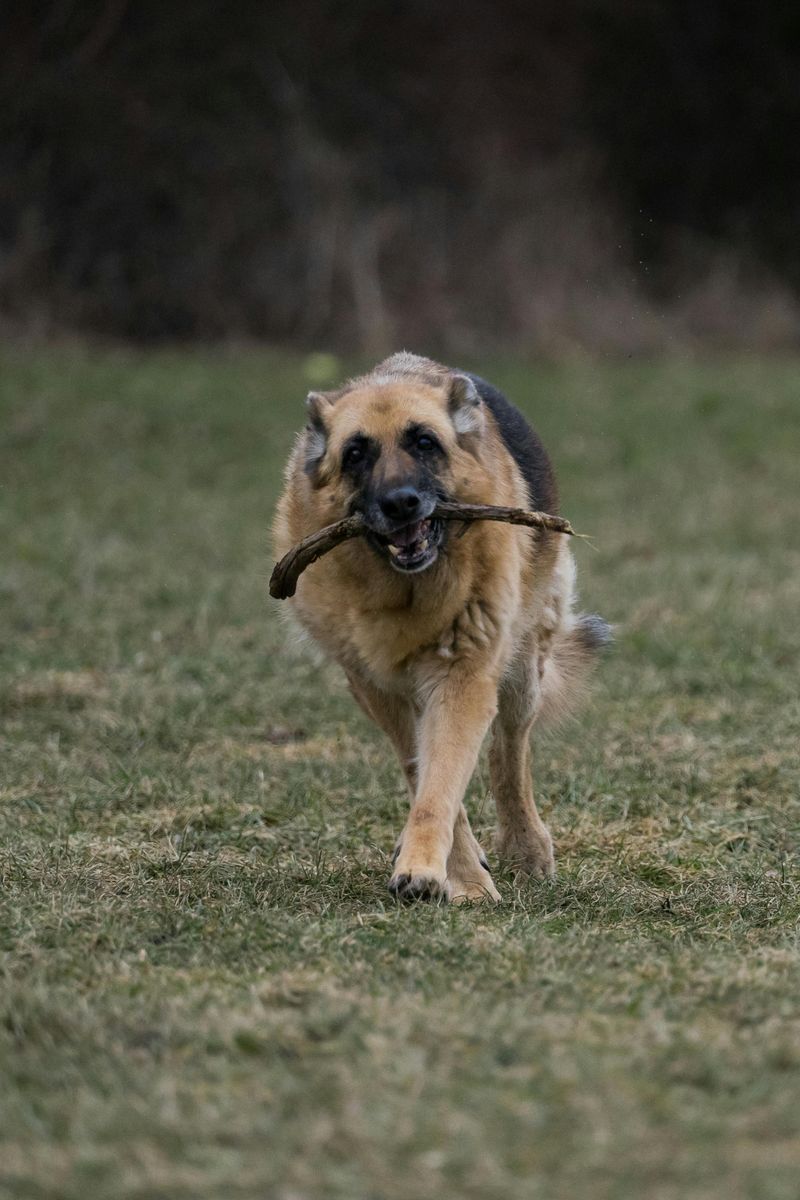
German Shepherds are intense problem solvers with high drive and busy mouths. When under stimulated, they shred mail, nibble baseboards, or deconstruct toys to reach the squeaker.
Redirect that focus with durable rubber, reinforced fabric tugs, and tightly packed food puzzles that demand patience and skill.
Daily structure calms everything. Schedule cardio, obedience, and tracking or nosework to satisfy their working instincts.
Teach “leave it,” “place,” and a reliable “drop” to manage arousal. Use long lasting chews during downtime while you work.
Rotate toys on a calendar so novelty stays steady without chaos. Give their brain a mission, and the chewing becomes targeted, rewarding, and part of a balanced routine.
Clear expectations and repetition build calm, confident habits.
Beagle

Beagles chew with purpose, following scents and exploring textures while their noses lead the way. That curiosity quickly turns to de-fluffing pillows or sampling chair legs if nothing better appears.
Offer rubber toys scented with broth, crinkly fabrics, and food puzzles that release smells slowly to keep interest high.
Meet their needs through sniff walks, tracking games, and scatter feeding in the yard. Practice “leave it” and “come” with tasty trades.
Provide crate rest with safe chews after adventures, so arousal drops. Rotate toys every few days to refresh novelty.
If mischief happens, manage access and reward quiet settling. A Beagle that sniffs, works, and chews appropriately is peaceful, satisfied, and far less destructive.
Consistency keeps curious mouths responsibly busy.
Boxer
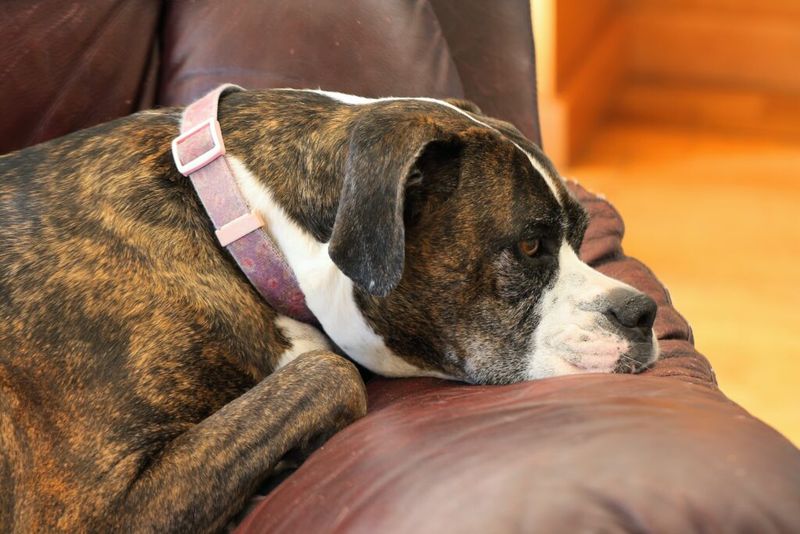
Boxers are boisterous athletes with playful jaws that never seem to clock out. Left idle, they will puncture balls, chew corners, and nibble on anything during zoomies.
Provide tough rubber, firehose-style toys, and tug games that start and end on your cue so excitement has boundaries.
Prioritize structured exercise with intervals, obedience refreshers, and a cooldown chew. Teach “drop,” “place,” and calm eye contact to dial arousal down quickly.
Freeze yogurt in safe toys for longer sessions. Rotate textures and keep sessions short but frequent.
If they start mouthing, redirect confidently and reward immediate compliance. With guidance and routine, Boxers channel that goofy energy into healthy chewing, not chaotic home remodeling.
Consistency makes fun playtime safer and more satisfying.
Siberian Husky
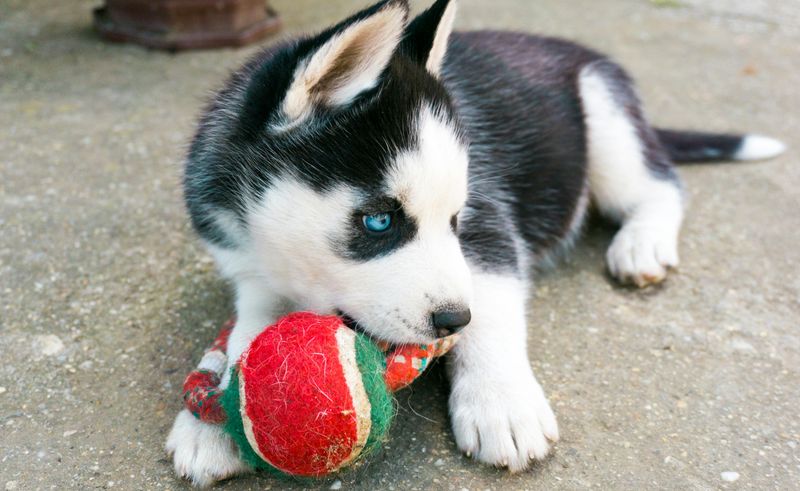
Siberian Huskies are energetic, clever, and notoriously mouthy when bored. Chewing becomes a self entertainment strategy, especially if exercise and mental work are lacking.
Offer cold-resistant rubber toys, braided ropes, and frozen food puzzles that challenge persistence while soothing that need to gnaw.
Plan real outlets: distance walks, canicross, flirt pole sprints, and trick training. Practice “leave it,” “drop,” and stationing on a mat to build impulse control.
Give supervised crate time post exercise with safe chews. Rotate gear and hide toys for short sniff-and-find sessions indoors.
If mischief starts, redirect early and generously reward calm. A fulfilled Husky chews appropriately, rests better, and keeps their dramatic opinions to a friendly minimum.
Structure turns chaos into healthy winter-friendly routines.
Alaskan Malamute
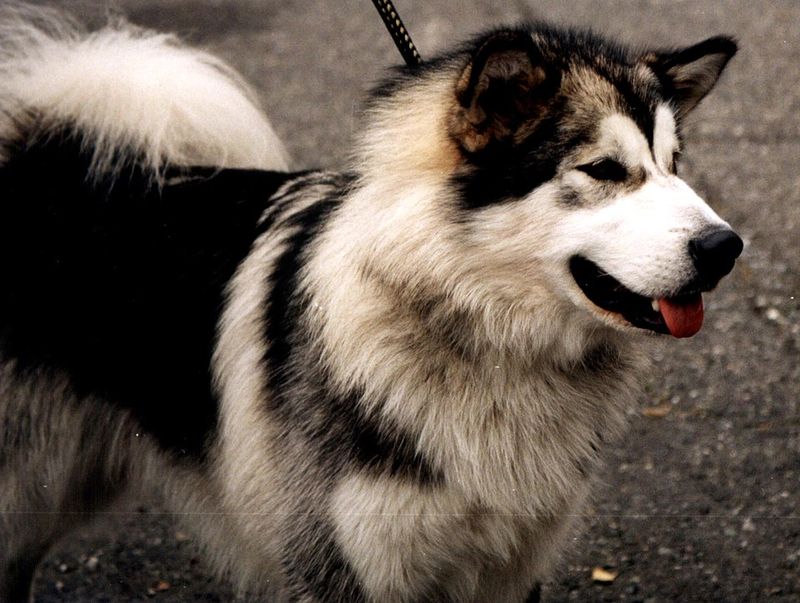
Alaskan Malamutes are powerful, determined chewers with working dog grit. Left unoccupied, they will sample decking, outdoor gear, and any unattended cushion.
Provide heavy rubber, reinforced tugs, and dense chew options sized for big jaws that crave resistance and repetition.
Match their heritage with weight pulls, backpack walks, and problem solving games. Teach reliable “leave it,” “drop,” and stationing so excitement has a landing pad.
Freeze high value mixtures inside toys to extend sessions and reduce destructive urges. Rotate enrichment across days to avoid overstimulation.
Supervise outdoors, because scavenging can quickly escalate. When their body and brain feel satisfied, Malamutes settle, chew appropriately, and transform stubborn energy into contented, predictable companionship.
Consistency and boundaries make powerful instincts work for you.
Doberman Pinscher
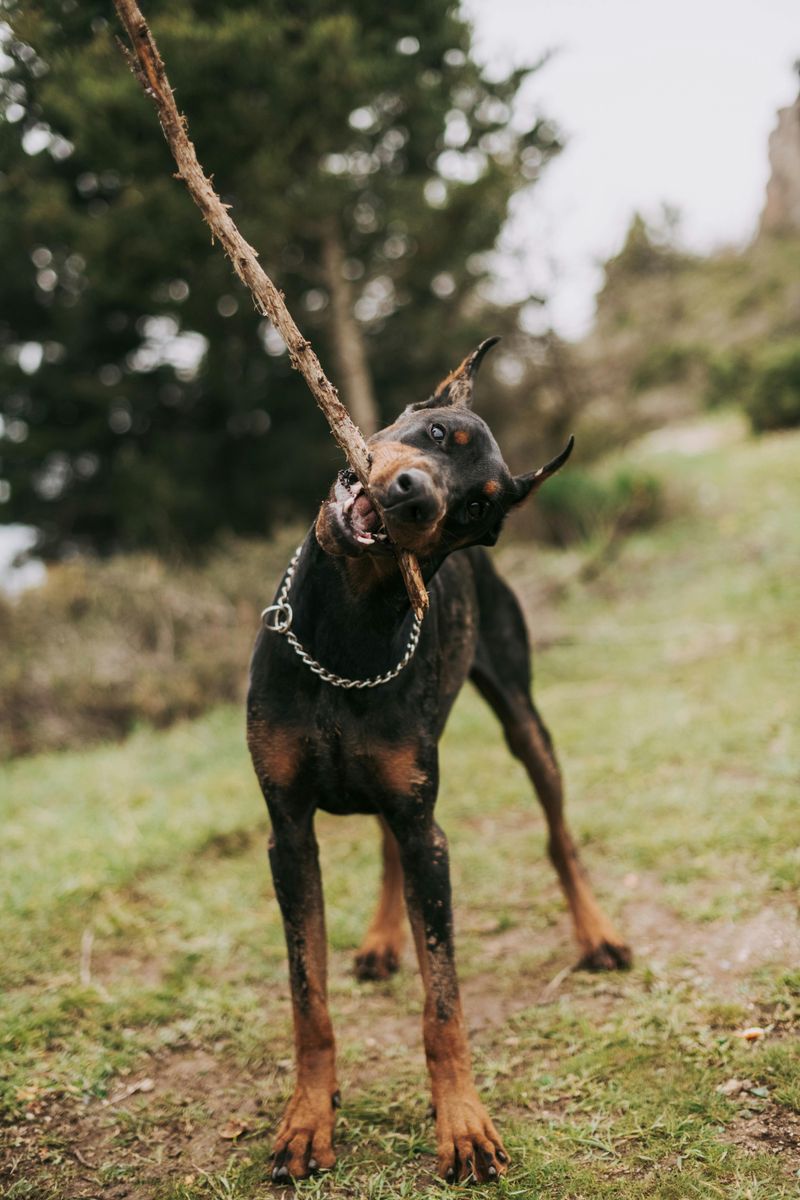
Doberman Pinschers are alert, athletic chewers who crave structure and clear jobs. Boredom leads to surgical toy destruction and opportunistic grabbing of household items.
Provide tough rubber, sturdy tugs, and food puzzles that encourage problem solving instead of impulsive shredding.
Give daily outlets: brisk walks, obedience, place work, and scent games to tire their brain. Teach reliable “out” and “leave it,” then reward calm chewing on a defined station.
Use crates strategically for recovery periods with safe chews. Rotate toys to maintain novelty without chaos.
If arousal spikes, interrupt early and reset expectations. With guidance, Dobermans channel intensity into appropriate chewing, gaining confidence while your belongings stay intact.
Consistency transforms drive into focus, manners, and durable habits.
Rottweiler
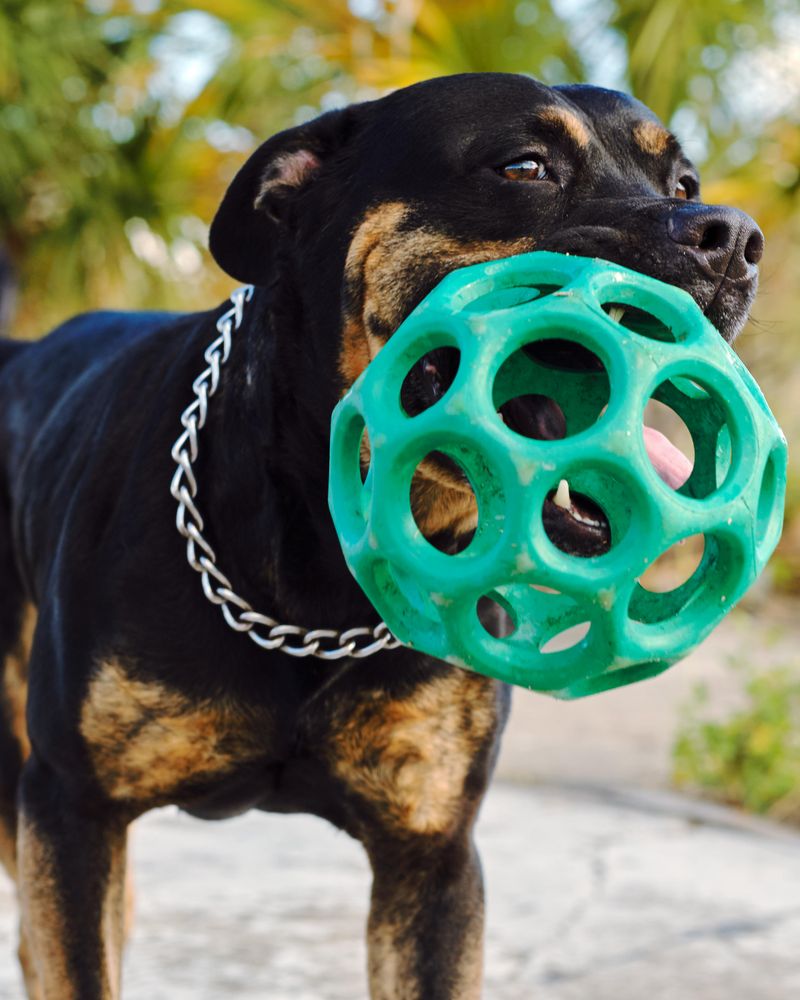
Rottweilers combine power, patience, and a serious need to gnaw. Left unstructured, they will test door frames, hard plastics, and anything that rolls under a couch.
Offer thick rubber, strong ropes, and heavy chew toys that can handle marathon sessions without splintering.
Plan purposeful work: brisk walks, obedience, carting basics, and sniff games that tax the mind. Teach “leave it,” “drop,” and calm stationing so choices are clear.
Stuff and freeze durable toys with balanced, high value fillings. Supervise early, then grant freedom gradually as habits strengthen.
Rotate options to keep novelty alive and prevent resource guarding. When needs are met, Rotties chew appropriately, relax deeply, and protect your furniture instead of testing it.
Structure makes powerful chewing safe, satisfying, and predictable.
Jack Russell Terrier
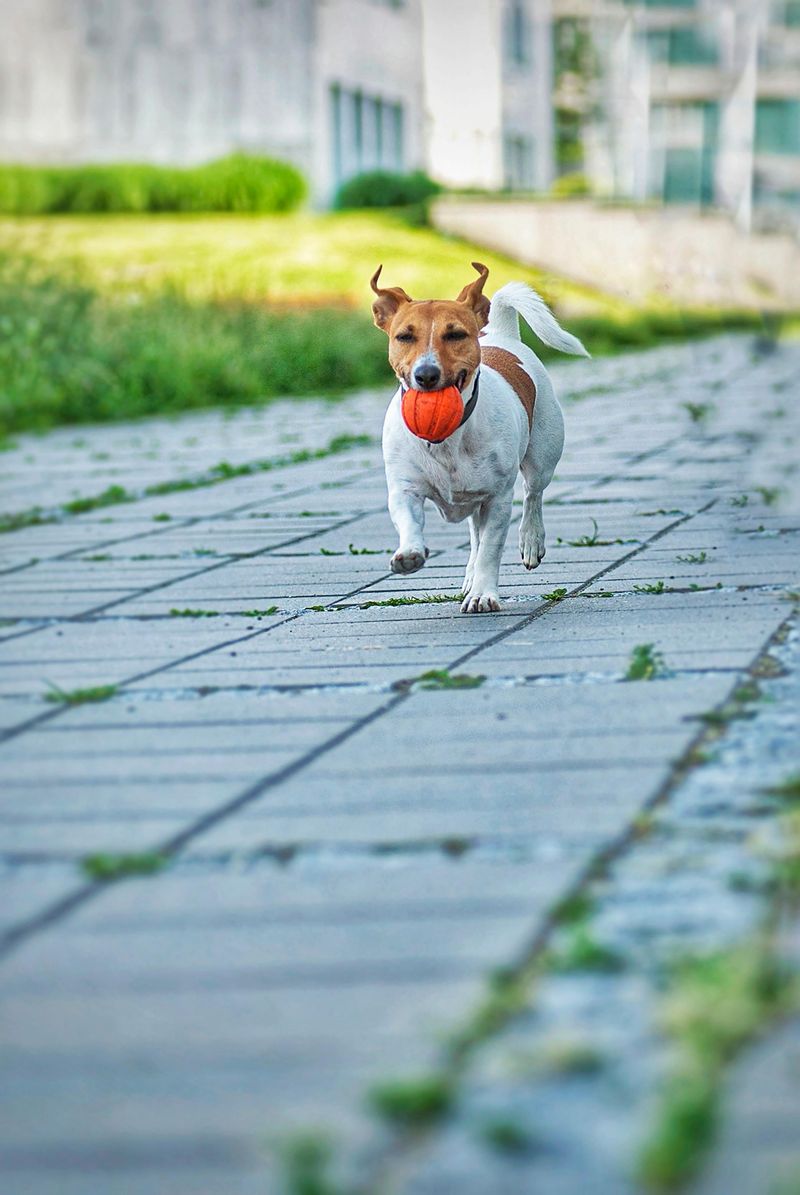
Jack Russell Terriers are compact dynamos whose chewing reflects boundless drive. Boredom or under stimulation quickly turns into fabric surgery, baseboard nibbles, and relentless toy picking.
Offer sturdy rubber, braided ropes, and tiny food puzzles that challenge problem solving without encouraging frantic shredding.
Prioritize outlets every day: sniffy walks, flirt pole bursts, trick training, and brief nosework. Practice calm settle on a mat, with “drop” and “leave it” reinforced generously.
Use crates for power naps with safe chews so recovery happens. Rotate toys often and reward thoughtful choices.
If intensity spikes, interrupt quickly, reset, and try a simpler task. With purpose and patience, Jack Russells chew productively and keep that spark working for you.
Small bodies, big needs, smarter plans win.