
Neutering can be a big emotional shift for sensitive, high-energy breeds. If your dog suddenly seems clingier, restless, or spooked by things that never bothered them, you are not imagining it.
Hormonal changes can magnify underlying temperament traits and training gaps. Here are the breeds I would watch especially closely, with practical cues and support ideas to keep your buddy steady.
Vizsla
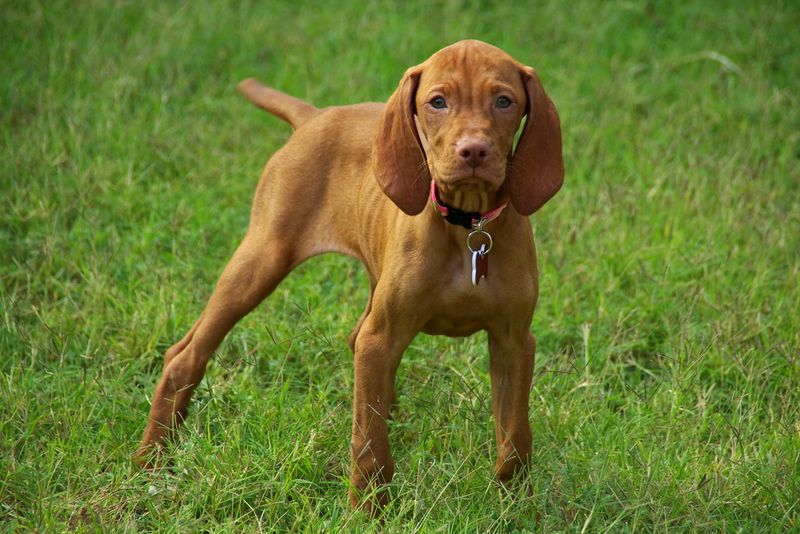
Vizslas are famously affectionate and tuned into your mood, which is exactly why post-neutering shifts can ripple fast. You might notice shadowing behavior, extra vocalizing, or startle responses to routine noises.
Keep structure predictable, increase sniff-walks, and fold in short training games that reward calm.
If fussiness around separation creeps up, try staged departures and slow-return routines. Offer chew-based decompression after exercise, not just more sprinting.
Track sleep, appetite, and any new pacing so you can spot patterns before they snowball. Gentle bodywork, scatter feeding, and low-pressure play can help confidence rebound.
If anxiety lasts beyond a few weeks, loop in your vet and a force-free trainer to personalize a recovery plan.
Border Collie
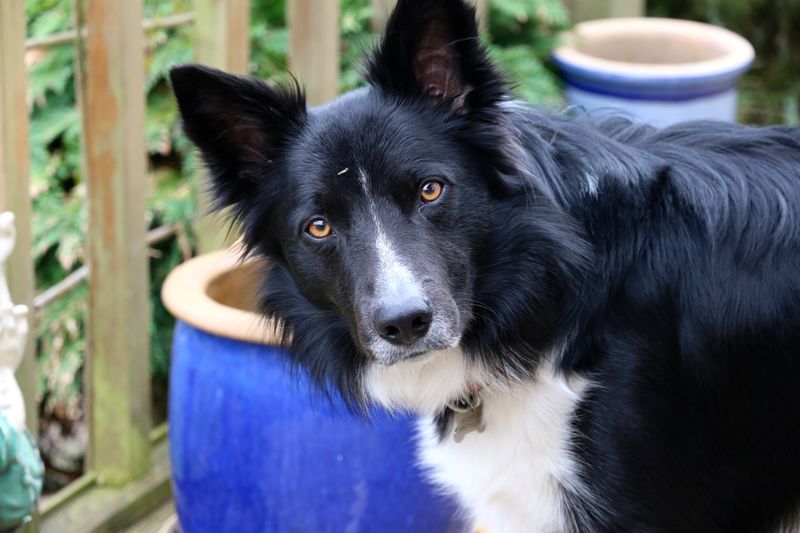
Border Collies thrive on control and clarity, so hormonal changes can nudge worry into overdrive. Watch for hypervigilance, fixating on tiny sounds, or herding the household when routines wobble.
Keep cues crisp and sessions short, trading high-octane fetch for problem-solving games that satisfy the mind.
Post-neutering, amp up decompression: sniffaris, mat training, and patterned relaxation walks. Use predictable micro-rituals before rest times to reduce anticipatory stress.
If reactivity edges up, dial distance from triggers and reward check-ins. Teach calm stationing during chores to prevent rehearsal of anxious pacing.
Gentle off-switch skills matter more than miles run. If worry lingers, consult your vet about pain, and collaborate with a positive trainer to recalibrate confidence step by step.
Australian Shepherd
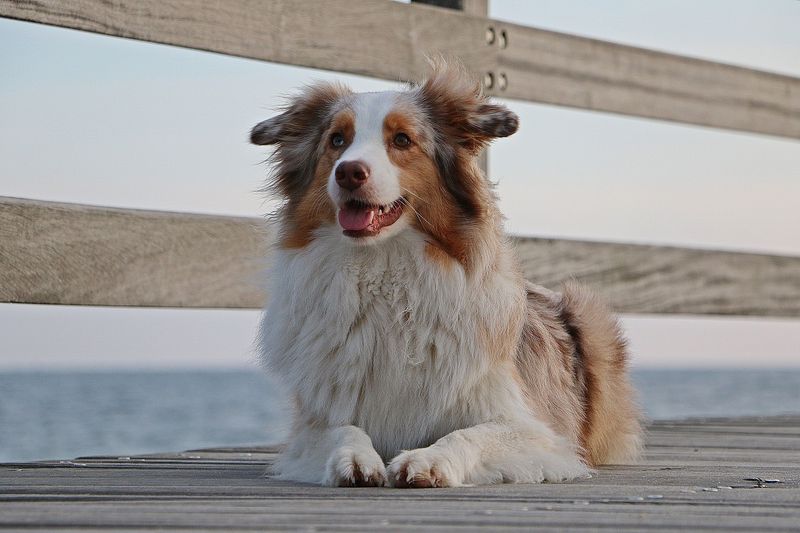
Australian Shepherds read subtle patterns, so post-neutering shifts can feel like a puzzle missing pieces. Look for clinginess, sudden barking at outside movement, or frustration during downtime.
Keep days predictable with scheduled training snacks, decompression walks, and chew sessions that take the edge off.
Swap relentless ball chasing for nosework and easy trick chains that reward focus. If crate unease pops up, rebuild it with choice-based entries, food trails, and open-door naps.
Avoid punishment when worries surface. Instead, reinforce calm glances away from triggers and celebrate small resets.
Track improvements weekly, not daily, so you see true progress. If anxiety escalates, your vet and a force-free trainer can tailor a steady plan that protects confidence.
German Shepherd
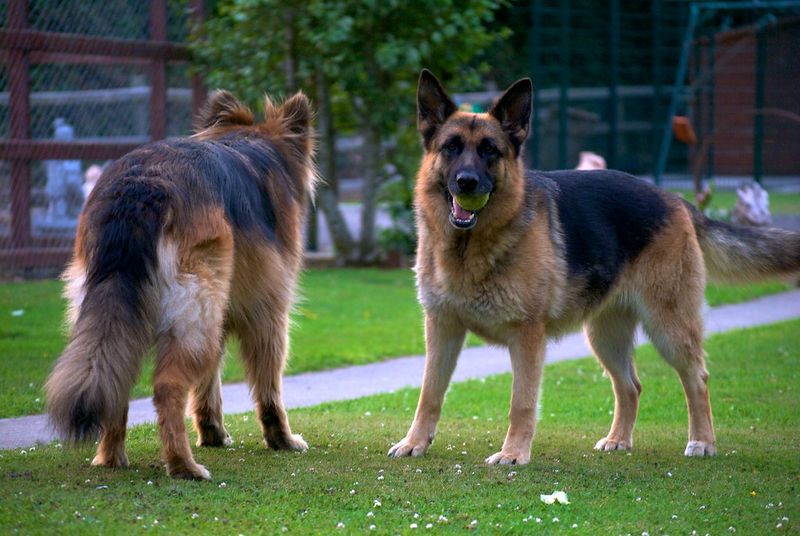
German Shepherds are sensitive guardians, and hormone changes can blur their threat filter. After neutering, you might notice restlessness, pacing, or guarding doorways more intensely.
Keep environments structured, reinforce stationing on a mat, and reward curiosity about new sounds rather than suspicion.
Focus on body language, especially lip licks, scanning, and stiff tail sets. Pair calm exposures with food, then retreat before stress spikes.
Provide joint-friendly exercise and sniff-led walks to prevent frustration. Teach easy pattern games like hand targets to pivot attention.
If vigilance stays high, rule out pain with your vet, then map a desensitization plan with a positive trainer. Progress builds through clear choices, not pressure.
Protect sleep, keep routines steady, and celebrate micro-wins.
Shetland Sheepdog
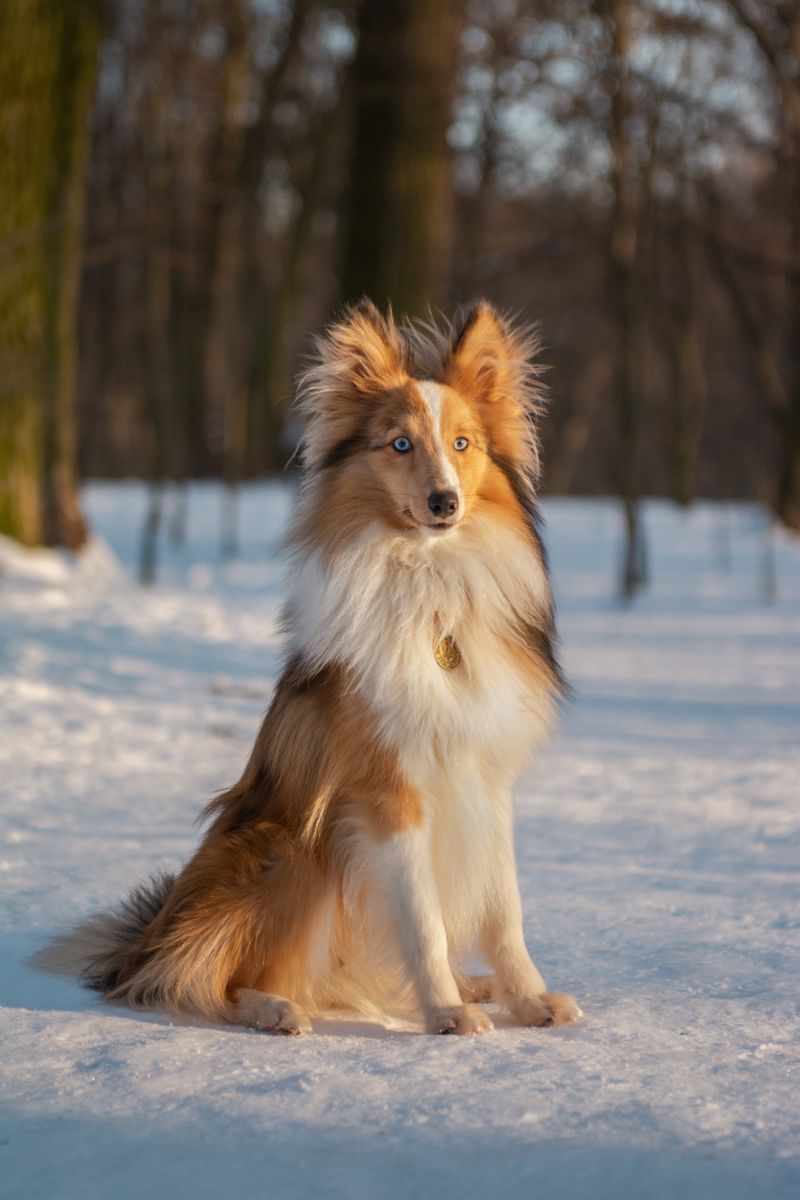
Shetland Sheepdogs can be sound-sensitive and exquisitely observant, so post-neutering jitters may show up as startle responses or hiding. Build confidence with predictable micro-routines and calm enrichment that avoids over-arousal.
Short training sprints followed by deep rest help regulate fragile thresholds.
Try scent games in quiet rooms, then gradually add soft background noise. Reinforce calm at windows with a parked bed and food scatters away from view.
If clinginess spikes, practice tiny departures paired with a stuffed chew. Keep greetings low-key and opt for gentle grooming to soothe.
Track triggers and recovery times. If anxiety persists, check for discomfort and loop in a fear-free professional to shape gentle exposures.
Patience and consistency pay off beautifully.
Weimaraner
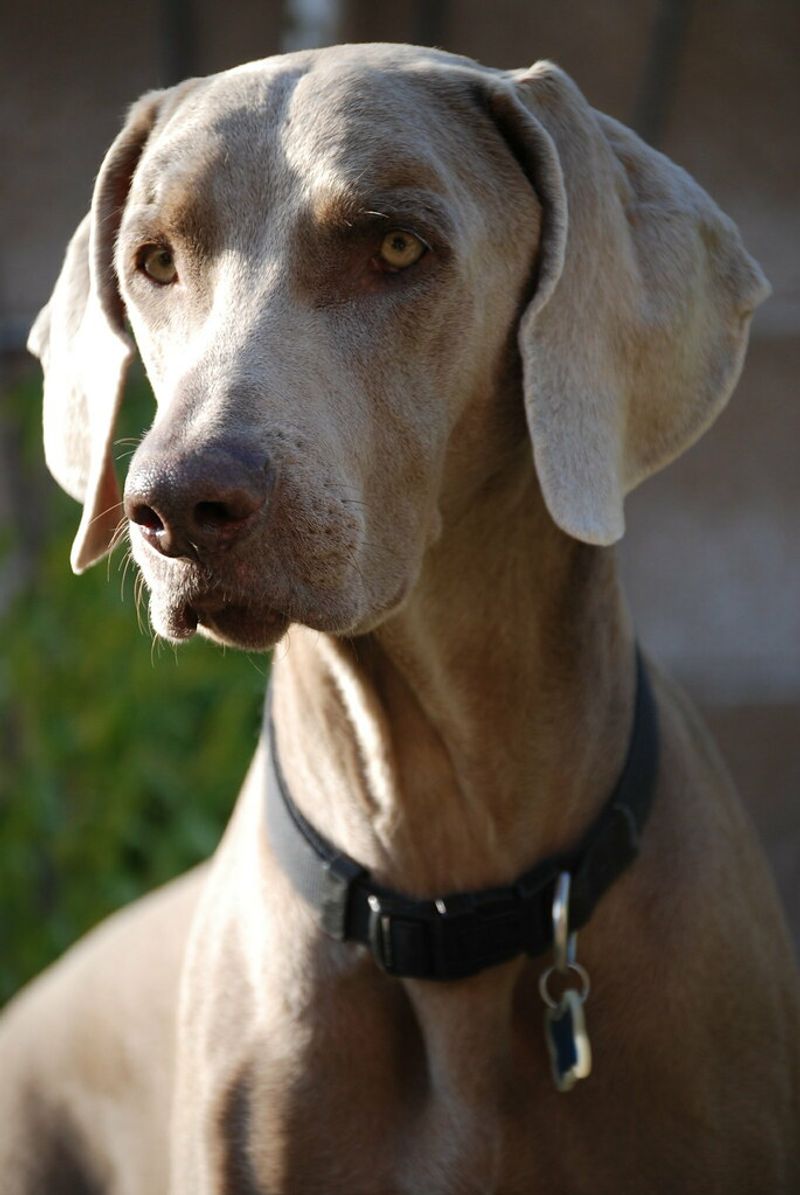
Weimaraners bond hard and hate being left out, which can intensify after neutering. Watch for door-following, whining, and new destructiveness tied to separation.
Give structured outlets for energy, but prioritize low-arousal sniff walks and chew-based relaxation over constant sprinting.
Crate or room confinement should be rebuilt with choice, not pressure. Use food puzzles, licking mats, and settle-on-mat training that earns quiet reinforcement.
Practice tiny departures with predictable returns, gradually extending duration. Reinforce reorientation on walks rather than dragging forward.
Keep social exposures brief and positive, avoiding chaotic dog parks. Document progress weekly to see the true trend.
If anxiety escalates or lingers, consult your vet and a reward-based trainer to fine-tune a stepwise plan.
Doberman Pinscher
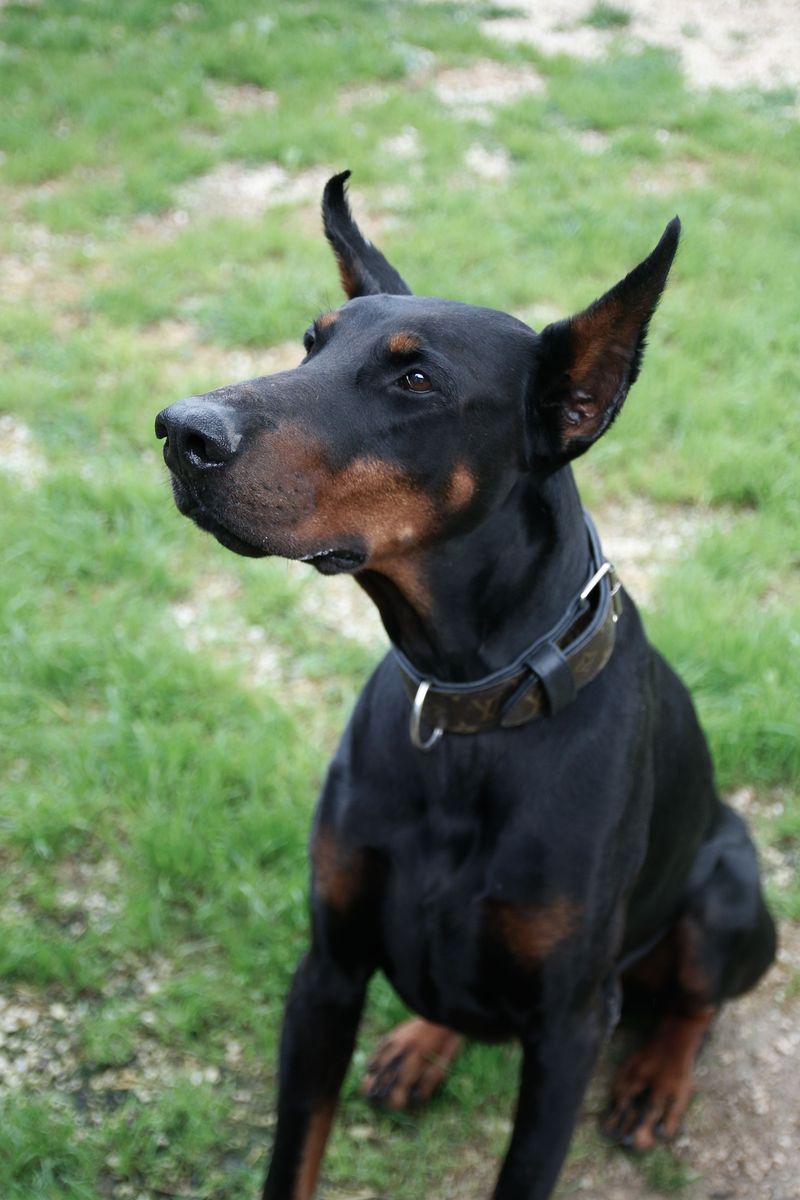
Dobermans crave clarity and closeness, so the hormonal wobble after neutering can unsettle their confidence. You might see hyper-attentiveness, startled reactions, or difficulty settling at night.
Hold routines steady, reinforce mat relaxation, and use predictable pre-bed rituals that signal safety.
Shift intense play toward brainy tasks: scent discrimination, foot targeting, or easy shaping games. Reinforce quiet check-ins during neighborhood noises.
If reactivity to strangers ticks up, add distance, pair with high-value treats, and avoid flood-like exposures. Track recovery time after startles to gauge improvement.
Offer durable chews post-walk, not just more arousal. If worry persists, rule out pain and seek a fear-free trainer for a personalized plan that builds controlled choices and confident decompression.
English Cocker Spaniel
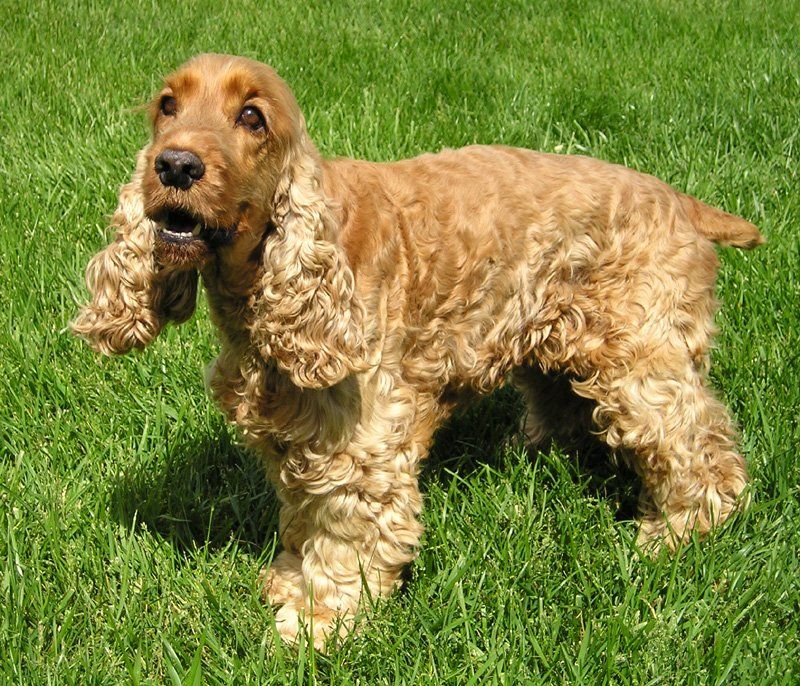
English Cocker Spaniels are sensitive and people-focused, which can amplify post-neutering wobbliness. Look for clinginess, mild resource guarding of you, or sudden sensitivity to handling.
Keep days structured with short training bursts, sniff walks, and calm social contact.
Rebuild confidence around grooming and touch with consent cues and treat-and-retreat patterns. If window barking escalates, park a bed away from the view and reward quiet investigation.
Keep greetings and goodbyes neutral to reduce anticipatory anxiety. Offer licking mats after exercise to downshift arousal.
Track appetite, stool, and sleep since tummy upsets can mirror stress. If worries extend beyond a few weeks, consult your vet and a reward-based trainer to craft a gentle, stepwise plan.
Belgian Malinois
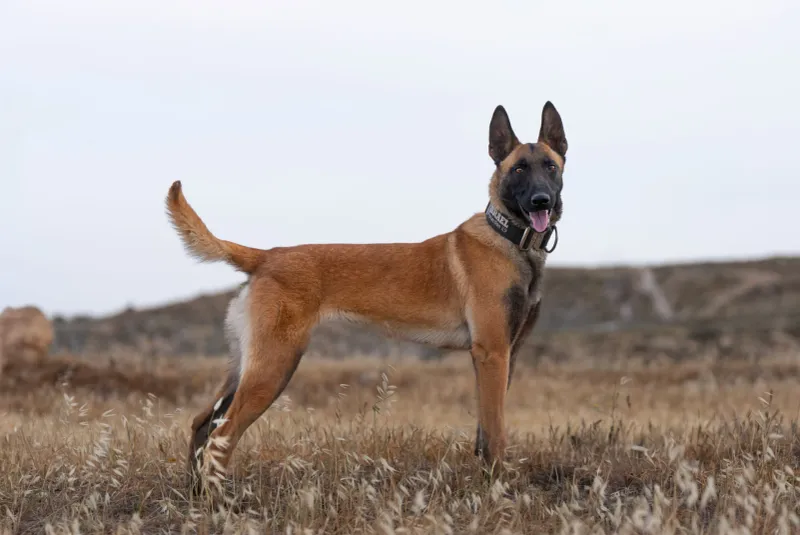
Belgian Malinois run hot by default, so hormonal shifts can tip arousal into edgy vigilance. After neutering, watch for scanning, abrupt startle-recover cycles, or difficulty disengaging from motion.
Keep training crisp and low-friction, prioritizing place work, nosework, and pattern games that build control without flooding.
Trade chaotic fetch for structured tug with clean outs and calm finishes. Reinforce check-ins at distance from triggers.
If crate stress appears, retrain it as a choice-rich den with food sprinkling and quiet naps. Protect sleep zealously and avoid stacking stimulants.
Track threshold distances on walks to measure real progress. Partner with your vet and a force-free trainer if anxiety sustains, building a methodical plan centered on clarity, decompression, and confident recoveries.
Jack Russell Terrier
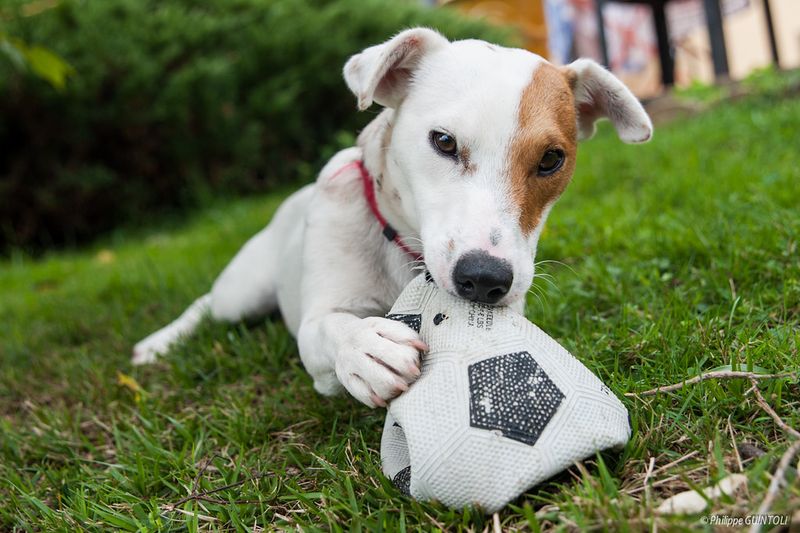
Jack Russell Terriers are brilliant problem solvers with turbo appetites for action, so post-neutering changes can spark fidgety frustration. Expect window patrolling, barky startles, or shredding if under-stimulated.
Swap endless fetch for scent games, cardboard foraging, and settle-on-mat training that pays well.
Use micro-missions around the home to channel drive: find it, hide-and-seek, or short trick chains. Keep departures boring, and pair them with long-lasting chews.
If leash reactivity bumps up, increase space, reward head turns, and keep sessions short. Track rest: good terriers need real naps.
Avoid punishment since it fuels worry. If anxiety hangs on, consult your vet and a positive trainer to create a simple, sustainable step-by-step plan.
Miniature American Shepherd
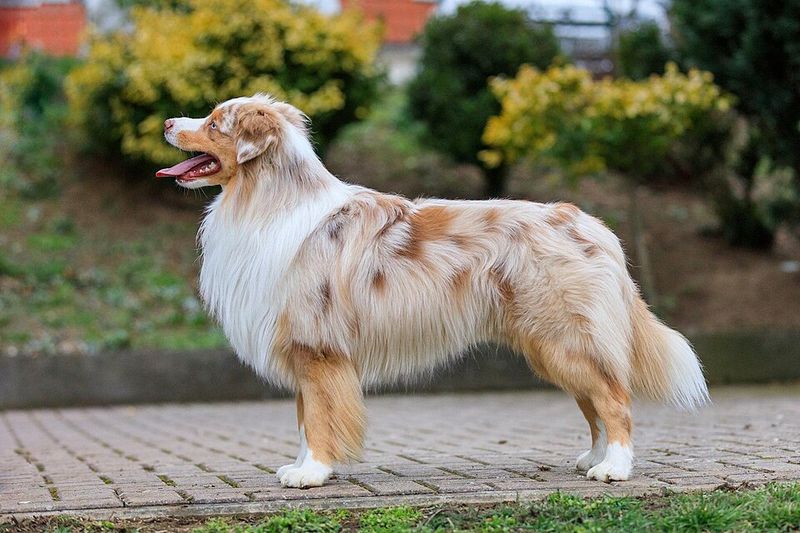
Miniature American Shepherds are perceptive herders that crave predictable patterns. After neutering, you may see clinginess, new sensitivity to environmental change, or restless pacing when plans shift.
Lean on short training bursts, slow sniff-walks, and decompression chews to regulate arousal.
Reinforce calm on a station during household bustle, paying generously for quiet observation. If separation worry surfaces, build tiny departures with food trails and relaxed returns.
Avoid chaotic dog park sessions in favor of structured social exposures. Track triggers, recovery time, and sleep quality to spot improvements.
Encourage curiosity with gentle novelty and plenty of choice. If anxiety persists, coordinate with your vet and a force-free trainer to craft a compassionate, data-driven plan that supports resilience.