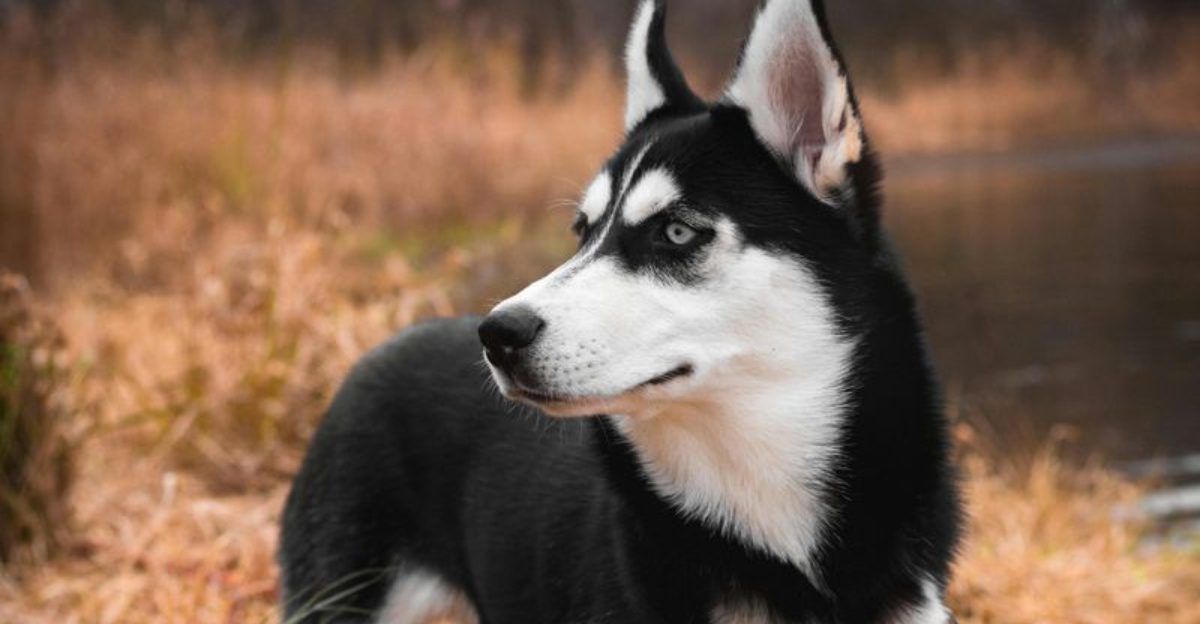
If your dog seems stubborn, there is a real chance they are actually feeling anxious and unsure. What looks like ignoring you could be a worried brain trying to cope with noise, change, or pressure.
Once you see the fear behind the behavior, training feels kinder and results come faster. Let’s decode these misunderstood breeds so you can support them with confidence and calm.
Beagle
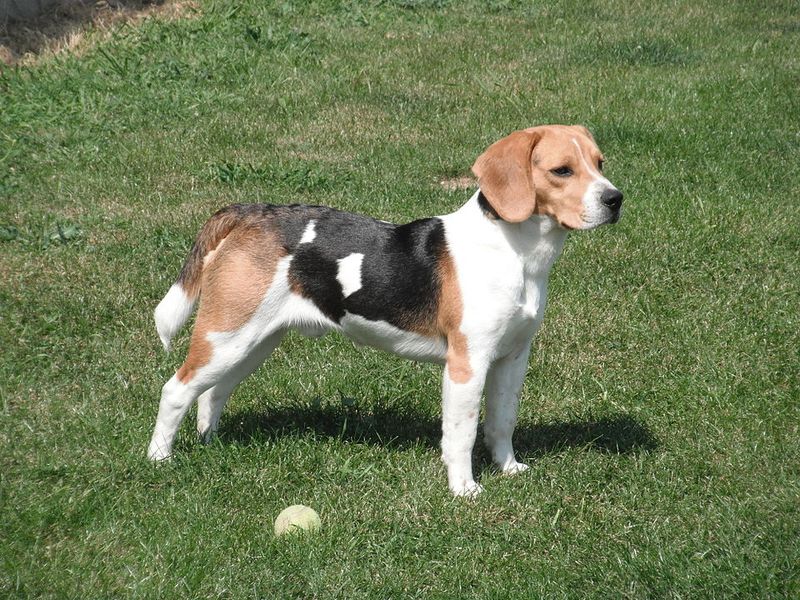
People call Beagles stubborn when they freeze on walks or sniff endlessly, but many are overwhelmed by scent and sound. A flood of smells can overload their brains, making focus feel impossible.
Instead of yanking the leash, try slow approaches, sniff breaks, and predictable routes.
Teach calm with simple pattern games, like touch and treat, or find it with scattered kibble. Reward check ins, not rigid heel work, to build security.
Pair new environments with high value snacks and short, successful sessions.
When separation adds stress, use gradual departures and soothing enrichment. White noise and food puzzles help bridge alone time.
A relaxed Beagle listens far better because curiosity feels safe again, not risky.
Dachshund
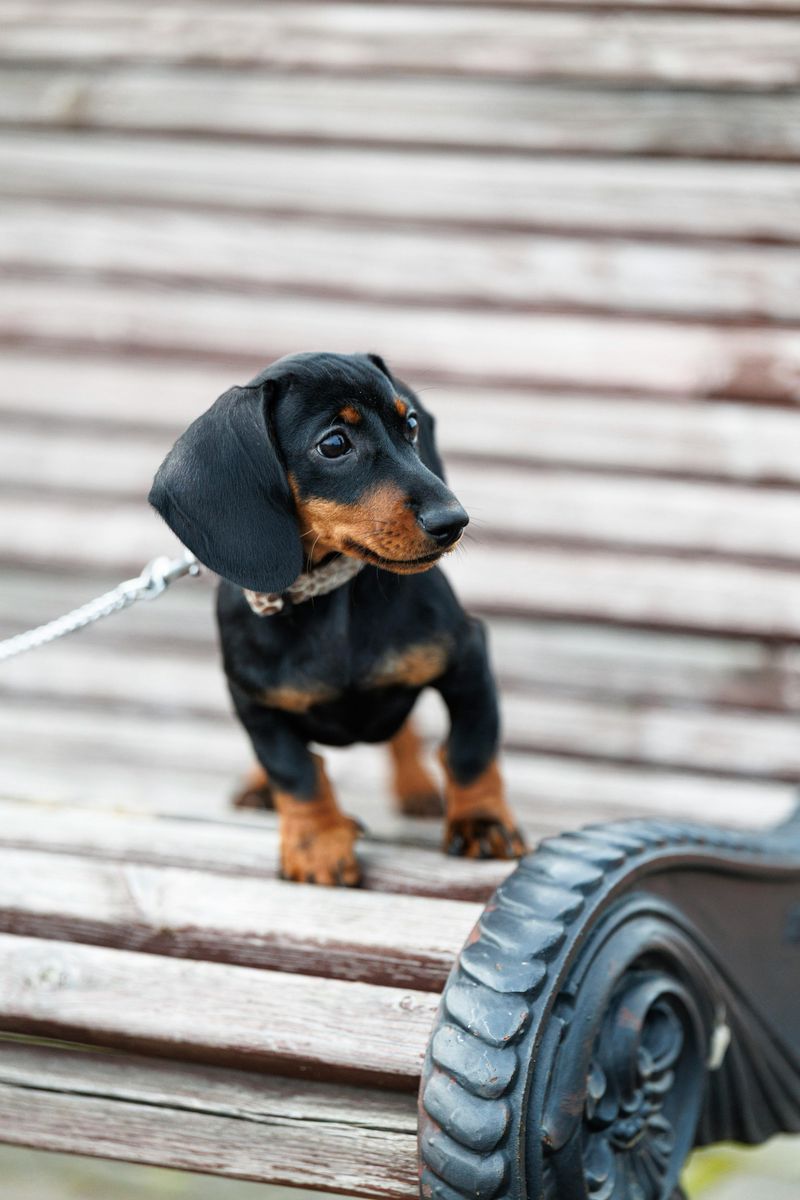
Dachshunds get labeled defiant when they bark at doors or refuse steps, but that long body makes the world feel big and risky. Tight spaces, sudden noises, and heights can trigger worry.
Instead of scolding, slow the scene and give choices.
Use tiny training steps, like one stair at a time with treats on each landing. Offer snuffle mats and gentle tug to release tension.
Teach a go-to mat cue for safety during visitors.
For leash drama, avoid pressure on the neck and choose a well-fitted harness. Let them lead brief scent walks to decompress.
When anxiety drops, your Doxie shows courage and humor, not stubbornness, because they finally trust the plan.
Basset Hound
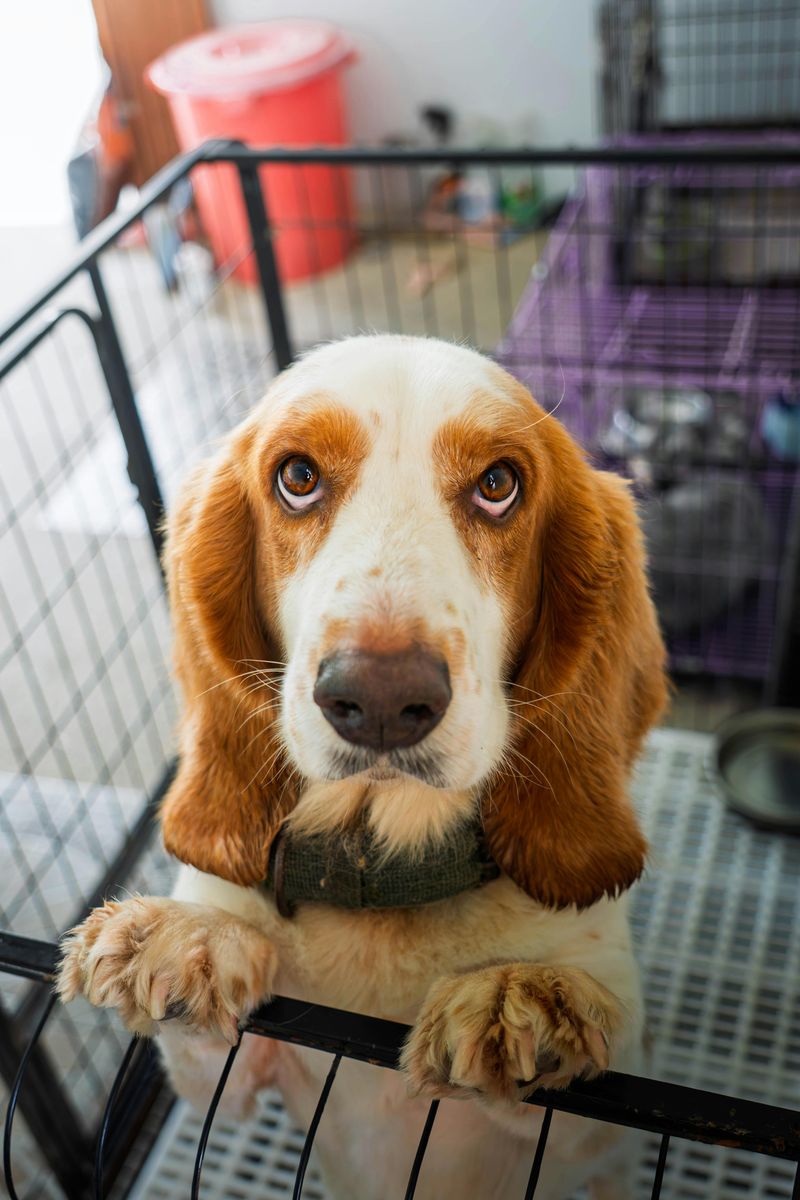
Basset Hounds often look unbothered, yet that slow pace hides worry. People push them forward and call it stubborn when they plant their feet.
In reality, many are scent sensitive and conflict averse, needing extra time to assess.
Try short, low demand walks with frequent sniff stops. Use gentle guidance, not dragging.
Reinforce tiny steps toward new surfaces, stairs, or busy streets with calm praise.
At home, create a comfy den with a supportive bed and chew options. Predictable routines ease decision fatigue.
When Bassets feel safe, their cooperation improves because the world moves at a tempo their thoughtful noses can manage without fear.
Bulldog
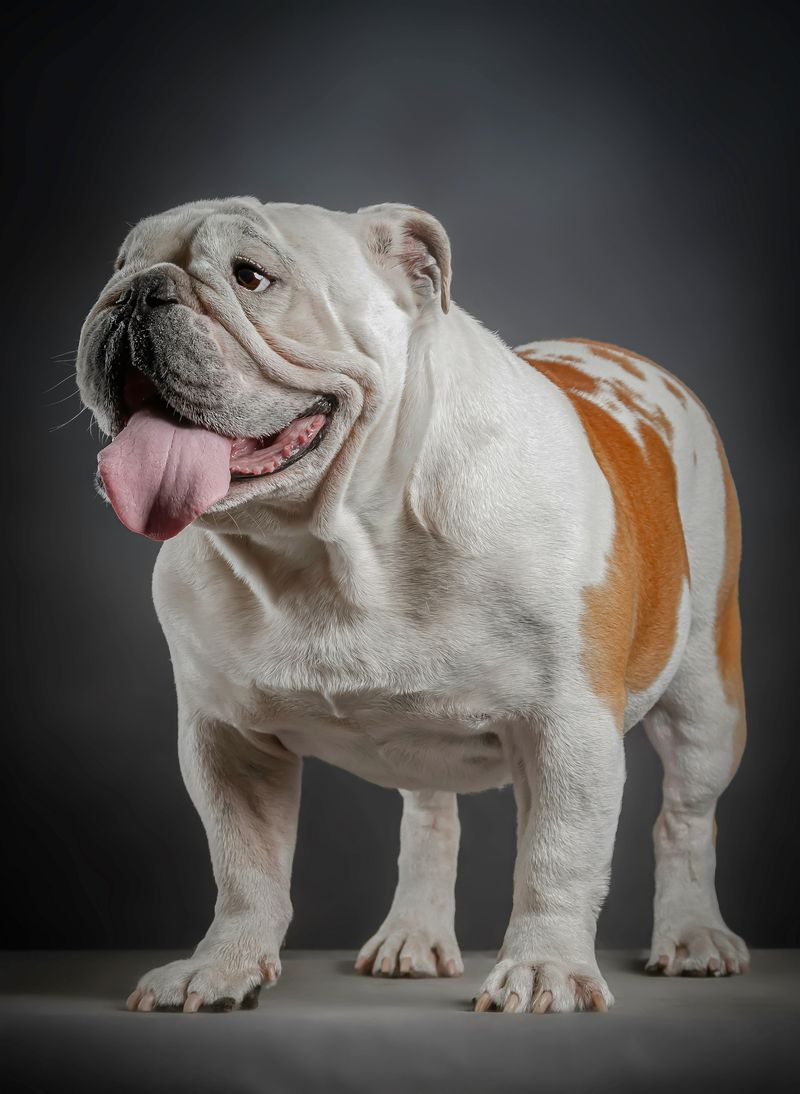
Bulldogs get branded as stubborn statues, yet many pause because breathing, heat, and crowded spaces feel stressful. If moving hurts or airflow is limited, hesitation is protective, not defiant.
First rule is comfort and health checks with your vet.
Use cool environments, frequent water breaks, and short training bursts. A Y-shaped harness reduces pressure.
Reward voluntary movement and allow breaks without scolding.
For door thresholds or noisy streets, shape progress in tiny steps with tasty treats. Teach hand target, then chain small wins into a confident walk.
When anxiety and discomfort drop, Bulldogs cooperate gladly because the task no longer feels unsafe.
Shiba Inu
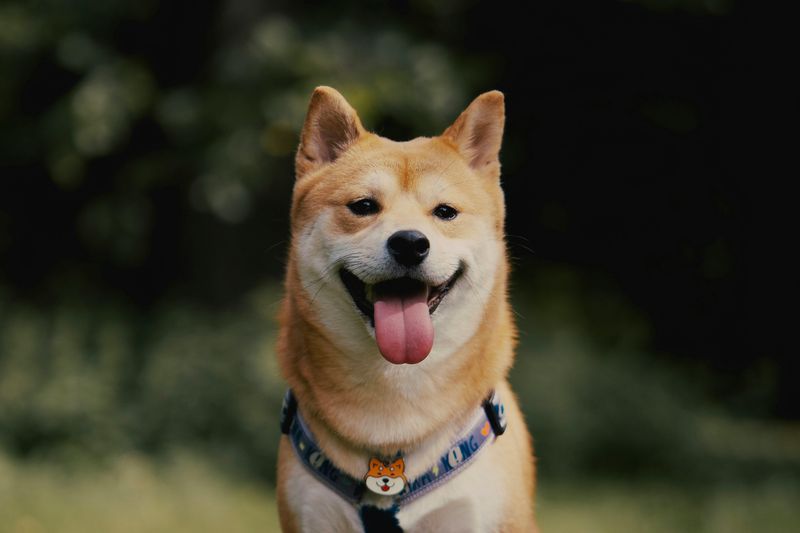
Shibas are called stubborn because they disengage when pressure rises. Many crave autonomy and shut down if forced.
What looks like aloof resistance is often anxiety about control and predictability.
Use consent-based handling and cooperative care games. Teach a start button behavior, like chin rest, to ask for grooming.
Reward voluntary approach, not restraint.
Outdoors, keep sessions short and highly reinforcing with choice points at intersections. Practice recall with long lines in quiet fields before adding distractions.
When you respect boundaries and build trust, the famous Shiba independence softens into steady partnership rather than conflict.
Chow Chow
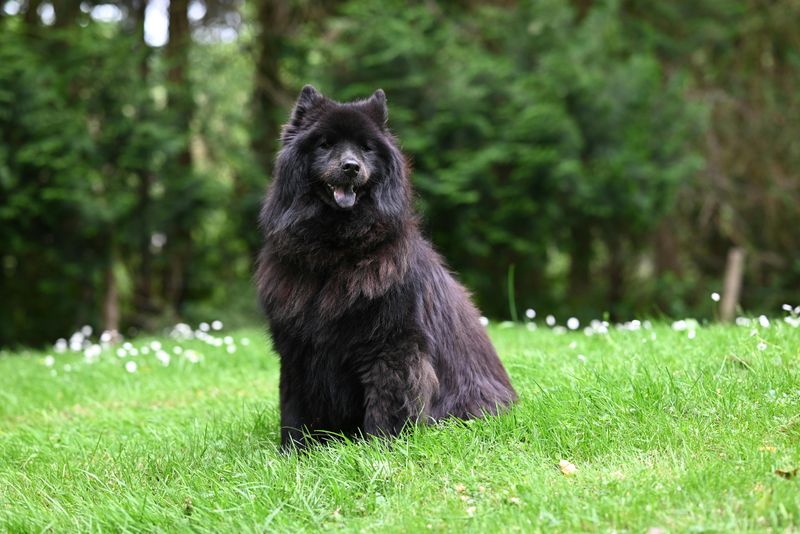
Chows often get labeled stubborn because they hesitate to engage with strangers or new tasks. Their thoughtful nature and history as guardians make caution normal.
Anxiety grows when rushed or cornered.
Give space, slow introductions, and predictable routines. Use high value rewards for approaching rather than being approached.
Cooperative care and muzzle training can add safety and confidence.
On walks, avoid crowded paths at first and let them observe from distance. Reinforce calm scanning and quiet choices.
When the environment feels negotiable, a Chow works with you not against you, revealing quiet bravery instead of rigid resistance.
Basenji
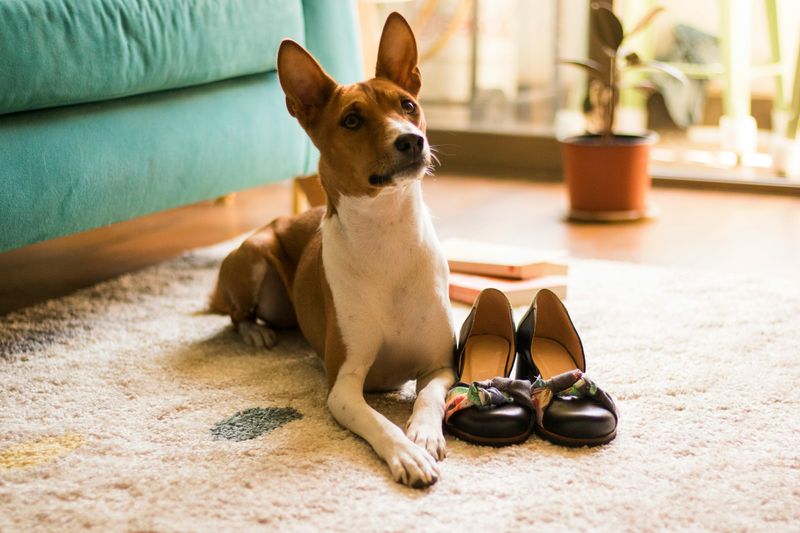
Basenjis are thinkers who shut down under pressure, so people assume stubbornness. But silence and stillness can mean uncertainty.
They do best with games that spark curiosity without cornering them.
Try scent hunts, light chase toys, and short shaping sessions. Use a harness and long line for exploratory walks.
Reinforce voluntary check ins and gentle recalls.
Alone time can be tough, so practice patterned departures with stuffed Kongs and soft music. Keep windows covered if outside activity triggers arousal.
With anxiety lowered, that cool, catlike dog shows flexible problem solving and surprising eagerness to engage.
Afghan Hound
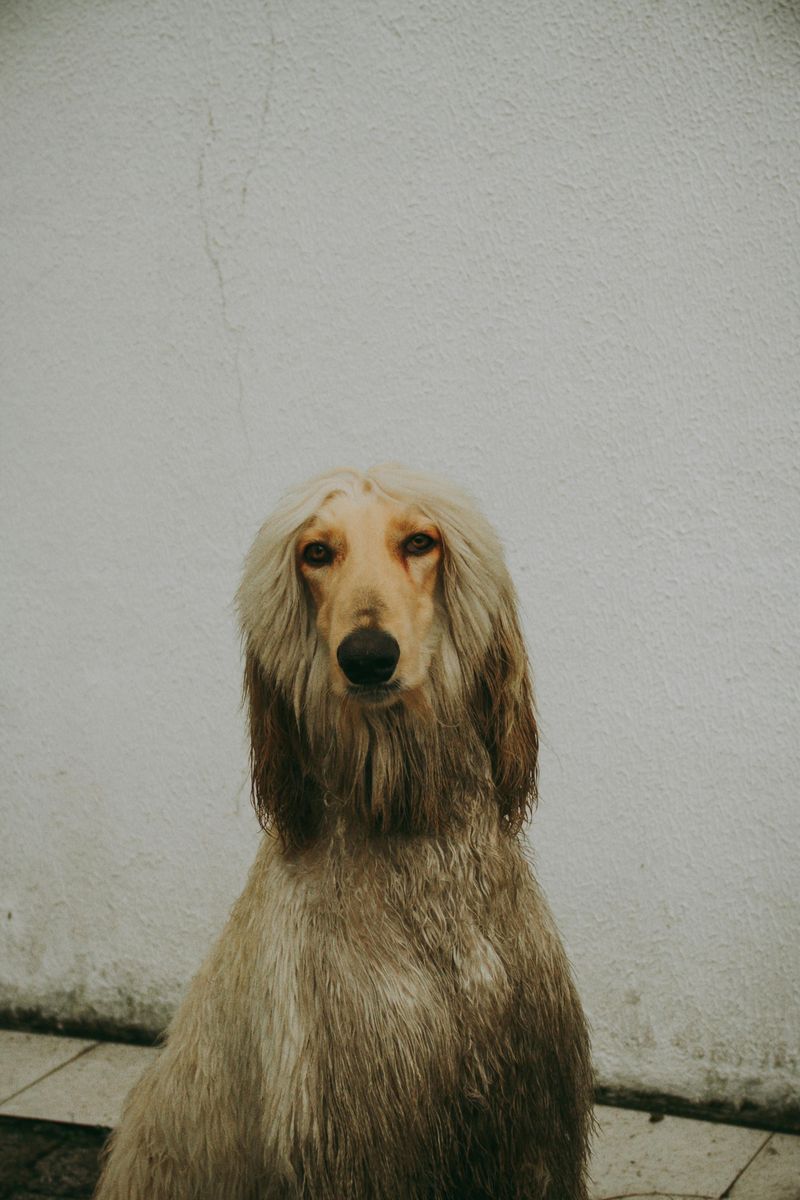
People see elegance and assume defiance when Afghans ignore cues. In truth, noise, chaotic handling, and harsh pressure make them retreat.
Sensitivity is not stubbornness, it is self protection.
Focus on soft communication and clear patterns. Use gentle body language, tasty rewards, and brief sessions.
Teach touch, come, and settle in calm rooms before venturing outside.
For grooming anxiety, create a low slip surface, desensitize tools, and pay generously for cooperation. Break tasks into micro steps with rest breaks.
Confidence grows when the dog predicts safety, and suddenly that aloof Afghan works with floaty grace and steady attention.
Shar Pei
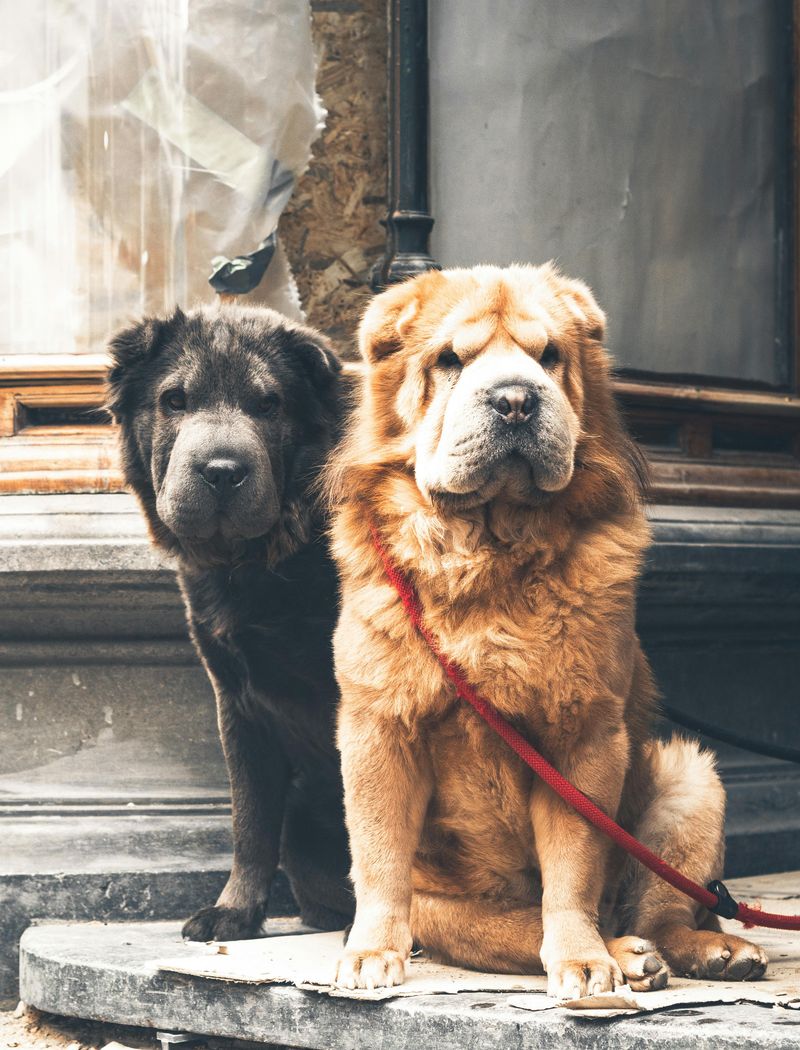
Shar Pei dogs often pause or refuse contact, and people call it stubborn. Many have body sensitivity and a history of guarding tendencies, so anxiety about touch is common.
Rushing interactions backfires.
Teach choice-based handling with chin rest or paw target. Reward approach and brief touches, then release.
Use comfortable harnesses that avoid rubbing.
For strangers and dogs, create distance and structured parallel walks. Reinforce calm glances and disengagement.
With safety established, a Shar Pei offers thoughtful cooperation and steady loyalty, proving that the pause you saw was caution, not defiance.
Siberian Husky
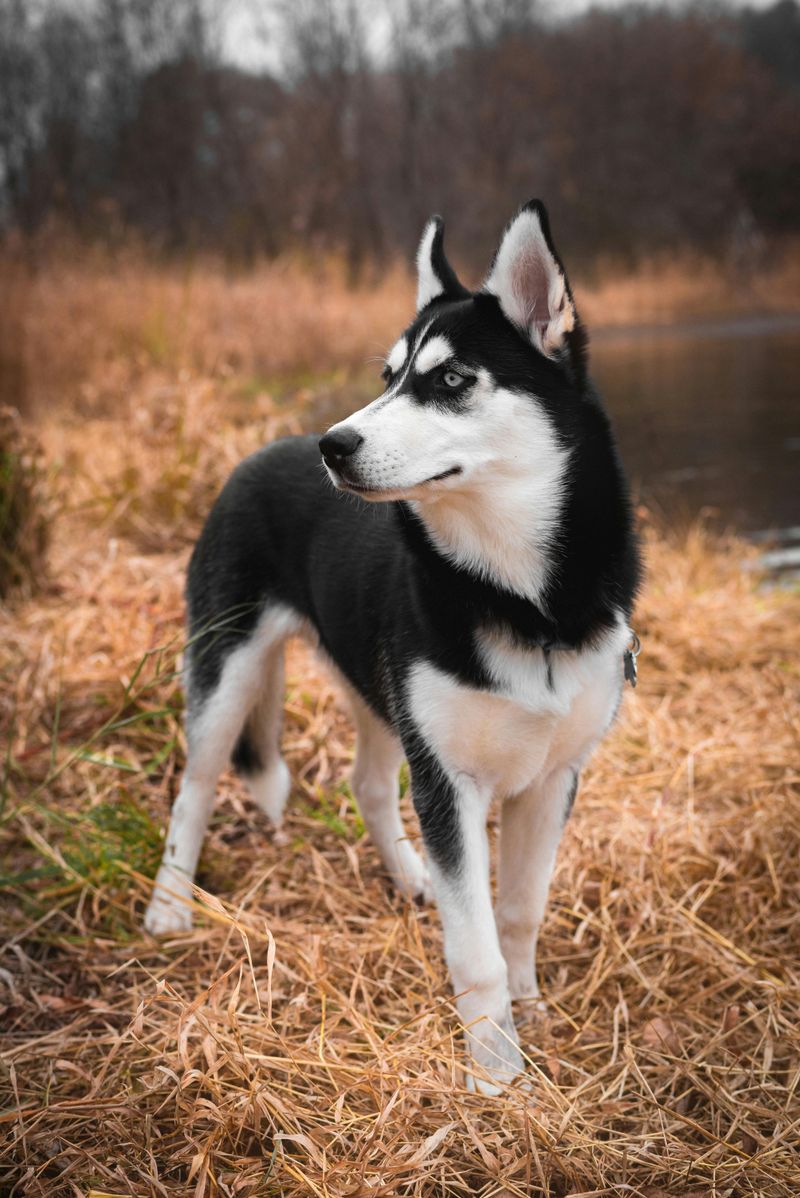
Huskies get tagged stubborn when they pull hard or ignore recalls, but anxiety spikes when confinement or frustration blocks their drive. Movement is medicine for this breed.
Decrease pressure and increase structured outlets.
Use canicross gear, sniffy hikes, and flirt pole sessions to release steam. Practice recall on long lines with generous rewards and predictable cues.
Keep sessions varied and upbeat.
Noise and separation can also rattle them, so provide crate alternatives like gated rooms and enrichment. Cooling mats and routine help regulate arousal.
When needs are met, a Husky listens far better because their brain finally feels free, not trapped.
Pekingese
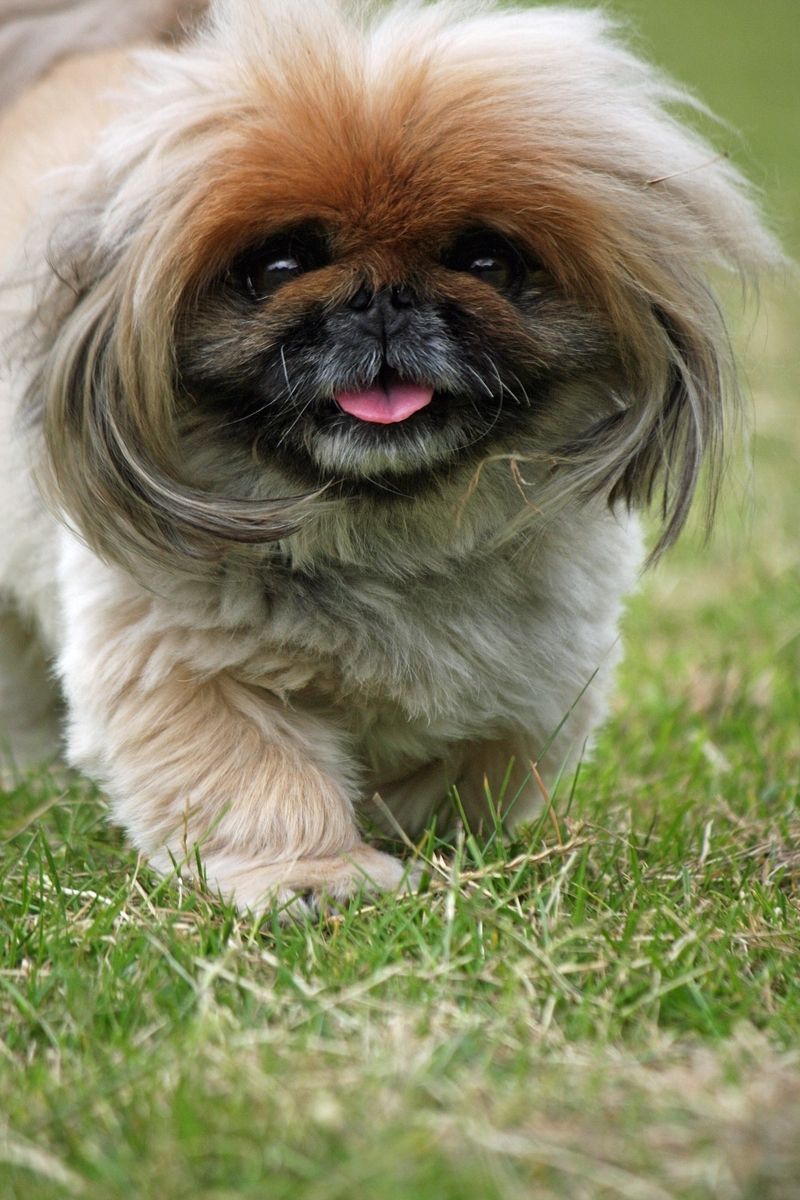
Pekingese can appear bossy or stubborn, yet many feel small in a big world. Quick hands and loud rooms create worry.
Slow, respectful handling helps confidence bloom.
Set up low platforms for grooming stability and reward cooperative touches. Use a harness to protect the neck and keep walks short and calm.
Offer escape routes during social time rather than forcing cuddles.
Teach hand target and go to bed for predictable routines. Soft mats, snuffle activities, and quiet decompression breaks reduce stress.
When anxiety fades, this regal little dog chooses connection and calm, and the supposed stubborn streak melts into sweet, steady partnership.