
Some dog breeds come with big reputations, and not all of them are fair. You deserve the facts so you can feel confident around powerful pups and advocate for responsible ownership.
Let’s explore the breeds people worry about most, what truly matters, and how training and empathy change everything. You will also meet three gentle favorites that get unfairly pulled into the debate.
Cane Corso
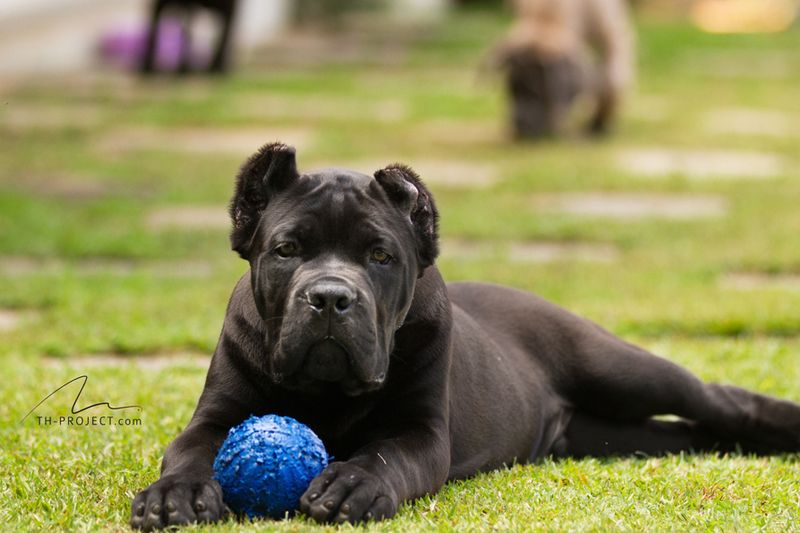
The Cane Corso’s presence turns heads, and that alone can make people nervous. You see a broad chest, a blocky head, and a gaze that seems to measure every move.
Yet behind that intensity is a guardian who thrives on structure, clear rules, and engaged training.
If you meet one, let the owner guide the introduction and give the dog space. You will notice a calm confidence when boundaries are consistent and exercise needs are met.
Socialization is everything, from puppy classes to safe city walks. A bored Corso invents work, and that can look intimidating.
Give this breed a job, be that obedience, scent work, or carting, and you will unlock a remarkably steady companion.
Rottweiler
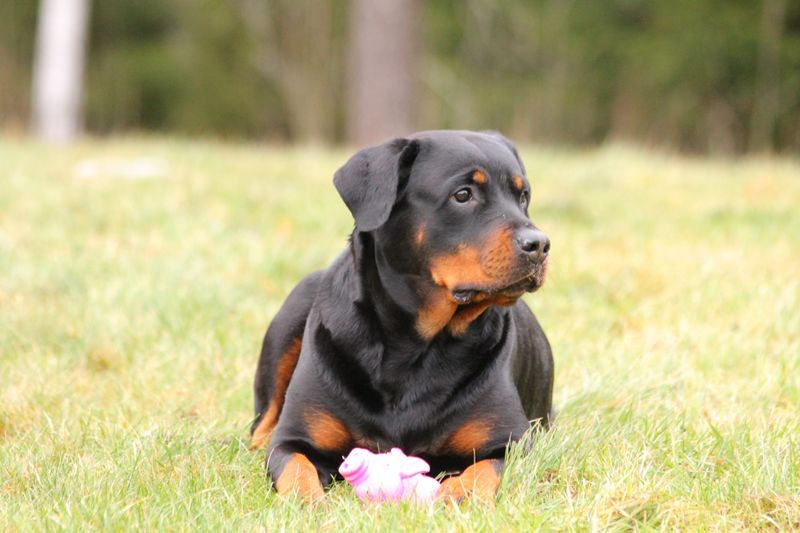
Rottweilers carry a reputation for toughness, but what you often feel first is their steadiness. They watch, think, and then act.
If you appreciate a dog that loves clear leadership and meaningful work, this breed will meet you there every day.
Social experiences determine so much. Introduce varied people, places, and calm dogs early, and you will see a loyal, biddable partner.
You must commit to impulse control games and daily exercise, because pent up energy fuels mischief. With fair rules, they become mellow housemates who melt for belly rubs.
If you ever worried about Rottweilers on headlines alone, spend time with a well trained one. You may find the breed softer and funnier than you expected.
Presa Canario
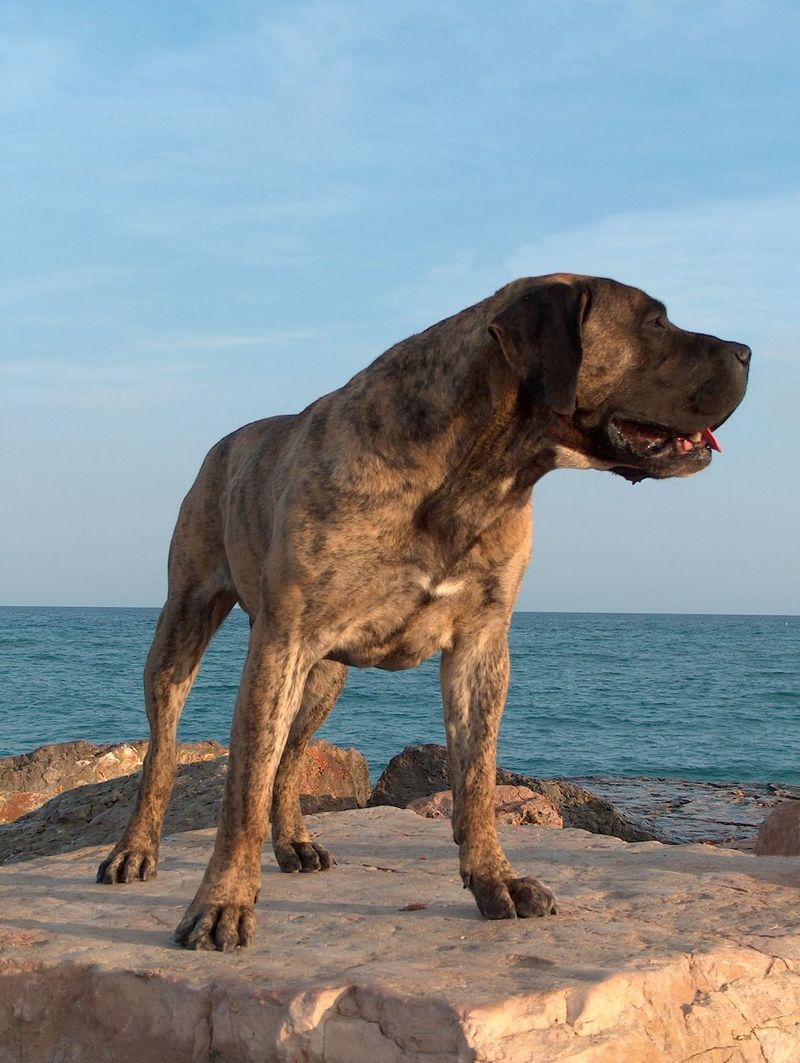
The Presa Canario looks like living stone, and that silhouette can scare strangers. You might expect chaos, but well handled Presas are methodical and grounded.
They were bred for guardianship on farms, so they need purposeful outlets and owners who plan ahead.
Clear routines matter. Teach neutrality to strangers and reward calm choices relentlessly.
You will want a trainer who understands large guardian breeds, because timing and distance make all the difference. Mental work, like place training and tracking, keeps their mind satisfied.
Skipping structure invites pushy behavior that people mistake for aggression. When you build trust and predictability, a Presa relaxes into your life.
Respect the power, set the rules, and this giant becomes a reliable shadow.
Dogo Argentino
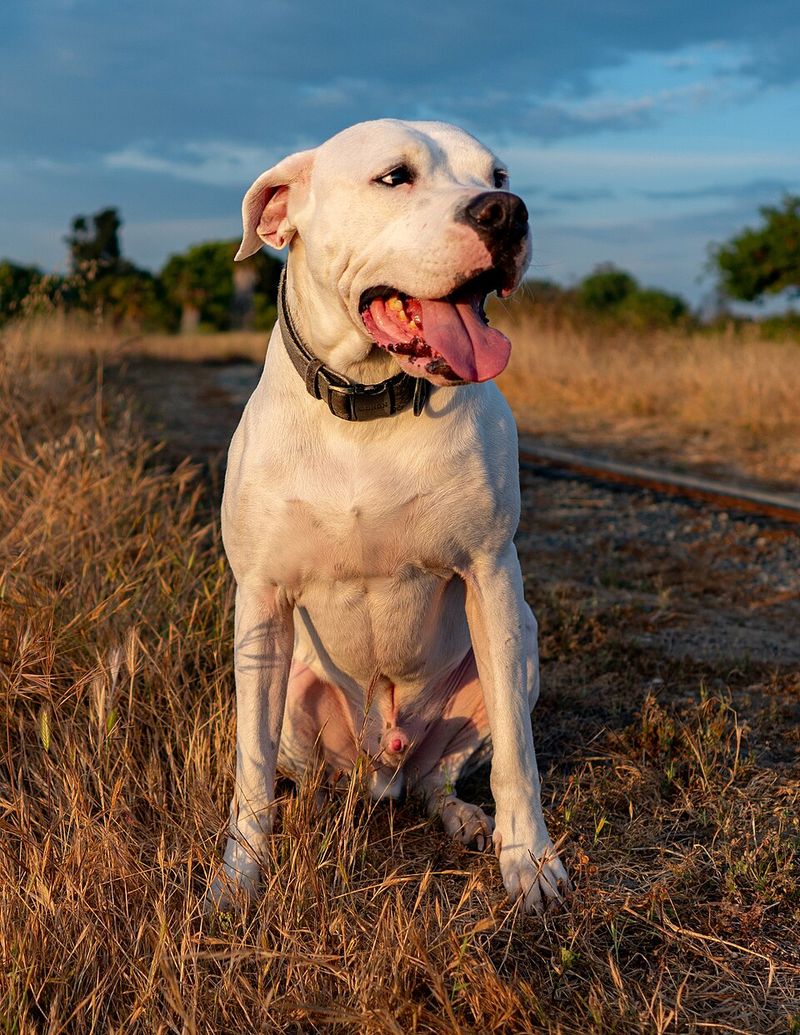
The Dogo Argentino is an athlete first, and that drive can intimidate you at a glance. Built for stamina and teamwork, this dog wants a job and clarity.
When those needs are met, the energy channels into beautiful control.
Expect daily cardio, thoughtful obedience, and steady social practice. If you skip any piece, the dog finds its own mission, and that is where trouble starts.
Use toy rewards, scent games, and structured hikes to tire mind and body. You will see a thoughtful dog settle faster indoors.
Yes, strength is undeniable, but so is sensitivity. Fair corrections and generous praise shape behavior rapidly.
Give a Dogo purposeful direction, and you earn a fiercely affectionate, predictable partner.
Akita
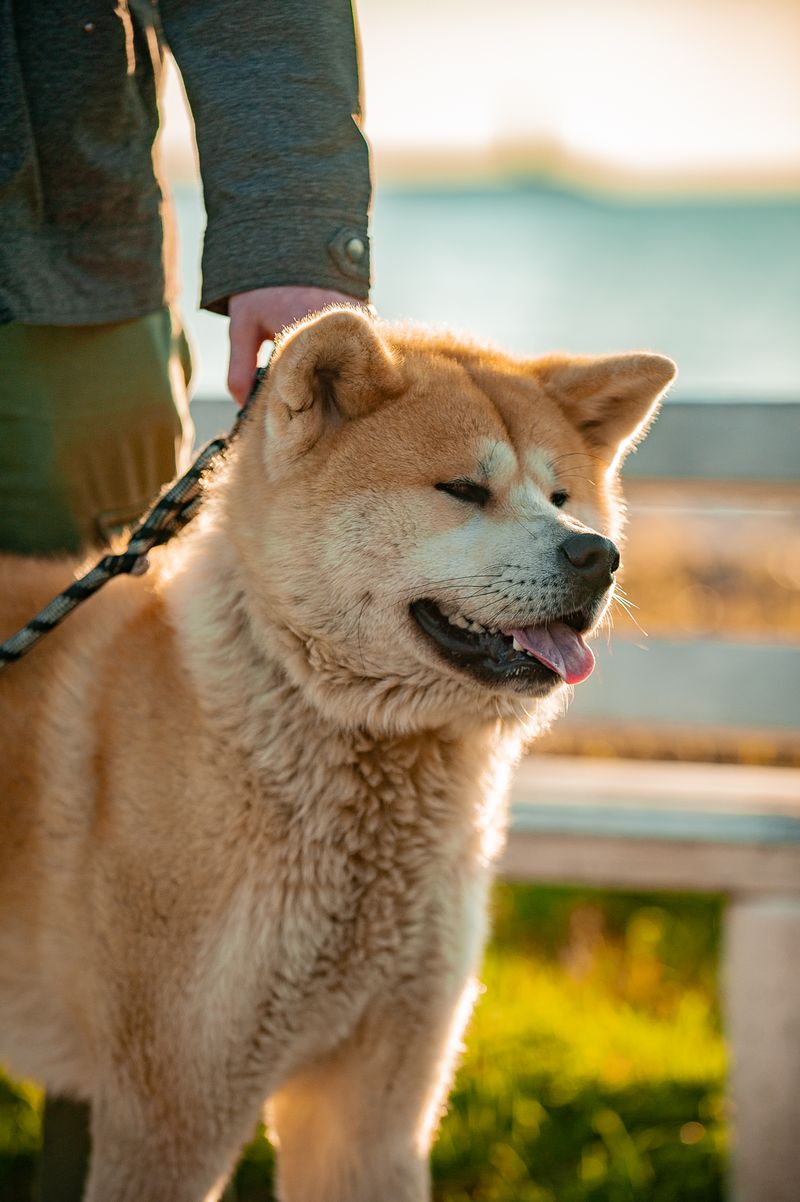
Akitas are dignified, independent, and selective about their friends. If you rush an introduction, you will get that famous side eye.
Give them time and you will find a loyal companion that bonds deeply yet keeps boundaries.
Training with an Akita means patience, short sessions, and high value rewards. You will not bully cooperation from this mind.
Instead, earn trust with consistency and quiet confidence. Socialization should focus on neutrality, not forced play.
Daily brushing, moderate exercise, and cool weather adventures keep them content. They are storytellers of subtlety, communicating with posture more than noise.
Respect that language, and you will discover a steady, majestic dog that watches over you without constant demands.
Boerboel
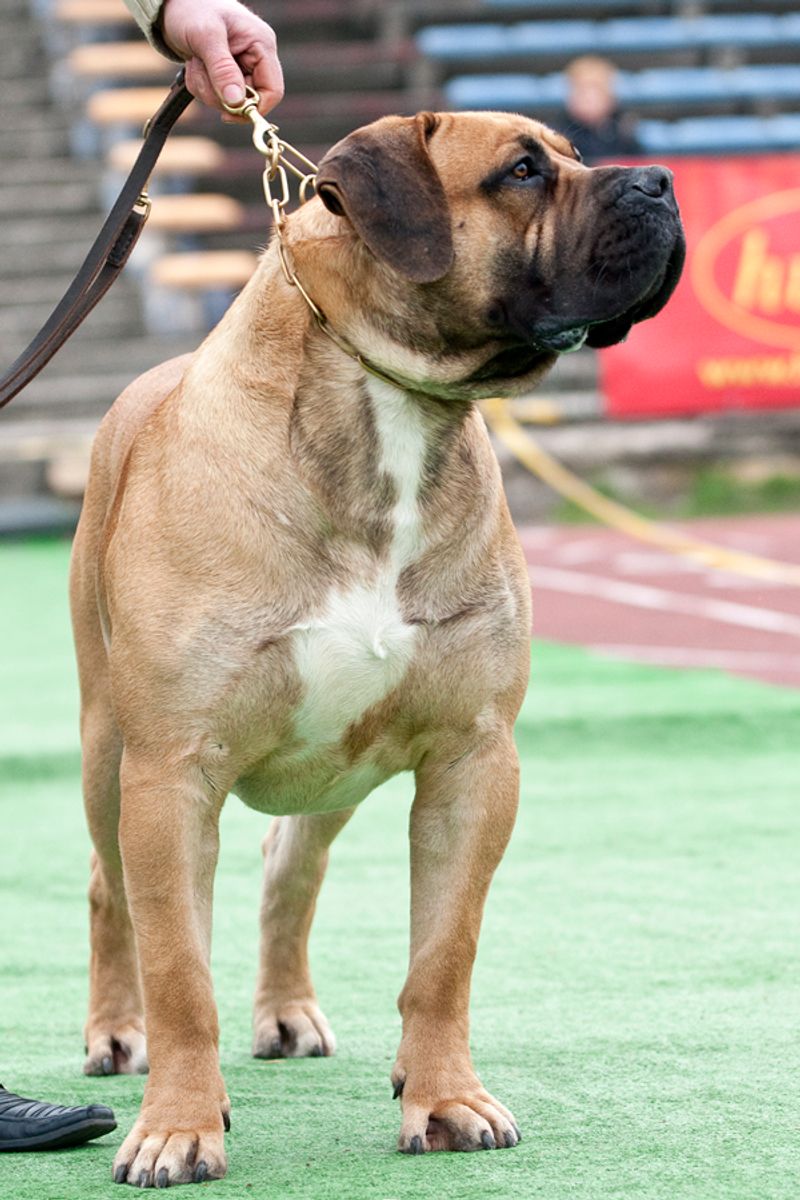
The Boerboel is a South African guardian with presence that fills a yard. You feel the ground a little when one trots past.
Despite that power, the best Boerboels are surprisingly gentle when you lead with clarity and protect their routines.
They need controlled introductions and a job, even if it is structured obedience and property patrol on leash. You must prevent pushiness by teaching boundaries early and rewarding calm.
Mental fatigue beats physical exhaustion with this breed, so use place commands and scent puzzles. Without guidance, they will manage the household for you.
With guidance, they relax by your feet like oversized teddy bears. Respect, training, and predictable schedules transform the vibe from intimidating to reassuring.
Belgian Malinois
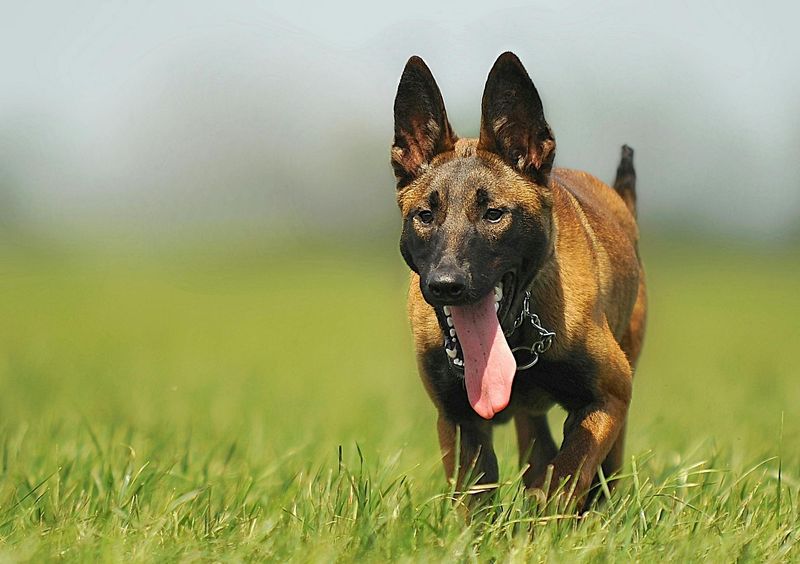
If intensity had a mascot, it would be the Belgian Malinois. You can feel the charge from across the field.
These dogs love to work, and if you are not offering tasks, they will invent a to do list that includes your couch cushions.
Channel the drive with flirt pole sessions, obedience, and bite sport or herding under pros. Clarity, timing, and daily structure are non negotiable.
You will be rewarded with breathtaking precision and devotion. For families, a stable temperament plus management tools like crates and leashes keep harmony.
Social neutrality matters more than endless greetings. When you meet one, appreciate the focus, and understand that responsible outlets turn that fire into art.
Caucasian Shepherd
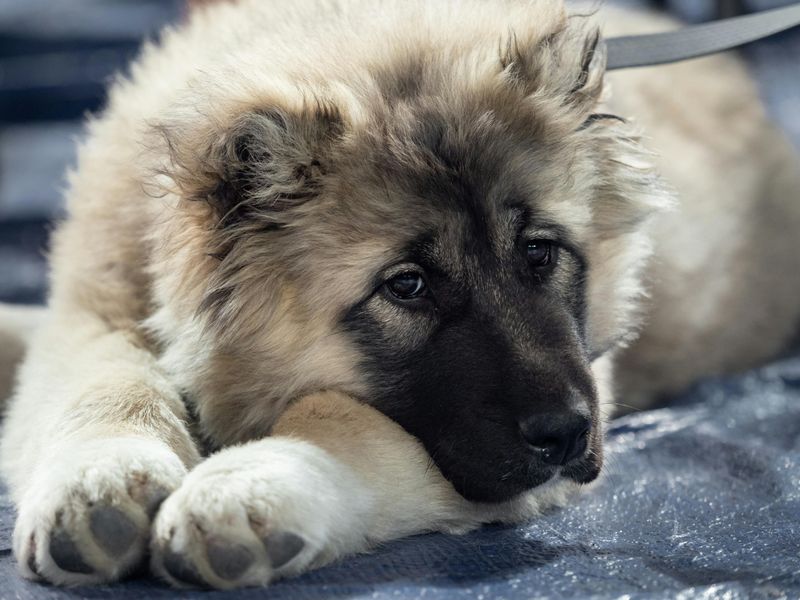
The Caucasian Shepherd looks like a walking bear rug, and people step back instinctively. Bred to guard flocks from predators, they evaluate strangers with careful suspicion.
If you respect their instincts and provide firm structure, you will see profound loyalty emerge.
This breed needs secure fencing, calm leadership, and thoughtful socialization that prioritizes neutrality. You cannot rush or bribe trust.
Instead, set predictable patterns, reward calm behavior, and manage introductions. Daily mental work and moderate exercise keep them balanced.
Without that, territorial instincts can flare. When you earn their confidence, they become gentle with family and surprisingly affectionate.
Treat them like thoughtful coworkers, not stuffed animals, and you will both thrive.
Tosa Inu
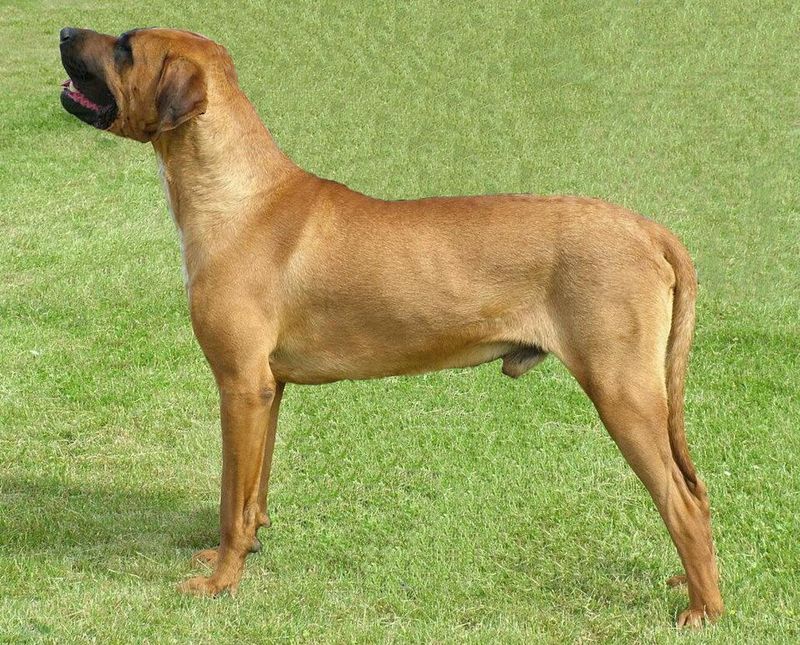
The Tosa Inu carries a serious air that makes strangers whisper. Historically a competition dog in Japan, the breed values composure under pressure.
You will notice a slow, deliberate way of moving that reads as confidence, not chaos.
Responsible ownership is everything here. Socialization should emphasize calm observation and distance, not face to face greetings.
You will want structured walks, balanced training, and clear routines that reduce guesswork. The payoff is a serene partner who handles city life with grace.
Skipping structure risks reactivity that feeds the myth. With patience, fair rules, and consistent outlets, you will discover a polite, almost regal companion who prefers quiet loyalty over showmanship.
Kangal
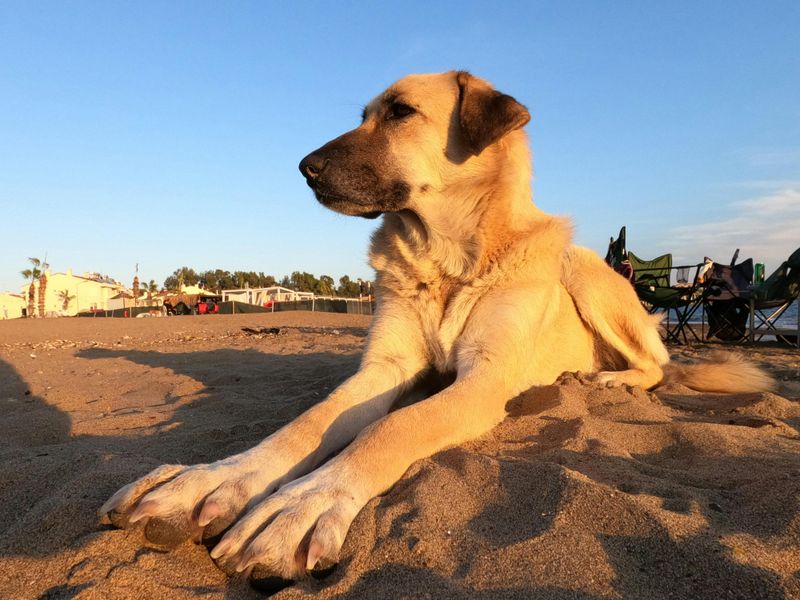
The Kangal is bred to guard livestock, and that job shapes everything you see. Calm until needed, explosive when required, they take duty seriously.
You sense intelligence in how they scan and position themselves between you and the world.
Urban life demands management. Use secure fencing, long line training, and carefully planned exposures.
You will want to prioritize neutrality and recall practice over dog park chaos. Daily patrol style walks plus scent games keep their brain satisfied.
Respect their space around strangers, and they repay you with steady composure. When handled thoughtfully, a Kangal becomes a quiet protector who naps hard and loves harder.
Doberman Pinscher

Dobermans radiate purpose, and that silhouette can read as sharp. Meet one raised with structure, and you will find a sensitive, people focused dog that checks in constantly.
They thrive on engagement, fair rules, and athletic outlets.
Daily training keeps their busy mind from spiraling into worry. You will want impulse control games, recall practice, and jogs or bike runs to burn energy.
Socialization should teach polite neutrality, not nonstop petting. With good breeding and clear leadership, they become velcro companions who snuggle like lapdogs.
Skip those pieces, and anxiety can look like reactivity. Provide direction, and the Doberman’s brilliance turns into effortless partnership.
Boxer
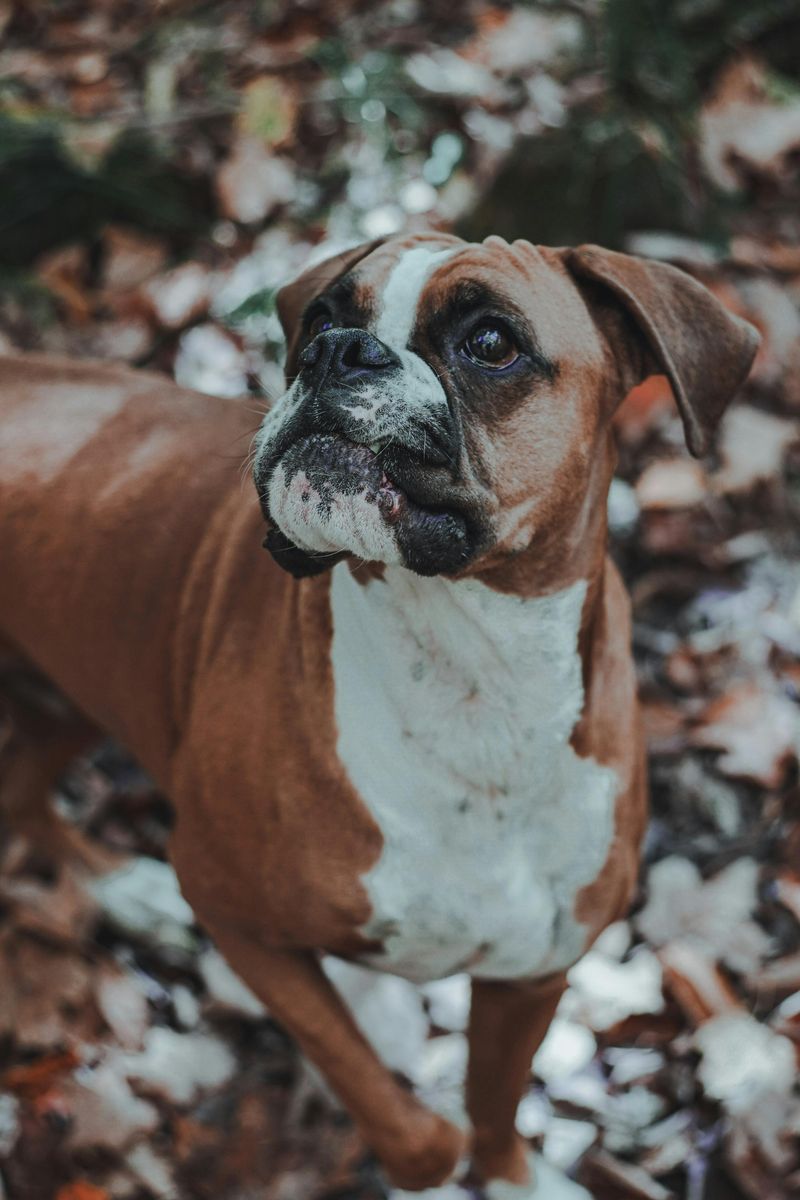
Boxers get lumped in with tough breeds, yet the vibe is usually clown energy. You will feel goofy joy, wiggly greetings, and dramatic side naps.
Their play style can look rough, which sometimes worries bystanders.
Channel that enthusiasm into structured fetch, flirt pole sessions, and trick training. You will want reliable cues for sit, down, and settle to flip the switch from chaos to calm.
Consistent exercise and puzzle toys prevent boredom. Socialization should focus on polite manners around kids and small dogs.
Once those bases are covered, a Boxer becomes the life of your household, all heart and humor. They are proof that muscle and mischief can coexist beautifully with guidance.
Staffordshire Bull Terrier
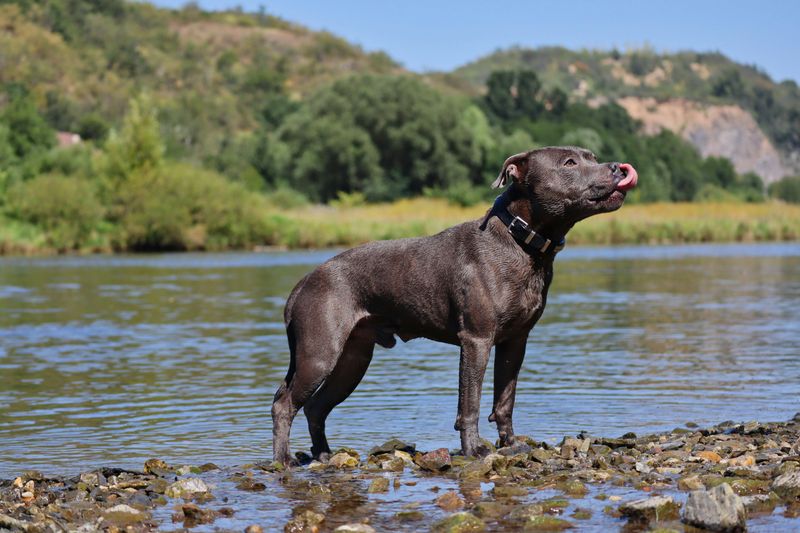
Staffordshire Bull Terriers face unfair assumptions because of their look. Meet one, and you will likely get a grinning, people loving shadow.
They crave connection and shine when given boundaries and games that celebrate their zest.
Use tug with rules, nose work, and obedience to channel energy. You will want rock solid leash manners and a settled place cue for guests.
Socialization should prioritize calm greetings and space awareness. With responsible ownership, you will witness a cuddly comedian who adores kids when supervised and trained.
The stereotype fades quickly once you experience their affection. Let structure lead the way, and a Staffy becomes a compact ambassador of joy.
Great Dane
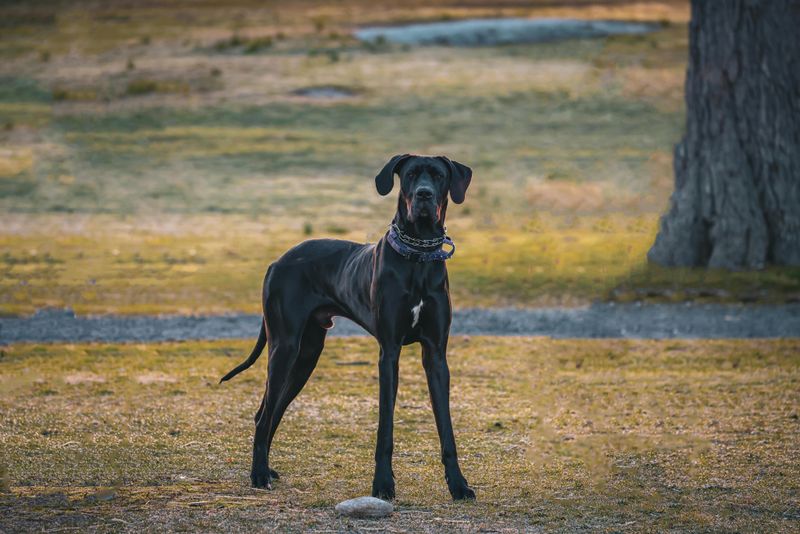
Great Danes look enormous, so people assume they are scary. Spend ten minutes, and you will meet an oversized sweetheart who leans for hugs.
They are sensitive souls who need gentle handling and a routine that respects growing joints.
Short training bursts, soft beds, and steady social exposure keep them confident. You will want to teach polite greetings because a friendly hop can topple anyone.
Moderate exercise plus enrichment like food puzzles works wonders. Vet care and proper nutrition are crucial due to size.
Given thoughtful guidance, a Dane becomes a couch companion with movie night manners. Their kindness challenges the fear narrative better than any speech ever could.