
Certain dog breeds are more sensitive to reinforcement, making them quick learners who thrive on positive feedback. This sensitivity means small habits can rapidly develop into significant behavioral patterns. Here are 11 breeds that exemplify this trait.
Cocker Spaniel
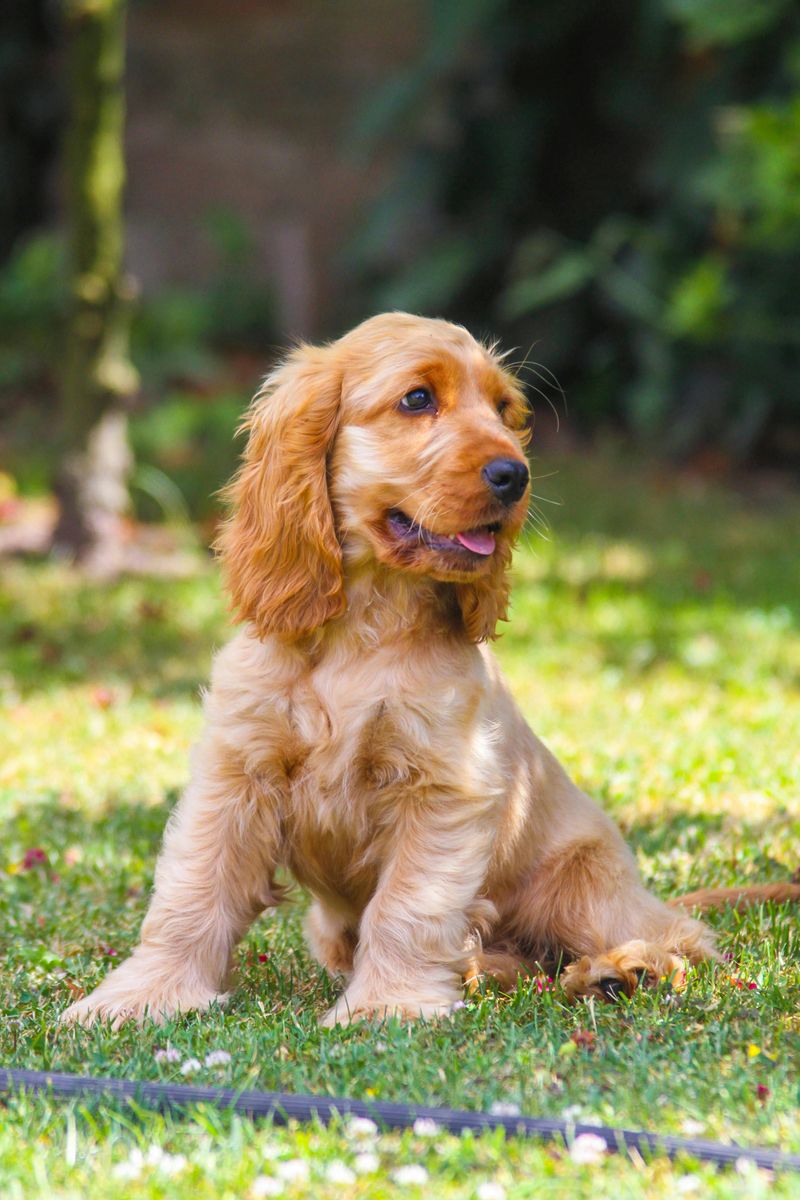
Bounding with enthusiasm, the Cocker Spaniel is a delight to train. Their love for games and treats makes them highly responsive to positive reinforcement.
Their joyful spirit and eagerness to please strengthen the bond with their owners. These dogs are quick to pick up on small habits, making consistent training essential.
Did you know? Originally bred for hunting, their keen instincts make them excellent companions in various activities, from agility to therapy.
English Springer Spaniel
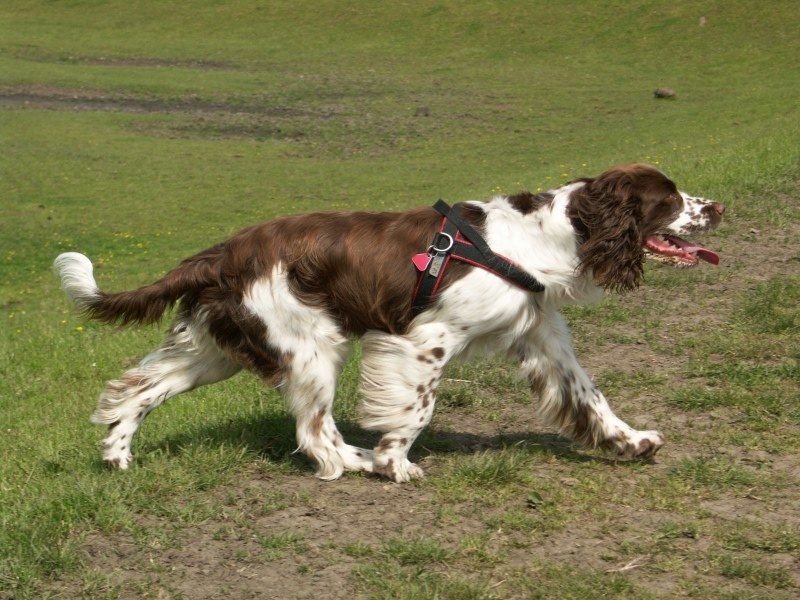
The English Springer Spaniel thrives in environments rich with love and encouragement. This breed’s high energy and intelligence make training both a necessity and a joy.
They quickly learn new commands, which can evolve into reliable behaviors over time. Their history as gundogs contributes to their focus and responsiveness.
A fun fact: They were named for their ability to “spring” game into the air, showcasing their inherent athleticism and agility.
Brittany
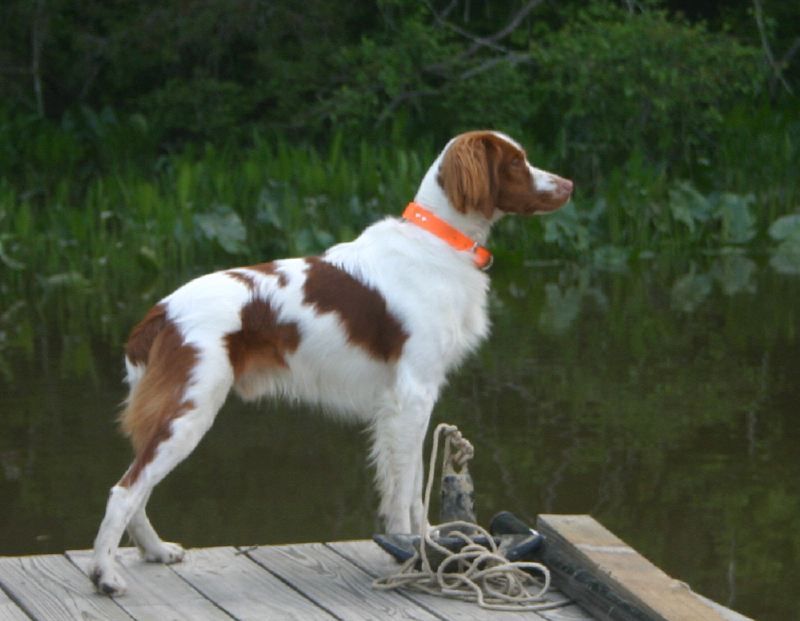
Known for their zest for life, Brittanys are eager learners who respond well to reinforcement. Their spirited nature and intelligence require engaging activities to keep them satisfied.
Their sensitivity means that consistent praise solidifies desired behaviors. With roots in French hunting, they excel in roles requiring speed and precision.
Did you know? Despite their hunting prowess, Brittanys are often mistaken for Spaniels due to their similar appearance and enthusiasm.
Flat-Coated Retriever
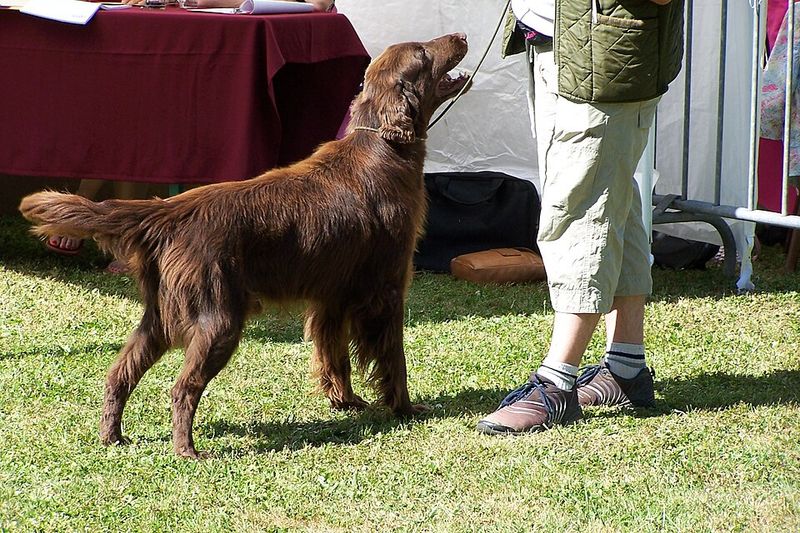
With boundless energy and a joyful disposition, the Flat-Coated Retriever is a master at learning through reward-based methods. Their playful nature keeps training sessions lively and fun.
These retrievers are known for their exuberant greetings and desire to please their humans. Reinforcement shapes their behavior, turning small cues into reliable actions.
A quirky tidbit: Often called the “Peter Pan” of dogs, they retain their puppy-like demeanor well into adulthood.
Nova Scotia Duck Tolling Retriever
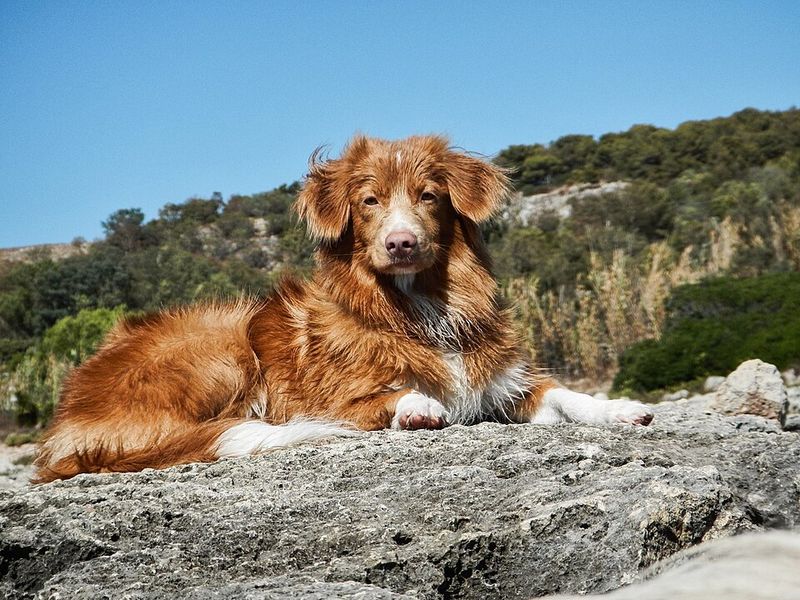
Smaller in size but big in enthusiasm, the Nova Scotia Duck Tolling Retriever is a quick study. Their ability to charm with their antics makes training a delightful experience.
These dogs are sensitive to their environment, and positive reinforcement enhances their natural talents. Their unique “tolling” dance is an entertaining sight.
Fun fact: They are the smallest of the retrievers, yet their energy and intelligence rival much larger breeds.
Vizsla
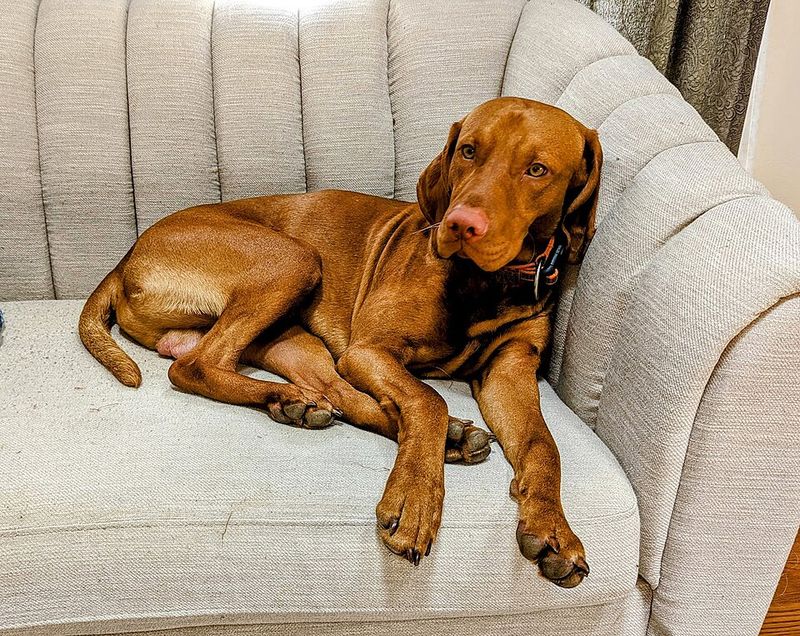
Graceful and affectionate, Vizslas excel in environments rich with encouragement and activity. Their gentle disposition and intelligence make them ideal candidates for positive training methods.
These dogs are known for their “Velcro” nature, sticking close to their owners. Habits, both good and bad, quickly form with subtle reinforcement.
Did you know? The Vizsla is a symbol of Hungary, known for its striking appearance and superb hunting skills.
Weimaraner
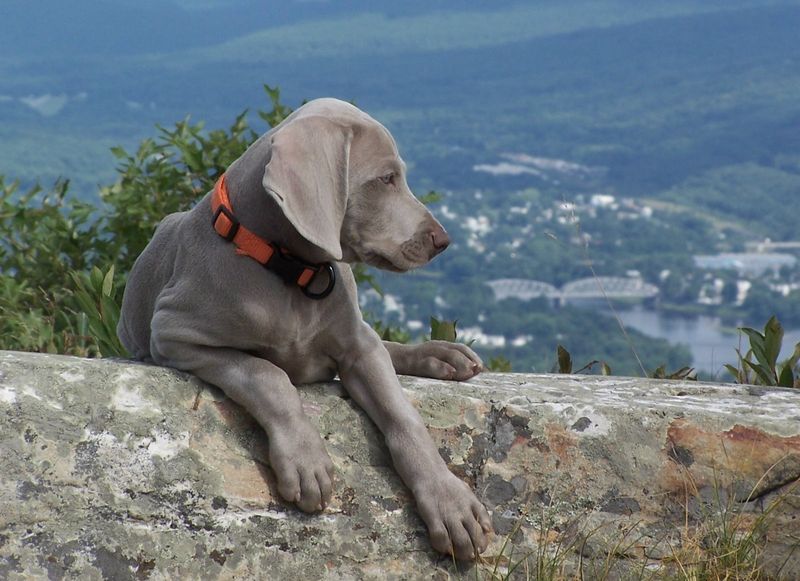
With their striking silver coats, Weimaraners are unmistakably elegant. They thrive on interaction and are keen learners when positive reinforcement is applied.
These dogs are playful and require mental stimulation to prevent boredom. Quick to adopt new habits, their behavior is a reflection of their training consistency.
A historical note: Originally bred for royalty, Weimaraners were developed for hunting large game in Germany.
Miniature American Shepherd
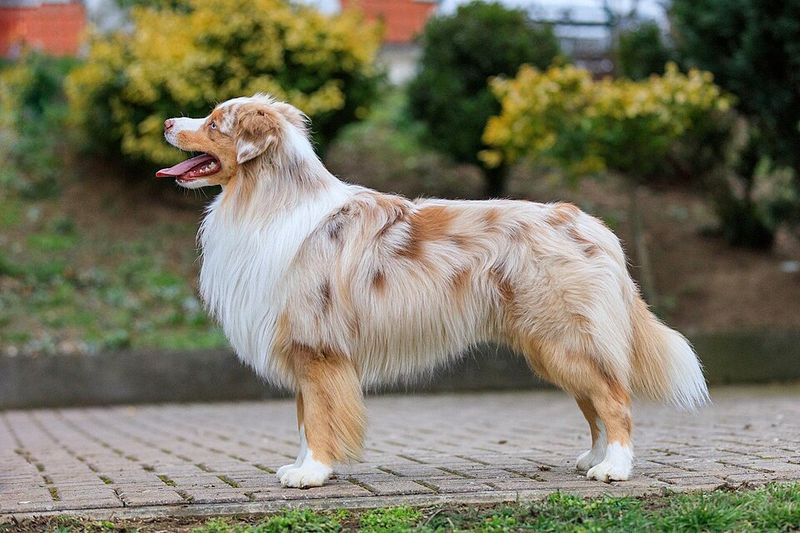
The Miniature American Shepherd is as agile as it is intelligent. Their eagerness to learn is matched by their responsiveness to rewarding interactions.
Although small, they possess the herding instinct of their larger counterparts. Training transforms potential into performance, making them favorites in agility circles.
Fun fact: Despite their size, they share a strong lineage with the Australian Shepherd, known for their versatility and drive.
Italian Greyhound
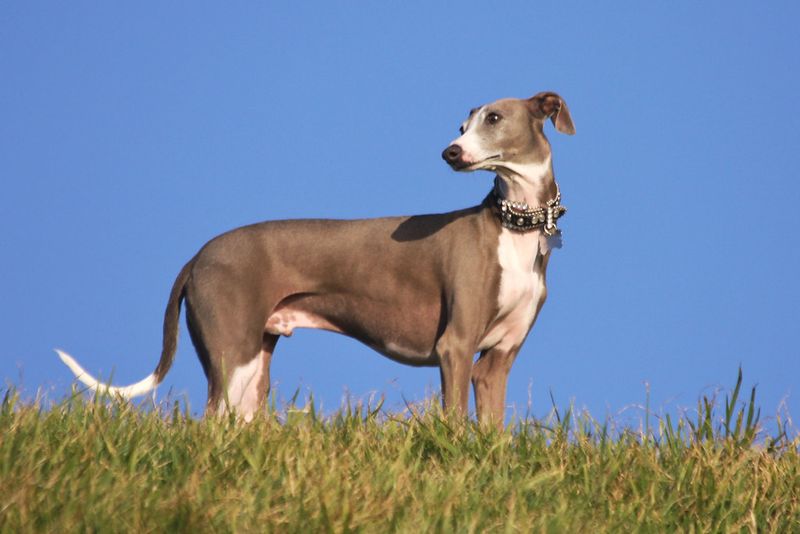
Refined and graceful, the Italian Greyhound embodies elegance in a petite package. Their sensitivity to human emotion makes positive training both effective and essential.
These dogs love companionship and can be surprisingly playful. Small gestures can lead to significant behavioral patterns, reflecting their keen perception.
Did you know? Despite their delicate appearance, they possess a hidden speed, making them exceptional runners.
Havanese
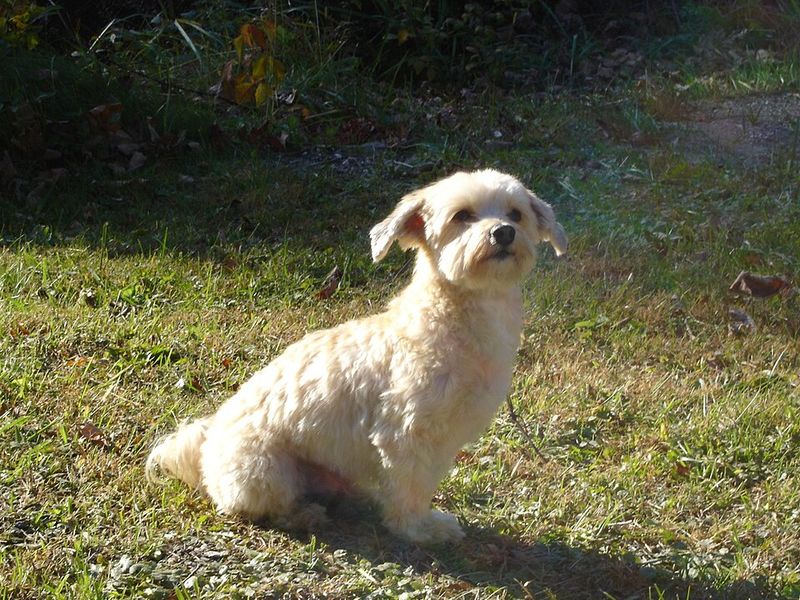
Charming and lively, the Havanese brings warmth to any household. Their cheerful demeanor responds well to reinforcement, making training a rewarding endeavor.
With their sociable nature, they quickly learn and adapt to household routines. Their Cuban heritage adds a touch of exotic flair to their playful antics.
A fun tidbit: Known as the “Velcro dog,” they love being the center of attention, often shadowing their owners around the house.
American Eskimo Dog
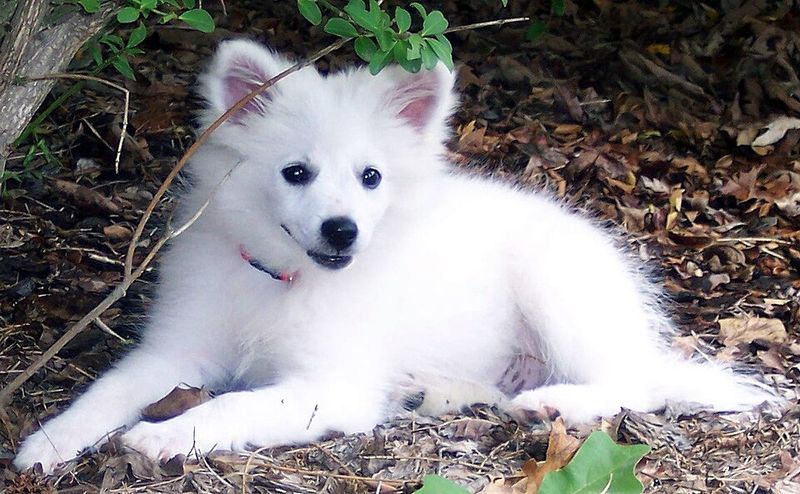
The American Eskimo Dog captivates with its fluffy white coat and merry personality. Their intelligence and curiosity make them highly trainable with positive reinforcement.
These dogs are charmingly expressive and thrive in environments where their alertness is encouraged. Consistent training shapes their naturally inquisitive nature.
A historical note: Despite their name, they have no connection to Eskimo culture, instead originating in Germany as “German Spitz.”