
Some dogs show skin troubles in quiet ways. Licking paws, scratching ears, and red bellies can be early clues.
Knowing which breeds are more likely to have sensitive skin helps you catch problems fast. With a few smart habits, you can keep your buddy comfortable and happy.
French Bulldog
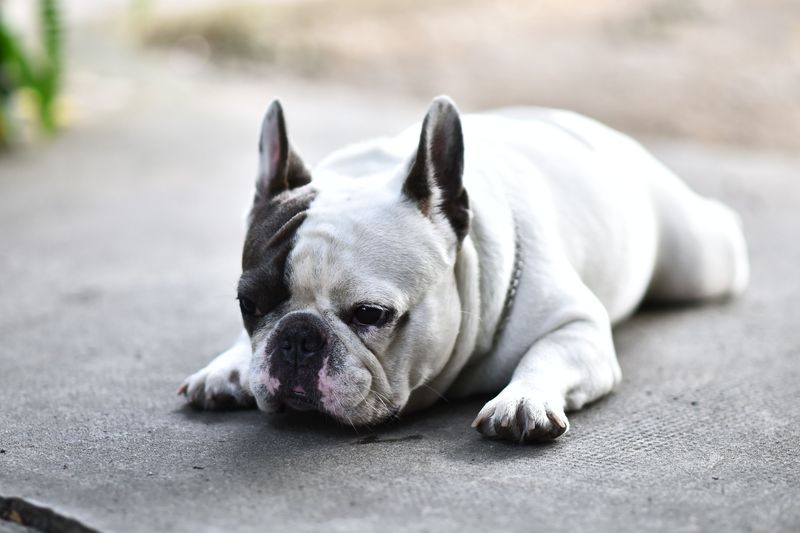
Big personality, small coat, and often touchy skin. Frenchies can react to food proteins or dust, which shows up as red paws and itchy ears.
Their skin folds also trap moisture, inviting yeast.
Rinse paws after walks, dry between folds, and choose a limited-ingredient diet. A gentle, fragrance-free shampoo helps a lot.
Watch for paw chewing and head shaking. Early vet visits prevent long flare-ups.
Golden Retriever

Known for sunny energy, Goldens can still struggle with itchy skin. Seasonal pollen and grasses often spark paw licking and ear gunk.
A thick undercoat can trap allergens on the skin.
Weekly baths with an oatmeal or hypoallergenic shampoo can soothe. Rinse paws after hikes and dry the fur between toes.
Balanced omega-3s support the skin barrier. If ears smell or look waxy, ask your vet about cleaners or possible food trials.
Labrador Retriever
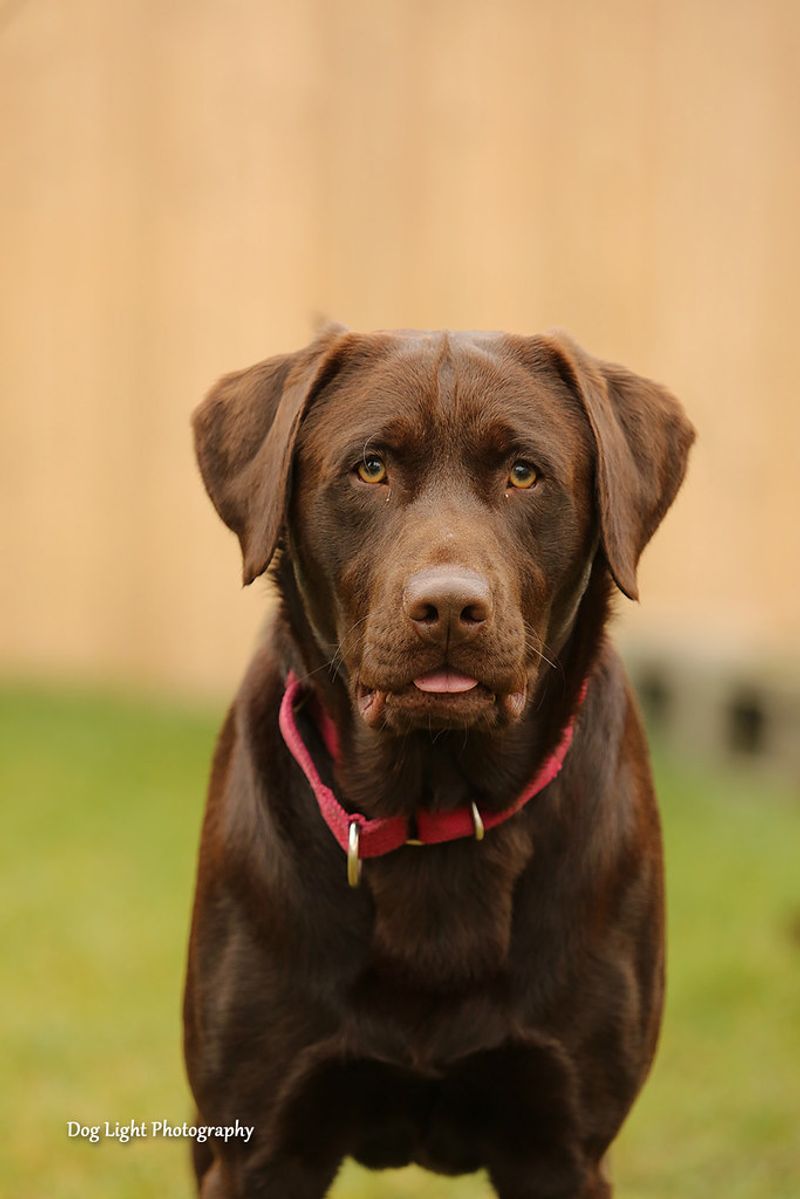
Always ready for fetch, Labs also tend to get itchy between toes and around the belly. Water play plus pollen can make things worse, especially in warm months.
Ear canals may trap moisture after swims.
Dry ears gently after water fun and use a vet-approved cleaner. Rinse paws to remove grass sap and salt.
A simple diet and measured treats reduce flare-ups. Track triggers in a notebook to spot patterns.
German Shepherd
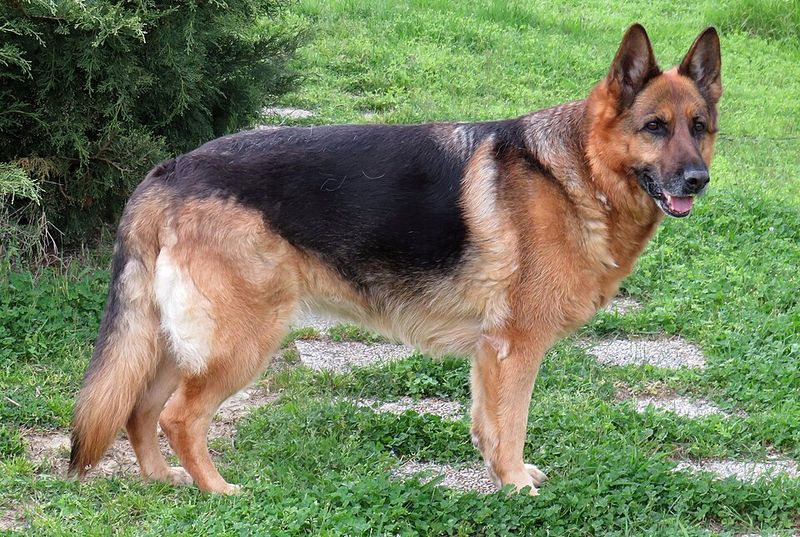
Strong and smart, German Shepherds can still face skin troubles. Environmental allergies may show first as pink bellies or constant paw gnawing.
Their undercoat sheds dander that can irritate their own skin.
Regular brushing removes trapped allergens. Choose a mild, pH-balanced shampoo and avoid heavy perfumes.
Short, cool baths help when pollen is high. If scratching becomes nightly, a vet can test for allergens and suggest targeted treatment or medications that calm the itch.
Boxer
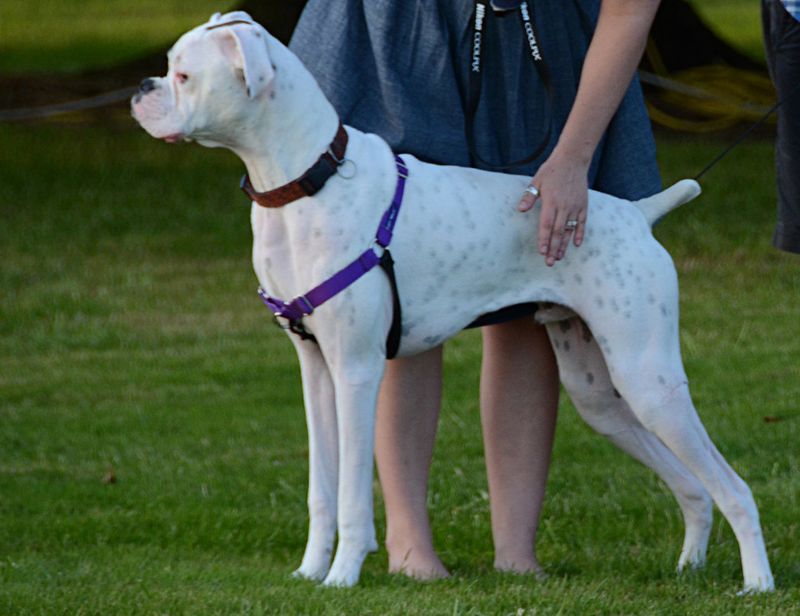
Playful and bouncy, Boxers commonly have contact sensitivities. Grass or cleaning sprays can leave bellies blotchy and paws irritated.
Short coats give less protection, so skin meets the world directly.
Rinse off after yard time and avoid harsh cleaners on floors. Use stainless bowls if plastic seems to bother the muzzle.
A fish-oil supplement may reduce dry patches. If welts appear after play, ask your vet about antihistamines or allergy plans tailored to your dog.
West Highland White Terrier
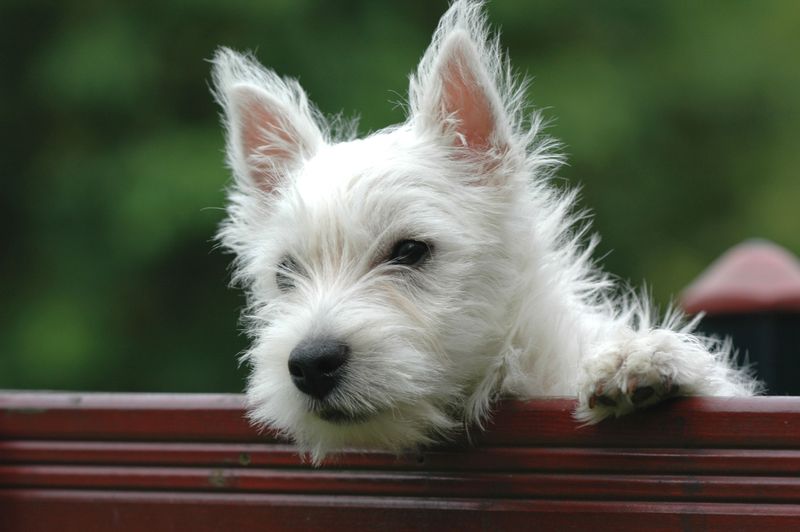
That snowy coat hides pink, reactive skin. Westies often show itching as paw staining, ear odor, and red bellies.
Some react to dust mites or certain proteins, which can be tricky to spot.
Try routine paw rinses, frequent ear checks, and a consistent, limited-ingredient menu. Professional grooming can keep the coat airy and clean.
If flare-ups repeat, your vet may suggest allergy testing or medicated shampoos that tame yeast and calm the skin barrier.
Cocker Spaniel
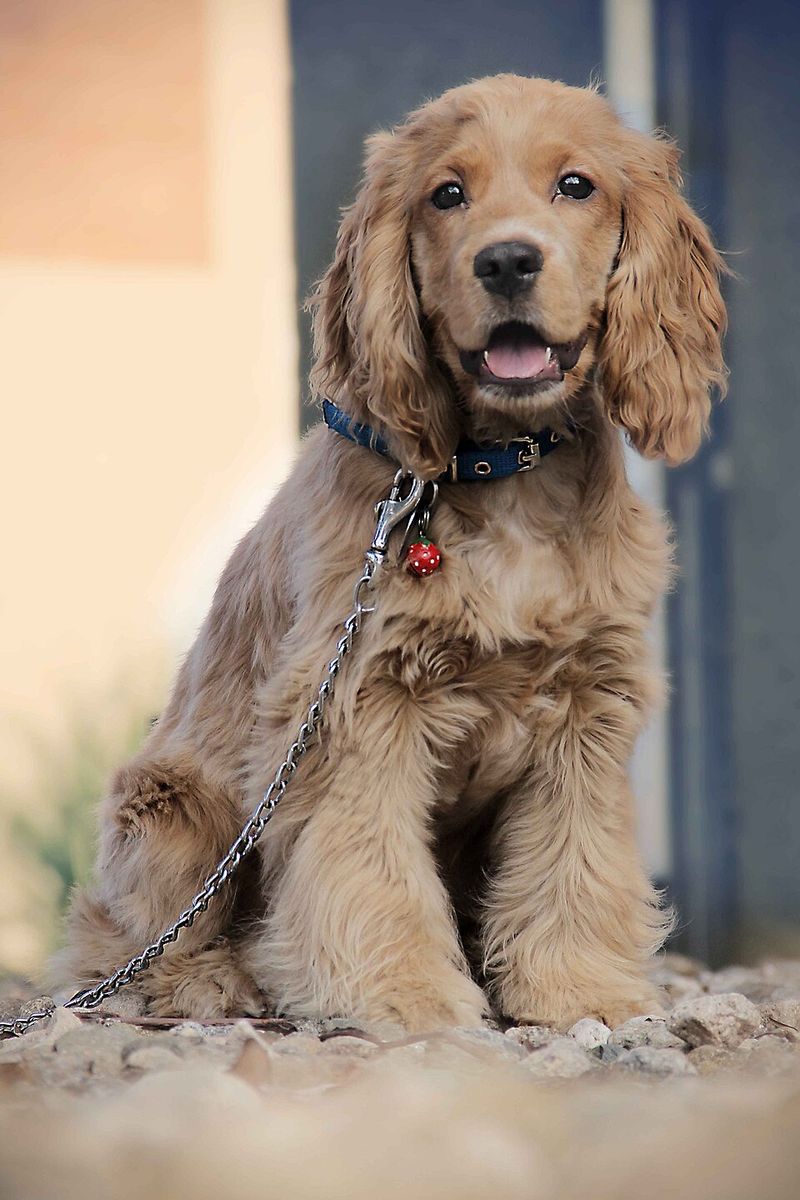
Those silky ears look lovely but can trap heat and moisture. Cockers often show skin troubles as sticky ears, smelly paws, and reddish bellies.
Food sensitivities may add to the itch.
Keep ear hair tidy and use a vet-recommended cleaner after baths. Trim paw fur so debris falls away.
Rotate gentle shampoos, such as oatmeal and chlorhexidine, based on your vet’s plan. A daily wipe-down after walks can cut allergens that cling to feathering.
English Bulldog
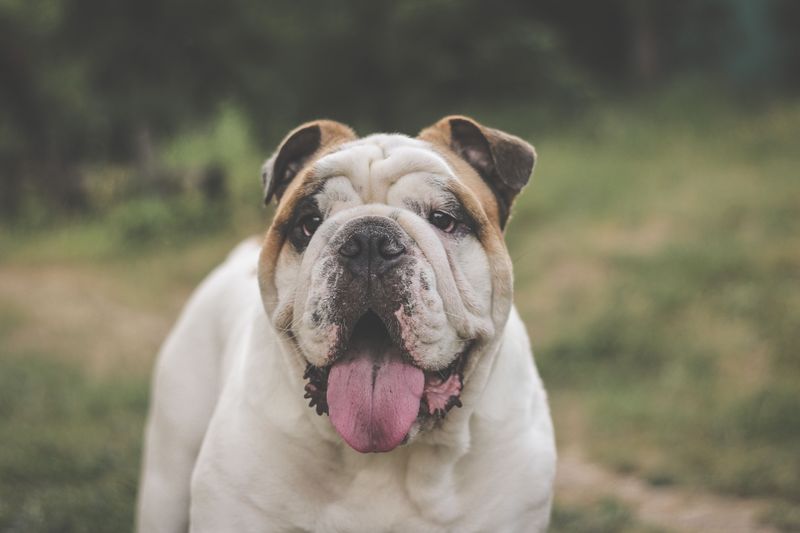
Wrinkles bring charm and extra care needs. Bulldogs can get damp skin in folds, which leads to itching on the face, belly, and paws.
Ear canals may be sensitive, too.
Daily wipe between folds and keep them dry. Choose breathable bedding and wash it often.
A balanced diet with skin-focused nutrients helps the barrier stay strong. Notice brown paw staining or head shaking early, then call your vet before infections take hold.
Shih Tzu
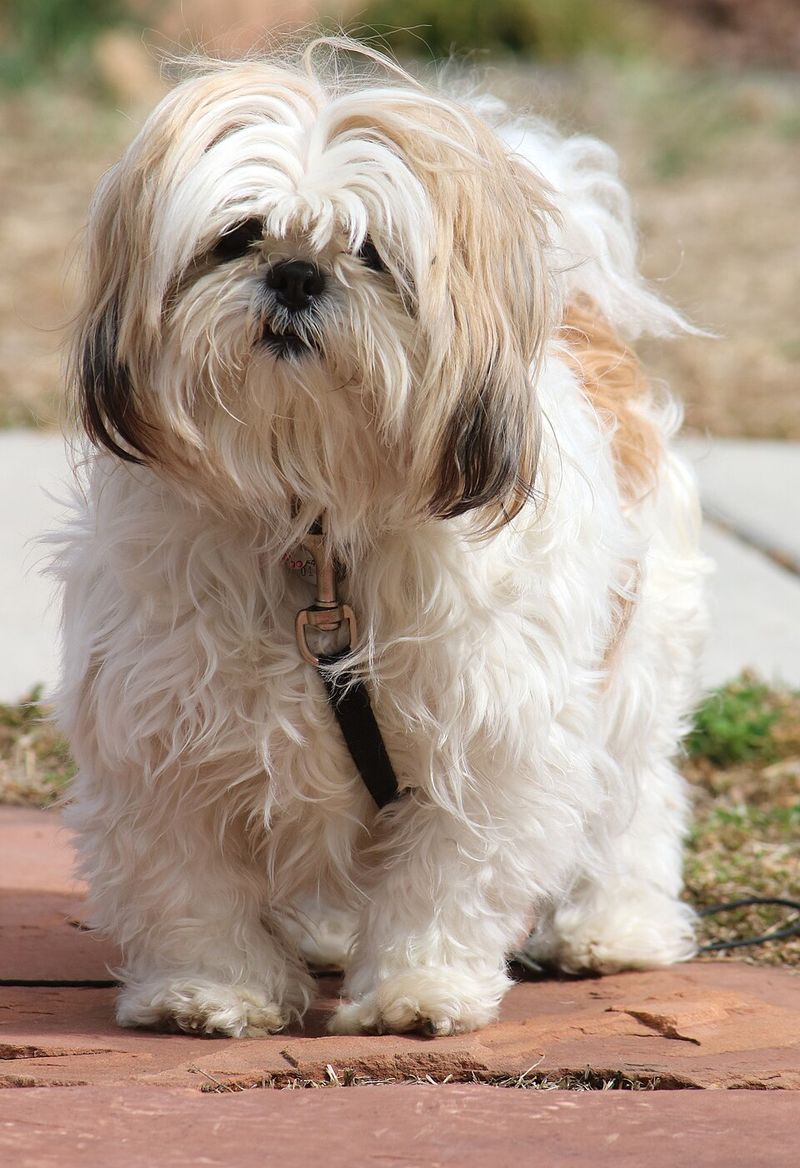
Under the flowing coat, delicate skin can hide. Shih Tzus sometimes react to shampoos or dust, showing signs as red bellies, paw nibbling, and ear itching.
Tear staining can hint at sensitivities, too.
Use mild, fragrance-free products and rinse thoroughly. Blow-dry on cool to prevent damp spots.
Keep hair around paws shorter so air circulates. If scratching disrupts sleep, talk with your vet about diet trials or allergy control that fits your pet’s routine.
Shar-Pei
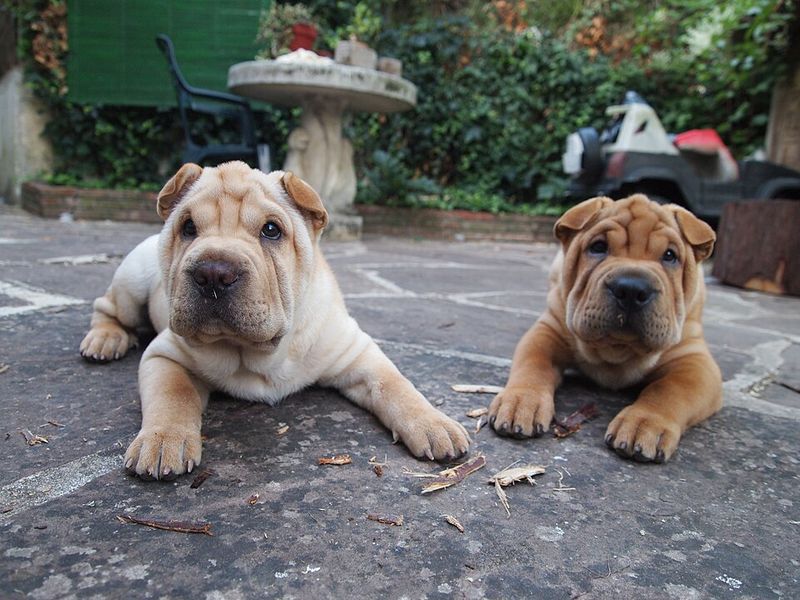
Famous for wrinkles, Shar-Peis can have very reactive skin. Folds create warm pockets where yeast grows, and early clues show on paws and the belly.
Even minor irritants can trigger redness.
Daily fold checks and gentle drying are key. Use simple diets and avoid strong fragrances.
Ask your vet about medicated wipes during humid weather. If scratching is intense, professional guidance on allergy control or antibiotics may be needed to prevent deeper infections.
Staffordshire Bull Terrier
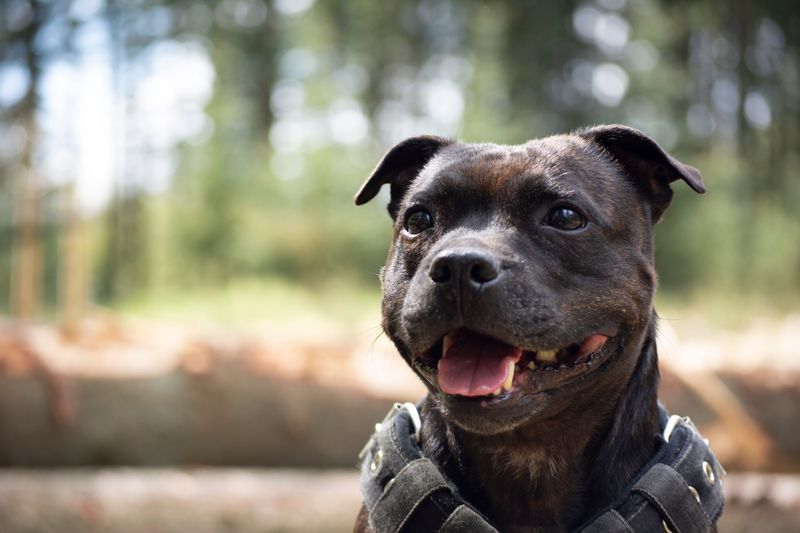
Tough look, tender skin. Staffies often show contact allergies from grass or concrete dust, with pink bellies and paw chewing.
Short coats offer little shield against heat and grit.
Rinse off after park days and apply a light paw balm. Choose gentle laundry soap for dog bedding.
Omega-3s may calm irritation. If ear scratching and paw licking escalate, schedule a vet visit for allergy strategies that can include wipes, shampoos, or modern anti-itch meds.