
A quiet trail walk sounds relaxing until your dog spots a squirrel and forgets your name. Some breeds were made to chase, sniff, or roam, so coming back when called can be a real challenge.
Knowing which dogs have these strong instincts helps you plan safer walks and smarter training. Here are nine breeds that test recall skills, plus two habits that keep every outing calmer.
Siberian Husky
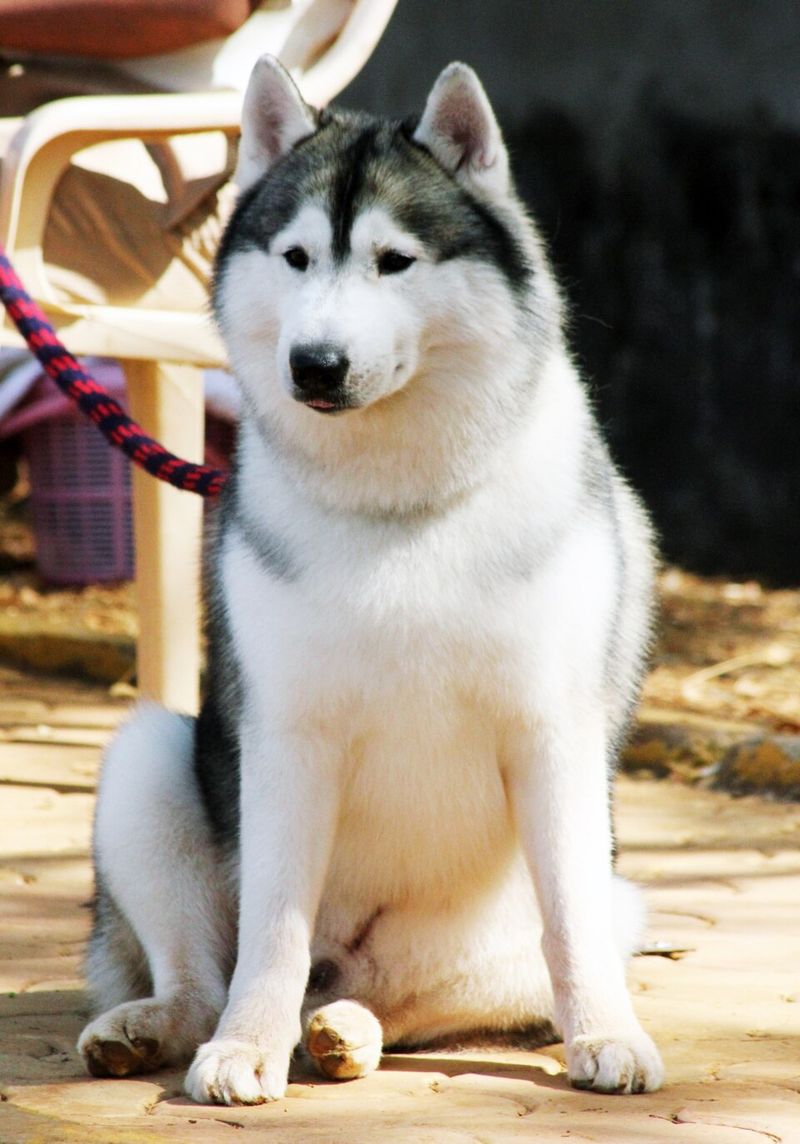
Bred to run for miles across frozen Siberia, the Husky treats open space like an invitation. Many owners say their Husky glanced back once, then kept going.
Recall is tough because these dogs love to roam and rarely feel a need to check in. A fenced area or a long line is your best friend on trails.
Keep training fun and short, using high-value treats like chicken. Boring commands simply lose to the call of the horizon.
Beagle
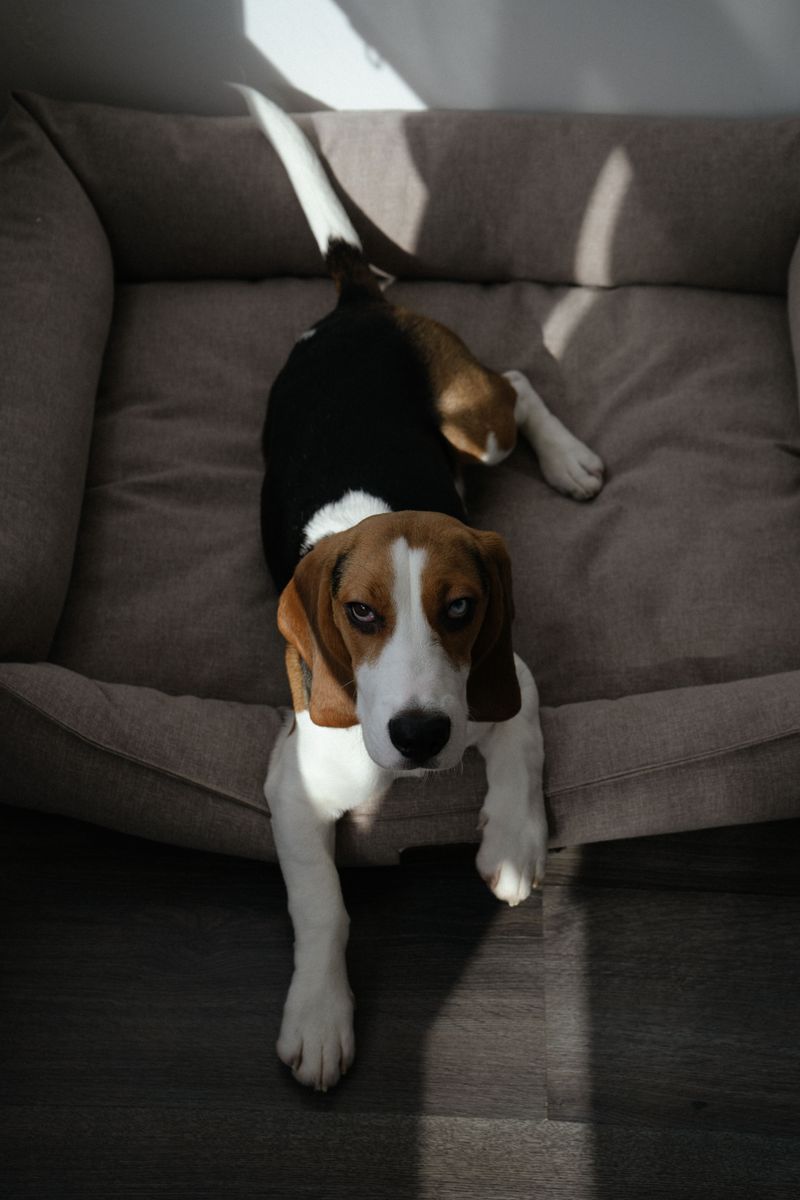
Ever watched a Beagle’s ears flop as its nose hits the dirt? That nose holds around 220 million scent receptors, and once it locks onto a rabbit trail, your voice becomes background noise.
Beagles were bred to follow scents for hours, often baying loudly along the way. Keep one leashed in unfenced spots.
Practice recall in your yard first, then add mild distractions slowly. Reward big every single time your little detective returns.
Greyhound
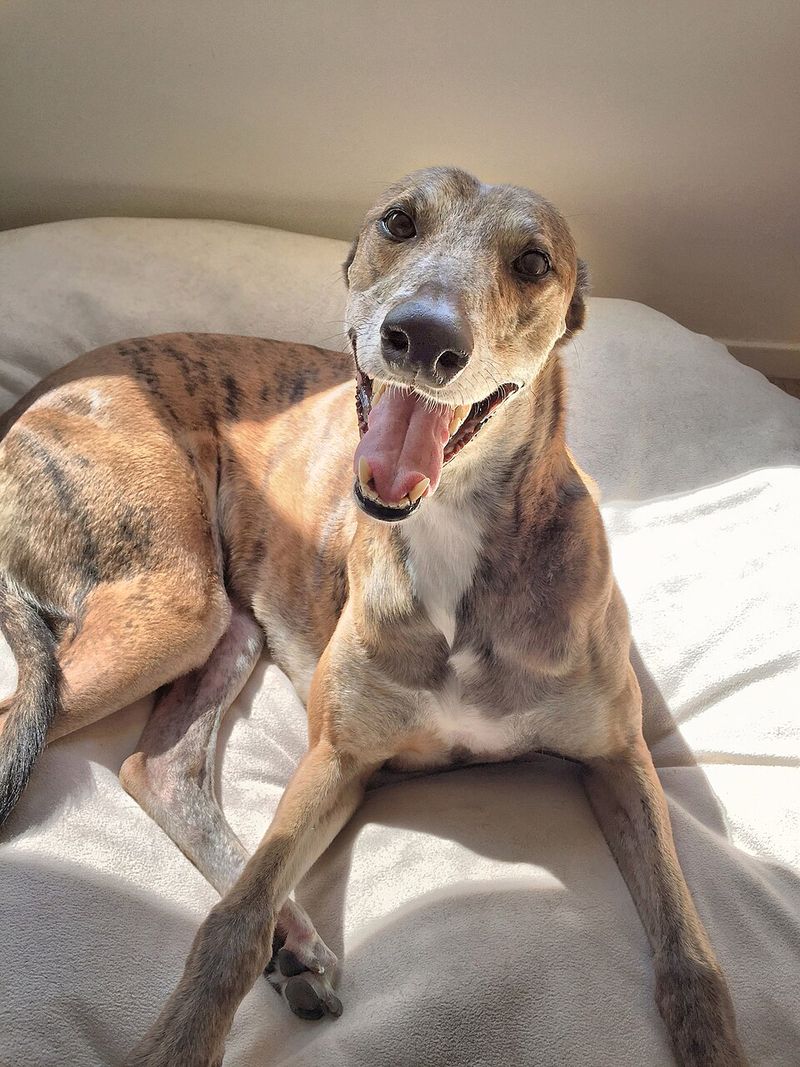
Zero to forty miles per hour in a few strides. That is the Greyhound, a couch potato at home and a rocket outside.
The trouble comes from sight. A rabbit bolting across a field triggers an instant chase, and no human can keep up.
By the time you call, your dog may be far gone.
Enjoy sprints in securely fenced dog parks. On trails, a sturdy martingale collar and leash keep these gentle speedsters safe.
Bloodhound
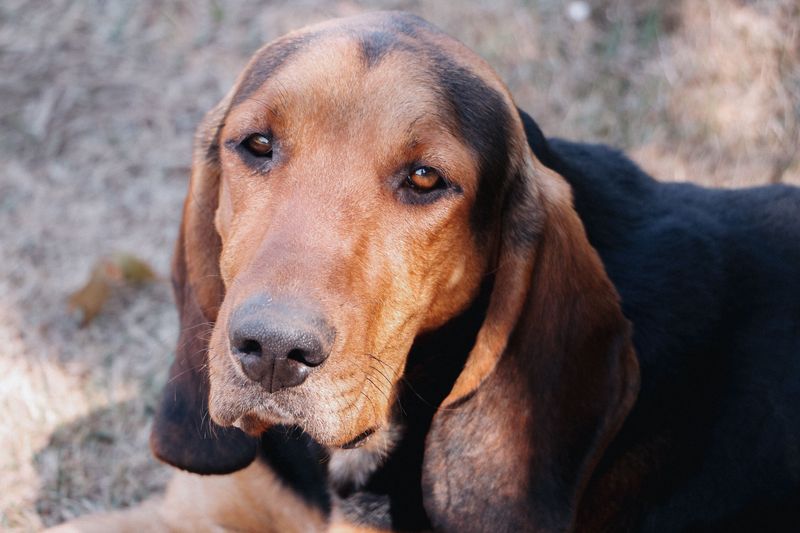
Fun fact: Bloodhound tracking evidence has been accepted in some courtrooms. Their noses are that reliable.
On a walk, though, that talent can turn into stubborn focus. Once a Bloodhound starts tracking, it may tune out everything else, including you shouting from fifty feet away.
Give this droopy-eared sleuth a job instead. Scent games, hide-and-seek with treats, or nosework classes let it use its gift without wandering off into the woods.
Afghan Hound
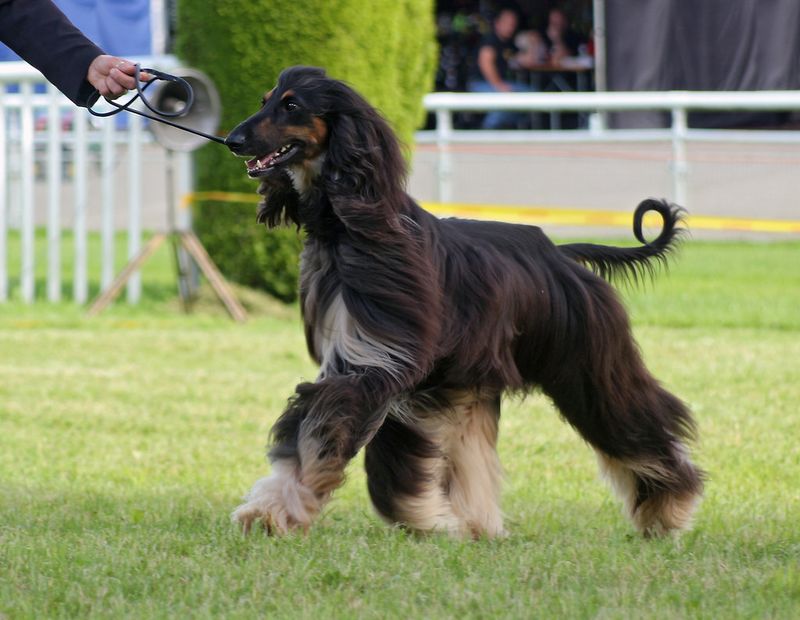
Picture a supermodel with an independent streak. The Afghan Hound looks glamorous with its silky coat, but it was built to chase fast game through rugged mountains.
These dogs think for themselves. Recall often depends on whether they feel like listening that day.
Patience matters more than pressure here. Gentle, upbeat training works better than harsh tones, which tend to make Afghans shut down.
Always walk them leashed outside fenced areas, especially near wildlife.
Jack Russell Terrier
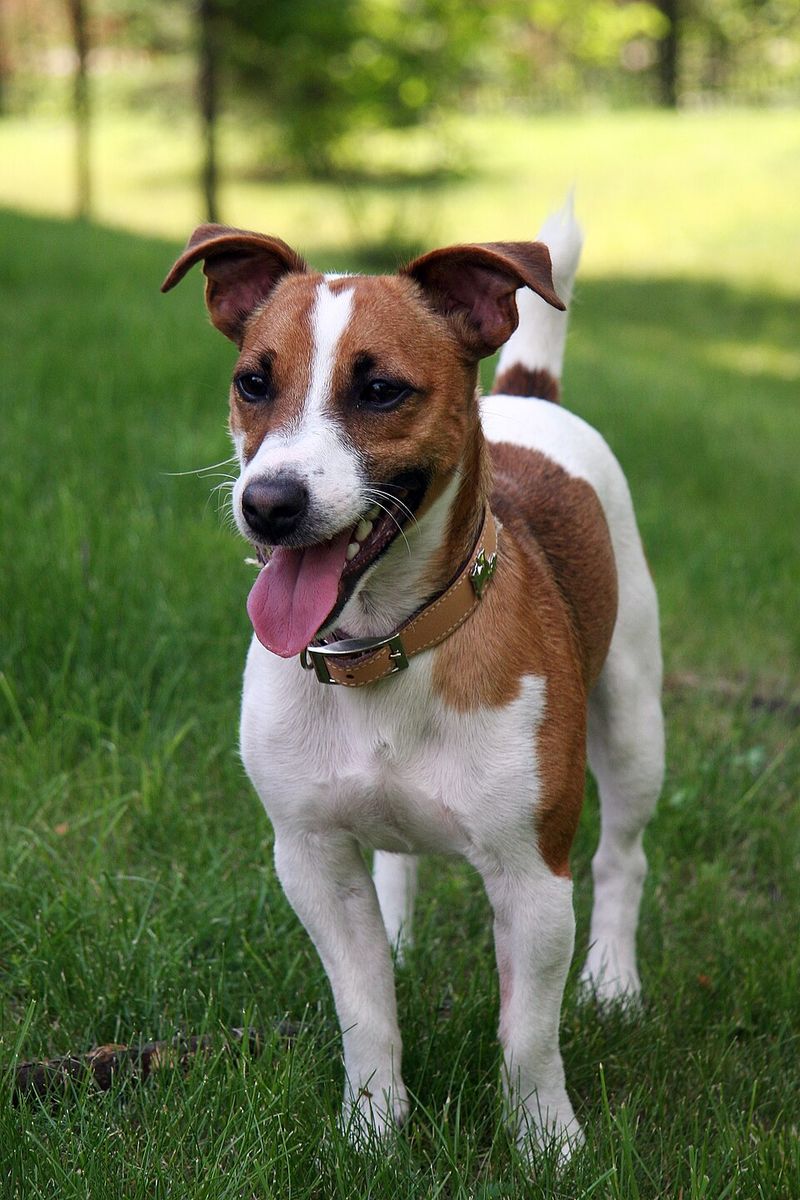
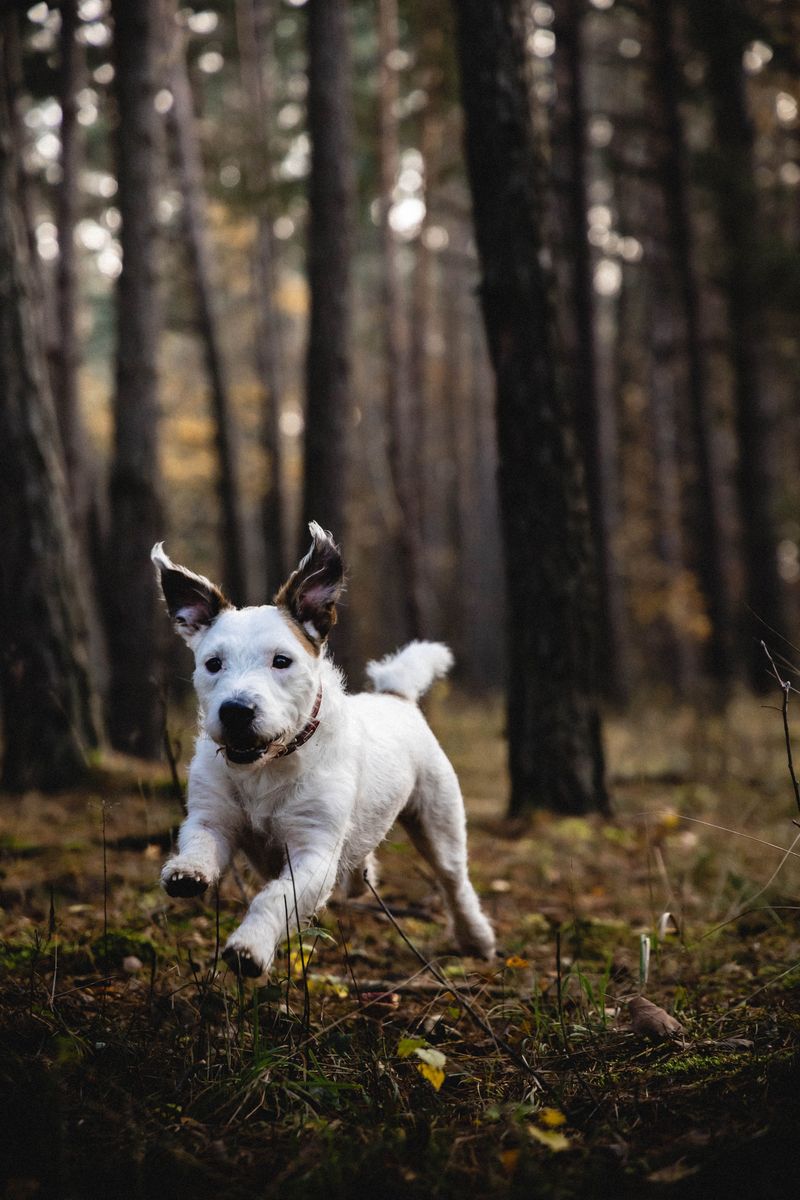
Small body, huge plans. A Jack Russell spotting a chipmunk will launch like it has a mission from headquarters.
Bred to hunt foxes underground, these terriers dig, chase, and dart into holes without a second thought. Calling them back mid-hunt takes serious practice.
Try short daily recall drills with a squeaky toy as the reward. Tiring them out with fetch before a hike also helps their bouncy brains focus better on you.
Shiba Inu
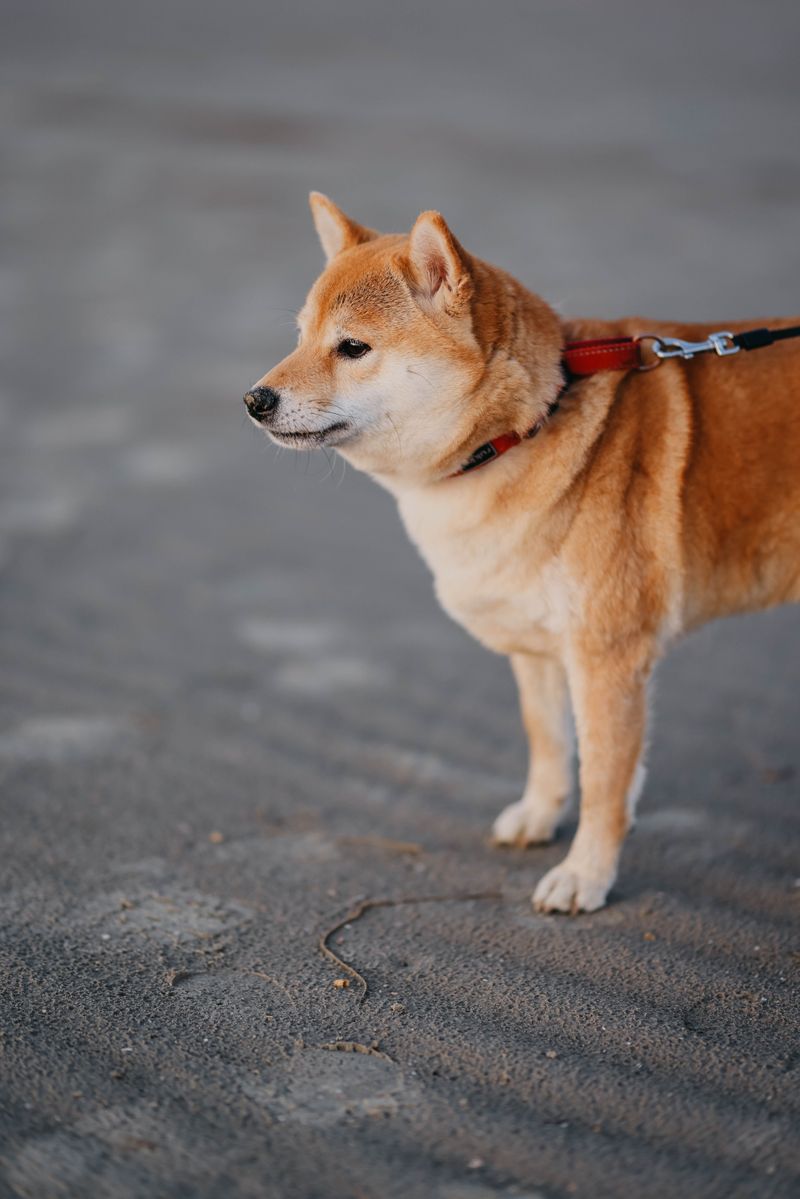
Owners joke that Shibas hear you perfectly, then choose to ignore you. There is some truth to that.
This ancient Japanese breed is clever, cat-like, and very independent. Shibas are also famous escape artists who can slip loose harnesses quickly.
Use a well-fitted harness and keep walks leashed. Reward check-ins, those moments when your Shiba looks back at you, with treats.
Over time, those small glances can grow into stronger, more dependable recall.
Weimaraner
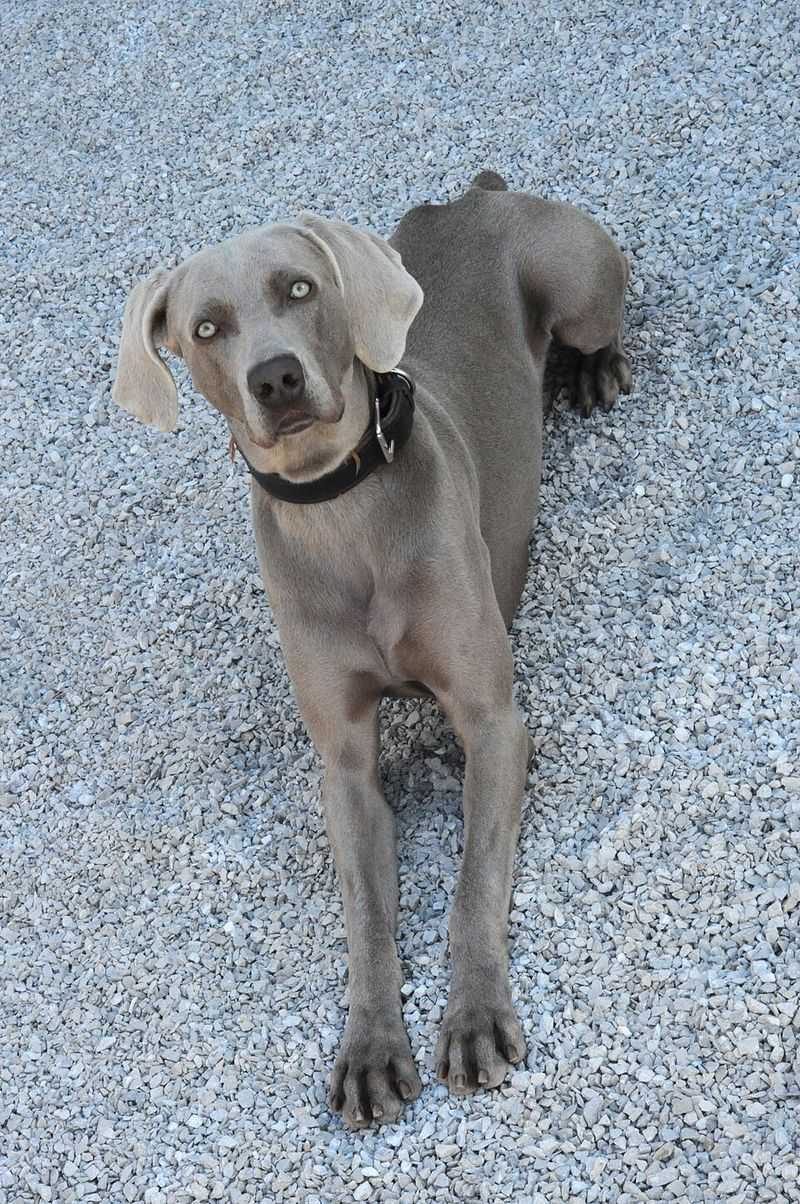
Nicknamed the gray ghost, the Weimaraner has energy that seems endless. German nobles once used these dogs to hunt deer and bears.
That hunting drive makes birds and deer hard to resist on a trail. Add high energy, and recall can fall apart quickly.
A tired Weim listens better. Plan long runs, swimming, or fetch sessions, then practice commands.
Mental work like puzzle toys keeps this sleek athlete calmer and more willing to stay close.
Alaskan Malamute
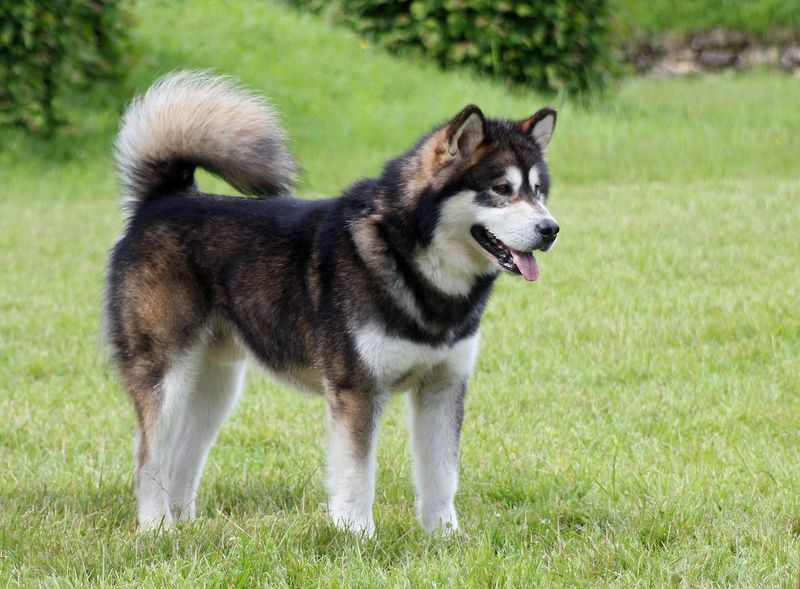
Big, fluffy, and powerful, Malamutes once hauled heavy sleds across Alaska. Strength like that means a sudden lunge can pull an adult right off balance.
Malamutes are friendly but stubborn, and they have a strong prey drive toward small animals. Recall is rarely reliable off leash.
Choose a sturdy harness and practice loose-leash walking early. Tasty rewards and calm consistency work far better than tug-of-war battles you will probably lose anyway.
Basenji
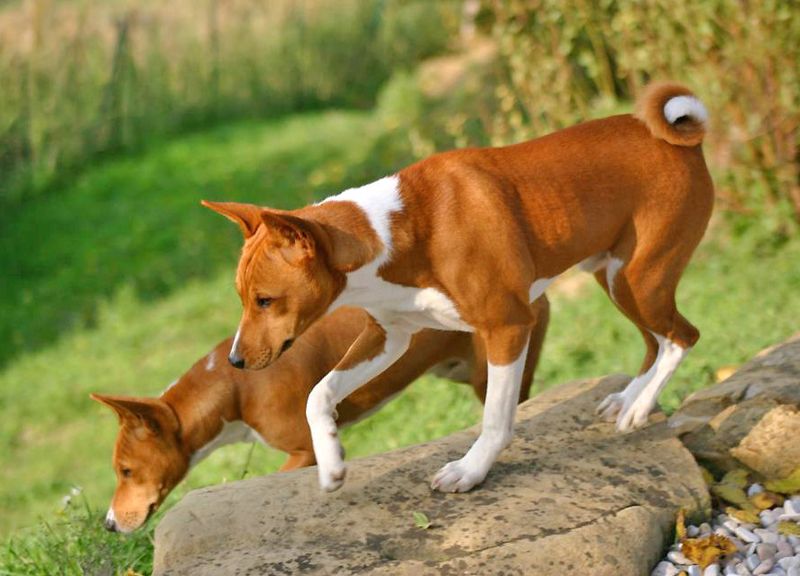
Known as the barkless dog of Africa, the Basenji yodels instead of woofs. That quirky voice hides a serious hunter who once tracked game through thick Congo brush.
Sharp eyes and a quick mind mean a Basenji will spot movement long before you do. Once it decides to chase, your voice becomes background noise.
Many owners joke that their Basenji is more cat than dog, and recall proves it.
Keep walks on a leash or long line, and practice in quiet spaces first. Short sessions work best because this clever breed gets bored fast and will invent its own games.
Saluki
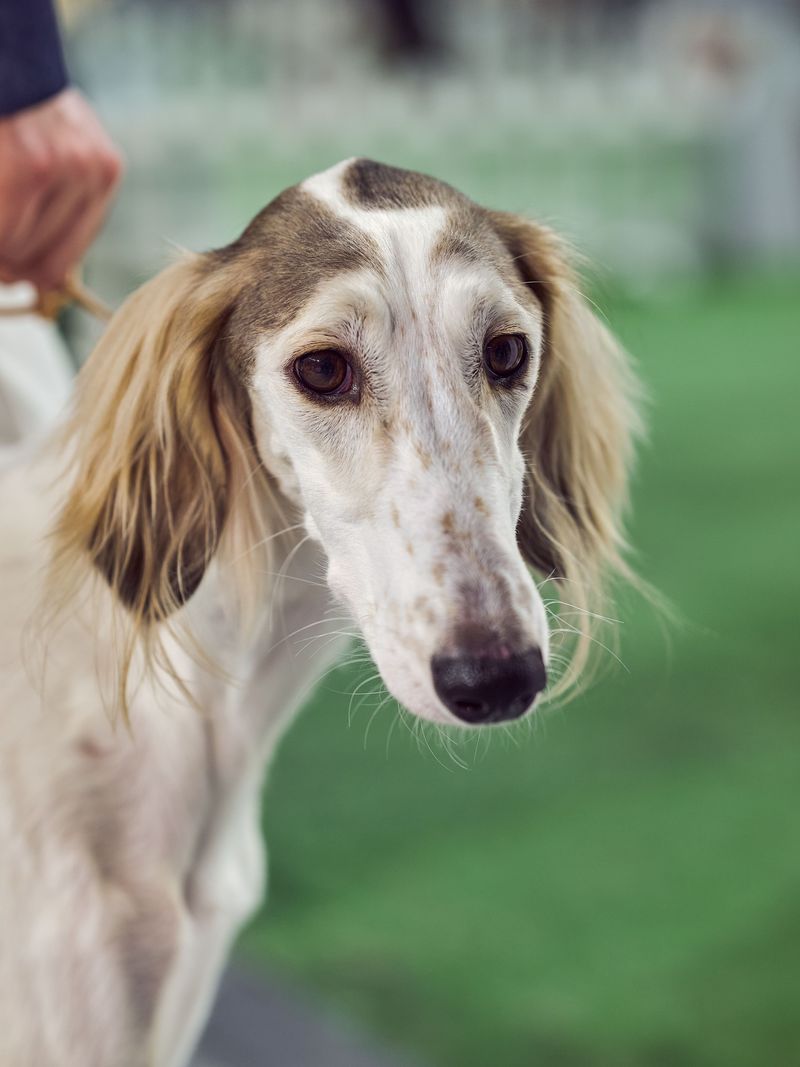
Picture a dog that can spot a rabbit half a field away and reach it in seconds. Salukis were prized by ancient royalty in the Middle East as desert hunters, and that speed still lives in every stride.
Wide meadows are where trouble begins. A Saluki running at full speed may cover a long distance before it even hears you calling.
Their gentle, quiet manner at home can fool owners into trusting them off leash.
Choose fenced fields for running time. On open trails, stick with a secure harness and reward every glance back with a tasty treat.
Safer Habit: Make Recall a Jackpot
Think of recall like a paycheck. If coming back earns a dry biscuit, your dog may pass.
If it earns cheese or a game, your dog races home.
Save one special word just for recall and never use it for bad things like baths. Keep the reward exciting and occasionally surprising.
Practice a few times daily in easy places first. Short wins build habits strong enough to beat a squirrel.
Safer Habit: Use a Long Training Line
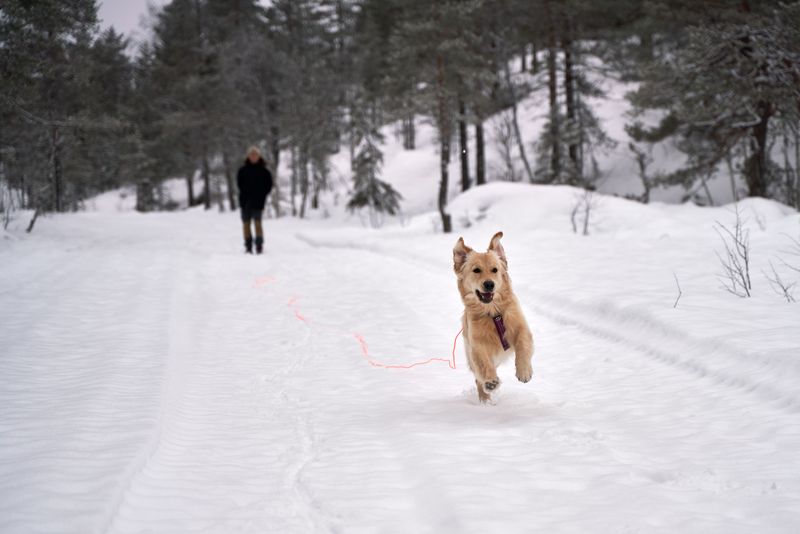
Freedom with a safety net. A long line, usually 15 to 30 feet, lets your dog sniff and explore while you still stay in control.
Practice calling your dog during walks. If it ignores you, gently guide it back, then reward warmly.
Your dog learns that coming back always pays off.
Pick a flat biothane line that does not tangle easily, and never wrap it around your fingers. Gloves help too.