You can raise three easy dogs in a row and still meet one that ignores every trick you know. Some breeds were shaped for jobs that rewarded independence, silence, stubbornness, or wild bursts of speed, not for sitting politely in a living room.
Their behavior can surprise even owners who have trained dogs for years. Here are 11 breeds that tend to rewrite the rulebook, and what makes each one so different.
Basenji
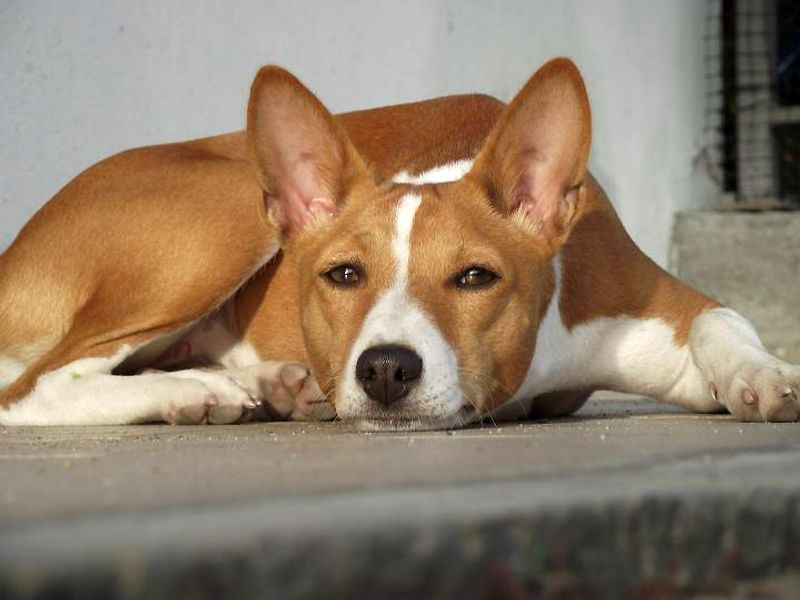
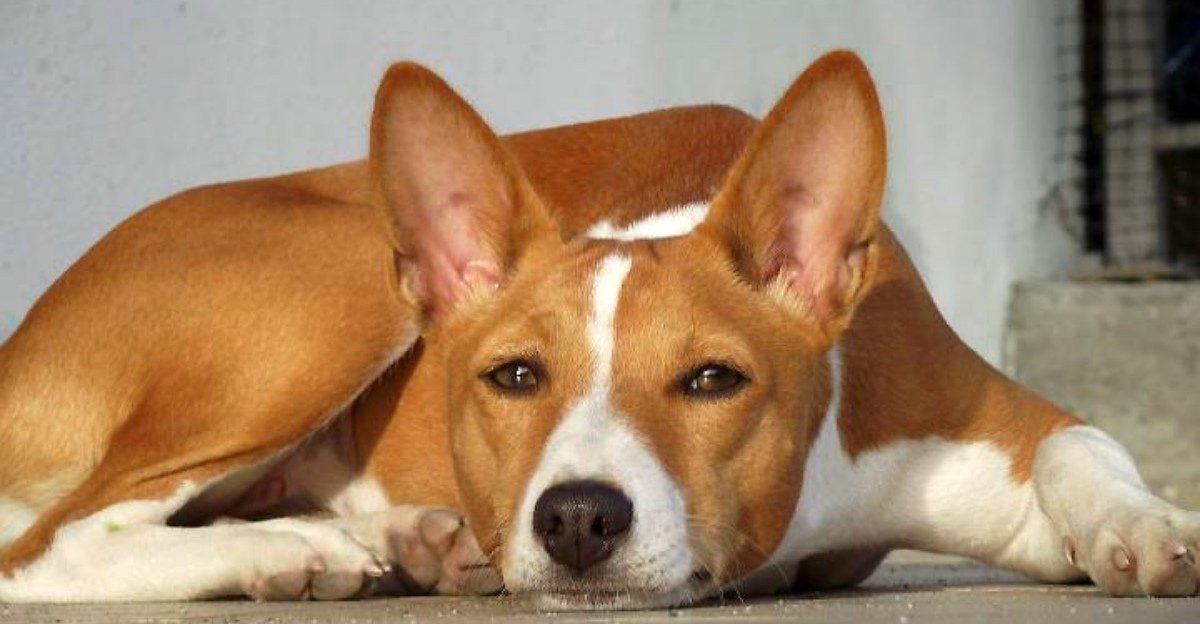
Expecting a bark from a dog is about as basic as dog ownership gets. The Basenji, a hunting breed from Central Africa, usually skips the bark entirely and makes a yodel-like sound often called a baroo.
Quiet does not mean easy, though. Basenjis are commonly described as catlike, grooming themselves and sizing up situations before they decide whether to cooperate.
Many owners who are used to a dog that comes running when called find that a Basenji runs only if it sees a good reason.
Their prey drive and talent for climbing or slipping through gaps make secure fencing a real priority. Females also typically come into season once a year rather than twice, a trait shared with wild canids.
That mix of ancient traits can make a seasoned owner feel like a beginner again.
Shiba Inu
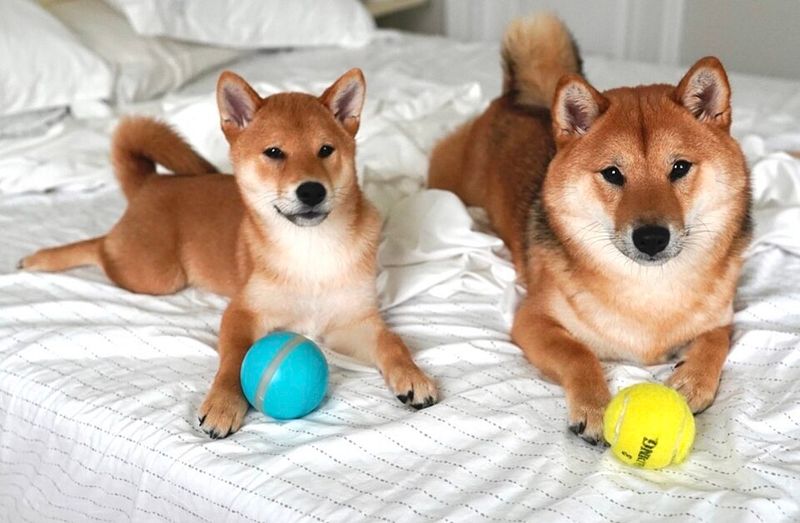
Picture trying to trim the nails of a dog that reacts as if the world is ending. The famous Shiba scream, a high-pitched protest some individuals let out when handled or frustrated, has startled plenty of experienced owners.
Japan’s smallest native breed was developed for hunting in mountain brush, and it kept a strong sense of independence. Shibas often accept affection on their own schedule and may dislike being picked up or restrained.
Recall can be a weak spot, so many owners keep them leashed in open areas. Starting gentle handling practice early, paired with treats, can make vet visits and grooming much less dramatic.
Chow Chow
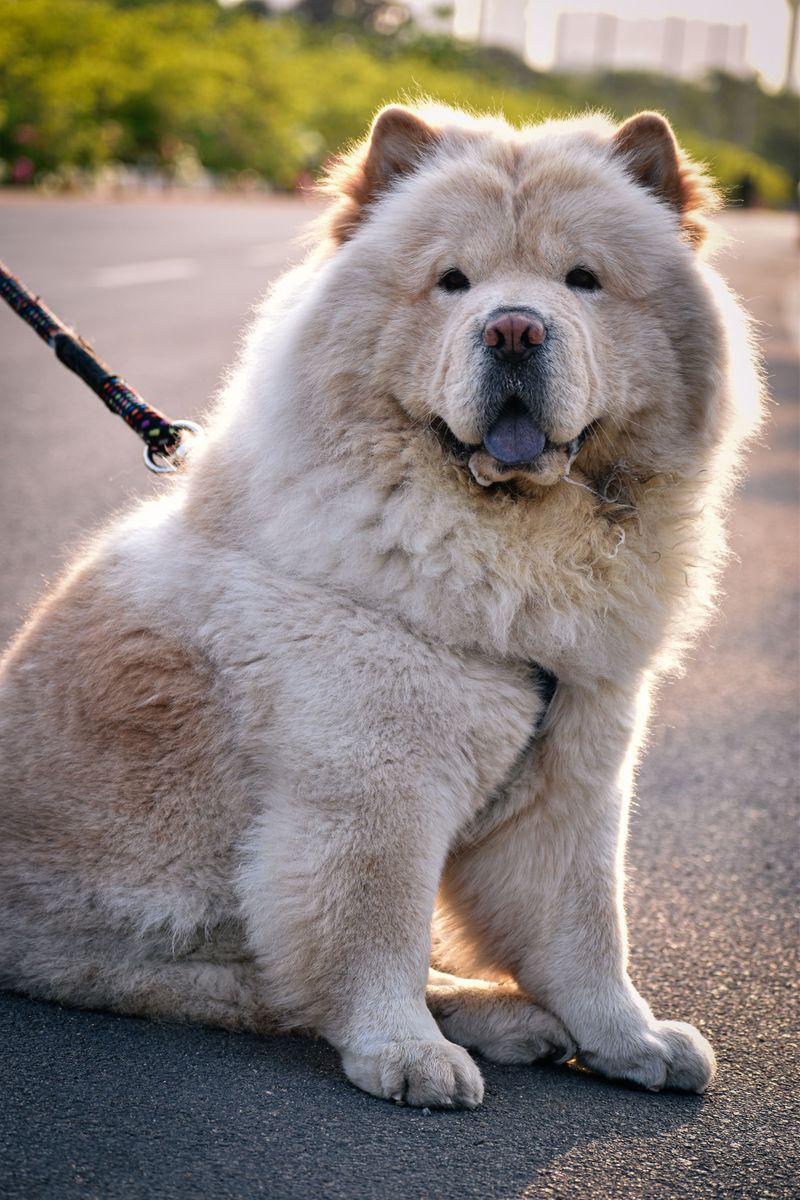
Teddy bear looks set up a big expectation. Plenty of people assume a Chow Chow will want hugs from everyone, then discover a reserved, dignified dog that often bonds with one or two people.
The breed is ancient and was used in China for guarding, hauling, and hunting. Many Chows are aloof with strangers and can be territorial, so early, steady socialization matters more than with a typical outgoing dog.
They also have a distinctive stilted gait from straight hind legs and the famous blue-black tongue. Their deep-set eyes can limit peripheral vision, so approaching from the front helps avoid startling them.
Afghan Hound
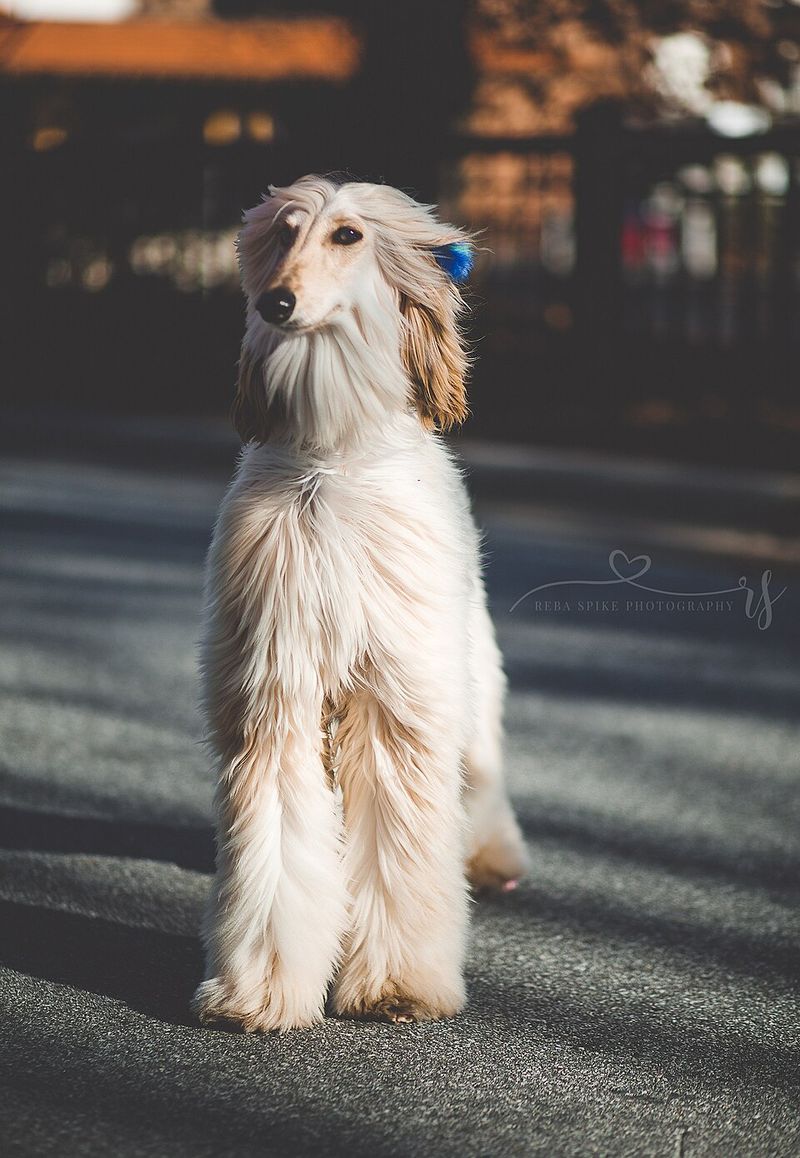
Glamour is the first thing people notice. The flowing coat looks like something from a show ring, but underneath is a sighthound built to chase fast game across rugged mountain terrain.
Afghans are often described as aloof and clownish at once, and their training style can confuse owners used to food-motivated retrievers. Repetition may bore them quickly, so short, varied sessions usually work better.
The coat is a serious commitment, often needing frequent brushing and bathing to prevent mats. Add strong chase instincts, and an off-leash run in an unfenced field can end with a dog far out of reach in seconds.
Belgian Malinois
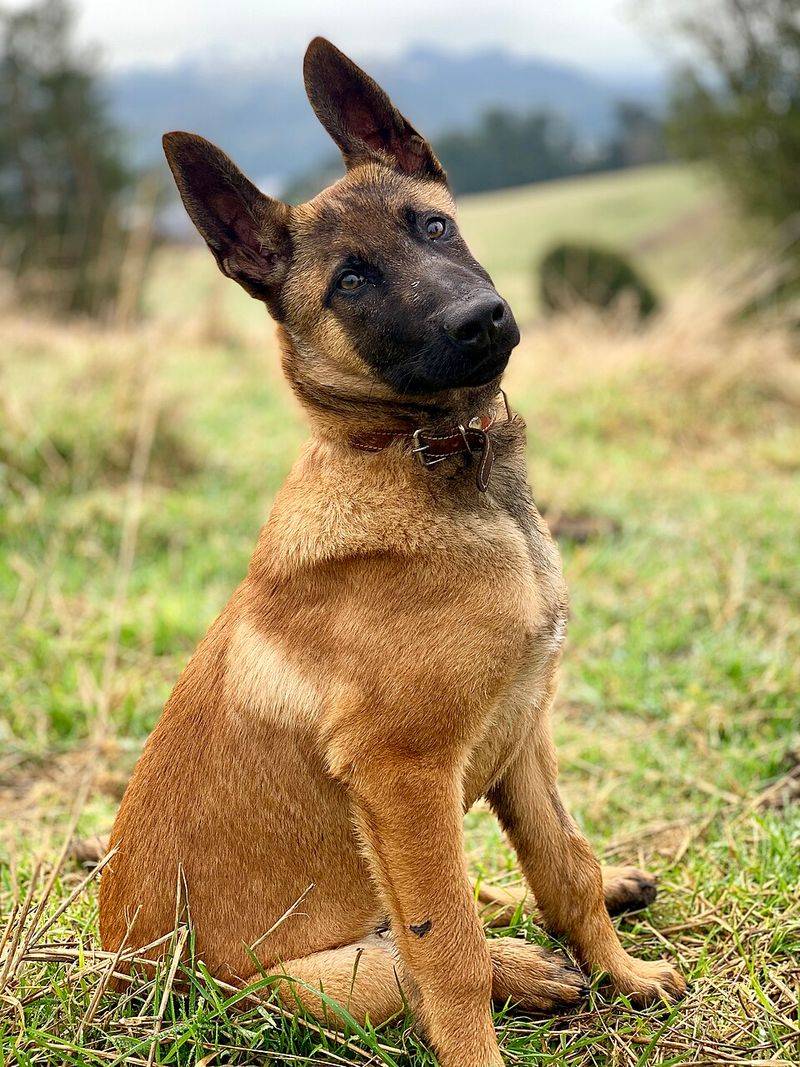
Experience with German Shepherds does not always prepare someone for a Malinois. Bred in Belgium as a herding dog and now widely used by police and military units, this breed often has drive that rarely seems to switch off.
A quick walk around the block usually does not cut it. Many Malinois need daily structured work, such as scent games, obedience, or dog sports, or they may invent their own projects, like chewing drywall or herding the kids.
They tend to learn fast, which includes learning bad habits fast. Owners who thrive with this breed usually treat training as an ongoing lifestyle rather than a phase that ends after puppyhood.
Siberian Husky
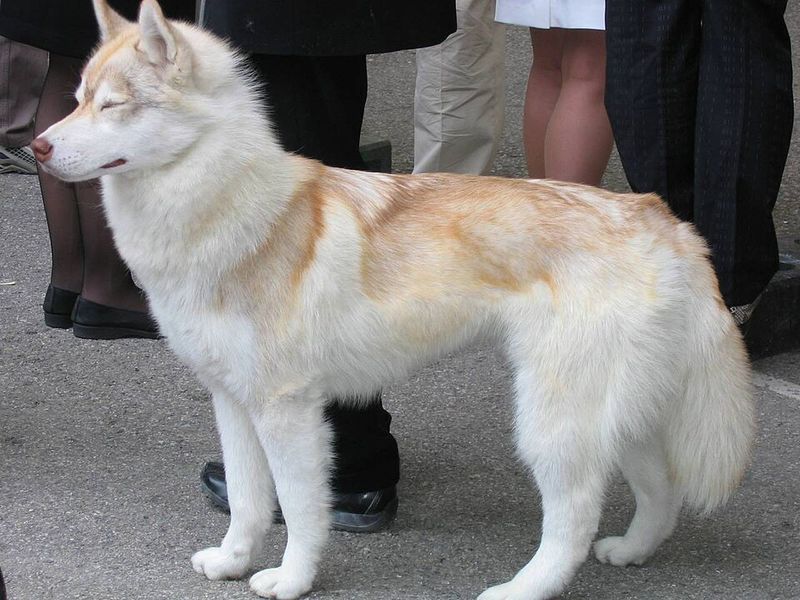
Some dogs dig to bury bones. Huskies may dig to escape, then jump, climb, or squeeze their way out with surprising creativity.
Developed by the Chukchi people of Siberia to pull sleds over long distances, Huskies have stamina that can outlast most owners. They are typically friendly with strangers, which makes them poor guard dogs but entertaining hosts.
Many howl and talk rather than bark, and their prey drive can make small pets a concern. Recall is famously unreliable, so a secure yard and long-line exercise are smart choices.
Great Pyrenees
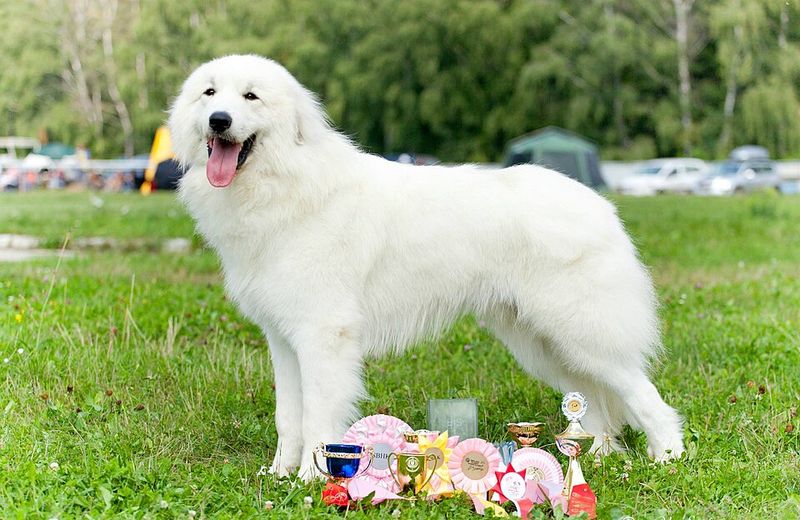
Nighttime barking is where many new Pyr owners hit their limit. Livestock guardian breeds were selected to patrol after dark and warn off predators, so a Great Pyrenees may bark at noises an owner never hears.
Obedience can also look different. Guardians were bred to make decisions alone, without a shepherd giving commands, so a Pyr may consider a cue and then politely decline.
They are often calm and tolerant indoors, yet they usually need fencing because they tend to expand their territory. The heavy double coat sheds a lot, and they have double dewclaws on the hind legs, which is part of the breed standard.
Australian Cattle Dog
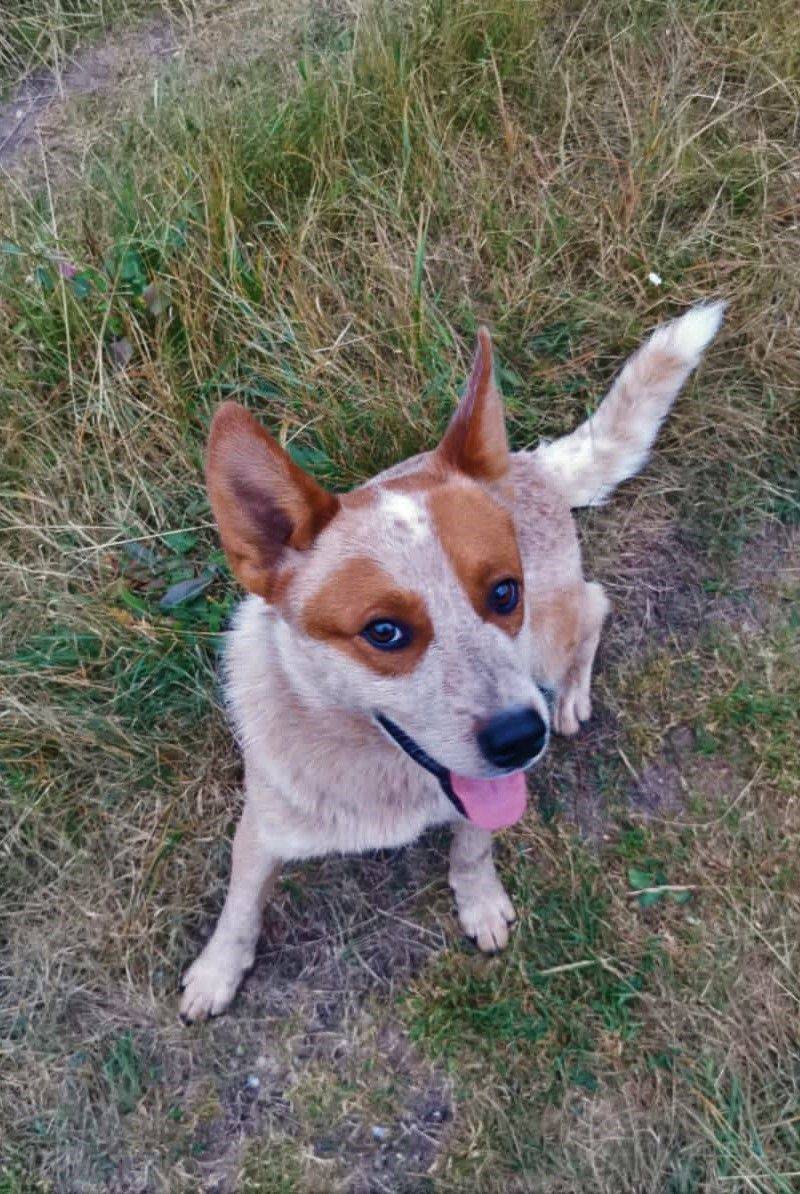
Heels getting nipped during a family game of tag? With an Australian Cattle Dog, that may be herding instinct showing up in the living room.
Bred in Australia to move stubborn cattle over long distances, these dogs were selected to nip at heels and keep going in harsh conditions. That toughness can translate into a pup that treats bikes, kids, and other pets as livestock to manage.
Many bond closely with one person and can be wary of strangers. Redirecting the herding urge into activities like herding trials, agility, or puzzle toys usually works far better than trying to suppress it.
Beagle

Small, cheerful, and family-friendly. That reputation is accurate, yet Beagles have humbled many owners who expected an easy first or fifth dog.
As scent hounds bred to track rabbits in packs, Beagles can lock onto a smell and tune out everything else, including their names. Their baying voice carried across fields for hunters and carries just as well through apartment walls.
Food motivation is a training gift and a household challenge. Countertops, trash cans, and lunch bags may all need protecting from a dog whose nose is built to find them.
Akita
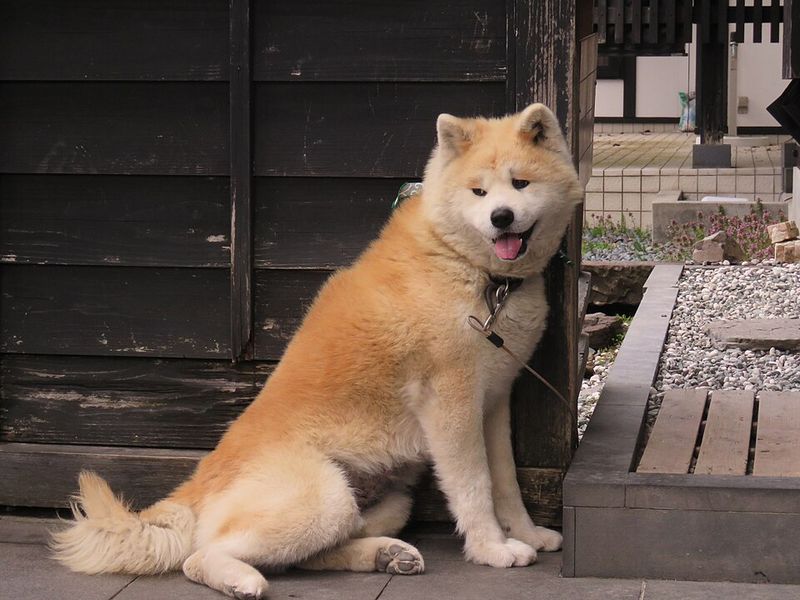
Japan’s Akita carries a lot of history, including the famous story of Hachiko, the dog who returned to a Tokyo train station for years after his owner died. That devotion is real for many Akitas, but it often comes with a quiet, serious personality.
Akitas were used to guard and hunt large game, and many are reserved with strangers. Same-sex aggression toward other dogs is a known tendency in the breed, so multi-dog homes require thoughtful planning.
Owners who expect a big, goofy dog may be surprised by how calm and watchful an adult Akita can be. Respectful, consistent training tends to work far better than forceful handling.
Jack Russell Terrier
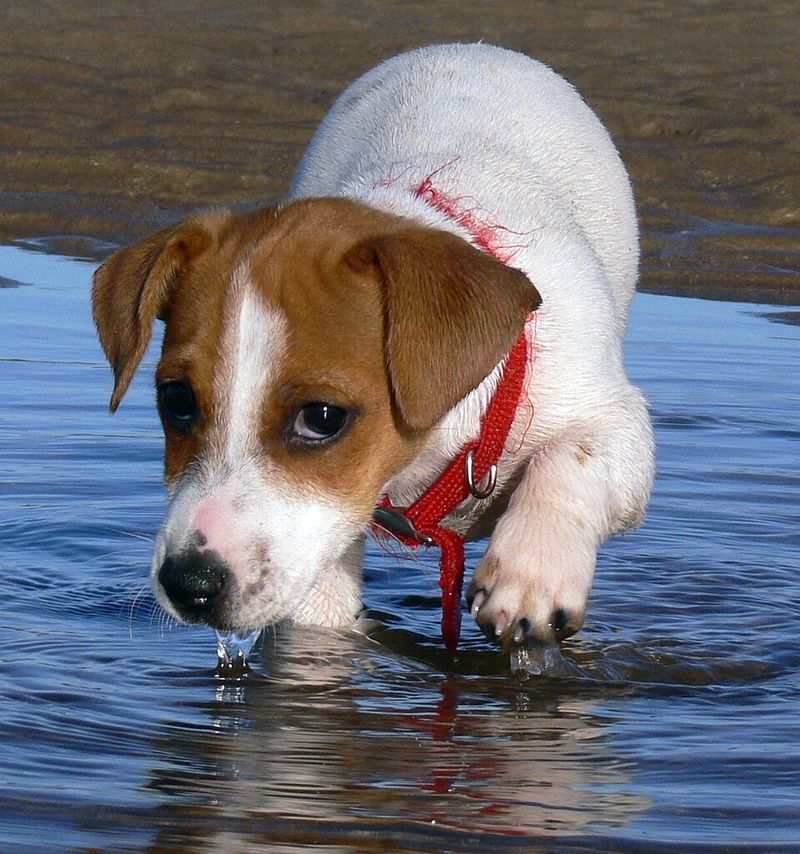
Size fools people every time. A Jack Russell may weigh around 13 to 17 pounds, yet it was bred to chase foxes underground and has the grit and stamina to match.
Many are capable of jumping surprisingly high fences and digging under others. Squirrels, cats, and small pets may trigger an intense chase response.
Bored Jacks often find their own entertainment, which can mean shredded cushions or nonstop barking. Daily outlets like flirt poles, earthdog-style games, or agility help channel their drive.