
Bringing home your first dog feels exciting, but some breeds need far more time, training, and patience than new owners expect. Picking the wrong match can lead to stress for you and your pup.
Knowing which breeds are tough before you buy or adopt helps everyone stay happy. Here are the dogs that often surprise beginners, plus a few that look easy but are not.
Siberian Husky
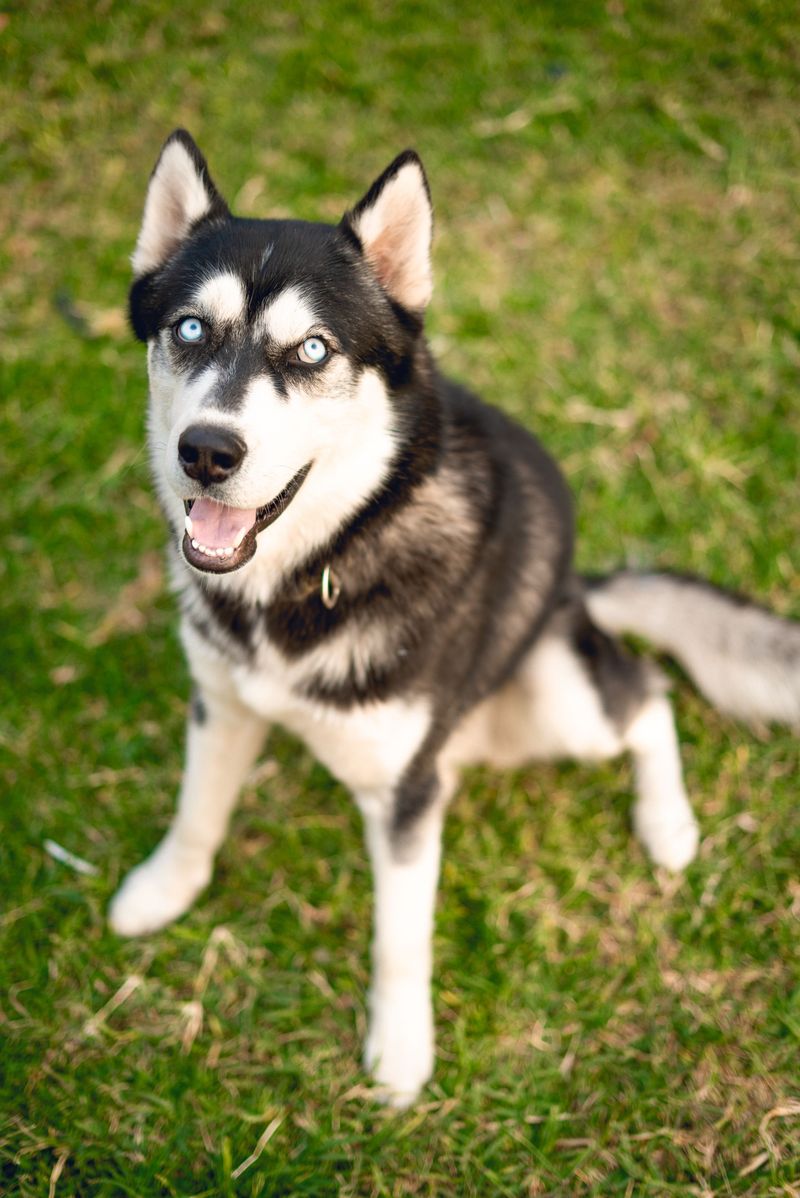
Picture a dog that can open gates, dig under fences, and howl like a wolf at midnight. Huskies were bred to pull sleds for miles across frozen Siberia, so their energy almost never runs out.
New owners often fall for those icy blue eyes and forget about the escape skills. These dogs shed heavily twice a year and get bored fast.
Plan on long daily runs and a very secure yard.
Border Collie
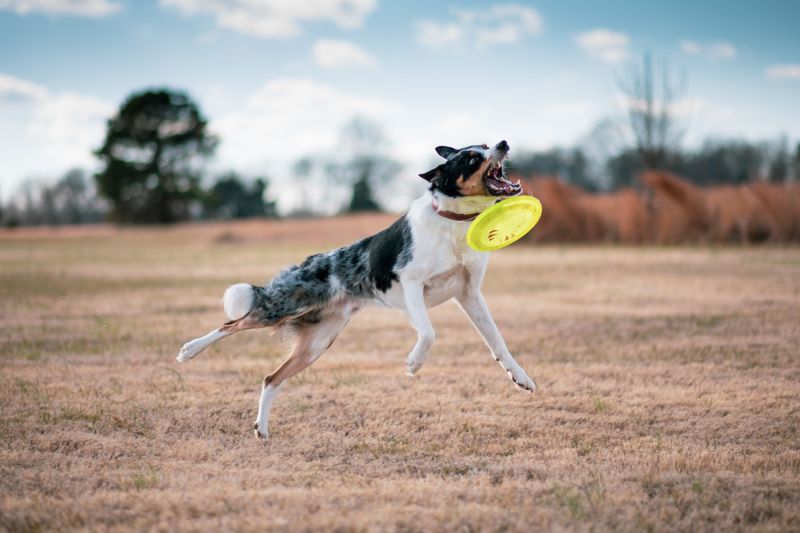
Smart is an understatement. Border Collies are often ranked the most intelligent dog breed, and that brainpower needs a job every single day.
Without work, they invent their own tasks, like herding kids, chasing cars, or chewing your couch apart. A quick walk around the block will not cut it.
Owners who love agility classes, puzzle toys, and hours of training may thrive. Couch potatoes will feel overwhelmed within weeks.
Belgian Malinois
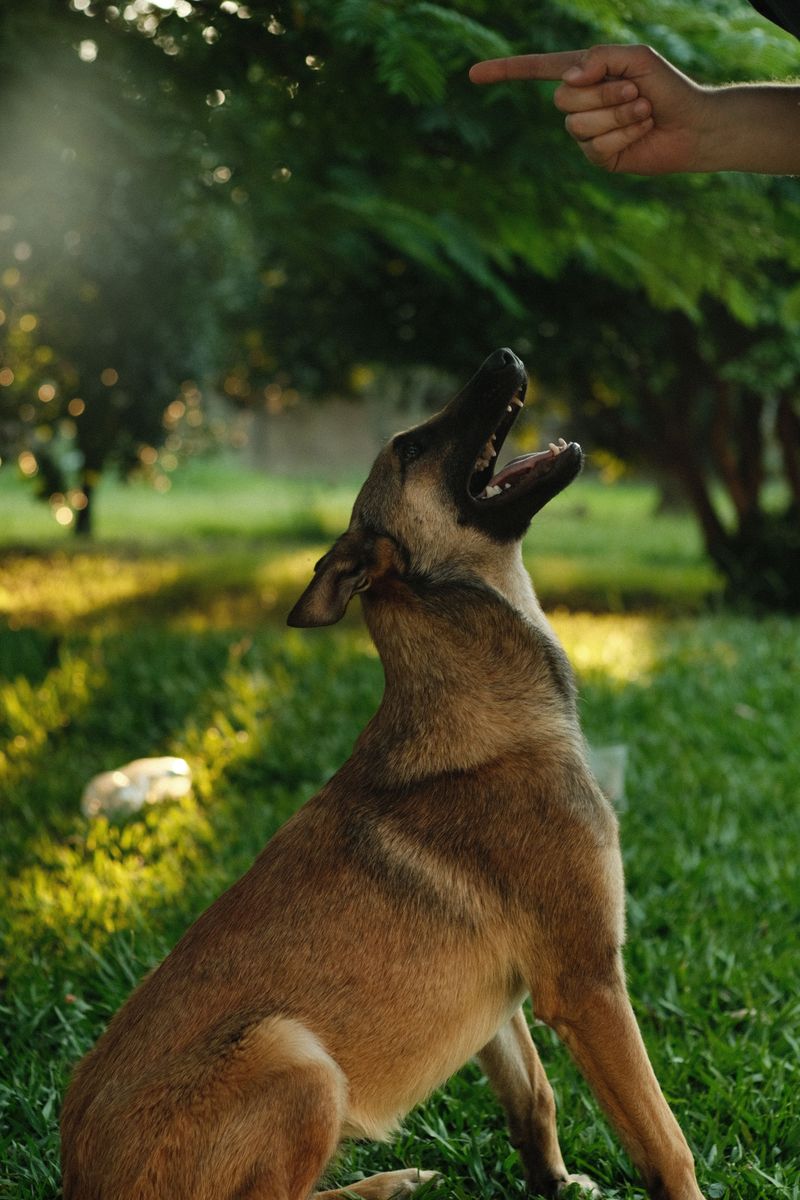
Police and military teams around the world rely on the Malinois for good reason. Intense drive, sharp focus, and nonstop stamina make it a working machine.
Inside a regular family home, those same traits can turn into nipping, spinning, and destructive habits. Many end up in rescues after owners realize what they signed up for.
Unless you have serious training experience and lots of free time, admire this breed from a distance.
Akita
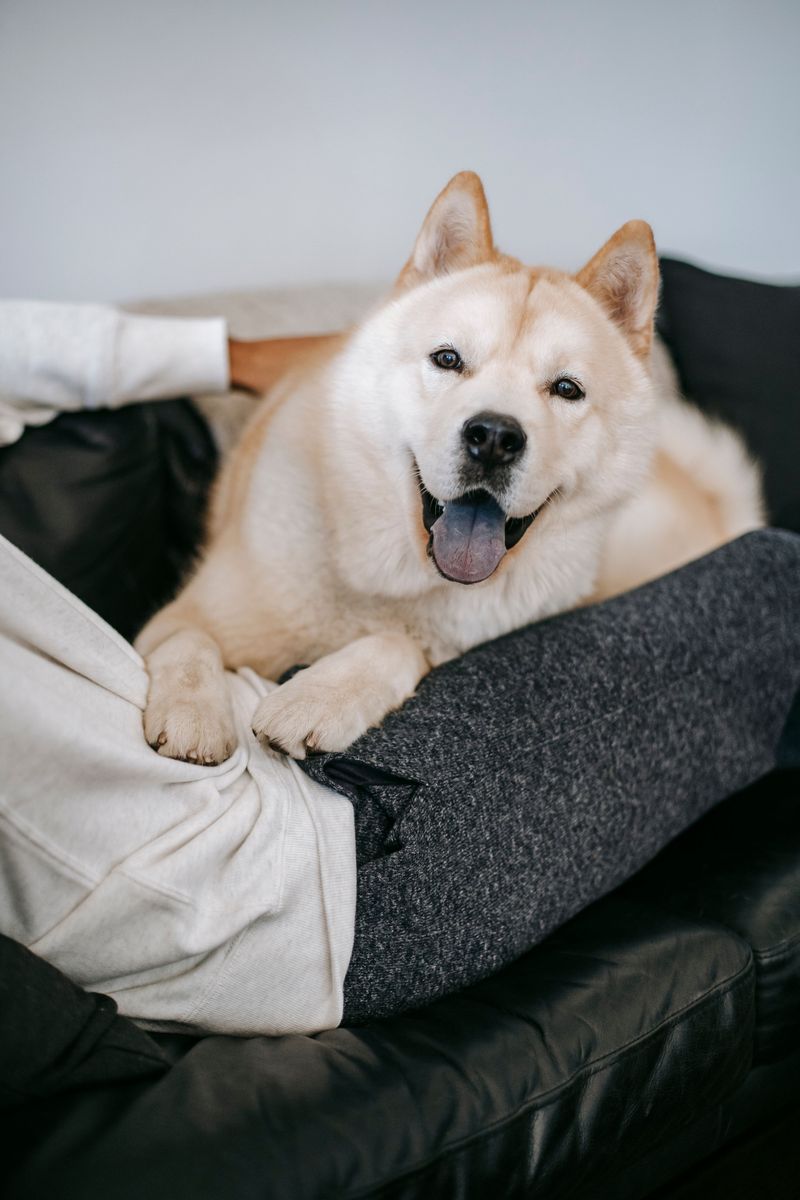
Loyal to the core, the Akita once guarded Japanese nobility. Did you know Hachiko, the famous dog who waited at a train station for years, was an Akita?
That devotion comes with a strong protective streak. Akitas can be wary of strangers and often clash with other dogs, especially of the same sex.
Early socialization is a must. A beginner may struggle with this breed’s size, stubbornness, and quiet but powerful will.
Chow Chow
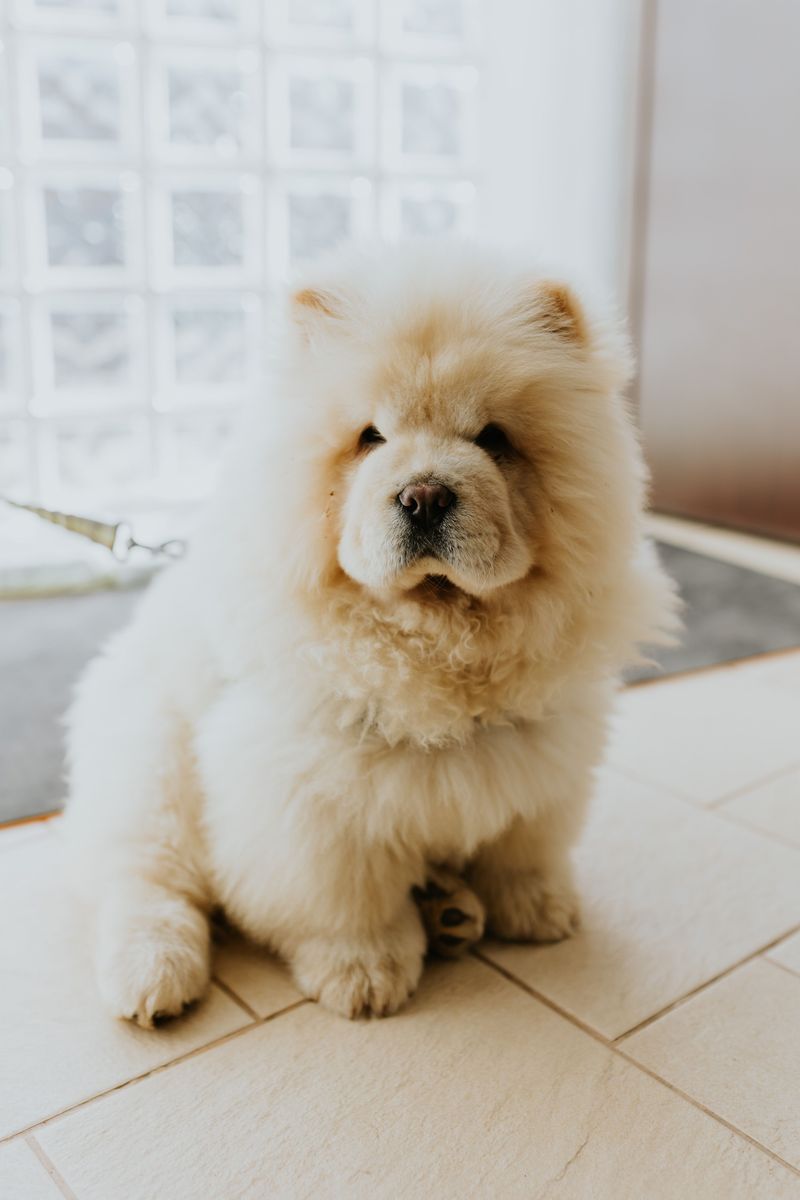
Fluffy like a teddy bear, yet often acting more like a grumpy cat. Chow Chows are independent, aloof, and not big fans of hugs from strangers.
Training takes patience because this ancient Chinese breed likes doing things its own way. That thick coat also needs regular brushing to prevent mats and skin problems.
Fun fact: their tongues are blue-black! Charming, sure, but beginners hoping for a cuddly playmate may feel let down.
Dalmatian
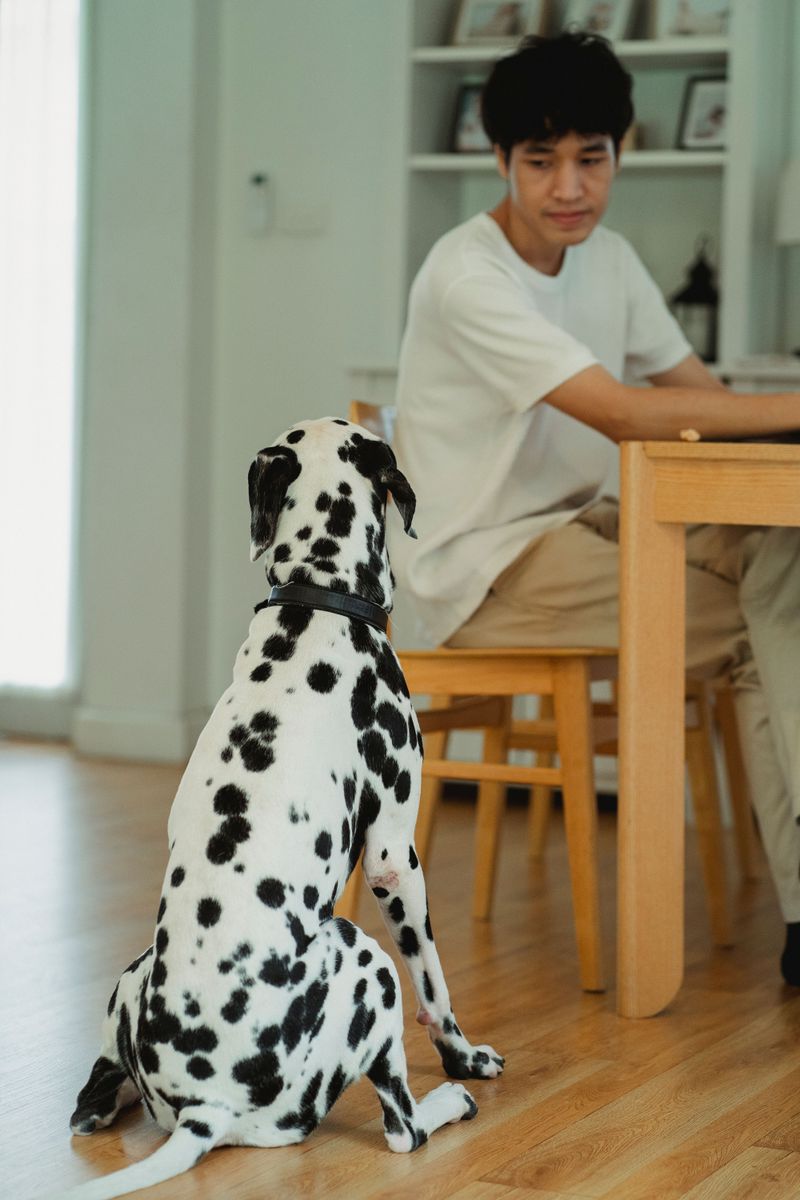
Blame the movies. After 101 Dalmatians came out, shelters filled with spotted pups whose owners had no idea what they were getting.
Originally bred to run beside horse carriages, Dalmatians have huge stamina and need plenty of exercise. They can be stubborn, and some lines are prone to deafness.
Their short coat sheds a surprising amount too. Love the spots?
Make sure you also love jogging, training, and constant vacuuming.
Jack Russell Terrier
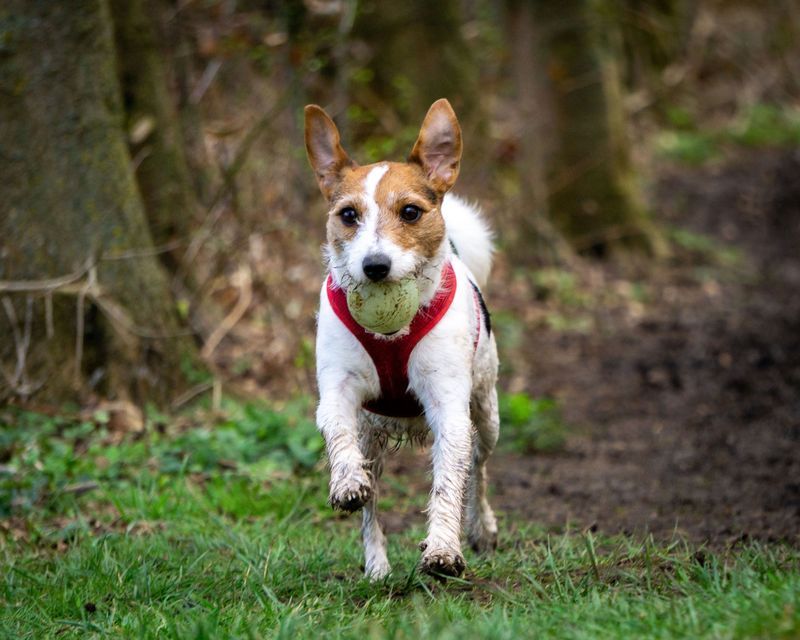
Small body, giant attitude. A Jack Russell can jump five feet straight up and dig a hole faster than you can find the shovel.
Bred to chase foxes, these terriers have a fierce prey drive and seemingly endless energy. Many people pick them because they are tiny, then get surprised by the chaos.
Give them fetch, puzzle games, and firm rules. A bored Jack Russell will happily redecorate your entire living room.
Weimaraner
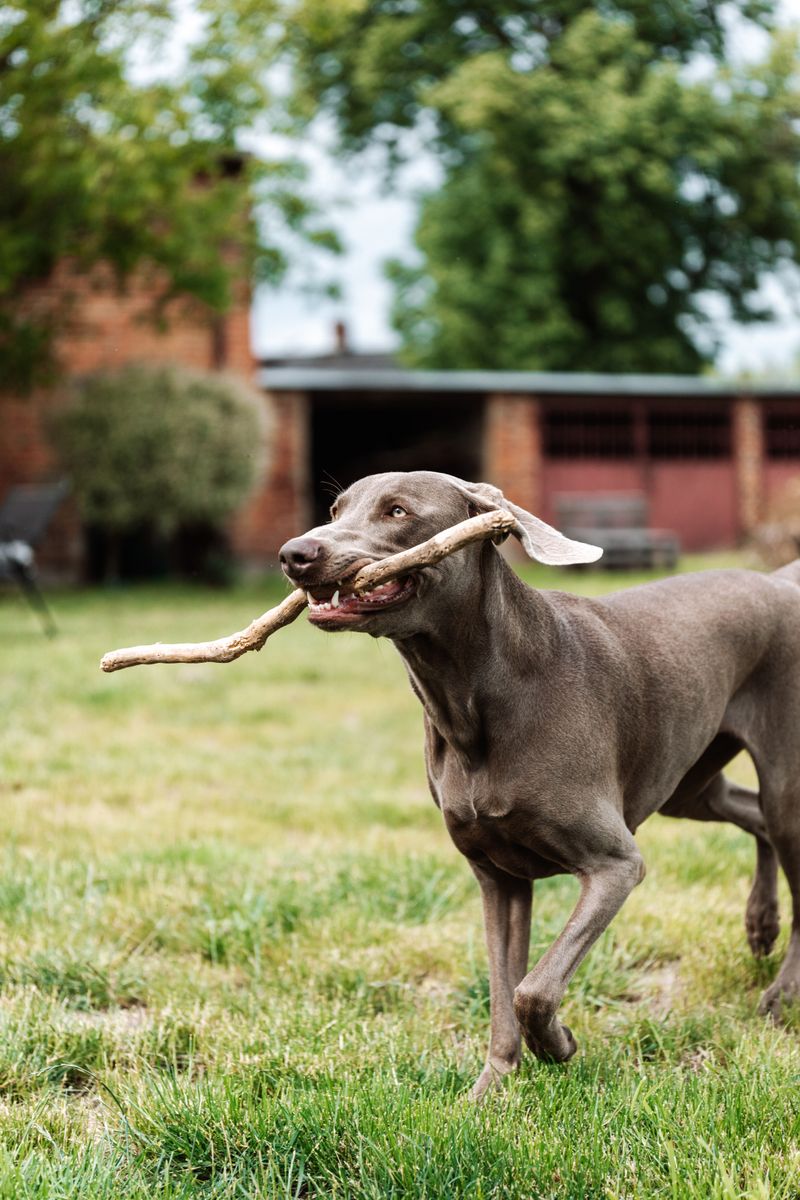
Often called the gray ghost, the Weimaraner sticks to its people like glue. Sounds sweet, right?
Leave one alone too long and you might come home to shredded pillows.
Separation anxiety is common in this German hunting breed. They also need hours of running and mental activity each day.
Families who work long hours away from home should think twice. This dog wants a partner, not a part-time roommate.
Cane Corso
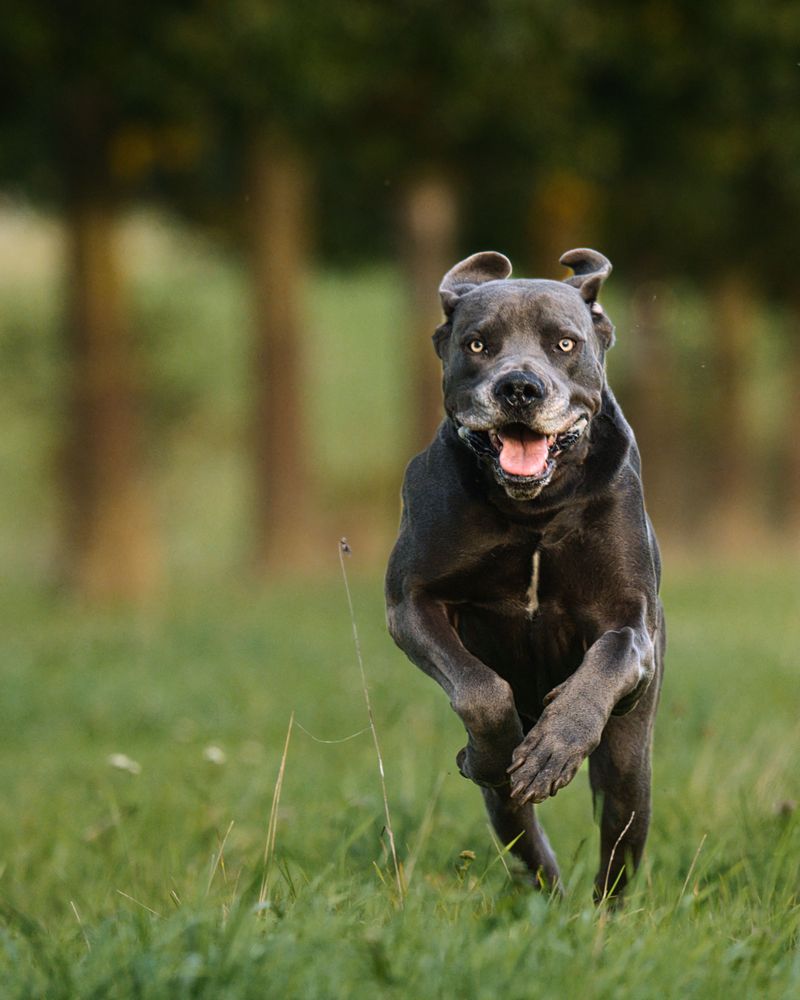
Weighing over 100 pounds, a Cane Corso is pure muscle with a guardian mindset. Ancient Romans used its ancestors to protect property and hunt big game.
With the right leader, this Italian mastiff is calm and devoted. With an unsure beginner, it may decide to make the rules itself.
Strong training, early social time with people and pets, and confident handling are not optional. Size alone makes mistakes risky.
Shiba Inu
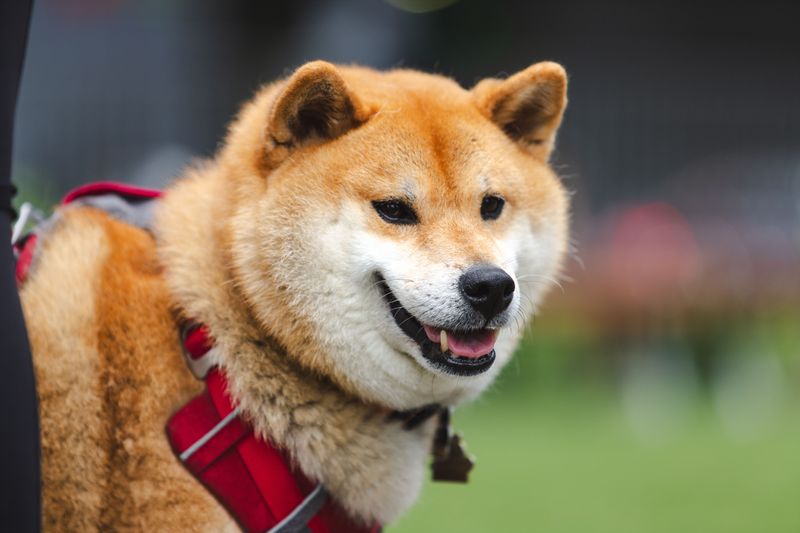
Internet memes made the Shiba famous, but living with one is less funny than it looks online. This Japanese breed is clever, proud, and famously hard to train.
Shibas are escape artists and rarely come when called off leash. When upset, they let out the dramatic Shiba scream.
They are clean and fox-like, which wins many hearts. Just know you are adopting a tiny, independent roommate with strong opinions.
Australian Cattle Dog
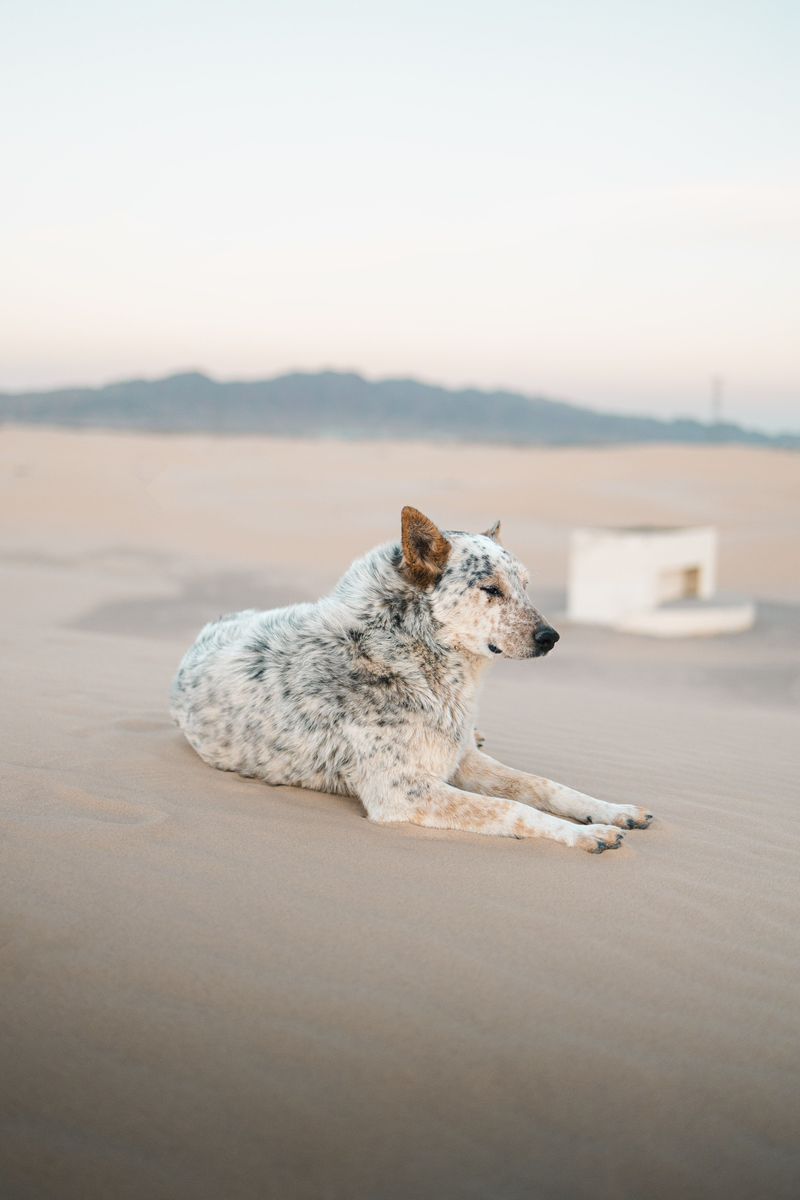
Ranchers in Australia needed a tough dog to move stubborn cattle across rough land. The result was the Cattle Dog, also known as the heeler, a tireless worker with a nip reflex.
That nipping habit often turns toward ankles of kids and guests. Heelers also bond tightly to one person and can be protective.
Without daily work and exercise, frustration builds quickly. Active, experienced owners make the best match for these rugged pups.
Beagle
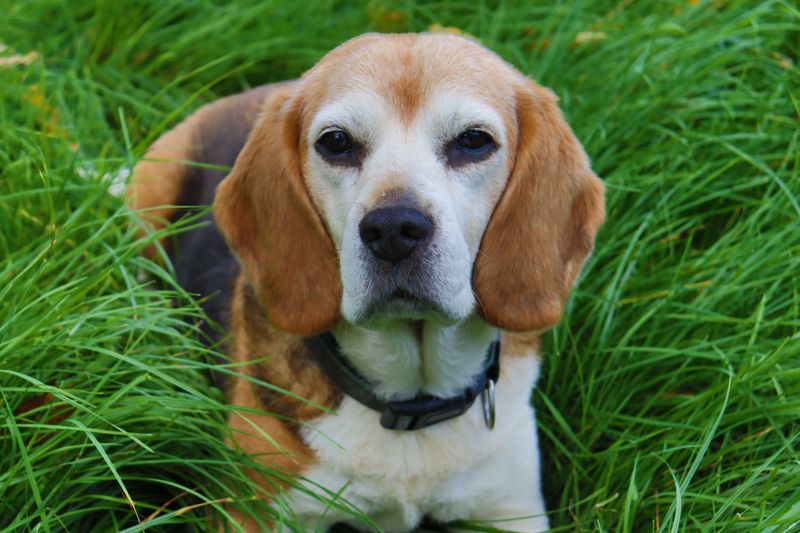
Cute floppy ears hide a surprising truth. Beagles follow their noses everywhere, even straight out an open door and down the street.
Easy-looking? Not quite.
Their howling, called baying, can bother neighbors, and they will raid trash cans and countertops for snacks.
Recall training is tough for scent hounds. Keep food locked away, use a sturdy leash, and enjoy their cheerful personality once you accept their stomach-driven brain.
Dachshund
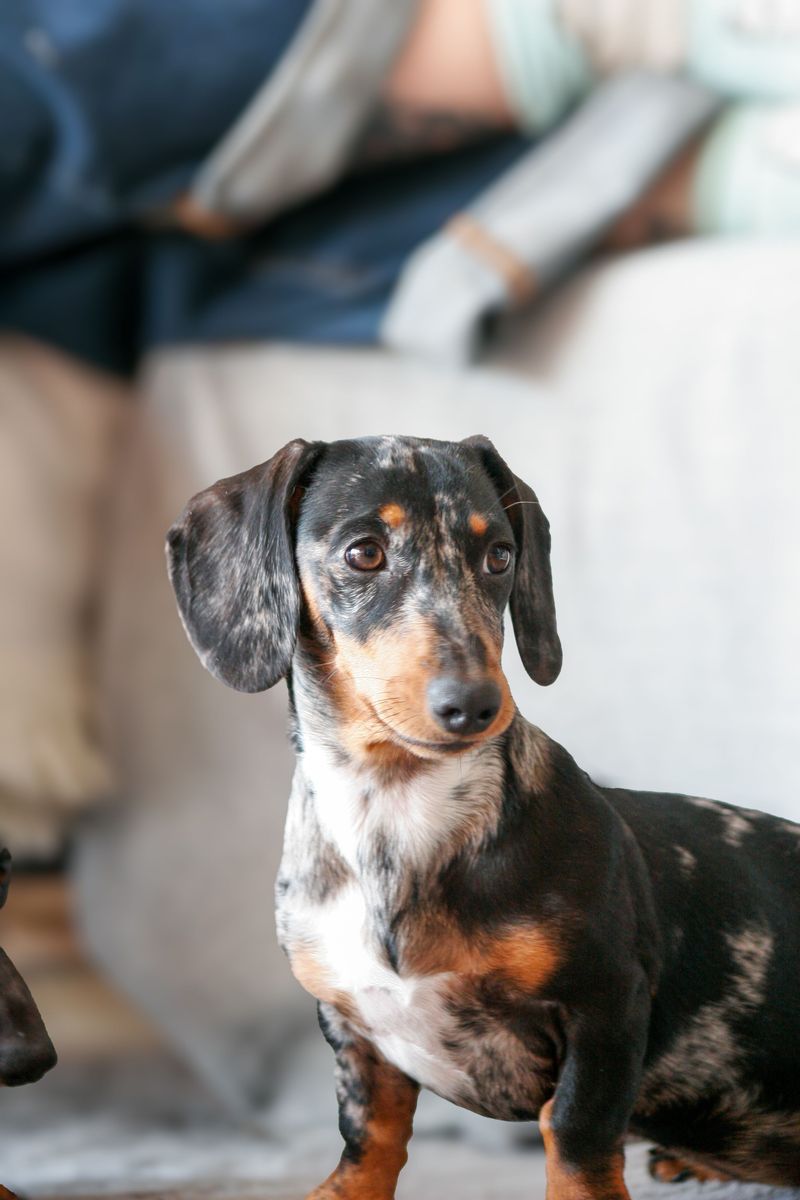
Hot dog shape, big dog bark. Dachshunds were bred in Germany to hunt badgers underground, so courage runs deep in that little body.
Many owners expect a lazy lap dog, then meet a stubborn, loud, and sometimes snappy watchdog. Potty training can take months.
Their long backs also need care. Use ramps instead of letting them jump off furniture, and keep their weight healthy to avoid painful spine problems.
Chihuahua
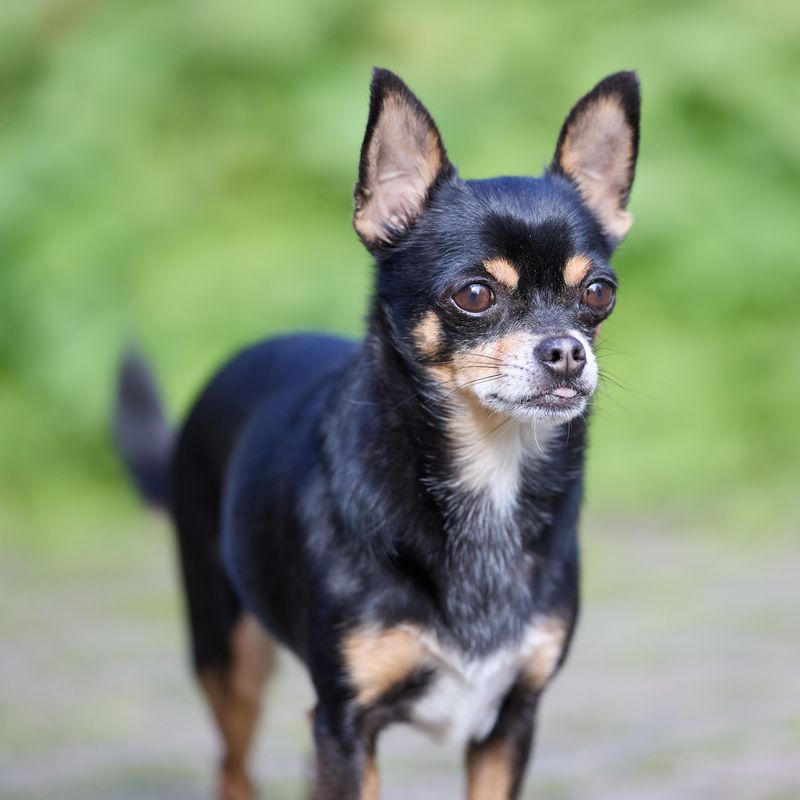
Tiny size makes the Chihuahua look like an easy starter pet. In reality, this pint-sized pup from Mexico often believes it is the boss of the house.
Without training, many become yappy, nervous, or nippy, especially around small kids. Their fragile bones can break from a simple fall.
Treat them like a real dog, not a toy. Gentle socialization and consistent rules turn that spicy attitude into loyal sweetness.
Labrador Retriever
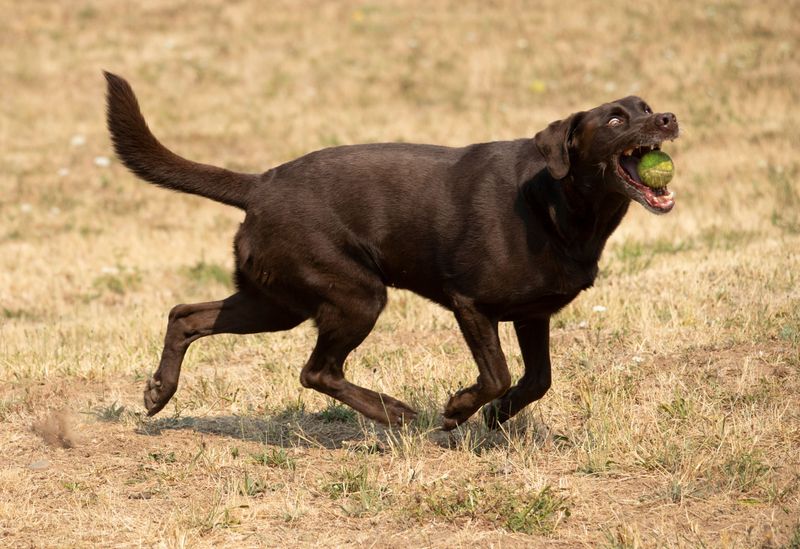
America’s favorite family dog for decades, the Lab seems like a no-brainer. Yet Lab puppies are chewing, jumping, counter-surfing whirlwinds for the first two or three years.
Many owners feel shocked by how much exercise and training these friendly dogs need. Bored Labs eat socks, furniture, and anything else nearby.
Did you know? Despite the name, they actually come from Newfoundland.
Patience now means a wonderful grown-up dog later.