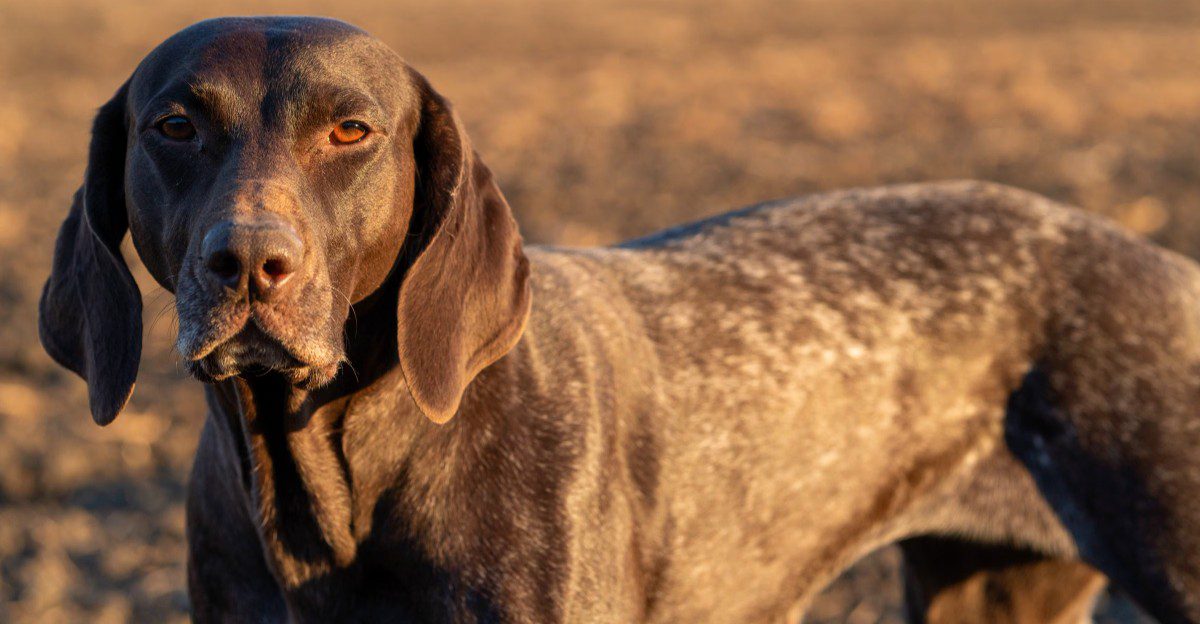
Saying yes to a cute dog can feel easy in the moment. But some breeds bring big energy, strong instincts, or special needs that surprise new owners.
Learning what daily life is like with each one can save stress and money. Here are breeds that reward careful questions before you bring them home.
Siberian Husky
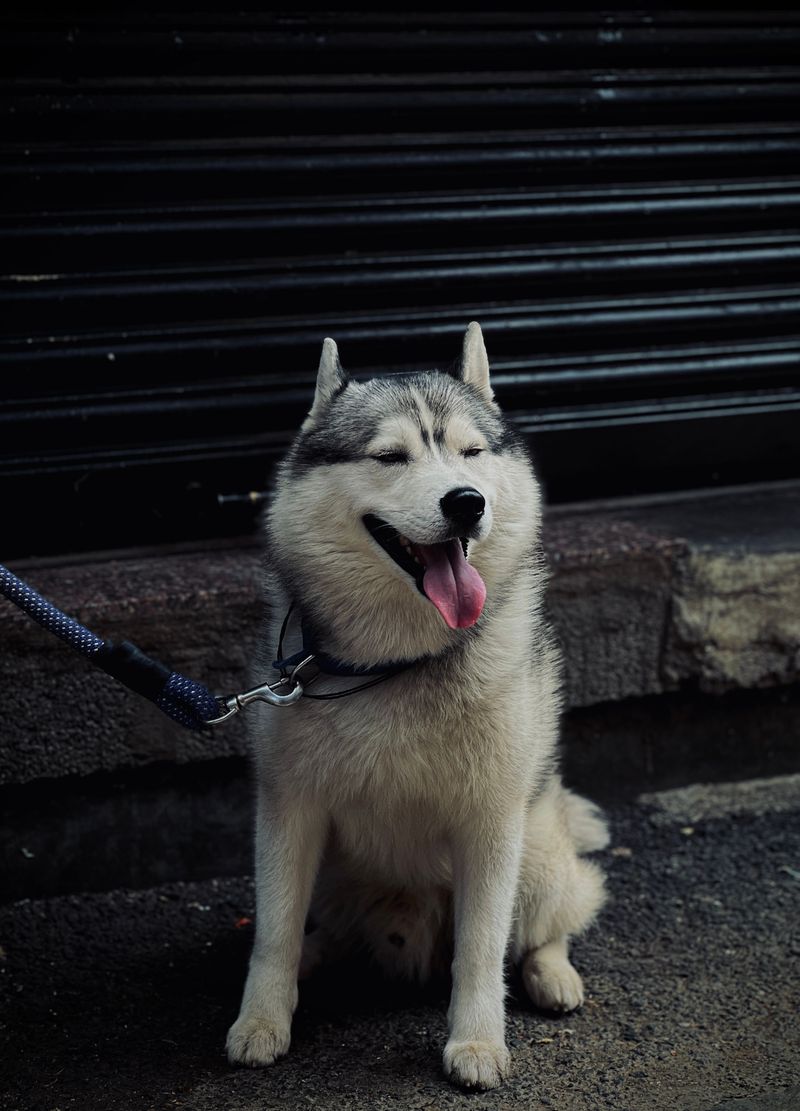
Blue eyes and a sprinting soul can steal your heart fast. Before you know it, the Husky is testing fences, hunting shade, and singing at sirens.
Daily running, sturdy gear, and mental games keep that energy aimed right. Think canicross, puzzle bowls, and a secure yard with dig guards, or expect escape artistry.
Also plan for shedding seasons that look like snow.
Groom often, brush weekly, and budget for pro deshedding during peak molts season.
Belgian Malinois
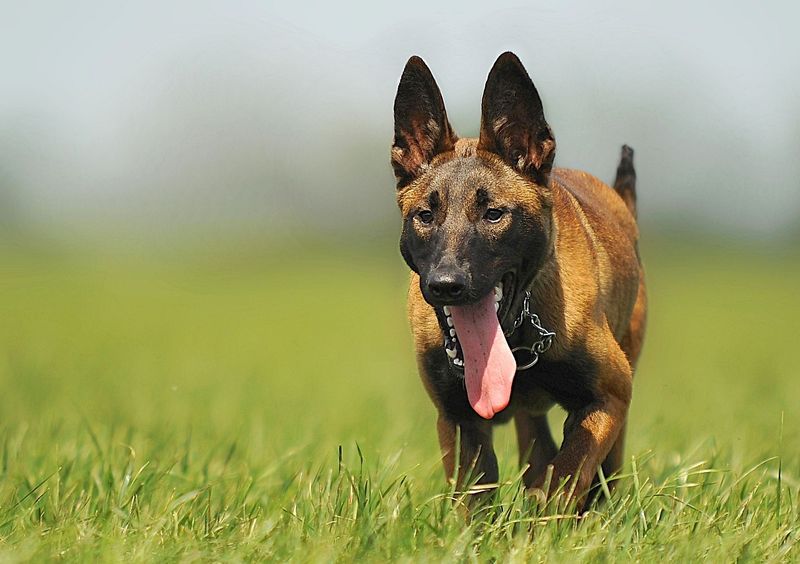
Police-level focus in a pet body sounds exciting until your living room becomes a training field. A Malinois without a job invents one, often involving your couch, drywall, or zoomies at midnight.
Plan structured work like agility, scent puzzles, and obedience two times daily. Invest in a professional trainer, a bite-safe tug, and rules everyone in the house can follow consistently.
Skip apartment life unless you truly love schedules, cardio, and constant mental challenges daily.
Cane Corso
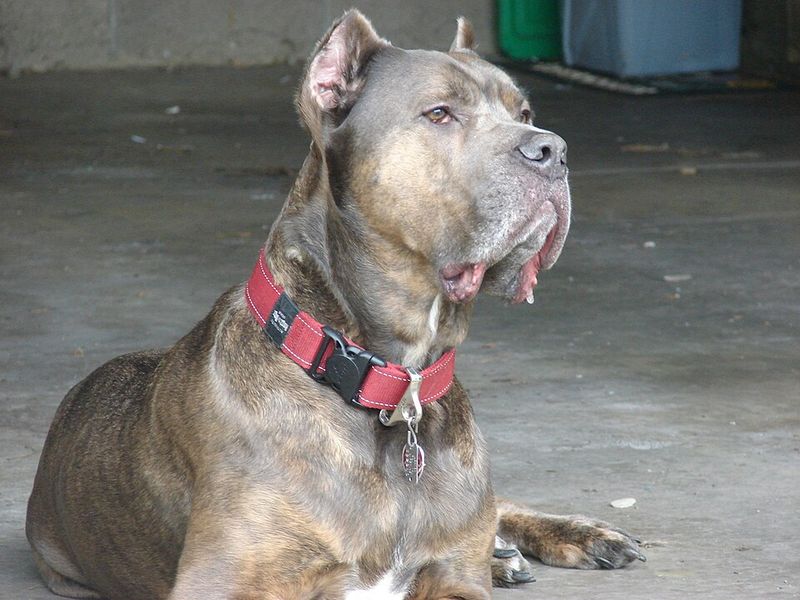
Big head, bigger heart, and huge responsibility come with this guardian. First-time owners often underestimate how much early social time and steady leadership prevent pushy behavior as the dog matures.
Daily structure, calm handling, and controlled introductions matter more than endless fetch. Budget for training, durable equipment, secure fencing, and serious food, because a powerful adolescent Corso can test boundaries and furniture.
Choose breeders who do health checks and temperament matching before you bring home.
Beagle
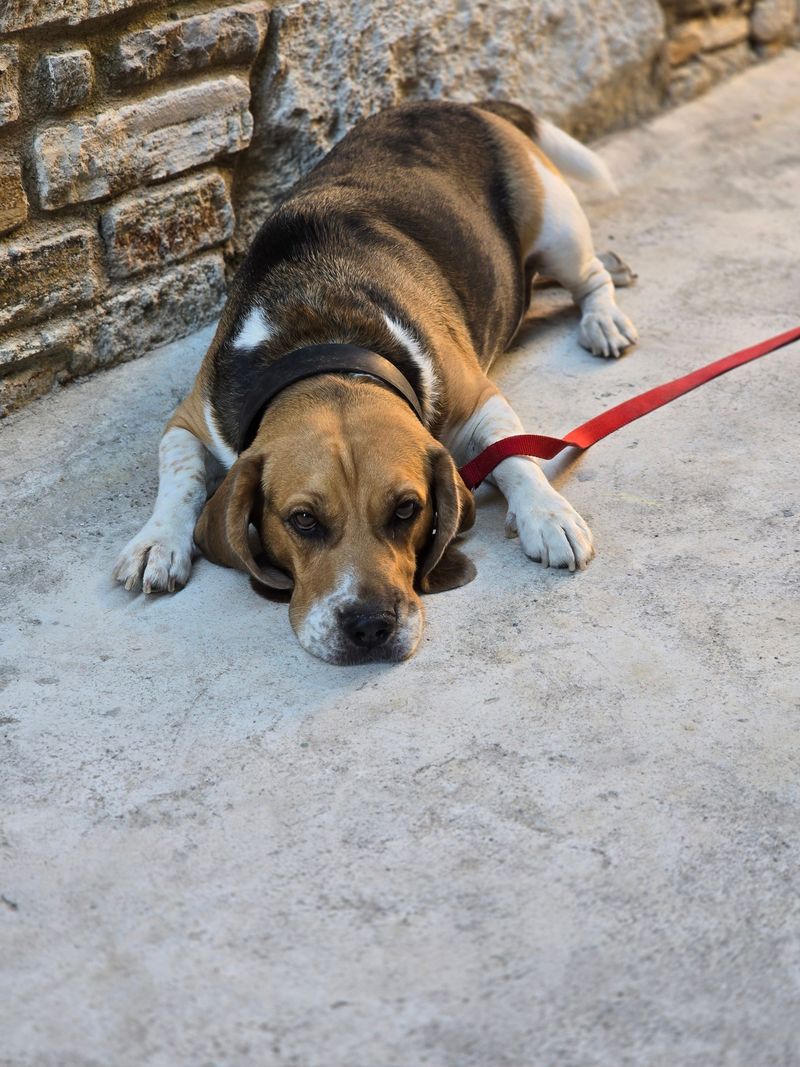
A nose to the ground can tune out every other command. Many families meet a cheerful Beagle, then discover the soundtrack of baying whenever a scent trail floats past the fence.
Secure latches, tall fences, and long-line walks protect curious hounds from traffic and trouble. Food puzzles, sniffing games, and nose work classes satisfy that brain so the trash can stays closed.
Expect some stubborn moments, yet keep sessions short, upbeat, and paid in treats.
Jack Russell Terrier
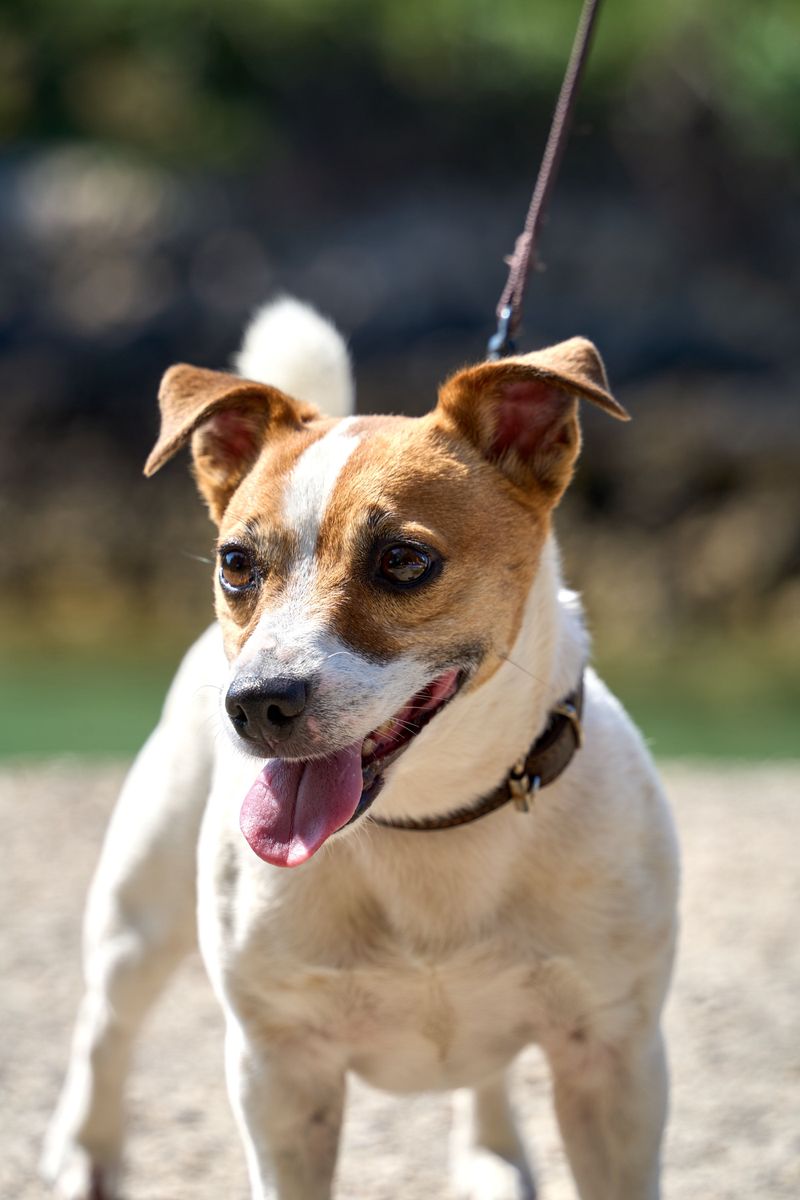
Small package, rocket motor. Many Jack Russells bounce from couch to curtain rod if they do not get real jobs like fetch drills, trick training, or barn hunt.
Plan on sturdy toys, daily sprints, and supervision around pocket pets. Backyard digging and squirrel chasing are hobbies, so give a sandbox, teach impulse control, and leash up before the door opens.
Consistency keeps the clownish attitude fun rather than destructive during long afternoons at home alone.
Dalmatian
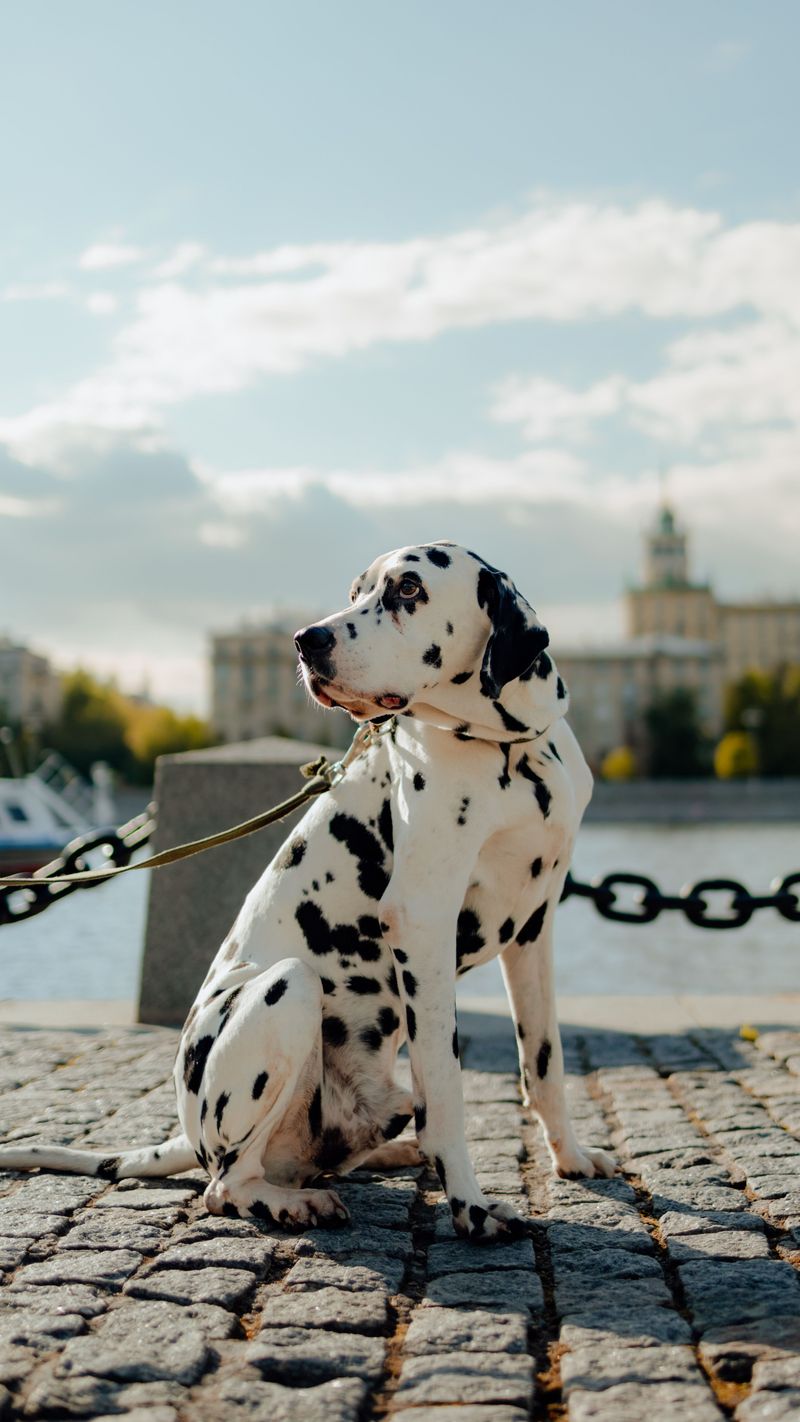
Spotted beauty grabs attention on walks, but energy and sensitivity come along. Some Dalmatians have dietary needs due to uric acid concerns, so careful feeding and frequent water breaks really matter.
Daily cardio, manners training, and gentle handling help avoid nervous habits. Expect shedding, plan regular brushing, and keep enrichment ready, like scatter feeding, flirt poles, and friendly jogging routes.
Choose breeders who health test and discuss stone risk management before you commit long term.
German Shorthaired Pointer
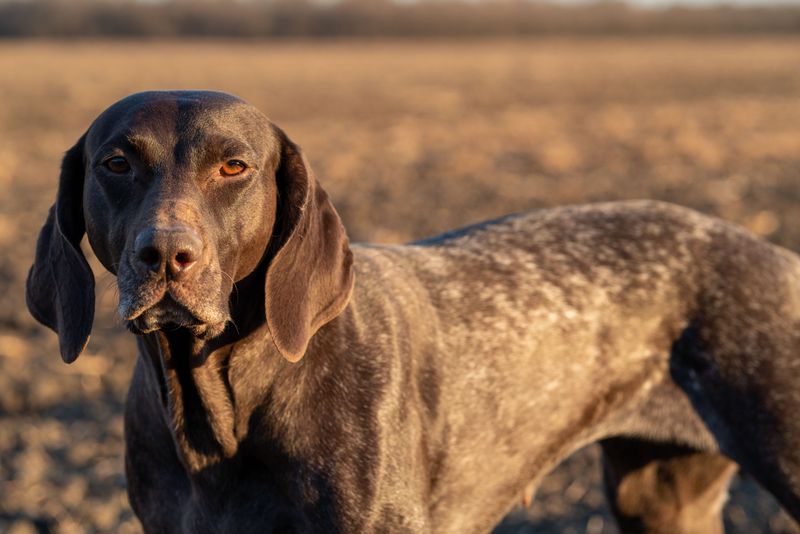
Weekend warrior dogs dream of this job. A GSP is bred to run, point, and think, which means a quick neighborhood stroll leaves a whole lot of gas in the tank.
Field games, long hikes, and recall work build satisfaction and safety. Rotate activities, use check cords, and try scent training so the hunting brain cooperates instead of freelancing near wildlife.
Small homes work only with big outdoor commitments. Schedule mileage, not just fetch daily.
Great Pyrenees
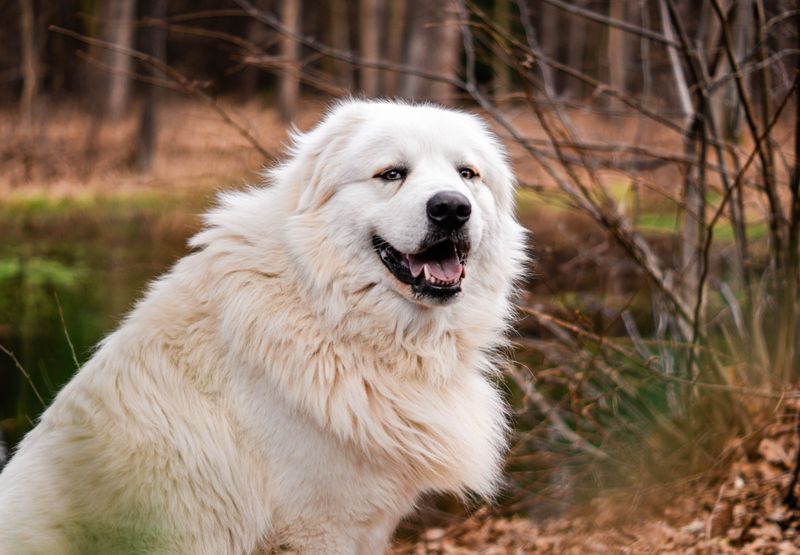
Night shift security guard in fluffy pajamas sums up this mountain dog. Barking at winds, owls, and suspicious garden gnomes is part of the job description, sometimes all night long.
Successful owners set boundaries, provide quiet acreage, and teach a reliable recall. Thick coats require weekly brushing, seasonal extra grooming, and patience during mud season, plus fences tall enough to respect wandering instincts.
Expect independence, but build partnership with calm routines, treats, and low-drama leadership.
Australian Cattle Dog
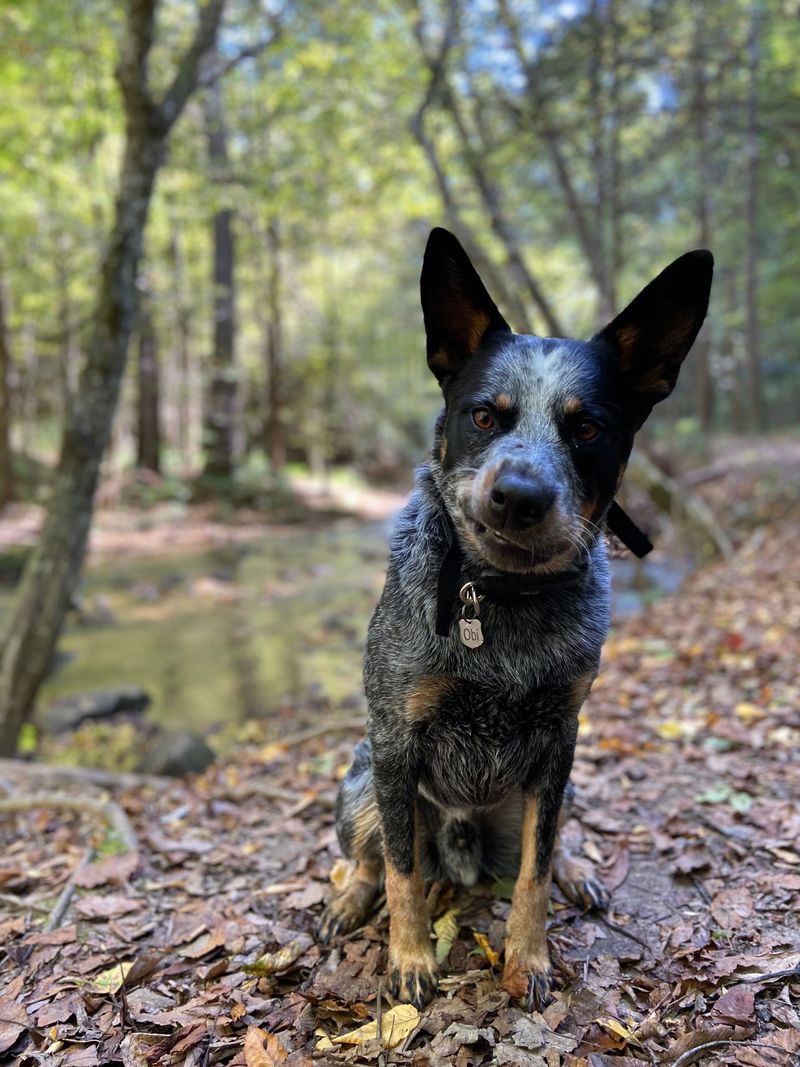
Farm kid energy in a compact frame makes furniture look boring. Many Heelers nip heels, herd bicycles, and reorganize cats when they lack structured outlets after sunrise.
Plan real jobs like frisbee drills, sheep herding lessons, or agility leagues. Teach bite inhibition early, reward calm choices, and use long-lasting chews so working jaws stay busy without sampling ankles.
Urban life can succeed with strict routines, heavy exercise, and clever brain games. Try kennel time daily.
Weimaraner
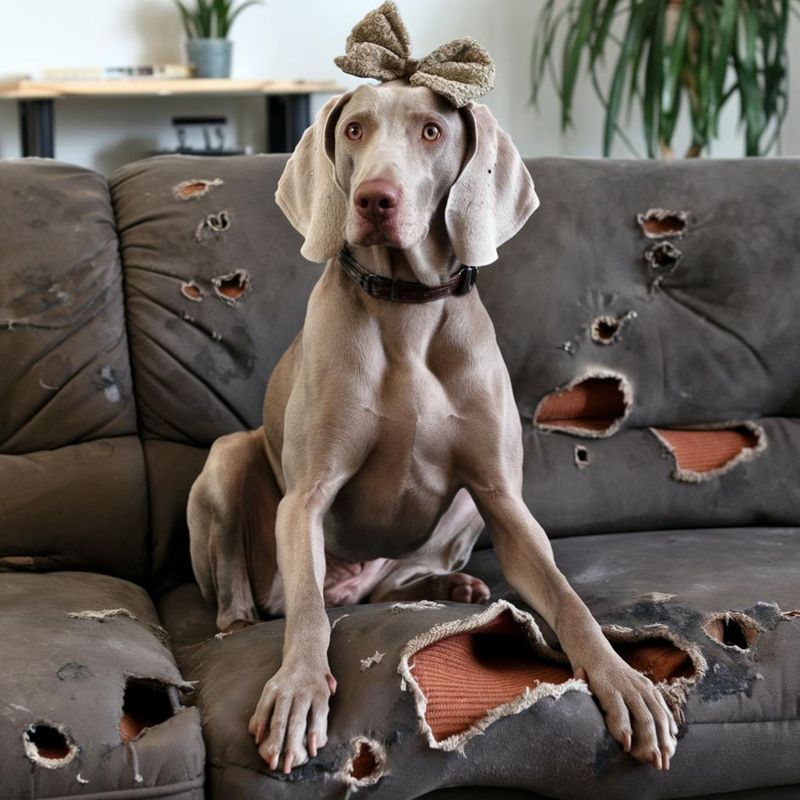
Silver ghost looks glamorous until separation anxiety shows up like a storm cloud. Many Weimaraners shadow their people, protest crates, and chew trim when left without training or a steady routine.
Start independence early with short departures, food-stuffed toys, and calm returns. Daily workouts, nose games, and polished obedience give confidence so your sleek friend can settle instead of spiraling.
Expect velcro tendencies and big feelings, so train kindly, keep schedules steady, and rehearse calm.
Akita
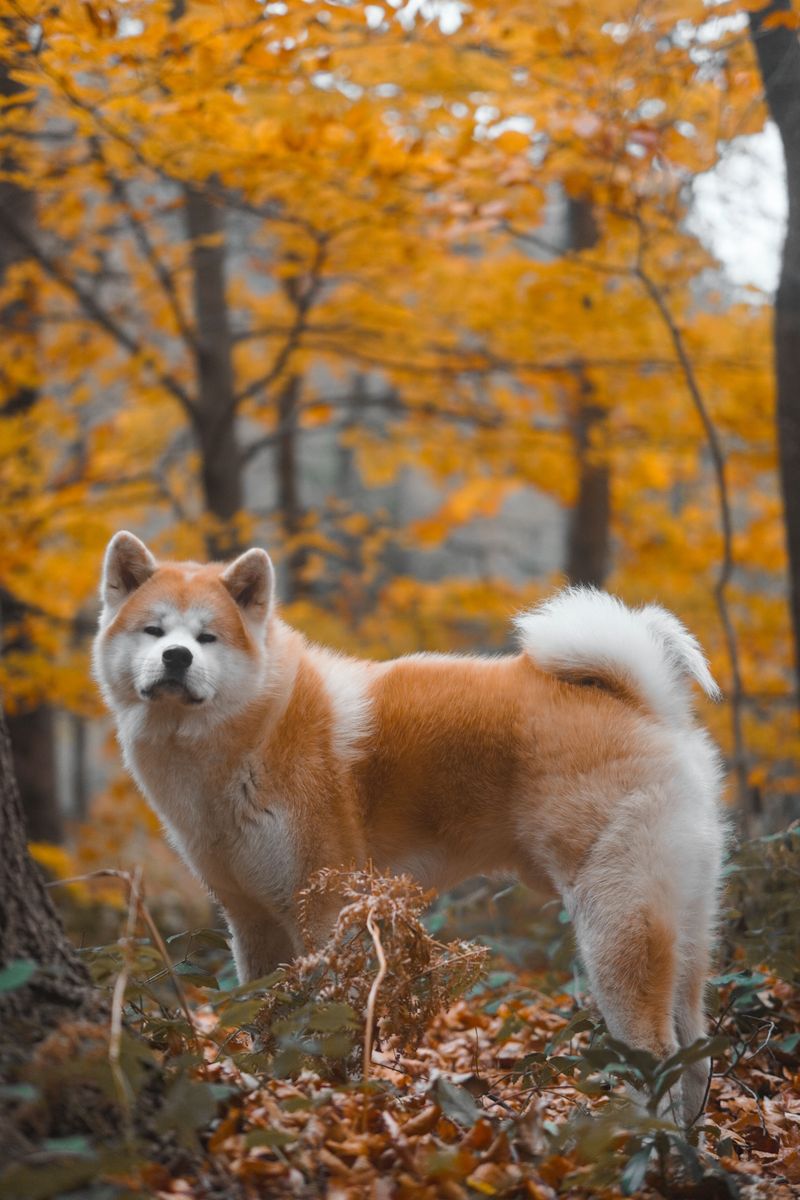
Quiet loyalty comes with a serious stare that reads the room before moving. An Akita can be reserved with strangers and selective with dogs, which surprises many friendly, busy households.
Early, respectful socialization and rules prevent guarding from becoming rudeness. Strong bodies need trained minds, so teach handling, practice neutrality in public, and hire a coach who understands the breed.
Groom dense coats, trim nails, and keep greetings calm to prevent jumping or bristling surprises.