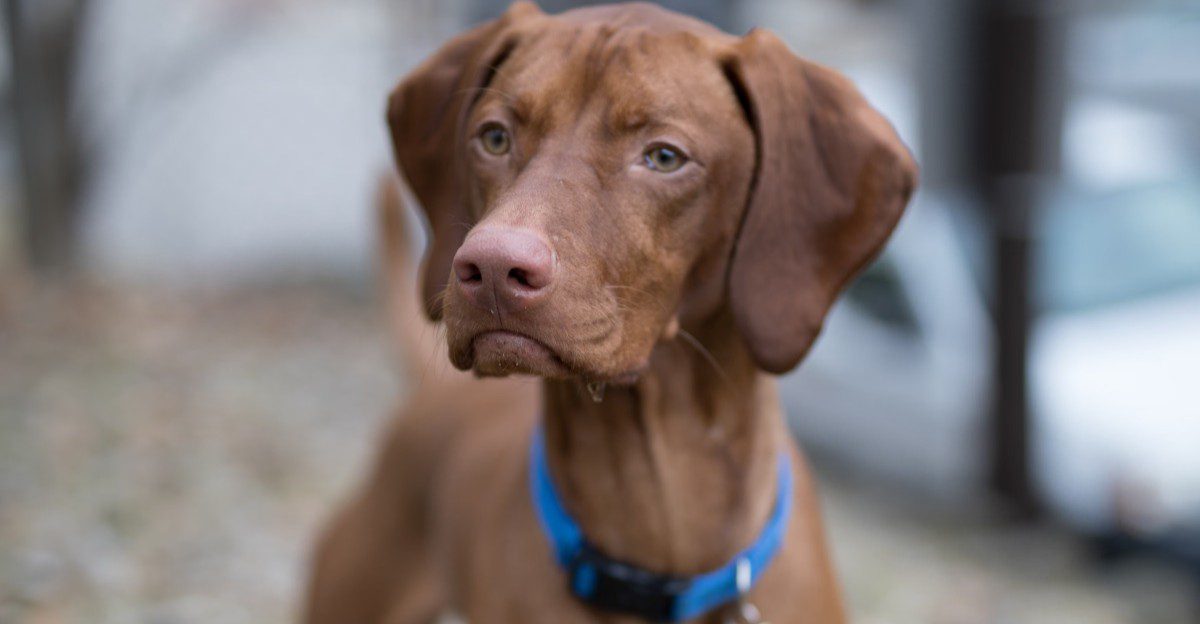
When a room gets rearranged, some dogs feel unsure, and others get excited to explore. Understanding your dog’s reaction can help you keep them calm and safe.
You will learn which breeds often worry about changes and which ones treat it like a fun quest. With a few easy tips, the whole house can feel friendly again.
German Shepherd – vigilant guardian
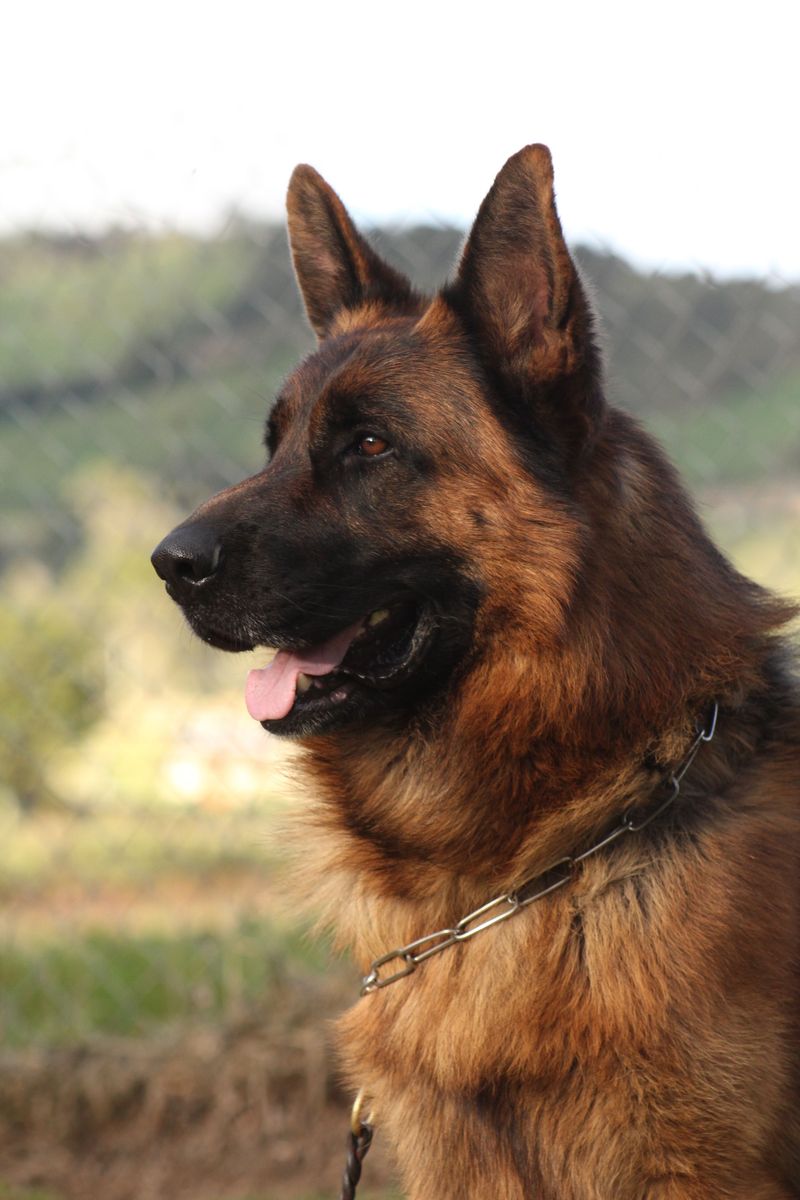
Big changes at home flip the German Shepherd’s security switch fast. Highly observant, they notice moved furniture, new smells, and unusual shadows, then pace rooms while checking doors and windows.
Ease tension with quiet leadership, a steady routine, and sniffy decompression walks. Give clear jobs like finding a hidden toy, guarding a bed space, or practicing down-stays near the strange setup.
Reward calm eye contact and slow breathing with gentle praise and treats at intervals.
Chihuahua – tiny town crier
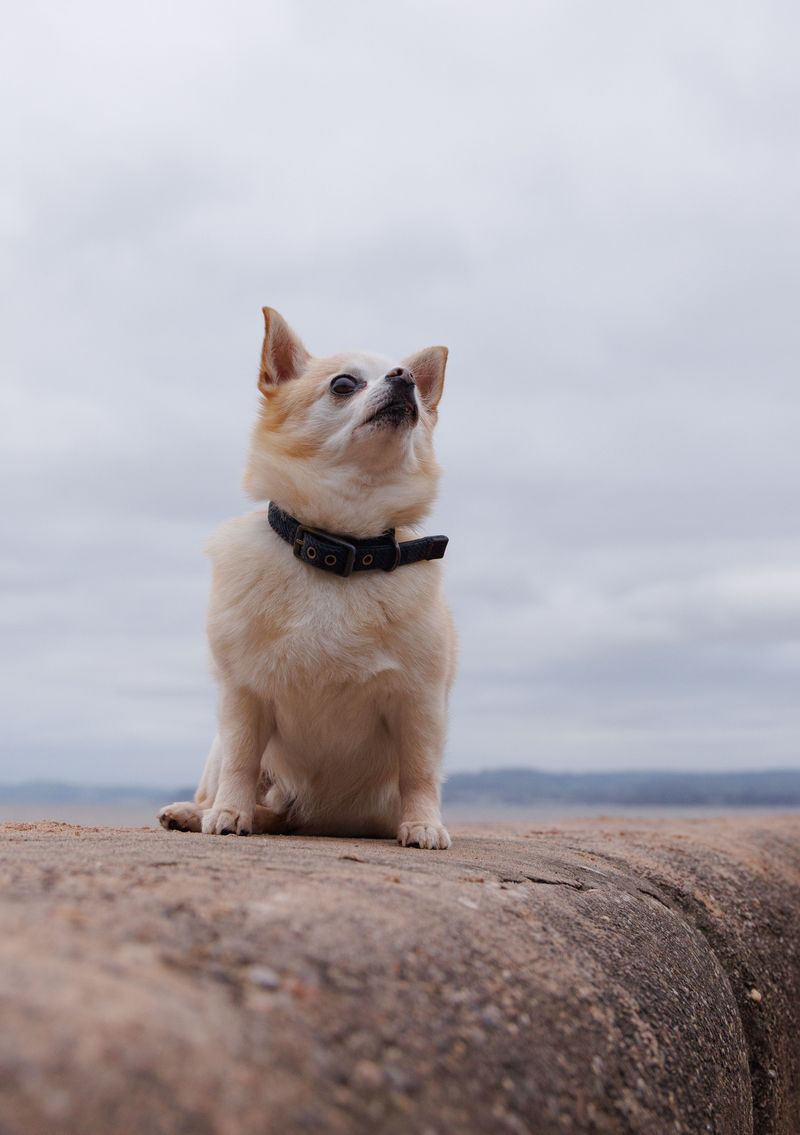
Tiny body, giant alarm system fits the Chihuahua perfectly. When the couch shifts or boxes appear, sharp barks and spinning zoomies often report the news to everyone nearby.
Create a safe perch with a warm blanket, then introduce changes from that lookout using treats and soft talk. Short sniff sessions, puzzle mats, and nap breaks reset the mood.
Ask visitors to ignore greetings until paws are settled and ears relax. Small wins build brave feelings.
Dachshund – bold nose at floor level
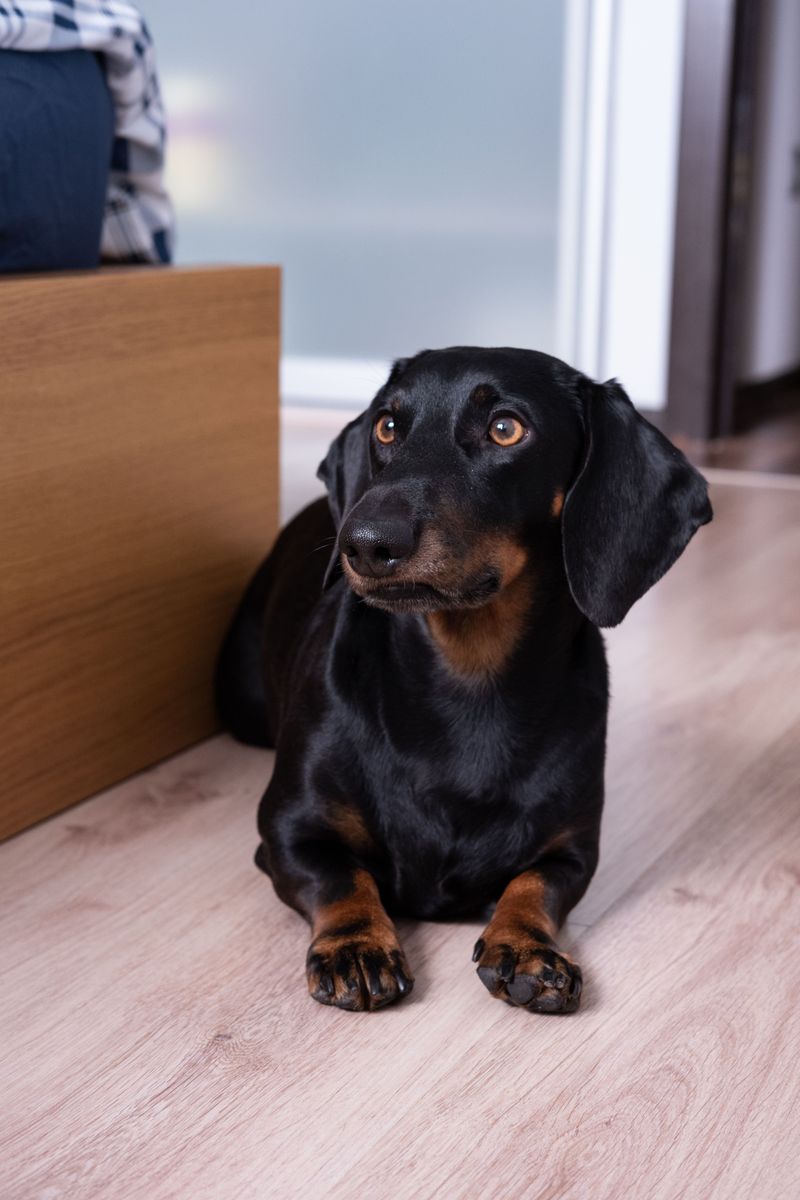
Ground-level detectives like Dachshunds read floor scents before they trust what they see. A moved ottoman can feel like a new tunnel entrance, stirring excited barks and protective postures.
Channel that bold nose into a find-it game using safe, easy hiding spots around the changed area. Keep jumps limited, add ramps, and pair unfamiliar sights with tiny cheese crumbs.
Praise low tail wags, then end before energy tips into stubborn barking. Calm exits matter most.
Miniature Schnauzer – sharp-eyed inspector
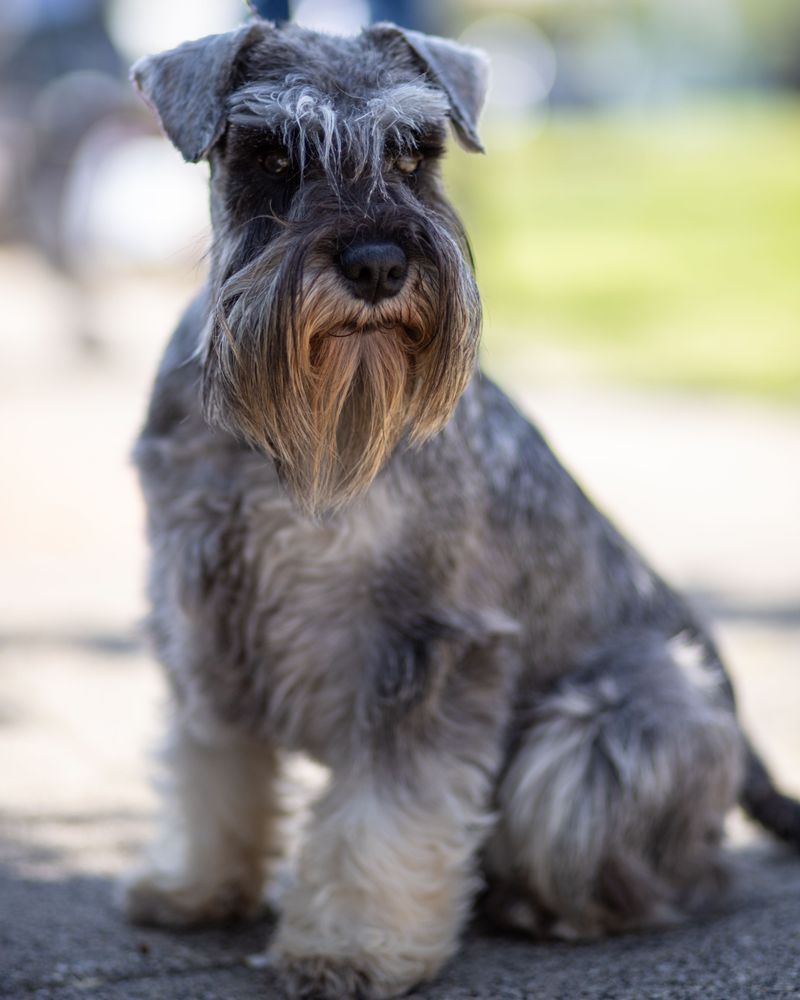
The bearded watchdog notices everything, from a shifted lamp to a new echo in the hallway. Curiosity mixes with suspicion, so they patrol high-traffic zones and offer opinionated grumbles.
Give structure with quick obedience bursts, then reward with tug or a squeaky toy, ending on a relaxed sit. Grooming time doubles as reassurance because calm brushing around the eyebrows softens the intense stare.
Invite sniffing tours before meals to frame changes as routine. Confidence grows.
Shetland Sheepdog – pattern detective
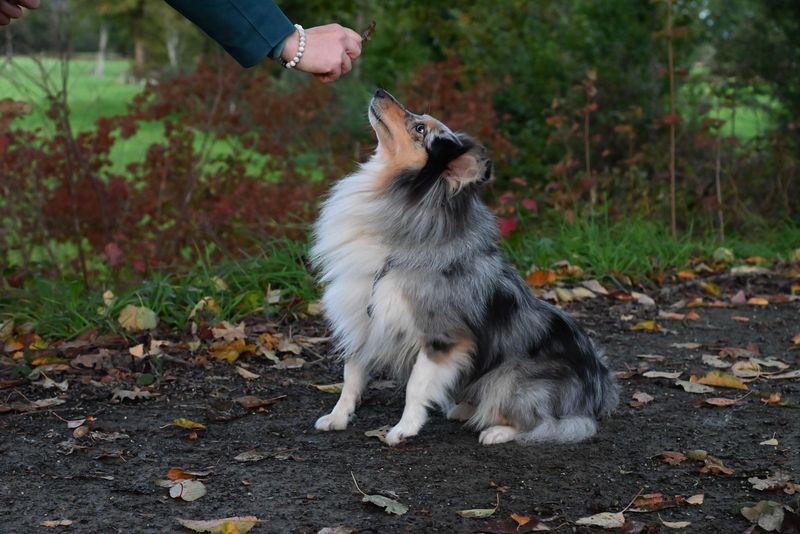
Lightning-fast pattern readers, Shelties notice a chair turned two inches. They may circle rooms and vocalize to alert the flock, which often just means your family.
Lower the volume with scent paths made from treats leading to cozy beds near the changes. Short trick sessions, like paw touches and spins, give their brain a helpful outlet.
Soft music and predictable walk times turn anxious scanning into manageable curiosity. Steady hands guide calmer choices daily too.
Shiba Inu – cautious curator
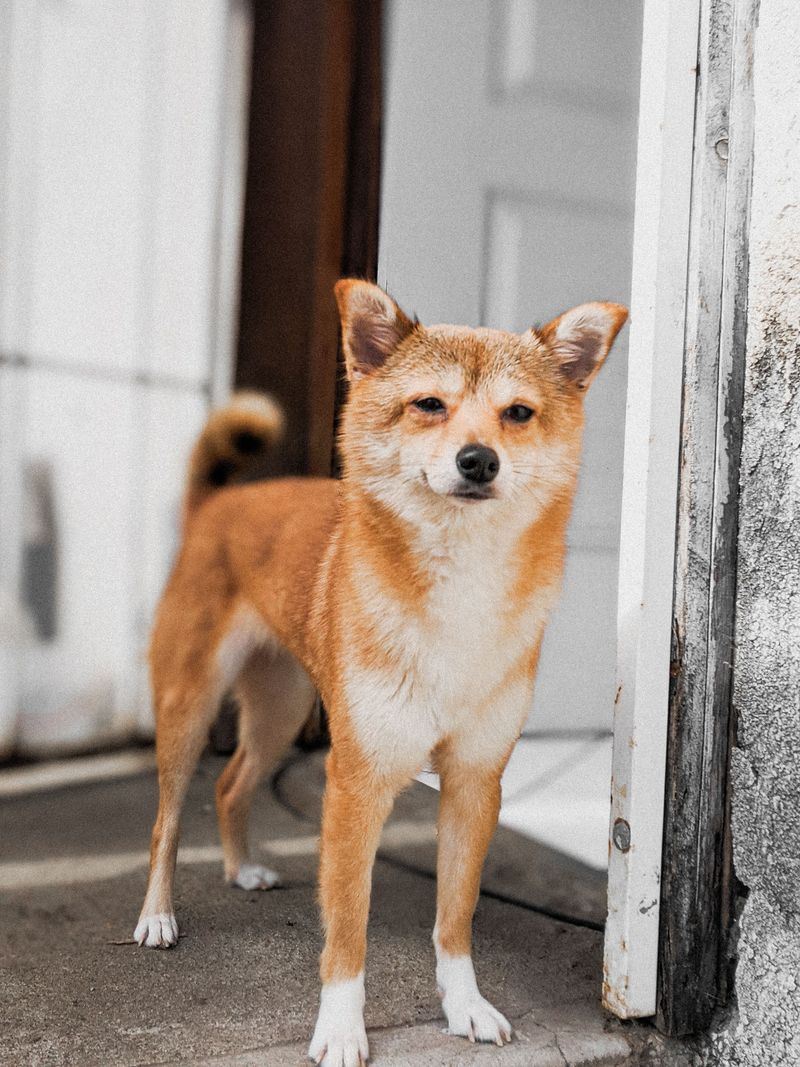
Independent minds like the Shiba Inu prefer to approve every modification personally. A strange angle of light or a box stack can earn a skeptical side-eye and a cautious approach.
Make novelty pay with high-value treats, brief inspections on leash, and an easy escape route. Respect personal space, avoid crowding, and let curiosity bloom on the dog’s schedule.
Quiet praise beats chatter, while gentle play tugs reset mood quickly. End before stress gains momentum today.
Akita – composed sentinel
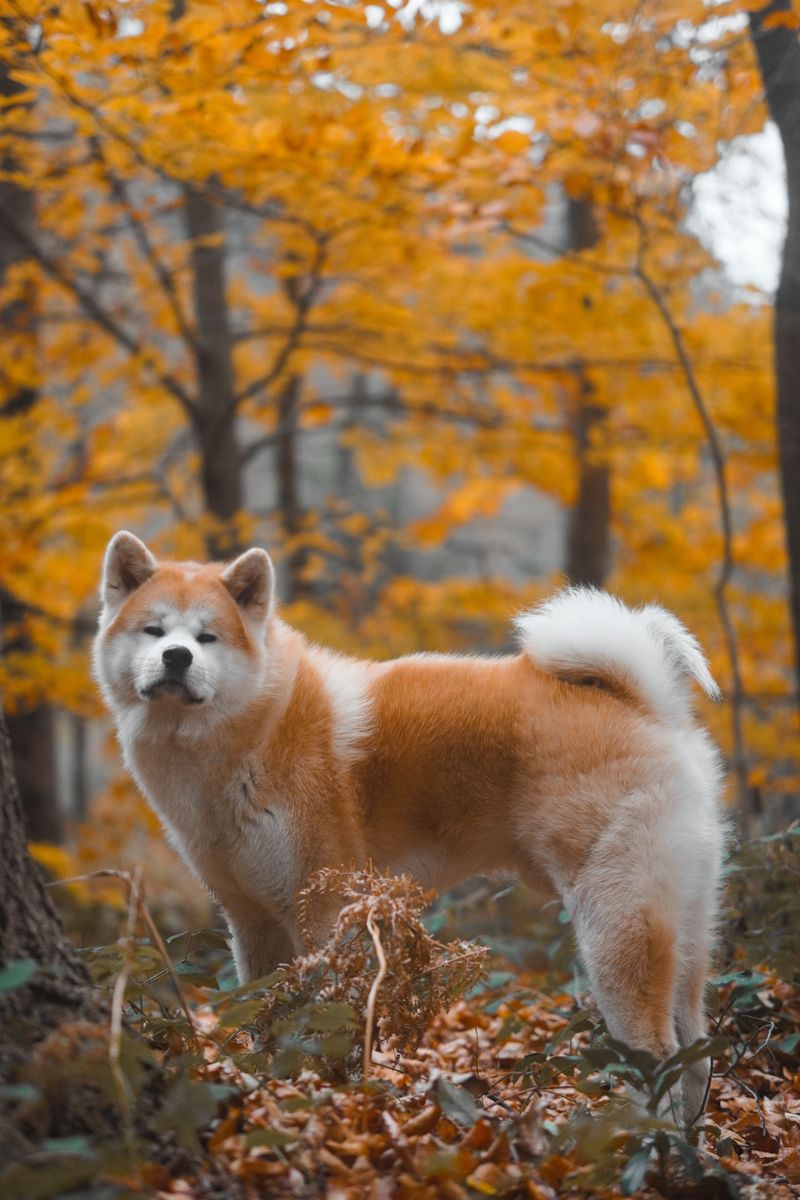
Dignified and discerning, the Akita evaluates household shifts like a silent supervisor. Strange placements may trigger stillness, a fixed gaze, and blocking behavior near family members.
Respond with calm boundaries, steady routines, and confident handling on a short leash during first walkthroughs. Teach a chin rest and place command so the dog has respectful jobs when uncertainty rises.
Reinforce quietly with meaty rewards and end sessions while posture loosens. Predictability builds loyal trust daily habits.
Australian Shepherd – busy project manager
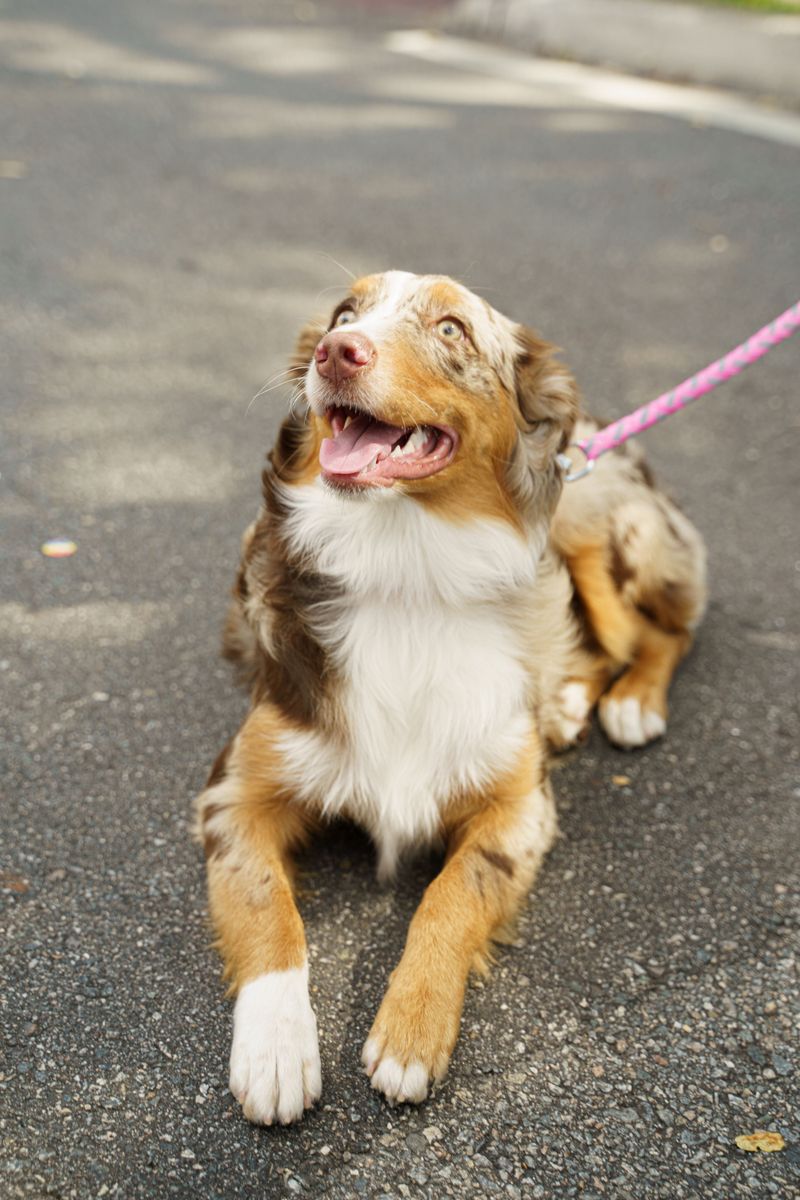
Busy brains and busy feet describe the Australian Shepherd on change day. They may herd people away from stacks, bark at ladders, or try to direct traffic like a colorful foreman.
Give purpose with controlled fetch, box-targeting games, and nosework around the new arrangement. Cap sessions early, then settle on a mat with a chew while you move items slowly.
Clear hand signals help them understand the plan and reduces frantic micromanaging during changes today.
Yorkshire Terrier – hallway captain
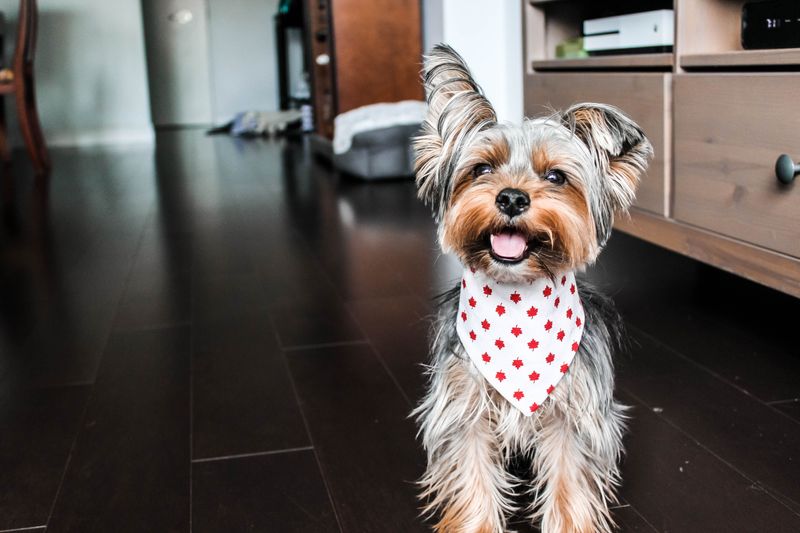
Pocket-size but bold, the Yorkie acts like the hallway captain. New shapes near the floor can spark rapid alerts, quick trots, and a protective stance over favorite spots.
Use gentle pick-ups only when needed, otherwise guide with treats on the ground to encourage sniffing. Short grooming and sweater time add cozy confidence during furniture moves.
Calm visitors, lowered voices, and slow door opens help tiny nerves feel safe again. Reliable routines rebuild brave hearts gently.
Pomeranian – fluffy commentator
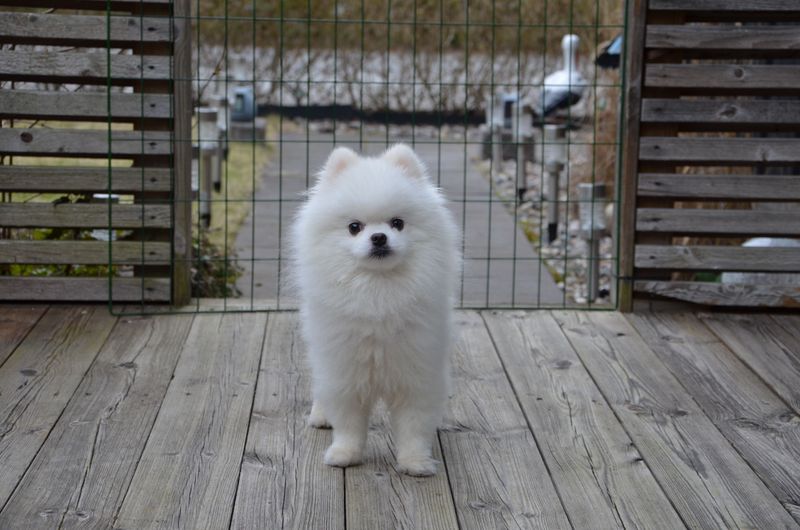
Fluffy alarms with bright eyes, Pomeranians broadcast every surprise like neighborhood news. When a shelf shifts, expect commentary, prancing feet, and a dramatic tail plume.
Turn talk into games by cueing speak, then quiet, rewarding both so sound has rules. Snuffle boxes, gentle chase with a felt toy, and cuddle breaks take the edge off.
Place a bed near you while rearranging, so the fluffy shadow learns patience and comfort. Warm voices shape calmer habits.
Scottish Terrier – stout traditionalist
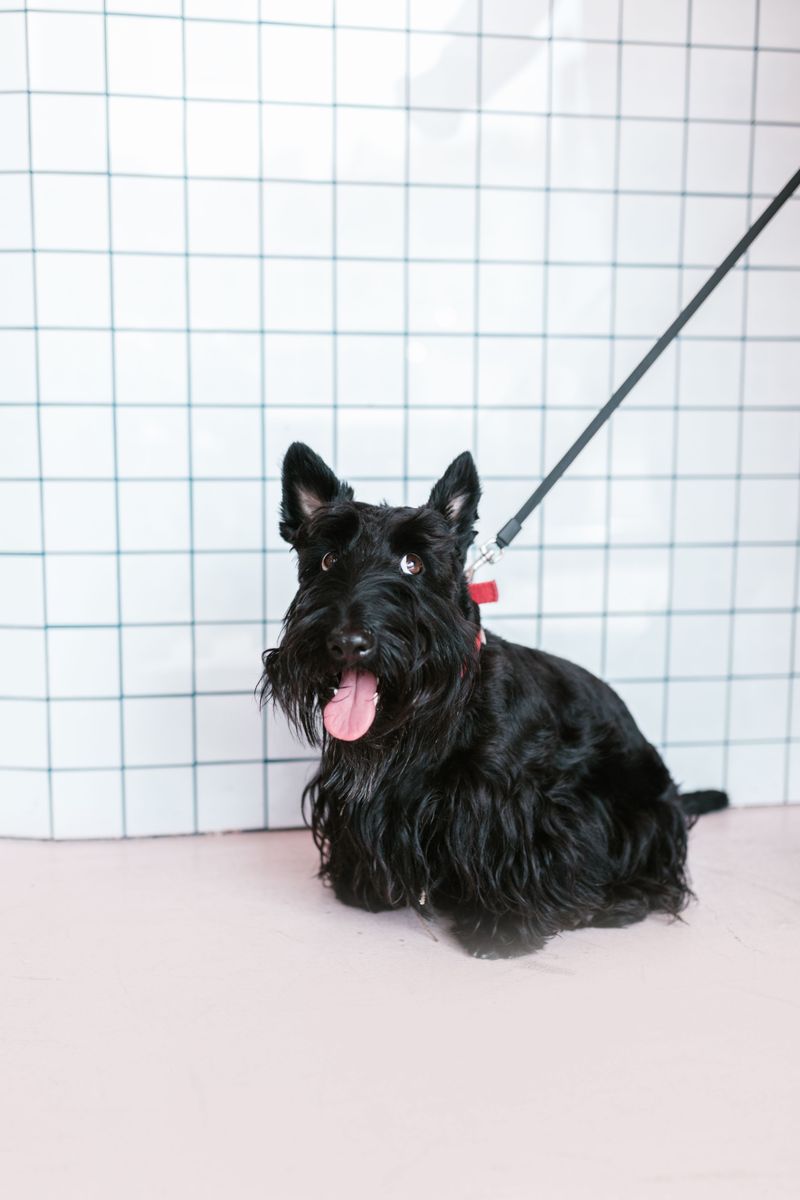
The Scottie carries proud grit, which can turn into doorway guarding during household shake-ups. Subtle changes may prompt stiff posture and a low, decisive woof.
Invite cooperation with leash-guided tours, nose touches to targets, and calm sits before moving past odd items. Respect the sturdy dignity by avoiding tuggy greetings and using meaty, single-chew rewards.
Consistency and quiet finish lines help that brave heart relax while still feeling in charge. Shared routines build mutual trust.
Labrador Retriever – cheerful explorer
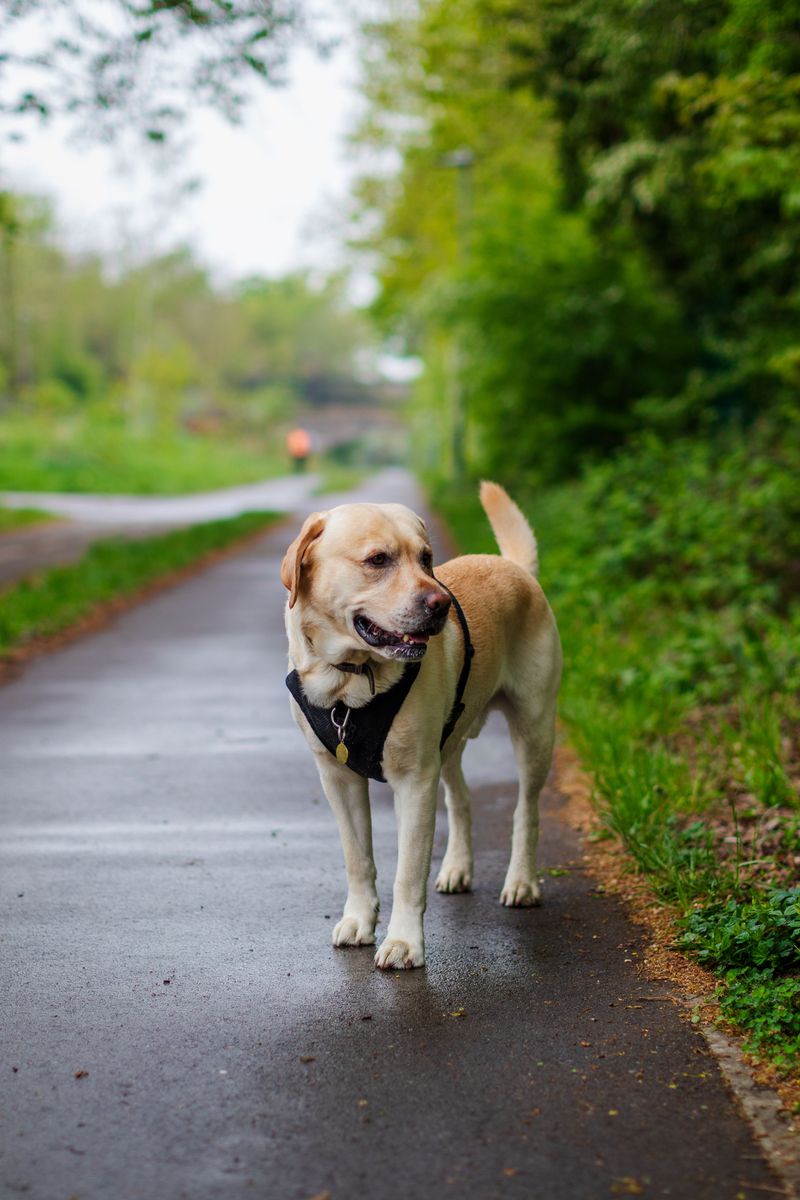
Few dogs greet rearranged rooms with bigger grins than a Labrador. They often sniff, wag, and volunteer to carry soft items as if helping with the plan.
Use that optimism for hide-and-fetch jobs, scent trails to new beds, and gentle retrieves of safe objects. Short breaks with water and a calm settle prevent overexcitement from tipping into zoomies.
Chew toys nearby offer focus while you shift shelves and tidy cables. Happy tails stay thoughtfully managed.
Golden Retriever – sunny helper
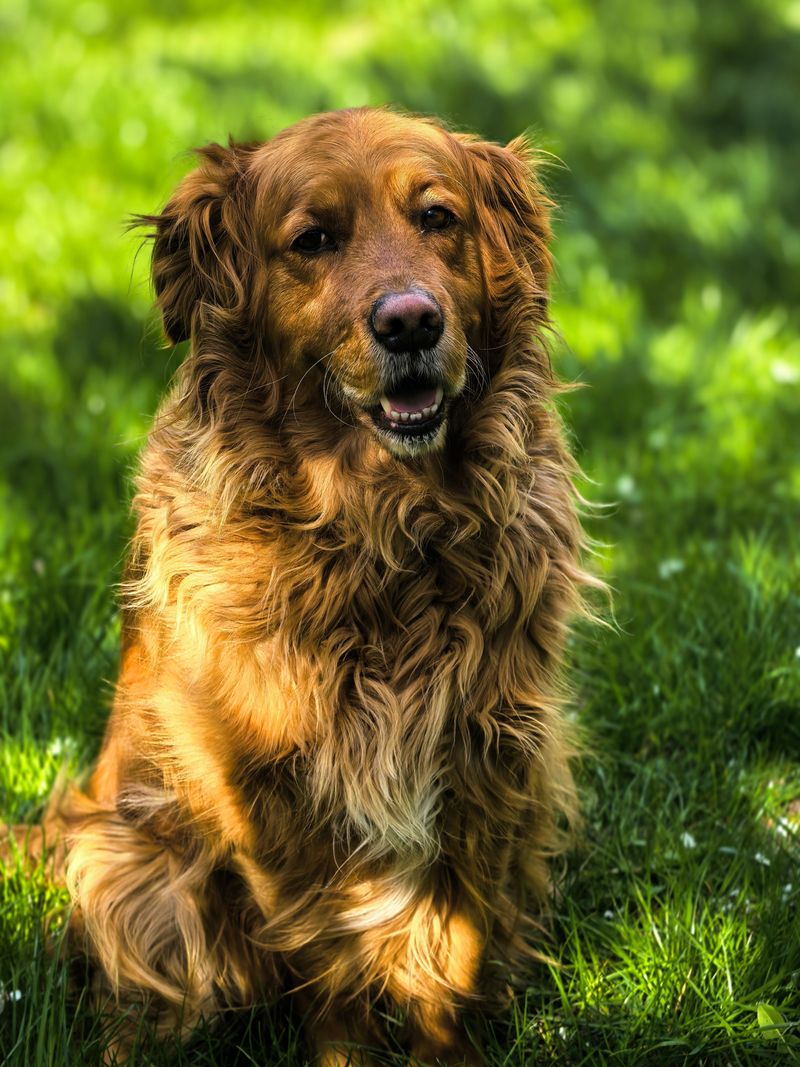
Sunshine in fur, the Golden usually treats new setups like a friendly scavenger hunt. Expect soft eyes, relaxed body language, and a willing pause to figure things out.
Guide curiosity with station games, gentle object carries, and photo-worthy sits on safe mats near the action. Keep sessions short, offer water, and reward calm tail swishes more than noisy cheerleading.
A simple release word makes transitions smooth and prevents accidental clutter raids. Good manners shine brighter.
Boxer – playful pathfinder
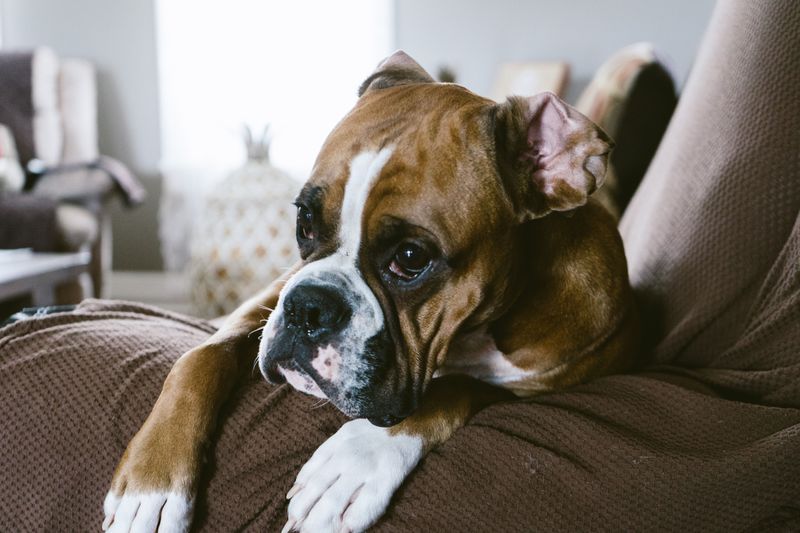
The Boxer brings goofy enthusiasm, turning new furniture layouts into a playful obstacle course. Wiggles, silly bows, and curious sniffs often greet every corner.
Channel that spark with controlled hops over low cushions, nose targets on boxes, and focused sits between moves. End before panting runs high, then offer a frozen lick treat to cool engines.
Gentle belly rubs and quiet praise seal the fun while keeping manners intact. Clear cues prevent rowdy detours inside.
Beagle – joyful nose-on-tour
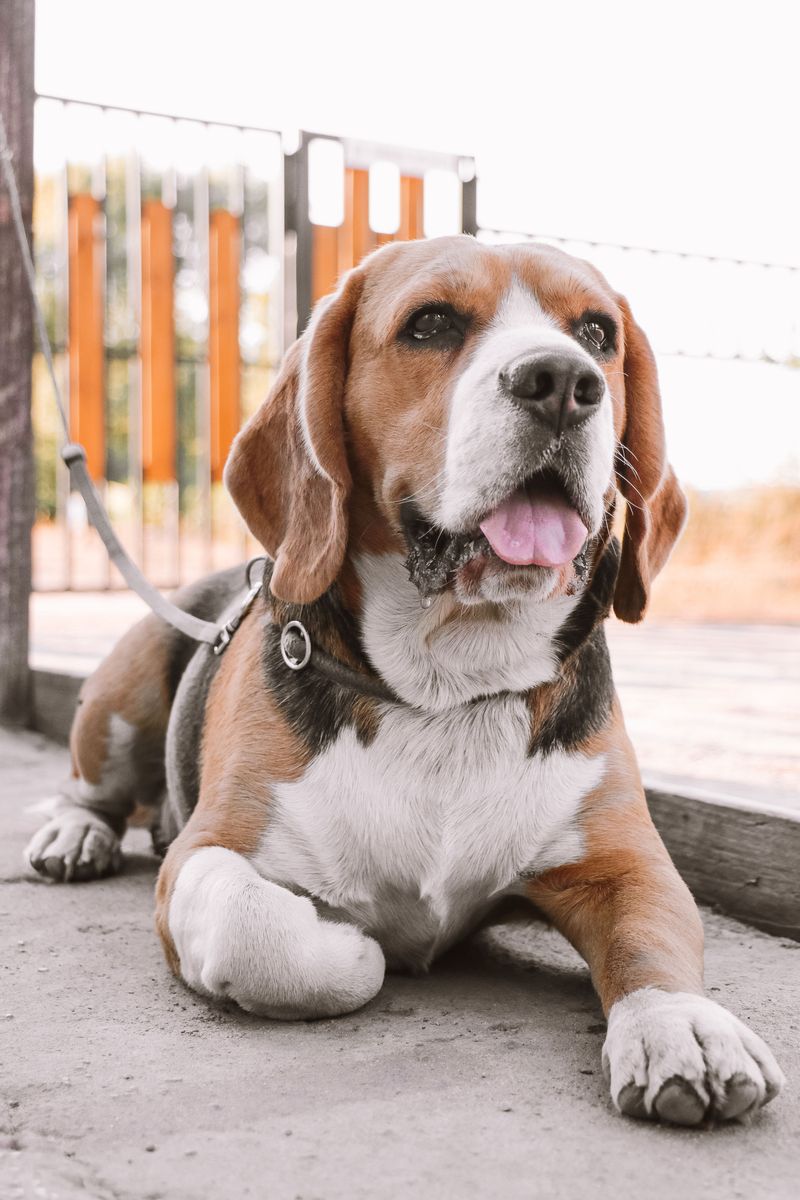
For a Beagle nose, changed rooms smell like brand new stories. Ears perk, tails flag, and the search begins with cheerful determination.
Make it productive with treat trails, muffin-tin sniff games, and a parking mat between adventures. Use a lightweight leash indoors to prevent pantry raids while keeping curiosity satisfied.
Calm check-ins, water sips, and puzzle breaks avoid over-sniffing spirals. Gentle boundaries help stories end neatly before bedtime arrives again.
Happy noses need planned pauses.
Vizsla – eager sidekick
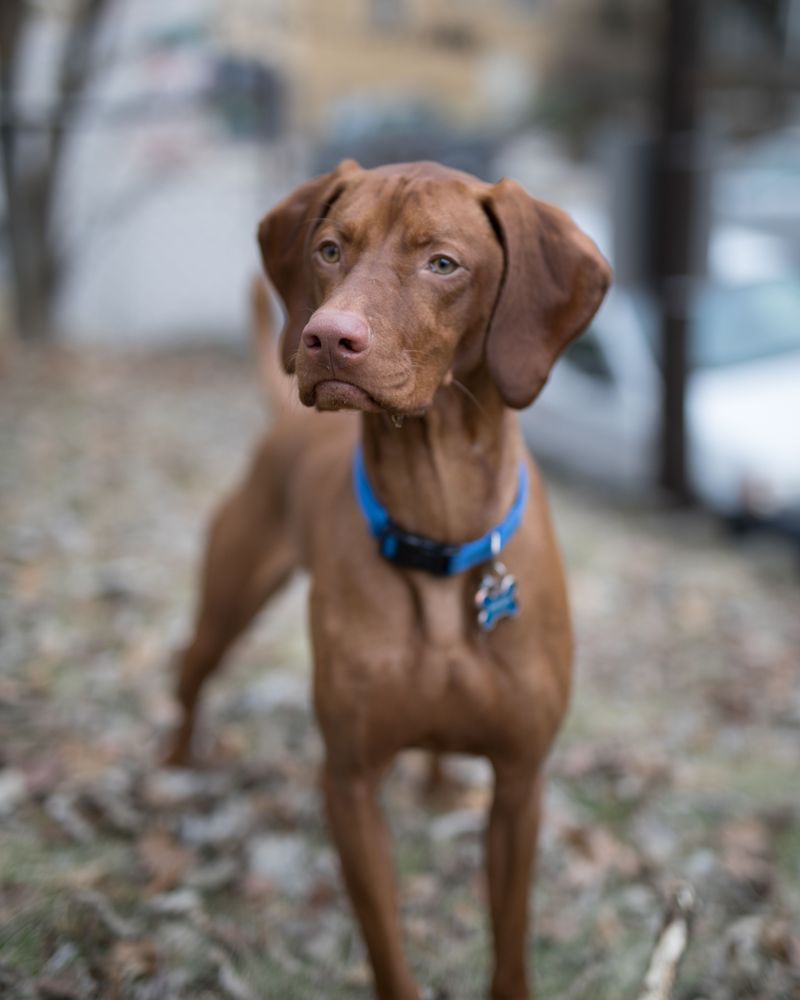
Velcro by nature, the Vizsla treats rearrangement as a chance to help closely. They shadow your steps, investigate kindly, and quickly learn new paths between rooms.
Harness that teamwork with touch cues, brief directional drills, and relaxed settles beside you during moves. Balance excitement with sniff breaks outdoors, then return for quiet place time.
Soft blankets and steady strokes reward patience, so gentle hearts stay confident while furniture finds new homes. Shared rhythms reduce worry.