
Starting a new job is exciting, but your dog may not feel the same way when you walk out the door each morning. Some breeds bond so tightly with their people that a sudden change in schedule can lead to barking, chewing, or worried pacing.
Knowing which dogs struggle most helps you plan ahead and make the switch easier for everyone. We also included a couple of breeds that handle alone time with surprising calm.
Labrador Retriever: The Friendly Shadow
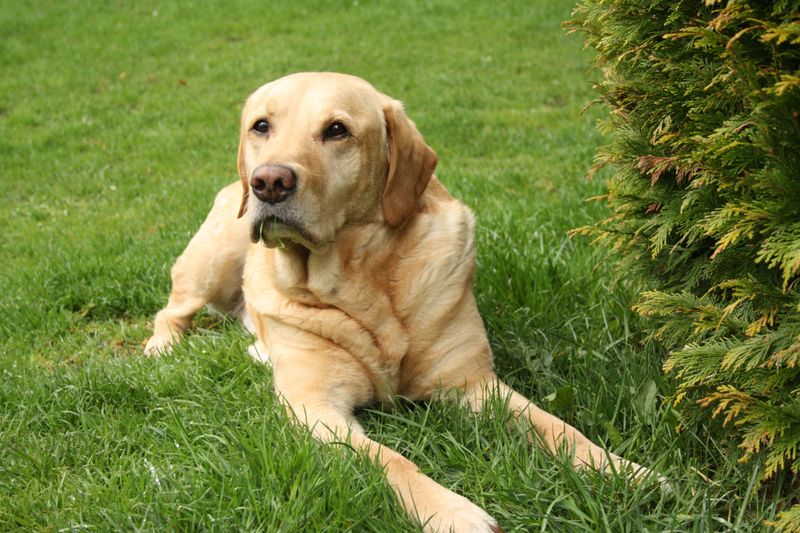
Picture a dog who greets you like you were gone for a year, even after five minutes. Labs adore people, and that big love can turn into big worry when a new job keeps you away.
Start short practice departures a few weeks before your first day. Leave a frozen food puzzle, then come back calmly without a huge fuss.
A tired Lab is a relaxed Lab, so add a long morning walk before work.
Border Collie: A Brain That Never Clocks Out
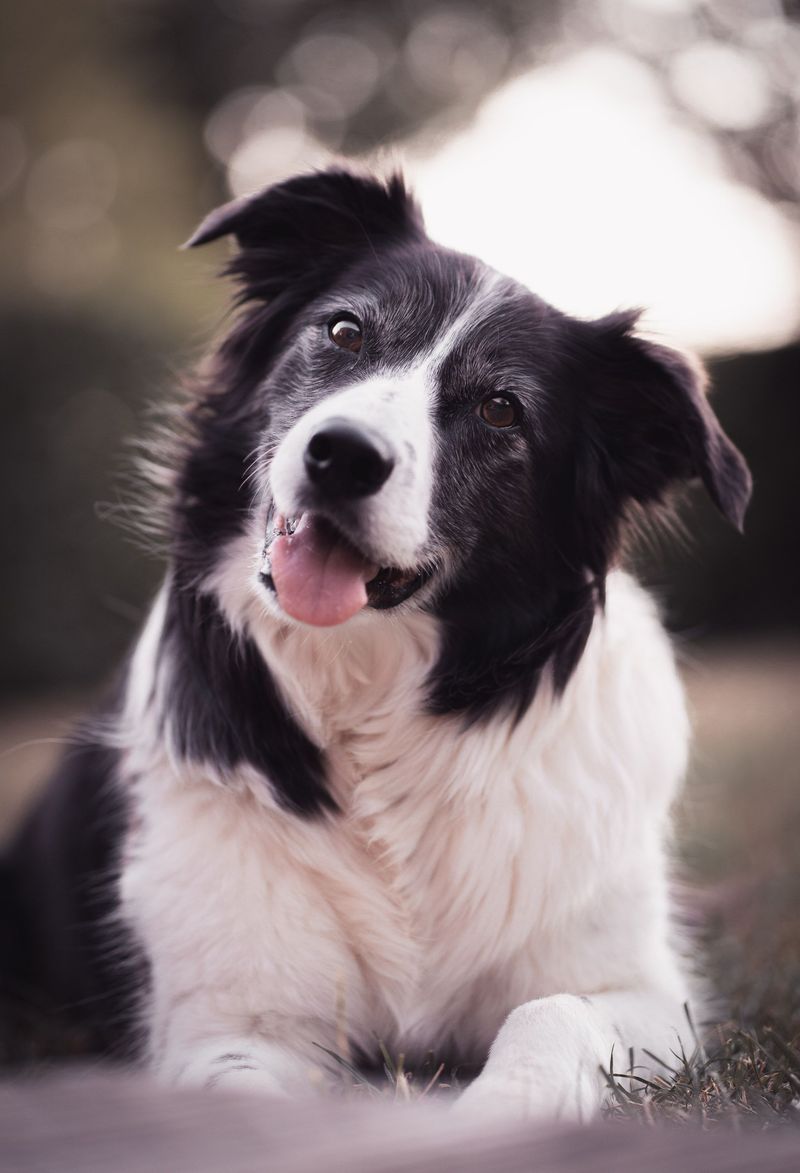
Bred to herd sheep across Scottish hills all day, Border Collies were never meant to sit around. Leave one bored for eight hours and you might come home to a shredded couch cushion.
The fix is mental work. Try snuffle mats, rotating puzzle toys, and short training games before you leave.
A dog walker at midday can also break up the long stretch and keep that busy mind from inventing its own projects.
German Shepherd: Loyal to the Core
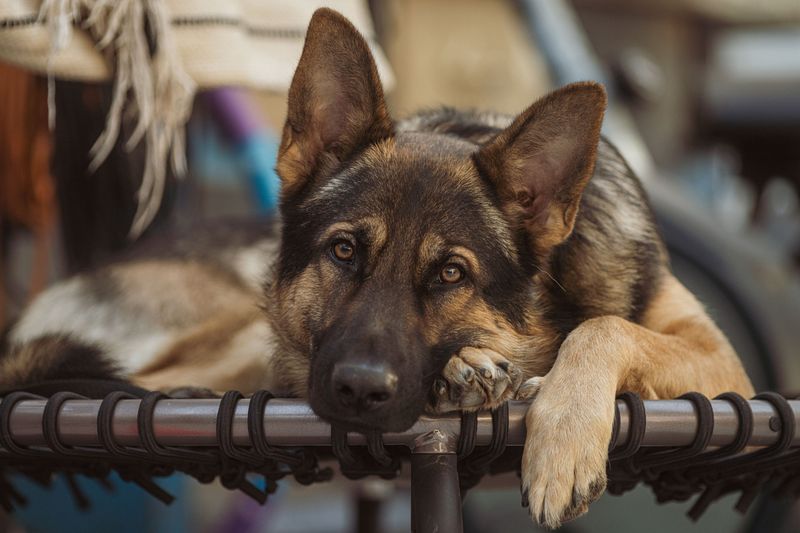
Loyalty is the German Shepherd’s superpower, and also its weak spot. These dogs often pick one favorite person and want to guard them every hour of the day.
When that person suddenly leaves for work, stress can build fast. Crate training with a comfy bed and a chew can create a safe den.
Practice leaving in small steps, from ten minutes up to a few hours. Patience here pays off with a calmer guardian.
Vizsla: The Velcro Dog
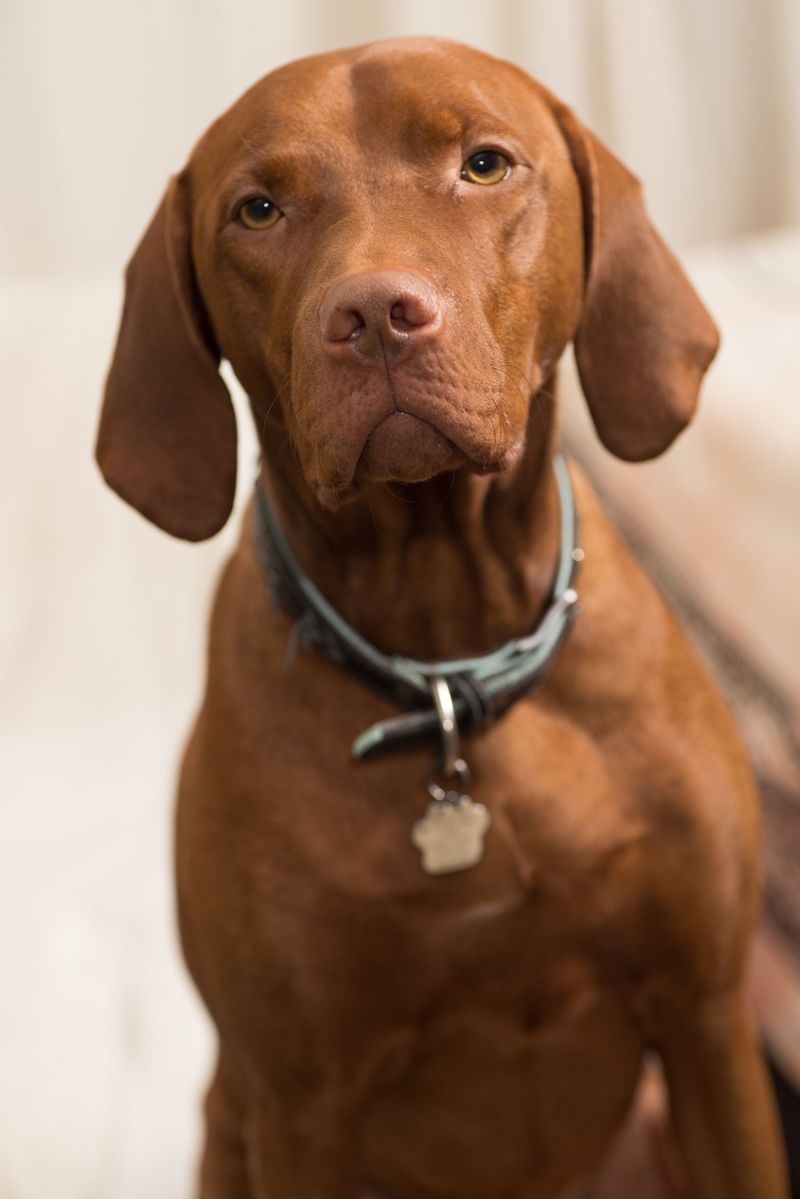
Fans call the Vizsla the Velcro dog for a reason. This sleek Hungarian hunter likes to be glued to your side, often leaning right against your legs.
Alone time does not come naturally, so build it slowly. Leave a worn T-shirt with your scent in their bed for comfort.
Plenty of running helps too. A Vizsla who sprints at the park before you leave is far more likely to snooze than howl.
Australian Shepherd: Energy on Overdrive
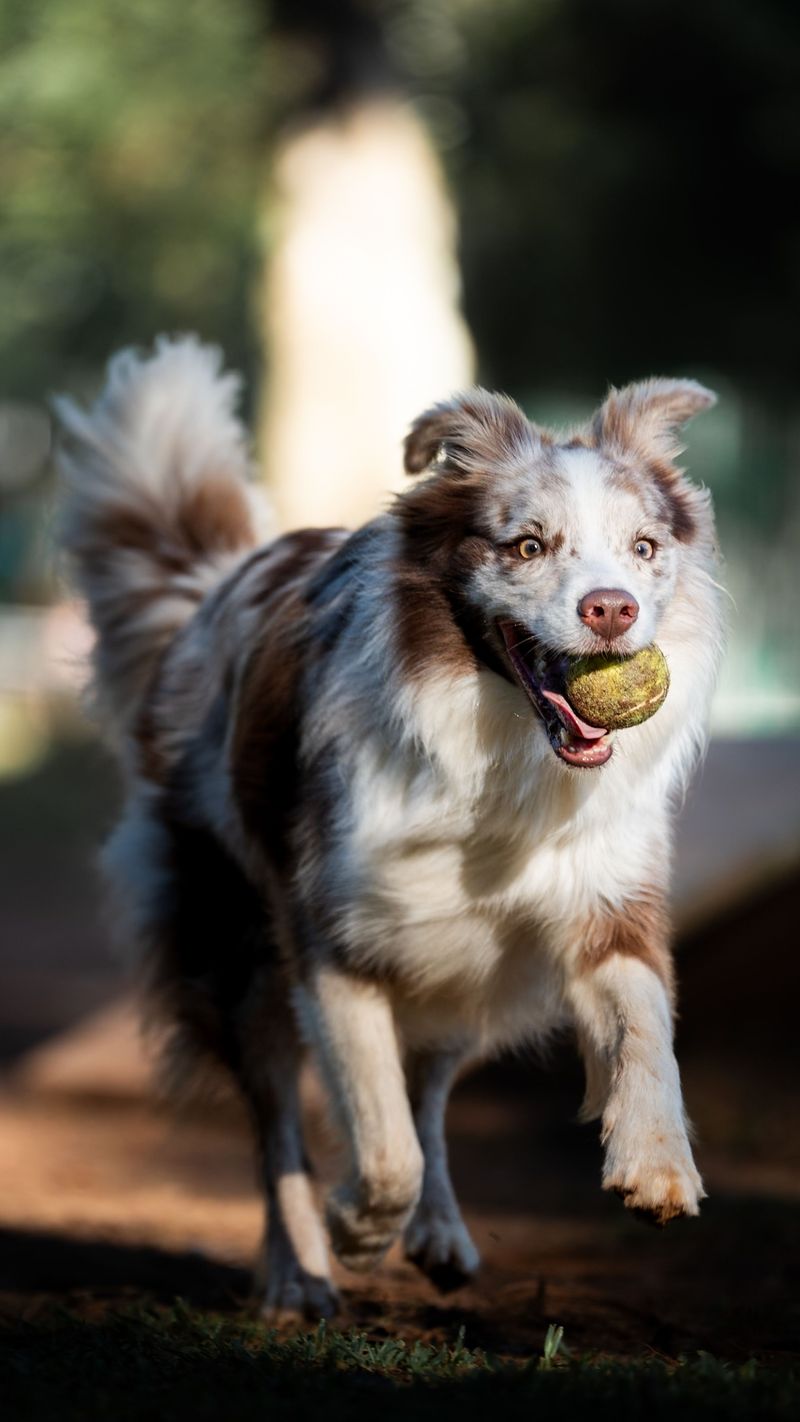
Ever met a dog who seems to run on rocket fuel? Aussies are clever, quick, and happiest with a job to do.
A new work schedule can leave them pacing and barking at every noise. Morning fetch or agility drills burn off steam before you head out.
Consider doggy daycare a couple of days a week. Your Aussie gets friends and activity, and you get peace of mind during those first tricky weeks.
Cavalier King Charles Spaniel: A Lap Dog at Heart
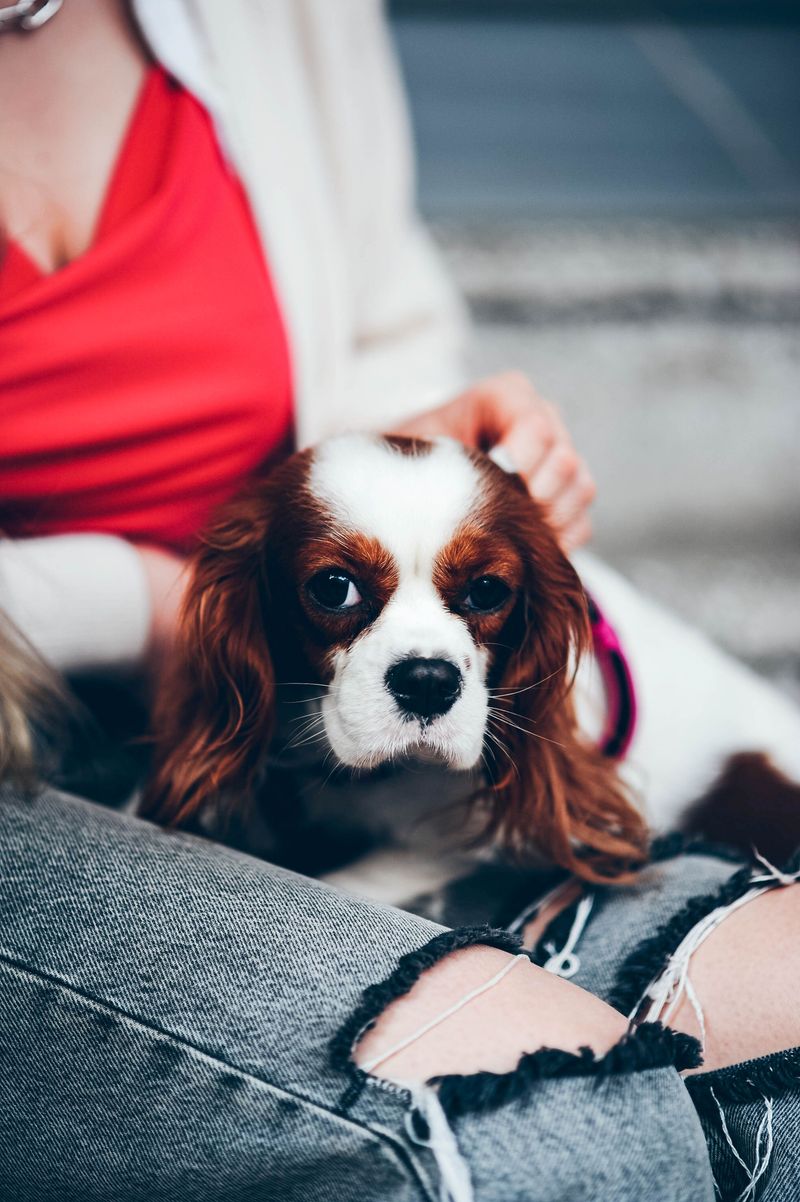
Long ago, Cavaliers warmed the laps of English royalty. Today they still believe a lap is the best place on Earth, ideally yours.
Being apart can make these sweet spaniels whine or refuse food. Calm music or a talk radio station playing softly can ease the quiet.
Keep goodbyes short and boring. A cheerful, low-key exit tells your Cavalier that leaving is normal and nothing to fear.
Bichon Frise: Small Fluff, Big Feelings
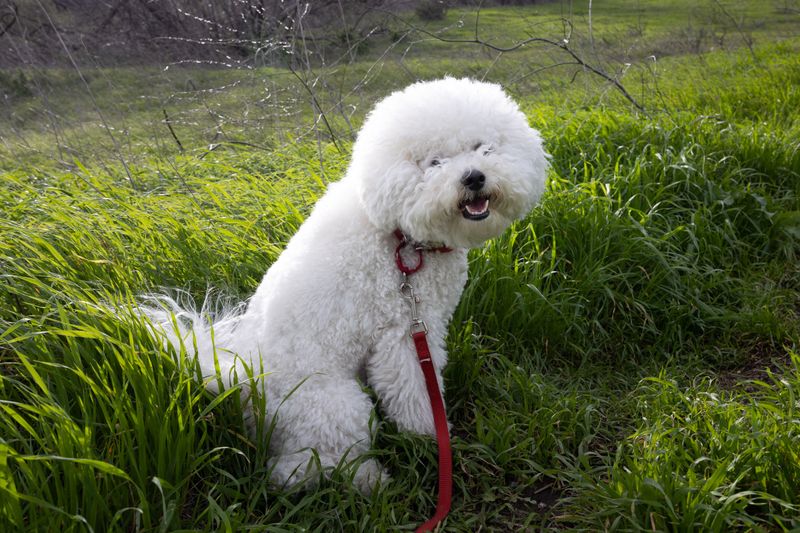
Don’t let the cotton-ball look fool you. Bichons have huge emotions packed into a tiny body, and they hate feeling left out.
Some will bark nonstop or have potty accidents when stressed. A small gated area with toys, water, and a puppy pad can help.
Fun fact: Bichons once performed tricks in circuses. Teaching new tricks now builds confidence, which makes alone time feel less scary.
Jack Russell Terrier: Tiny Tornado
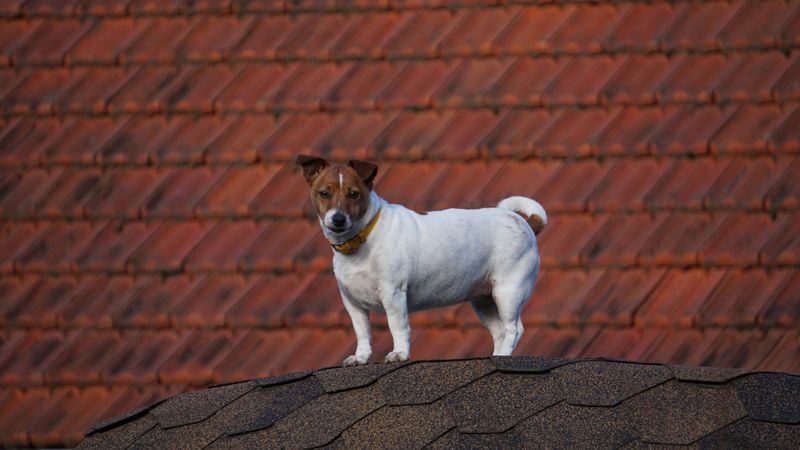
Leave a Jack Russell with nothing to do, and the dog will find something. Usually, that means digging holes in the carpet or chewing shoes.
These terriers were bred to chase foxes, so their drive is fierce. Long-lasting chews and treat balls give that energy a safe outlet.
Keep tempting items out of reach. Honestly, a puppy-proofed room saves your stuff and saves your terrier from getting into trouble.
Italian Greyhound: Shy and Sensitive
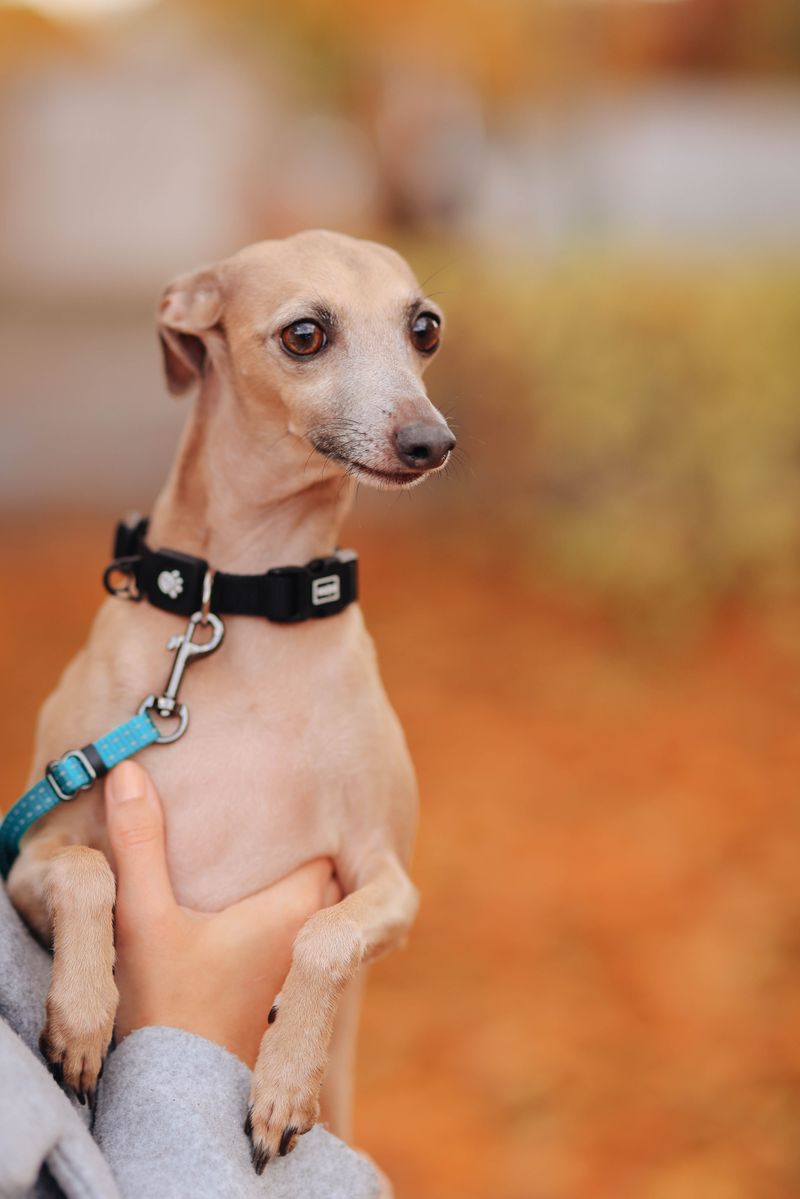
Slim, graceful, and a bit nervous, the Italian Greyhound is a true softie. Loud changes in routine can rattle this delicate little sighthound.
Warmth matters, since their thin coats make them chilly. A heated bed or cozy blanket helps them settle while you work.
Go slowly with alone training and reward calm behavior. Some owners find a second friendly dog gives an Iggy the company it craves.
Golden Retriever: Sunshine Needs Company
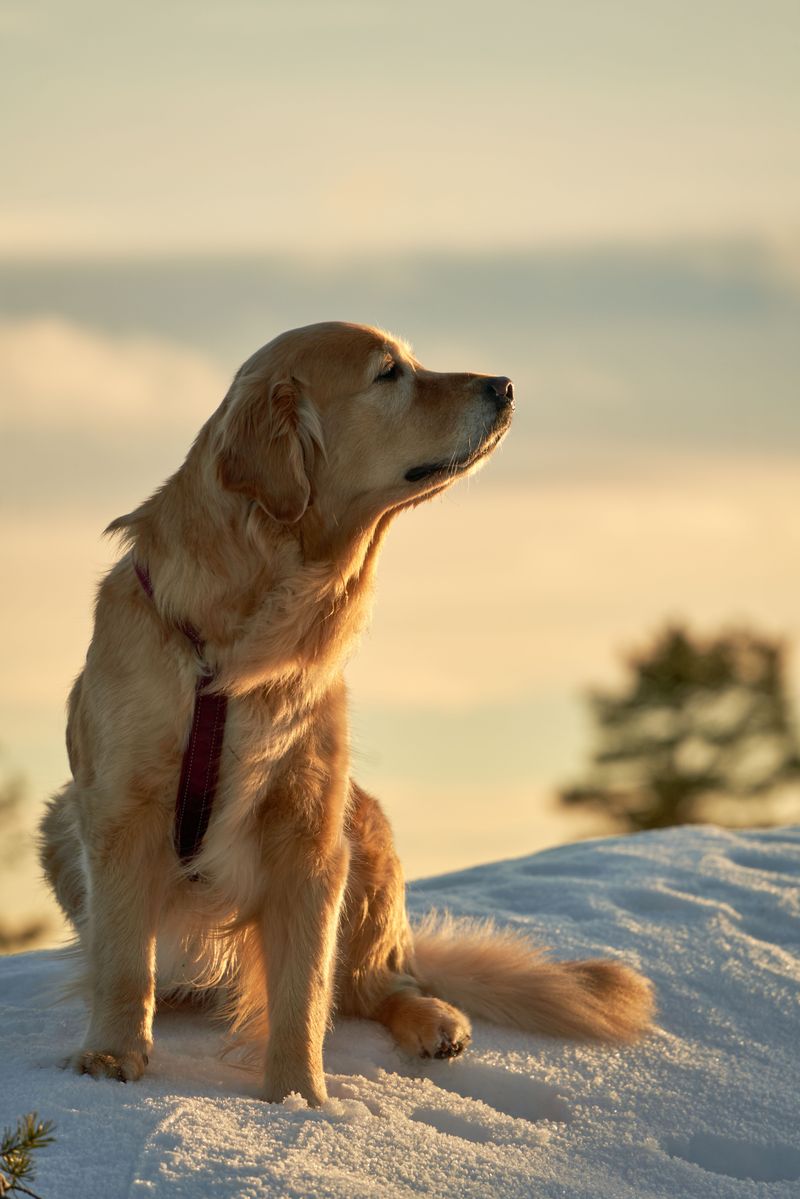
Goldens are famous for their sunny moods, but even sunshine fades without company. These social butterflies may chew or whine when suddenly left alone.
Try a stuffed chew toy filled with peanut butter right as you step out. That turns your exit into a tasty moment.
Check in with a pet camera if you can. Seeing how your Golden really acts helps you adjust training quickly.
Weimaraner: The Gray Ghost Who Follows You
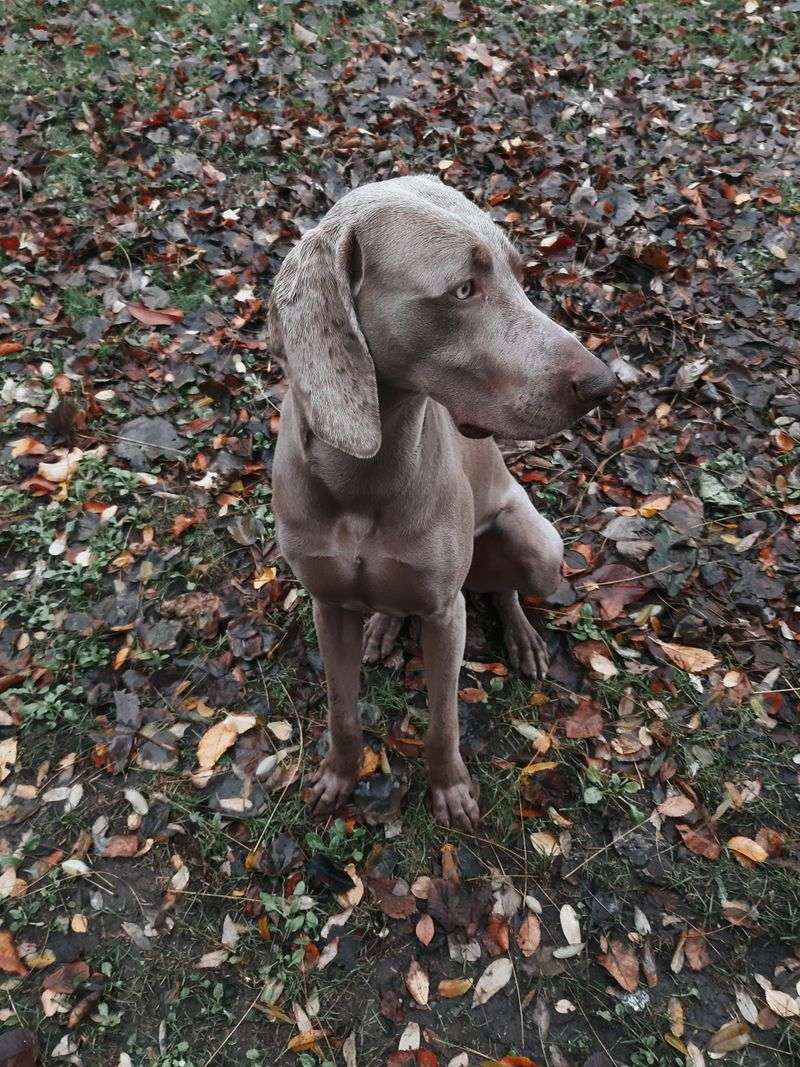
Nicknamed the Gray Ghost, the Weimaraner seems to float behind you from room to room. That devotion makes a new job a real adjustment.
Weims need lots of exercise, often an hour or more daily. Without it, they may scratch doors or howl.
Combine a hard workout with a calm departure routine. If problems stick around, a certified trainer can build a plan that fits your dog.
Bonus: Basset Hound, the Laid-Back Napper
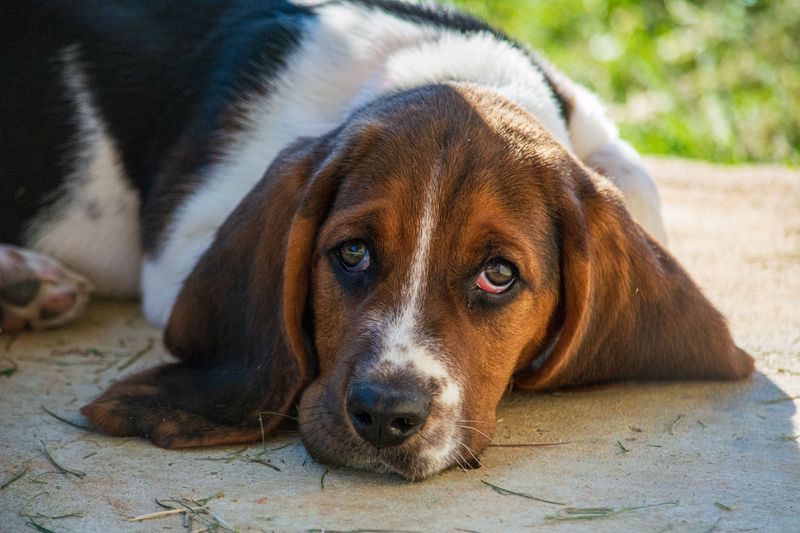
Good news for busy workers. The Basset Hound is happy to snore away the afternoon while you handle meetings.
Their relaxed attitude makes alone time much easier. Still, they love food, so watch out for counter surfing.
A short sniff walk before work keeps that famous nose satisfied. Many owners come home to find their Basset stretched out, barely bothering to lift those long ears.
Bonus: Shiba Inu, Independent and Proud
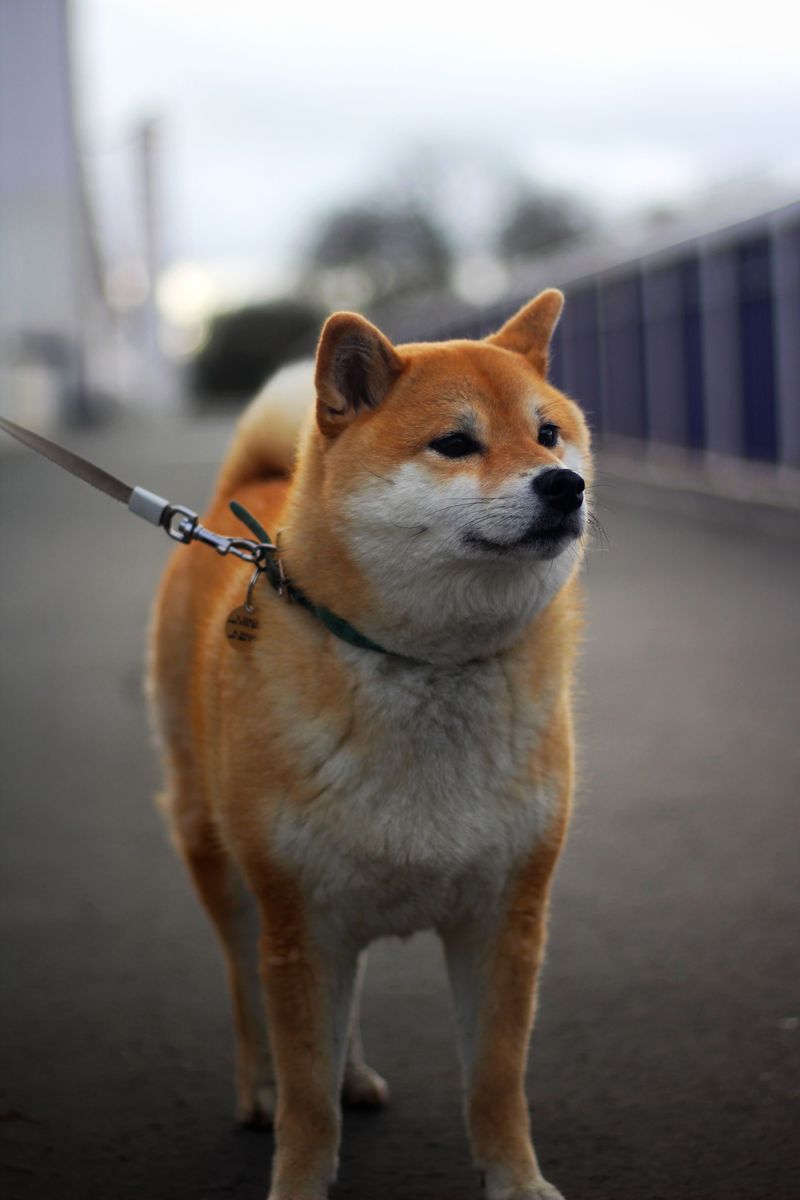
Think of the Shiba Inu as the cat of the dog world. This ancient Japanese breed values its own space and rarely panics when you leave.
That independence makes workdays simpler. Shibas are clean and often groom themselves.
They can be stubborn, though, so early training matters. Give them a window to watch the world, and your Shiba will likely greet you later with a cool, calm stare.