
Some dogs make people cross the street just by walking past. Big heads, deep barks, and muscular bodies can give a breed a scary name, even when the real story is more complicated.
Learning about these breeds helps you understand training, history, and what a dog truly needs to thrive. Read on to meet eleven breeds with tough reputations, plus three giants that prove looks can fool you.
Rottweiler
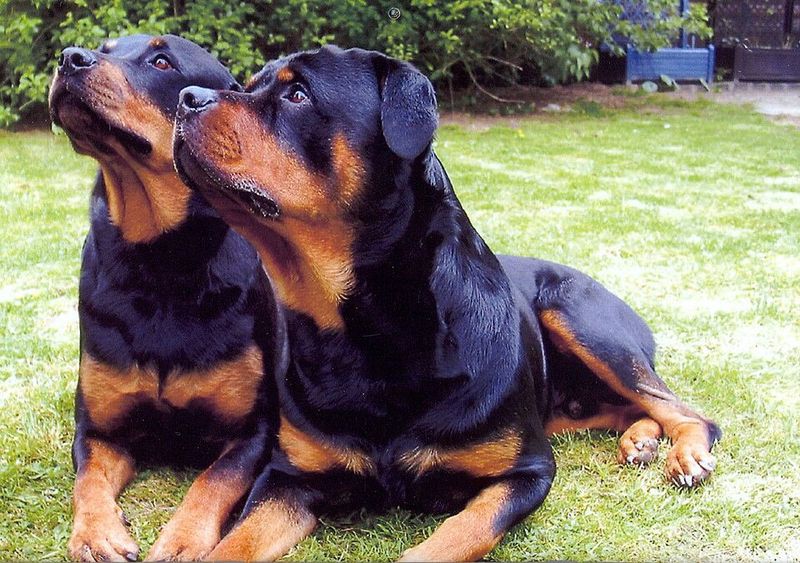
Long ago, Roman armies marched across Europe with Rottweiler ancestors herding cattle beside them. Later, butchers in the German town of Rottweil used them to guard money pouches tied around their necks.
That guarding history explains their watchful attitude toward strangers. With family, though, many Rotties act like big, goofy lap dogs.
Early socialization matters a lot. Introduce puppies to new people, sounds, and places so confidence grows instead of suspicion.
Doberman Pinscher
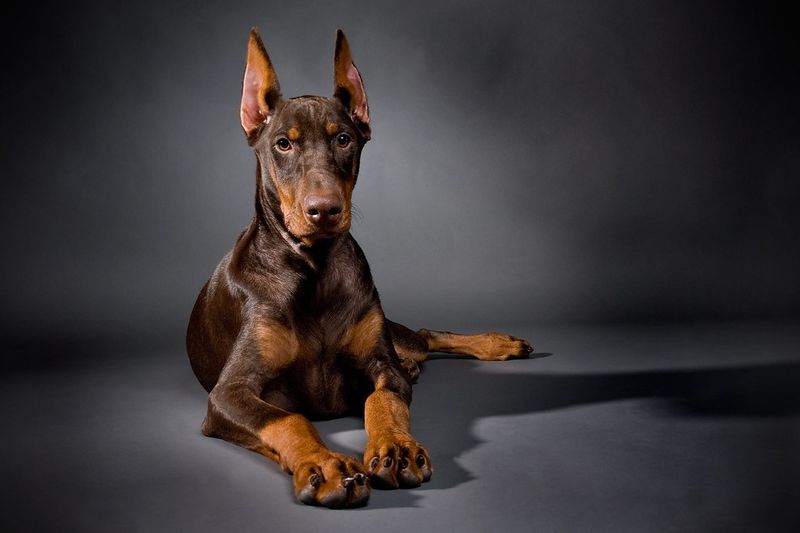
Here is a fun bit of history. Louis Dobermann, a German tax collector in the 1890s, wanted a loyal bodyguard while carrying cash, so he created his own breed.
Movies later painted Dobermans as snarling villains. Real ones are often sensitive and clingy, sometimes called velcro dogs because they follow owners everywhere.
Give them daily exercise and puzzle games. A bored Doberman finds its own fun, and you may not enjoy it.
German Shepherd
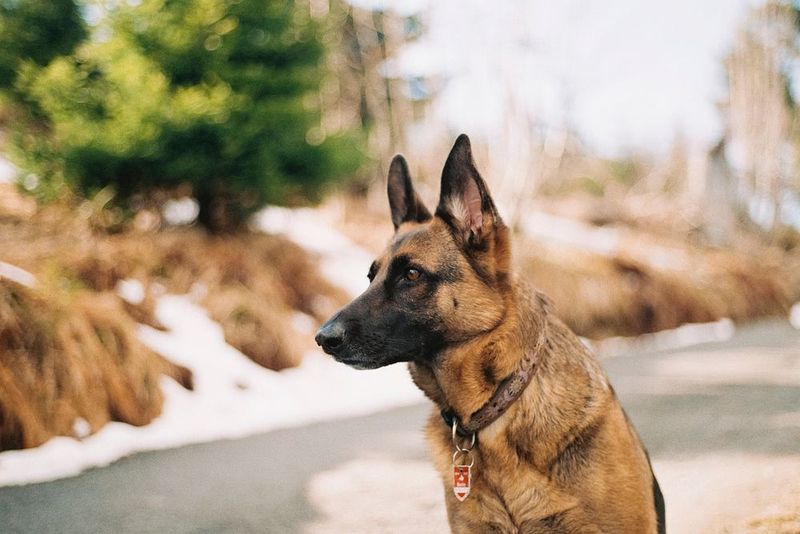
Police stations, airports, and search teams around the world trust one breed above most others. German Shepherds sniff out danger, find lost hikers, and guide people who are blind.
Because they often appear in police roles, some folks see them as threatening. In truth, their brains crave a job more than a fight.
Try scent games, obedience lessons, or agility classes. A busy shepherd is a happy, well-mannered shepherd.
Cane Corso
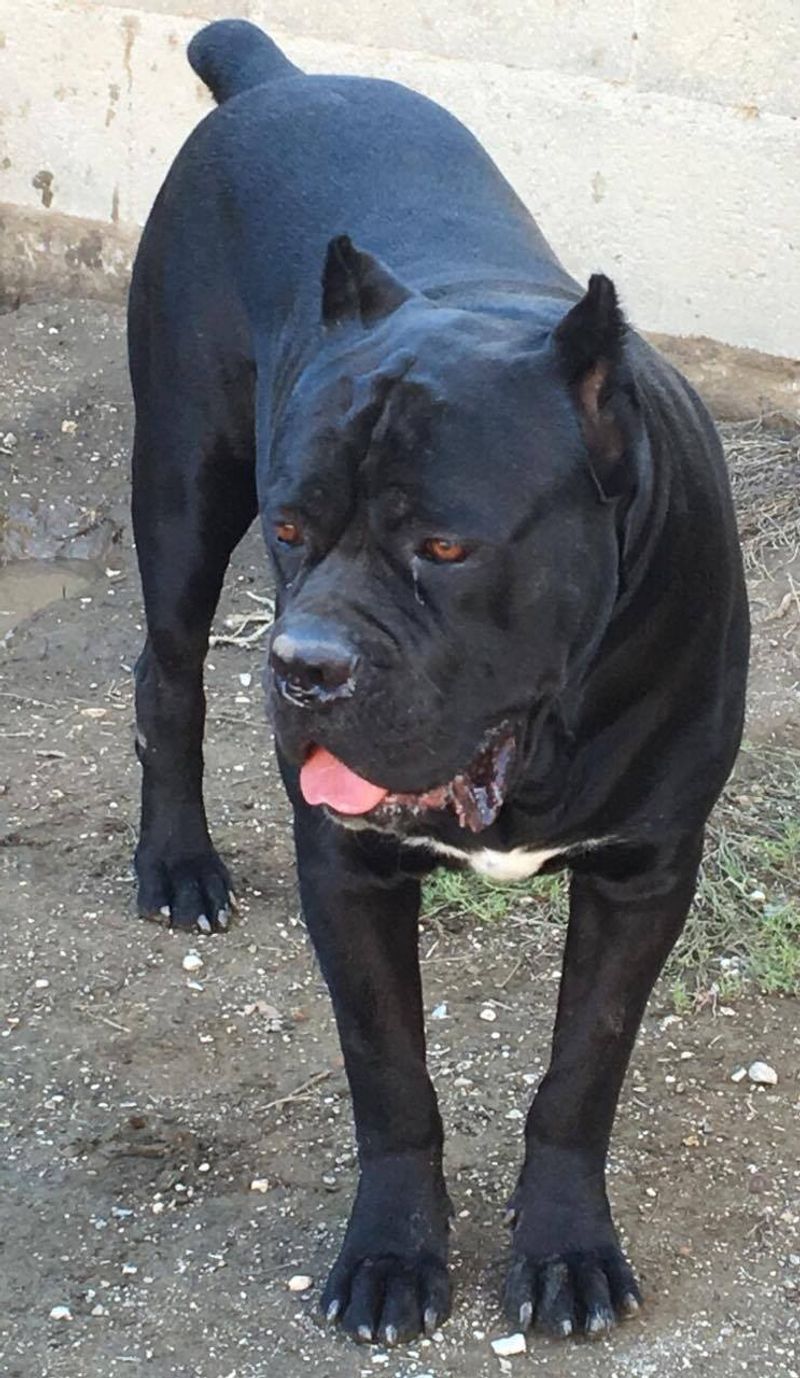
Picture a 110-pound dog silently watching a farm gate in the Italian countryside. That was the Cane Corso’s job for centuries, guarding livestock and property.
Their name roughly means bodyguard dog, and they take it seriously. They are not a breed for first-time owners.
Firm, kind leadership works best. Corsos respect calm confidence, and harsh methods only damage trust.
Plenty of socialization keeps their protective side balanced and reasonable.
Boxer
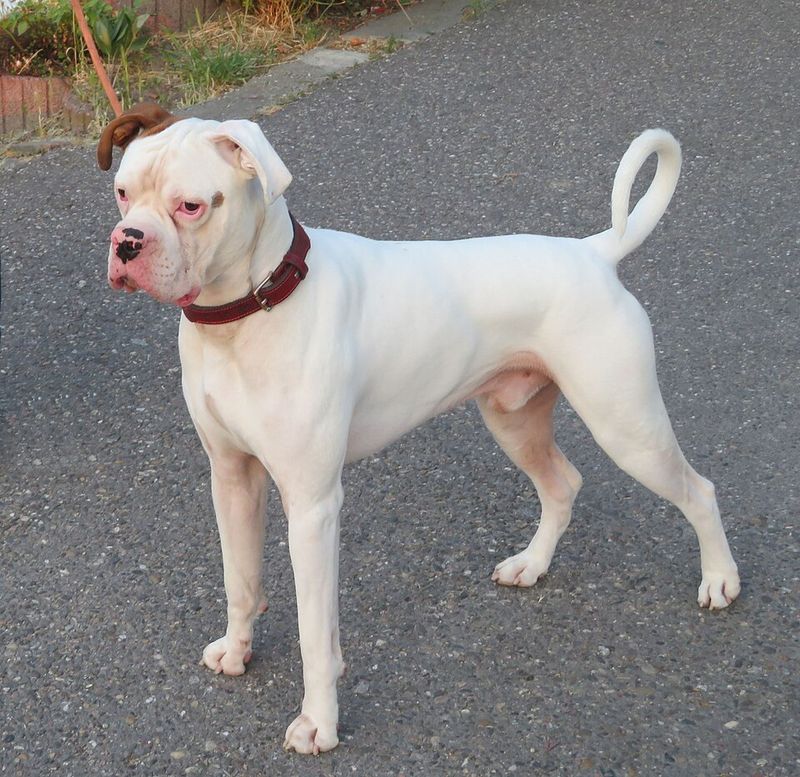
Ever seen a dog do a full-body wiggle called the kidney bean dance? Boxers are famous for it, twisting into a curve when excited.
Their square jaw and muscular chest can look serious. Yet most owners describe them as bouncy, silly, and endlessly playful well past puppyhood.
Their energy can knock over small kids by accident. Teach calm greetings early, and burn off steam with long games of fetch.
Bullmastiff
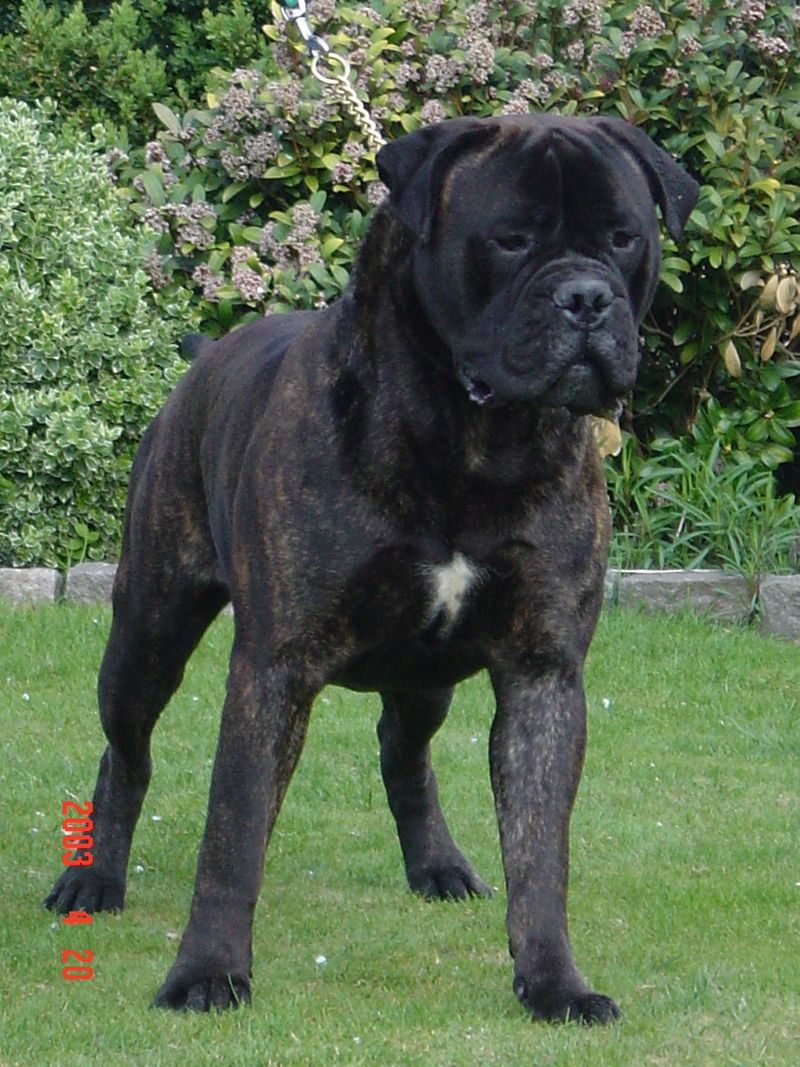
In 1800s England, poachers feared a certain shadow in the woods. Gamekeepers bred Bullmastiffs to catch and pin intruders without biting them.
That history gives them a fearsome image. At home, most are surprisingly lazy couch potatoes who snore loudly and drool on everything.
Keep a towel handy and watch their weight. Short walks suit them better than long runs, especially during hot summer days.
Great Dane
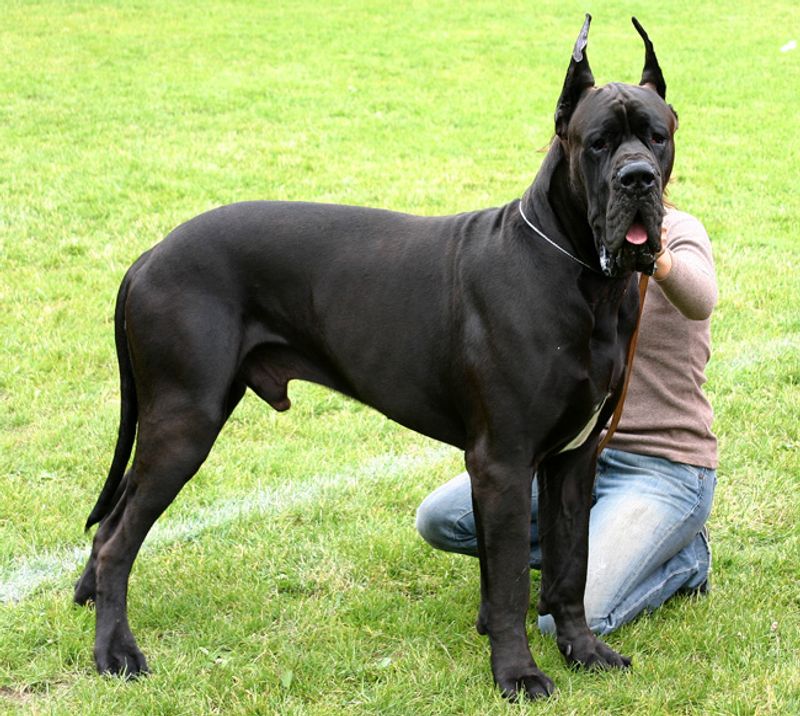
Standing on its back legs, a Great Dane can be taller than most adults. One named Zeus once held the record as the tallest dog ever.
Size alone scares people. Still, Danes often think they are tiny and try squeezing onto laps.
Plan ahead for big costs. Food, beds, and vet bills grow with the dog.
Ask your vet about bloat, a serious stomach problem common in deep-chested breeds.
Akita
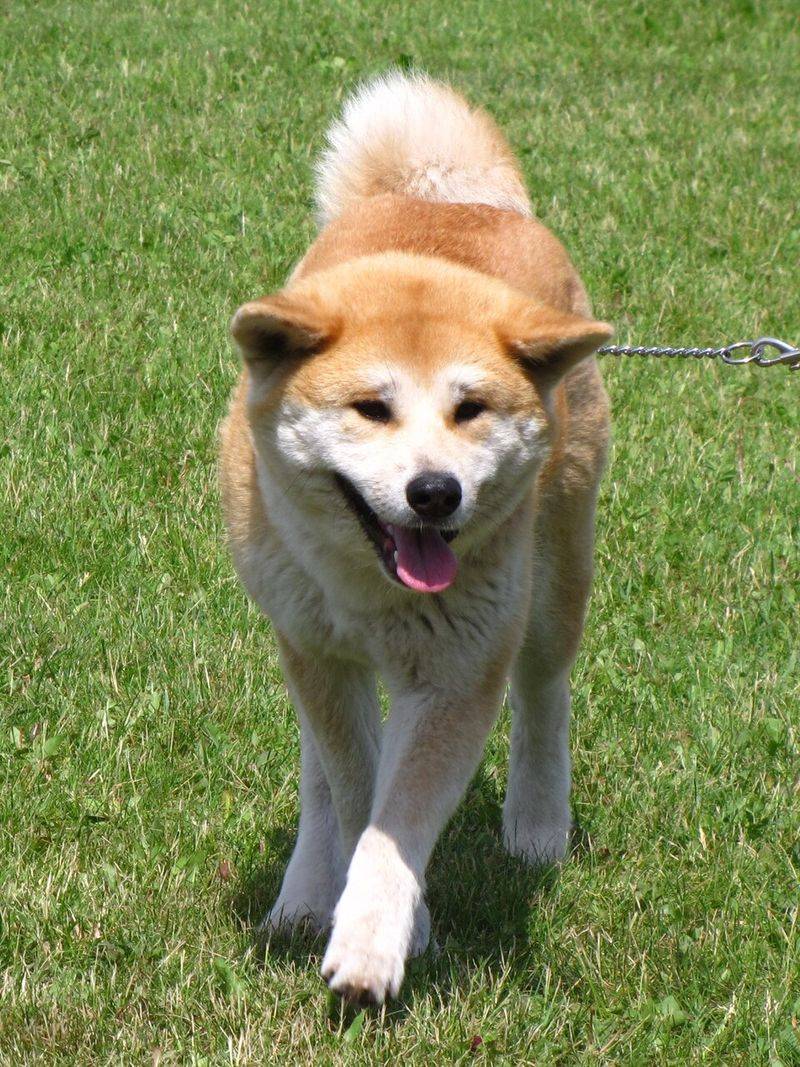
Hachiko, a Japanese Akita, waited at a Tokyo train station for his owner every day for nearly ten years. His statue still stands there.
Loyalty like that comes with a strong independent streak. Akitas can be wary of strangers and sometimes struggle with other dogs.
Patience is the secret ingredient. Short, rewarding training sessions work well, and careful introductions help avoid tension with other pets in the household.
Giant Schnauzer
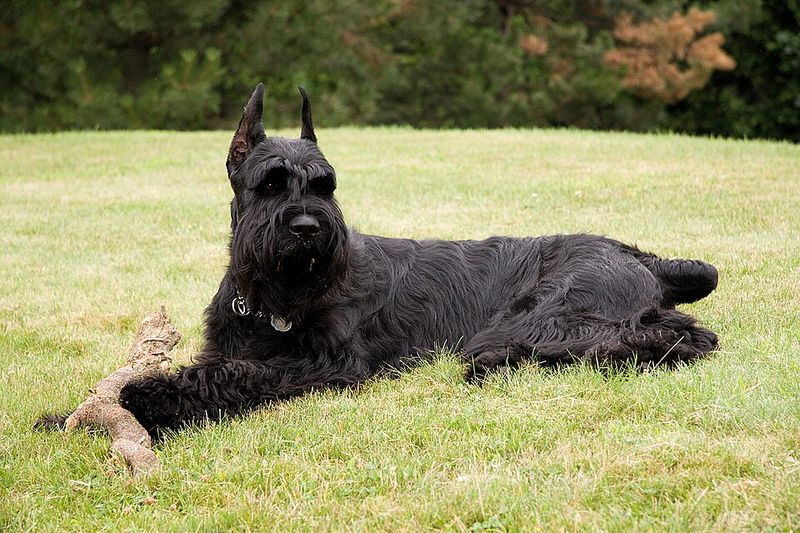
Bushy eyebrows and a thick beard make this dog look like a grumpy old professor. Bavarian farmers originally used Giant Schnauzers to drive cattle and guard breweries.
They are smart, strong-willed, and very protective of their people. Without guidance, that cleverness turns into stubbornness.
Expect regular grooming to keep that wiry coat neat. Mental challenges like nose work or advanced tricks keep these bright dogs out of trouble.
American Staffordshire Terrier
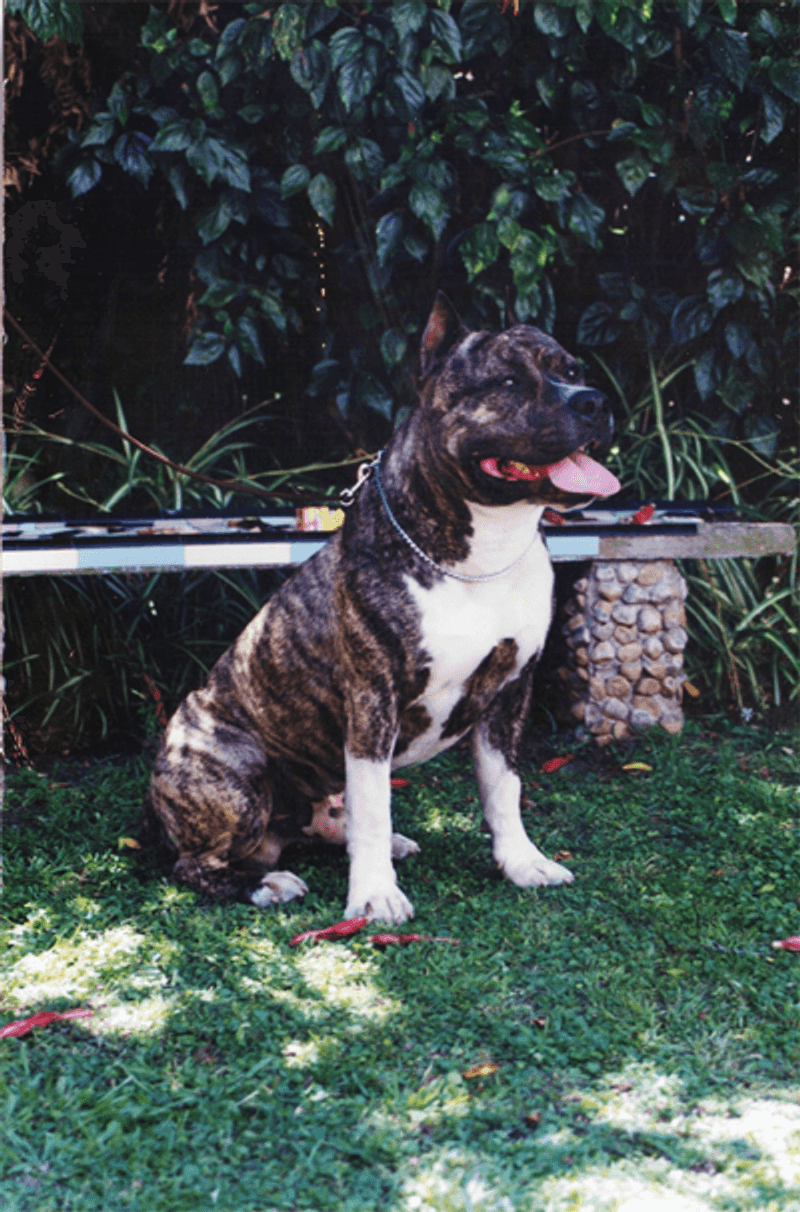
Few breeds face more unfair headlines. Some cities and landlords ban AmStaffs, even though temperament tests often show them friendly with people.
Their powerful build and strong grip come from a rough past. Today, many work as therapy dogs and happy family pets.
Responsible ownership changes minds. Leash training, polite manners, and calm public behavior help your AmStaff become a walking example of how wrong stereotypes can be.
Mastiff
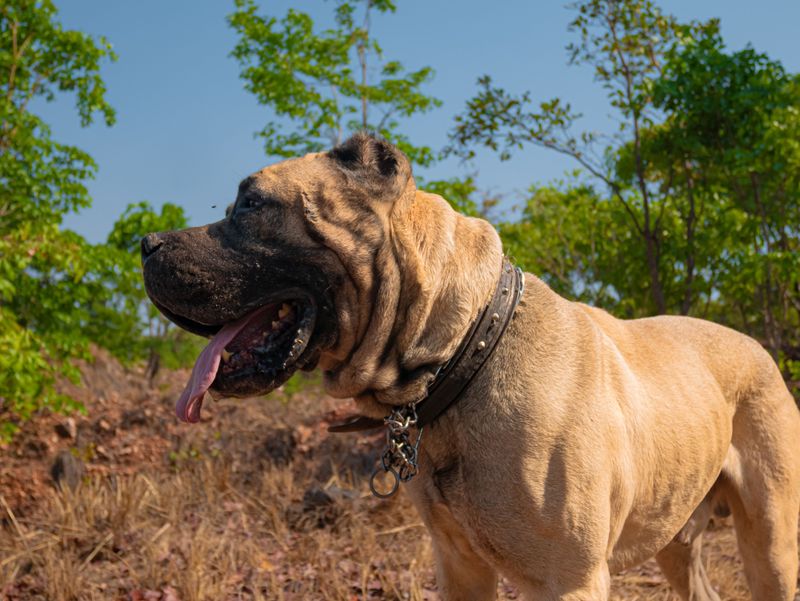
Weighing up to 230 pounds, some Mastiffs outweigh grown men. Their ancestors reportedly fought alongside ancient warriors and guarded castles in medieval England.
One look at that huge black-masked face can freeze a visitor. Most Mastiffs, however, would rather nap than chase anything.
Start training while they are small enough to manage. A 200-pound dog pulling on a leash is no joke, so good habits must come early.
Newfoundland
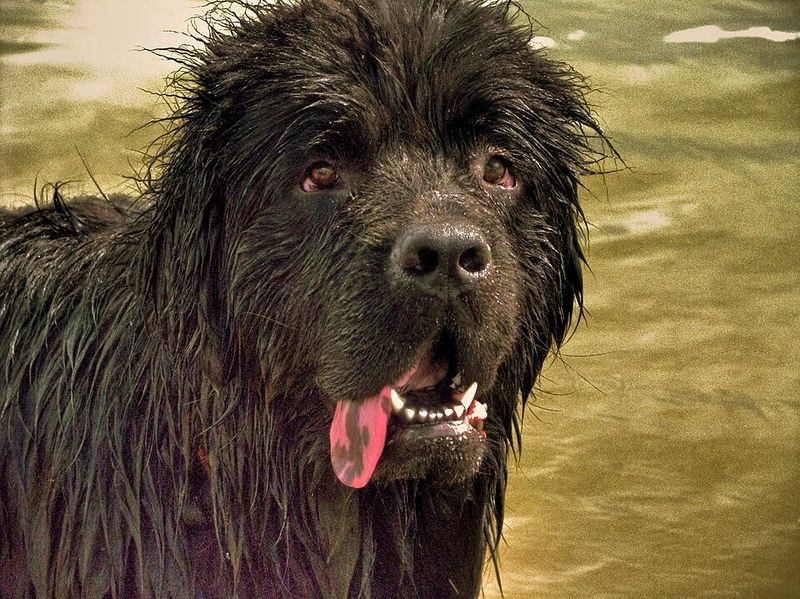
With a heart as big as its webbed paws, the Newfoundland has pulled drowning sailors from icy Canadian waters for centuries.
At around 150 pounds with a bear-like face, it looks fierce. Underneath beats a patient, sweet soul often nicknamed the nanny dog for its watchful care of children.
Brush often, because that thick coat sheds heavily. Swimming is their favorite exercise, so a lake trip makes a Newfie grin.
Bernese Mountain Dog
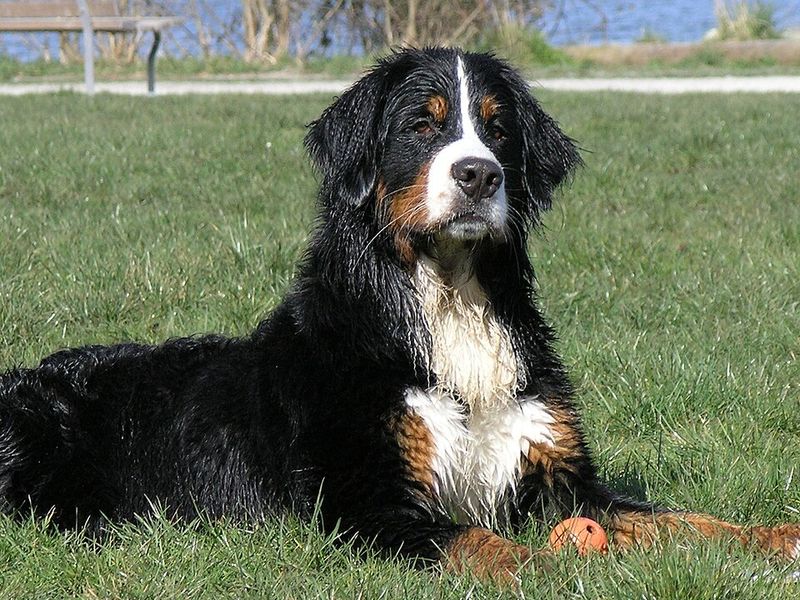
Swiss farmers once hitched Bernese Mountain Dogs to carts loaded with milk and cheese. These strong helpers trotted to market through snowy Alpine villages.
Big and sturdy, yes, but their temperament is famously soft and affectionate. Many Berners lean their whole body against people they love.
Sadly, their lifespan is often only seven to ten years. Choose a careful breeder and cherish every cuddly, fluffy moment together.
Irish Wolfhound
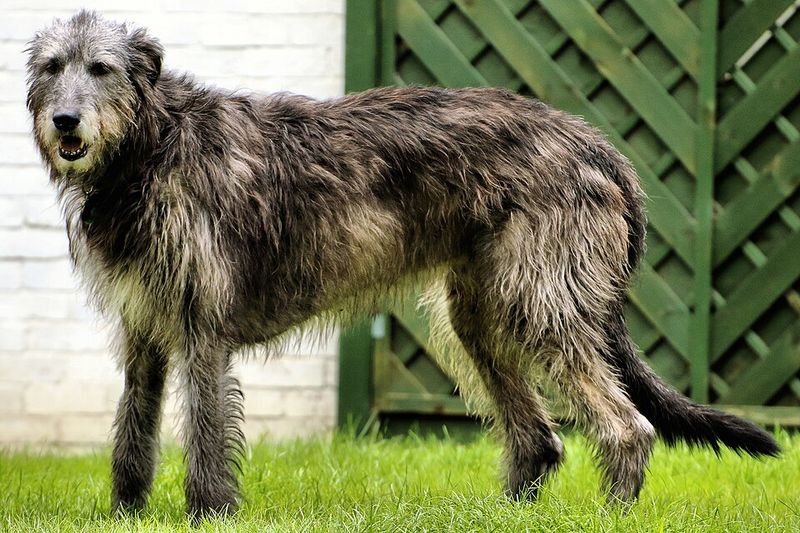
An old Irish saying describes this breed perfectly: gentle when stroked, fierce when provoked. Wolfhounds once hunted wolves across ancient Ireland.
Today they rank as the tallest dog breed. Yet most make poor guard dogs, because they greet strangers with a calm, friendly curiosity.
Give them room to stretch those long legs in a fenced yard. Soft beds help protect their bony joints from aches.