Plenty of people pick a dog from a cute photo and only learn about its real needs after the first chewed couch. Some breeds were built to herd all day, pull sleds for miles, or guard livestock alone, and those jobs still shape how they act at home.
Knowing what a breed truly asks for can save you money, stress, and heartbreak. Here are 11 breeds that often ask for more than new owners expect, plus 3 that tend to catch people off guard in the opposite direction.
Belgian Malinois
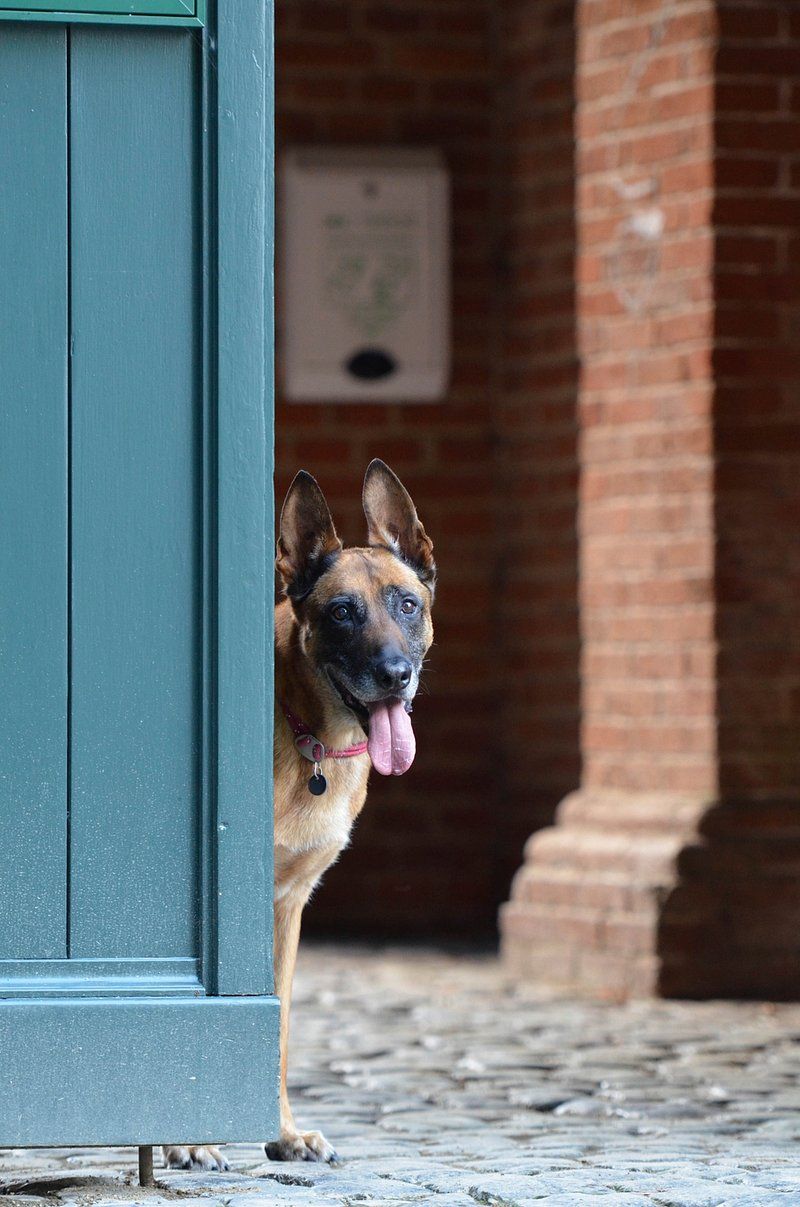
Police and military units favor the Malinois for a reason, and that reason rarely fits a quiet suburban schedule. The breed was developed in Belgium to herd and guard, and modern lines are often selected for intense working drive.
A daily walk barely registers for many of these dogs. They tend to need structured work such as scent games, obedience, or dog sports, plus real thinking time every single day.
Without an outlet, some individuals invent their own jobs. That can look like spinning, chasing shadows, or nipping at moving feet.
A Malinois can be a brilliant partner, but it usually wants a handler who enjoys training as a hobby, not a chore.
Siberian Husky
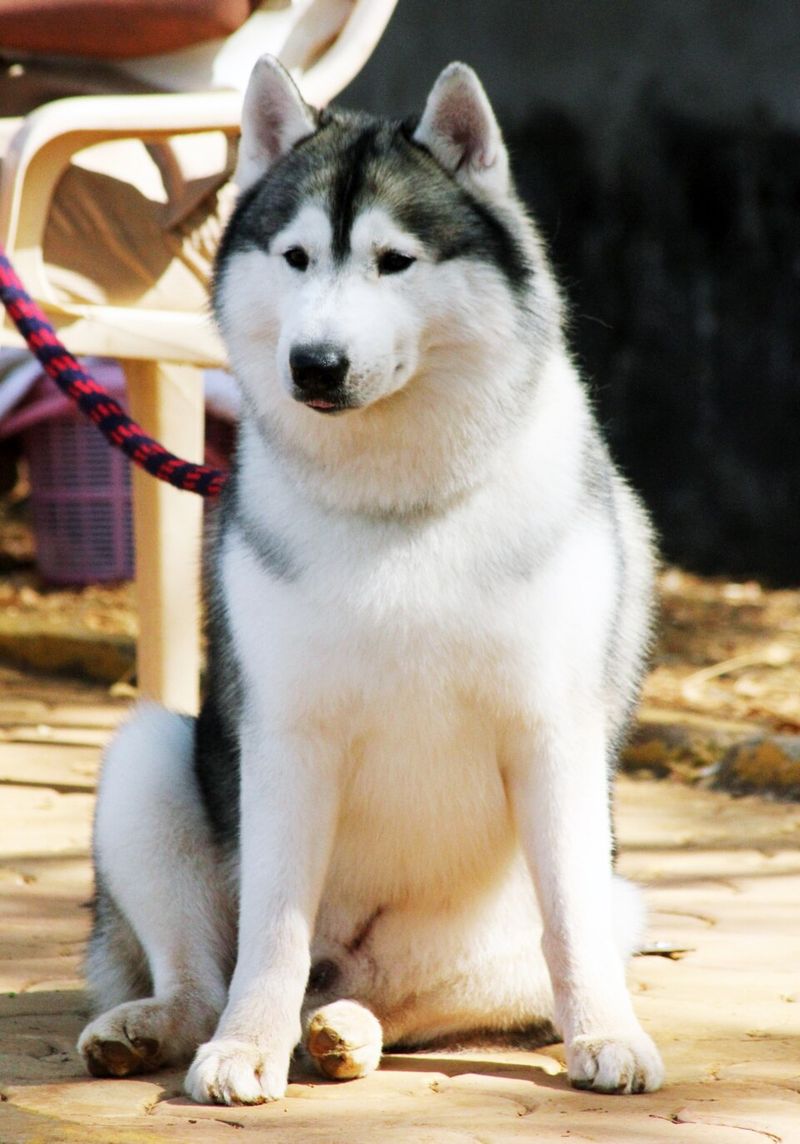
Fences mean very little to a determined Husky. The breed was developed by the Chukchi people of Siberia to pull light loads over long distances, and that endurance does not switch off indoors.
Many Huskies are skilled diggers and escape artists, and the AKC notes they generally should not be trusted off leash. Their friendliness toward strangers also means they make poor watchdogs.
Then there is the coat. Twice a year, the dense undercoat “blows,” and owners can find fur drifting through every room for weeks.
Add a tendency to howl and talk back, and you get a dog that needs a patient, well-fenced, and slightly fur-tolerant household.
Australian Cattle Dog
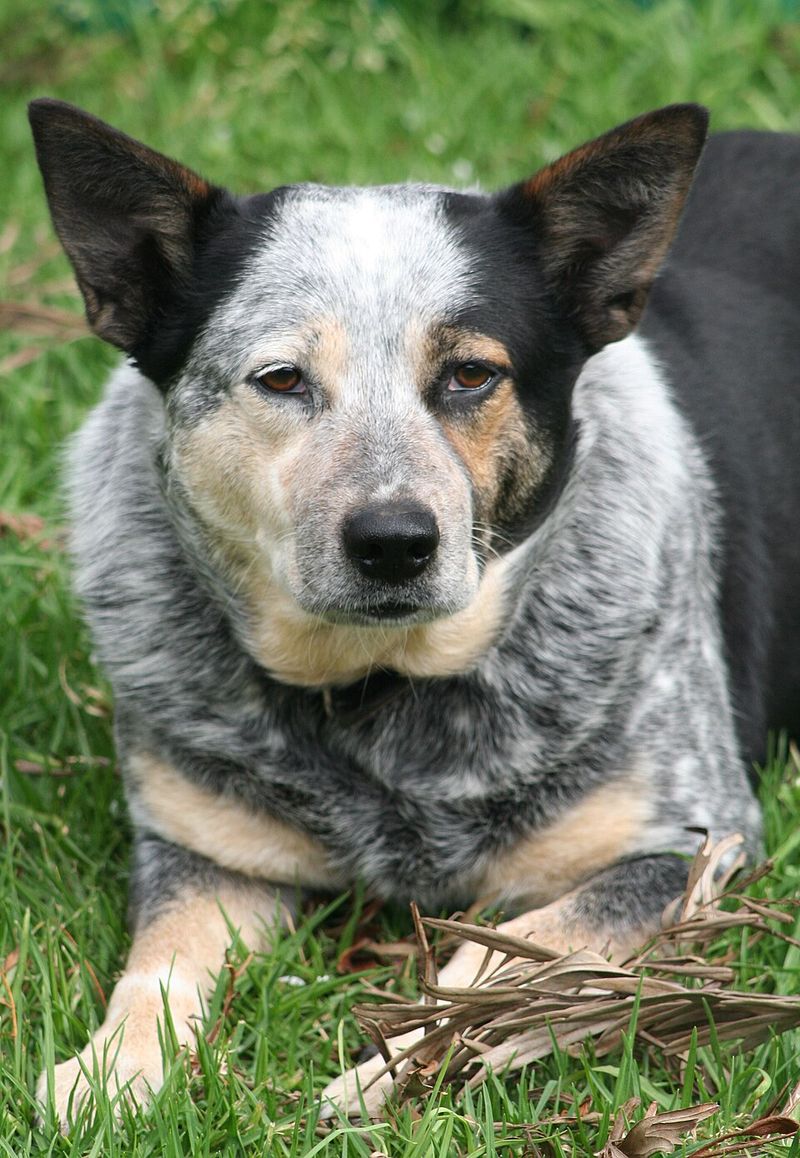
Ankles are fair game to a bored heeler. Australian Cattle Dogs were bred to move stubborn cattle by nipping at their heels, and that instinct can show up when kids run around the yard.
These dogs are compact, tough, and capable of working for hours in heat. A short stroll often leaves them ready for more.
Many also bond tightly with one person and can be wary of strangers. Early, reward-based socialization and a daily job, whether it is fetch drills, herding classes, or trick training, tend to make life smoother for everyone involved.
Weimaraner
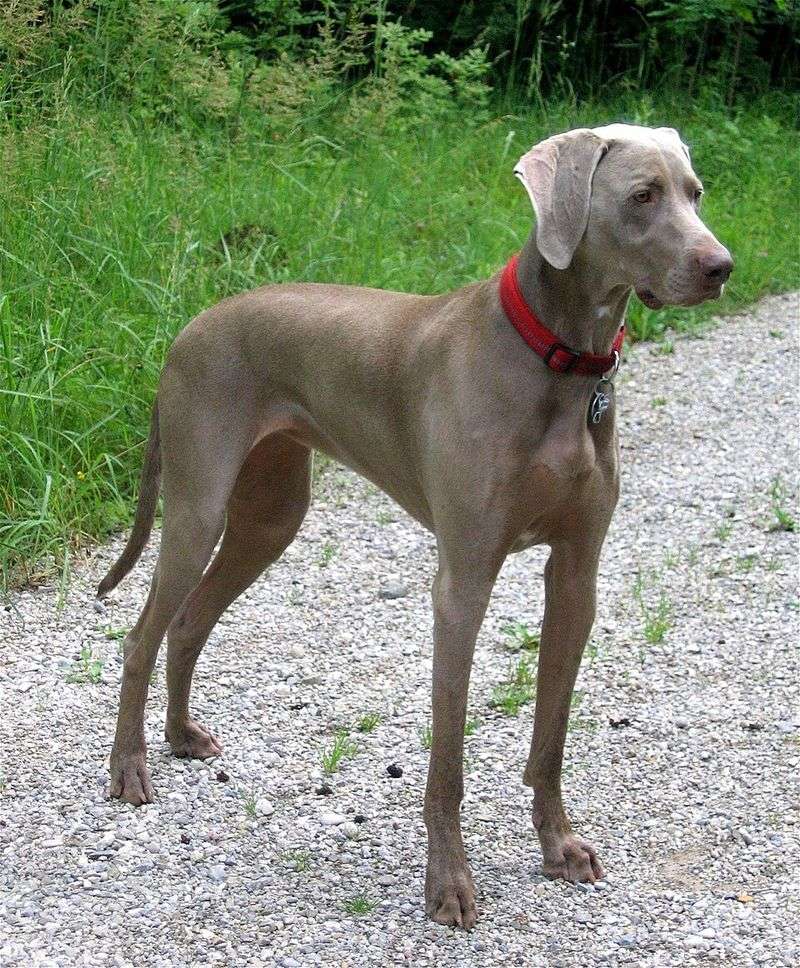
Nicknamed the “Gray Ghost,” the Weimaraner has a habit of becoming its owner’s shadow. Bred in Germany for hunting big game and later birds, it was meant to work closely alongside people.
That closeness has a downside. Weimaraners are commonly associated with separation-related distress, and some individuals chew, howl, or try to escape when left alone for long stretches.
They also need serious daily exercise, often more than an hour of running or vigorous play. For someone who works long office hours with no backup, this sleek hunter may struggle.
Jack Russell Terrier
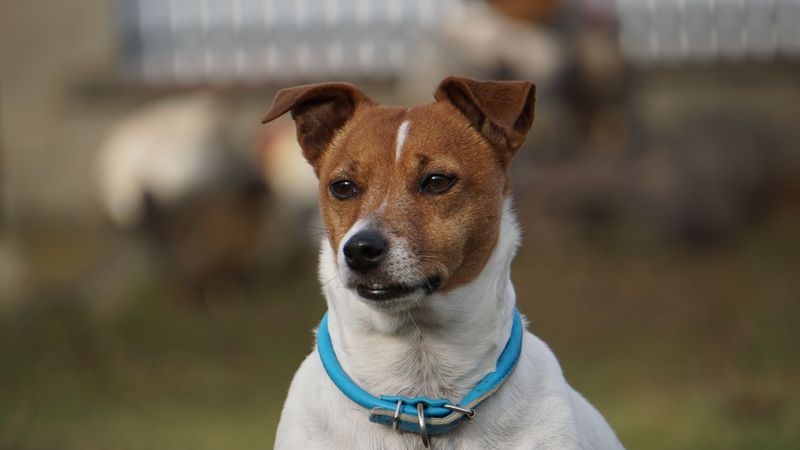
Small size, enormous ambition. Jack Russells were developed in England to bolt foxes from their dens, a job that required grit, speed, and the willingness to go underground.
Owners often discover this history in their flower beds. Digging, chasing squirrels, and barking at anything that moves are classic terrier tendencies.
Some can also be scrappy with other dogs. People expecting a lap dog sometimes get a tiny athlete that can leap surprising heights and outlast a teenager at fetch.
Akita
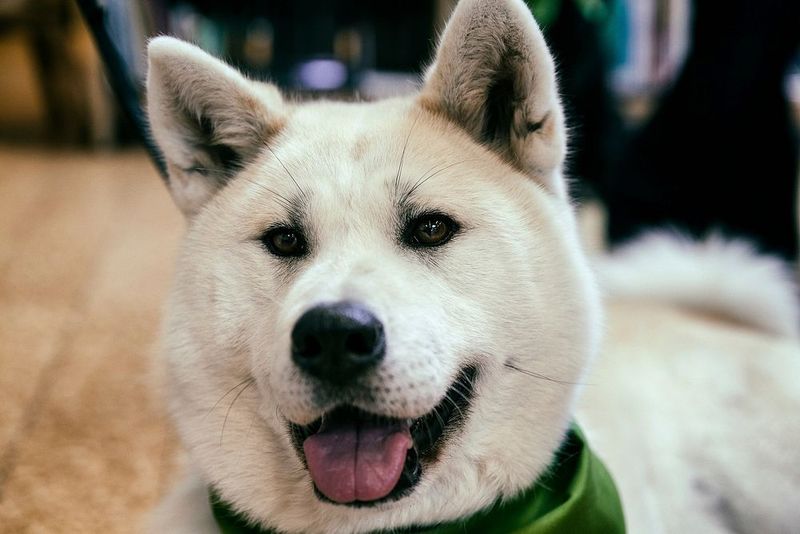
Dignified is the word fans use most, and it fits. The Akita comes from the mountains of northern Japan, where it guarded property and hunted large game.
That background produces a dog that is often reserved with strangers and may not tolerate other dogs, especially of the same sex. The AKC describes the breed as courageous and wary of unfamiliar people.
Akitas also tend to be independent thinkers who need consistent, calm training from puppyhood. A first-time owner can absolutely succeed, but only with honest research, a good trainer, and a home that manages introductions carefully.
Dalmatian
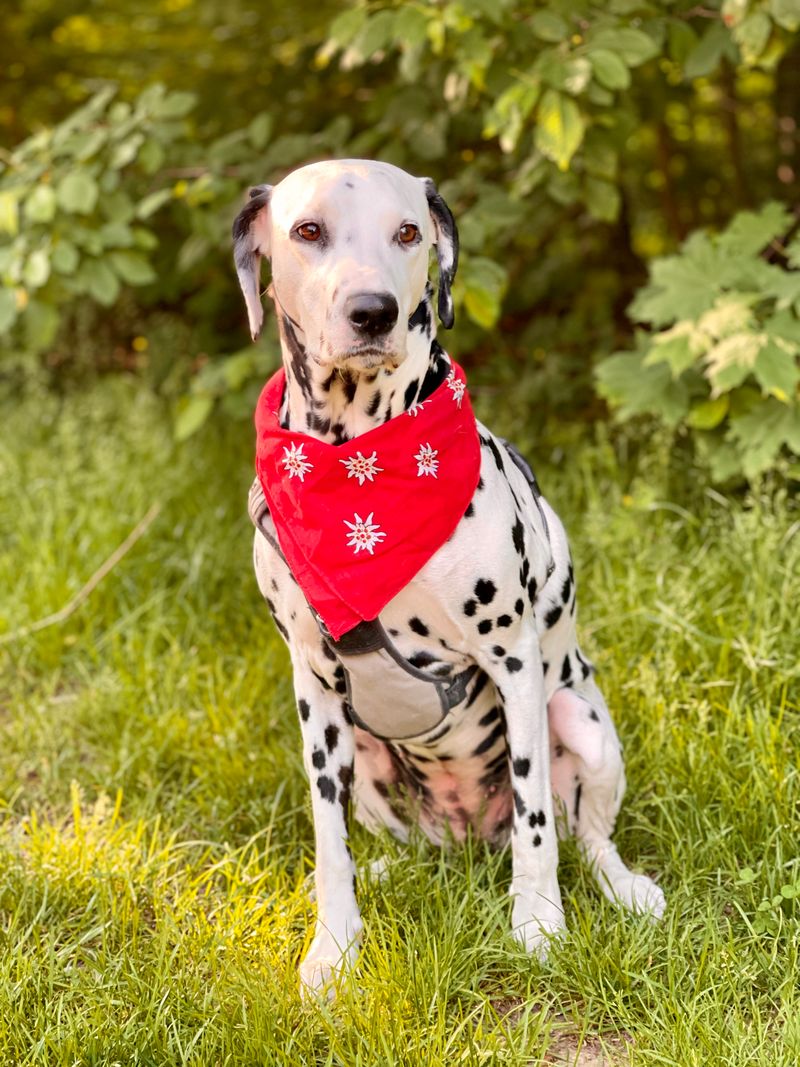
Thanks to a famous animated movie, many families have brought home Dalmatians expecting a calm spotted sidekick. The reality is a coaching dog bred to run beside horse-drawn carriages for miles.
Dalmatians generally need long daily exercise and can become restless without it. They also shed short, needle-like hairs that weave into fabric year-round.
Health is part of the picture too. The breed has a unique uric acid metabolism that can raise the risk of urinary stones, and congenital deafness occurs at notable rates, so working with a reputable breeder and vet matters.
Chow Chow
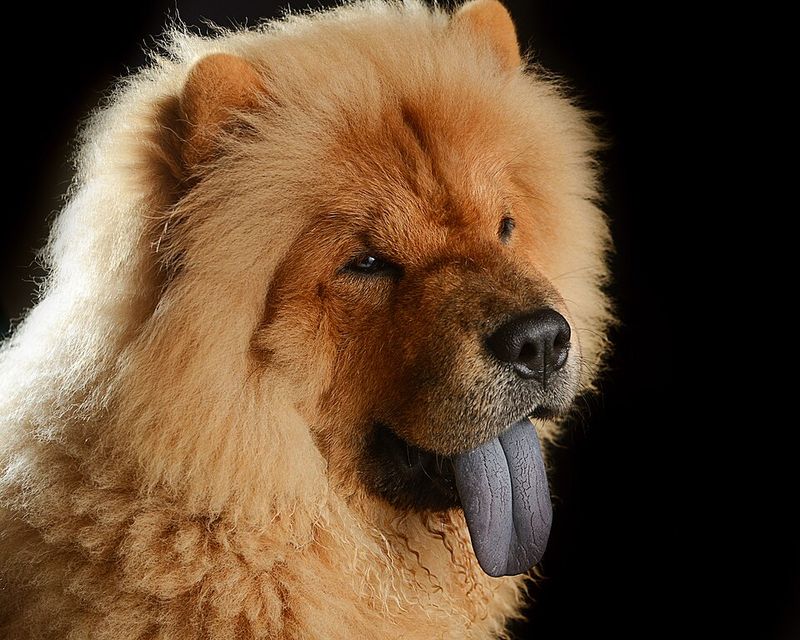
Picture a teddy bear with the attitude of a cat. Chow Chows are an ancient breed from China, used historically for guarding, hauling, and hunting.
They are often aloof with strangers and selective about affection, even within the family. Children who want to hug and wrestle may find a Chow uninterested in that kind of attention.
The dense double coat needs regular brushing to prevent mats, and the breed handles heat poorly. Early socialization is especially valuable, since some individuals become protective and territorial without it.
Bloodhound
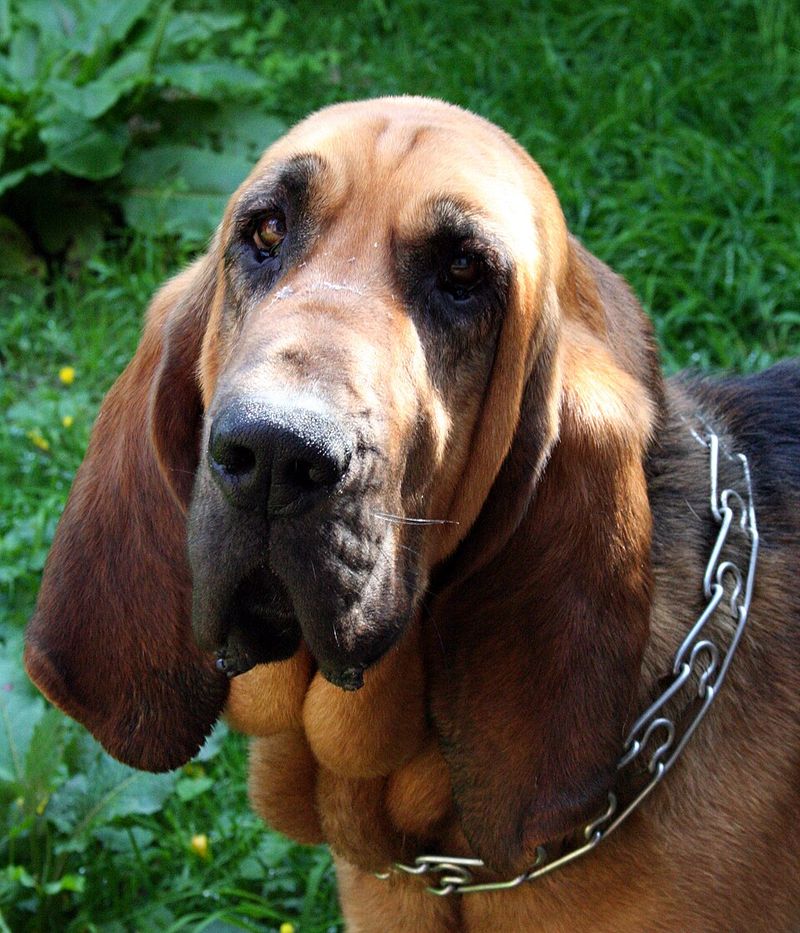
Drool towels become a household staple fast. Bloodhounds have loose lips and jowls, and slobber on walls is part of the deal.
Their real challenge, though, is the nose. Bred to follow scent trails for hours, a Bloodhound locked onto a smell may tune out every call you make, which is why a leash or secure fence is essential.
They are also large, strong, and loud, with a baying voice that carries. Patient, food-motivated training works best, since this hound tends to decide whether a command is worth leaving a good scent.
Old English Sheepdog
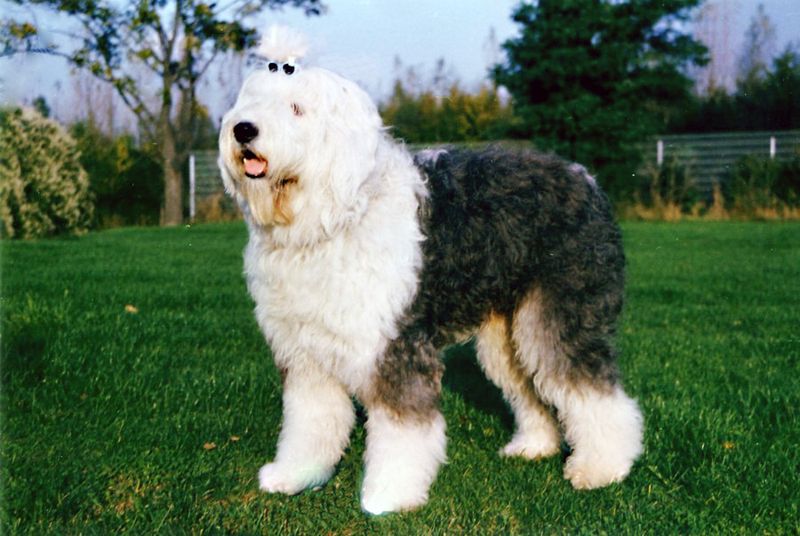
That shaggy coat in commercials hides hours of work behind the scenes. An Old English Sheepdog’s long double coat can mat quickly and often needs thorough brushing several times a week, or professional grooming.
Underneath is a herding dog with real stamina. Bred in England to drive livestock to market, the breed may bump or herd family members.
Owners who cannot keep up with grooming sometimes choose a short clip, which is perfectly fine. The key is budgeting the time or money before the puppy arrives.
Great Pyrenees
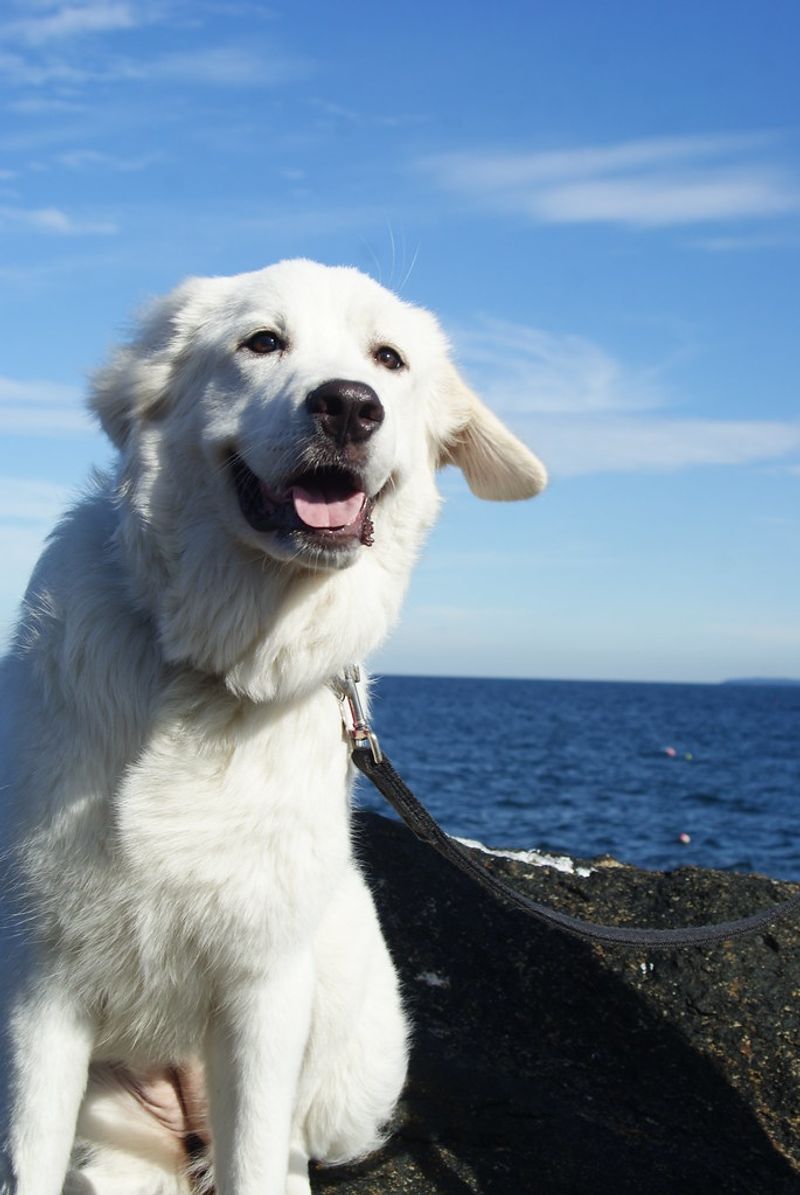
Night shift is where a Pyr shines, which is not always great for neighbors. These livestock guardians from the Pyrenees mountains were bred to bark at predators after dark.
They were also bred to make decisions alone, so recall and obedience can be frustrating. Many owners learn quickly that a Pyr hears the command and simply considers it.
Add a weight that can top 100 pounds and heavy seasonal shedding, and this calm-looking giant needs space, sturdy fencing, and owners who accept some barking.
Greyhound
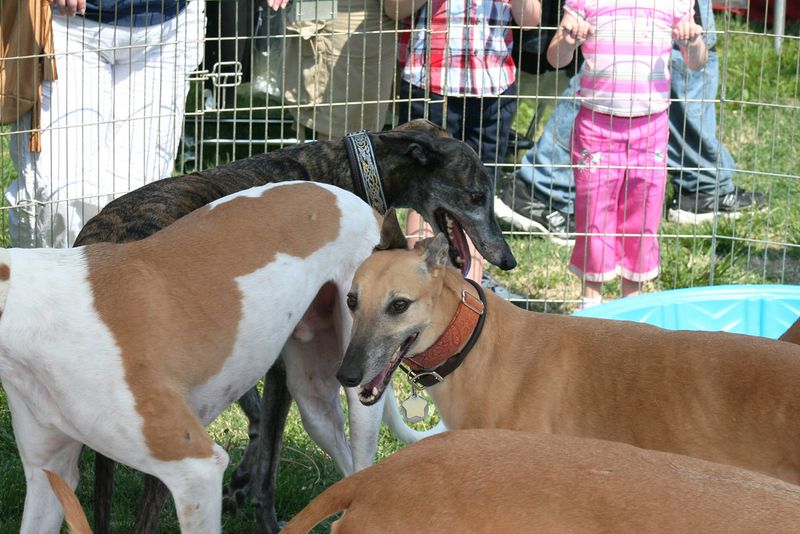
Here is the first surprise. The fastest dog breed, capable of roughly 45 miles per hour, is often called a “40-mph couch potato.”
Greyhounds are sprinters, not marathoners. Many are content with a couple of walks and a short run in a safe area, then long naps.
Retired racers are widely adopted and often adjust well to apartments. Owners should still watch their chase instinct around small animals and keep them leashed in open areas.
Bernese Mountain Dog
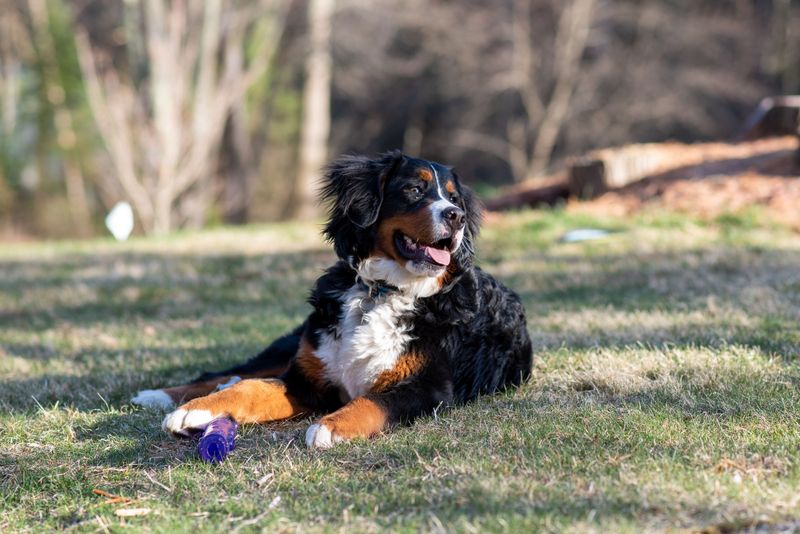
Big, strong, and bred as a Swiss farm dog that pulled carts, the Berner looks like it would demand a ranch. Many people are surprised by how mellow adults often are.
Moderate daily walks and family time tend to suit them well, and they are often patient and good-natured at home.
The catch is health and lifespan, typically around 7 to 10 years, along with heavy shedding. The everyday energy demand may be lighter than expected, but the emotional and veterinary investment is real.
Basenji
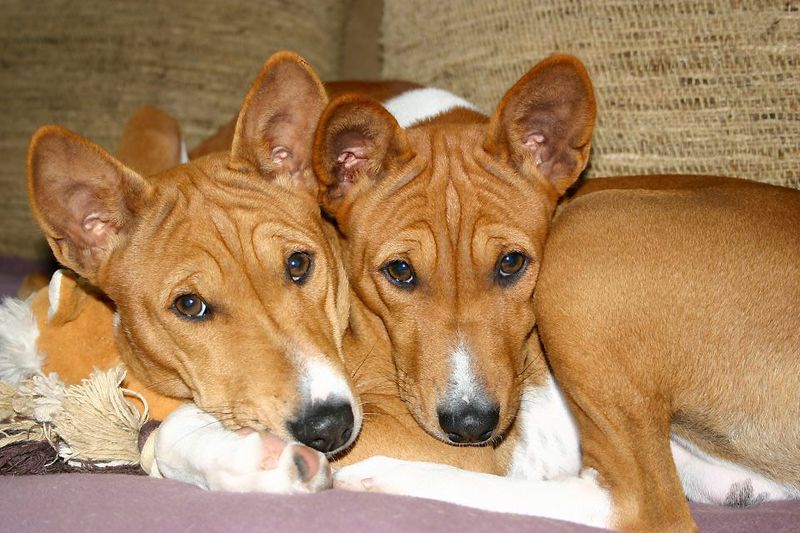
Few people expect a dog that cleans itself like a cat. The Basenji, an ancient hunting breed from central Africa, is known for fastidious self-grooming and very little doggy odor.
It also does not bark in the usual way. Thanks to an unusually shaped larynx, it makes a yodel-like sound called a “barroo.”
That said, low noise does not mean low effort. Basenjis can be independent and mischievous, so the surprise cuts both ways for owners.