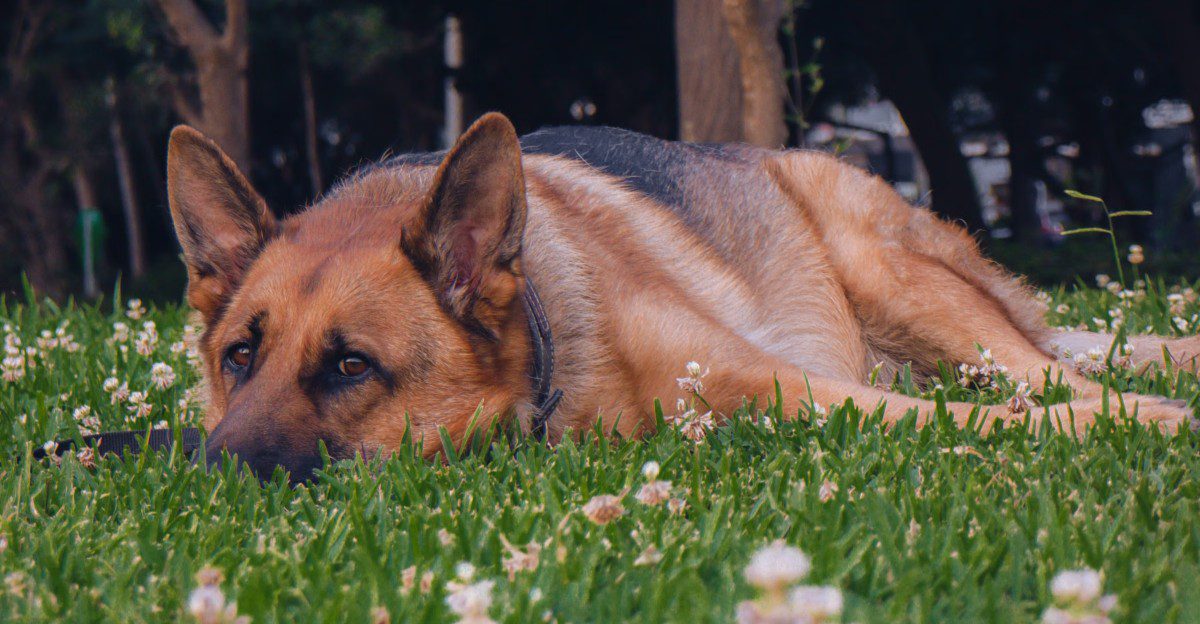
Some dogs are not stubborn. They are just waiting for clear messages.
Loud voices can scare smart, sensitive breeds and make training harder. Simple words, steady routines, and easy hand signals help them relax and learn fast.
German Shepherd
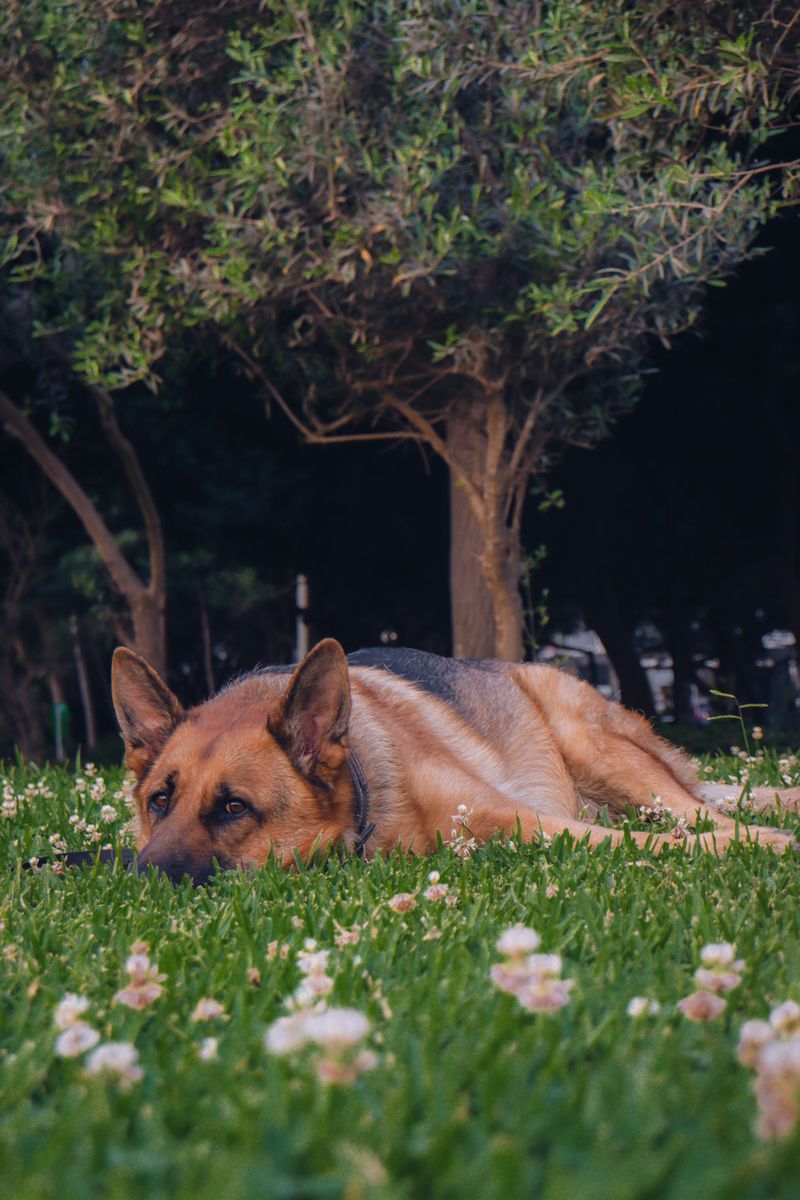
Built like a hero, this thinker craves clarity more than volume every day. Short, calm cues paired with simple hand signals help a German Shepherd understand its job.
Reward quietly the instant paws or eyes do the right thing every single time.
Give structure through routines, not shouting. Practice three-minute training bursts, then a rest, to keep focus fresh and respectful.
Add puzzles, scent games, and clear boundaries so confidence grows without confusion each day.
Border Collie
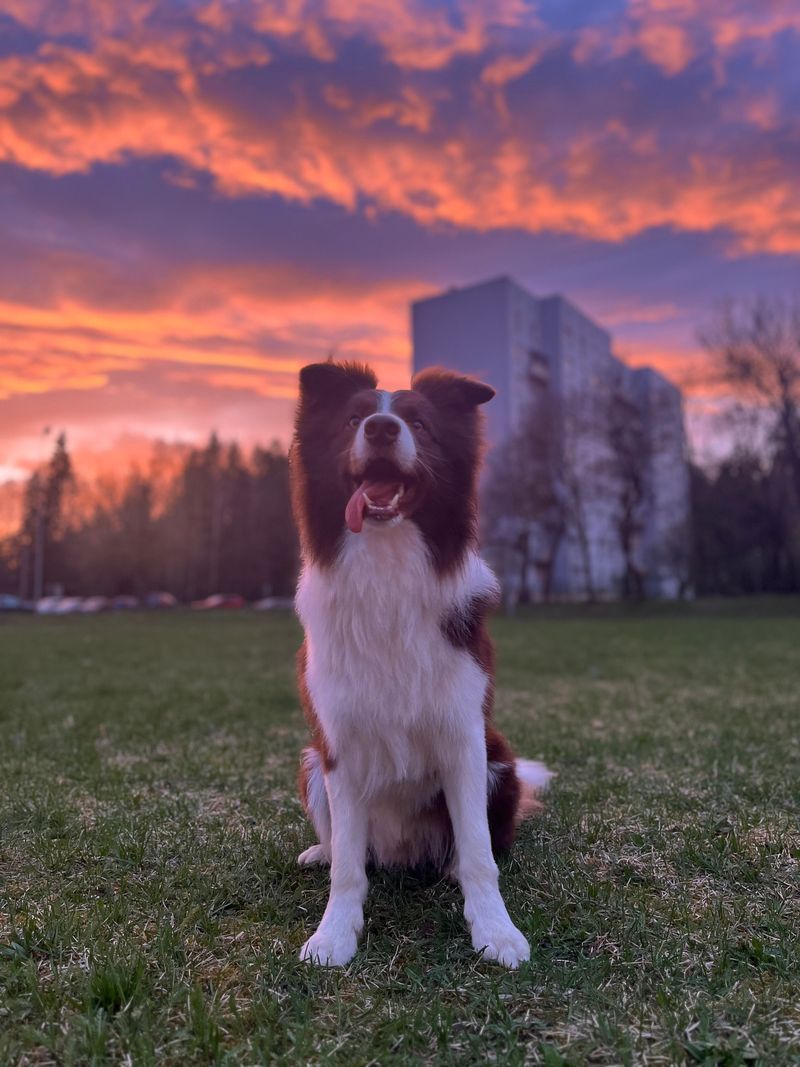
Brains to spare and a gaze that reads your shoes, not your shouting. Border Collies thrive when instructions are crisp, short, and consistent.
Use one word per action and point with your body like a traffic sign.
Channel energy into jobs: agility, fetch to hand, or herding-style games. Keep sessions quick and purposeful, then let them decompress.
When expectations stay predictable, their whirlwind turns into a well-aimed breeze that works with you, not against you.
Doberman Pinscher
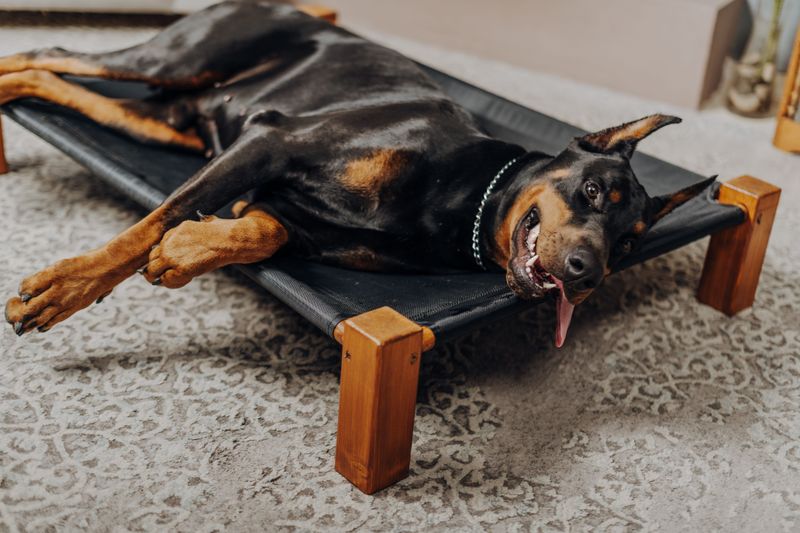
Power wears a suit here. Dobermans read posture and tone faster than volume.
Keep your shoulders relaxed, say the cue once, then guide with a leash flick or hand target.
Confidence grows with fair rules. Mark correct choices right away and avoid repeating commands.
Include impulse-control games like sit-before-doors and place mat training. Short drills, gentle praise, and quiet leadership turn that sharp mind into a steady partner who trusts your plan and follows it.
Rottweiler
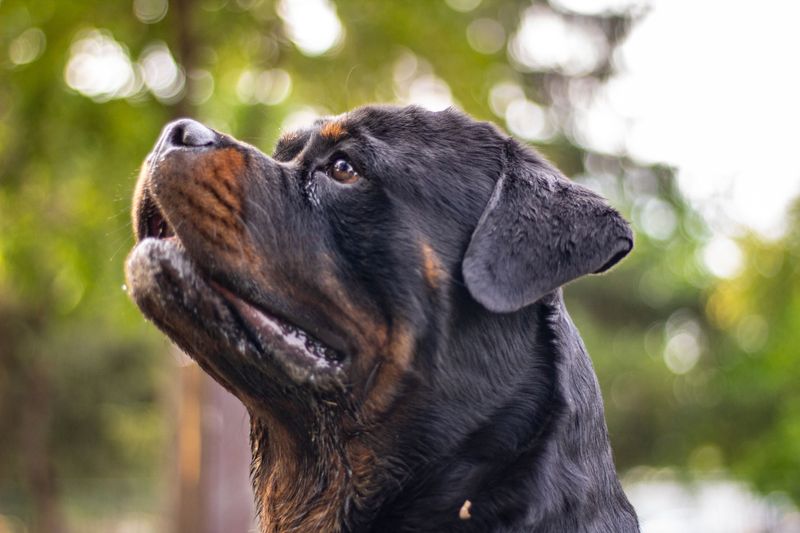
Big heart, bigger presence, yet surprisingly sensitive to human moods. Rottweilers respond best to calm structure and clear boundaries.
Use simple markers like “yes” or a click, then deliver a tasty reward without fuss.
Practice short stays, slow leash walks, and polite greetings. Predictability lowers worry and reduces pushy behavior.
Keep rules the same for everyone in the family. With fairness and routine, you get a loyal teammate who understands expectations and offers solid, thoughtful choices.
Australian Shepherd
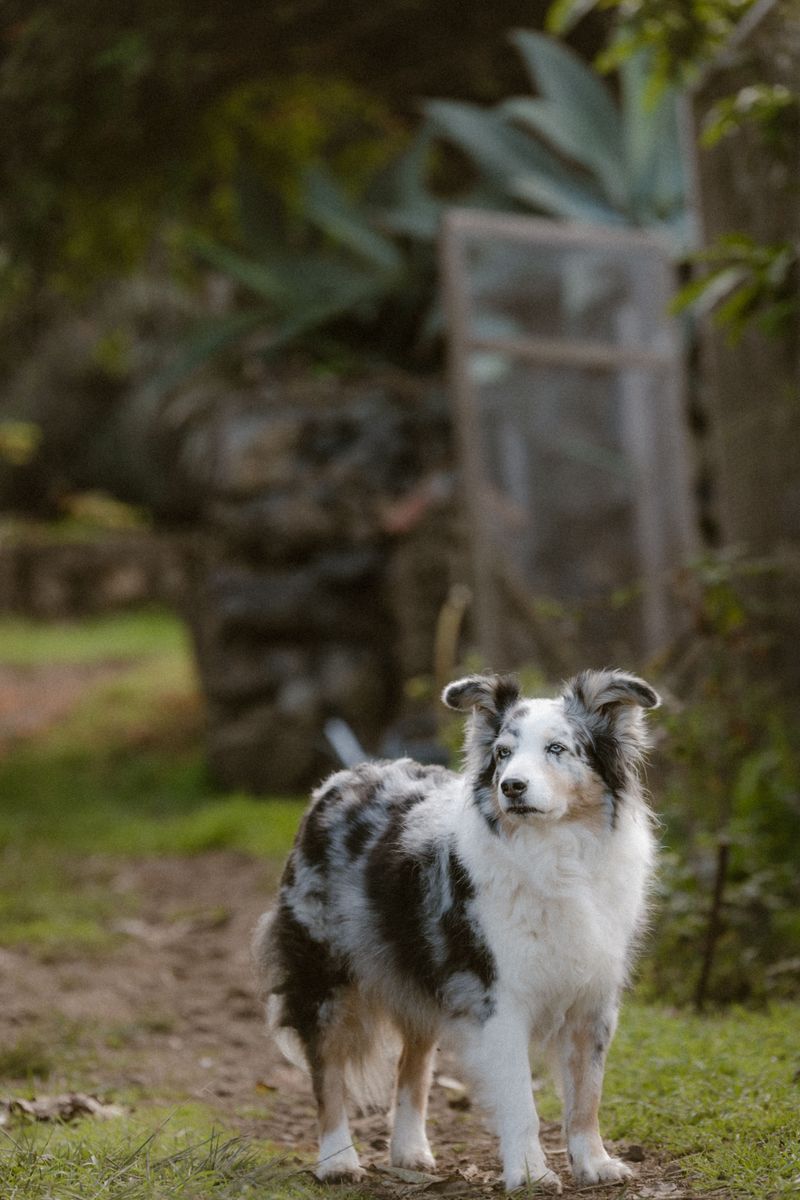
Always ready for a project, Aussies love direction more than drama. Clear jobs prevent chaos.
Rotate simple tasks like carry a toy to the basket, touch a target, or circle a cone.
Use visual cues and a steady rhythm: cue, action, mark, reward. Keep excitement in check with planned breaks and sniffing time.
When communication stays steady and upbeat, their busy brain settles, and you get smart cooperation instead of noisy spins or herding nips at heels.
Boxer
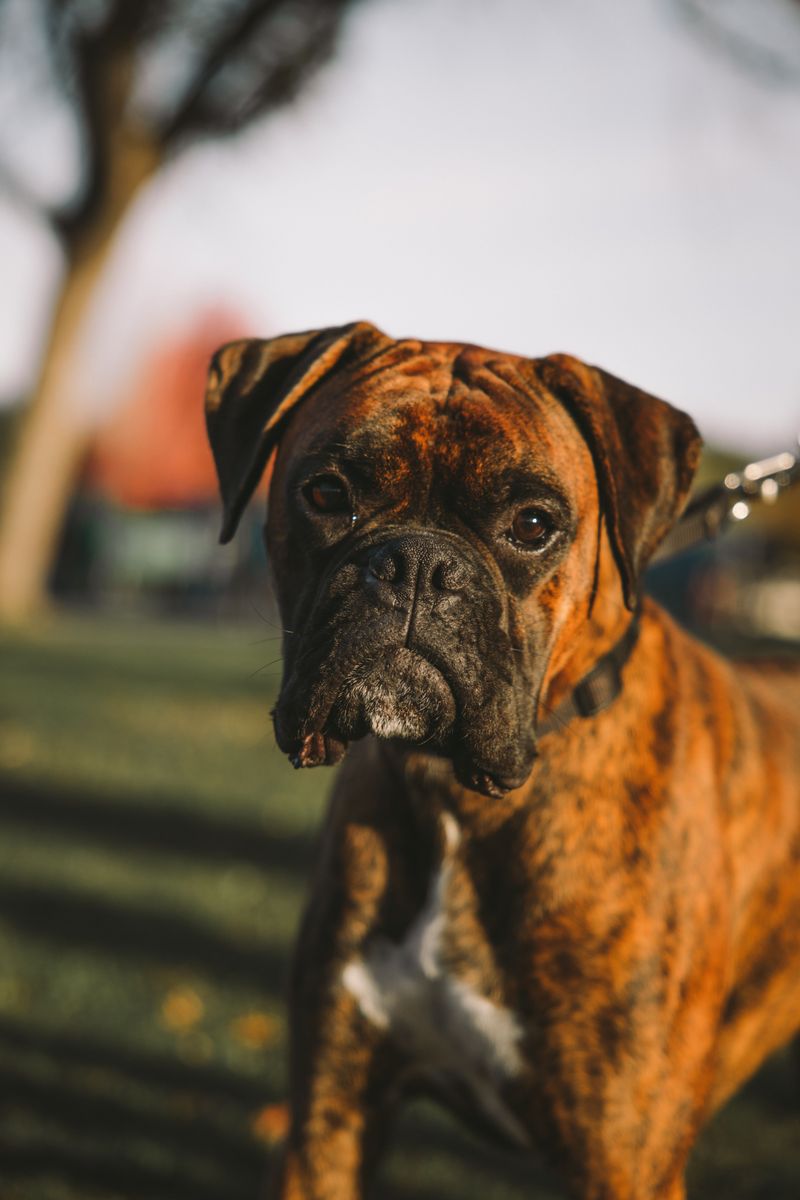
Goofy grin, springy legs, and a heart that wants to play by the rules. Boxers learn fastest when fun is earned with simple manners.
Ask for sit-before-tug, then say “take” to start the game.
Swap shouting for timing. Mark calm moments and pause when jumping starts.
Keep commands short, add hand signals, and mix in short obedience between play bursts. That structure turns bouncy energy into a game partner who listens because the rules make sense.
Australian Cattle Dog
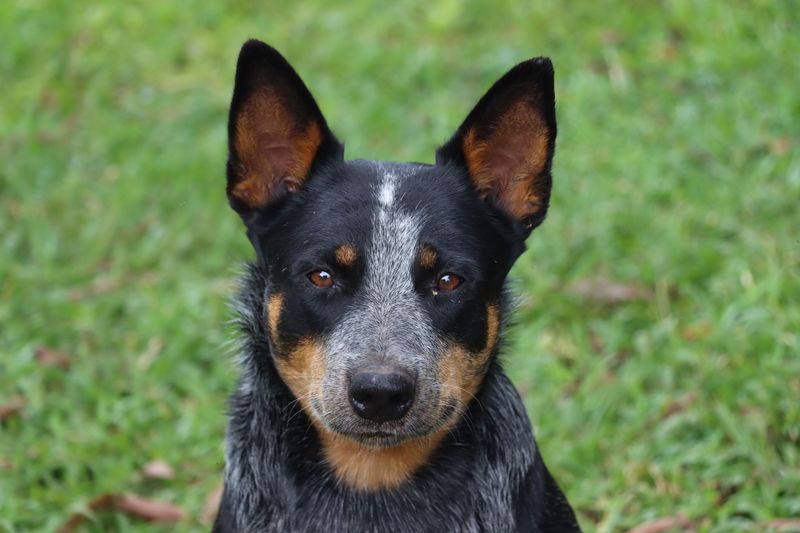
Tough on the outside, detail-driven inside. Cattle Dogs respect leaders who are specific, not loud.
Use targeting, shaping, and brief tasks that earn quick wins.
Turn work ethic into daily challenges: heel to a post, pause, then circle back. Keep cues consistent and avoid nagging.
Provide strong chew toys and puzzle feeders to satisfy that busy brain. With clarity and jobs that matter, you tap their grit without fights, and the relationship feels like a quiet handshake.
Miniature Schnauzer
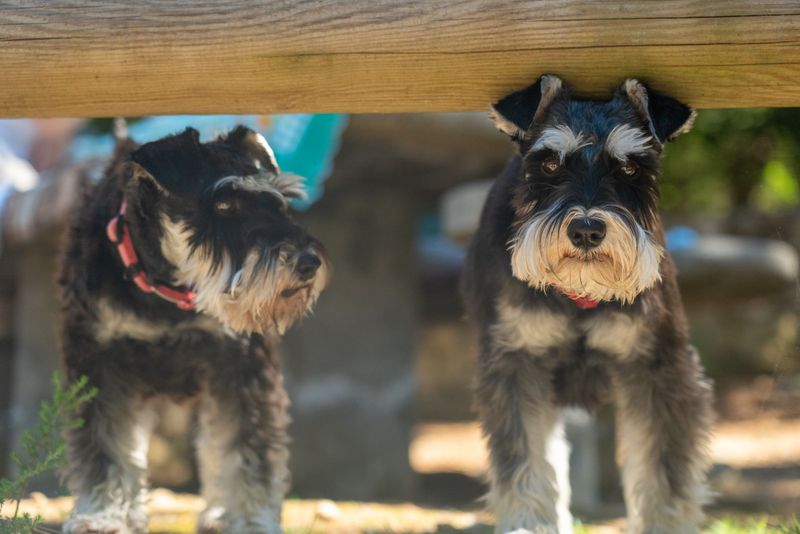
Sassy eyebrows, big opinions, yet eager to understand the plan. Mini Schnauzers shine when cues are crisp and routines predictable.
Teach a go-to mat for visitors and reward quiet, settled behavior.
Keep words short and upbeat. Practice recall then release to sniff as a bonus.
Use gentle leash guidance and a clear marker word so choices feel obvious. With steady expectations and tiny wins, that spirited spark turns into cheerful cooperation at home and outside.
German Shorthaired Pointer
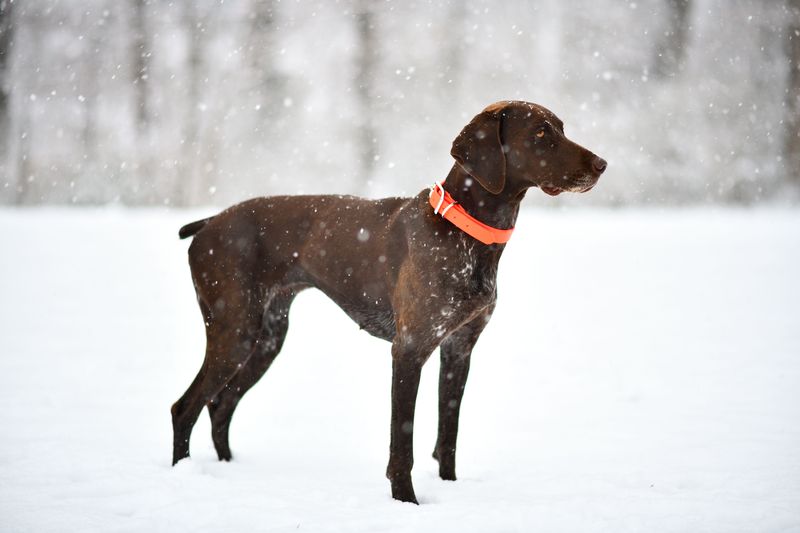
Born to move and notice everything, GSPs need direction that cuts through excitement. Use one cue per behavior and reward with movement, like a quick fetch or a release to run.
Practice check-ins on walks, simple steadies before doors, and place training for quiet time. Keep sessions short and practical.
Clear expectations turn that buzzing energy into stylish teamwork that feels smooth, not frantic, whether you hike, jog, or train in a busy park.
Giant Schnauzer
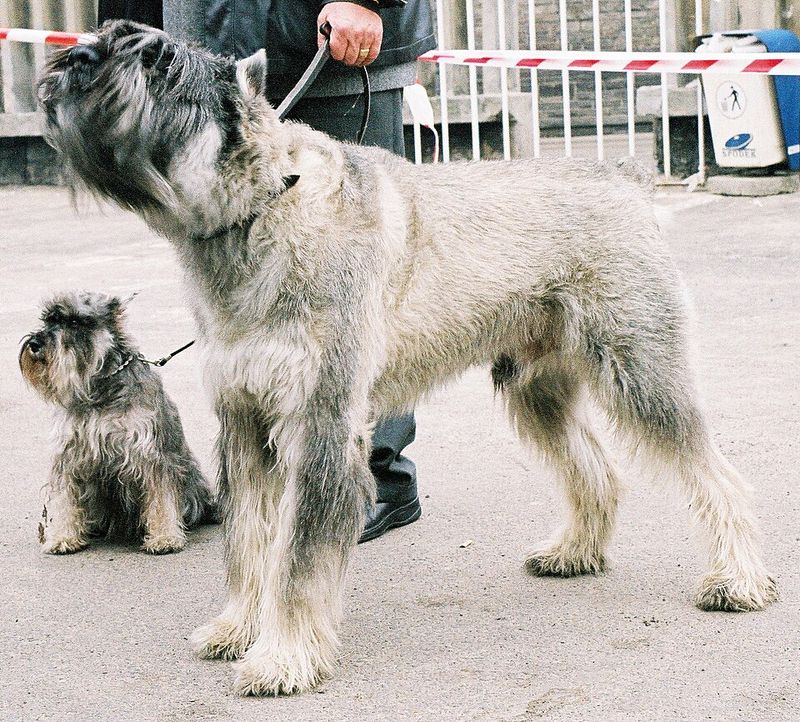
Big frame, bigger brain, and a memory for fairness. Giant Schnauzers test unclear rules, not because they are mean, but because they are bright.
Keep criteria simple and consistent.
Use marker training, clear releases, and planned breaks to prevent pushy rehearsals. Teach impulse control with door manners and food bowl patience.
Quiet confidence in you leads to calm confidence in them, turning a lot of dog into a reliable partner that reads subtle signals like a pro.
Belgian Malinois
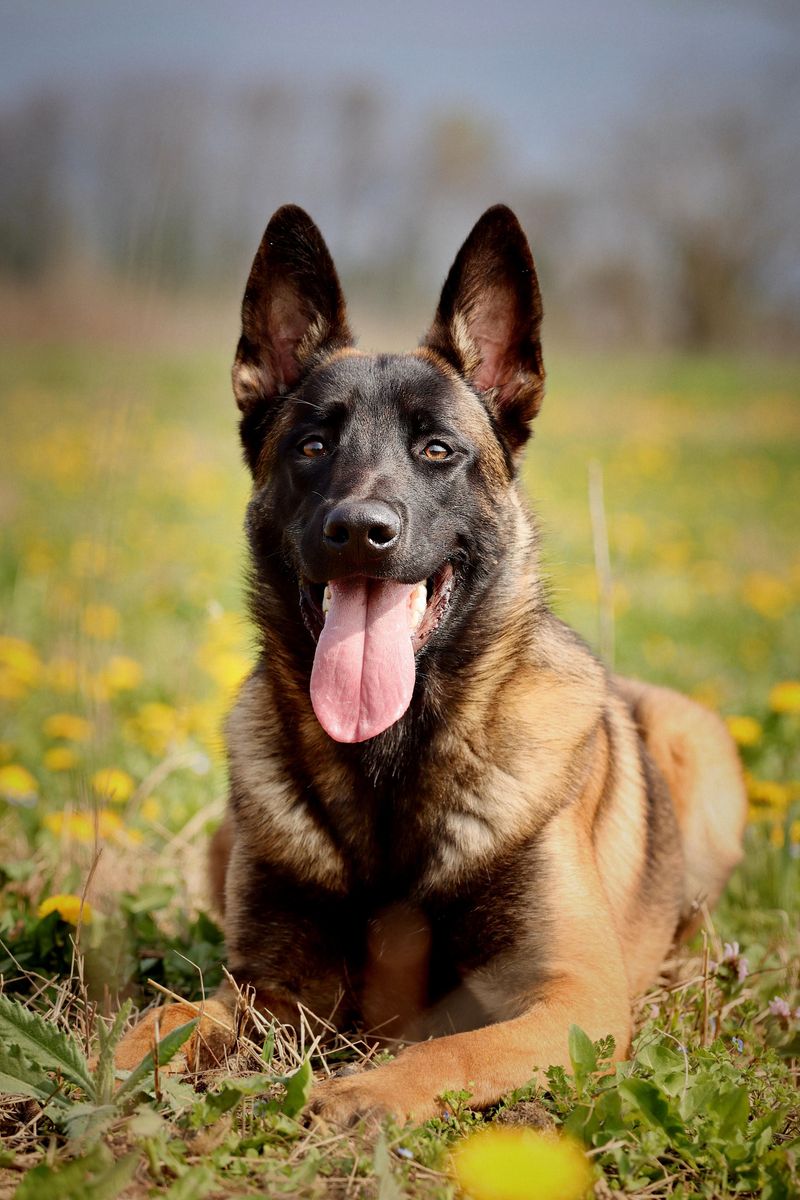
Think jet engine with brakes you must explain clearly. Malinois thrive on precision.
Keep drills short, mark successes, and build difficulty slowly so drive stays pointed, not explosive.
Use structured play as a paycheck: tug on cue, out on cue, then back to work. Include place training and calm decompression after sessions.
Clarity, not volume, keeps their mind cool and their body ready, creating a focused athlete who loves following your clean roadmap.