
Some dogs love you, and some glue themselves to your side like living shadows. If you crave a heart dog who bonds quickly and stands by you through every life chapter, this list is for you.
These breeds latch onto their people fast, then hold on with steady, loyal devotion. Get ready to meet affectionate companions who thrive on connection and return your love tenfold.
Vizsla

Vizslas are famously called velcro dogs for a reason. They attach to their people with quick, wholehearted intensity and crave near-constant closeness.
Expect a dog that reads your mood, shadows you room to room, and picks up routines fast.
Daily exercise is essential, since mental and physical outlets prevent anxious energy from building. Gentle structure, positive training, and puzzle toys keep their bright minds engaged.
Crate comfort and calm departures help reduce separation stress.
They excel at running, hiking, and field sports, yet settle beautifully after quality time. Socialization matters early to ensure confidence with new people.
If you want an affectionate athlete who loves touch, eye contact, and partnership, a Vizsla delivers unwavering devotion.
Weimaraner
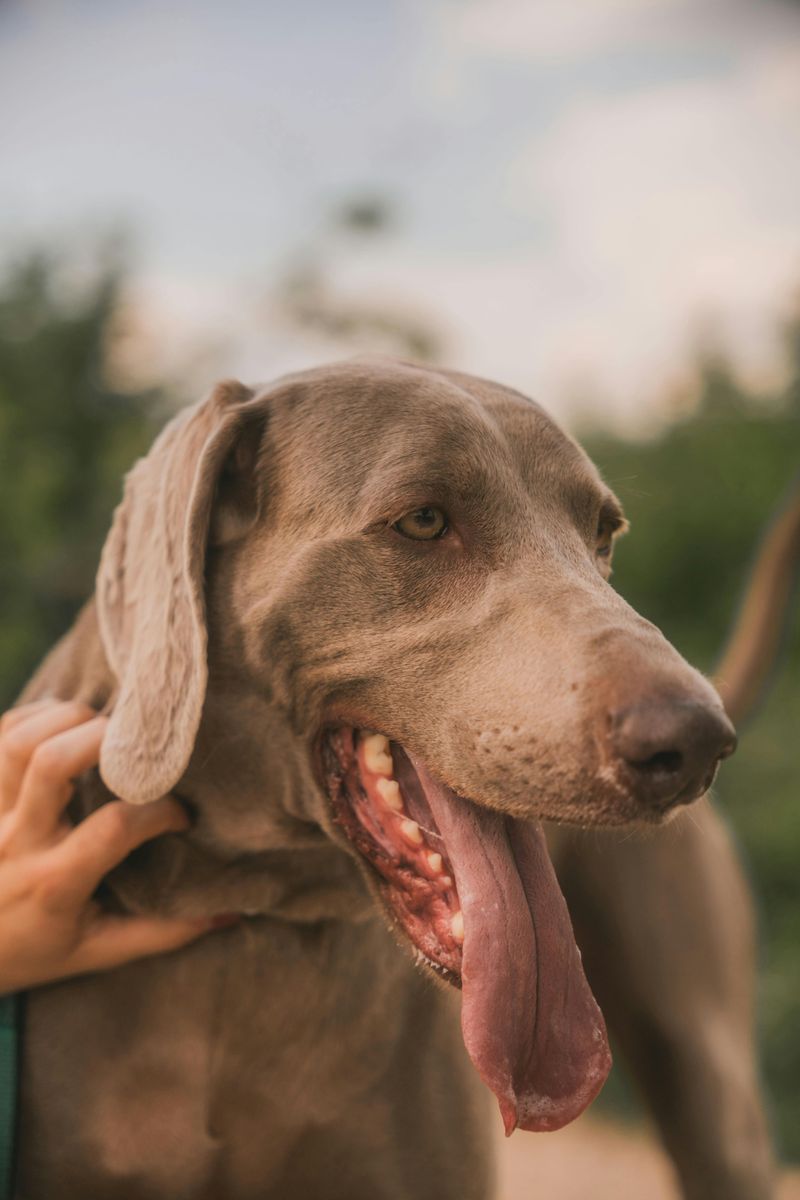
Weimaraners bond with startling speed and intensity, forming a tight partnership that thrives on routine and adventure. Their elegant exterior hides a sensitive soul that wants to understand every move you make.
Provide consistent guidance, or they will create their own agenda.
They need vigorous activity daily, from scent games to long jogs. Without outlets, frustration and vocal protest can appear.
Calm, confident leadership helps them feel secure and less clingy.
Positive training, steady boundaries, and decompression time build resilience. Introduce alone-time training early, using enrichment and gradual departures.
With mindful structure, the Weimaraner becomes an affectionate shadow who hunts for your gaze and settles only when you do.
Labrador Retriever
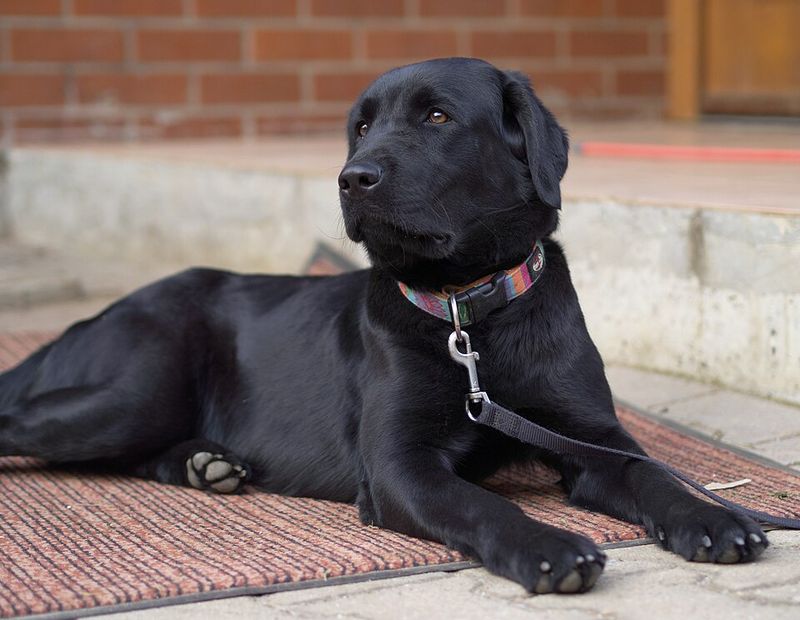
Labrador Retrievers connect quickly because they are social optimists who see friends everywhere, especially at home. Their bond deepens through shared play, training sessions, and predictable rituals.
Labs read human emotions well, offering gentle nudges or goofy antics to lift your mood.
They thrive with clear jobs like retrieve games, nosework, or obedience. Food motivation makes positive reinforcement a breeze, though impulse control requires practice.
Plan daily exercise that includes both movement and brain work.
Teach settle cues, rotate chews, and gradually normalize alone time. Labs can be sensitive to abrupt changes, so consistency keeps them confident.
With kindness and structure, you get a resilient partner who sticks close, celebrates you loudly, and relaxes at your feet.
Golden Retriever

Goldens seem wired for connection, seeking eye contact and touch like it is their love language. They attach rapidly, yet their easygoing nature keeps the bond joyful rather than clingy.
Praise, play, and consistent routines turn them into steady companions.
Daily outlets are essential, including fetch, scent games, and obedience practice. Their eagerness to please shines with reward-based training.
Regular grooming becomes bonding time, building trust through gentle handling.
Social butterflies by design, Goldens also need quiet decompression to avoid overstimulation. Teach calm greetings, impulse control, and restful crate cues.
The result is a sunshine soul who learns your rhythms, forgives your off days, and stays close without crowding.
German Shepherd
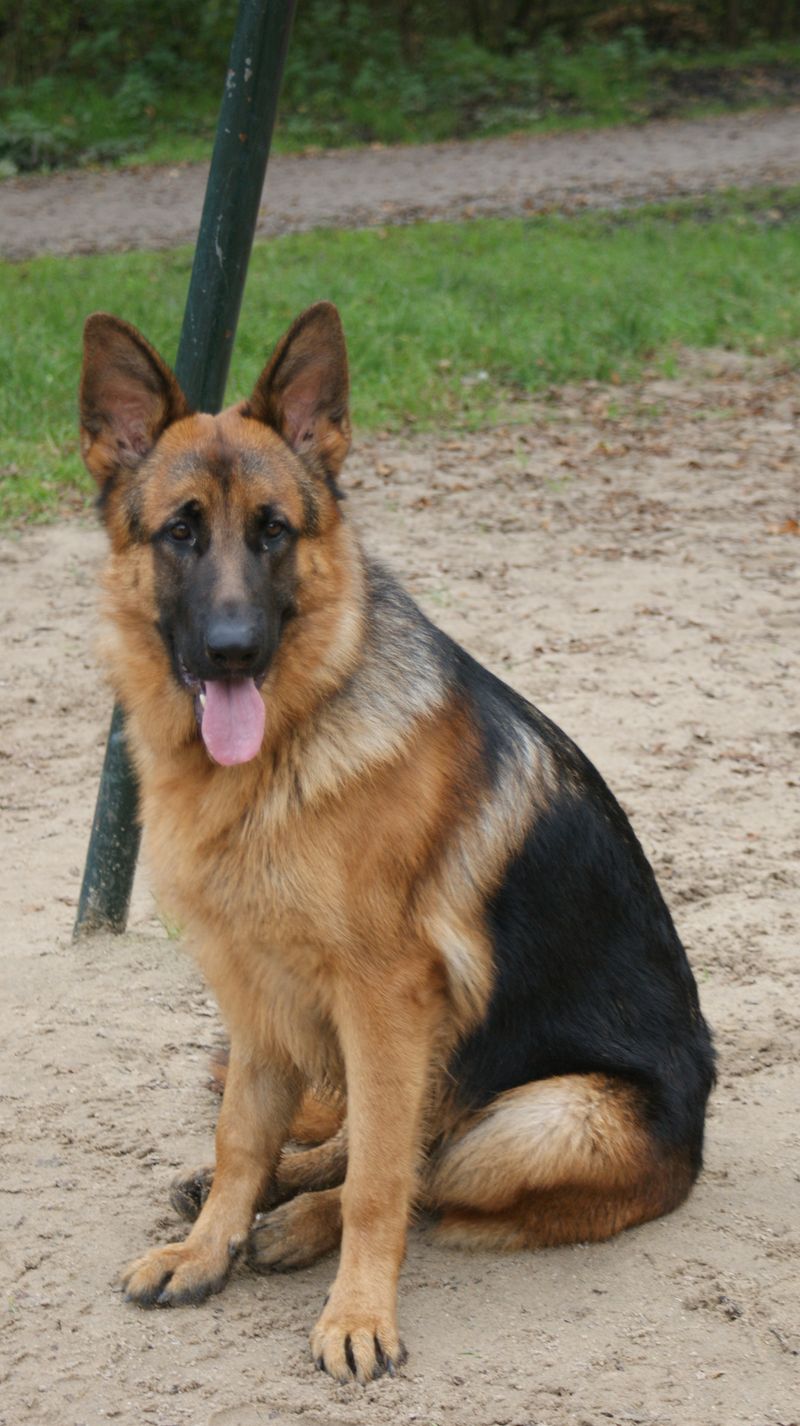
German Shepherds form laser-focused bonds, often choosing a primary person and guarding that connection. They are thoughtful observers who notice patterns and quickly anticipate your intentions.
With clear leadership and mental work, that devotion becomes calm, reliable partnership.
Training should mix structure and play, from tracking to obedience to problem-solving games. Shepherds need purposeful exercise that challenges body and brain.
Without it, anxiety or over-vigilance can appear.
Early socialization broadens their comfort zone and protects their sensitive nature. Teach off-switch skills, alone-time confidence, and relaxed leash walking.
Done right, you get steadfast loyalty that deepens daily, a dog who watches your back and rests when you say, We are safe.
Doberman Pinscher
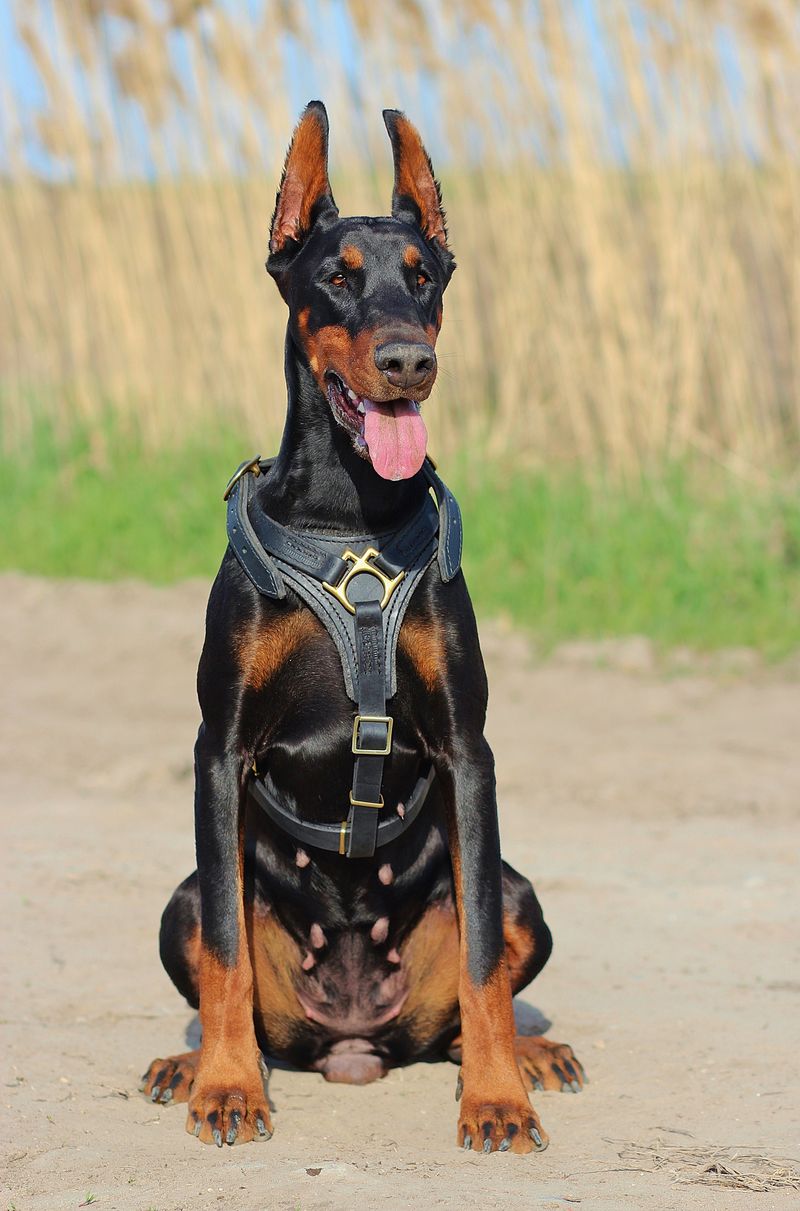
Dobermans are deeply people oriented, often tuning in to a single person with remarkable intensity. They learn your micro-gestures and respond like partners in a dance.
Done thoughtfully, this bond becomes confident devotion rather than anxious dependency.
They excel with clear jobs, structured exercise, and consistent rules. Positive training keeps their keen minds engaged, while impulse work smooths reactivity.
Introduce calm greetings and neutral exposure to the world.
Daily decompression, enrichment, and alone-time practice help them relax when you leave. Provide cuddle moments, then teach a place command to balance affection with boundaries.
A well-guided Doberman becomes a loyal shadow who reads the room, trusts your lead, and stays steady.
Cavalier King Charles Spaniel
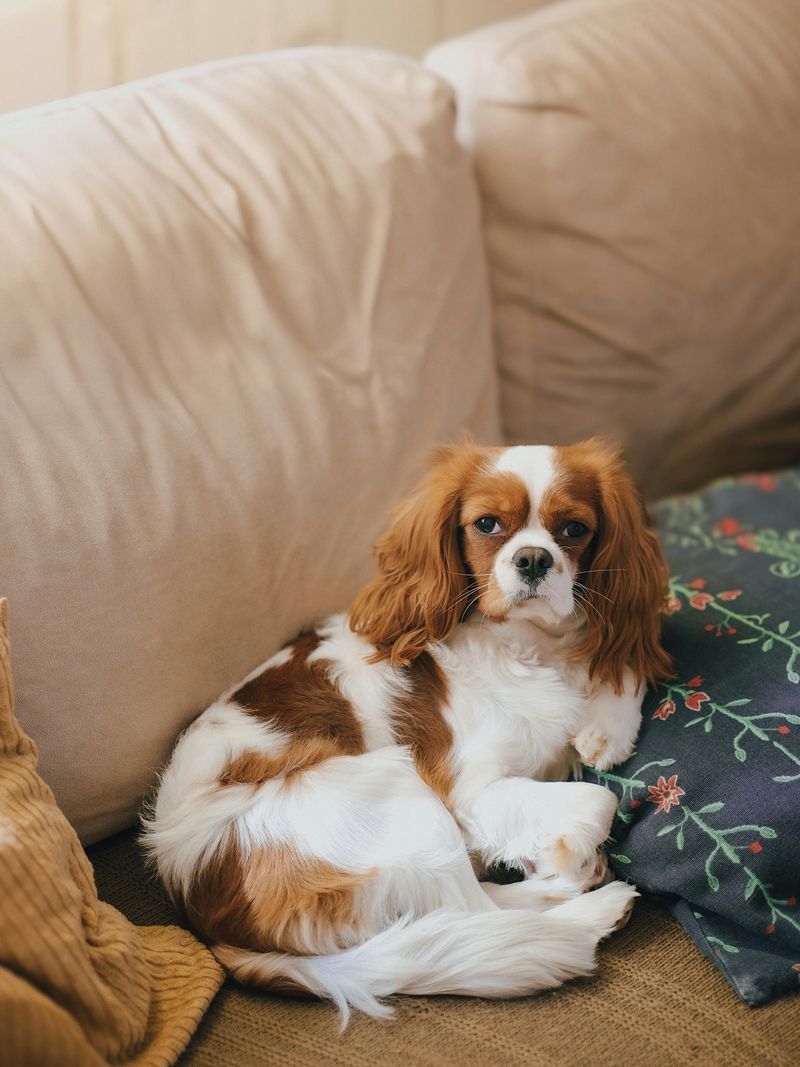
Cavaliers were bred to be lap companions, so bonding is their superpower. They melt into your side, syncing with your routine and mood.
Expect a tender, patient presence that offers comfort and gentle cheer.
Because they are sensitive, use soft, reward-based training and careful socialization. Short play bursts and sniffy walks satisfy exercise needs.
Dental care and grooming sessions double as bonding rituals.
Alone-time practice is vital to prevent clinginess. Create soothing departures with stuffed chews and white noise.
When their emotional cup is full, Cavaliers nap contentedly, then return with bright eyes and feathered ears wagging, ready for your next cuddle or stroll.
Border Collie
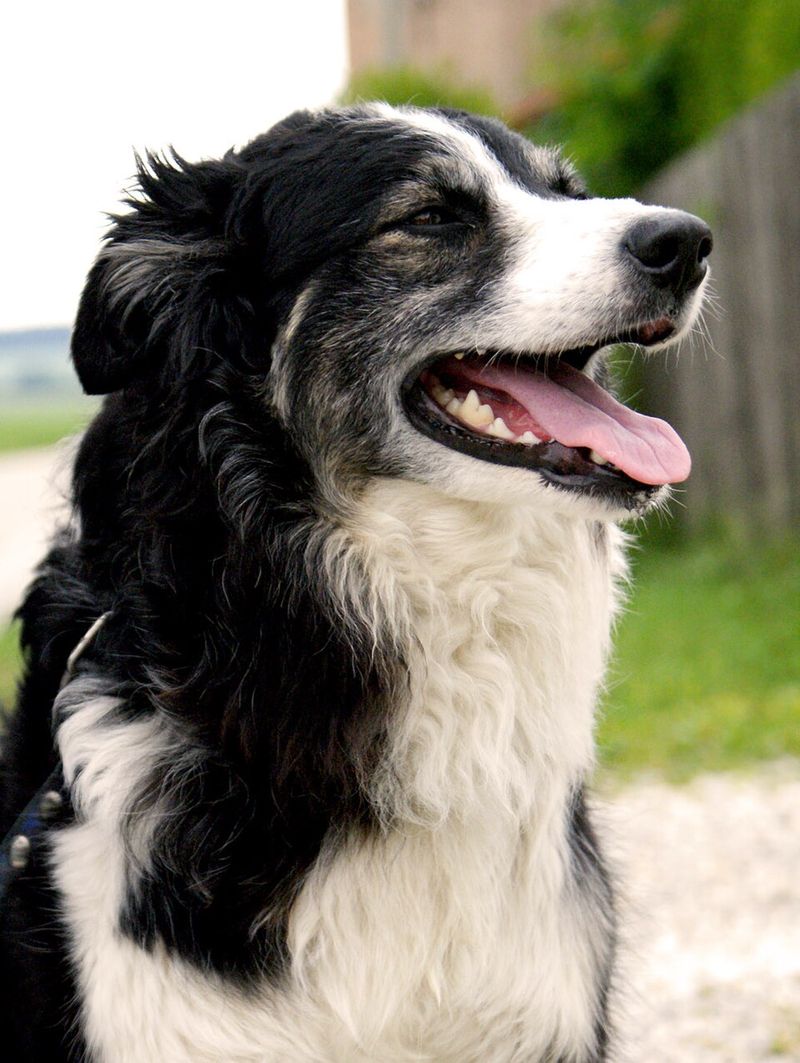
Border Collies lock in fast, often staring into your soul for instructions. Their bond thrives on shared goals, clear communication, and frequent mental challenges.
Without work, they invent jobs, sometimes herding kids, cats, or vacuum cords.
Channel that drive with agility, herding lessons, trick training, and scent games. Reinforce calm behaviors as carefully as flashy ones.
Teach a strong settle and off-switch to balance their intensity.
Social exposure reduces hyper-focus on you while keeping the relationship strong. Use structured independence training so they rest when you do.
With thoughtful guidance, a Border Collie becomes your brilliant teammate, glued by trust and purpose rather than constant activity.
Italian Greyhound
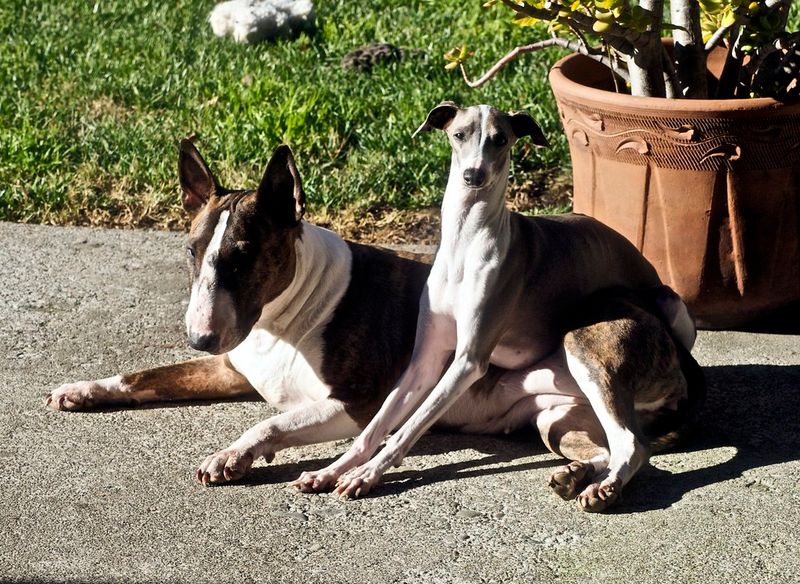
Italian Greyhounds form swift, delicate bonds and adore warmth, touch, and routine. They will tuck themselves under your sweater and track you with luminous eyes.
Their sensitivity means gentle handling and patient training are nonnegotiable.
Short, frequent play and careful zoomie sessions meet exercise needs without strain. Potty routines and weather gear matter for comfort and confidence.
Positive reinforcement and tiny, bite-sized lessons work best.
Alone-time training should be gradual, paired with cozy nests and calming chews. Protect their slender frames with safe surfaces and considerate playmates.
In return, you get a whisper-soft shadow who chooses your lap, sighs contentedly, and bonds deeper each quiet afternoon.
Australian Shepherd
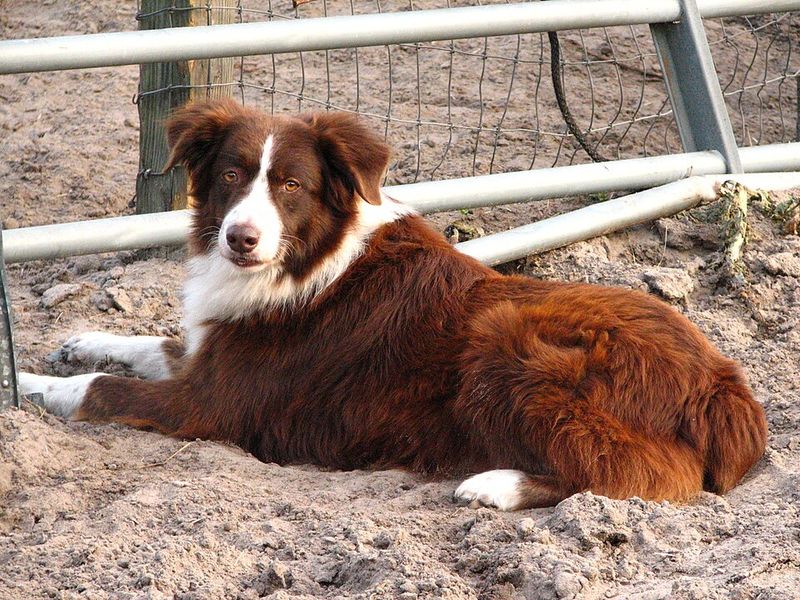
Australian Shepherds connect through purpose, quickly choosing their person and learning routines. They are thinkers who crave meaningful jobs and clarity.
Without direction, they can become bossy project managers of your household schedule.
Make training a lifestyle with herding games, obedience, and trick chains. Provide agility or hike days, then teach a strong place cue for rest.
Reinforce neutrality around strangers to balance friendliness with focus.
Independence practice helps them relax off duty. Rotate enrichment, use scatter feeds, and prioritize decompression after big days.
When their needs are met, Aussies deliver unblinking loyalty, expressive eye contact, and a steady presence that sticks with you from sunrise to stargazing.
Havanese
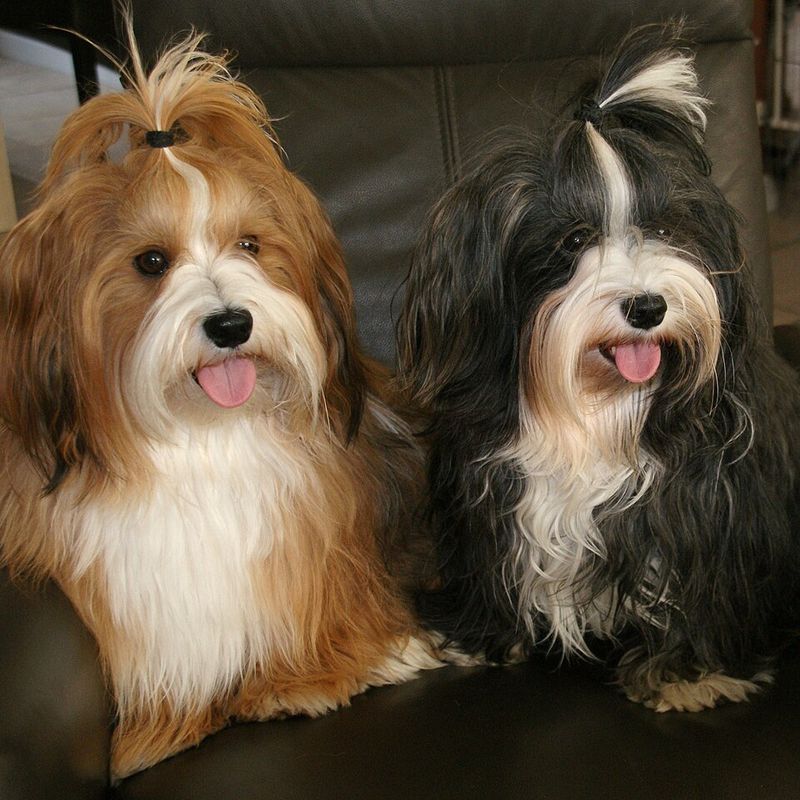
Havanese are cheerful Velcro companions who bond swiftly and adore participating in daily life. They thrive when included in errands, training games, and couch cuddles.
Their clownish charm masks real sensitivity to tone and routine changes.
Gentle, reward-based training suits them perfectly. Keep sessions short, playful, and frequent.
Because they love being near you, practice independence with scatter feeding, snuffle mats, and gradual departures.
Regular grooming becomes quality time, teaching cooperative care and trust. Moderate exercise and puzzle toys keep minds bright without overtaxing small bodies.
With consistency and kindness, a Havanese becomes a devoted sidekick who prances after you happily, then curls up, content just to be near.