
Rearranging furniture might seem like a simple home improvement task, but for some dogs, it can be a source of stress and bewilderment. Certain breeds, known for their unique sensitivity, often exhibit quirky behaviors when their familiar environment shifts. Understanding these reactions can offer insight into canine stress and help ensure comfort for your furry friends.
Finnish Spitz

With a fox-like face and vibrant red coat, the Finnish Spitz exudes charisma. However, when you rearrange furniture, their curiosity turns to confusion. Known for their distinct vocalizations, they might bark more frequently, expressing their dismay.
This breed thrives on routine and consistency, making changes unsettling. You might find them circling the room or inspecting each piece with heightened interest.
Their sensitive nature means they need reassurance, so extra pats and playtime are essential during household changes.
Eurasier

The Eurasier, with its plush coat and calm demeanor, can become quite disoriented when the furniture takes on a new arrangement. This breed values stability and consistency.
When things are moved around, they may exhibit signs of stress, like pacing or excessive sniffing. Their loyal and intuitive nature means they quickly pick up on changes.
Providing them with familiar objects, like their favorite toy or blanket, can ease the transition and help them adapt to the new setting.
Japanese Spitz

The fluffy Japanese Spitz is known for its lively personality and affectionate nature. Yet, switch around their familiar surroundings, and they might display signs of stress.
These intelligent dogs often scrutinize every change, from a newly placed chair to a shifted rug. Their inquisitive nature means they will investigate thoroughly.
Offering a consistent routine and environment can help mitigate their stress, allowing them to adjust more readily to new arrangements.
Keeshond
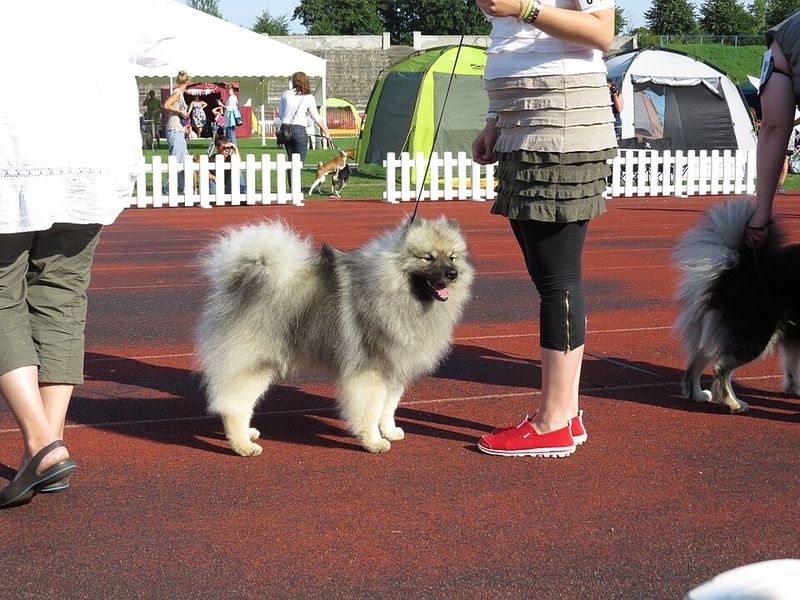
Affectionately called the “smiling Dutchman,” the Keeshond is typically cheerful. However, move their favorite sofa, and they may seem perplexed. This breed is known for their strong attachment to their environment.
Sudden changes can lead to behaviors like circling or increased vocalization. Their expressive faces often reflect their inner turmoil.
Providing them with a familiar scent or routine can help ease the transition, allowing them to settle back into their beloved habitat.
Icelandic Sheepdog
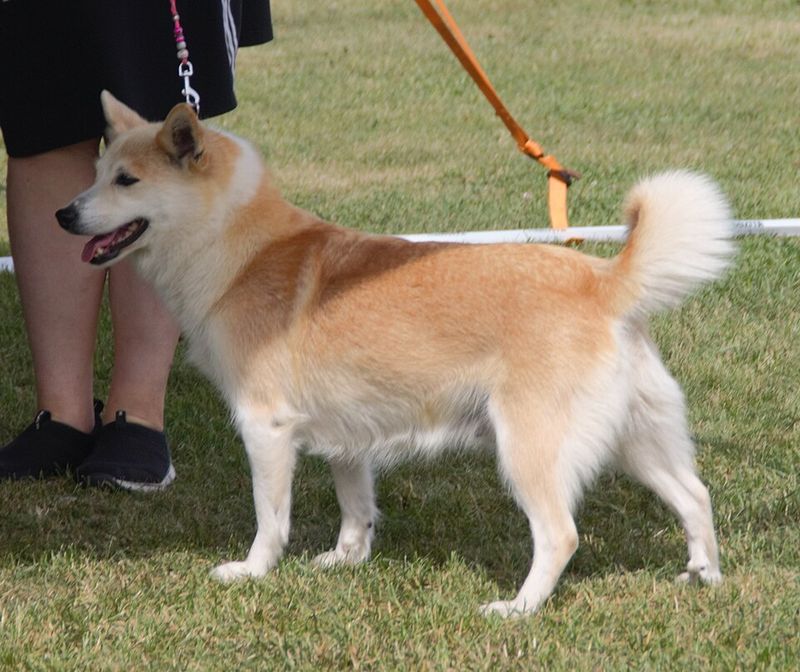
The Icelandic Sheepdog, with its energetic and friendly demeanor, can find furniture rearrangement quite perplexing. They are naturally curious and tend to investigate every nook and cranny.
A change in layout might lead them to become more vigilant, monitoring each new position with keen interest. Their herding instincts can kick in, making them try to ‘organize’ the new setup.
Offering them familiar play areas or routines can help alleviate any confusion or stress they experience.
Schipperke
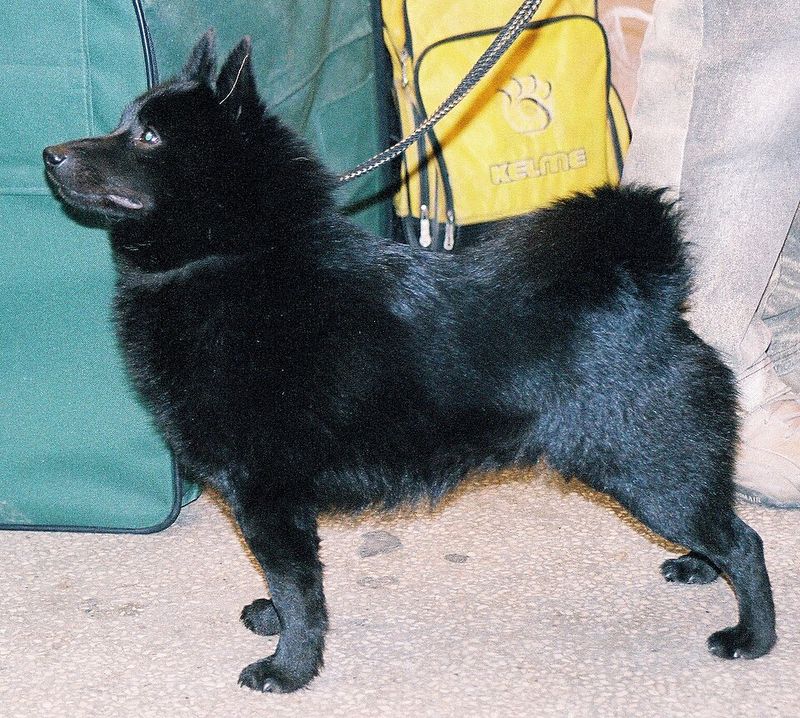
The Schipperke, known for its mischievous and intelligent nature, often reacts with intrigue to furniture rearrangement. Their curious minds lead them to explore every change, sometimes resulting in playful antics.
This breed may become more alert, watching each alteration with a critical eye. They thrive on mental stimulation, making new setups a puzzle to solve.
Keeping familiar elements like toys and blankets around can provide comfort and security amidst the shifting environment.
Tibetan Spaniel
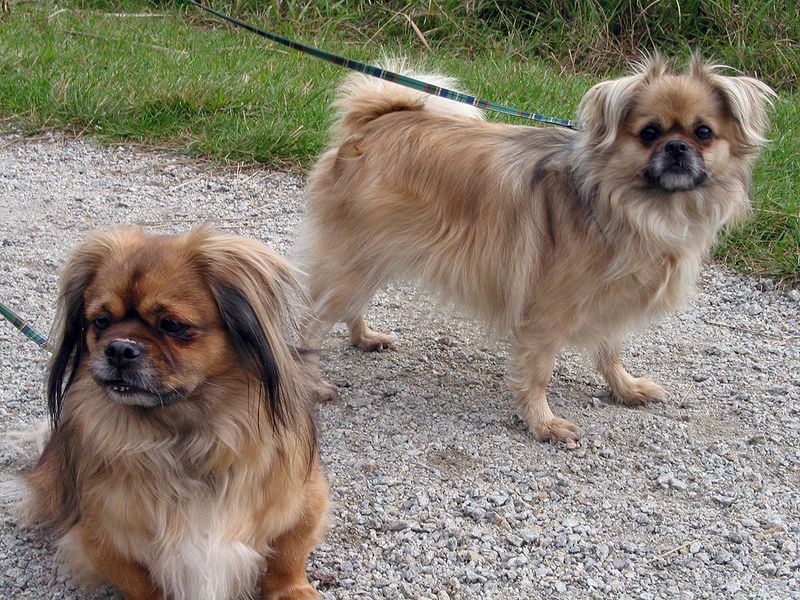
The Tibetan Spaniel, with its serene and calm nature, can feel unsettled by changes in their surroundings. This breed values consistency and may need extra time to adapt to new furniture arrangements.
Their observant eyes often take in every detail, assessing each change with quiet contemplation. They might seek out their favorite spots, ensuring they remain unchanged.
Providing reassurance through gentle interaction and maintaining familiar routines can help ease their transition into the altered environment.
Löwchen
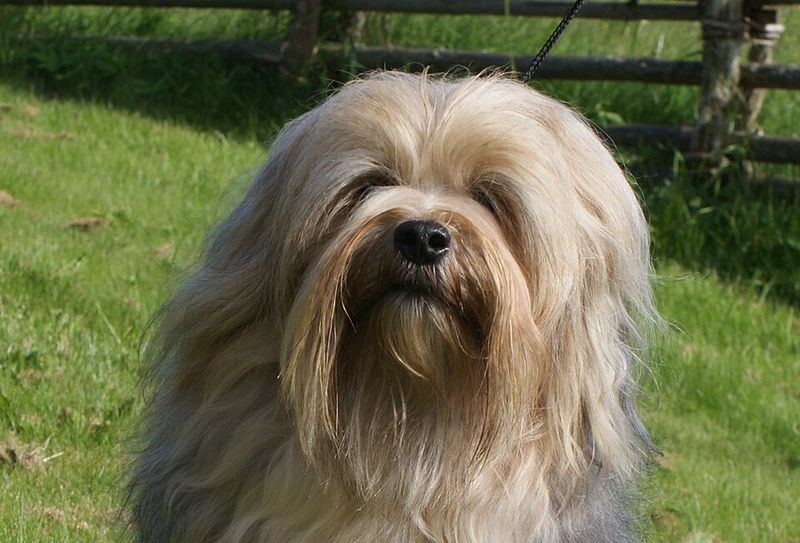
Affectionately known as the “little lion dog,” the Löwchen brings joy wherever they go. Yet, a new furniture setup might leave them feeling bewildered.
These social dogs thrive on routine and connection, making sudden changes feel like a puzzle. They might exhibit behaviors like pacing or sniffing the new layout.
Creating a consistent atmosphere with familiar items and maintaining a steady routine can help ease their transition, allowing them to feel more at ease.
Kooikerhondje
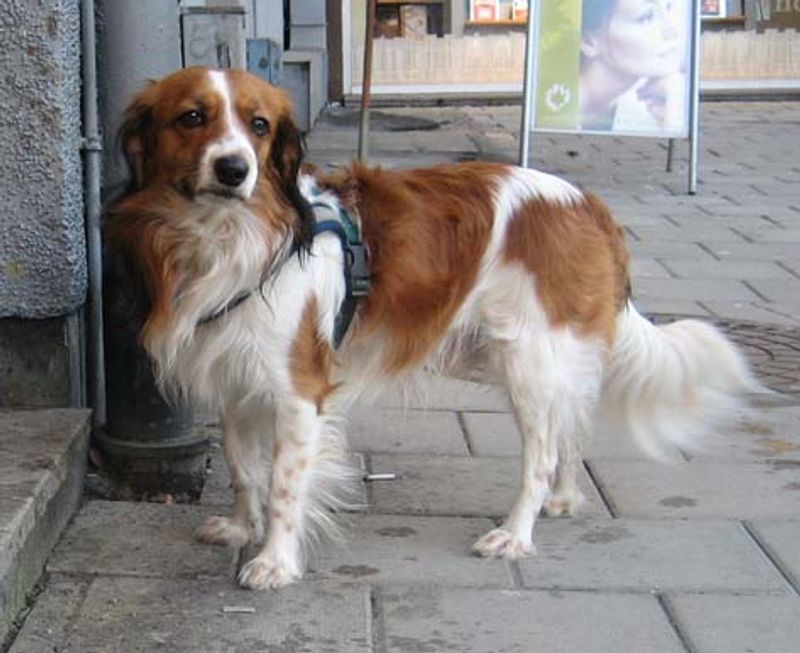
The Kooikerhondje, with its playful spirit and keen intelligence, often finds changed environments intriguing yet challenging. This breed’s inquisitive nature drives them to explore every alteration thoroughly.
They might exhibit behaviors like increased sniffing or attempting to ‘herd’ objects back to their original spots. Their keen senses keep them alert to every new change.
Offering them stability through familiar toys and consistent interaction can help ease the stress of a newly arranged space.
Bolognese
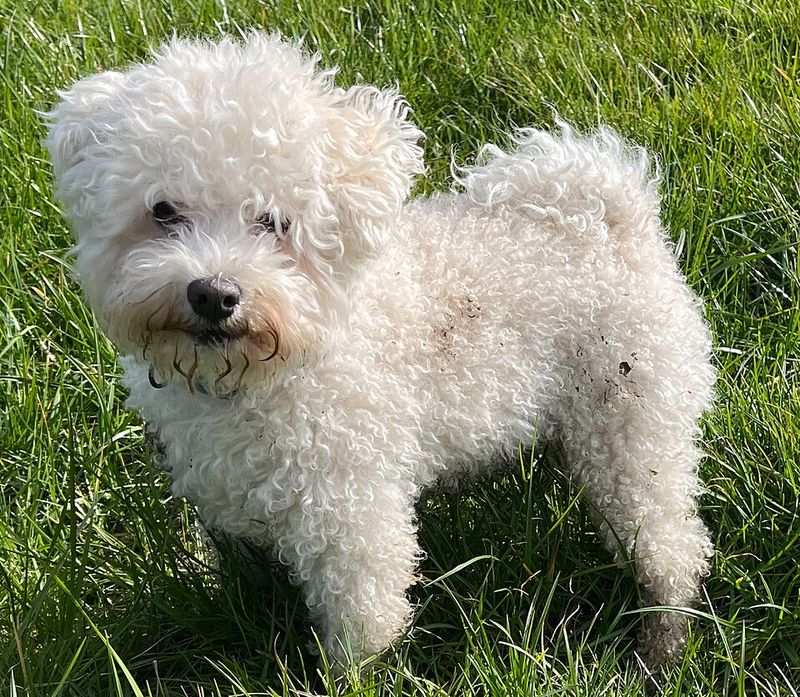
The Bolognese, with its endearing fluffy coat, is a breed that cherishes routine. Changes in their environment, like rearranged furniture, can cause them to feel unsettled.
Often, they might sit and observe the changes, contemplating the new setup. Their gentle demeanor means they appreciate a calm and stable environment.
Providing reassurance through gentle interaction and maintaining familiar routines can help them adjust more comfortably to the new surroundings.
Havanese

The Havanese, known for their happy and social nature, might find furniture rearrangement a bit disorienting. Their playful spirit often leads them to explore the new layout with enthusiasm.
Despite their initial confusion, they adapt quickly with the right encouragement. They may follow you around, watching each change closely.
Maintaining familiar routines and providing extra cuddles can help them feel secure and comfortable in their transformed environment.