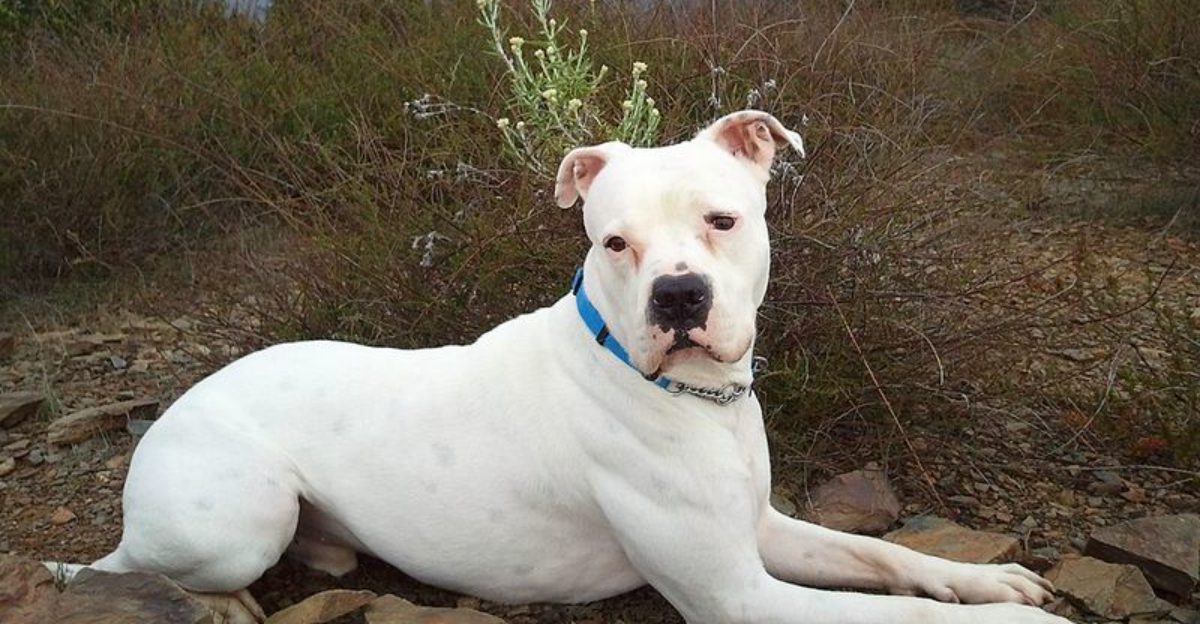
Some dogs seem to have a sixth sense for timing. They let friends in with a tail wag, yet step forward the moment someone crosses a line.
If you have ever felt a quiet bodyguard at your heel, you already know the magic. Let’s explore the breeds that protect on cue, plus a few wildcard personalities that keep you guessing.
German Shepherd
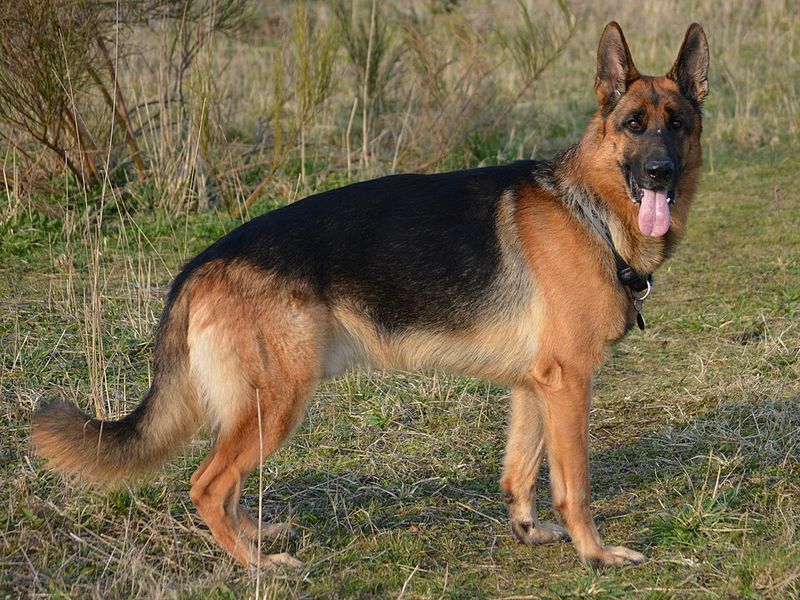
German Shepherds read a room like pros. They bond hard with their people, learn routines fast, and notice tiny changes you would miss.
When a stranger lingers near the gate, their ears flick, body squares up, and they quietly slide between you and the unknown.
The magic is judgment, not just bravery. They escalate only when behavior crosses clear lines, using posture and voice before teeth.
With good training and daily mental work, you get a calm housemate who flips the protection switch precisely when needed.
Skip harsh methods and keep obedience sharp, because confidence grows from clarity. Give jobs, rotate toys, and let them practice impulse control in real life moments.
You will feel that steady presence on late walks, like a living seatbelt.
Rottweiler
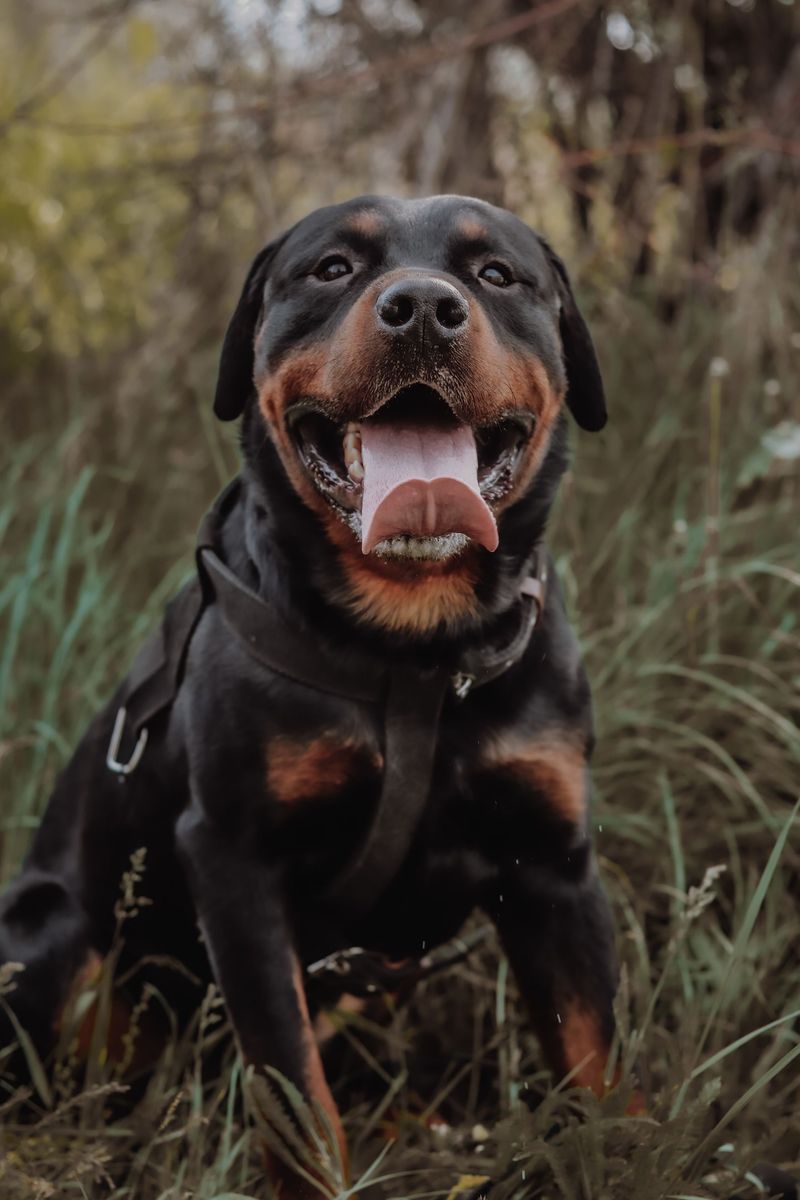
Rottweilers are famously steady, like a locked door that opens only for family. They do not waste energy barking at leaves, but they clock every movement on your street.
When someone acts off, they rise slow, plant their paws, and make eye contact that ends debates.
Confidence matters more than speed. With boundaries and clear routines, they read intent accurately, using presence first and pressure second.
You will feel their chest against your knee when trouble brews, a quiet confirmation that they are on duty.
Socialize early with friendly people, confident dogs, and varied places. Keep obedience fun and short, add cart pulls or scent games, and watch that thoughtful brain shine.
A well bred Rottie protects precisely, then returns to couch mode.
Doberman Pinscher
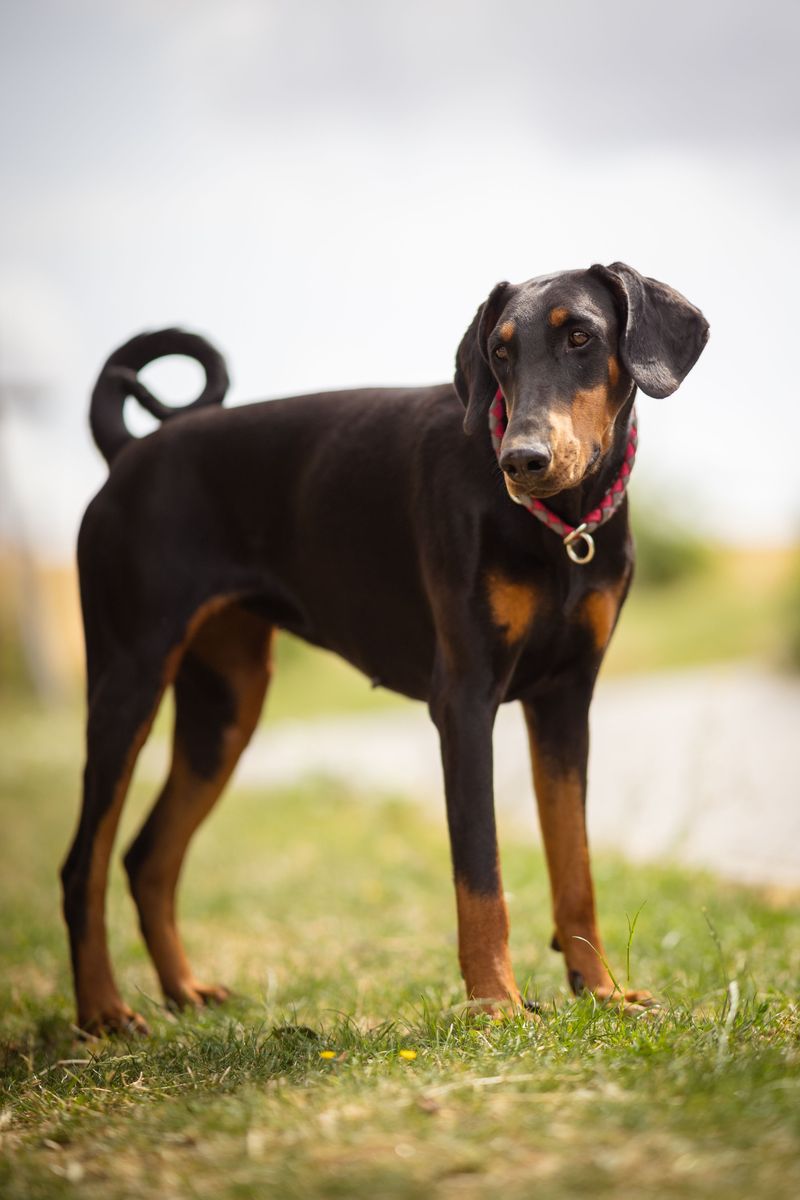
Dobermans track you like a shadow, tuned to your breathing and mood. They move with elegant economy, conserving energy until action is necessary.
A suspicious knock gets a controlled approach, head high, body aligned, and a warning that feels like a velvet rope.
Timing is their superpower. Good lines offer balanced nerve, so they check threats with posture and voice before contact.
Train with clarity, short drills, and lots of movement, and their crisp obedience becomes a safety net during surprises.
They thrive on closeness, so do not park them in the yard and hope for the best. Rotate obedience, sprint games, and place work to channel intensity.
When you need it, that focused engine turns protective in a heartbeat.
Belgian Malinois
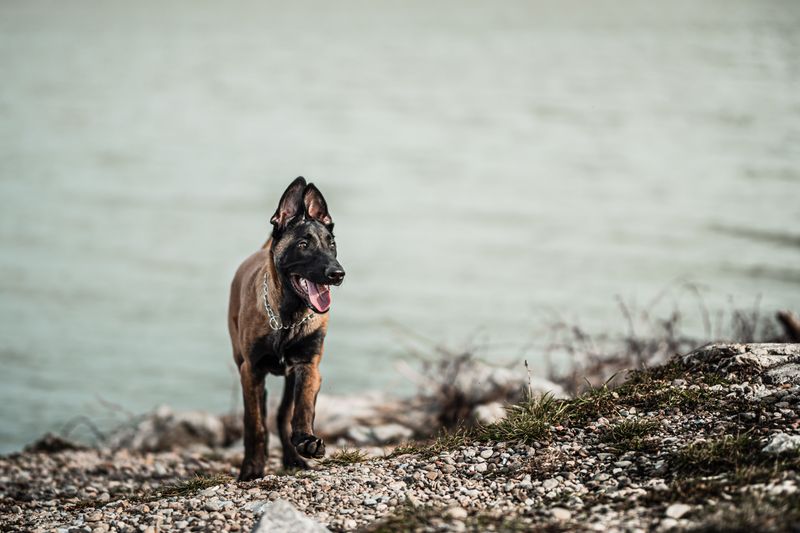
Belgian Malinois live wired into their handler, scanning for cues and work. They are incredible athletes with decision speed that surprises people.
A raised voice or sudden rush toward you flips them from neutral to ready, and they slot into the space that needs guarding.
This is a precision tool, not a casual choice. Clear structure, smart training, and daily outlets keep their brain satisfied.
Teach neutrality in crowds, confident recalls, and a rock solid out, and you get calm clarity until true pressure arrives.
Give scent puzzles, tug with rules, and purposeful retrieves to feed the engine. Fair leadership builds trust, which sharpens judgment.
When stakes rise, the Malinois acts with clean timing, then settles when the picture resolves and you release them.
Cane Corso
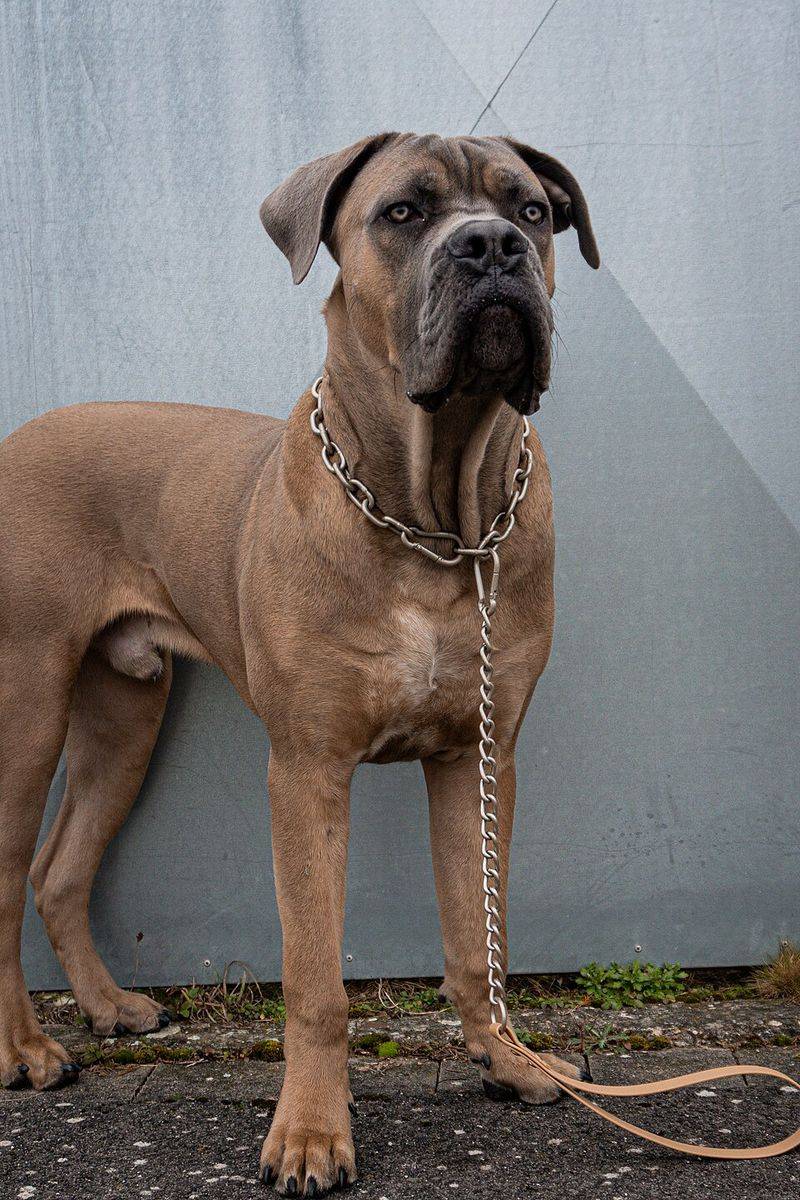
Cane Corsos are quiet sentinels, more stone statue than siren. They prefer to assess first, then move forward with gravity when something feels wrong.
A stranger leaning over the fence might earn a slow step, deep chest forward, and a rumble that says do not test this.
Consistency is everything. Early social exposure and respectful handling produce a dog that knows real from fake pressure.
Teach calm door manners, place work during deliveries, and confident heeling past crowds, so protection turns on only when invited.
Keep sessions short and meaningful, mixing obedience with strength games like controlled pulls. Mind adolescence, as confidence wobbles then strengthens.
With fair boundaries, the Corso offers decisive defense, then melts into a couch companion who watches the room.
Bullmastiff
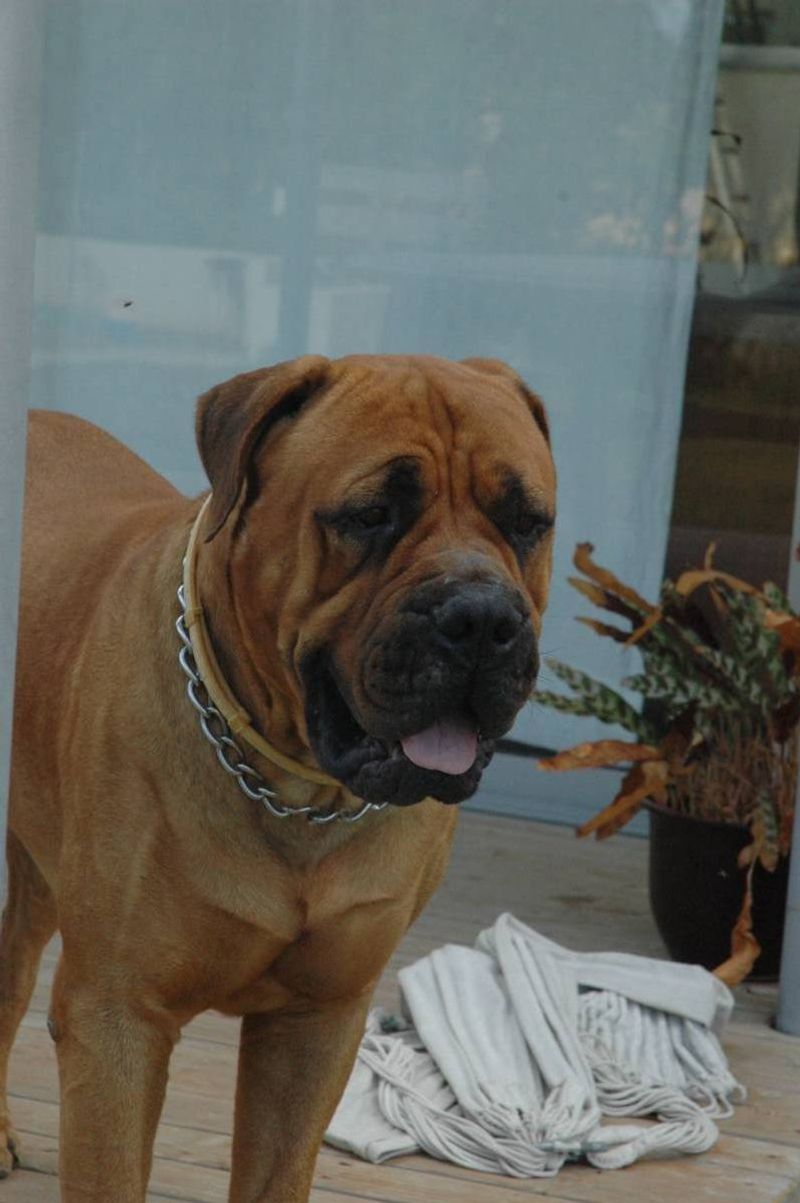
Bullmastiffs specialize in body blocking, not bluster. They drift between you and a stranger like a moving wall, shutting doors with mass, not mayhem.
Their typical response is to hold space, watch quietly, and make questionable behavior feel very inconvenient.
They are thinkers, so patient leadership pays off. Reward silent choices, teach stationing at entrances, and reinforce slow, confident approaches.
You will see a dog that decides before acting, using presence and placement long before any physical escalation.
Keep them fit to protect their joints, and use short, positive training with clear goals. Socialize to varied surfaces, people, and noises.
When lines are crossed, the Bullmastiff steps in with contained force and then returns to a soft, steady heartbeat.
Anatolian Shepherd Dog
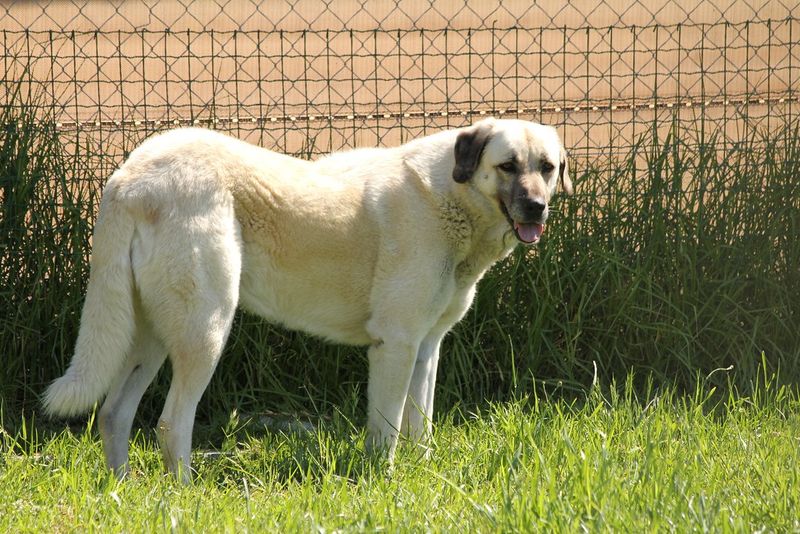
Anatolian Shepherds were bred to make solo calls on wide land, so their judgment runs independent and steady. They scan horizons, not gossip, and only step in when patterns break.
If someone drifts toward your fence at night, they materialize with quiet authority.
Because they think for themselves, training should respect autonomy. Teach strong recalls, boundary games, and calm greetings, then trust their instincts while staying in the loop.
They are not flashy, but their presence deters nonsense before it begins.
Provide space, purposeful walks, and real jobs like perimeter checks. Keep sessions low drama and fair.
With patient leadership, you get a large, thoughtful guardian who conserves energy until a real reason appears, then handles business and returns to watch mode.
Great Pyrenees
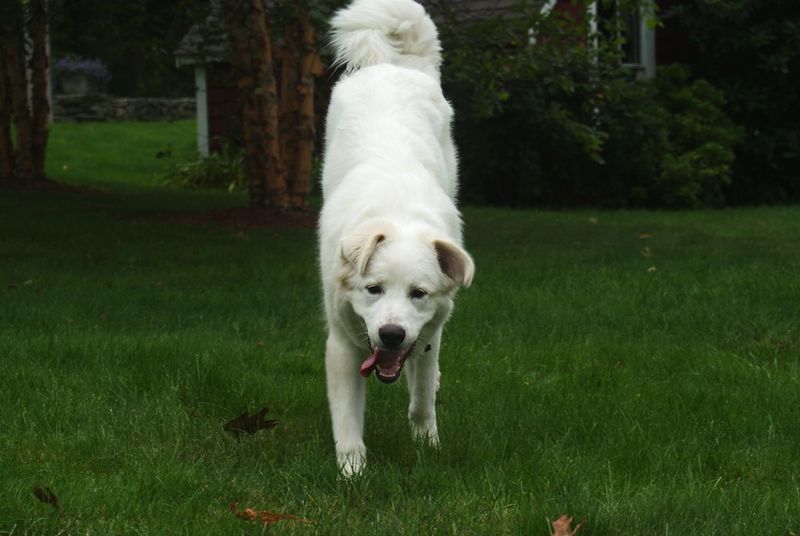
Great Pyrenees work nights by design, drifting like clouds along fences while you sleep. They are soft with family and stubborn with threats, choosing low rumbling warnings before action.
When something persists, they move downhill with purpose, huge and silent.
Training should honor that guardian rhythm. Reinforce quiet alerts, reliable recalls, and calm settling indoors.
They do best with clear territories and routines, where their protective switch flips only when boundaries are tested.
Give them cool hours to patrol, puzzle feeders, and gentle grooming time to deepen trust. Keep corrections fair, rewards generous, and expectations consistent.
When the neighborhood gets noisy, your Pyrenees will stand tall, assess, and decide whether to wave off or walk forward.
Akita
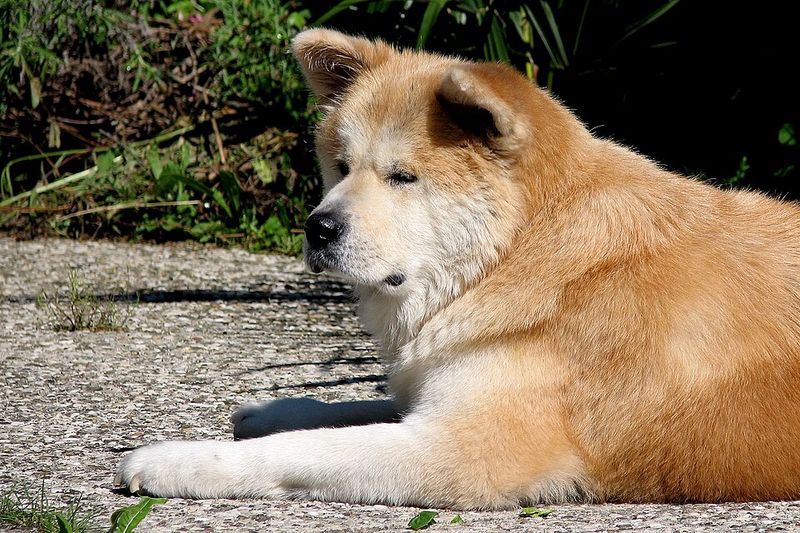
Akitas are dignified guardians that choose their moments. They save their voice, read intent, and keep strangers at polite distance with a calm stare.
If someone presses, you will feel them step beside you, shoulders firm, creating space with silence.
They value respect and clarity. Short, structured sessions build trust and obedience that holds under pressure.
Socialize thoughtfully, teach place during visitors, and reward neutrality, so they do not waste energy on everyday bustle.
Mental work matters as much as miles. Use scent games, quiet heeling, and impulse control around doors and food.
With a confident handler, an Akita protects with poise, delivers pressure only when necessary, and returns to serenity like a drawn curtain closing.
Boxer
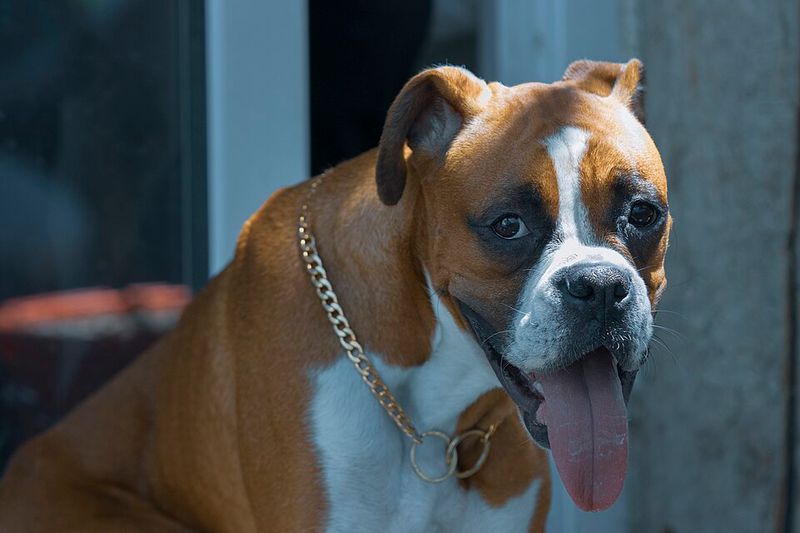
Boxers are joyful clowns until something feels off, then they post up fast. Their expressive faces and springy stance make it obvious when they switch from play to protect.
You will see a forward lean, steady eyes, and a chest that says this space is taken.
Because they are social, harness that friendliness with rules. Teach calm greetings, reliable downs, and focus amid excitement.
When pressure shows up, well trained Boxers use posture, bark, and presence before any physical contact.
Keep sessions short, mix tug with obedience, and add impulse games around doorways. Channel energy into structured play and recovery naps.
A fit, confident Boxer reads the room, guards the fun, and escorts trouble to the exit without losing their sparkle.
Giant Schnauzer
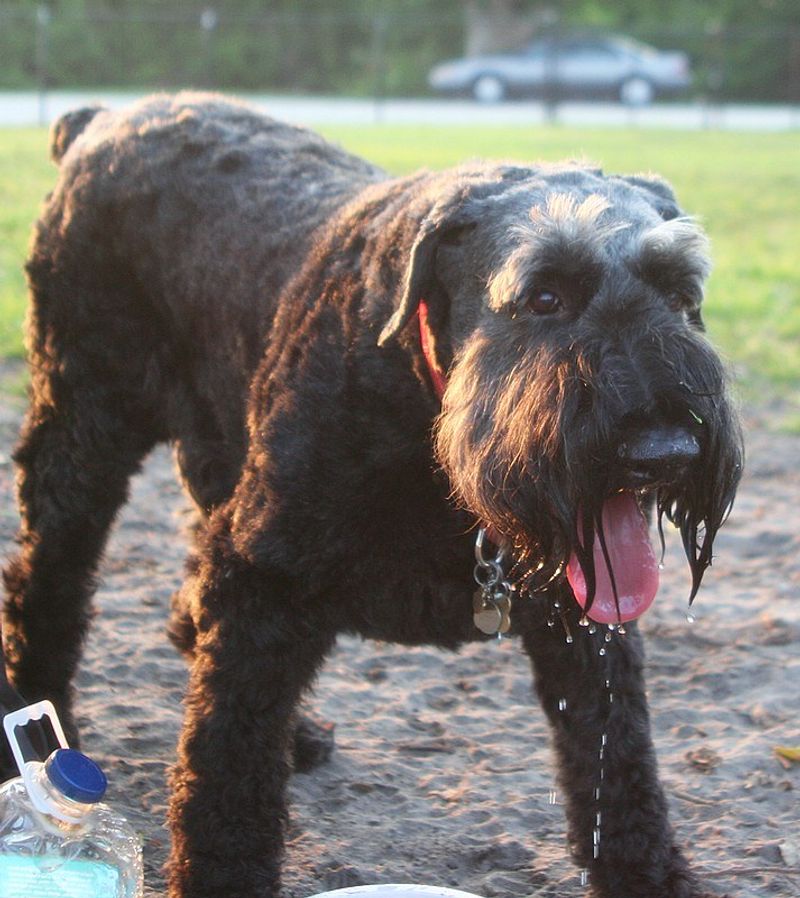
Giant Schnauzers combine sharp minds with serious presence. They monitor entrances, track movement, and hold positions with impressive stamina.
When something crosses a line, they step into it like a bouncer who knows your name and the rules.
They thrive on purposeful work. Rotate obedience, scent detection games, and brisk heeling that challenges their brain.
Reward compliance under distraction, and you get a dog that flips from neutral to protective exactly when asked.
Grooming time doubles as bonding and impulse practice. Teach stillness, release cues, and door etiquette.
With structure and fair corrections, the Giant becomes a confident partner who warns first, moves second, and then settles beside you like a well placed shield.
Cane Corso
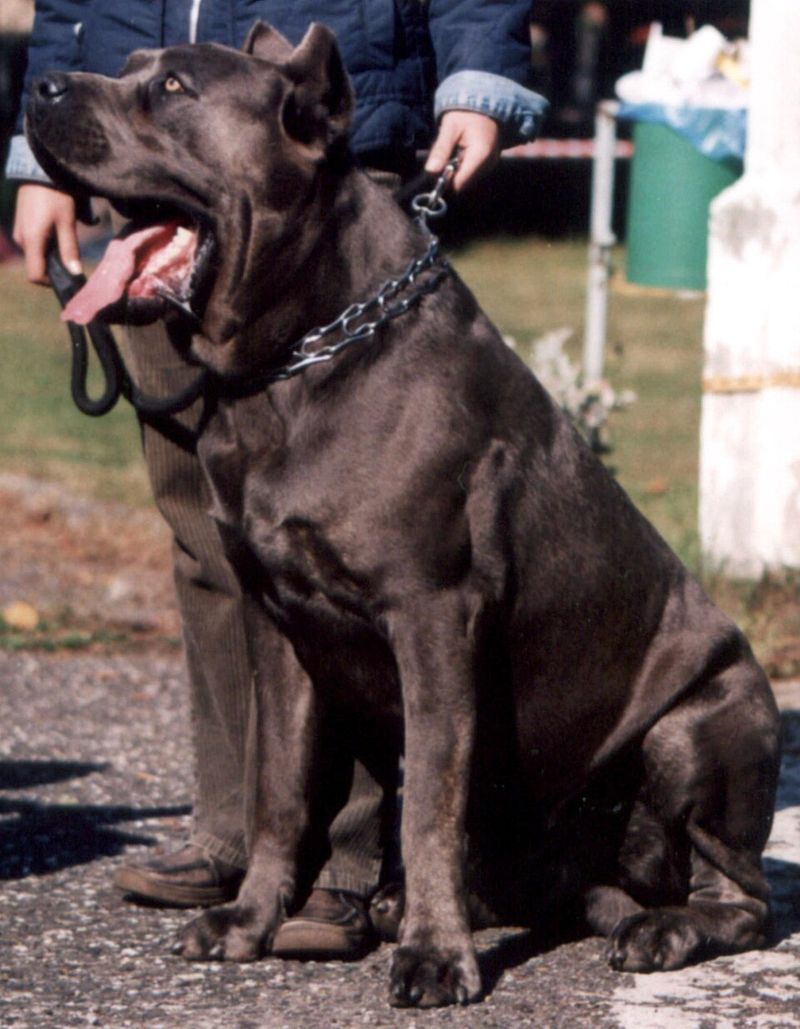
Note: duplicate breed handled differently as reminder of consistent judgment. Corsos guard with gravity, not chaos.
They read body language, weigh intent, and respond with calm pressure when lines are crossed.
Train neutrality around deliveries and crowds, then pair confidence with clear boundaries. Reward stationing at doors, slow approaches, and relaxed recovery after alerts.
That ritual teaches the on and off switch you want in daily life.
Keep workouts joint friendly, add scent games, and practice controlled greetings. The result is a capable guardian who spares energy until needed, then returns to relaxed companionship.
You will feel safer without feeling stressed, which is the Corso promise when raised responsibly.
Chow Chow
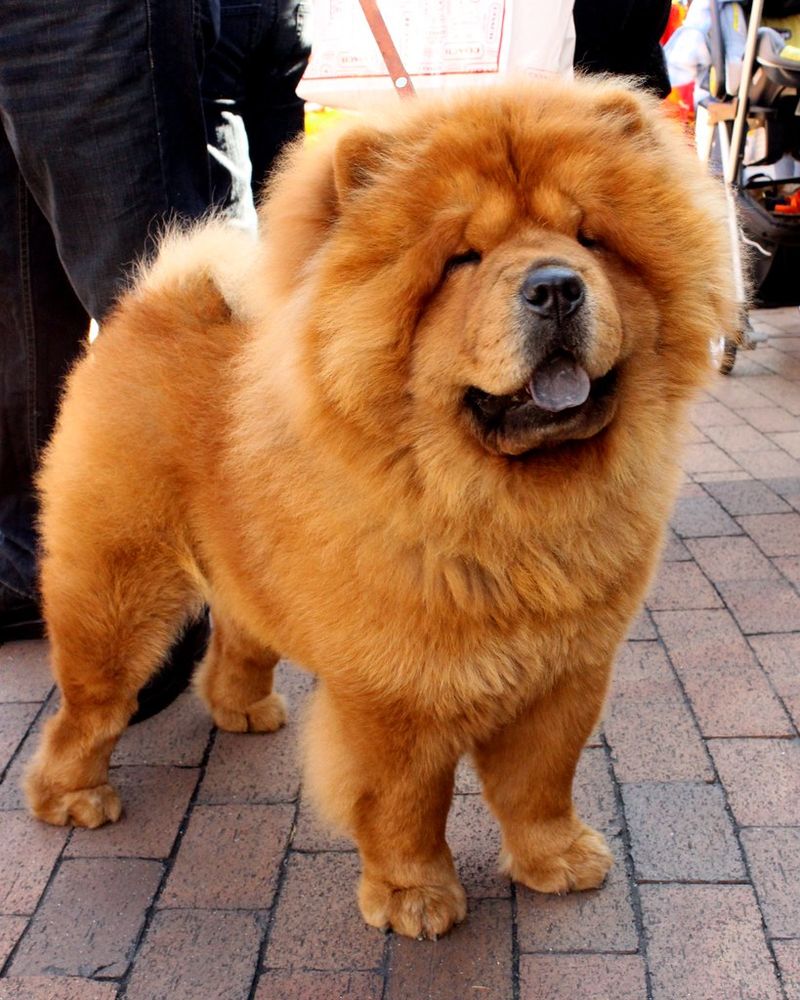
Chow Chows keep you guessing. They are loyal yet reserved, often choosing who matters and when to show it.
A Chow might quietly position by your leg one day, then ignore a situation the next, judging the moment through their own private filter.
Structure helps, but you cannot rush their trust. Early, respectful socialization and simple routines build predictability.
Teach calm handling and polite boundaries, and accept that they prize autonomy more than applause.
Groom patiently, reward eye contact, and use short training bursts. You will get flashes of thoughtful protection that appear on their schedule.
If you want a constant bodyguard, pick another breed, but if you value mystery, the Chow’s choices can still keep you safe.
Shar Pei
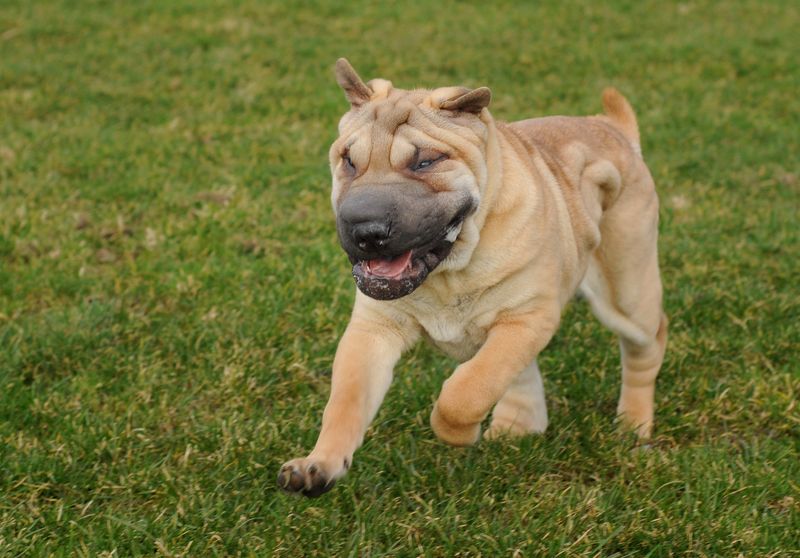
Shar Pei temperaments vary widely, which keeps expectations fluid. Some are watchful home monitors, others are cool observers who prefer distance.
You might see a quiet block at the doorway one week, then complete disinterest in similar circumstances the next.
Predictability improves with slow socialization and consistent routines. Reward calm interest, discourage overreactions, and teach rock solid recalls.
Keep training low key and fair, because heavy pressure can shut them down or spark resistance.
Health and comfort influence judgment, so mind skin care and fit harnesses. Short, confident walks and place work help them process the world.
With patience, you may get measured protection when it truly counts, but plan for thoughtful independence on most days.
American Bulldog
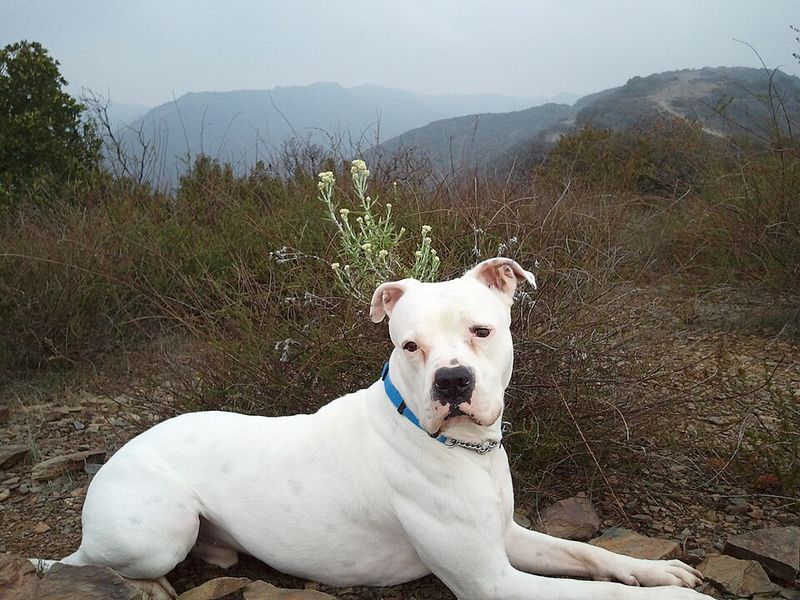
American Bulldogs can be loving goofballs or intense yard managers, sometimes both by noon. That range means protection can be crisp one day and casual the next.
You will notice strong opinions at doors and windows, but judgment improves with training and outlets.
Build clarity early. Socialize to people carrying packages, bikes, and hats, while reinforcing calm sits and stays.
Teach a solid out and place command, so excitement has lanes and your dog practices on and off control.
Give tug with rules, structured fetch, and scent games to tire the brain. Keep routines predictable, corrections fair, and praise generous.
With that recipe, the Bulldog’s protective moments become timely and appropriate, rather than random noise that confuses everyone.