
Some dog breeds appear perfectly suited for snowy adventures. However, despite their coats and heritage, these breeds often find the cold uncomfortable. Learn what to watch for with these 11 breeds that may not enjoy winter as much as you think.
Chow Chow
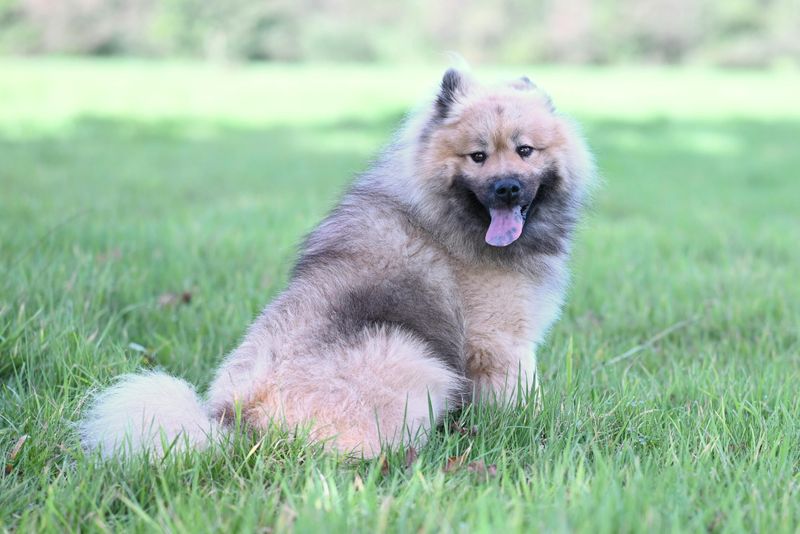
With its lion-like mane, the Chow Chow often looks like it’s born for winter. However, these dignified dogs can be sensitive to cold temperatures. Chow Chows have a thick double coat, but their tolerance for harsh cold is surprisingly low.
Despite their regal appearance, they are more comfortable indoors. Owners should be cautious and provide adequate warmth during cold months. Keep an eye on their paws for signs of discomfort.
Fun fact: The Chow Chow is known for its unique blue-black tongue, which adds to its mystique and charm.
Akita
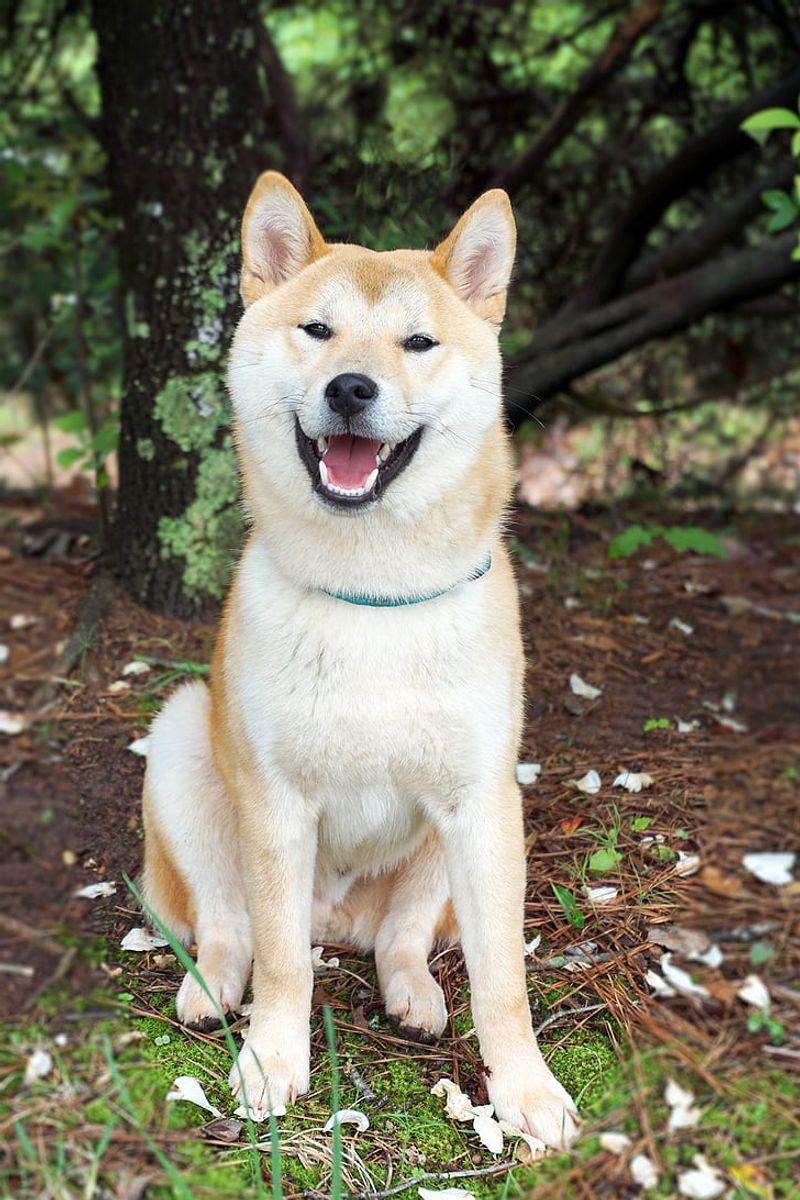
The Akita’s imposing presence and thick coat suggest a natural affinity for snow. These loyal companions may enjoy short periods outside but prefer warmth and comfort inside.
Their heavy fur does not always protect them from extreme temperatures, and they can quickly become chilled. Owners should monitor their time spent outdoors during winter.
Originating from Japan, Akitas have a rich history as protectors. Despite their wintery appearance, they thrive best with extra care in cold weather.
Shiba Inu
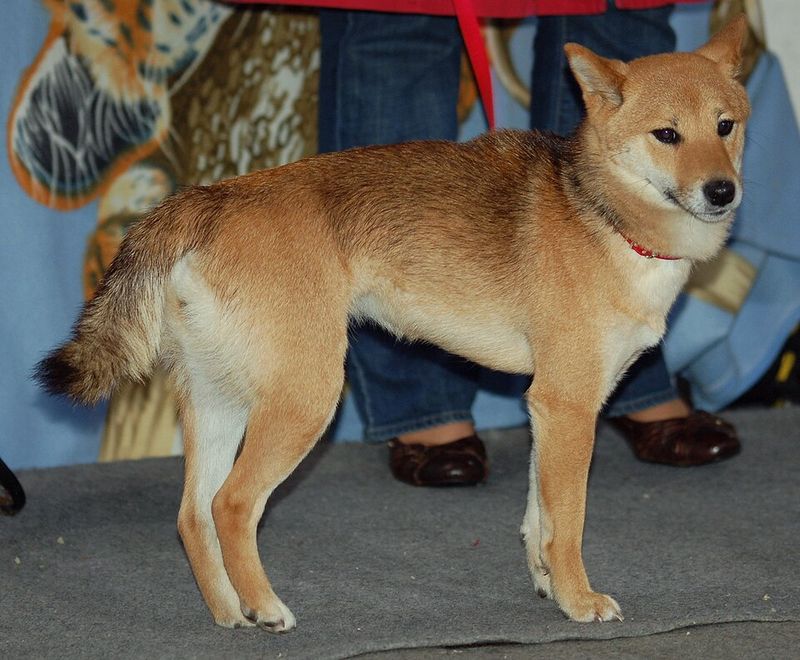
Known for their spirited nature, Shiba Inus give the impression of loving snowy escapades. However, their small size and thin fur mean they can quickly become cold.
These intelligent dogs often require extra protection like jackets during winter walks. A watchful eye can ensure their comfort and health in chilly climates.
A quirky fact: Shiba Inus have a distinct “Shiba scream,” a vocalization they make when excited or displeased, often surprising their owners.
Alaskan Klee Kai
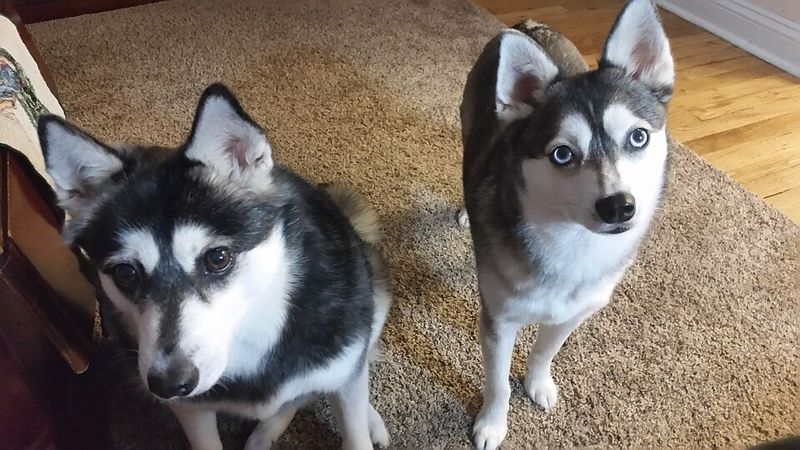
This mini-Husky lookalike may seem winter-ready, but the Alaskan Klee Kai’s petite size can make cold weather a challenge. Despite their appearance, they are vulnerable to freezing temperatures.
Owners should provide warm clothing and limit outdoor exposure during harsh winter conditions. Their playful nature can lead them to ignore discomfort in pursuit of fun.
These dogs are known for their agility and intelligence, making them delightful companions with proper winter care.
Samoyed
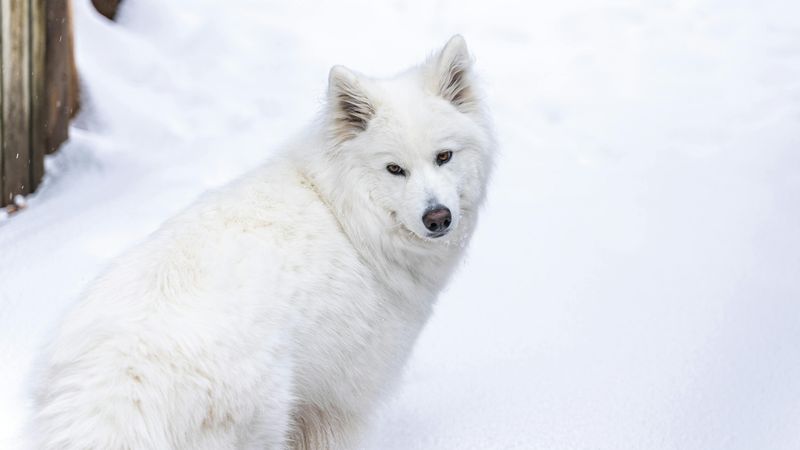
The Samoyed’s fluffy white coat gives it a snowball-like appearance, but that doesn’t guarantee winter love. While they can handle moderate cold, extreme temperatures can be uncomfortable.
Their thick fur needs regular care to prevent matting, especially in wet and snowy conditions. They enjoy being close to family, often preferring indoor warmth.
Did you know? Samoyeds are known as the “smiling dogs” due to their unique facial structure that gives them a perpetually happy look.
Finnish Spitz
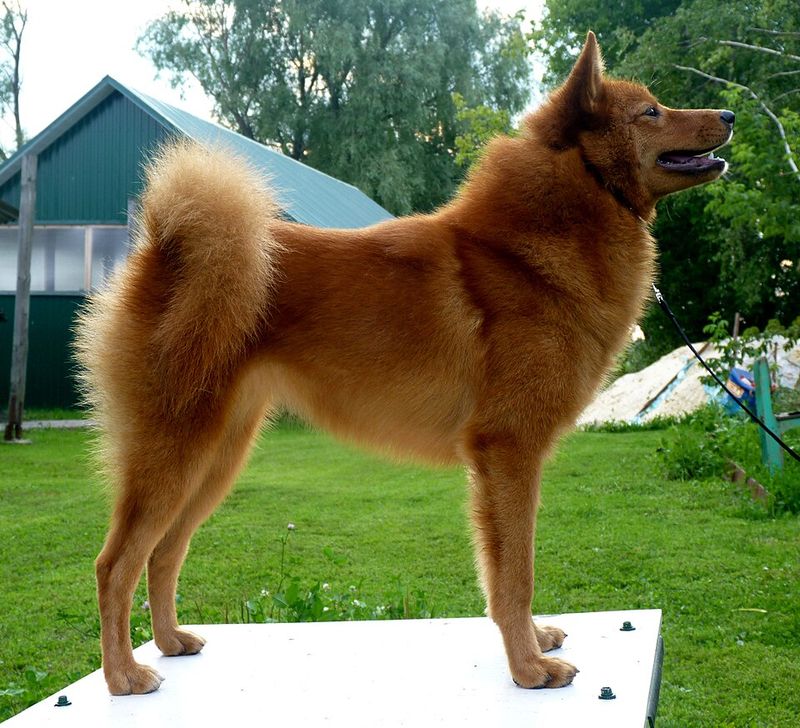
The Finnish Spitz’s vibrant coat and lively demeanor suggest it thrives in wintry settings. However, their lean bodies lack the insulation needed for prolonged cold exposure.
These dogs, known for their lively barking, need protection and limited outdoor time in harsh climates. Their love for activity requires careful supervision to avoid chills.
This breed is Finland’s national dog, celebrated for its hunting skills, yet it appreciates warmth and comfort in winter.
Icelandic Sheepdog
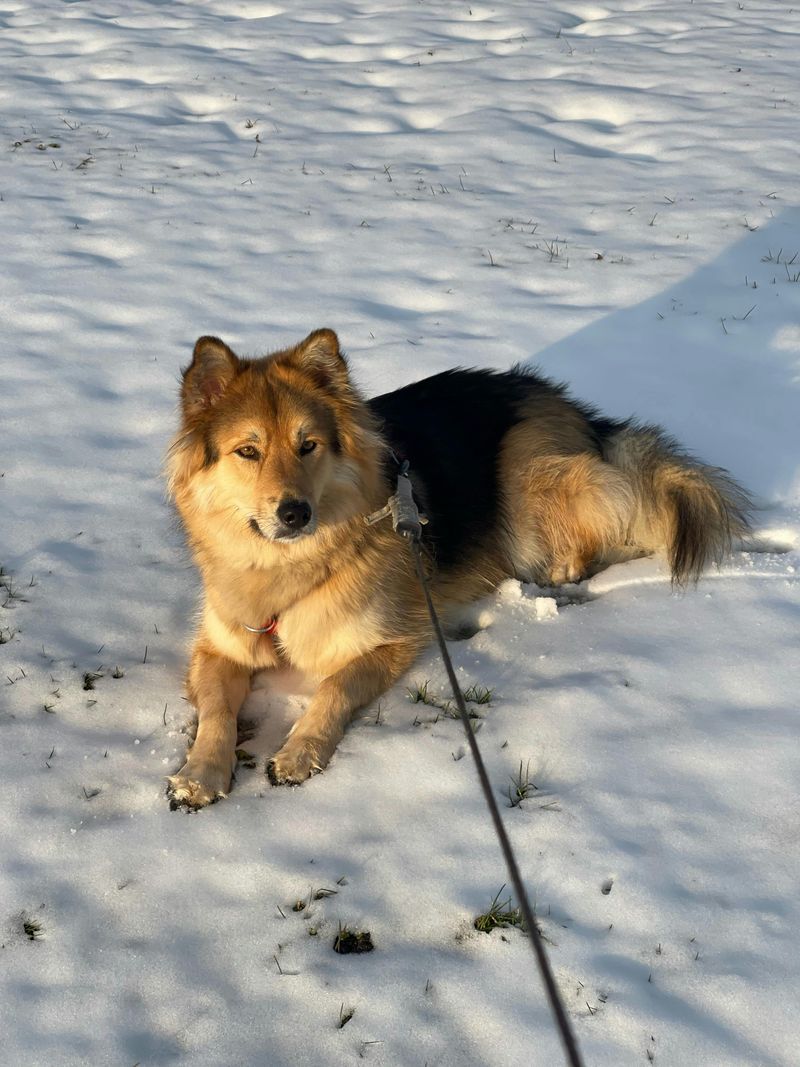
Despite its name, the Icelandic Sheepdog isn’t built for extreme cold. These energetic dogs enjoy play but need care when temperatures drop.
Their thick coat provides some protection, but they are best kept warm and dry to prevent discomfort. They love being active but must be monitored in winter weather.
These dogs have been companions to Icelandic farmers for centuries, known for their friendly and alert demeanor.
Keeshond
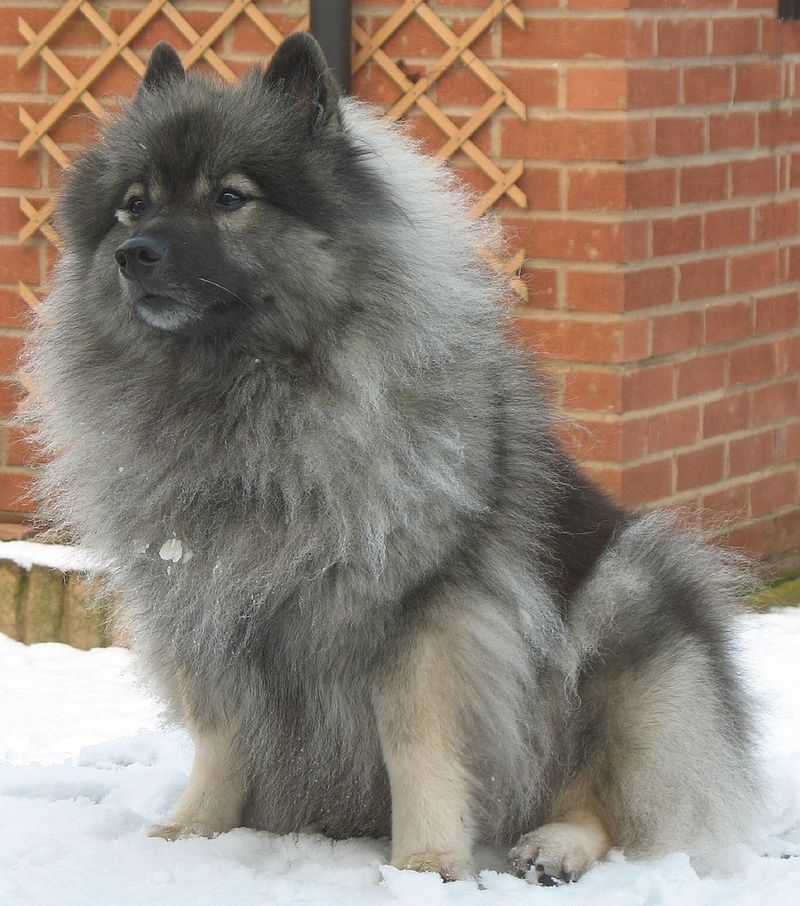
The Keeshond’s luxurious fur gives it a winter-ready appearance, but they are surprisingly sensitive to low temperatures. Known for their friendly nature, they prefer cozy indoor environments.
Their thick coats require regular grooming to maintain comfort. Owners should ensure they stay dry and warm during outdoor activities.
Historically, Keeshonden were watchdogs on riverboats in Holland, prized for their alertness and friendly demeanor.
American Eskimo Dog
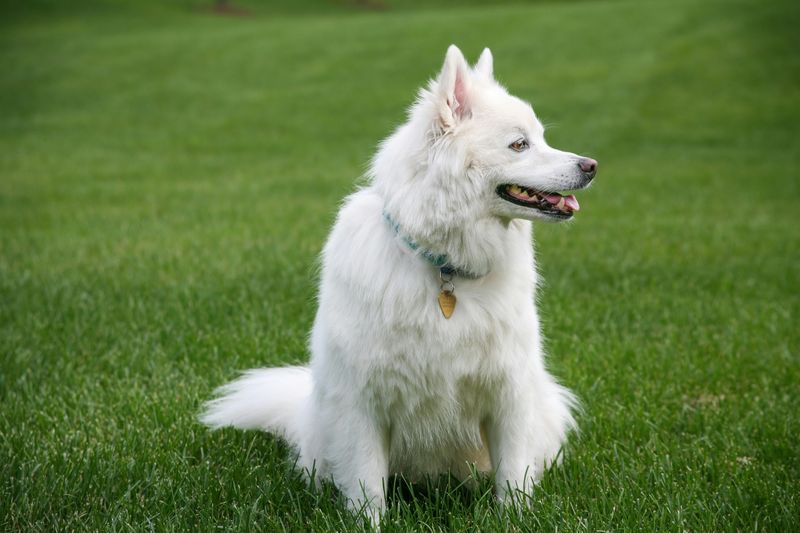
This fluffy breed may suggest a love for snow, yet American Eskimo Dogs can be susceptible to cold. Their thick coat is deceiving, requiring proper care in winter to keep them comfortable.
They enjoy short outdoor play but need warmth and rest indoors. Their lively and intelligent nature makes them charming companions.
A fun fact: Despite the name, the American Eskimo Dog is of German origin, originally called the “American Spitz.”
Norwegian Buhund
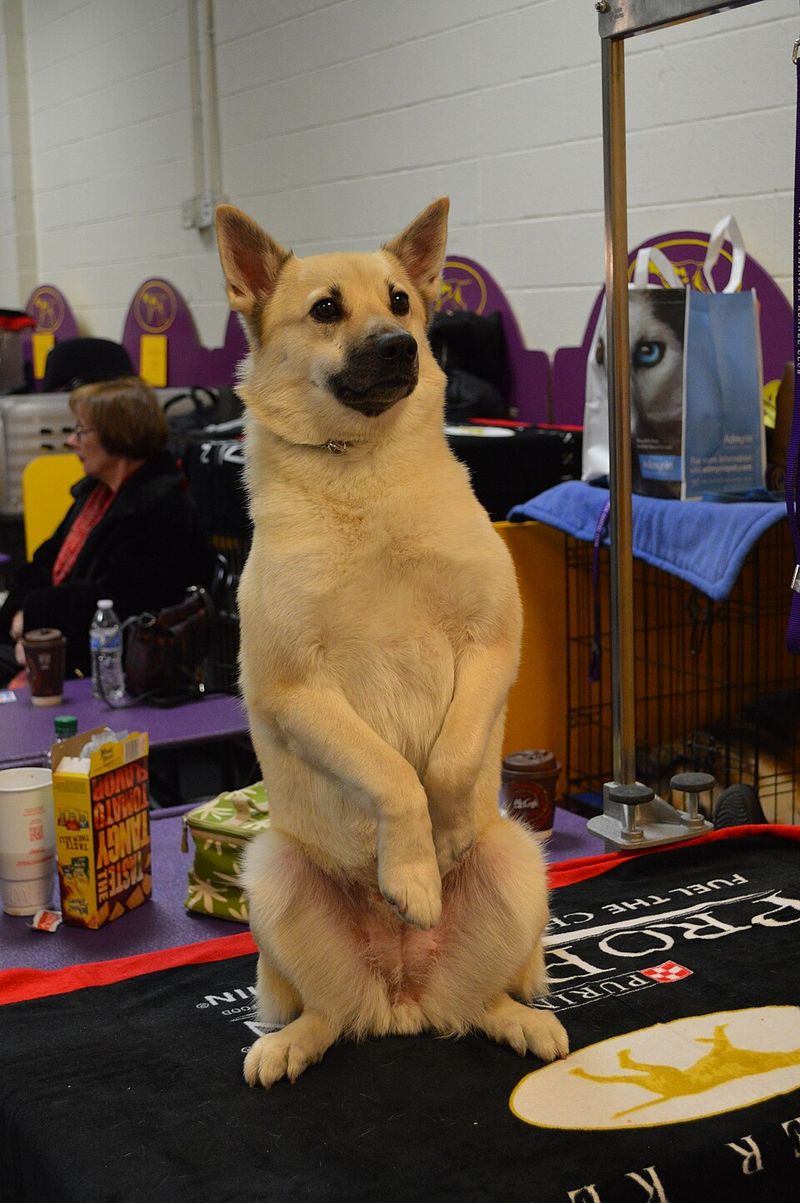
The Norwegian Buhund’s heritage might suggest cold-weather resilience, yet they are not immune to frigid temperatures. Their spirited nature often leads them to explore, needing supervision in winter.
Though their coat is moderately thick, it doesn’t protect against severe cold. Owners should ensure warmth and limit time spent in harsh conditions.
Buhunds are cherished in Norway for their herding skills, known for being energetic and devoted companions.
Eurasier
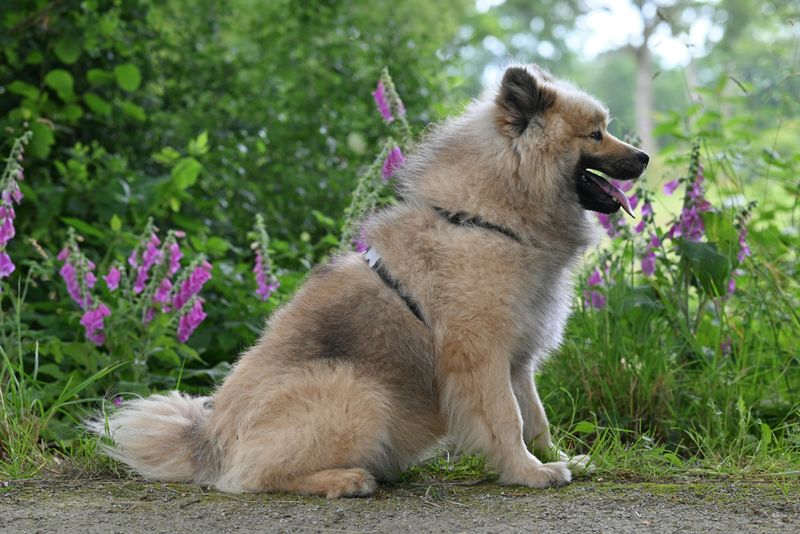
The Eurasier combines features of multiple breeds, creating a stunning appearance. However, their winter tolerance can vary. While they possess a thick coat, they often need additional protection in the cold.
These calm and gentle dogs thrive with indoor comfort, particularly in harsh winters. Owners should be attentive to signs of cold-related stress.
Developed in the 20th century, the Eurasier is a blend of Chow Chow, Wolfspitz, and Samoyed, designed for companionship.