Think your dog is still a carefree puppy? Some breeds grow up faster than you might expect, while others take their sweet time to settle.
Knowing which is which can save you from training headaches, health risks, and mismatched expectations. Here are 11 quick-to-mature stars and 3 lovable late bloomers, with practical tips you can use today.
Beagle
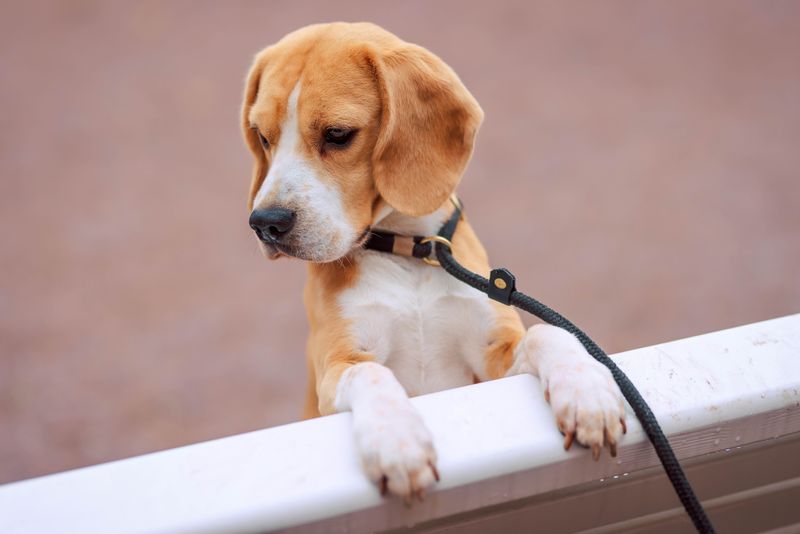
Beagles often surprise new owners by maturing faster than expected. Their bodies hit physical milestones early, so that cute puppy quickly becomes a sturdy, energetic teenager.
You still get curiosity and play, but training clicks sooner when routines are consistent.
Focus on scent games and recall now to channel that nose before habits stick. Short, upbeat sessions prevent boredom and build confidence as adult temperament settles.
Keep walks purposeful, rotate toys, and reward quiet moments to reinforce calm.
Growth plates may close earlier than you think, so maintain healthy weight and avoid excessive jumping. Mental enrichment matters just as much as exercise for this early maturer.
With structure and scent work, your Beagle feels satisfied and ready to relax.
Whippet
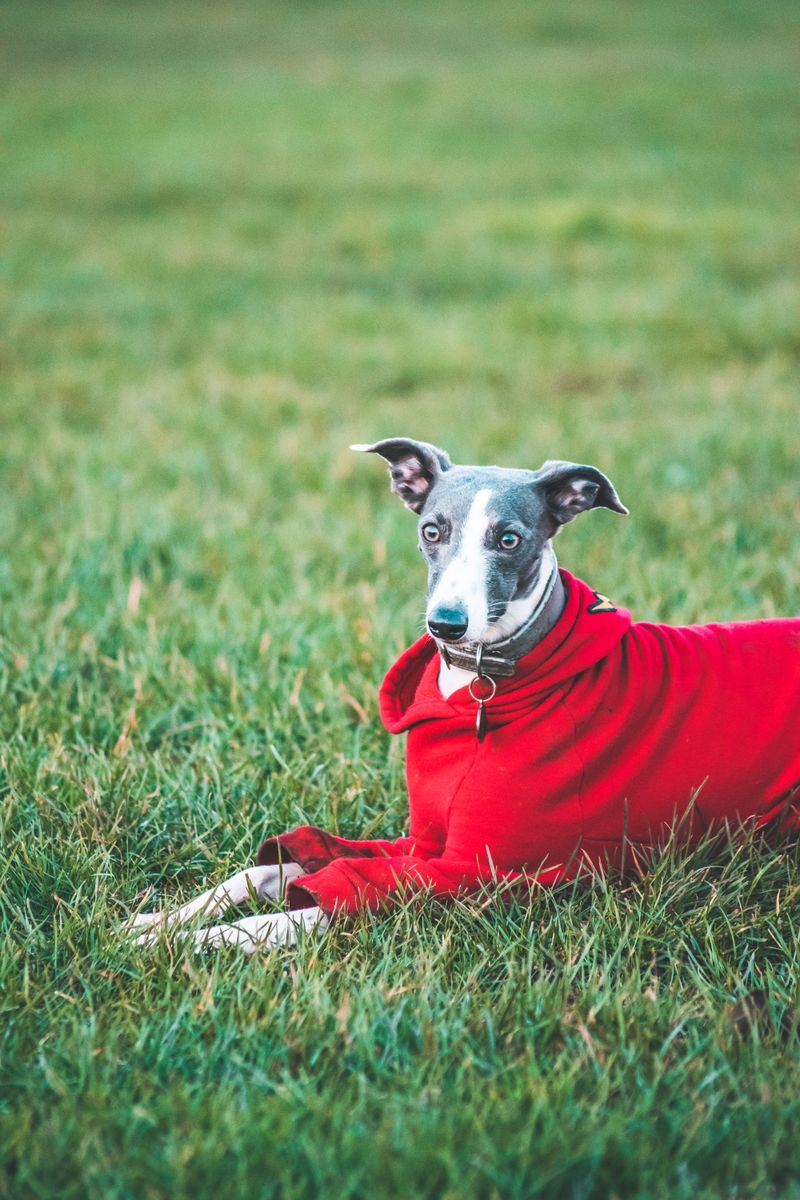
Whippets mature swiftly, both in body and outlook, giving you a surprisingly settled companion early. That sleek frame firms up fast, and zoomies evolve into measured sprints with excellent house manners.
You get a sensitive soul who thrives on gentle guidance and predictable routines.
Capitalize on the early maturity by teaching calm leash skills and reliable recall in safe spaces. Short bursts of lure coursing or flirt pole play satisfy the need for speed without overdoing joints.
Indoors, layered resting cues help them switch off quickly.
Mind thin skin with cozy layers and soft bedding to encourage relaxed downtime. Keep socialization positive and low pressure, because harsh corrections shut this breed down.
With steady structure and affection, your Whippet feels mature, mannerly, and deeply bonded.
Miniature Schnauzer
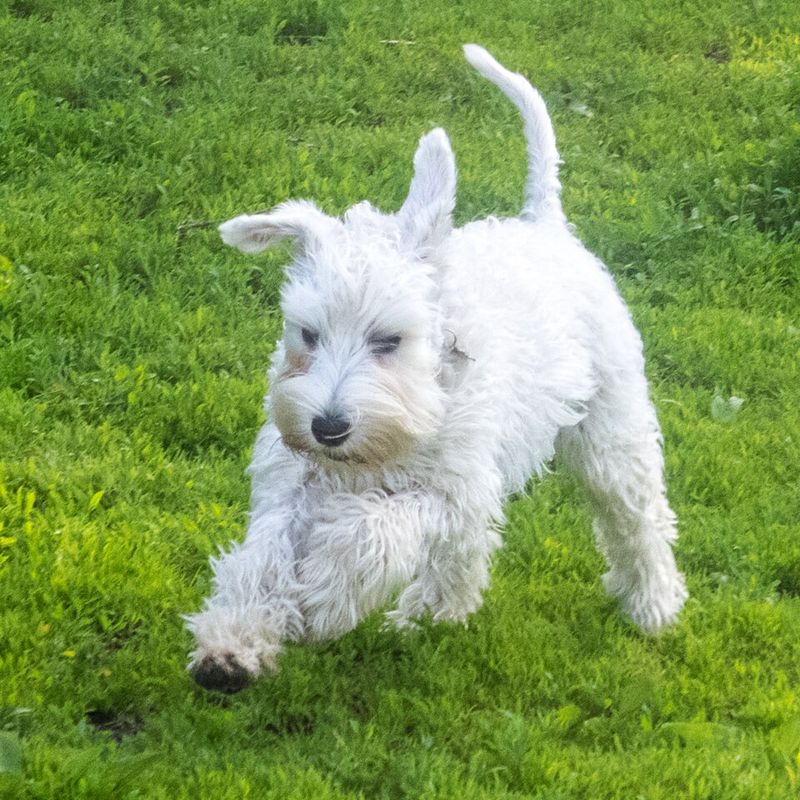
Miniature Schnauzers often leave puppy chaos behind sooner than people expect. You will notice alertness, house training, and impulse control firming up on the early side.
That trademark beard hides a quick study who loves clear jobs and timely feedback.
Capitalize with brief obedience drills, scent searches, and polite greetings at doors. Consistency matters, since clever minds find loopholes if rules wobble.
A structured grooming routine also reinforces cooperation and calm handling while reinforcing maturity.
Watch arousal around windows and fences, then redirect quickly to tasks that earn paychecks. Rotate chew projects and puzzle feeders to channel energy productively.
With engaged training and boundaries, your Mini Schnauzer feels grown, confident, and ready to partner today.
Boston Terrier
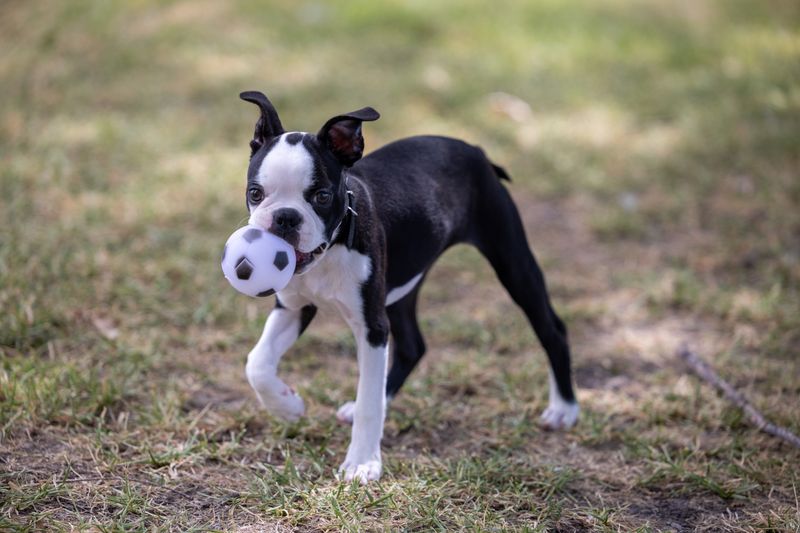
Boston Terriers tend to reach an easygoing, adult vibe faster than many toy peers. The clownish puppy stage gives way to focused training windows and polite cuddles sooner than expected.
You will see quick wins with sit, stay, and crate relaxation.
Use short, upbeat lessons mixed with breathers to avoid overexertion. Face structure means watch temperature, keep sessions cool, and prioritize nose work over sprints.
Calm greetings and mat training help channel excitement into manners.
Because maturity lands early, establish boundaries before bad habits stick. Rotate tug, fetch, and puzzle toys, always finishing with a settle cue.
With consistency and health checks, your Boston blossoms into a charming, reliable roommate. Protect eyes during play outside.
French Bulldog
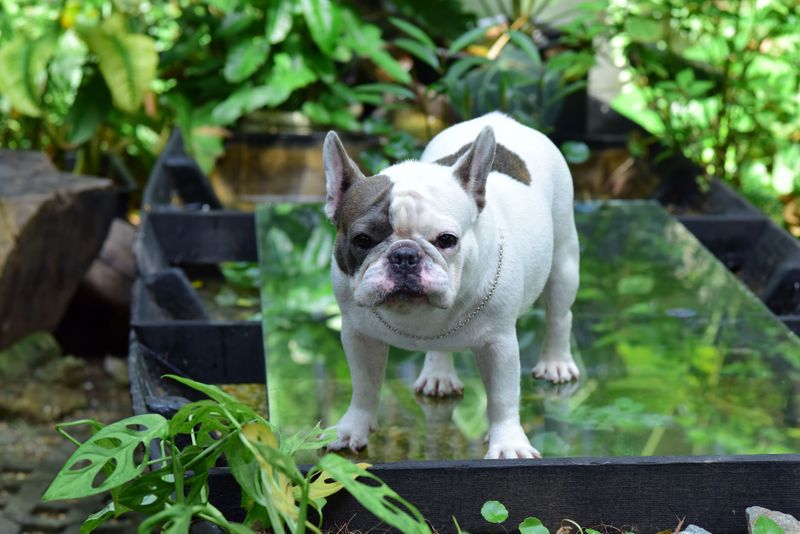
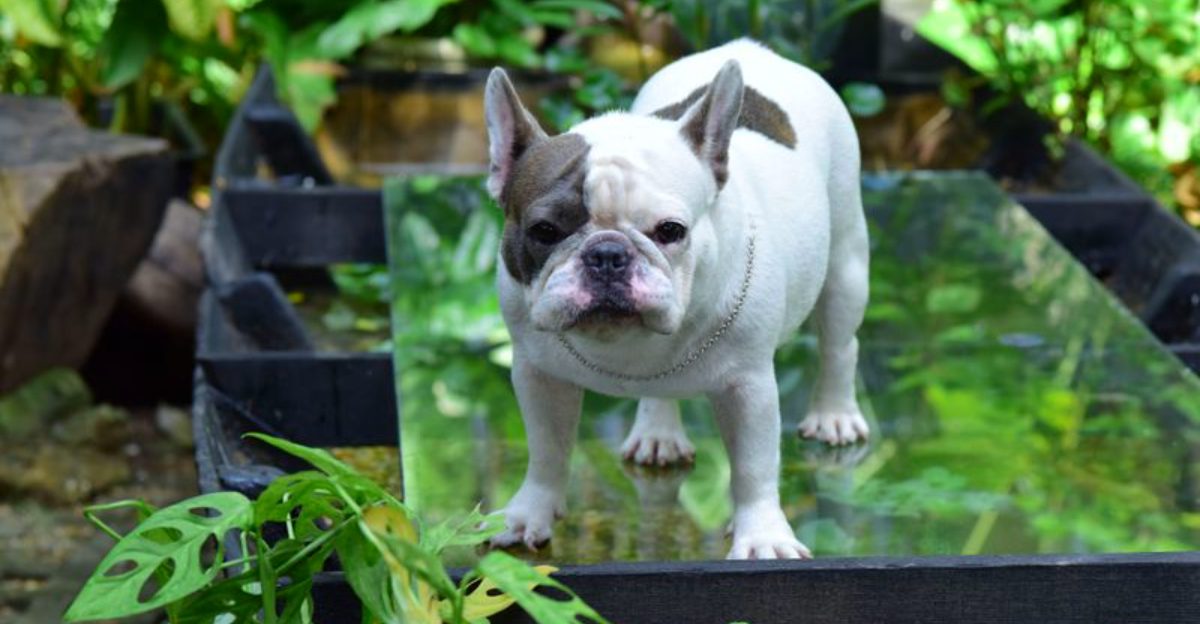
French Bulldogs often act like small adults sooner than many families anticipate. The body fills out quickly, and those wiggly antics consolidate into confident routines.
You will get early success with house manners, settle cues, and friendly social exposure.
Keep sessions short, cool, and upbeat to protect breathing and enthusiasm. Food motivates, but balance with shaping games and gentle leash skills.
Teach a rock solid place cue so visitors and deliveries do not trigger chaos.
Because maturity arrives early, reinforce calm routines around meals, naps, and potty breaks. Rotate low impact enrichment like snuffle mats, licking toys, and trick training.
With boundaries and vet guidance, your Frenchie feels composed, cuddly, and wonderfully manageable. Monitor heat on walks.
Pug
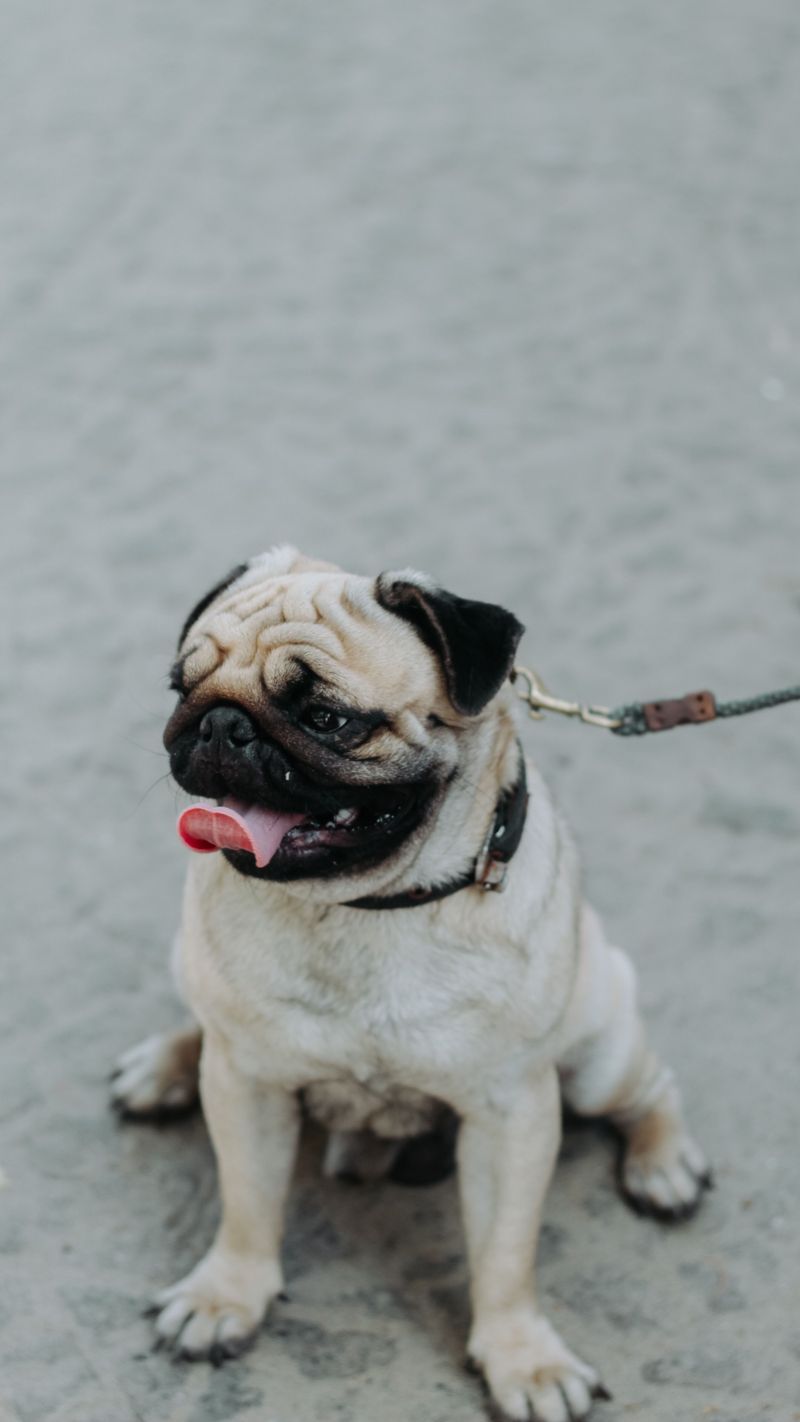
Pugs often reach a surprisingly settled stage earlier than expected. That squishy comedian becomes a quick learner with clear routines and patient rewards.
House training, crate time, and polite greetings usually click on the early side.
Protect breathing by keeping lessons short, cool, and fun. Food games, nose work, and gentle leash practice offer wins without strain.
Teach an automatic sit for attention so excitement turns into manners fast.
Early maturity means habits set quickly, so reward quiet lounging and regular nap schedules. Rotate soft chews and puzzles to satisfy the need to nibble.
With structure, temperature care, and humor, your Pug grows into a relaxed, affectionate buddy. Eye safety during play matters too daily.
Cavalier King Charles Spaniel
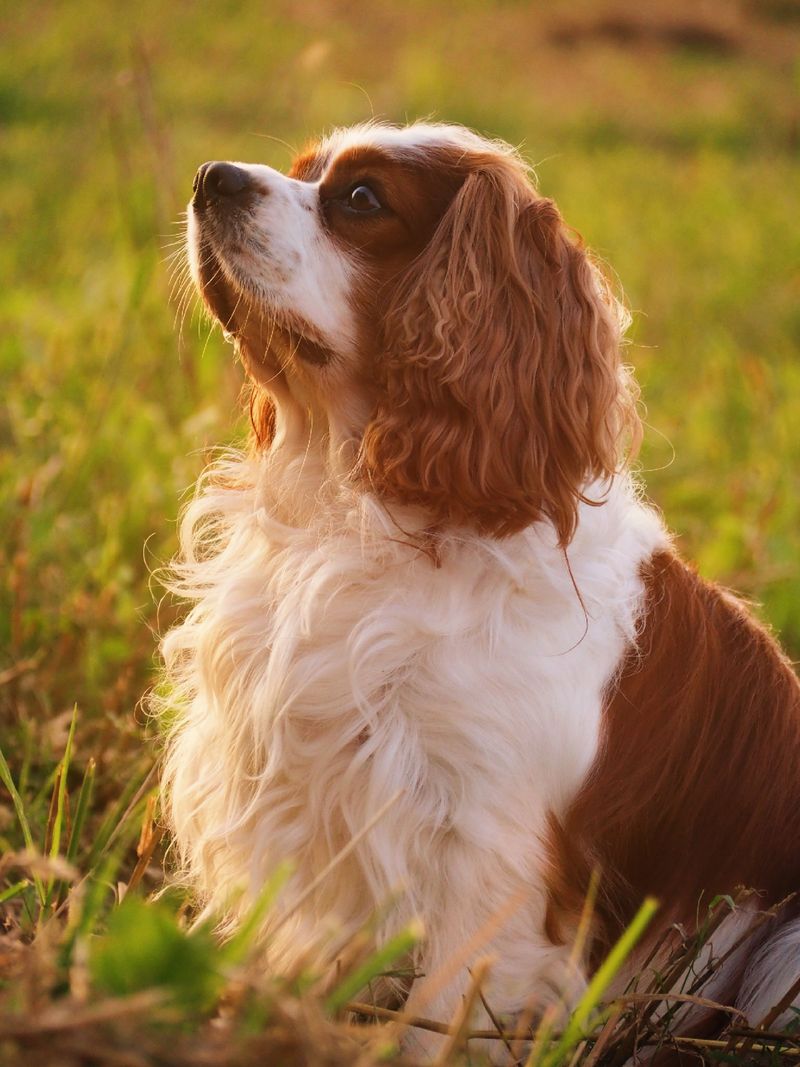
Cavaliers tend to smooth into calm, adult behavior early when needs are met. Affection is high, but focus and house manners arrive quicker than many expect.
You will notice easy wins with recall indoors, mat training, and gentle grooming.
Use soft voices and tasty rewards to protect their sensitive side. Short training bursts, social exposure, and decompression walks build confidence without overwhelm.
Teach a strong settle cue to prevent clinginess from becoming anxiety.
Since maturity comes early, establish quiet alone time daily with enrichment and safe chews. Keep ears clean and coat brushed to link grooming with relaxation.
With loving boundaries, your Cavalier grows into a serene, friendly shadow who adapts beautifully. Watch weight to protect joints.
Bichon Frise
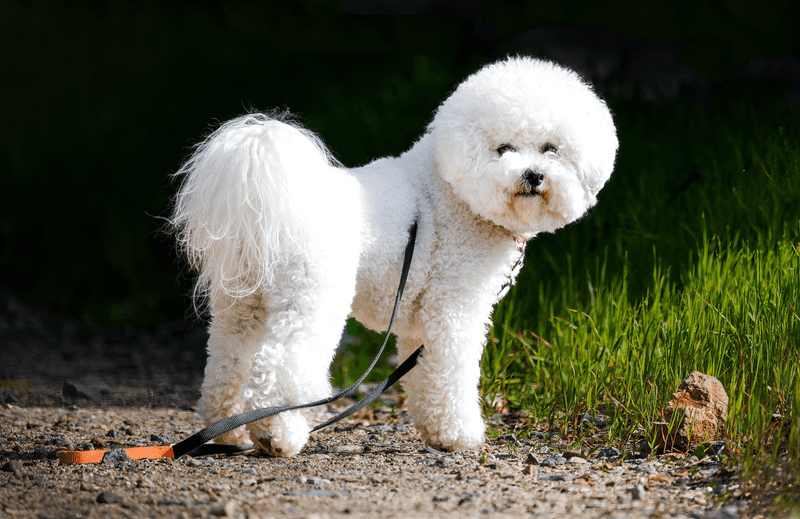
Bichon Frises often click into adultlike poise earlier than many toy breeds. Beneath the fluff lives a sharp learner who thrives on cheerful structure.
House training, polite guests, and grooming cooperation usually arrive ahead of schedule.
Double down on manners with short practice bursts threaded through the day. Trick training and nose games tap curiosity while keeping energy balanced.
A comfy place mat by you helps transform clinginess into calm companionship.
Because maturity shows early, set grooming rituals with praise, breaks, and rewards. Rotate soft brushes, nail touches, and ear care so cooperation becomes automatic.
With upbeat boundaries and regular romps, your Bichon feels polished, playful, and confidently grown. Monitor tear staining and keep eyes clear.
Havanese
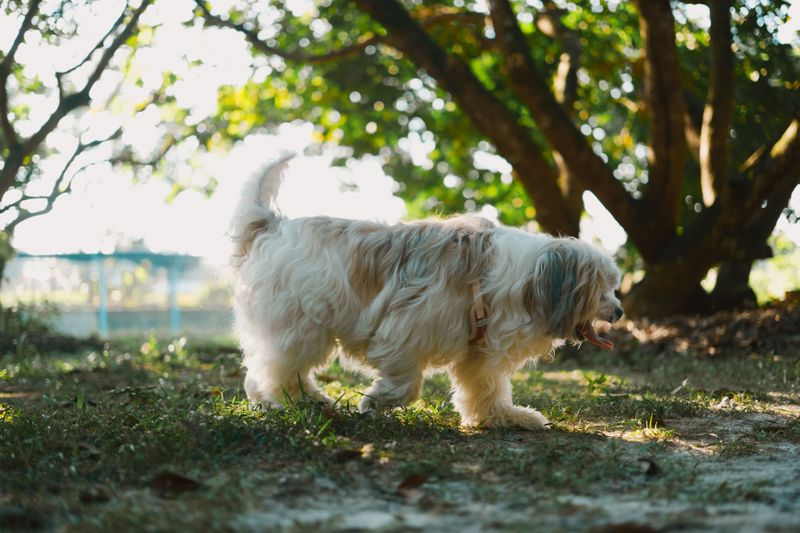
Havanese often mature earlier than their silky coats suggest. That cheerful entertainer quickly learns routines, turning puppy hustle into thoughtful attention.
You will find early success with house training, gentle grooming, and calm visitor greetings.
Capitalize with tiny training snacks scattered through the day for frequent wins. Teach a strong settle on a travel mat to support portable manners.
Incorporate short leash walks, figure eights, and sniff breaks to build focus.
Since maturity lands early, schedule regular alone time so independence grows alongside affection. Rotate puzzles, hide and seek, and soft tug to channel energy.
With patience and structure, your Havanese becomes a polite, confident buddy at home and everywhere. Protect joints with ramped furniture access.
Dachshund
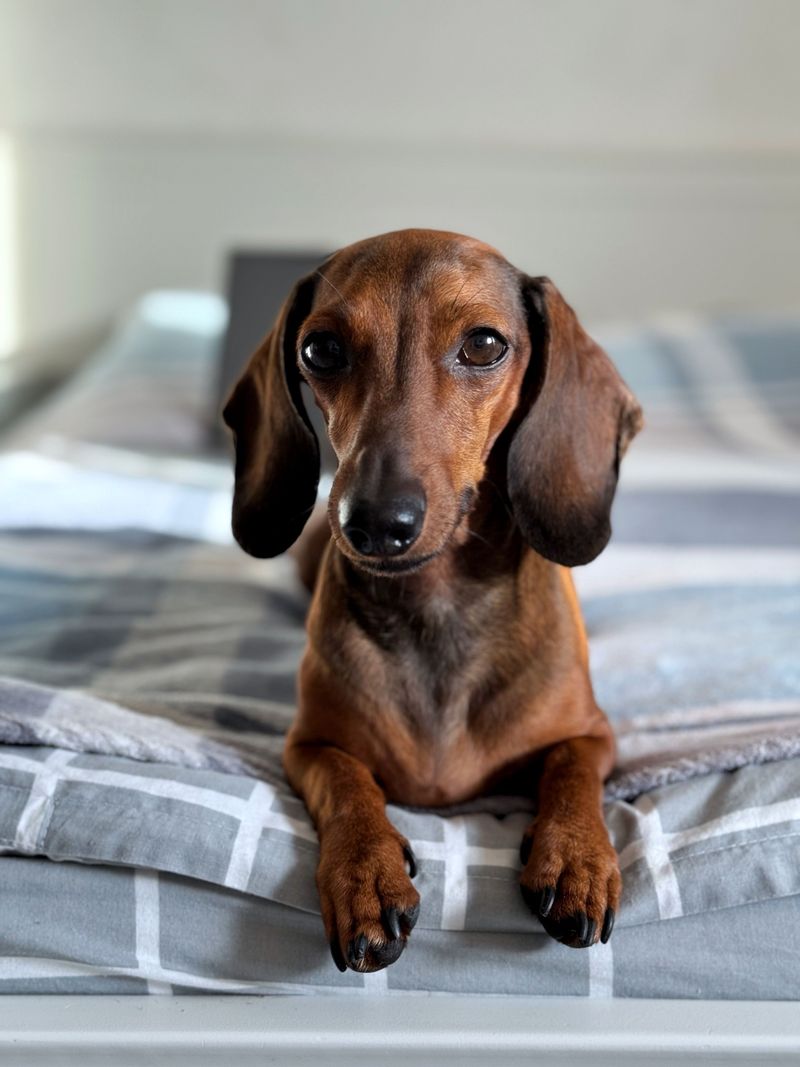
Dachshunds often act mature early, but their backs need smart management. You will see quick wins with house training, watchdog awareness, and cuddly routines.
Their confidence blossoms fast when jobs are clear and rewards are timely.
Teach calm stairs, ramp use, and careful jumping limits from day one. Nose work, tracking games, and food puzzles satisfy instincts without pounding spines.
Practice loose leash skills and recalls in safe, fenced areas.
Because maturity arrives early, reinforce quiet rest after play so muscles recover. Rotate chews, snuffle mats, and crate naps to prevent overdoing excitement.
With guidance and back care, your Dachshund feels brave, bright, and ready for adventure. Keep weight lean and avoid slippery floors indoors.
Shih Tzu
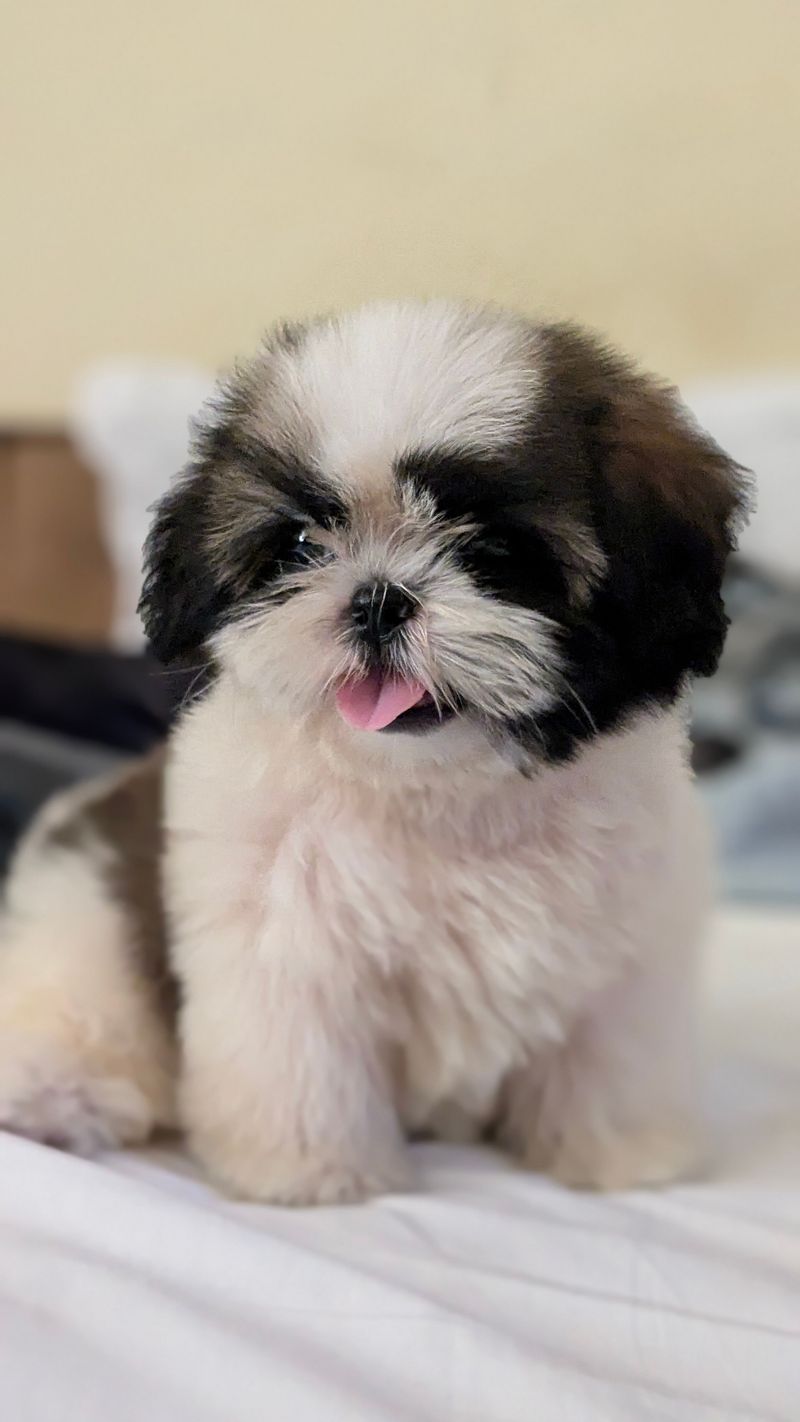
Shih Tzus often develop steady house manners earlier than their toy size implies. The playful fluffball becomes a cooperative student when lessons stay gentle and consistent.
You will notice grooming tolerance, crate relaxation, and polite greetings taking root early.
Lean into early maturity by pairing brushing with snacks, breaks, and calm voice. Short obedience games, trick chains, and nose work keep the mind engaged.
Introduce alone time so affection does not tip into anxiety.
Because this breed matures relatively quickly, create predictable nap rhythms and peaceful door manners. Rotate soft chews and puzzle mats to prevent boredom barking.
With kindness and structure, your Shih Tzu becomes a charming, composed companion everywhere you go. Protect eyes during windy walks.
German Shepherd
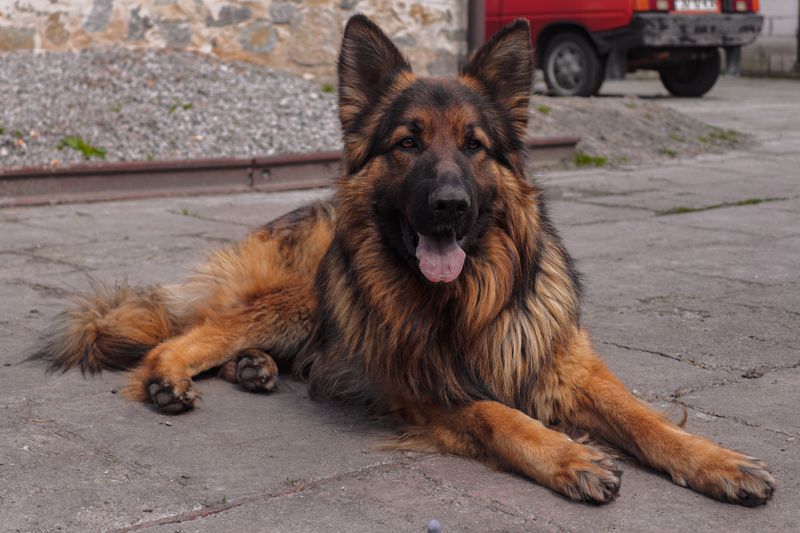
German Shepherds are classic late bloomers, with bodies and brains maturing on a longer timeline. That impressive adolescent frame may look finished, yet impulse control and confidence keep developing.
You will see flashes of brilliance mixed with teenage intensity, which is normal.
Prioritize foundation skills, neutrality around distractions, and thoughtful socialization well into year two. Keep sessions short, purposeful, and frequent to prevent frustration.
Engagement games, tracking, and structured tug satisfy drive while building clear communication.
Because joints close later, protect growth with smart exercise, surfaces, and rest. Crate routines, settle mats, and place training teach off switches that arrive gradually.
With patience and clarity, your Shepherd transforms from overexcited rookie to trustworthy professional reliably.
Great Dane
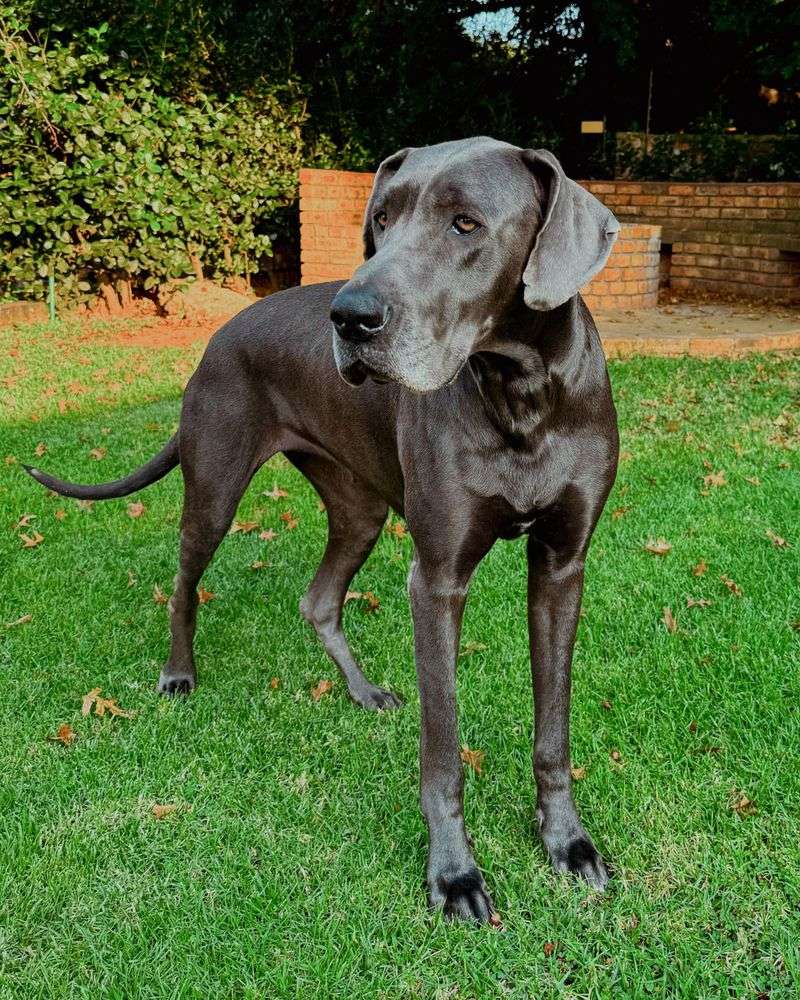
Great Danes grow enormous quickly, but true maturity takes time. That lanky teenager body looks adult long before joints and judgment finish.
Expect goofy spurts, sudden naps, and inconsistent coordination through the extended adolescent window.
Protect the giant frame with controlled movement, footing, and strength built slowly. Keep training light, frequent, and positive to nurture attention without overtaxing.
Teach impulse control around doors, food bowls, and greetings so manners outpace size.
Because Danes are late bloomers, prioritize rest, joint care, and gradual confidence building. Use place training and long settle periods after play to develop patience.
With thoughtful pacing and health oversight, your Dane becomes a gentle, reliable giant. Monitor growth plates and avoid repetitive jumping or stairs.
Newfoundland
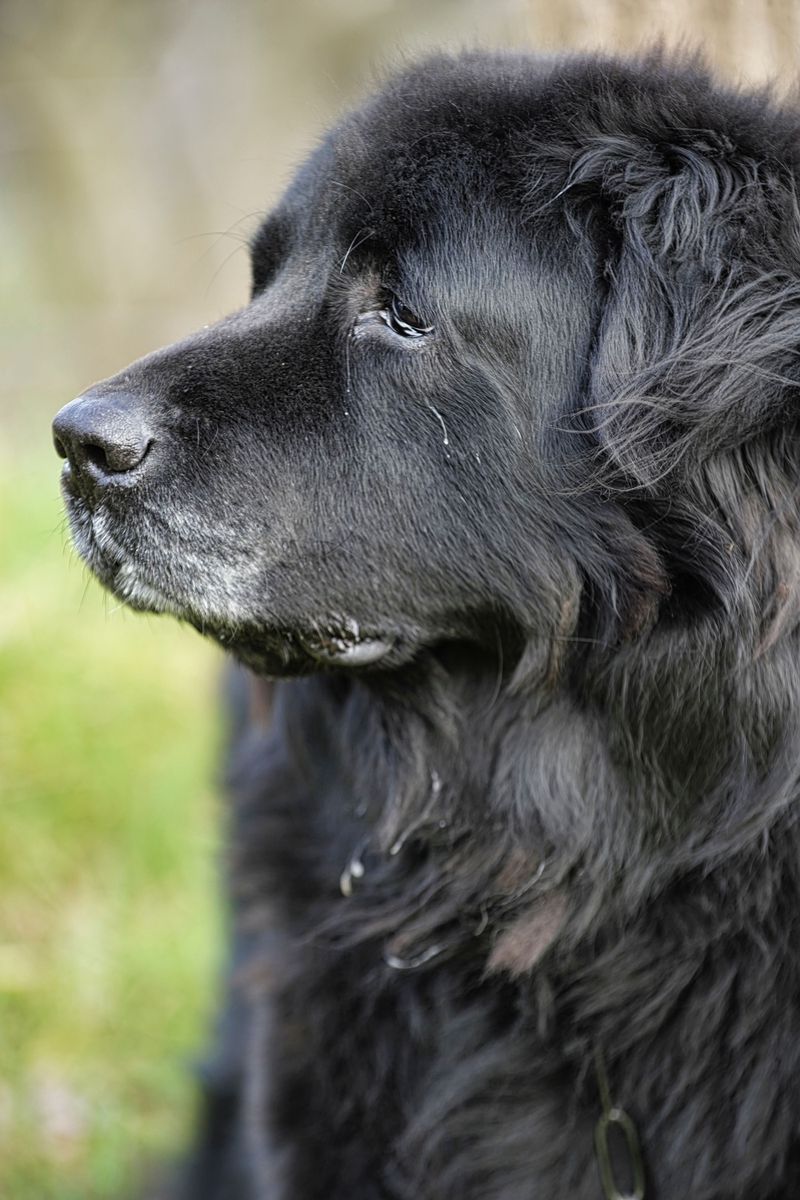
Newfoundlands mature slowly, even though their size arrives fast. That teddy bear teenager needs time for joints, muscles, and confidence to catch up.
You will notice sweet patience blooming, but judgment and coordination keep developing for months.
Favor low impact conditioning, swimming, and thoughtful strength work under guidance. Keep sessions short, clear, and rewarding to build engagement without taxing the body.
Train calm greetings and polite leash skills so manners grow alongside mass.
Because this breed is a late bloomer, emphasize rest, surfaces, and gradual exposure. Use place training, settle games, and consistent routines to create reliable off switches.
With steady patience and care, your Newf becomes a composed, water loving guardian. Protect joints and monitor adolescent weight carefully.