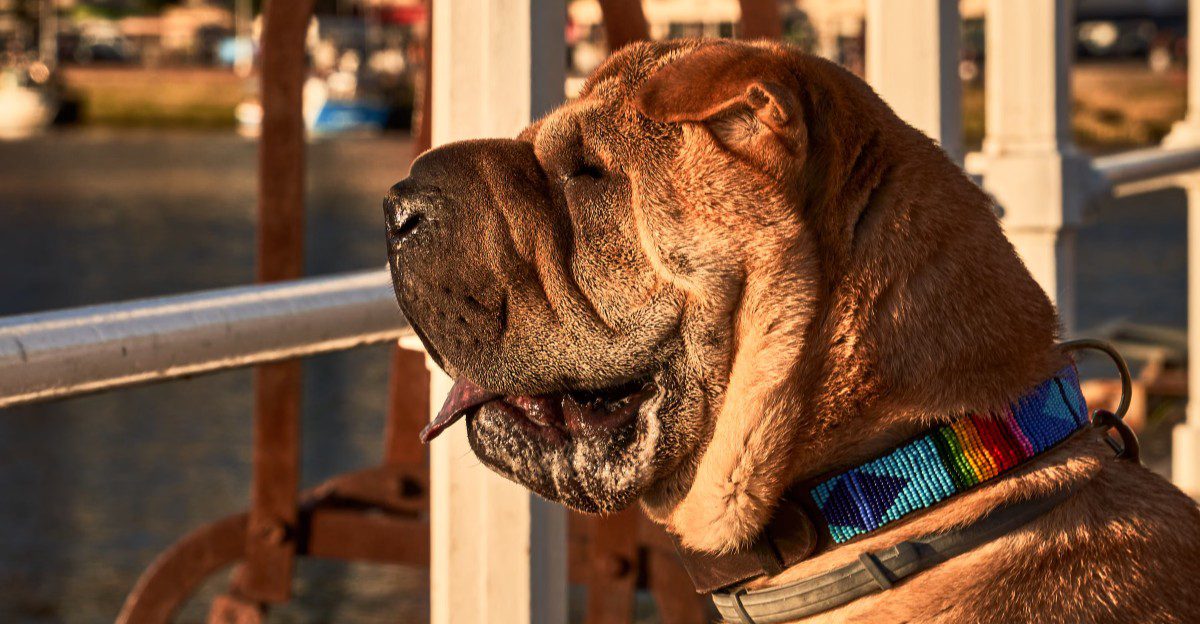
Some dogs need a little room to feel their best. Others want to be glued to your side all day.
Knowing which kind of pup you have can make training easier and home life calmer. Here are breeds that often thrive with space, plus a few that prefer constant company.
Akita
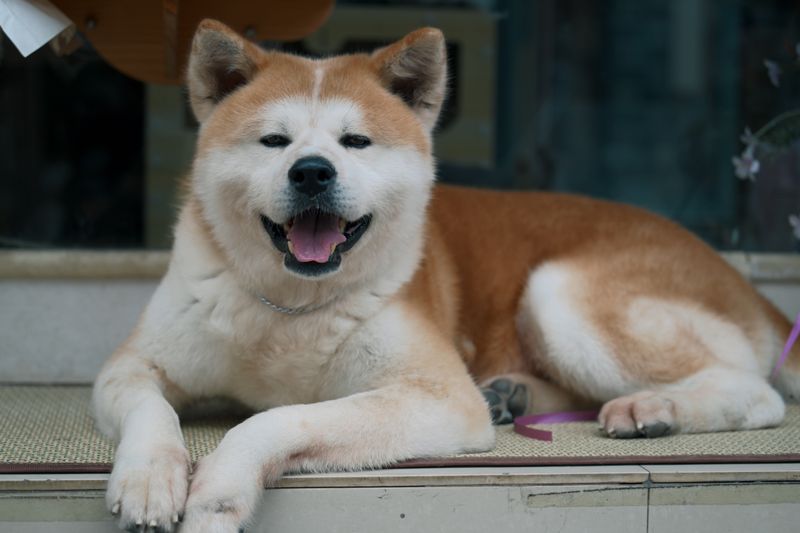
Big hearts do not always want hugs. Akitas value personal space and quiet routines, especially after exercise.
Give short training sessions with clear rules, then let them settle nearby without fuss. Respect earns trust faster than petting.
Offer a sturdy chew, a cool floor, and a calm voice. Daily walks and mental games keep them balanced.
When they choose to lean on you, accept it as a gift. That choice means everything to an Akita.
Shiba Inu
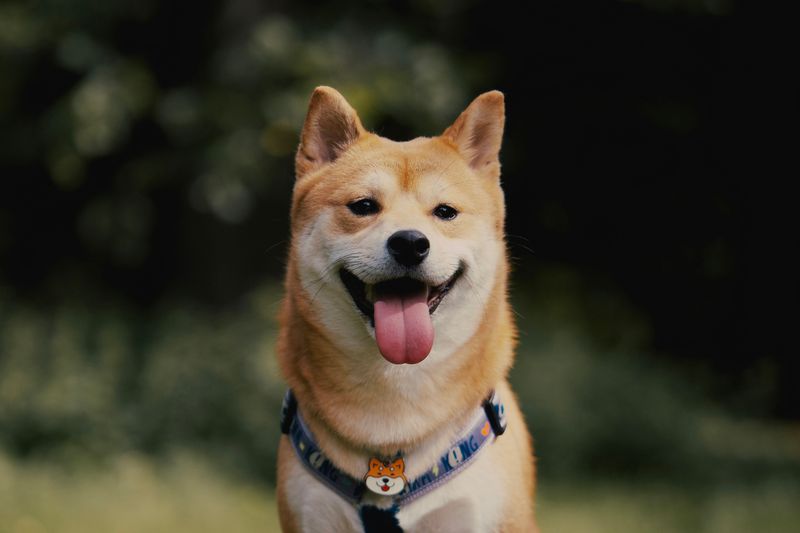
Tiny fox looks, big opinions. Shiba Inus enjoy being near you, not on you.
Let them approach first, and keep greetings light. Short, upbeat training with treats builds respect.
A quiet corner and predictable walks help them feel safe.
Give puzzle toys that reward patience. Avoid grabbing when they guard a favorite spot, and trade calmly instead.
After some space, many Shibas circle back with a tail wag, a nod that says, we are good.
Chow Chow
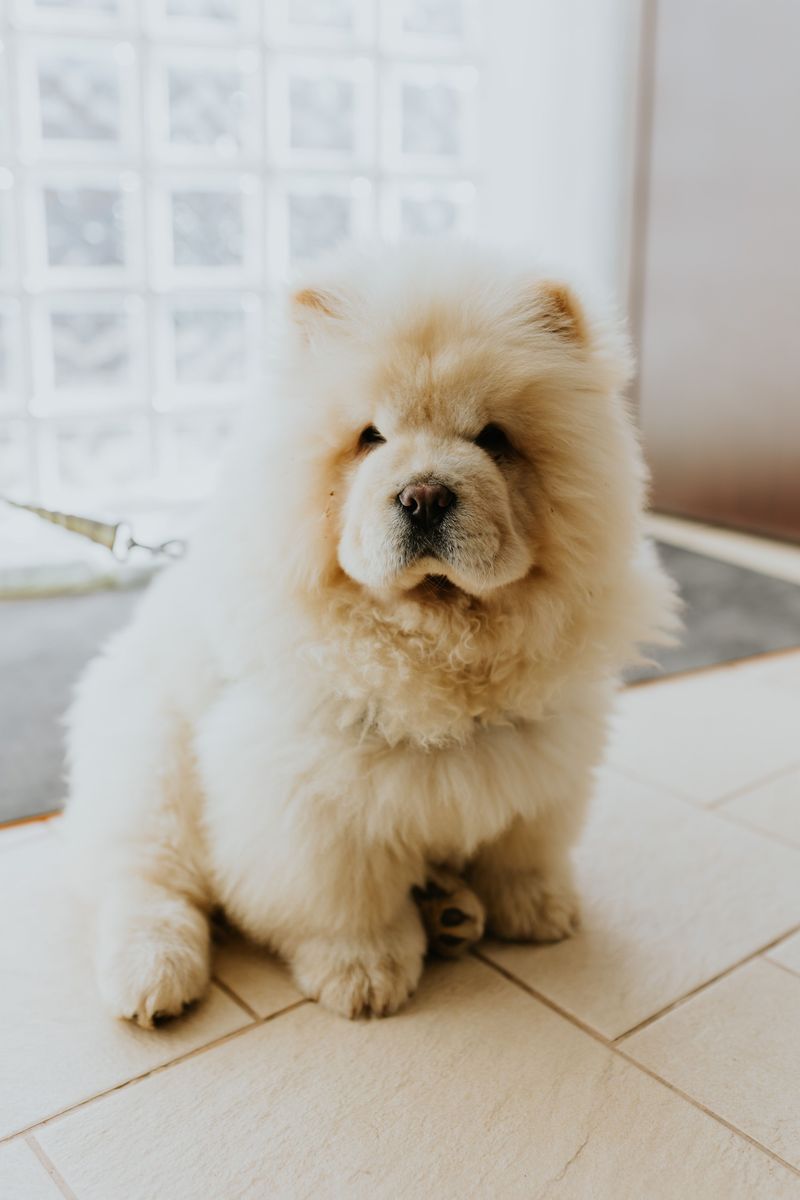
Lion mane, cat mindset. Chow Chows appreciate steady routines and a little distance.
Greet calmly, avoid crowding, and keep training short with tasty rewards. A cool resting spot matters because of that thick coat.
Patience turns their quiet loyalty into gentle closeness.
Brush to prevent mats, then let them nap. Early social time helps reduce aloof habits without forcing cuddles.
When a Chow sits by your feet, it means safety and a bond earned calmly.
Scottish Terrier
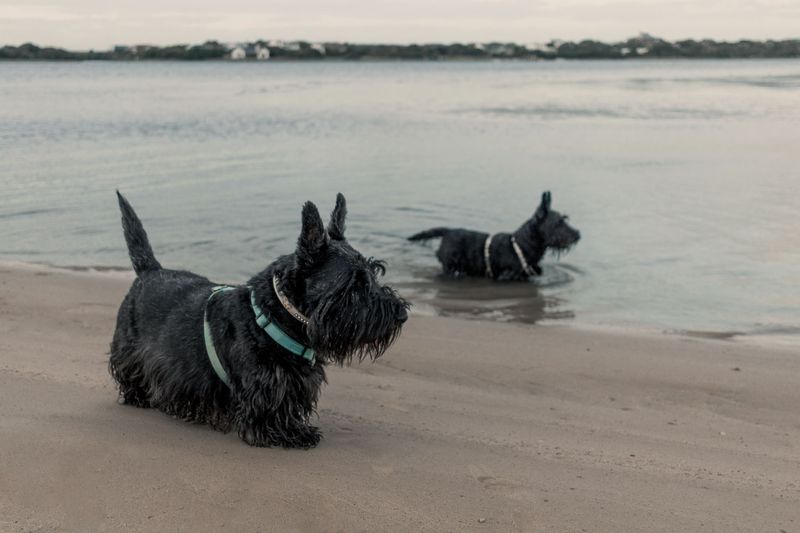
Short legs, tall pride. Scotties like to patrol their world and make choices.
Offer clear boundaries, plus time to watch from a favorite perch. Training works best in brief, upbeat bursts, then a quiet break.
Space keeps their confidence steady.
Give sniffy walks, sturdy toys, and gentle handling around food. If they wander off to decompress, let them.
A Scottie returning for a chin scratch says you are worthy company, a compliment from this dog.
Greyhound
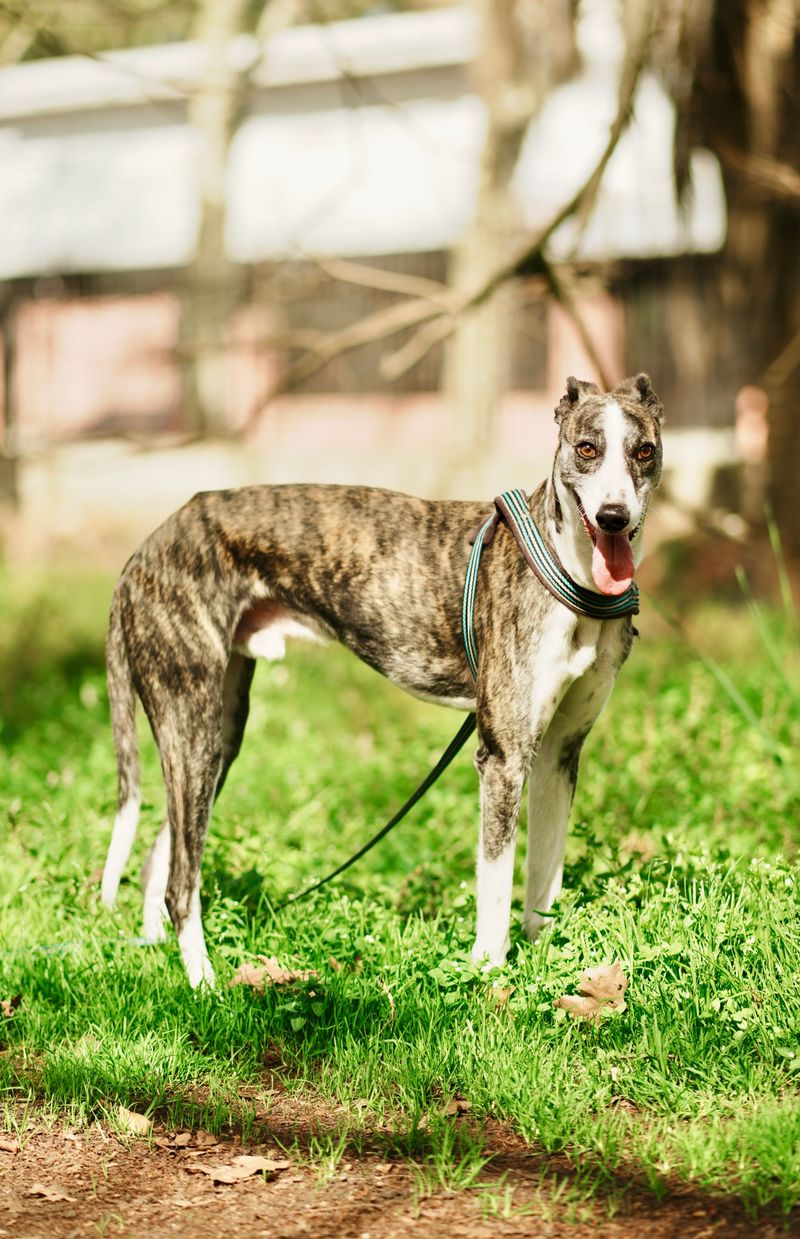
Speed on legs, soul at rest. Retired racers often enjoy quiet rooms and soft beds.
Many prefer gentle greetings and slow head rubs. Keep play short, then offer downtime, because their lean bodies tire fast.
A calm home helps them bloom.
Use sweaters in winter and routes in summer. Offer food on a schedule and avoid rough play with small pets.
With space and routine, a Greyhound may press in like a whisper says thanks.
Great Pyrenees
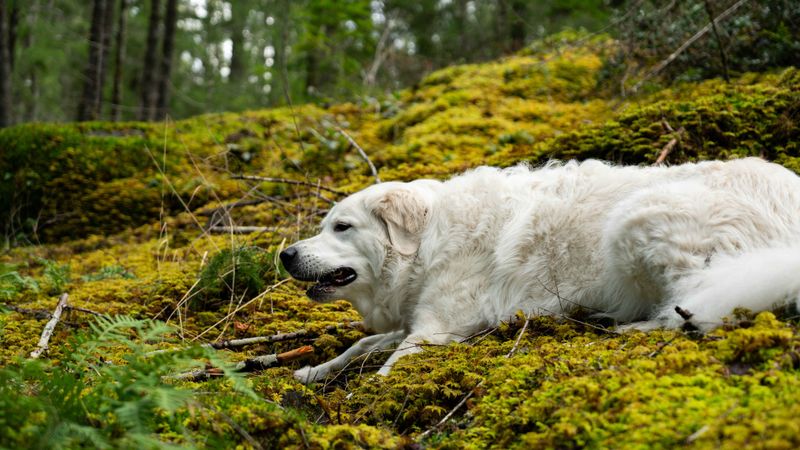
Night watcher, day sleeper. Great Pyrenees were bred to guard quietly.
Many like to rest a few steps away, scanning the yard between naps. Respect their patrol habit and keep training calm, fair, and consistent.
Space keeps their thoughtful nature steady.
Provide a secure fence and slow guest introductions. They respond to kind voices and clear jobs, like carrying a pack.
After observing, a Pyr may lean, sharing confidence that softly says, I have you.
Rhodesian Ridgeback
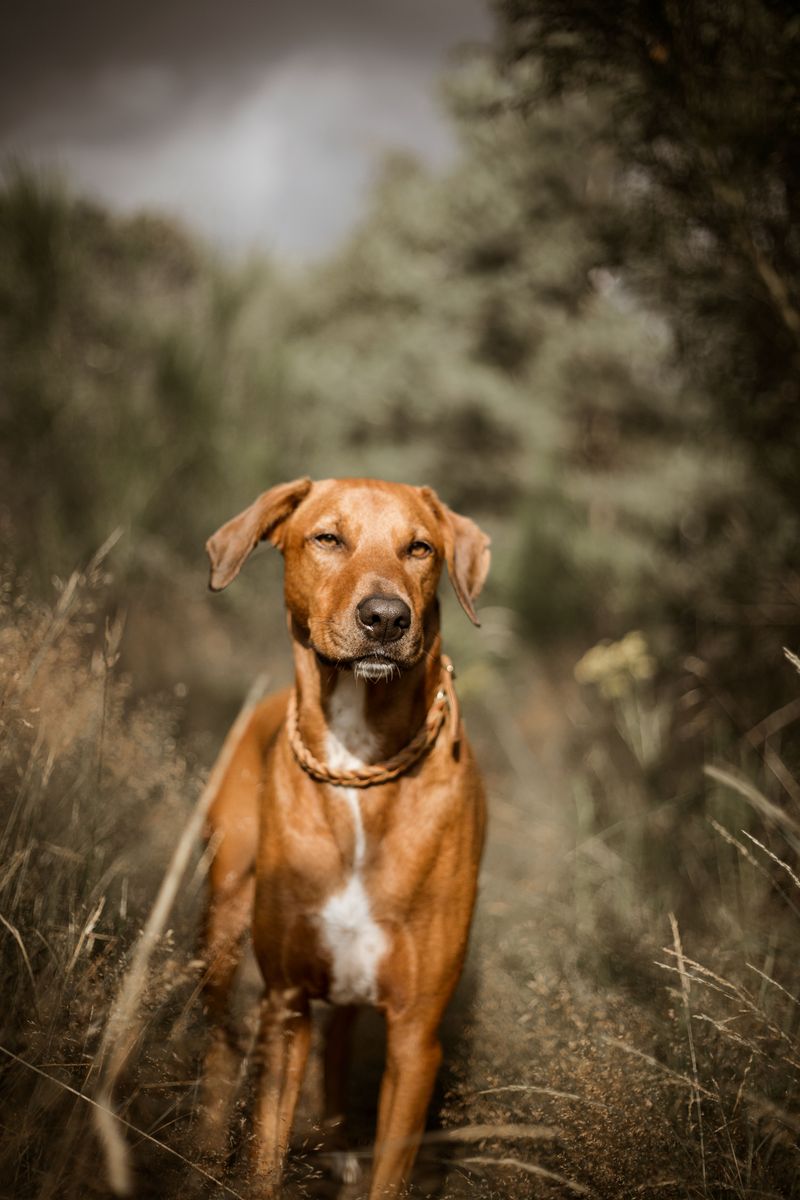
Sun lover with a steady gaze. Ridgebacks are athletic and thoughtful, often bonding hard yet valuing room to breathe.
Give clear rules, plenty of exercise, and then let them relax nearby. Training clicks when sessions are firm, fair, and brief.
Provide long walks, scent games, and a comfy mat. If they wander to another room, do not chase.
Many return for a head bump when ready. That choice builds a deeper bond that endures years.
Lhasa Apso
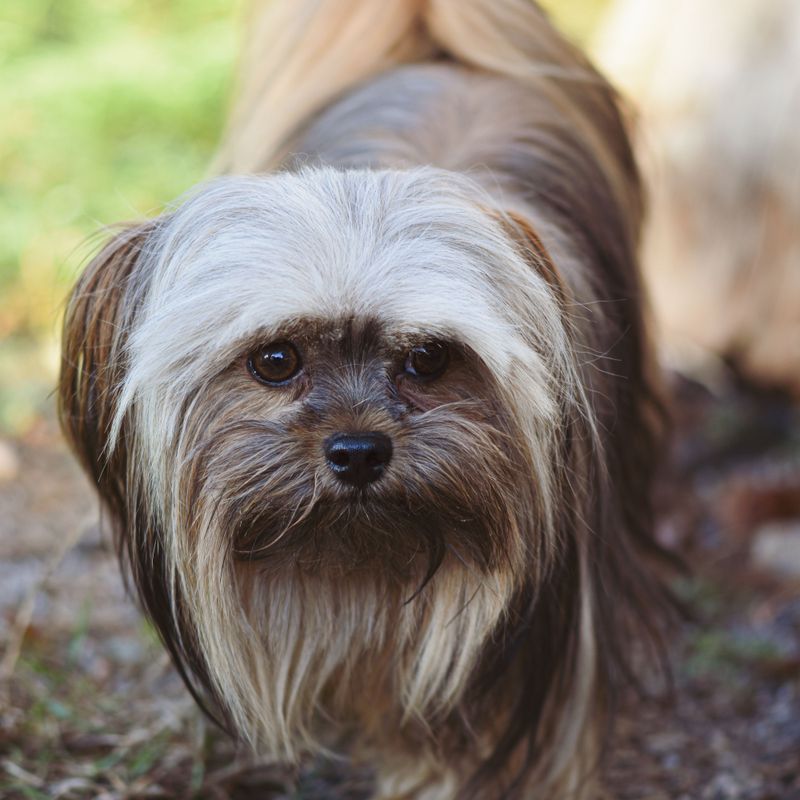
Temple guardian roots, apartment charm. Lhasas notice everything and like choosing when to cuddle.
Keep greetings calm, protect their nap spots, and guide visitors to offer treats, not pats. Short grooming times with praise help build trust, strand by strand.
Give walks that allow sniff breaks, then let them rest. A playpen or gate can create a zone.
When they hop on couch and settle by your hip, you feel warm pride of a friend.
Shar-Pei
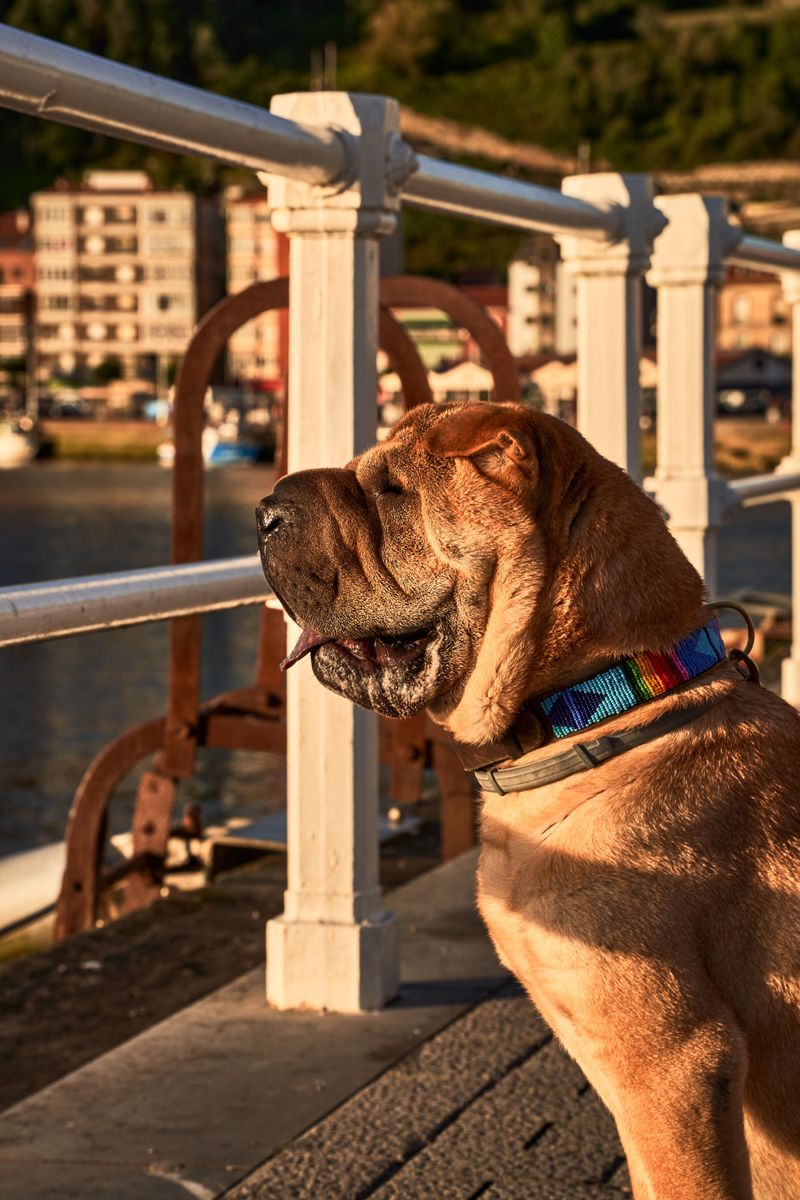
Wrinkles outside, wisdom inside. Shar-Peis often prefer calm rooms and thoughtful people.
Too much fuss can annoy them. Focus on steady routines, low-stress grooming, and reward-based training.
Space and respect help their quiet courage shine without pushing their limits.
Give walks at hours and provide sturdy chew toys. Avoid face pokes and hugs, which can feel rude.
When a Shar-Pei chooses to rest near your chair, take it as trust offered freely, a real gift.
Afghan Hound
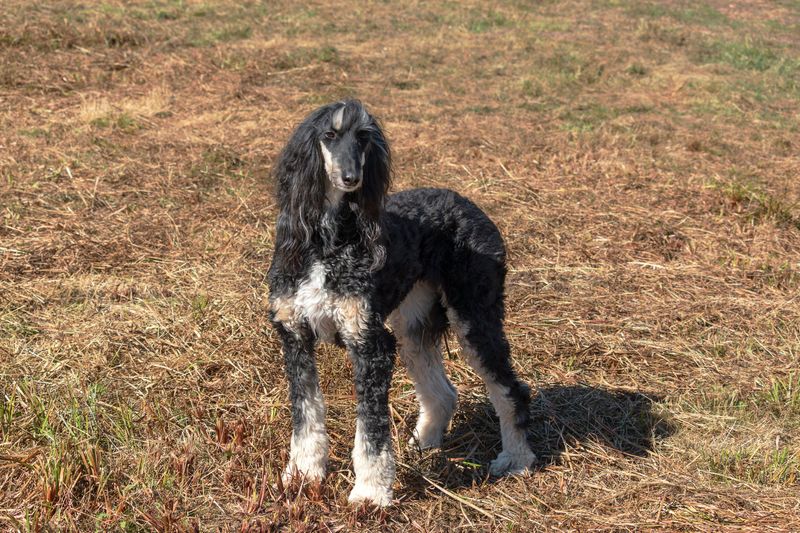
Silk coat, secret comedian. Afghans look fancy but crave quiet freedom to stretch and watch.
Too much fuss can shut them down. Keep training light, use fun games, and keep sessions short.
A soft bed and respectful grooming keep trust growing.
Offer sprints, then let them lounge with a view. Brushing while they relax works better than chasing tangles.
When an Afghan settles nearby and sighs, it is approval. You earned giving space and patience.
Basenji
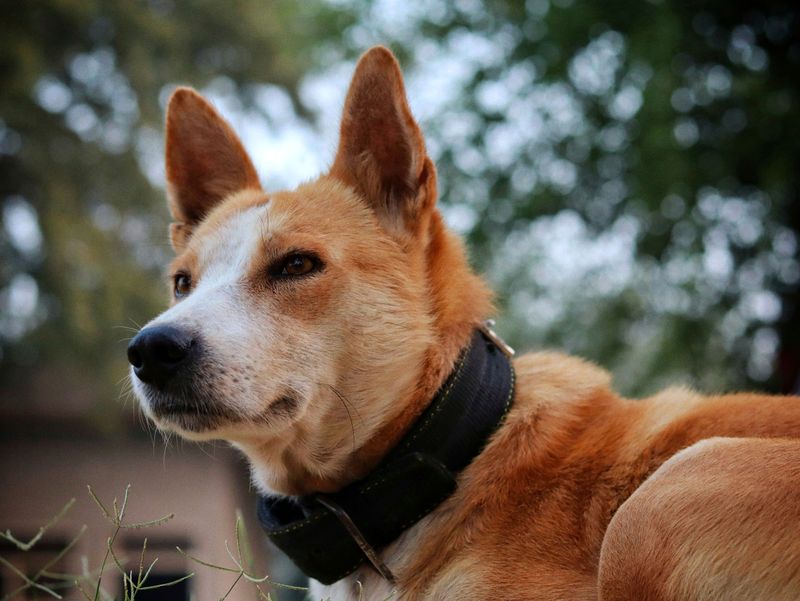
Quiet hunter with a yodel. Basenjis are curious, clean, and often prefer independence.
They enjoy exploring rooms and high perches like cats. Keep training playful and brief, then let them do a victory lap.
Space and puzzles satisfy their busy brains.
Provide chase games in a fenced area and chew toys that do not squeak. Avoid forced cuddles after exercise.
When calm, Basenjis settle beside you, offering warmth without smothering. Quiet closeness grow with routine.
Vizsla
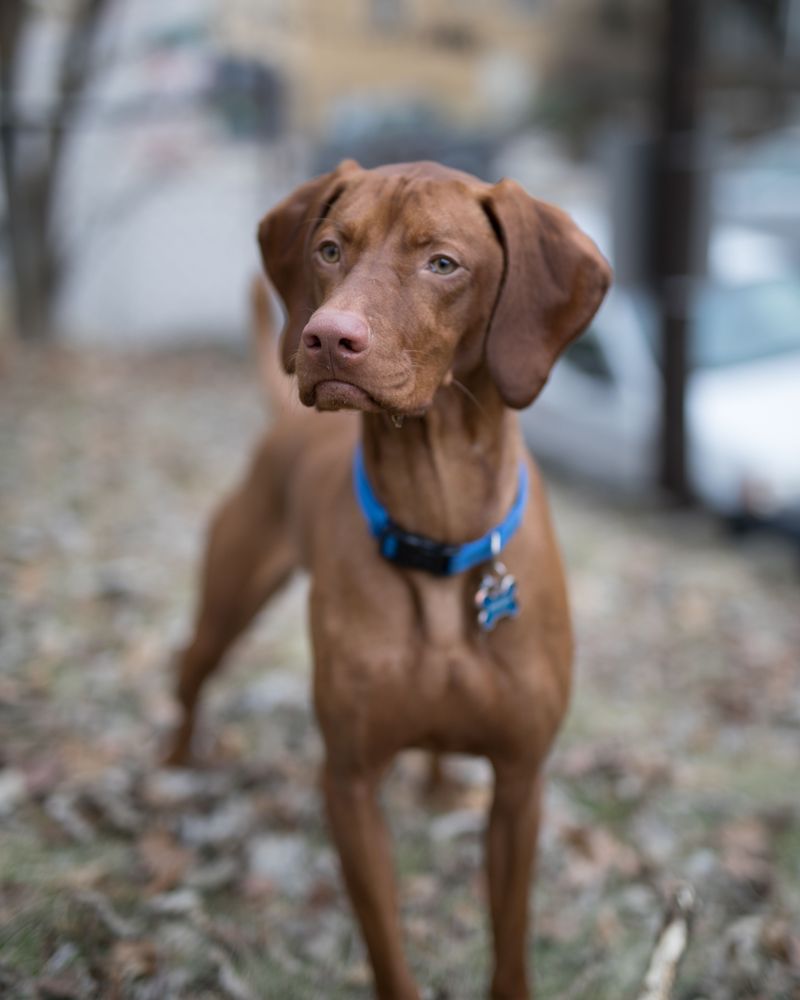
Velcro by design, the Vizsla sticks close. Bred to hunt alongside people, they crave body contact and frequent check-ins.
Expect nose nudges and lap landings. Training shines with praise, touch, and active games.
Give them outlets, not distance, to keep hearts happy.
Plan runs, snuggle breaks, and tasks like carrying mail. Let them shadow you room to room without worrying rules.
A tired Vizsla curls like a warm comma, breathing easy, at peace beside you.
Dachshund
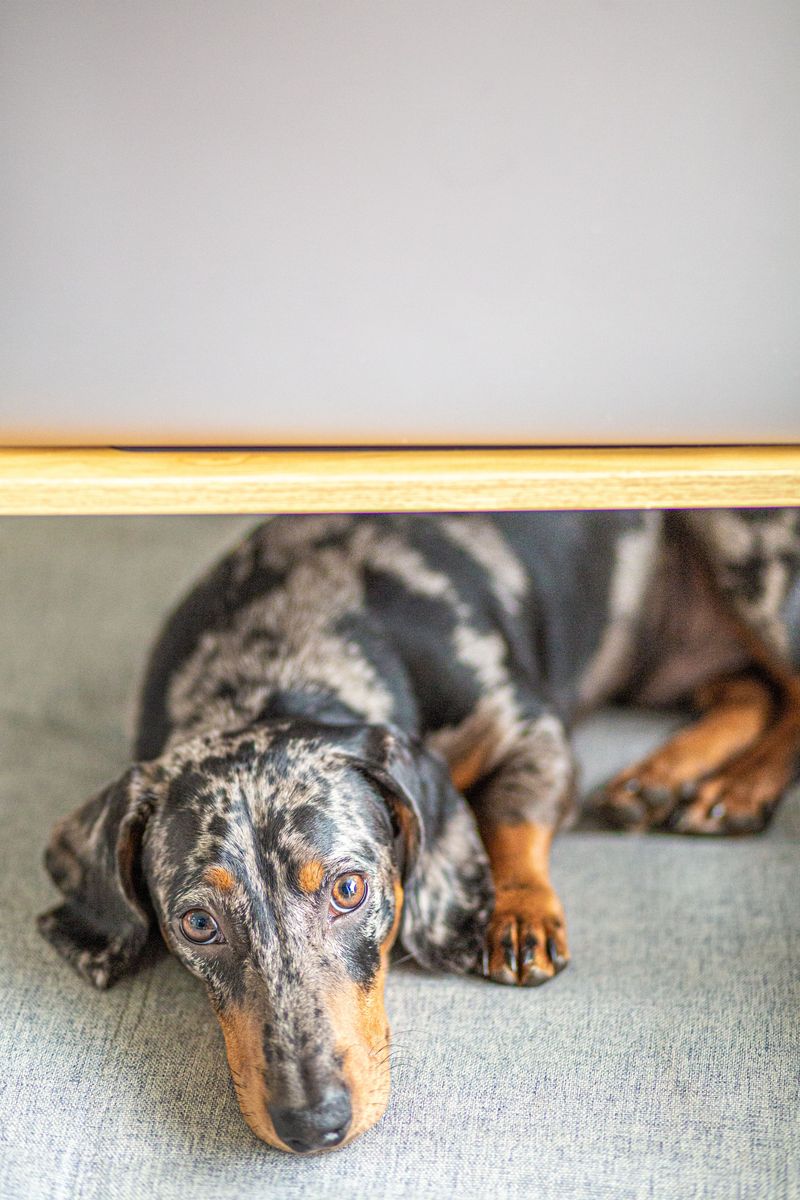
Tiny body, giant devotion. Dachshunds were bred to trail and dig with people, so alone time can feel wrong.
Many want blankets, laps, and eye contact. Keep training cheerful and snacky, and include them in daily chores.
Closeness helps them feel brave.
Short walks, puzzle feeders, and snuggles make a good mix. Burrowing under covers is a favorite.
If you leave the room, expect a determined sausage trailing behind, tail wagging, ready for the chapter.
Staffordshire Bull Terrier
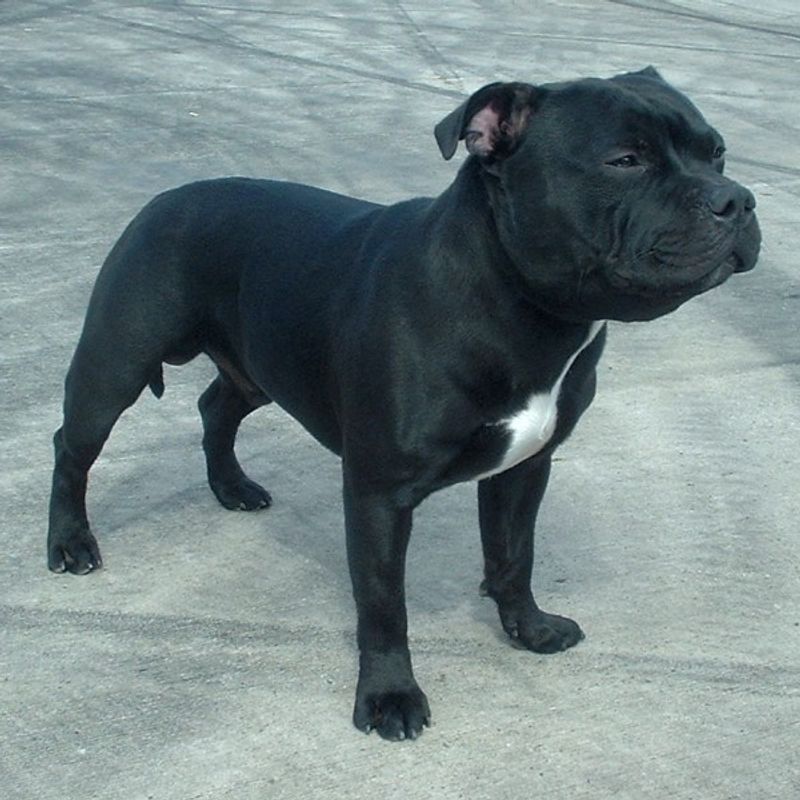
Smiles for miles, cuddles for days. Staffies connect deeply with their people and often prefer contact over space.
Many relax only when touching a shoulder or foot. Use kind training, play tug safely, and share frequent check-ins.
Togetherness fuels their sunny spark.
Plan dates with dogs, brain games, and nights. If invited onto the couch, Staffies turn pillows.
Distance can cause worry, keep them close during storms or travel. A Staffy by side feels home.