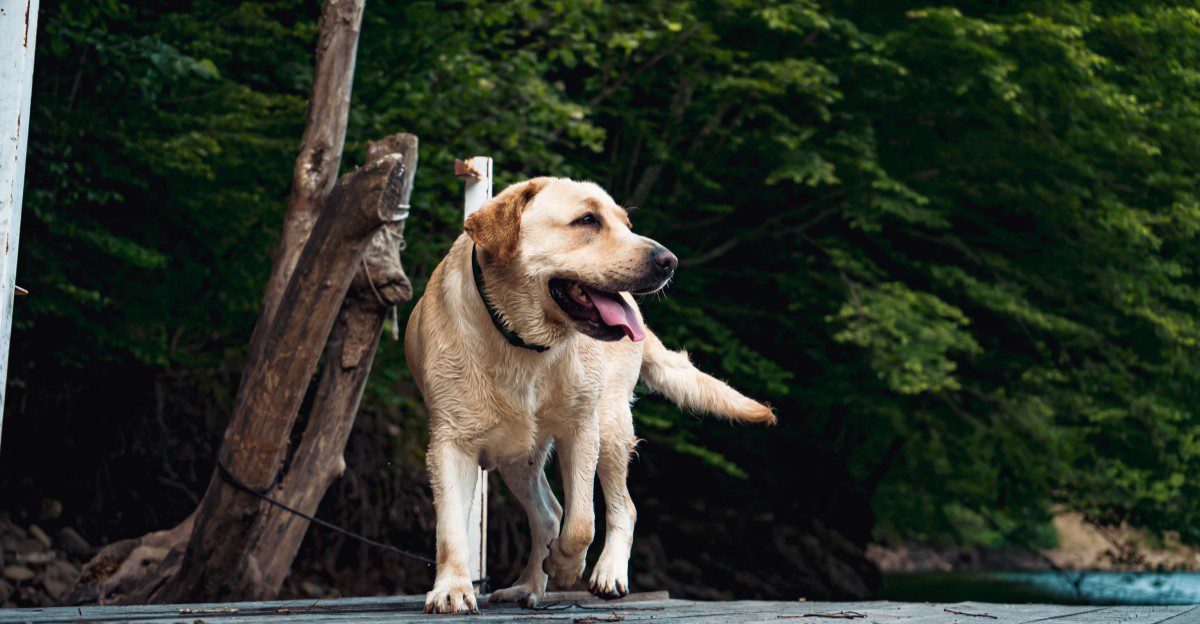
Puppies are cute, but they also chew shoes, cry at night, and have endless energy. Many dogs become calmer, wiser, and more loving as they grow older.
Some breeds change so much with age that owners say the grown-up version is their favorite. Here are the breeds that tend to get better with every birthday.
Labrador Retriever
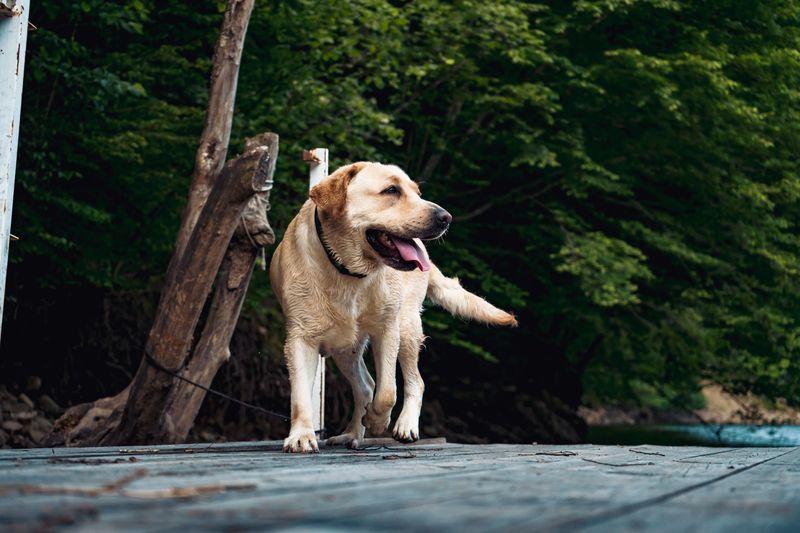
Ask any Lab owner about the puppy years, and you might hear a groan. Young Labs are famous for eating socks, jumping on guests, and treating every puddle like a pool.
Around age three or four, something magical happens. The chaos fades, and a steady, loyal friend appears in its place.
Fun fact: Labs actually come from Newfoundland, not Labrador. Keep older Labs lean with daily walks, since extra weight can strain their joints.
Boxer
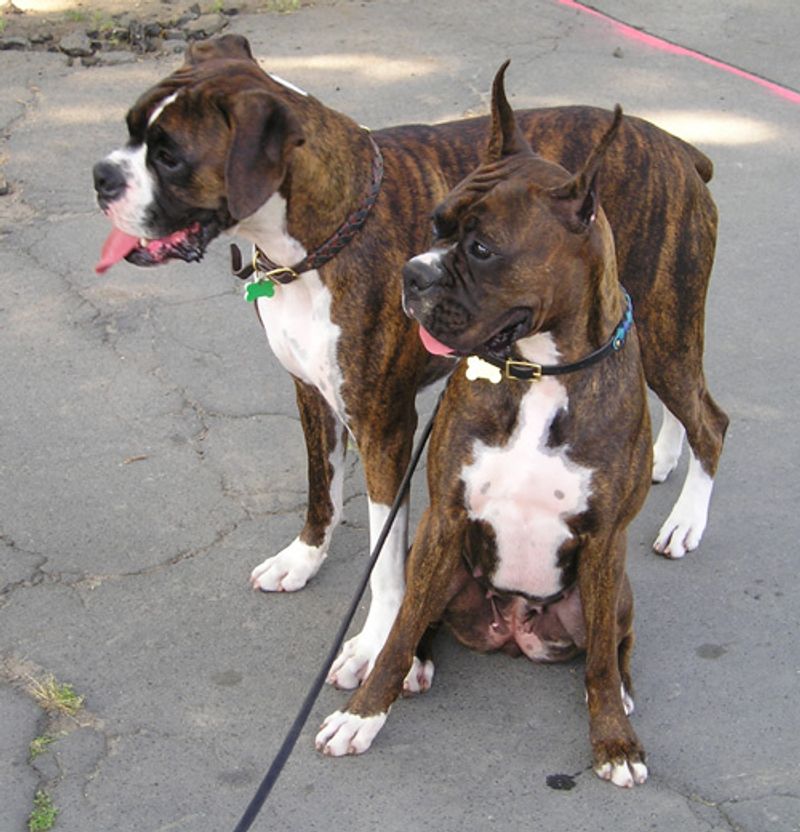
Boxers stay goofy for a long time. Many owners joke that their dog acted like a bouncing kangaroo until age three.
Patience pays off, though. Adult Boxers still love to play, but they learn to read the room and settle down when the family relaxes.
Their silly faces become wise and soulful.
Here is a helpful tip: senior Boxers can get chilly easily, so a soft blanket or sweater keeps them cozy during cold months.
Beagle
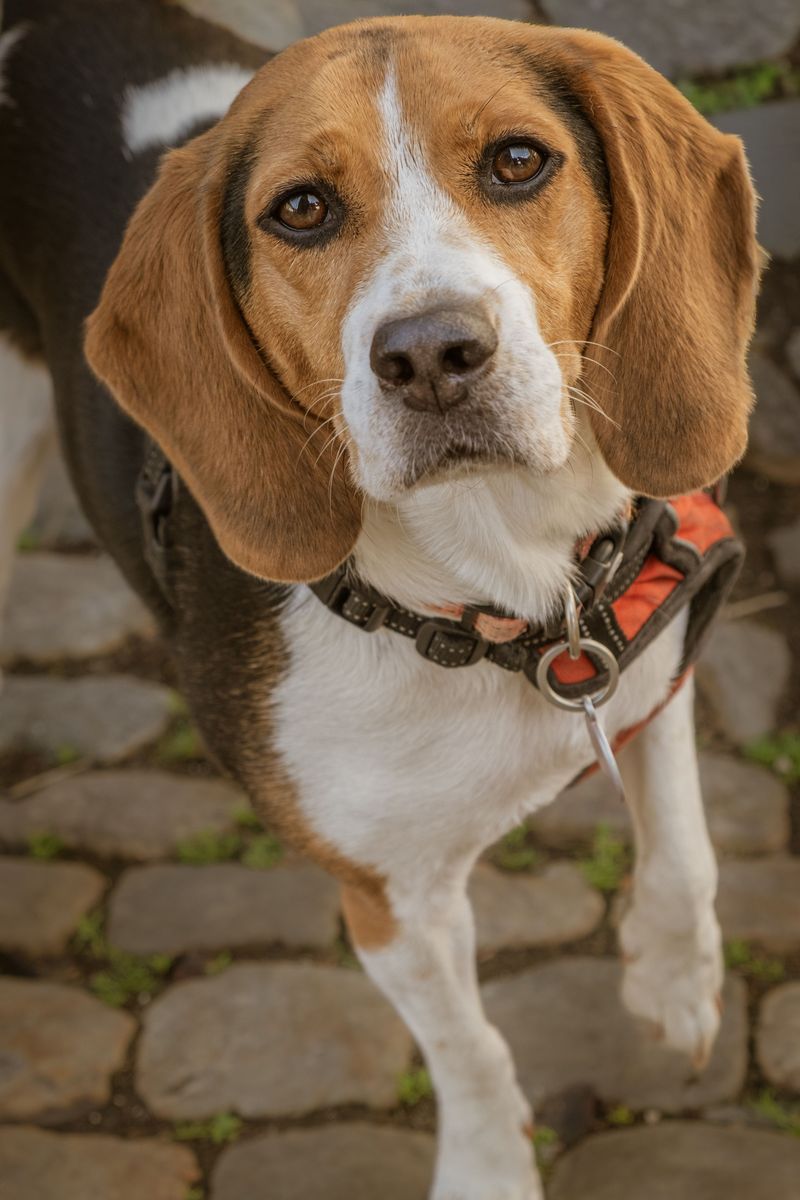
Picture a tiny detective with a loud voice and a nose that never sleeps. Beagle puppies can howl, dig, and escape fences like little furry magicians.
With age, that wild curiosity softens into charming nosiness. Grown Beagles still sniff everything, yet they also enjoy long naps on your lap.
Since these hounds love snacks a little too much, measure their food carefully. Puzzle feeders keep their clever brains busy and their waistlines trim.
Dalmatian
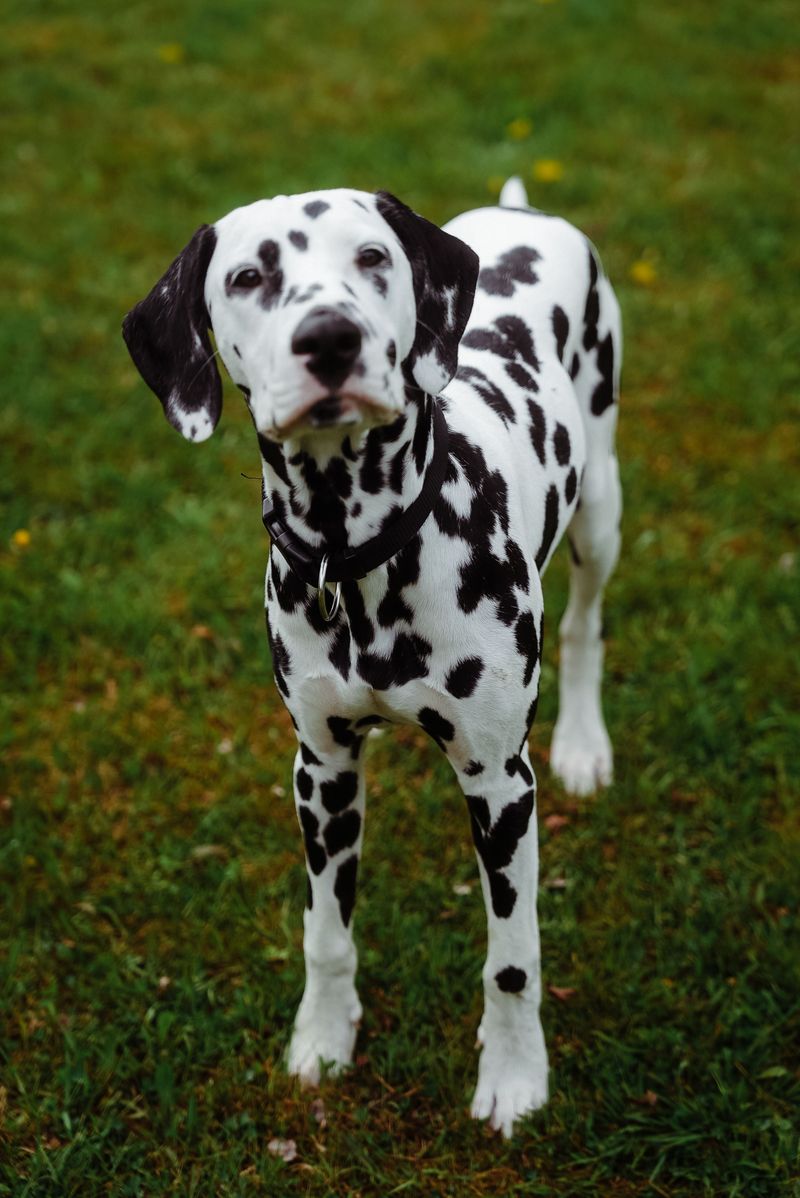
Long ago, Dalmatians ran beside horse-drawn fire wagons, clearing the road ahead. That history explains why young ones seem powered by rocket fuel.
Spotted puppies need tons of exercise and training, which can wear out new owners fast. Once they mature, however, they become elegant, devoted shadows who follow you room to room.
Keep fresh water handy for older Dalmatians. The breed can be prone to urinary stones, and staying hydrated really helps.
Golden Retriever
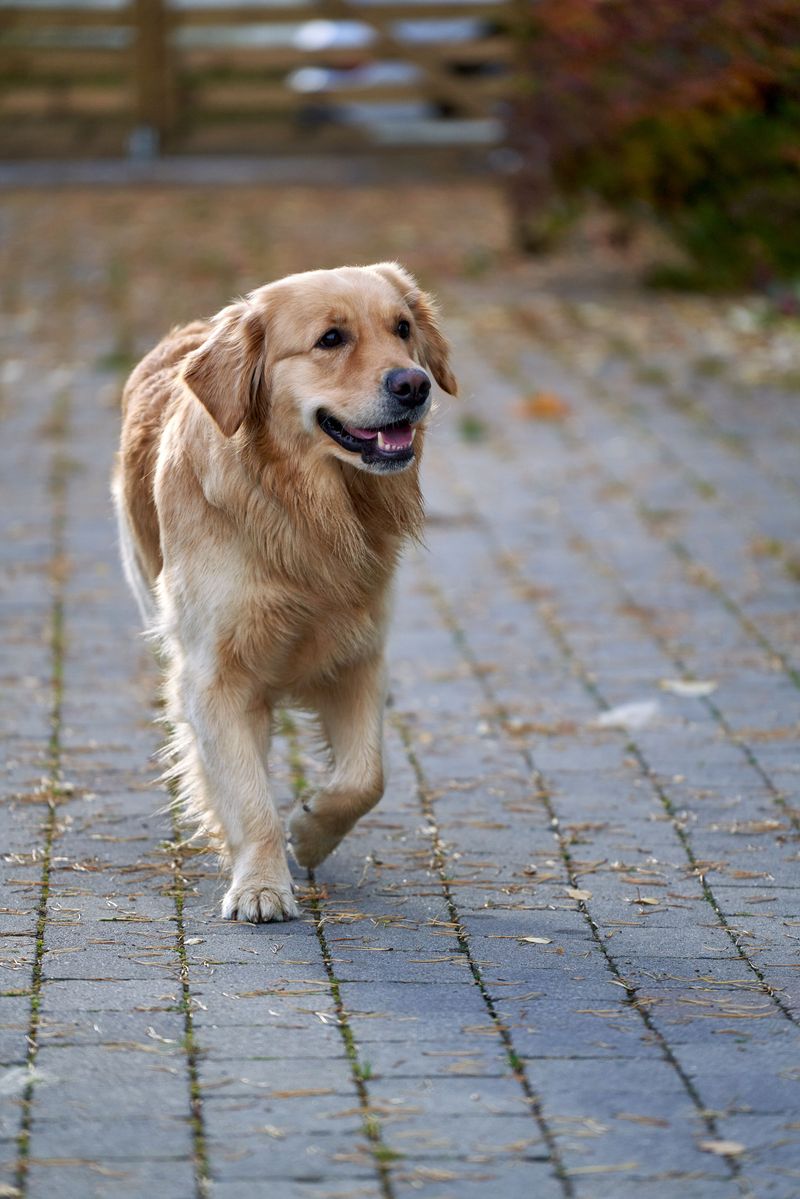
There is something special about a Golden with a frosty white face. Those puppy days full of muddy paws and stolen sandwiches turn into quiet evenings by your feet.
Older Goldens seem to understand feelings. They lean against you when you are sad and wag softly when you come home.
Gentle swimming is a wonderful exercise for aging Goldens. It works their muscles without pounding their hips and elbows.
English Cocker Spaniel
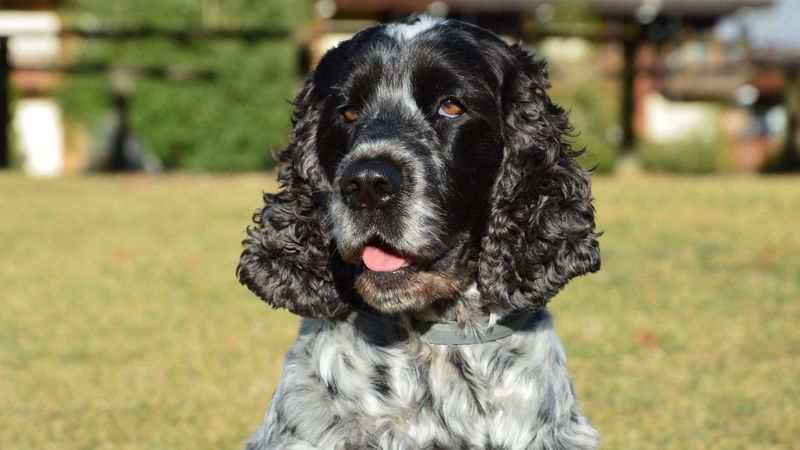
Merry is the word breeders often use for this spaniel, and it fits perfectly. That tail rarely stops moving, even as the years pass.
Puppies can be clingy and easily excited, sometimes piddling when they greet you. Grown-ups keep the happy spirit but gain good manners and calm confidence.
Those floppy ears trap dirt and moisture, so check and clean them weekly. Your older Cocker will thank you with plenty of soft snuggles.
Boston Terrier
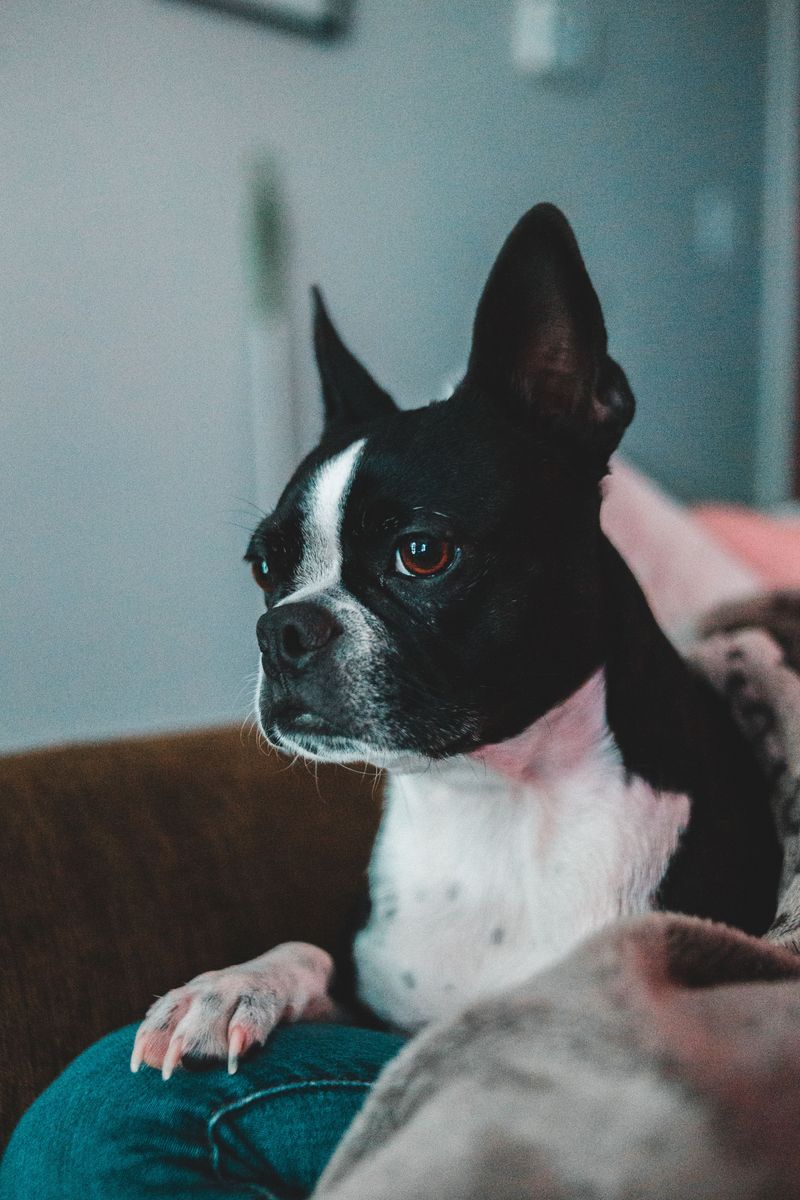
Nicknamed the American Gentleman, the Boston Terrier wears a natural tuxedo. Funny enough, puppies rarely act like gentlemen at all.
Young Bostons zoom around in crazy circles and snort with excitement. As they age, they turn into polite little roommates who love apartment life and couch cuddles.
Their short noses make breathing harder in heat. On warm days, walk your senior Boston early in the morning or after sunset to keep things safe.
Pembroke Welsh Corgi
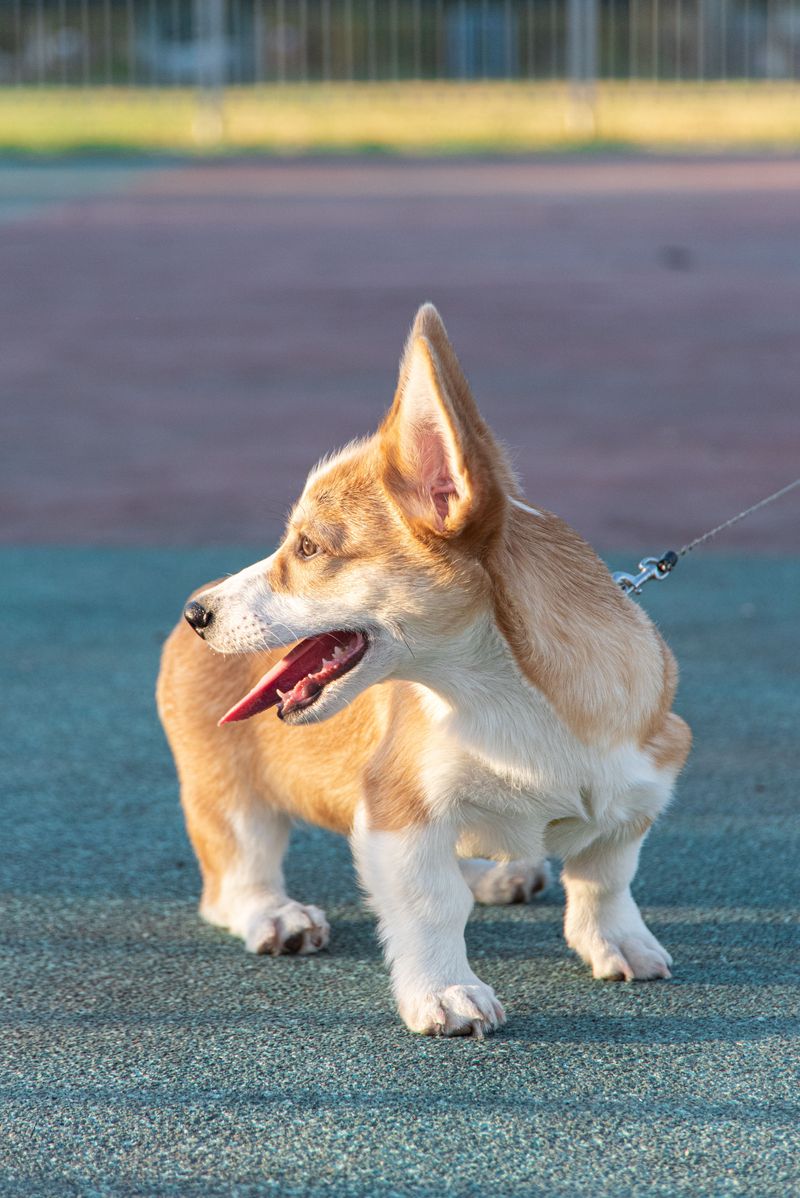
Did you know? Welsh legend says fairies once rode Corgis into battle.
Puppy owners might believe these dogs have magical energy too.
Young Corgis love herding ankles, which can mean nipping heels. Adults become bossy in a cute way, keeping order while acting like loyal little supervisors.
Those short legs carry long backs, so limit jumping off furniture as they age. Pet ramps or steps protect their spines and keep them happy.
Miniature Schnauzer
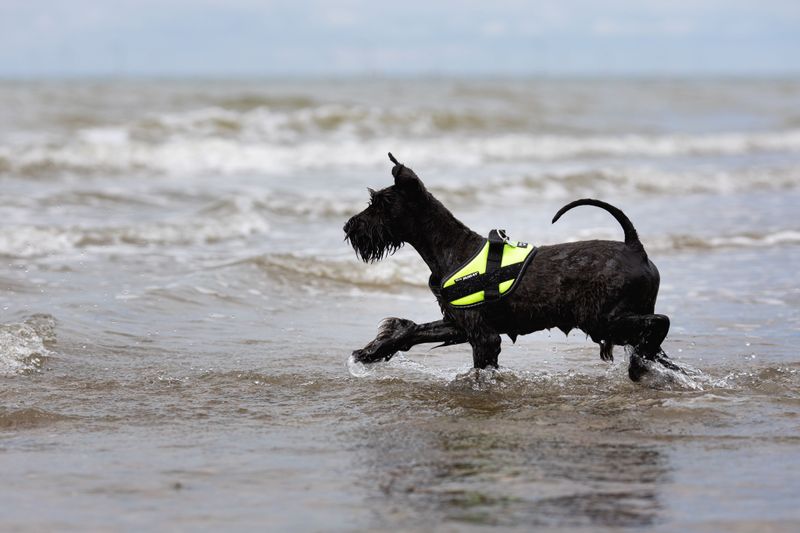
With that bushy beard and big eyebrows, a Mini Schnauzer looks like a tiny grandpa from day one. Eventually, the personality catches up with the face.
Puppies bark at leaves, mail carriers, and pretty much everything else. Mature Schnauzers still guard the house, but they choose their battles and enjoy relaxing with family.
Regular grooming every six weeks keeps that wiry coat neat. A low-fat diet also helps, since the breed can develop stomach troubles.
Staffordshire Bull Terrier
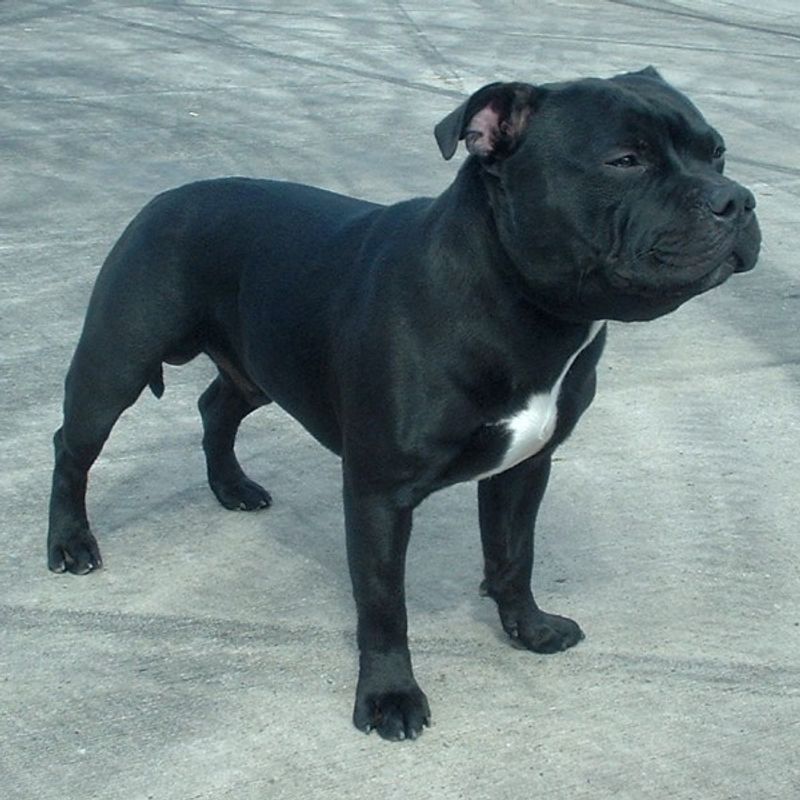
In England, Staffies earned the nickname nanny dog for their devotion to families. Their wide grins can melt even the grumpiest heart.
As puppies, they are strong, wiggly bundles who chew anything tough. Once grown, they become muscular cuddle bugs who think they belong on your lap.
Keep training positive and consistent through every stage. Sturdy chew toys also help older Staffies stay content and protect your furniture from those powerful jaws.
Irish Setter
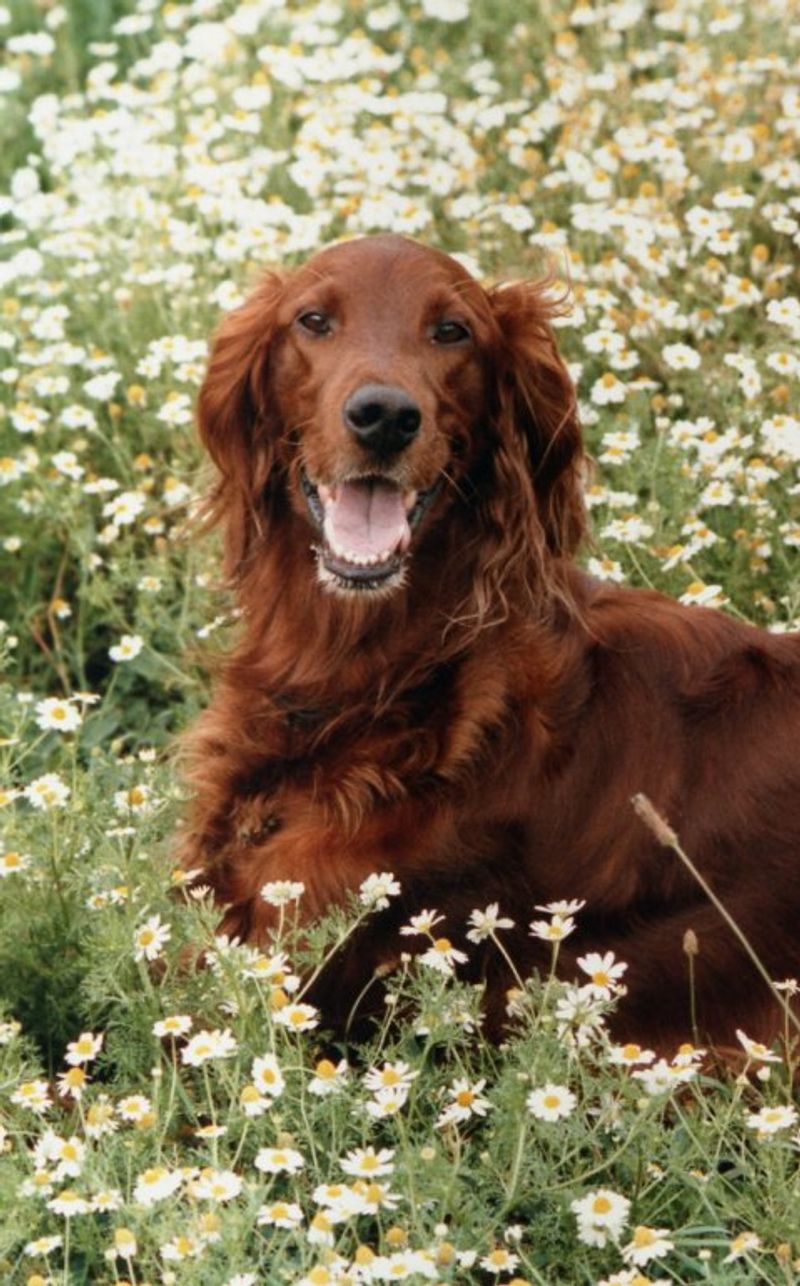
Few dogs take longer to grow up than the Irish Setter. Many owners say their redhead acted like a clown until age four or five.
Waiting is worth it. That flashy, silly youngster becomes a graceful, sweet companion with a glowing mahogany coat and kind eyes.
Even seniors need room to stretch their legs, so safe, fenced areas are ideal. Brush their feathery fur a few times weekly to prevent painful tangles.