
Some dogs get curious when the house is quiet. If their minds and bodies are not busy, they may sniff, paw, or even test chew things they find.
Knowing which breeds lean into this habit helps you plan better days. With the right activities, your home stays safe and your dog stays happy.
Labrador Retriever
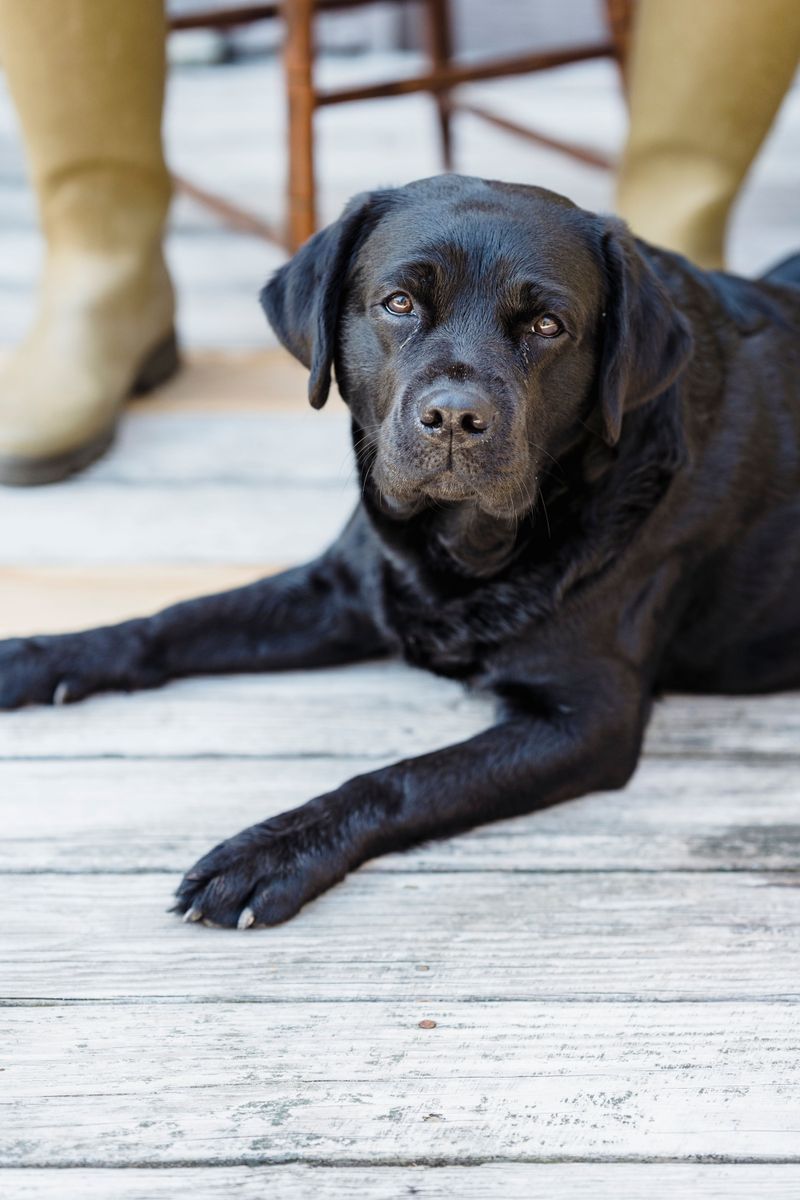
Big smiles often come with big curiosity. A bored Lab may patrol the rooms like a friendly detective, nudging shoes, remotes, or blankets just to see what happens.
High food drive adds to the hunt for anything that smells interesting.
Daily fetch, scent games, and puzzle feeders channel that energy into wins. Short training bursts keep the brain switched on.
Rotate safe chew toys, and keep a “toy box” that changes weekly to reduce scavenger missions.
Beagle
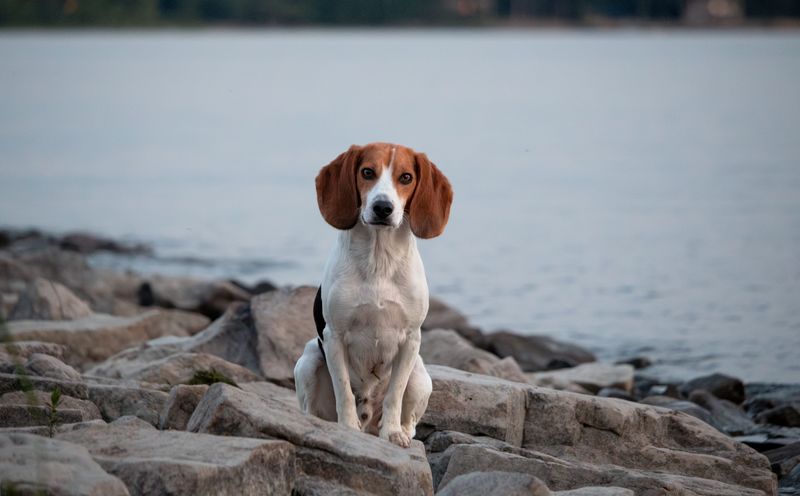
Noses like radar. That is the Beagle way.
When nothing exciting happens, this hound may follow invisible scent trails straight to socks, snack wrappers, or an open backpack. Curiosity starts at the nose and ends wherever the smell leads.
Structured sniff walks and backyard scent puzzles work wonders. Try hide-and-seek with treats under cups.
Give long-lasting chews after exercise. A secured hamper and sealed trash stop the best little investigator from solving the wrong mystery.
Jack Russell Terrier
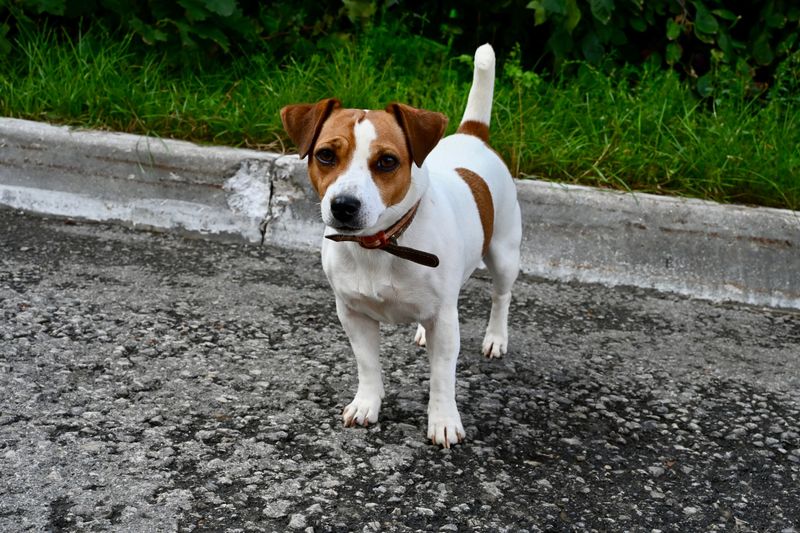
Built like a spring and wired for action, this terrier treats boredom like a personal challenge. If left to guess the plan, it may test zippers, inspect cushions, or dig at rugs to see what moves.
That sharp mind does not idle well.
Channel the spark with 10-minute trick sessions and fast fetch. Use flirt poles, snuffle mats, and sturdy tug toys.
Consider short backyard agility runs. Frequent, focused play beats marathon chaos every time.
Border Collie
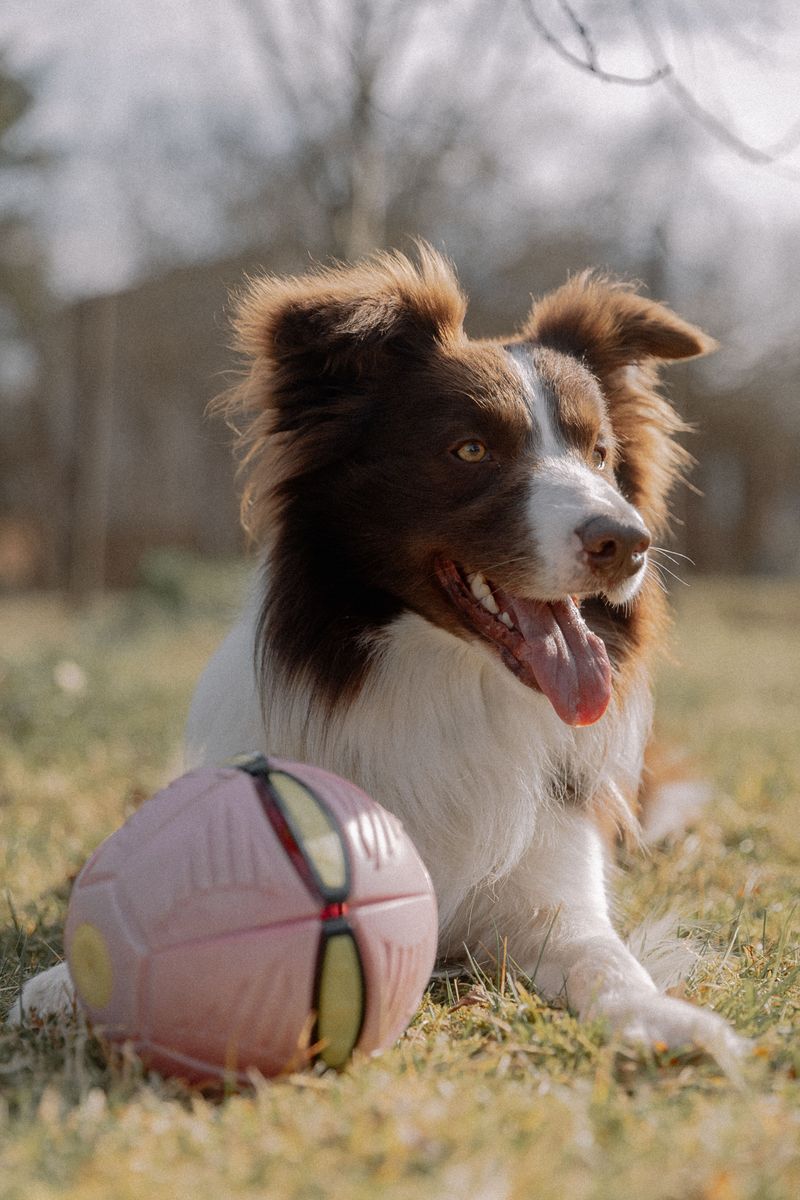
Nothing buzzes like a Border Collie brain. With no job, small sounds become missions and everyday objects become projects.
A quiet afternoon can lead to herding the vacuum or reorganizing the shoe rack with impeccable accuracy.
Daily cardio plus thinking work is the secret. Try advanced puzzle toys, obedience drills, and scent discrimination games.
Short herding-style fetch sessions help. Post-exercise chew time gives calm closure so the coffee table stays unbriefed.
Siberian Husky
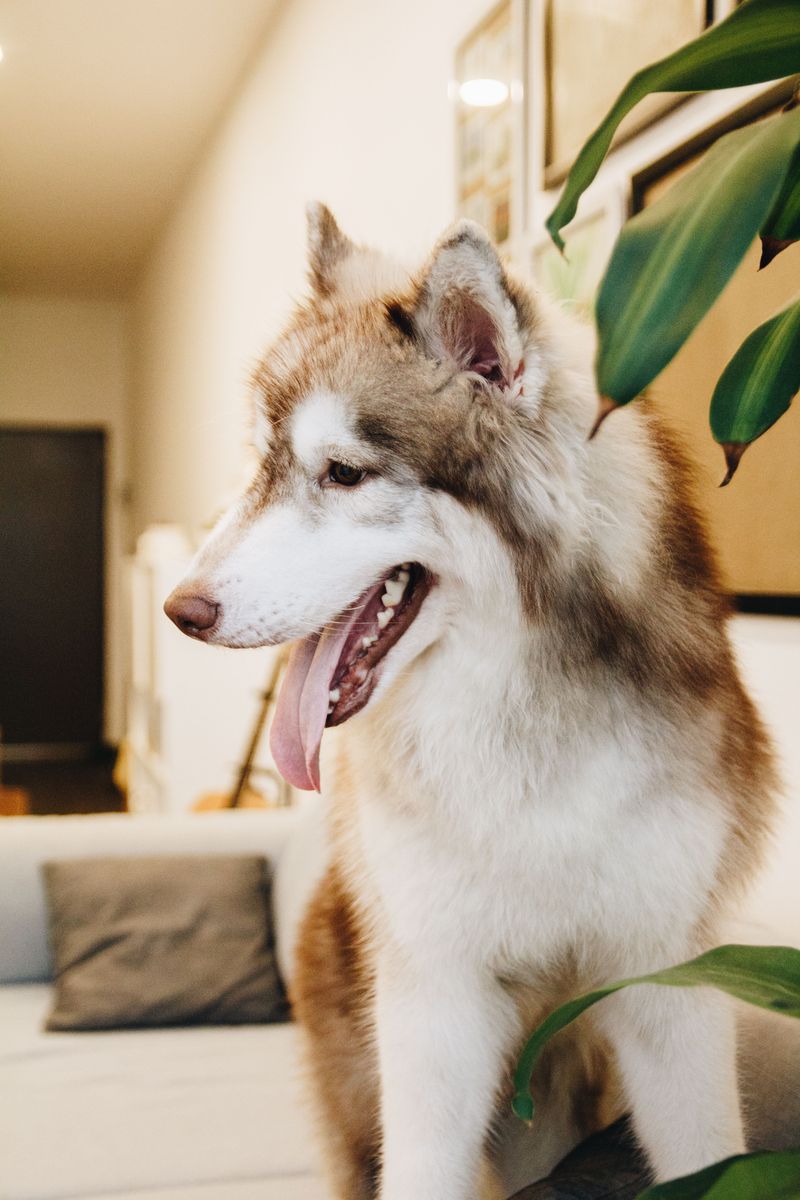
Stories about escape artists often feature Huskies. When the day feels dull, they may inspect latches, bat at blinds, or carry shoes like trophies.
Curiosity pairs with stamina, so exploration can last longer than you planned.
Give brisk exercise, then offer frozen stuffed toys to cool the jets. Secure windows and use sturdy baby gates.
Scatter food in a snuffle mat after runs. A consistent routine reduces the urge to remodel the den.
Australian Shepherd
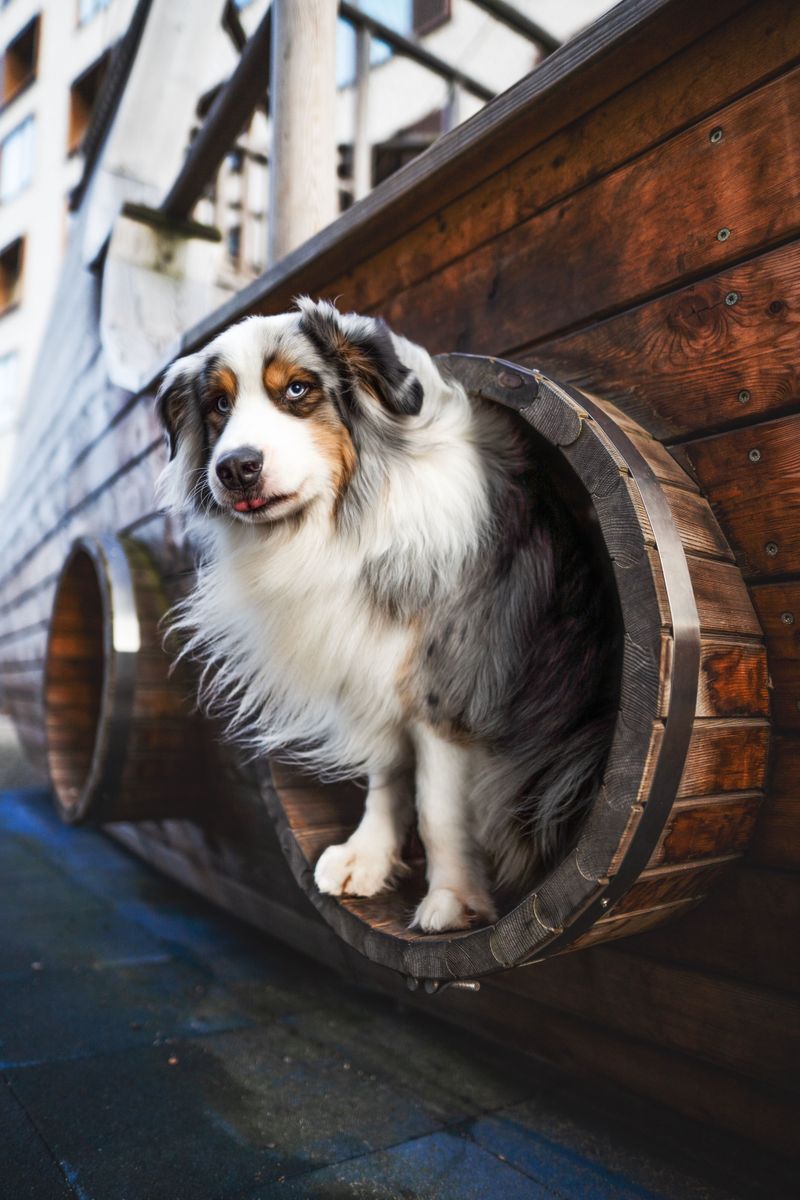
Work-loving and people-focused, an Aussie without tasks often invents them. You might see careful paw taps on remotes, nose flips of coasters, or a quick audit of anything that beeps.
They crave purpose as much as play.
Mix obedience with trick chains, like spin, bow, and paw. Try DIY agility using safe household setups.
Reward calm settling after workouts. Rotate chew options and provide a job, even if it is carrying mail to a basket.
Dachshund
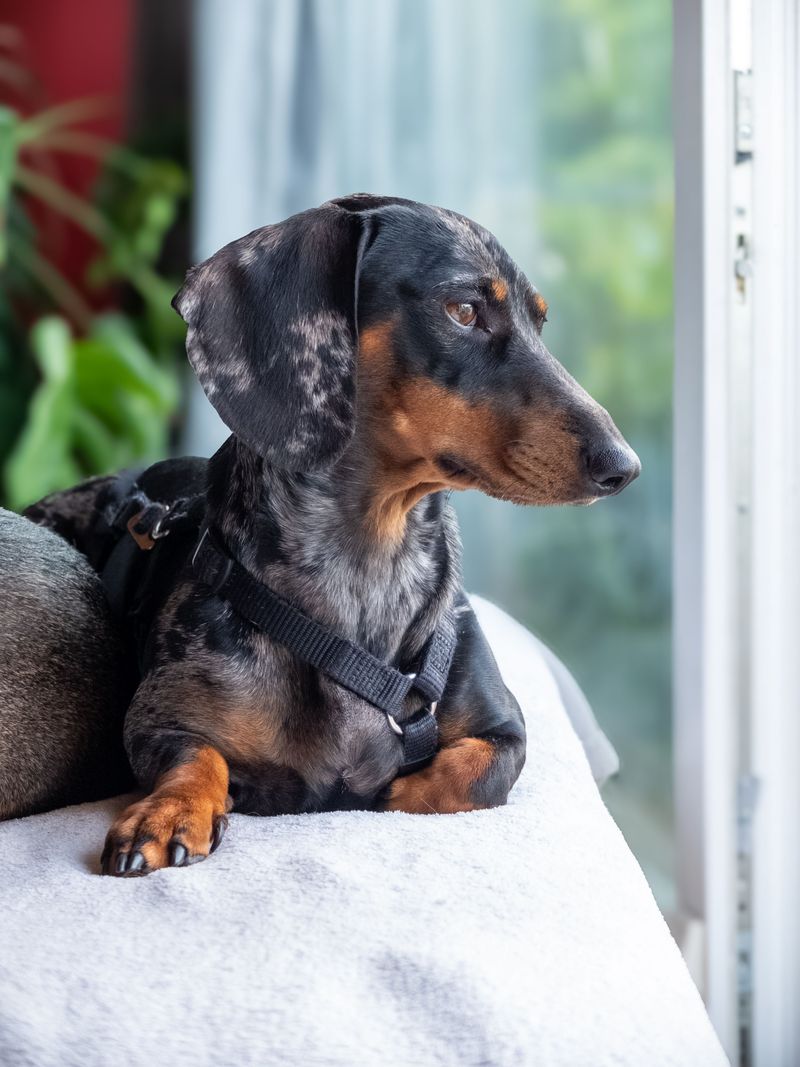
Long body, longer curiosity. Many Doxies channel their hunting roots by nosing into blankets and bags, searching for crumbs or squeaky surprises.
The ground-level view makes every floor object look like a possible treasure.
Provide dig boxes filled with towels and hidden toys. Short, frequent walks help mood and stamina.
Use treat puzzles sized for small muzzles. Keep low shelves tidy to limit temptation.
A snuggly post-play nap usually ends the expedition happily.
Boxer
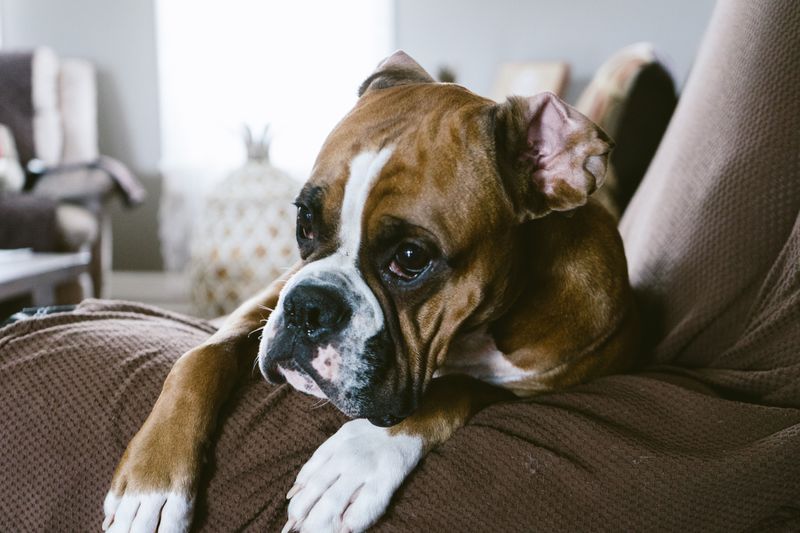
Goofy charm meets endless energy. When nothing is happening, a Boxer may bop doorstops, nose light switches, or parade around with a towel like a victory flag.
Playfulness is constant, even on rainy days.
Plan bursts of tug, flirt pole sprints, and obedience games. Use tough chew toys and rotate them often.
Teach a solid “place” cue for rest. After a brisk workout, offer a stuffed chew to keep curiosity satisfied and gentle.
Golden Retriever
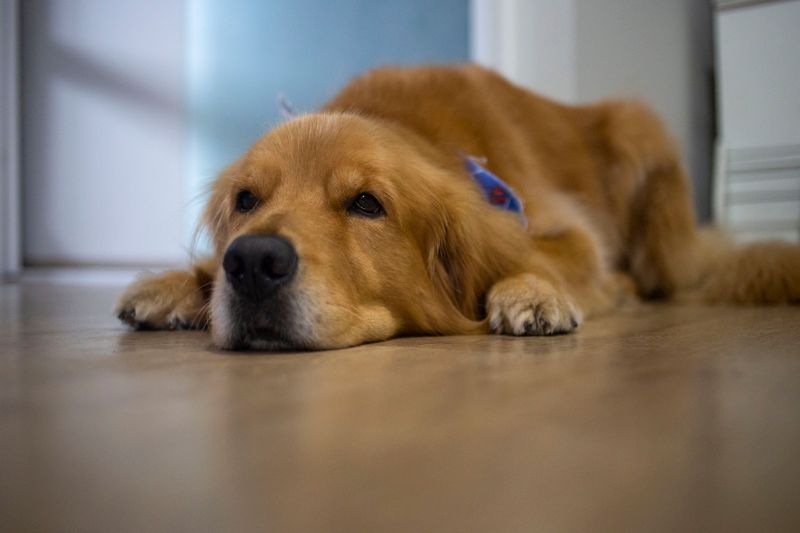
Soft mouths love to carry things, which can include your socks if boredom strikes. Goldens often collect items into tidy piles as if organizing the household for you.
Kind eyes do not mean idle minds.
Fetch with structured rules helps. Add scent games using cotton balls dabbed with safe food scents.
Offer puzzle feeders at mealtimes. Teach a “bring” cue to swap found items for treats, turning scavenging into a polite game you both enjoy.
German Shepherd
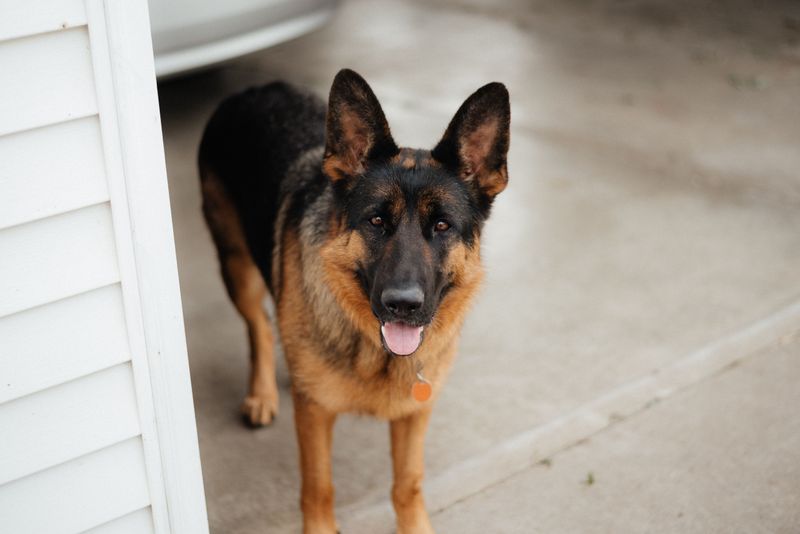
Guardian instincts come with sharp awareness. During slow hours, a Shepherd may “inspect” bags, test door handles with a paw, or reposition shoes near entryways like patrol gear.
Mental work matters as much as physical miles.
Practice scent detection lines with labeled boxes. Add obedience with impulse control, such as sit-stay while doors open.
Heavy-duty chews paired with place training build calm. A clear job list keeps household objects off the duty roster.
Standard Poodle
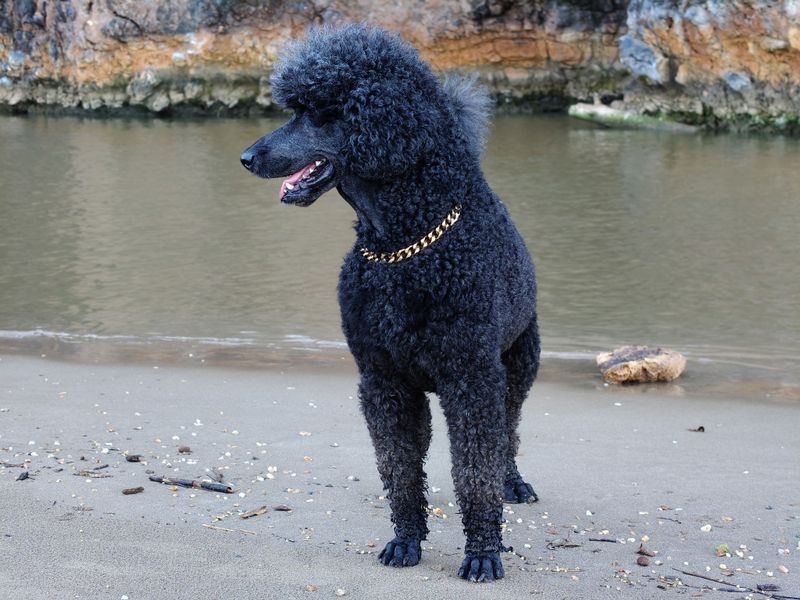
Brains and bounce make Poodles master problem-solvers. With downtime, they may test cabinet doors, nudge drawers, or reorganize laundry just to see what responds.
Curiosity shows up as quick experiments around the room.
Teach new tricks weekly and use shape-training games with a clicker. Food puzzles that require steps are ideal.
After a brisk walk, practice calm mat work. Keep handles secured and rotate safe toys to satisfy that clever, classy curiosity without household surprises.