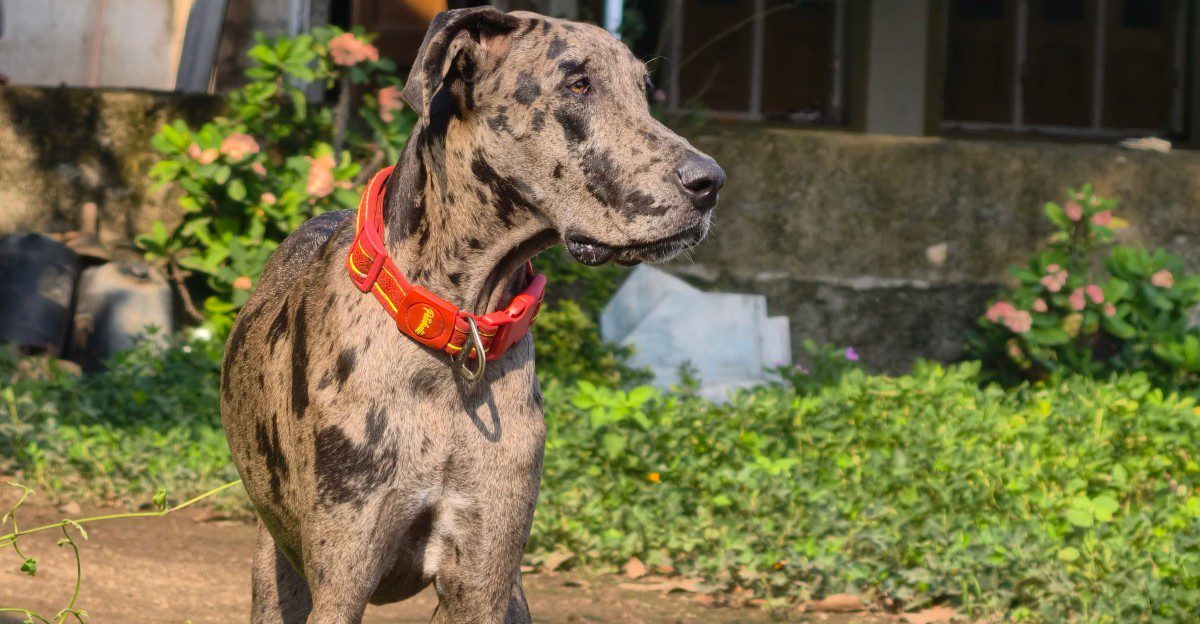
Some dogs can warn you without a single bark. If you watch their ears, eyes, and paws, you might catch a secret signal.
Learning these quiet cues can help you feel safer at home or on a walk. Here are breeds that often use calm, silent signs to say someone is close by.
Doberman Pinscher
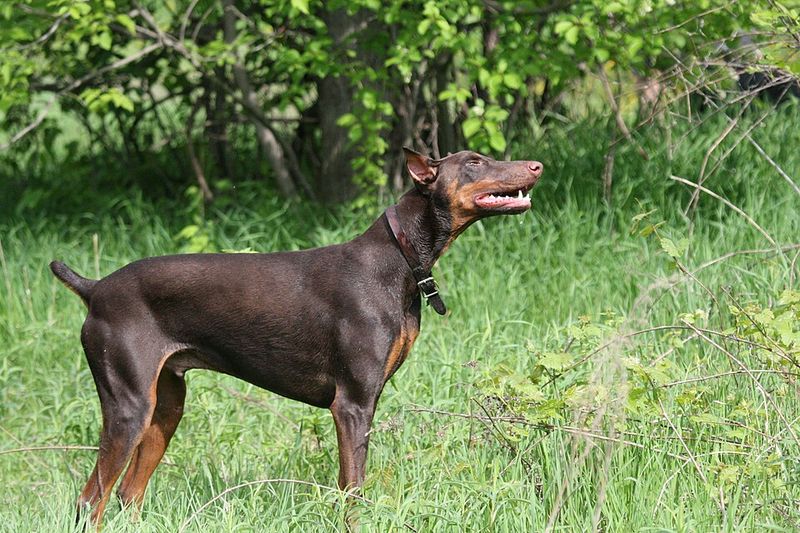
Like a shadow that notices everything first, a Doberman often goes silent and statuesque when someone nears. Ears tilt forward, chest rises, and the body forms a straight line toward the sound.
You might see a gentle tail quiver and a steady stare at one spot.
Try saying the dog’s name softly. If the head tilts but the eyes stay locked, that is your quiet alarm.
Many Dobermans also block a hallway, placing themselves between you and the entry.
German Shepherd
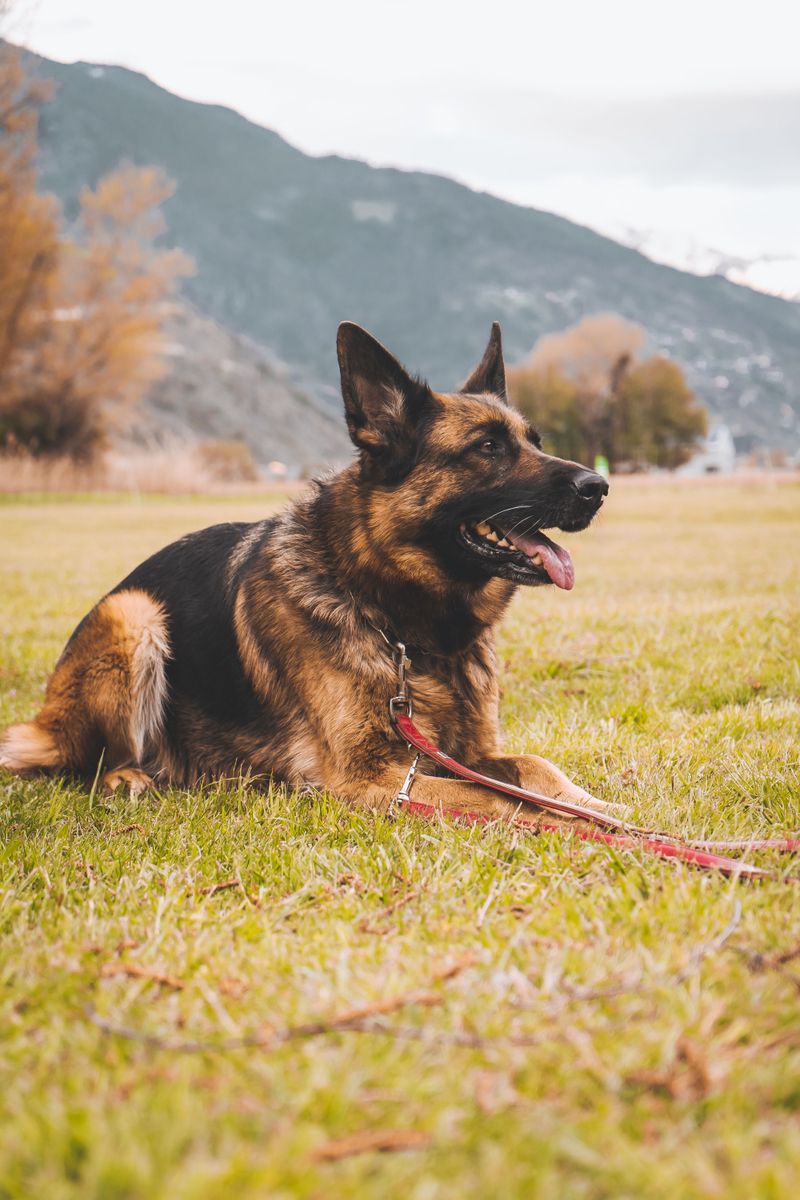
Police-style focus without the noise is common for this breed. The first clue is a single ear tipping higher, followed by a nose lift that tastes the air.
Muscles tighten, and the dog plants its front feet wide, as if making a brace.
Watch for a smooth, silent glide toward a door or window. Some shepherds hold their breath for a moment, then exhale through the nose.
That quiet huff often means someone is very close.
Akita
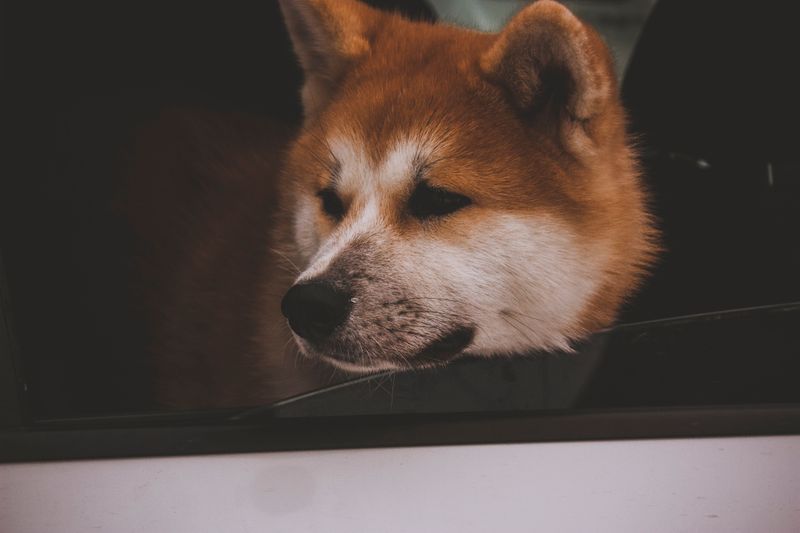
Dignity turns into stillness when an Akita senses a visitor. The tail relaxes from a tight curl to a softer curve.
Ears point like small arrows, and the gaze narrows into a slow, careful scan. You may notice barely-there whisker twitches.
Step beside the dog and look in the same direction. Many Akitas slide a paw forward and freeze, like pressing pause.
That gentle shift, plus a firm stance, often signals a nearby presence.
Rottweiler
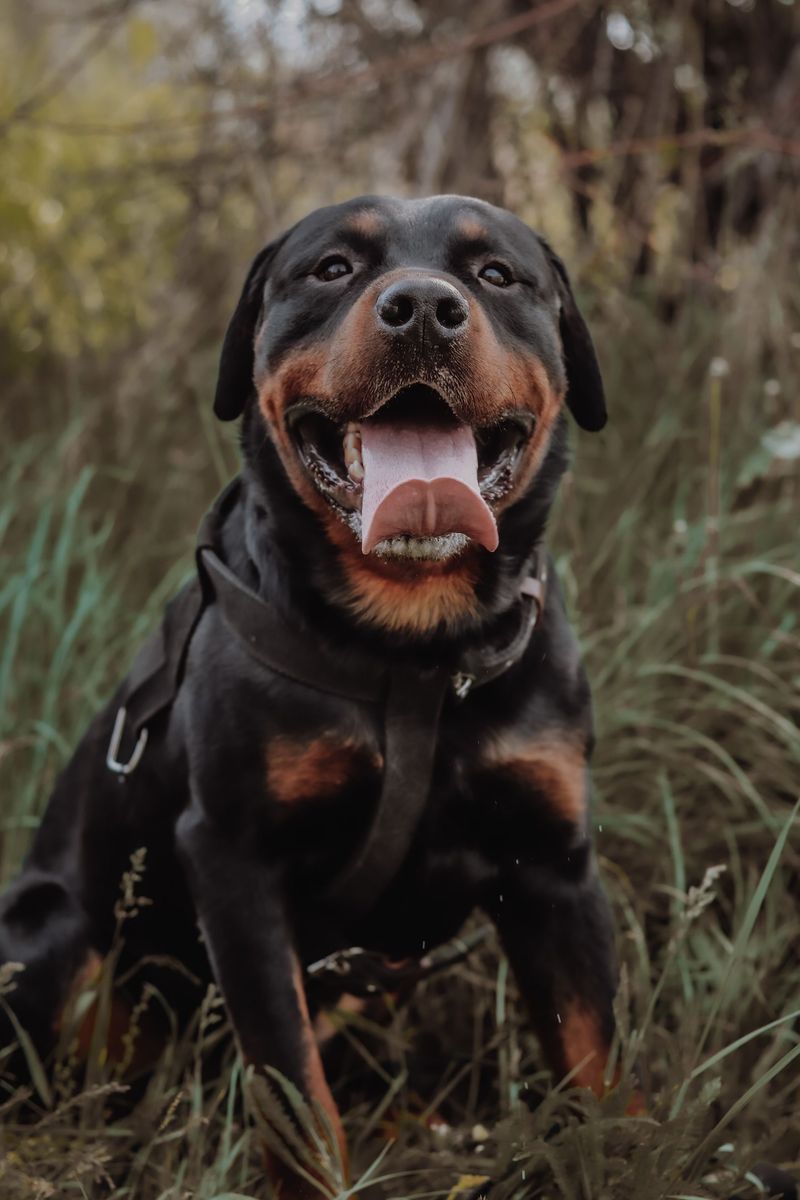
Big presence speaks louder than sound here. A Rottweiler may step sideways to fill your hallway, chest wide and head low.
It is like a living speed bump. The eyes go soft but fixed, locking on the door, and breathing becomes slow and deep.
If you touch the collar and feel calm tension, pay attention. Many Rottweilers shift weight to their front legs, signaling someone is right outside or moving closer.
Rhodesian Ridgeback
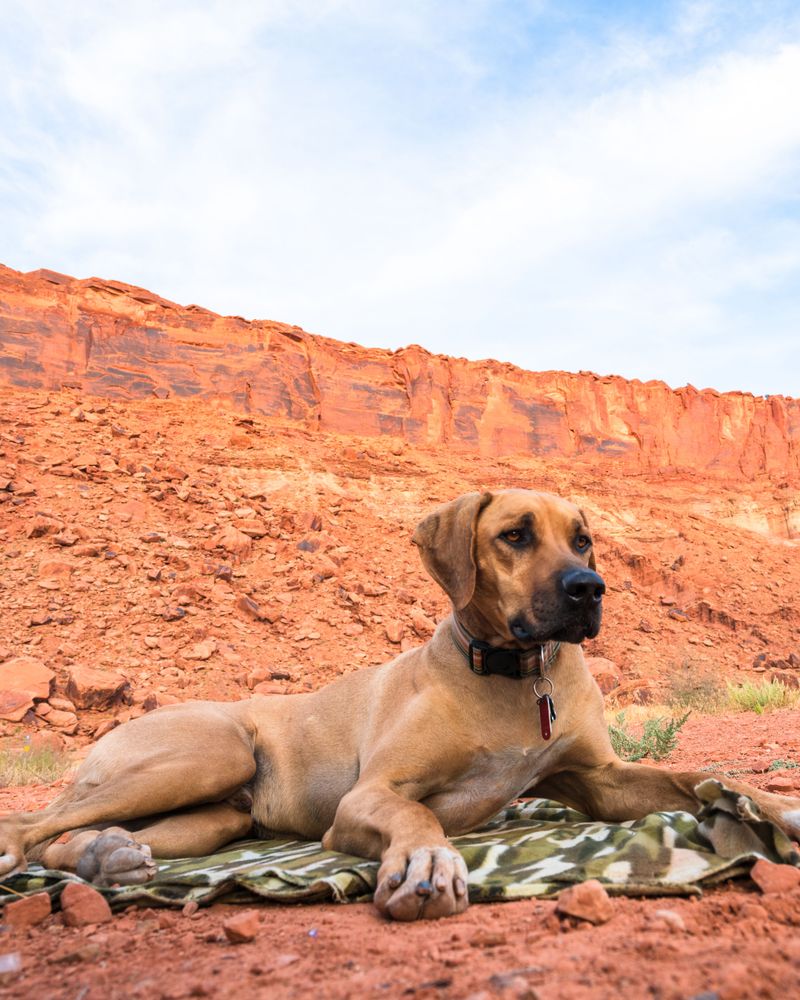
Built for scouting, a Ridgeback often shows a hunter’s pause. The ridge may lift slightly while the tail steadies like a ruler.
Nostrils flare as the dog tests tiny scent changes, and the head angles to catch a faint sound.
Walk toward the gaze and you might see a slow, careful step forward. No barking, just a quiet escort.
That smooth creep, plus raised hackles, usually means a person is within view or scent.
Great Dane
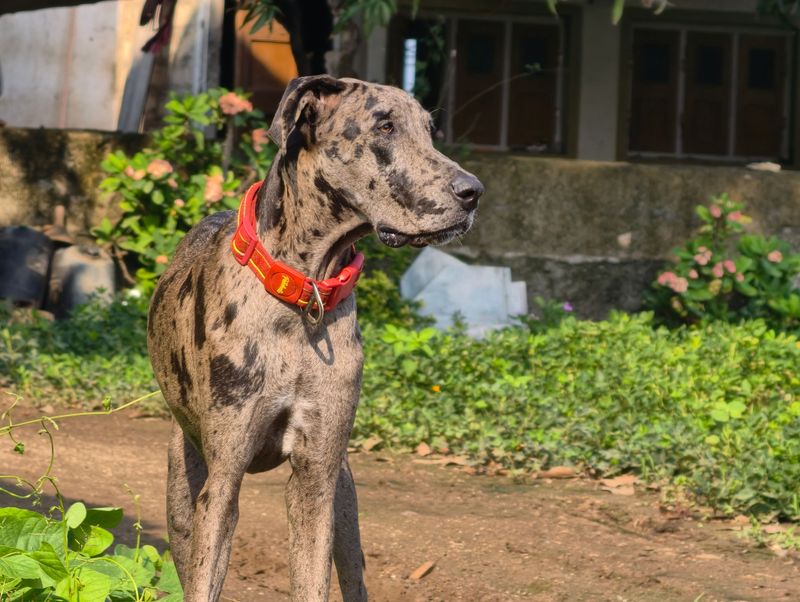
Gentle giants have a polite signal. A Great Dane may press a shoulder into your leg, then crane its long neck toward the entry.
The ears lift a notch, not sharp, just aware. Breathing slows, and the tail hangs in a quiet line.
Stand up and follow that long nose. If the dog tiptoes ahead on soft feet, it is guiding you silently.
Many Danes pause beside the doorframe, as if pointing with their whole body.
Cane Corso
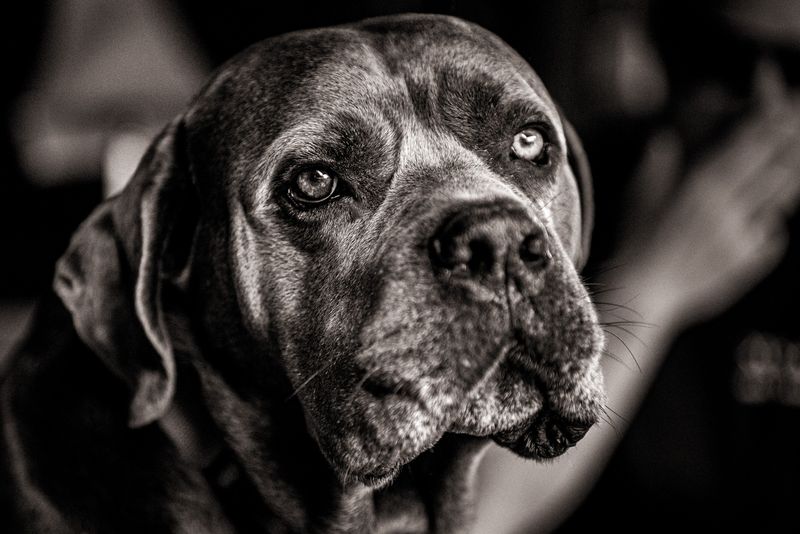
Calm, steady, and watchful, a Cane Corso prefers quiet control. The dog often squares up to face the gate, neck thick and still, like a sentry.
Eyes sweep once, then settle. Lips stay relaxed, not tight, which tells you it is focused, not stressed.
Move closer and you may feel the dog’s body harden just a little. That subtle brace, paired with a silent step forward, flags that someone is nearby.
Bullmastiff
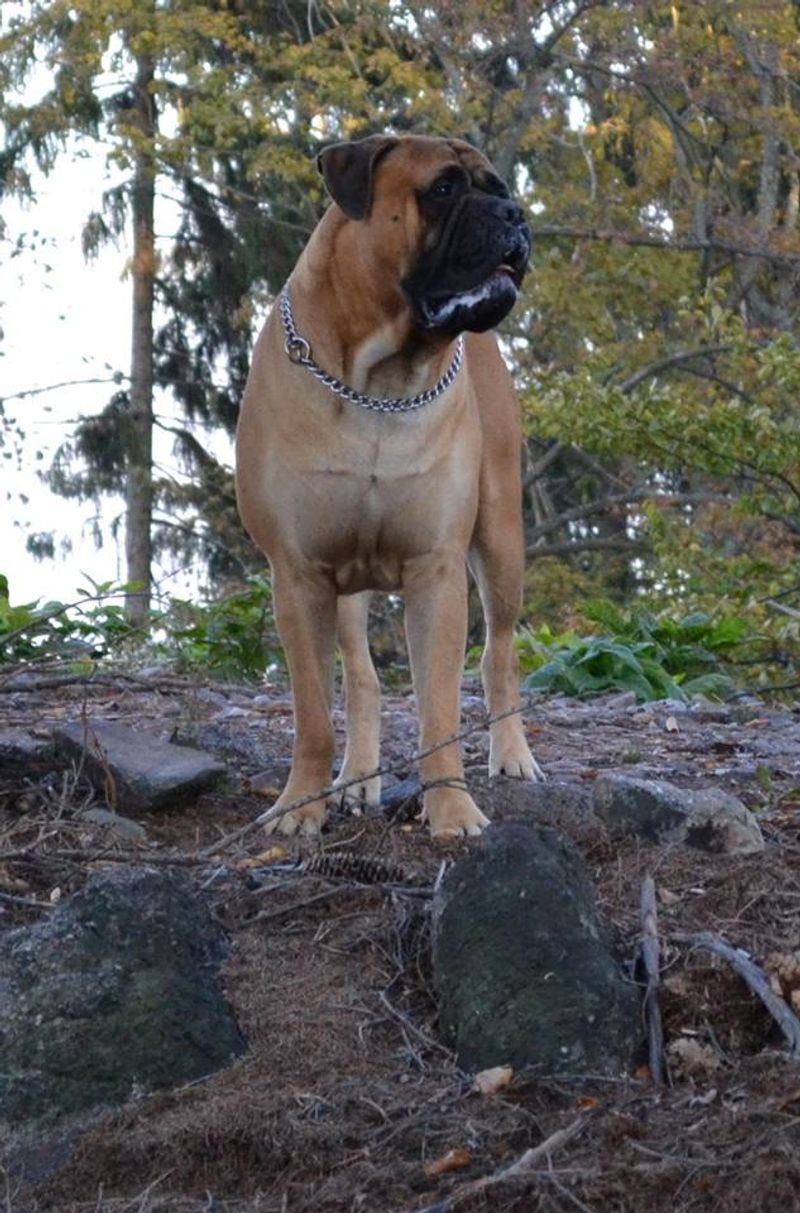
Old-school guardianship shows up as quiet courage. A Bullmastiff often plants itself beside the door like living furniture.
There is a tiny tail twitch and a slow head tilt that seems to measure distance. No growl, just a heavy pause that fills the space.
Place your hand on the shoulder. If the muscle feels firm under calm skin, someone might be close.
Many Bullmastiffs slide forward exactly one step, a silent green light to pay attention.
Boxer
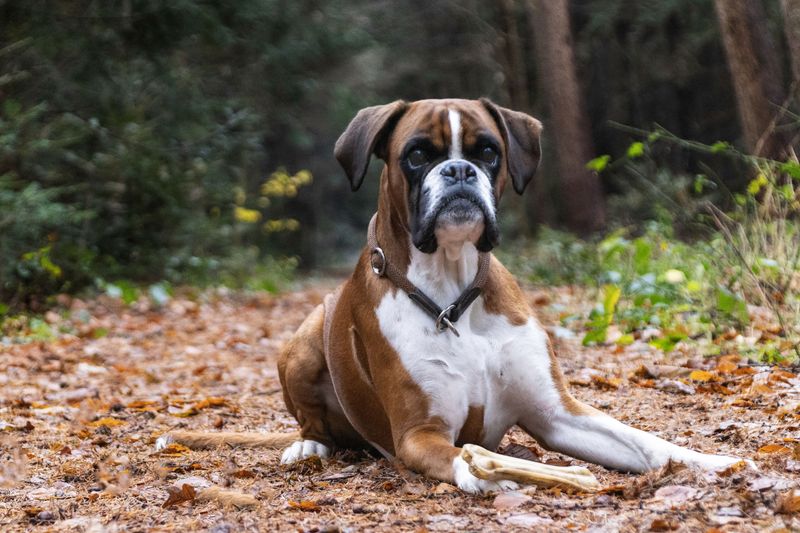
Goofy most days, the Boxer flips to serious in a heartbeat. Mouth closes, ears perk, and the whole body freezes like a paused video.
A quick sniff-sniff and a sideways head tilt usually follow. Playtime stops instantly.
Say a calm cue like watch. If the Boxer shifts to stand tall, front paws lined up, someone may be at the edge of the yard or steps.
Expect a pointer-like stance without noise.
Standard Schnauzer
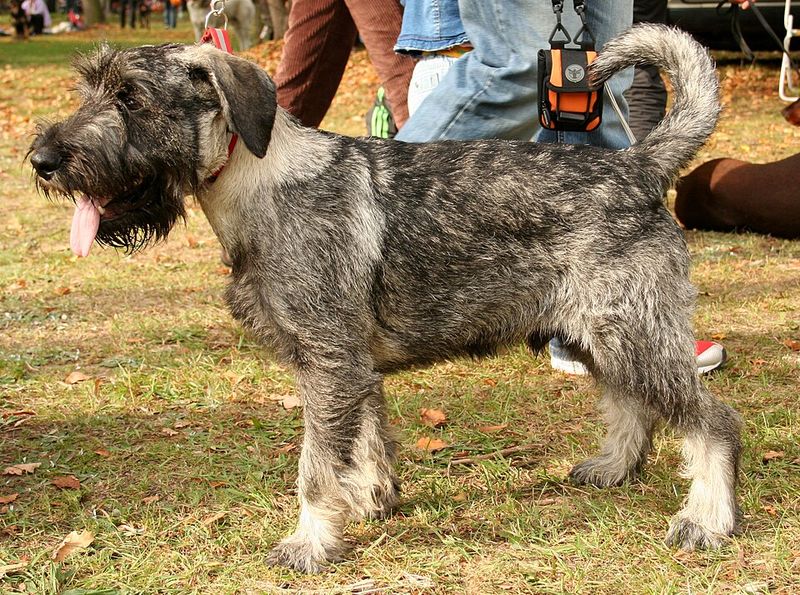
Those famous eyebrows tell stories. A Standard Schnauzer often lifts them like curtains, then raises a single paw as if asking a question.
The beard points the way, chin stretched toward a hallway or door. You might hear a soft nose whistle, not a bark.
Follow the lifted paw and watch for a tiny weight shift forward. That polite point-and-pause move means the dog has clocked movement or footsteps nearby.
Great Pyrenees
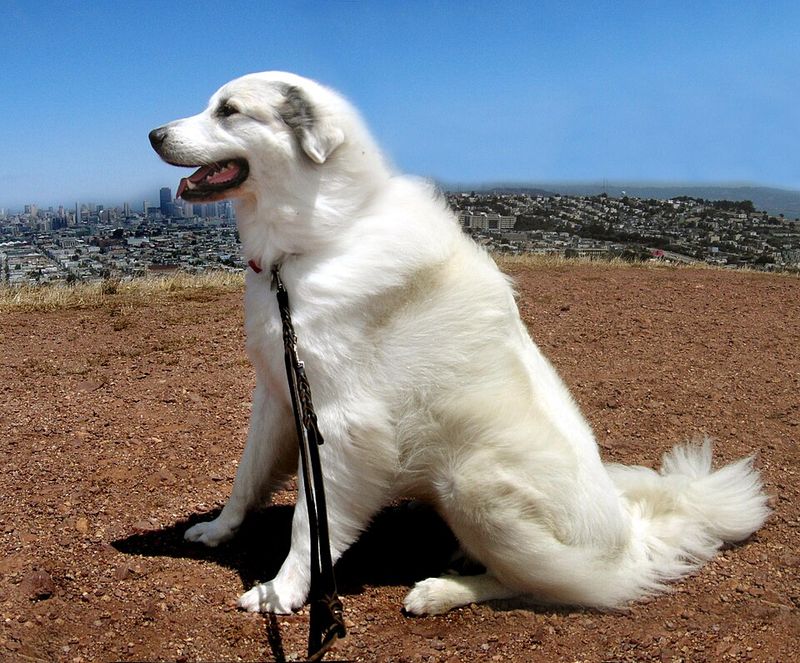
Born to guard flocks, this dog trusts quiet patience. A Great Pyrenees often steps outside and stands broadside, letting the wind carry scents.
Ears flutter once, then settle. The tail makes a slow, even sweep, like a metronome keeping time with distant footsteps.
Stay near and watch the dog’s chest. A deep inhale followed by stillness is the hint.
That calm freeze signals someone is approaching the property line.