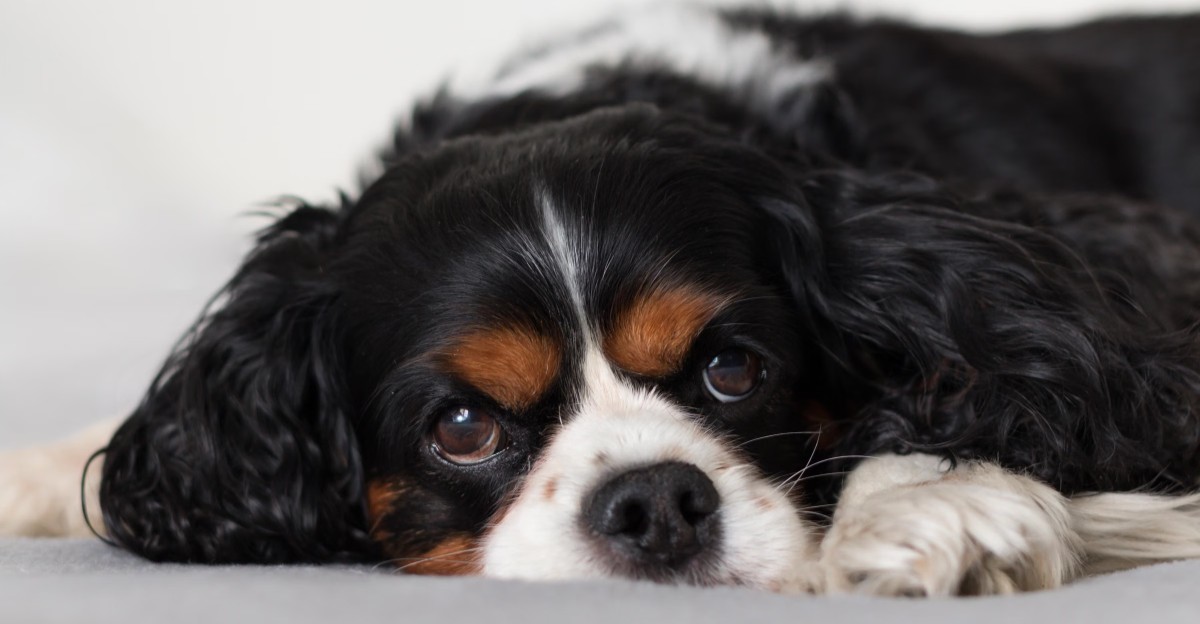
Some dogs think your lap is the best seat in the house. Big or small, they climb up, snuggle in, and make themselves at home.
That can be adorable, but it also means planning for comfort, training, and space. Here are breeds known for turning laps into favorite hangouts, plus tips to keep the cuddles happy for both of you.
Cavalier King Charles Spaniel – the velvet shadow
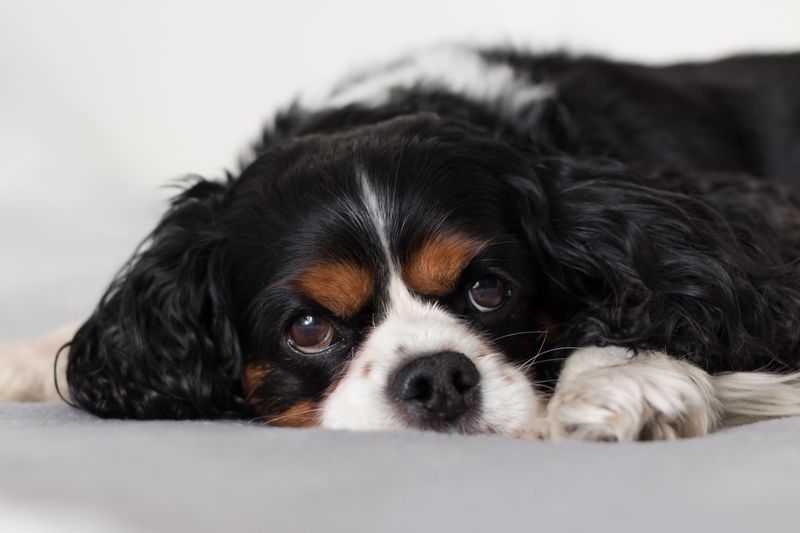
Picture a silky-eared buddy who follows you from room to room, then melts onto your legs like a warm blanket. Cavaliers adore touch and often seek eye contact before they settle in.
Grooming helps keep their coat comfy for lap time, and a small pillow can support your knees.
Short walks and playful fetch keep their weight steady. Teach a release word so you can stand up safely.
Gentle, consistent routines make cuddle sessions pure joy.
Pug – the snorty snuggler
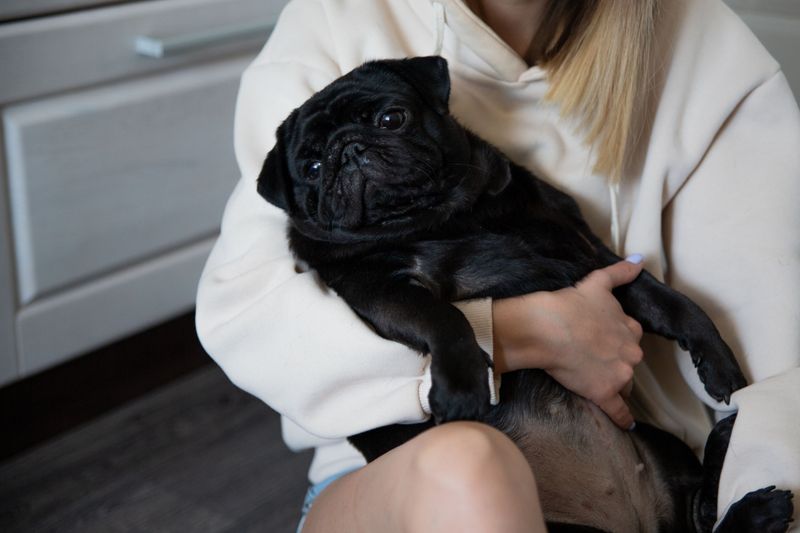
A cheerful snort, a wiggle, and boom, you have a lap ornament. Pugs crave closeness and often wedge themselves wherever you sit.
Because they overheat easily, keep cuddle spots cool and avoid heavy blankets in warm weather. A small fan can help.
Regular nail trims protect your clothes and legs. Use a step stool for getting on and off furniture to save their joints.
Short, fun training bursts keep minds busy between cuddle breaks.
French Bulldog – the compact comedian
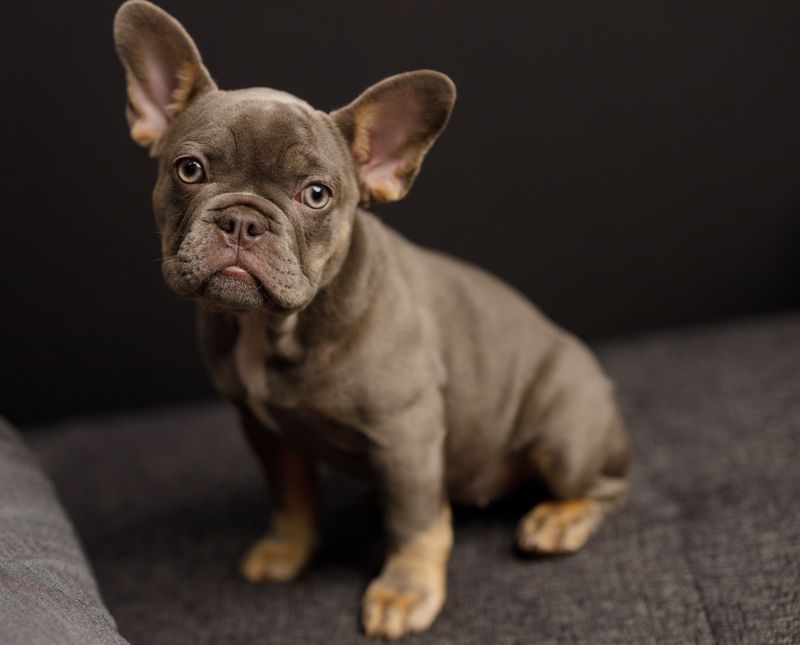
First comes the side-eye, then a gentle flop right onto your knees. Frenchies have a clownish streak and love being the center of attention.
Keep cuddle time breezy with good airflow, since short snouts get warm quickly. A cool mat on the couch can make a big difference.
Because they are sturdy, teach “off” and “up” to protect your back. Short daily walks and puzzle toys balance their relaxed, lap-focused vibe.
Dachshund – the tunnel of warmth
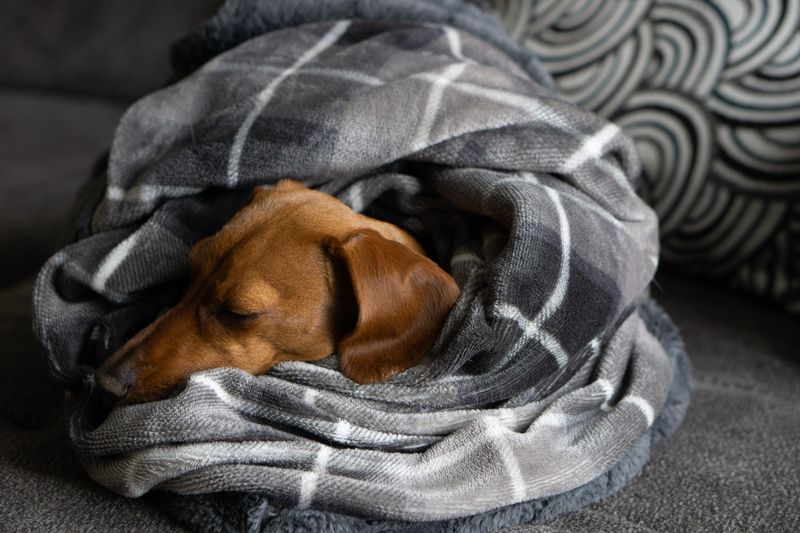
If a blanket is nearby, a Dachshund will find it and your lap at the same time. They love to burrow, so offer a lightweight throw to protect your legs from digging paws.
Because of long backs, avoid big jumps to and from your lap. Use ramps or a low ottoman.
Short, frequent walks help maintain core strength. Calm handling during cuddle time makes them feel safe and keeps wriggly moments under control.
Chihuahua – the pocket protector
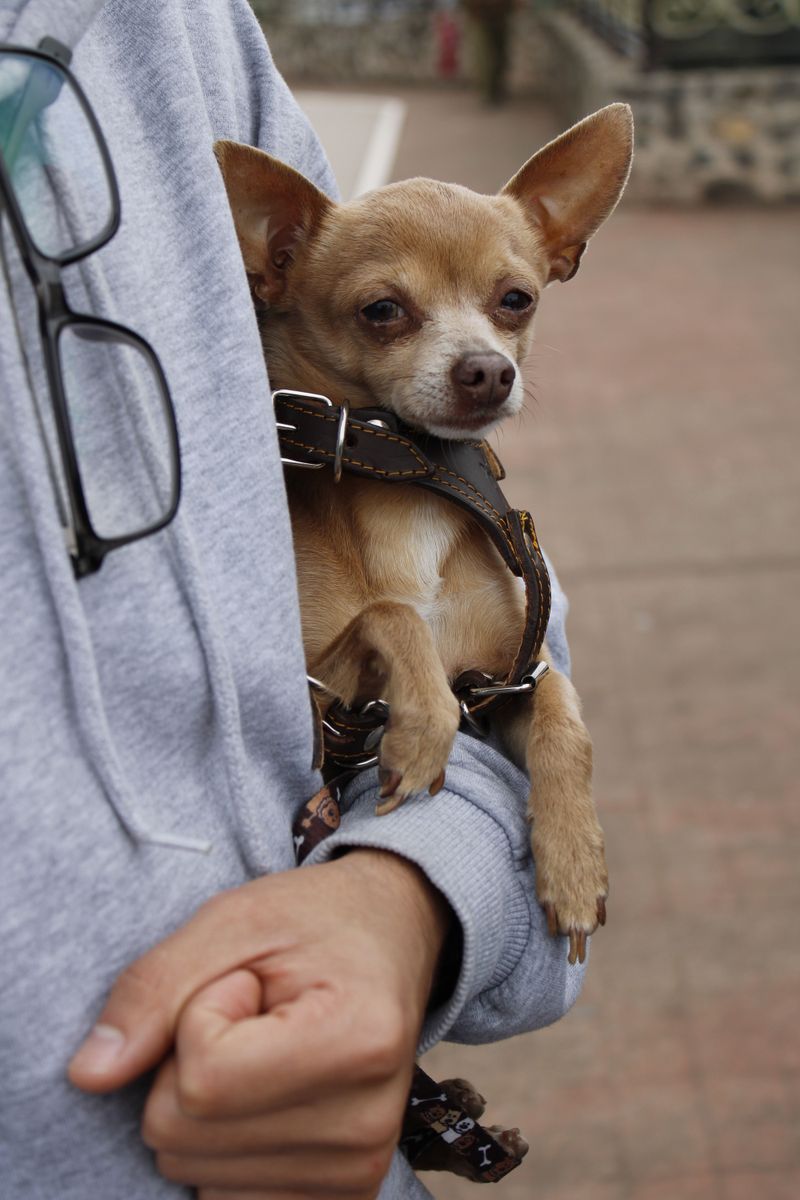
Small in size, giant in attitude, many Chihuahuas claim their favorite human like royalty. Warm laps are their happy place, especially in cooler rooms.
A soft sweater can extend cuddle seasons, and a tiny bed beside you offers a backup spot.
Socialization reduces lap guarding around guests. Teach polite cues like “settle” and reward calm behavior.
Because they can be delicate, supervise kids during snuggle time and use gentle lifts to protect tiny joints.
Golden Retriever – the sunshine leans in
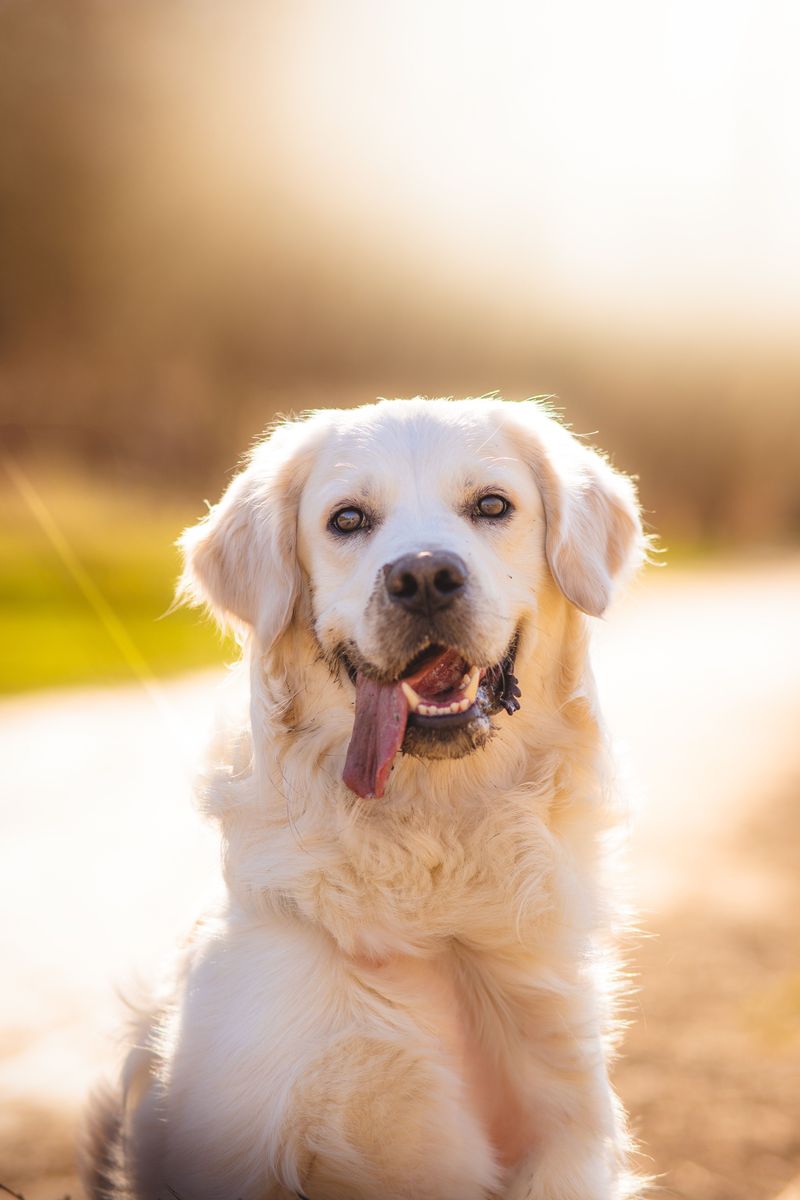
Despite their size, Goldens often forget they are not toy-sized and slide into your lap mid-hello. Affection comes with weight, so guide them into a partial lap perch to protect knees.
Regular brushing keeps shedding manageable and cuddle clothes cleaner.
Channel their eager energy with fetch or swimming before movie night. Teach “paws off” and “wait” to keep greetings gentle.
Fun fact: they were developed in Scotland for retrieving waterfowl with a soft mouth.
Labrador Retriever – the happy heavyweight
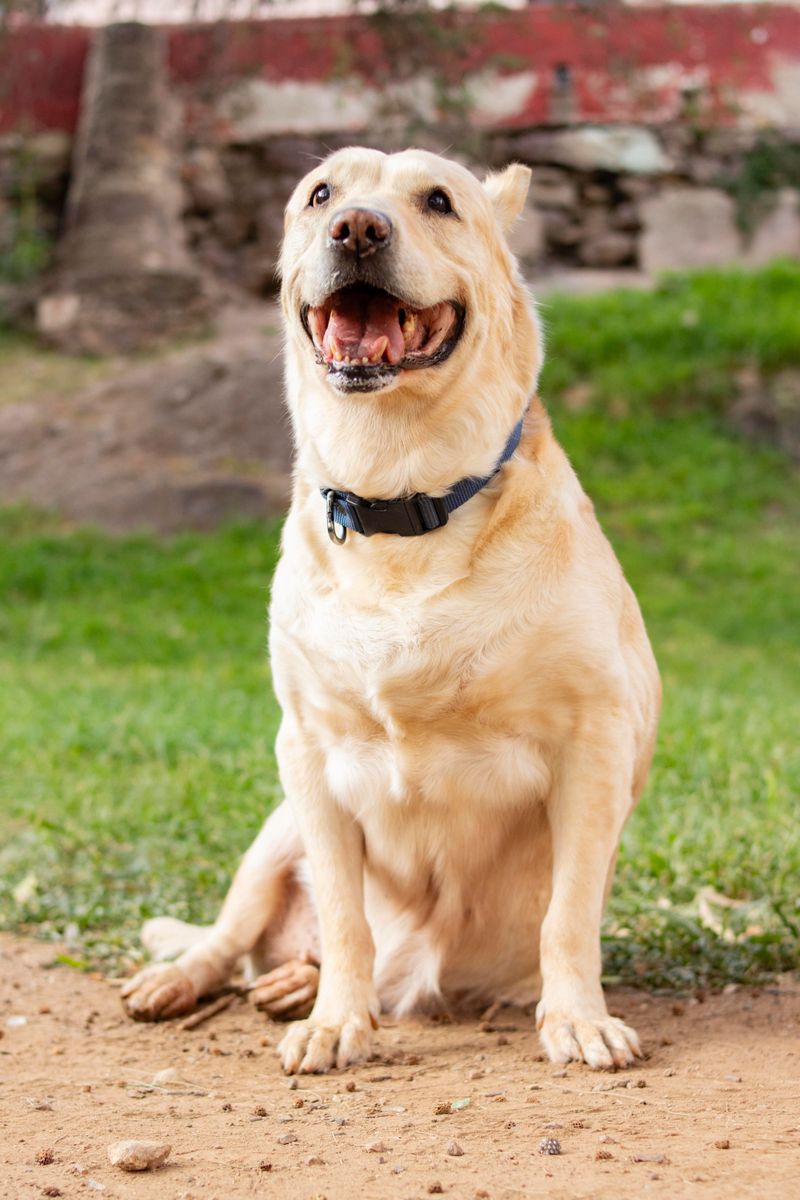
A Lab will nudge your hand, then your heart, then your lap. They are affectionate leaners who may park half their weight across your legs.
Provide a thick cushion or folded blanket for support during longer cuddles. Strong nails benefit from regular trims.
Plenty of exercise makes snuggle time calmer. Use commands like “place” so they can rest on a nearby mat when your lap needs a break.
Their goofy charm keeps the mood light.
Boxer – the wiggly lap rocket
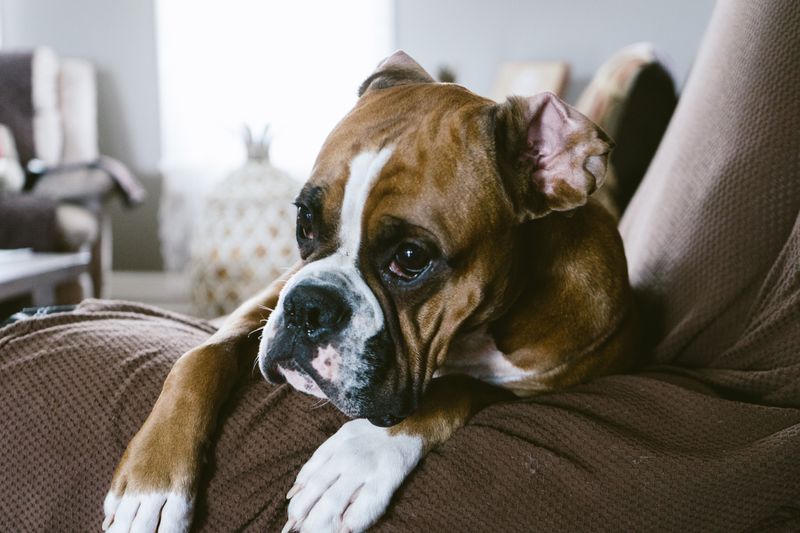
Zoomies now, lap time later. Boxers blast through play, then crash straight into your space for cuddles.
Because of their springy energy, teach “easy” before allowing the climb. A floor-level snuggle on a soft rug can be kinder to knees.
Short training sessions and brain games help them settle faster. Keep water handy after play.
Fun fact: Boxers were once used as couriers in wartime, which might explain the determined head-in-lap messages.
Great Dane – the gentle lap illusion
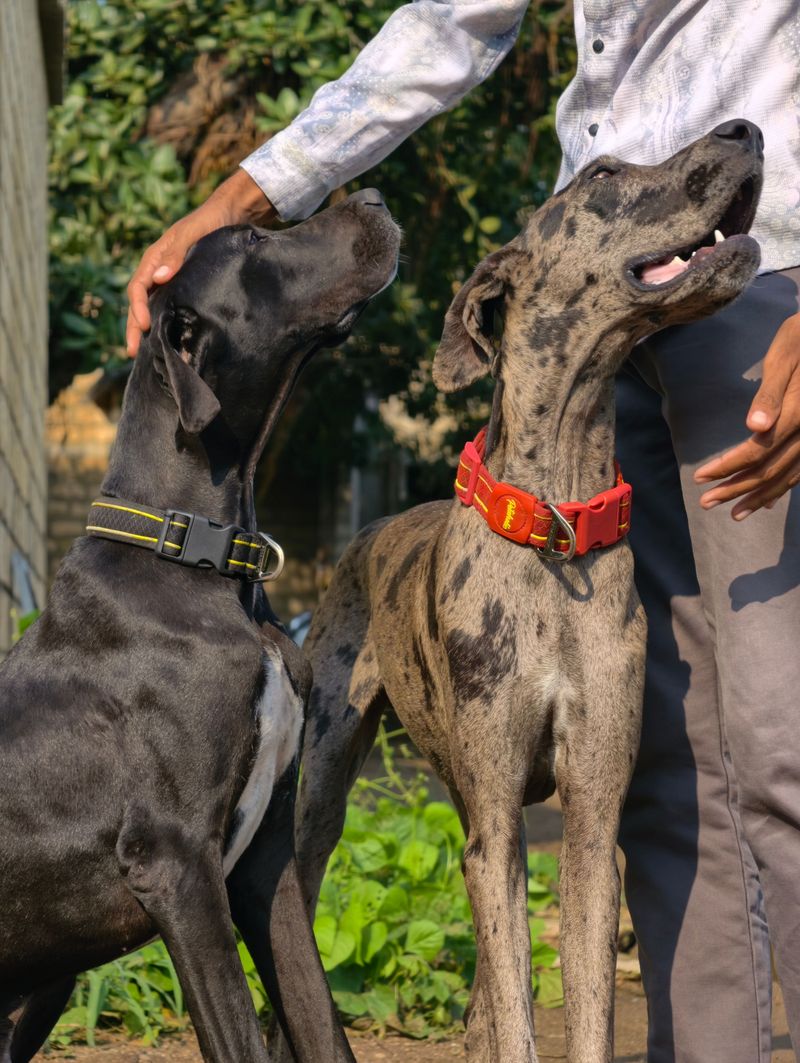
Try telling a Great Dane they are giant. Many still fold themselves into laps like origami.
Because of their size, guide them to a side-sit with hips on the couch and paws on the floor. A supportive sofa and non-slip rug help everyone stay steady.
Regular joint-friendly exercise keeps them comfortable. Teach “wait” and “off” to manage enthusiasm.
Their calm nature shines during quiet evenings, especially when you create a roomy cuddle zone.
Greyhound – the sleek sofa spooner
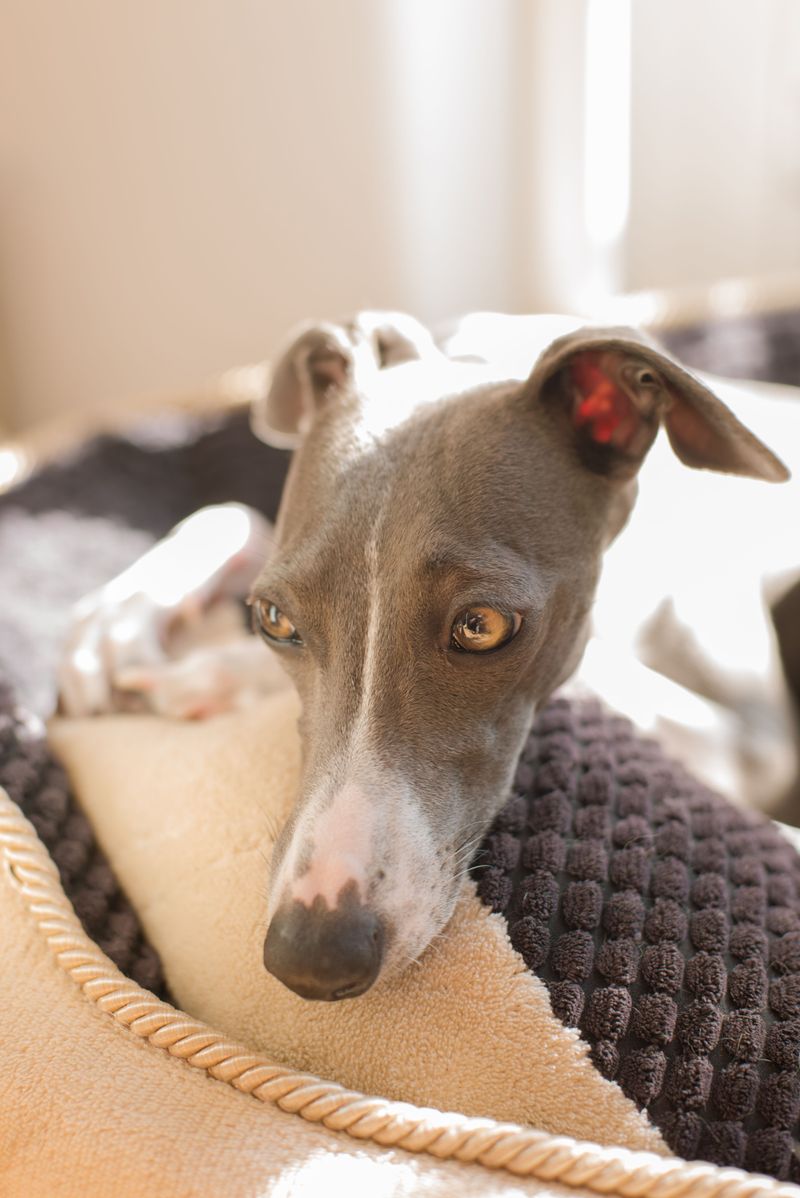
Retired racers discover indoor life and quickly pick a favorite spot: your lap. Despite long legs, Greyhounds curl into compact shapes, perfect for quiet snuggles.
Their thin skin appreciates soft blankets, so add a throw to prevent bony elbows from poking.
Short bursts of exercise followed by deep rest suit them well. Teach calm cues like “settle” and reward stillness.
A draft-free room keeps them cozy since they run lean on body fat.
Newfoundland – the warm-hearted cloud
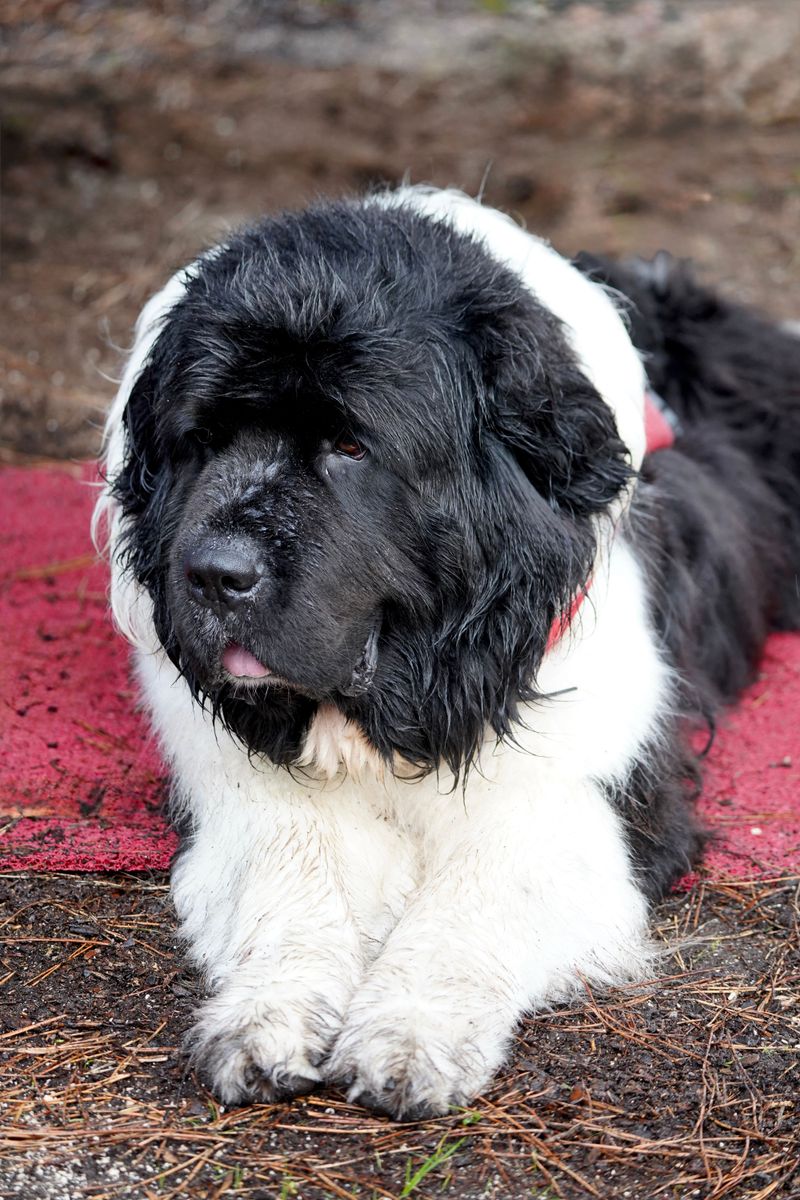
With a heart as wide as a lake, a Newfoundland leans in like a living pillow. Full lap sits are heavy, so encourage a side cuddle with just shoulders across your legs.
Keep a lint roller handy for the fluff festival that follows.
Regular grooming and a cool room make long snuggles pleasant. Use sturdy furniture and teach “off” for safe transitions.
History note: Newfoundlands helped sailors, which explains their steady, comforting presence by your side.